
Reviewed · PASTA AND TIRAMISU COOKING CLASSES
Rome: Fresh Pasta Making and Tiramisu Dessert Master Class
Flour on your hands, Roman comfort food ahead. I love the hands-on tonnarelli technique and the step-by-step tiramisu assembly, and it is the kind of class where you do the work, not just watch. One caution: it is not set up for vegans, and it uses gluten and dairy, so you need to skip it if those are an issue.
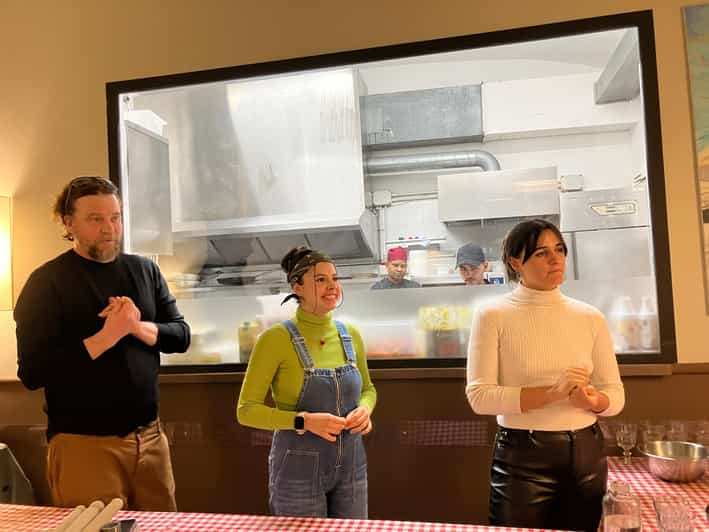
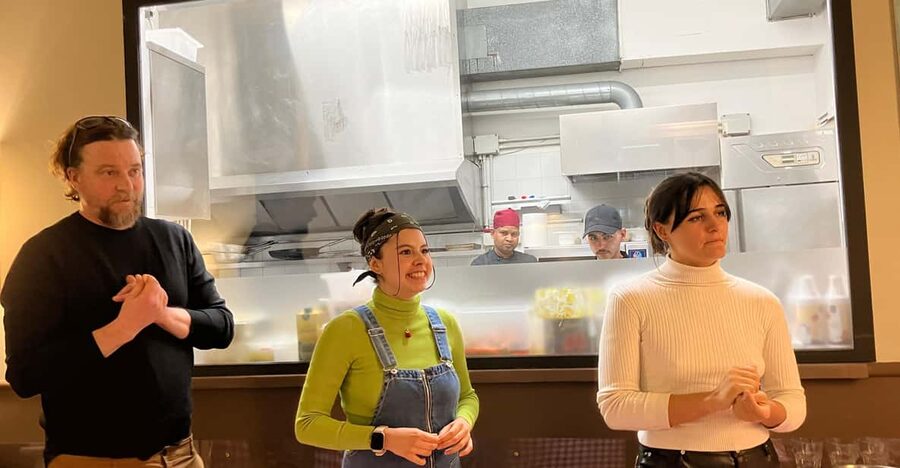
You meet at Osteria San Giorgio, via Luca della Robbia 3a, Rome, and you stay with the same small group for the whole 2.5 hours. The instruction is in English, and the tone is consistently friendly, with guides such as Christian and Shula mentioned for warm, clear support, even when cooking experience is basically zero.
In This Review
- Key things that make this Rome master class worth your time
- Roman Fresh Pasta and Tiramisu: Why this class hits the sweet spot
- Meet at Osteria San Giorgio, then roll up your sleeves
- What “small group” really means in practice
- Making Roman tonnarelli: the first big skill you take home
- The main downside to consider: sauce variety is not the focus
- Rolling, cutting, and getting the dough right (without overthinking it)
- Tiramisu master class: build order and texture you can actually taste
- Enjoying the fruits of your labor at the end of class
- Price and value: is $57 a fair deal in Rome?
- Who should book, and who should skip this Rome cooking class
- Wheelchair access note
- Should you book this master class or not?
- FAQ
- How long is the Rome fresh pasta and tiramisù master class?
- How many people are in the group?
- Is the class taught in English?
- What does the price include?
- What is not included in the price?
- Is this class suitable for vegans or people with gluten or lactose intolerance?
- Can I cancel and get a full refund?
- Is the experience wheelchair accessible?
Key things that make this Rome master class worth your time
- You make both dishes yourself: fresh pasta from dough to cut pasta, plus a full tiramisù build.
- Small group size (up to 10) means you get real attention while you roll, cut, and layer.
- Real Roman pasta focus on tonnarelli, not generic spaghetti-and-sauce.
- Coffee-forward tiramisù built with espresso, ladyfingers, mascarpone, and cocoa.
- Included wine and water make the end of class feel like a proper meal, not a snack.
- Sometimes it feels private when fewer people book, so the vibe can shift to a more personal lesson.
Roman Fresh Pasta and Tiramisu: Why this class hits the sweet spot
This is one of those Rome food experiences that feels practical, not performative. You are not just learning food theory, you are building two iconic dishes with your hands. And because the class is only 2.5 hours, it stays focused: you get technique, then you eat the results.
What I like most is that it covers both ends of the Italian comfort-food spectrum. First you learn fresh pasta basics for tonnarelli, the Roman-style shape that is all about a good dough and the right cut. Then you switch gears to a dessert that is basically Italian hospitality in cake form, tiramisu, where timing and layering matter.
The biggest “keep expectations straight” detail is that this class is designed for a specific outcome: fresh pasta and classic tiramisù with the standard ingredients. If your dream in Rome is to compare ten sauce styles or learn alternate versions for different diets, this is not that class. But if you want to leave with confidence and a repeatable method, it is an excellent use of an afternoon.
Other kitchens rolling pasta and folding tiramisu:
- 3 in 1 Cooking Class near Navona: Fettuccine, Ravioli & Tiramisu
★ 5.0 · 7,376 reviews - Rome: Pasta & Tiramisu Class with Fine Wine by the Vatican
★ 4.9 · 4,852 reviews - Rome: Pasta Making Class with Wine, Limoncello, and Dessert
★ 4.9 · 3,177 reviews - Rome Cooking Class: Make Pasta and 3 Spritz Cocktails
★ 5.0 · 2,937 reviews
Meet at Osteria San Giorgio, then roll up your sleeves
Your lesson starts at Osteria San Giorgio, via Luca della Robbia 3a, Rome. That matters because the class is built around a working food space, not a far-off kitchen studio. One past class described the venue as easy to locate and with a good view of the kitchen area, so you can see what is happening while you learn.
From the start, expect the day to move fast and be hands-on. The format is designed for you to knead, roll, and cut pasta dough, not just assemble ingredients at the end. That is why the small group limit matters so much. When only up to 10 people join, instructors can correct technique while everyone is still working.
Wear something you can handle getting flour on. Even with aprons, fresh pasta has a way of making a mess, in a fun way. Also plan to arrive a bit early so you can settle in, meet the group, and start without rushing.
What “small group” really means in practice
With small groups, you spend less time waiting and more time doing. You are more likely to get a fix when your dough feels too dry or too sticky, and you are more likely to understand what the instructor wants you to notice. That is especially helpful if you have almost no cooking background. One class experience highlighted how the teacher puts people at ease, which is exactly what you want for something tactile like pasta.
Making Roman tonnarelli: the first big skill you take home
The pasta portion is the heart of the lesson: you create fresh dough and learn how to shape tonnarelli. This is a great choice for Rome because it focuses on Roman identity, not a generic Italian menu.
Here is what you should expect as the class flows:
First, you work on the dough. You knead, feel it, and learn what changes when the dough is handled correctly. The goal is dough that rolls smoothly and holds its shape when cut. This matters because fresh pasta can go from perfect to messy fast if it is too dry or too soft.
Then comes rolling and cutting. You will roll the dough out and cut it into tonnarelli. That part sounds simple until you are doing it. The instructor’s job is to help you get consistent thickness and clean cuts, which affects texture when the pasta cooks.
Finally, you move into the cooking stage as part of the class experience. One review mentioned a view of the kitchen where pasta is cooked, and that is a smart setup. Seeing pasta transform from cut shapes to something steamy and ready helps you connect the technique to the result.
The main downside to consider: sauce variety is not the focus
One thing you should know before you book: this class centers on making pasta and tiramisù, not building a menu of sauce options. If you love cooking because you want to master multiple sauce styles, you might wish for more variety. If sauces matter to you, plan to treat this class as your pasta and dessert training, then get sauce inspiration the rest of your trip at Roman restaurants.
Other Roman benches to work at for a morning:
Rolling, cutting, and getting the dough right (without overthinking it)
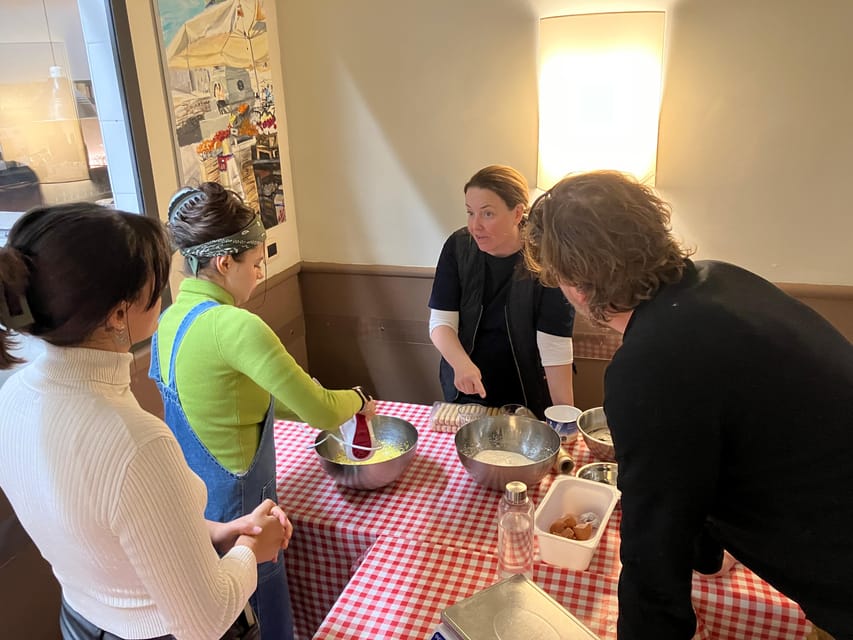
Pasta dough is one of those topics where people overcomplicate it. In reality, the lesson is about learning a few key physical cues: how the dough feels as you knead, how it rolls, and how it behaves when cut.
In a small group setting, the instructor can help you stay on track in real time. That is a big deal because pasta success depends on consistency, not just ingredients. If your dough looks wrong, it is hard to fix later, and you end up fighting the process.
What to do when you are in the middle of it:
- Follow the instructor’s guidance even if your first attempt feels slightly off
- Ask for a quick check on texture before you roll too much
- Don’t rush cutting, because uneven thickness leads to uneven cooking
Also, keep in mind that fresh pasta is delicate compared to dried pasta. You are making something that wants to be handled gently. That is part of the charm, and once you get that rhythm, you will feel a real sense of accomplishment.
And yes, you will likely be proud eating your own pasta. It is a classic chef lesson outcome, and this class is built to deliver it.
Tiramisu master class: build order and texture you can actually taste
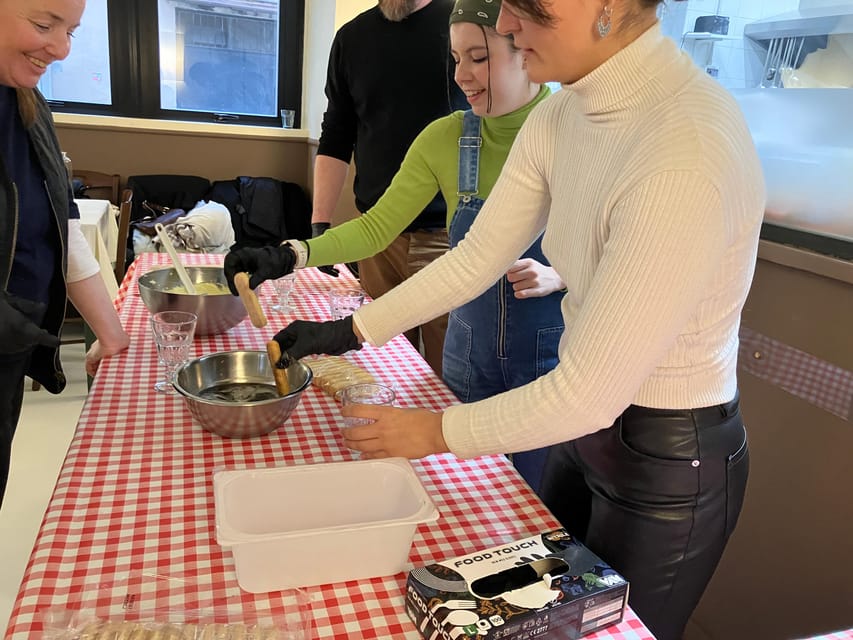
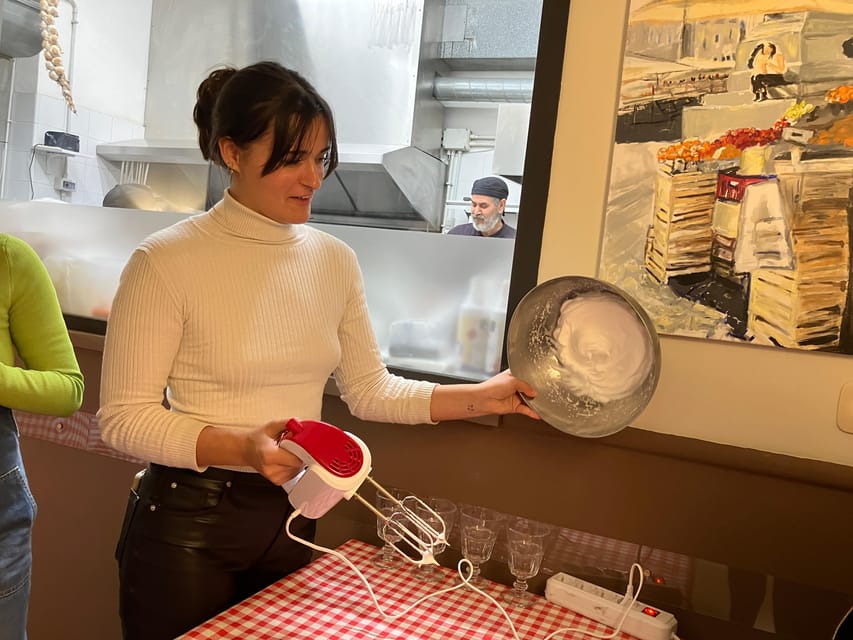
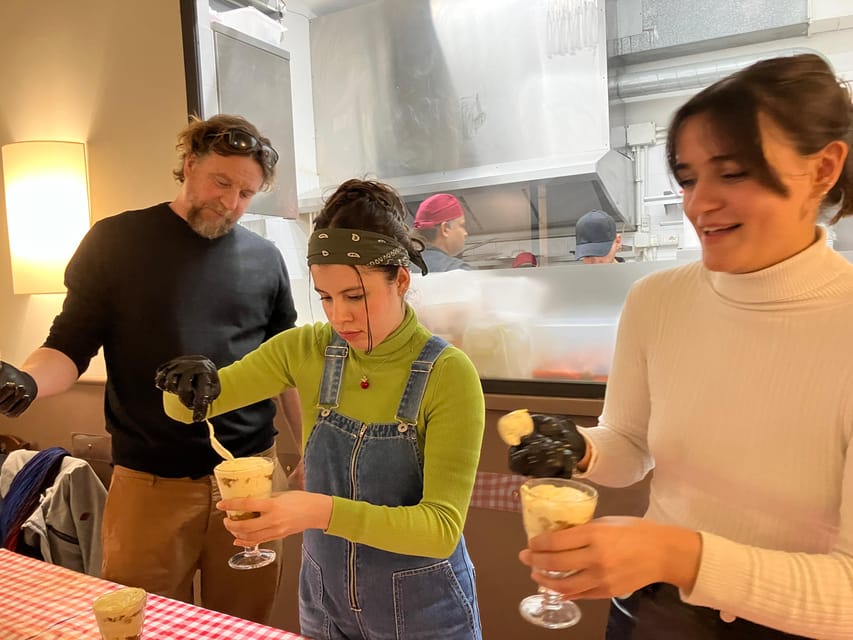
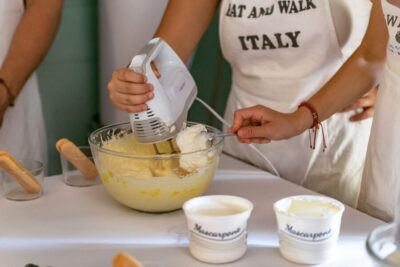
After pasta work, you switch to tiramisù. The class frames it the way it should be: espresso, ladyfingers, mascarpone, and cocoa powder, layered into a dessert with balance.
Even if you have tasted tiramisù a hundred times, making it is different. You feel how the components interact.
Here is the build you can expect:
- You handle the coffee component with espresso as a key flavor
- You work with ladyfingers as the base structure
- You assemble with mascarpone for the creamy body
- You finish with a dusting of cocoa powder
The most important thing in tiramisù is that it is not just about mixing ingredients. It is about layering and timing, so the dessert has the right texture when you eat it. When the class is done well, you end up with that classic contrast: creamy center, coffee depth, and a cocoa finish.
One review called out how interactive the class was, with everyone involved. That is what you want here. Tiramisu is not a dessert where you can safely “hover.” You learn best by doing the steps yourself.
Enjoying the fruits of your labor at the end of class
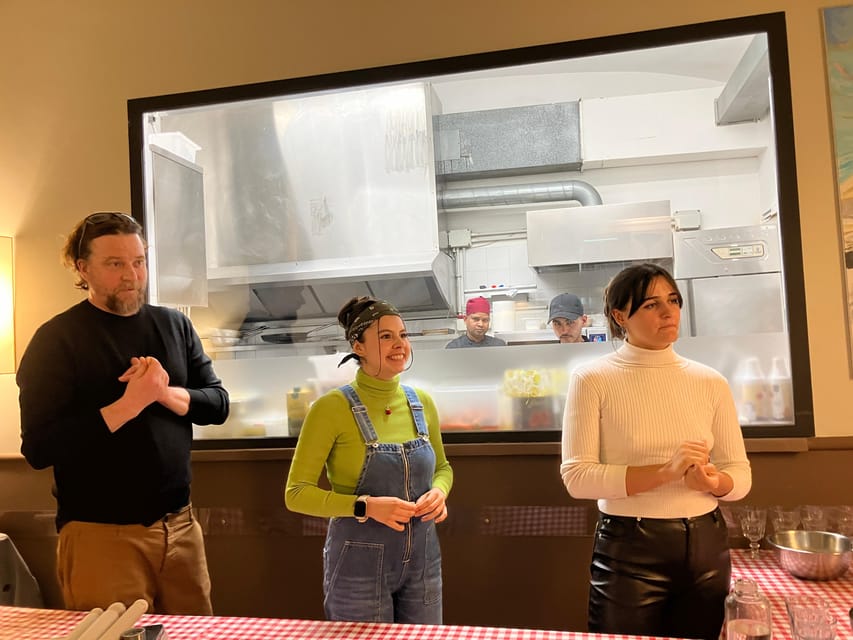
The best part of a cooking class is eating what you made. This one delivers that moment right after you finish.
Your meal includes what you produced: the fresh pasta and the tiramisù. The class also includes water and wine, and multiple past participants noted the ending felt like a real sit-down meal with a glass or two of wine depending on how the evening rolled. Either way, the included wine makes the whole experience feel like you are stepping into Roman dining mode, not just completing an activity.
You get to socialize too. Because the class is small and interactive, it is easy to talk with your group while you eat. One past experience highlighted that the class encouraged chatting and getting to know people, which is honestly why I like hands-on food classes for solo travelers and couples alike.
If you want to squeeze extra value from the meal, ask your instructor for practical Rome advice. Some guides are known for giving trip recommendations as part of the friendly wrap-up, which can help you plan what to do next without overthinking it.
Price and value: is $57 a fair deal in Rome?
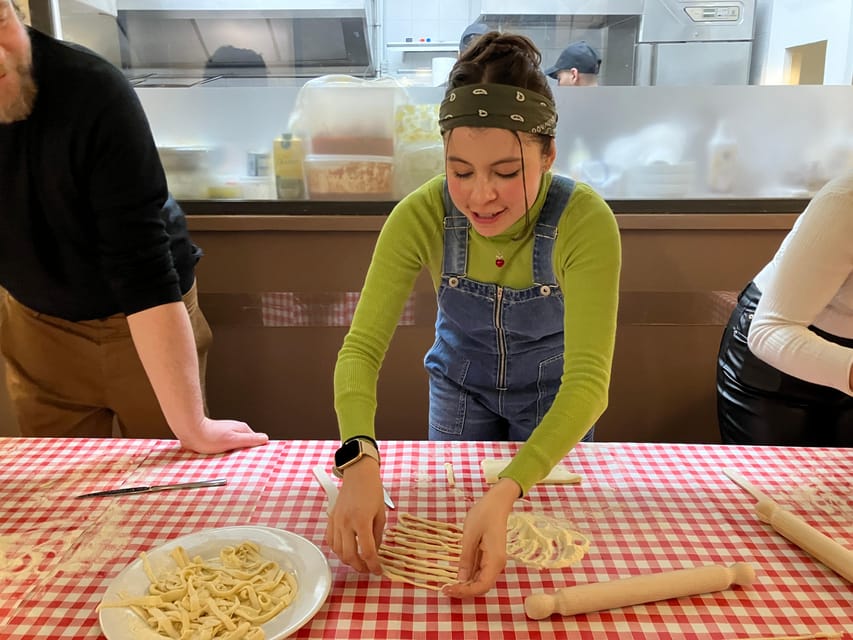
At $57 per person for a 2.5-hour class, this is priced like a focused, hands-on workshop. You are paying for four things:
- Instructor time and guidance in English
- Ingredients used for both pasta and dessert
- Water and wine included with your meal
- A small-group setting capped at 10 participants
What makes that value strong is the meal outcome. You are not just tasting a tiny sample. You leave with a full plate of what you made, plus wine, which turns the class into an actual dining experience.
What you should budget separately:
- Transportation to reach the meeting point
- Additional food and drinks beyond what is included
So yes, you are paying for convenience and technique, not just ingredients. If you want a “how-to” afternoon and you like eating what you learn, this price makes sense.
Who should book, and who should skip this Rome cooking class
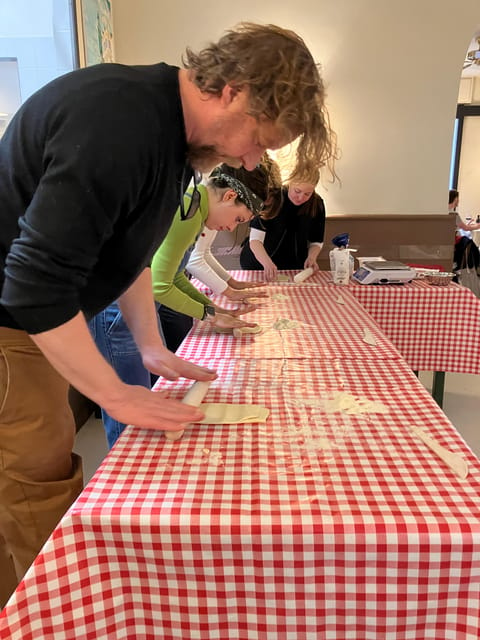
This class is a strong fit for:
- People who want hands-on cooking, even with little experience
- Anyone who loves Roman food, especially fresh pasta
- Travelers who enjoy structured steps and leaving with something practical they can repeat at home
- Couples and small groups who want a warm, social experience without a huge crowd
A few groups should skip it:
- Vegans (the class is not vegan-friendly)
- People with gluten intolerance
- People with lactose intolerance
Also, consider your expectations. The class is designed around specific dishes and standard ingredients, so it is not a broad menu course. If you want a wide spread of variations, look for a different class style.
Wheelchair access note
The experience is listed as wheelchair accessible. If you use a wheelchair, it is still smart to contact the provider ahead of time to confirm the exact setup in the space, but the activity is at least designed to be accessible.
Should you book this master class or not?
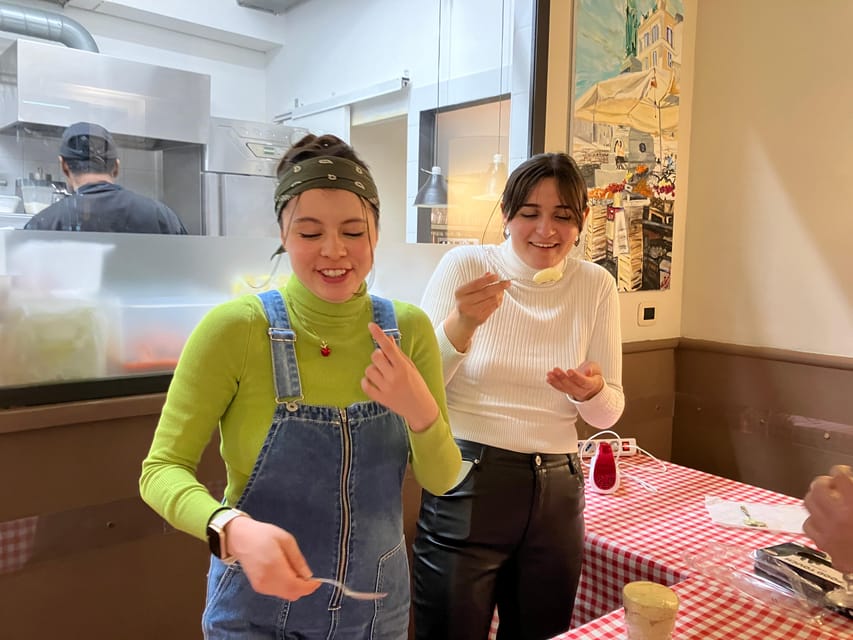
If you want a memorable Rome food experience that is hands-on, structured, and tied to two real Italian favorites, I think you will be happy booking this. The small group limit, the English instruction, and the included meal with wine all point to a well-paced class that actually helps you learn.
I would hesitate only if you need vegan options or you avoid gluten or lactose. And if your top priority is sauce variety or a broader menu curriculum, you may feel the class is too focused.
My quick decision rule: book it if you want tonnarelli and classic tiramisu skills, plus a satisfying lunch-style dinner afterward. Skip it if dietary restrictions or sauce exploration are the main goal.
FAQ
How long is the Rome fresh pasta and tiramisù master class?
The class lasts 2.5 hours.
How many people are in the group?
It is a small group limited to 10 participants.
Is the class taught in English?
Yes, the instructor speaks English.
What does the price include?
It includes ingredients, an expert instructor, water, and wine.
What is not included in the price?
Transportation and additional food and drinks are not included.
Is this class suitable for vegans or people with gluten or lactose intolerance?
No. It is not suitable for vegans, people with gluten intolerance, or people with lactose intolerance.
Can I cancel and get a full refund?
Yes. You can cancel up to 24 hours in advance for a full refund.
Is the experience wheelchair accessible?
Yes, it is listed as wheelchair accessible.
More Dessert Tours in Rome
- Rome Cooking Class: Make Pizza and Pasta with Wine & Dessert
★ 4.5 · 651 reviews - Rome: Trevi Fountain District Underground Tour and Ice Cream
★ 4.5 · 356 reviews - Rome: Vespa tour “When in Rome” with Dessert and Photography
★ 5.0 · 237 reviews - Tour of Rome:Trevi Fountain, Spanish Steps,Pantheon with Italian Ice Cream
★ 4.5 · 118 reviews
Roman Kitchens to Cook In
- Rome: Pasta & Tiramisu Cooking Class near the Spanish Steps
★ 4.8 · 1,395 reviews - Rome: Traditional Pizza Cooking Class near Piazza Navona
★ 4.7 · 1,241 reviews - Rome: Combo Pizza and Pasta Cooking Class with Wine
★ 4.6 · 1,180 reviews - Rome: Pasta Making with Wine Tasting and Dinner in Frascati
★ 4.9 · 979 reviews
Latest additions from Rome
- Rome: Testaccio Market Food Tour with Street Food & Wine★ 5.0 · 8 reviews
- Exclusive Pasta & Tiramisu Class with Wine near by Colosseum★ 5.0 · 8 reviews
- Private Professional Photoshoot in Rome★ 5.0 · 8 reviews
- Loreto “Shrine of the Holy House of the Virgin Mary” Private Tour from Rome★ 5.0 · 8 reviews
- Rome Day to discover Florence and Pisa Hotel Pickup★ 4.5 · 8 reviews
- Rome: Christmas Nativities and Angels Tour★ 3.1 · 8 reviews
- Guided Tour of Vatican Museums and Sistine Chapel★ 5.0 · 8 reviews
- Rome in One Day: with Colosseum, Piazzas and Vatican City★ 5.0 · 8 reviews
Pasta and Tiramisu Cooking Classes, compared.
3 in 1 Cooking Class near Navona: Fettuccine, Ravioli & Tiramisu
Read our review →
Pasta & Tiramisu Class with Fine Wine by the Vatican
Read our review →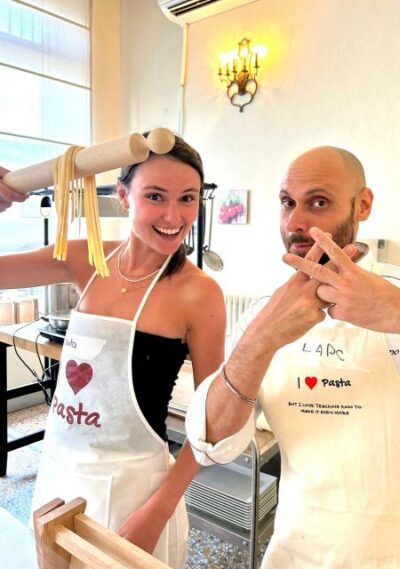
Pasta Making Class with Wine, Limoncello, and Dessert
Read our review →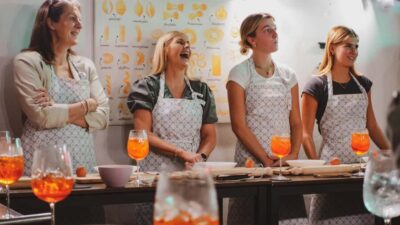
Rome Cooking Class: Make Pasta and 3 Spritz Cocktails
Read our review →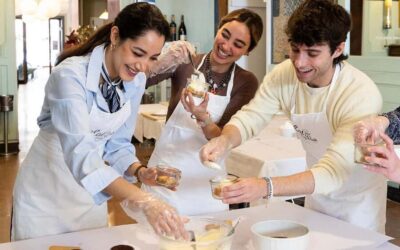
3-in-1 Fettuccine, Ravioli, and Tiramisu Cooking Class
Read our review →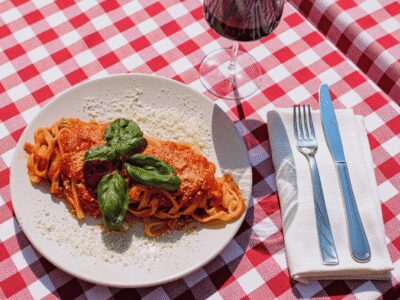
Fettuccine Pasta Cooking Class in Rome’s City Center
Read our review →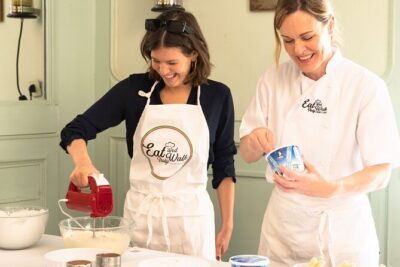
Learn to Make Pasta & Tiramisu with Wine and Limoncello Included
Read our review →
Become a Masterchef in Rome: Pasta, Ravioli and Tiramisù Class
Read our review →Browse the lists this tour appears in