
Reviewed · COOKING CLASSES
Rome: Traditional Pizza Cooking Class near Piazza Navona
Pizza making in Rome is only fun if you also eat what you make. This class pairs hands-on pizza-making with a real osteria meal experience right in the historic center, near Piazza Navona. You’ll be at a charming square-adjacent address, then you’ll sit down and enjoy the pizza your hands just made.
I especially like two things: you start from real dough basics (flour, yeast, and water) with no prior experience required, and the whole setup feels welcoming, not staged. Second, the value is strong because you get a complimentary prosecco welcome plus wine or beer, appetizers, and a finish of limoncello or coffee after class.
One consideration: it’s not suitable for everyone. If you have a gluten intolerance, this activity isn’t for you, and it’s also not intended for kids under 5.
In This Review
- Quick hit points before you go
- Enter Osteria Pasquino, Piazza di Pasquino
- Welcome drinks and the osteria rhythm
- Making Roman pizza: from dough basics to topping confidence
- Toppings, timing, and why the small group helps
- Bruschetta, then your own pizza
- Drinks built into the experience, not just added
- Accessibility, dietary needs, and who should skip this
- What you’ll learn (and actually use later)
- Price and value for $46 per person
- How to plan your timing near Piazza Navona
- Should you book this Rome pizza class?
Quick hit points before you go
- Small group (up to 10) means you get more hands-on help and less waiting around.
- Osteria Pasquino on Piazza di Pasquino is the real deal setting, not a classroom pretending to be Italy.
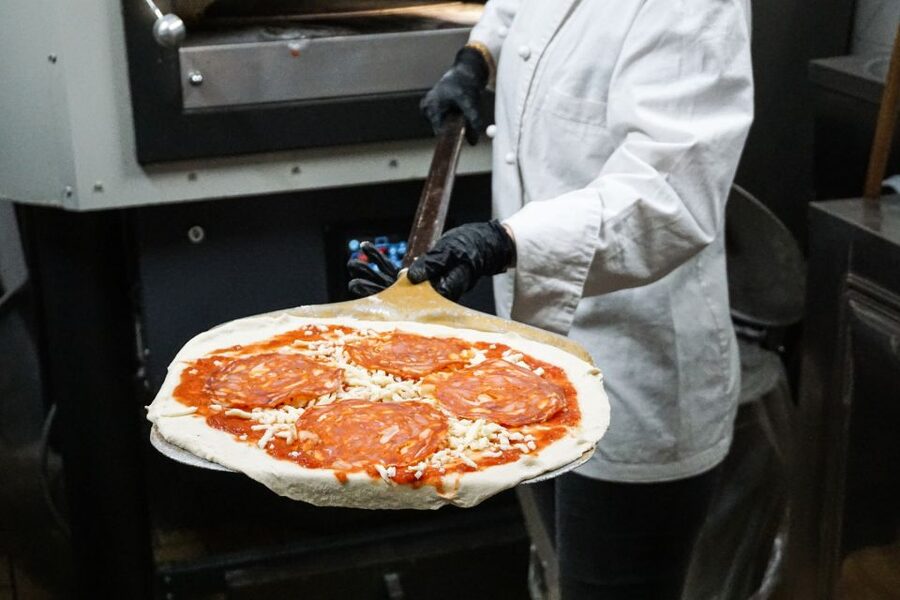
- Dough to oven to your plate: you learn the Roman pizza process and eat it immediately after.
- Welcome drinks and an osteria meal flow: prosecco on arrival, then water plus wine or beer during the experience.
- Finish strong with limoncello or coffee after your pizza.
- Instructors you might meet by name include Luca, Elisa, Simone, Ana, Sara, and Georgia, all showing up in recent sessions.
Enter Osteria Pasquino, Piazza di Pasquino
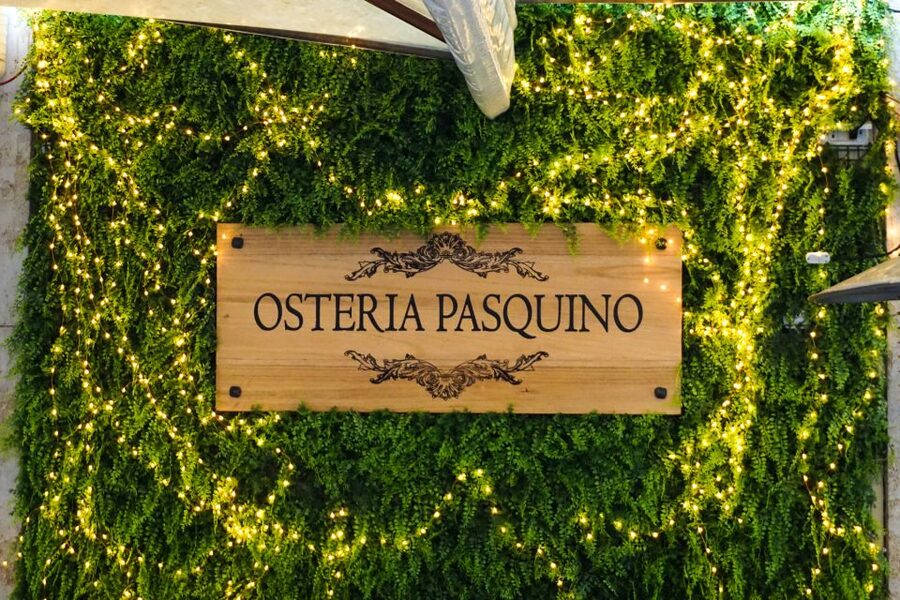
Your experience starts inside Osteria Pasquino, at Piazza Pasquino 1. When you arrive, don’t stand around outside looking for the group. Ask a waiter to escort you to the class. That small move saves time and stress.
This matters because the historic center is busy, and the meeting point is a restaurant interior. Once you’re inside, the mood changes quickly. You’re not just signing up for a cooking demo. You’re stepping into the kind of place Romans actually go to eat.
The vibe here is also practical. You can settle in, meet your instructor, and start without feeling rushed. Plus, being in an osteria means you’re close to the social part of the evening: drinks, conversation, and the moment you finally eat your own pizza.
Other Roman benches to work at for a morning:
- 3 in 1 Cooking Class near Navona: Fettuccine, Ravioli & Tiramisu
★ 5.0 · 7,376 reviews - Rome: Pasta & Tiramisu Class with Fine Wine by the Vatican
★ 4.9 · 4,852 reviews - Rome: Pasta Making Class with Wine, Limoncello, and Dessert
★ 4.9 · 3,177 reviews - Rome Cooking Class: Make Pasta and 3 Spritz Cocktails
★ 5.0 · 2,937 reviews
Welcome drinks and the osteria rhythm
Right away, you get a complimentary prosecco welcome. It’s described as a gift from the restaurant, which sets a friendly tone. From there, the class and meal feel like one continuous evening instead of a quick lesson followed by nothing.
After the class, you’re seated in the osteria and served by waiters with water and a glass of wine or a small glass of beer (your choice). There are also coffee or tea and a final drink option after you finish your pizza, depending on what’s offered that day.
A lot of cooking classes stop at the cooking. This one keeps going. You’re not just learning to stretch dough while thinking about where dinner will be. Dinner is built into the experience.
Making Roman pizza: from dough basics to topping confidence
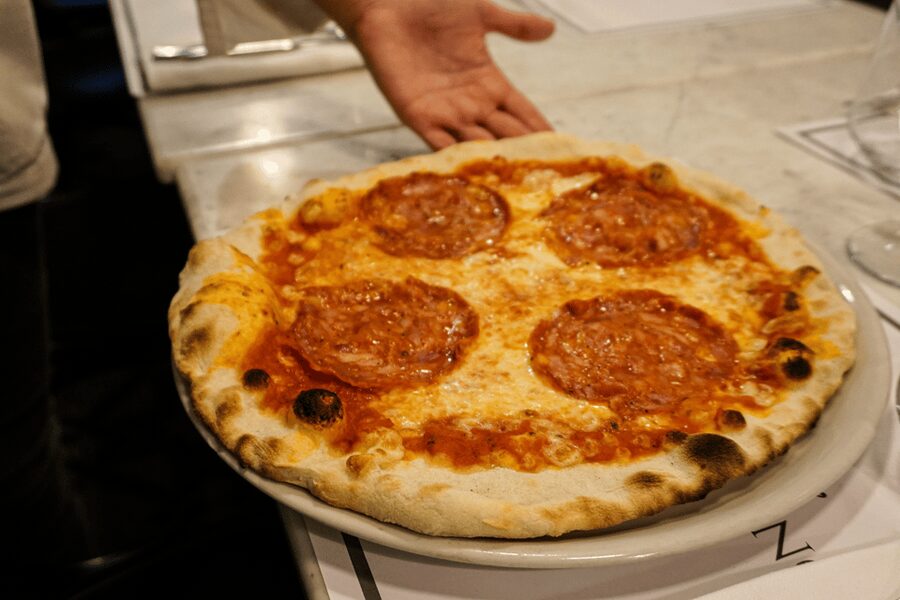
The heart of the class is learning to make a classic Roman pizza. Even if you’ve never held a rolling pin before, the format is designed for beginners. That shows up repeatedly in the feedback: people feel comfortable from the first steps.
You’ll start with dough basics. One review specifically calls out starting from flour, yeast, and water, and that’s the kind of learning that sticks. It’s not just about assembling toppings. It’s about understanding what dough needs to become pizza-ready.
From there, you’ll work on shaping and stretching, and you’ll add toppings. Some sessions include technique tips like how to toss or handle the dough to manage excess flour, so you don’t end up with a heavy, dry crust. The instructors also help you pick a topping direction that works with a Roman-style base.
And yes, you’ll actually put it in the oven. The process ends with you eating the pizza you made, so you see the result while it’s still hot and fresh. That closing step is a big deal. It turns cooking into memory, and memory is what helps you recreate it later at home.
Toppings, timing, and why the small group helps
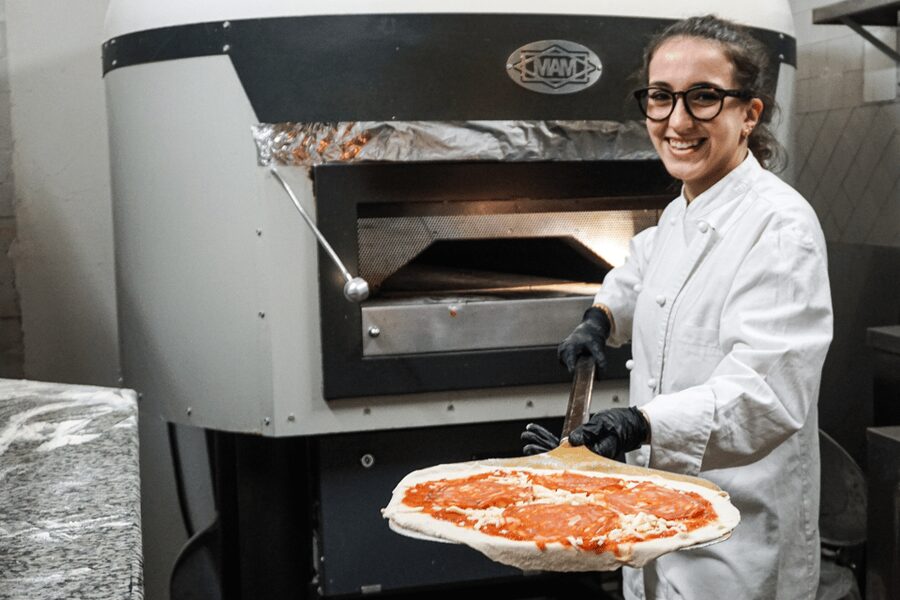
This is a small group class, limited to 10 participants. That size matters more than you might think, especially for dough work. Pizza dough can be unforgiving if you’re guessing, and you need quick corrections.
With a smaller group, you’re more likely to get hands-on guidance while you shape, top, and get ready to bake. That’s where the experience earns its high rating. People consistently describe the chefs as engaging and supportive, and they mention learning specific techniques without feeling judged when the dough behaves like dough.
Another practical bonus: because it’s only about 2 hours, you’re not stuck doing one long activity while Rome swirls around you. Two hours is just enough time to learn the essentials and enjoy the meal without sacrificing your whole day.
Bruschetta, then your own pizza
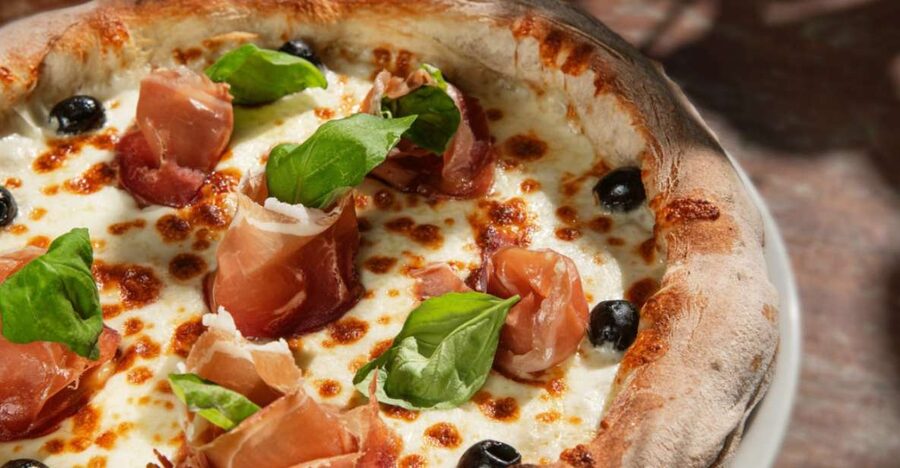
You don’t just snack on nothing during the class. You get appetizers (bruschetta), and the pacing is set so you’re ready for pizza at the right moment.
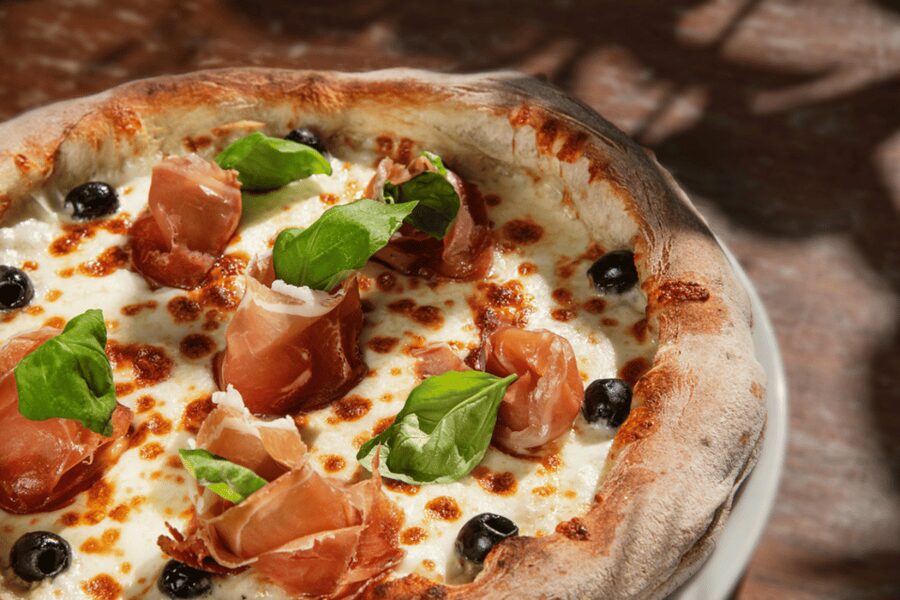
Then comes the best part, you sit down, and your pizza appears as your main course. This is where the osteria setting pays off. You’re eating in a proper restaurant atmosphere, not standing in a kitchen with a paper plate.
If you like the idea of food education plus real eating, this format fits. You watch the process, learn the method, and then you taste the payoff immediately.
More Roman kitchens to cook in:
Drinks built into the experience, not just added
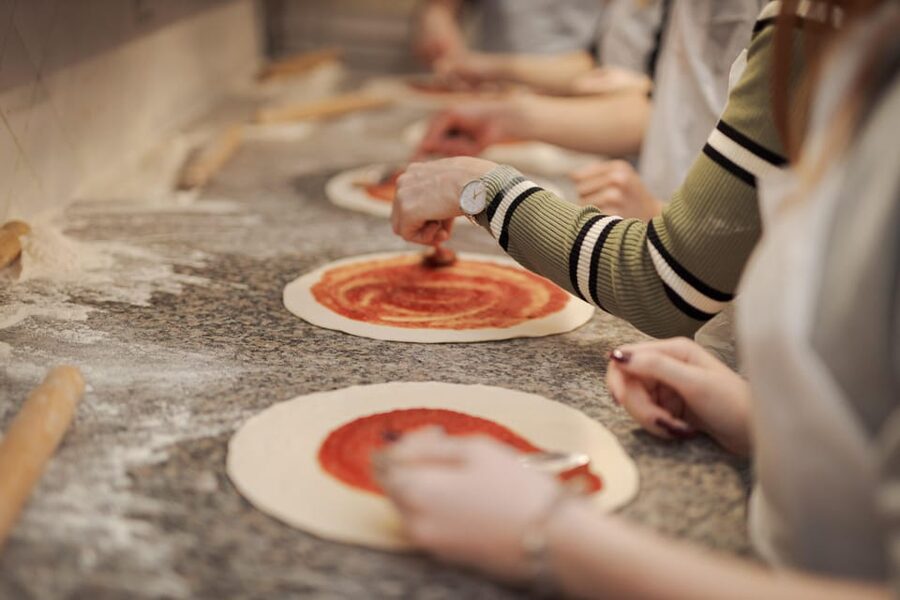
Let’s talk drinks, because this class treats them like part of the meal flow.
Included items can include:
- Coffee and tea, or a glass of limoncello after you finish your pizza
- Bottled water
- A glass of wine or a small glass of beer
- A complimentary prosecco welcome from the restaurant
You also may run into variations based on what the restaurant offers that session. A couple of details from feedback show that drink choices and timing can feel a little confusing if you’re not paying attention to what counts as the included drink versus a later add-on.
My advice is simple. Decide early what you want for your included drink portion, and clarify timing with the waiter if you’re unsure. It’s still great value either way, but being clear keeps the evening smooth.
Accessibility, dietary needs, and who should skip this
This class is listed as wheelchair accessible, and you can choose vegetarian and other diets if you inform the activity provider when booking.
Two “plan ahead” notes matter:
- It is not suitable for people with gluten intolerance.
- It is not suitable for children under 5.
On the flip side, the small-group format and the hands-on steps seem to work well for older kids and teens. More than one family mentions kids enjoying the process and the eating part. If you’re traveling with children old enough to handle dough steps and waiting times, this can be a surprisingly good family activity.
If you have gluten intolerance, you’ll want to choose a different Rome experience that can truly accommodate your dietary restriction.
What you’ll learn (and actually use later)
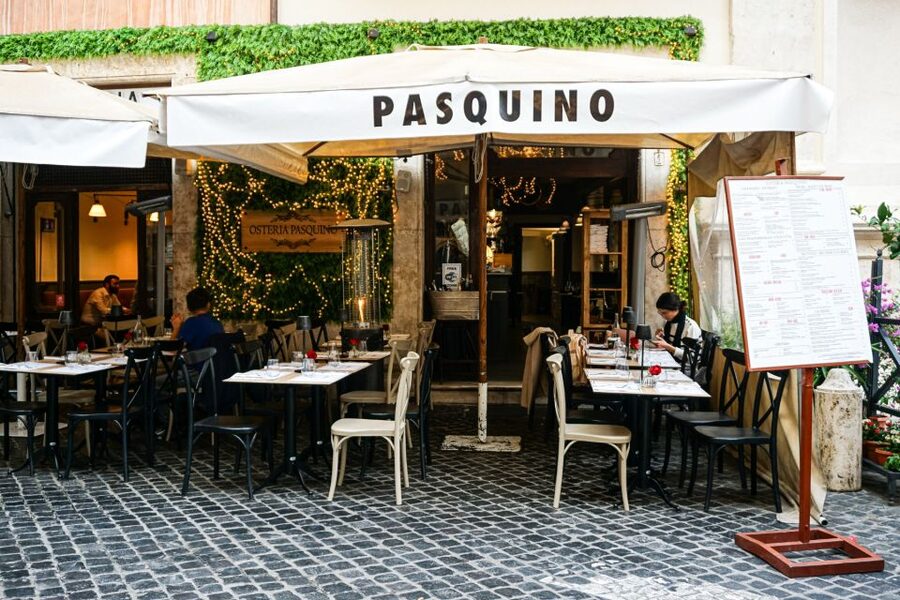
You’re not signing up for trivia. You’re learning practical pizza technique. The most useful takeaways are the ones that affect texture and flavor.
From the class structure, you should expect to learn:
- how dough ingredients behave together
- how to shape dough in a way that supports a Roman pizza style
- how toppings change the final result
- how the bake transforms what you made into something you can eat and judge
Then, because this is hosted inside a real osteria and followed by a sit-down meal, you also learn the Roman “order of operations” for pizza nights: drinks, appetizers, pizza, then the finish with limoncello or coffee.
Even if you don’t plan to cook pizza at home tomorrow, the skills make you better at ordering in Rome. You’ll understand why a Roman pizza looks and tastes the way it does, and you’ll be more confident when choosing toppings later.
Price and value for $46 per person
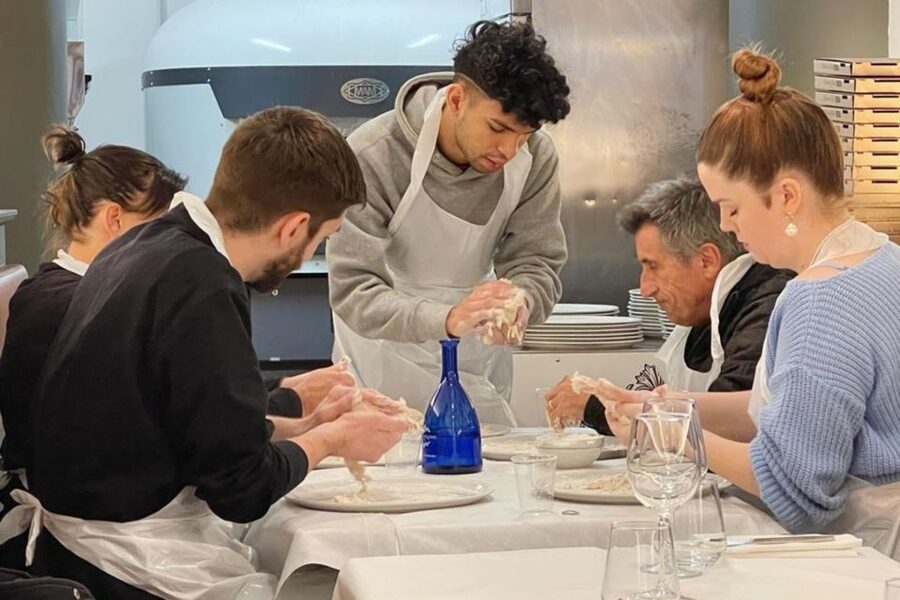
At $46 per person for a 2-hour experience, this pricing makes sense only because so much is included. You’re not paying just for flour lessons.
You typically get:
- an instructor
- coffee and tea or limoncello at the end
- bottled water
- a glass of wine or a small beer
- bruschetta as an appetizer
- a complimentary prosecco welcome
- and the big one, you eat the pizza you make right after baking
When you add up those inclusions, the class starts to look like a meal plus a guided workshop. If you were going to spend a similar amount on dinner and drinks in the center, this gives you the bonus of skill-building at the same time.
So for value, I’d frame it like this: it’s a cooking class, but the restaurant meal is part of what you’re buying.
How to plan your timing near Piazza Navona
Because you’re close to Piazza Navona, you can build this into a Rome day without major logistics. Two hours plus the welcome and sitting down after means it’s not just a quick snack stop.
A good approach:
- schedule it when you want a real break from sightseeing
- avoid stacking it right in the middle of long walking blocks
- plan to eat a lighter lunch beforehand if you hate arriving hungry and then realizing you’ll be served bruschetta and pizza
Also, remember the meeting point is inside Osteria Pasquino. Get there a few minutes early, ask a waiter for the escort, and you’ll start on time.
Should you book this Rome pizza class?
Book it if you want a hands-on, beginner-friendly Roman pizza experience in a real osteria. The combination of small group size, clear step-by-step teaching, and the meal format makes it a strong choice for couples, solo travelers, and families with kids old enough to enjoy cooking and sitting down to eat.
Skip it if you have gluten intolerance or if you’re traveling with very young children under 5.
If you’re choosing between a pizza workshop that ends after baking and one that keeps you at the table, I’d pick this one. You leave with both the skill and the taste, and that is the most honest kind of travel souvenir.
Latest additions from Rome
- Guided Tour Vatican Museums & Sistine Chapel★ 4.1 · 30 reviews
- Exclusive Rome by Night Vespa Tour★ 5.0 · 30 reviews
- Transfer Rome to Airports★ 4.5 · 30 reviews
- Vatican: St.Peter’s Basilica & Dome – Reserved Entry & Tour★ 4.1 · 30 reviews
- Rome street art tour: off the beaten path with a local guide★ 5.0 · 30 reviews
- Tivoli, Hadrians Villa and Villa d’Este, a charming day trip from Rome★ 4.5 · 30 reviews
- Rome Food Tasting with Wine Pairing Italian Authentic Flavors★ 5.0 · 31 reviews
- Inspirational Cooking on the Roman Chef’s Panoramic Terrace★ 5.0 · 30 reviews
Cooking Classes, compared.
3 in 1 Cooking Class near Navona: Fettuccine, Ravioli & Tiramisu
Read our review →
Pasta Making Class with Wine, Limoncello, and Dessert
Read our review →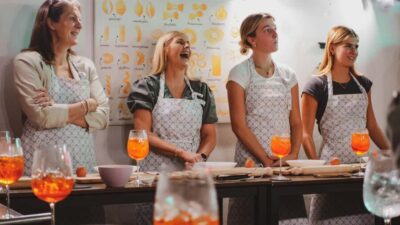
Rome Cooking Class: Make Pasta and 3 Spritz Cocktails
Read our review →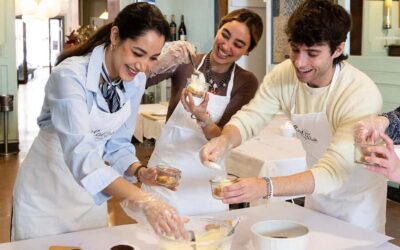
3-in-1 Fettuccine, Ravioli, and Tiramisu Cooking Class
Read our review →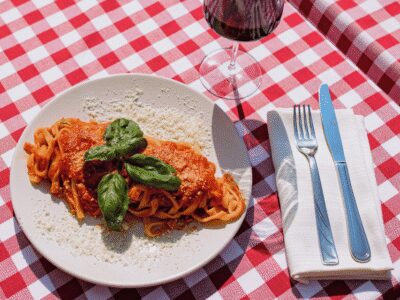
Fettuccine Pasta Cooking Class in Rome’s City Center
Read our review →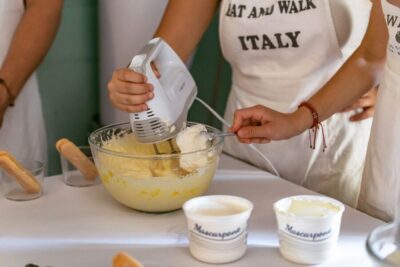
Fettuccine & Tiramisù: Cooking Class with Wine & Limoncello
Read our review →
Pasta & Tiramisu Cooking Class near the Spanish Steps
Read our review →
Combo Pizza and Pasta Cooking Class with Wine
Read our review →Browse the lists this tour appears in