
Reviewed · PASTA AND TIRAMISU COOKING CLASSES
Rome: 3-in-1 Fettuccine, Ravioli, and Tiramisu Cooking Class
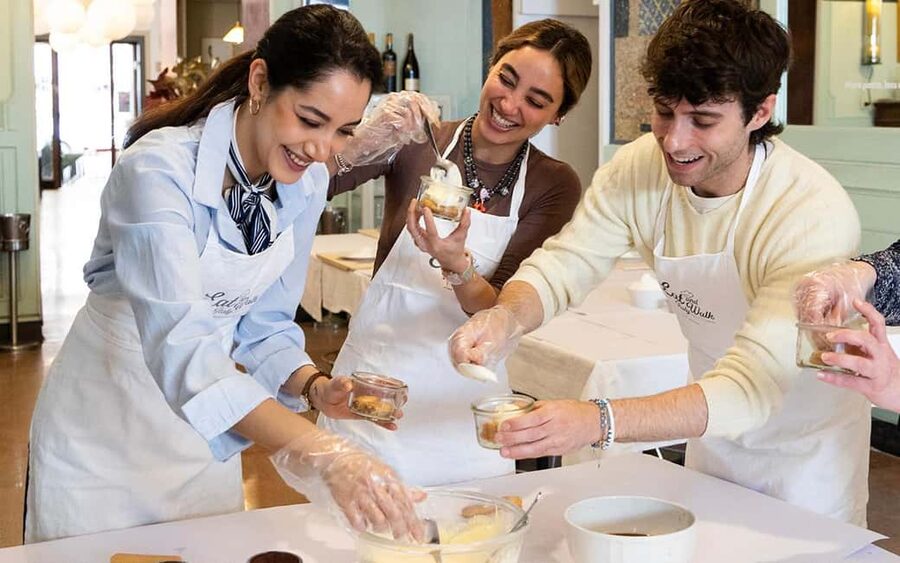
Spoon by spoon, you learn real comfort food. I love the hands-on rhythm of learning dough and shaping pasta with an Italian chef, and I like that tiramisù comes first so you feel momentum from the start. One possible drawback is the tight 3-hour schedule, so if you need extra time, you may feel slightly rushed.
In the center of Rome at Restaurant Gusto, you build three classic dishes and then sit down to eat what you made. I also like that the meal includes a glass of wine (or non-alcoholic beverage) plus limoncello or coffee, so the class ends like a proper dinner, not a stop-and-go food show.
Most sessions are in English and led by chefs who keep everyone involved, even in groups around 20. If you want a quiet, watch-only experience, this workshop is more interactive than that.
In This Review
- Key highlights to know before you go
- Restaurant Gusto in central Rome, where the class actually feels local
- The real timeline: tiramisù first, then two pastas from scratch
- Fettuccine: learning sauce choices that match the pasta mood
- Ravioli: the “from dough to filling” part of the workshop
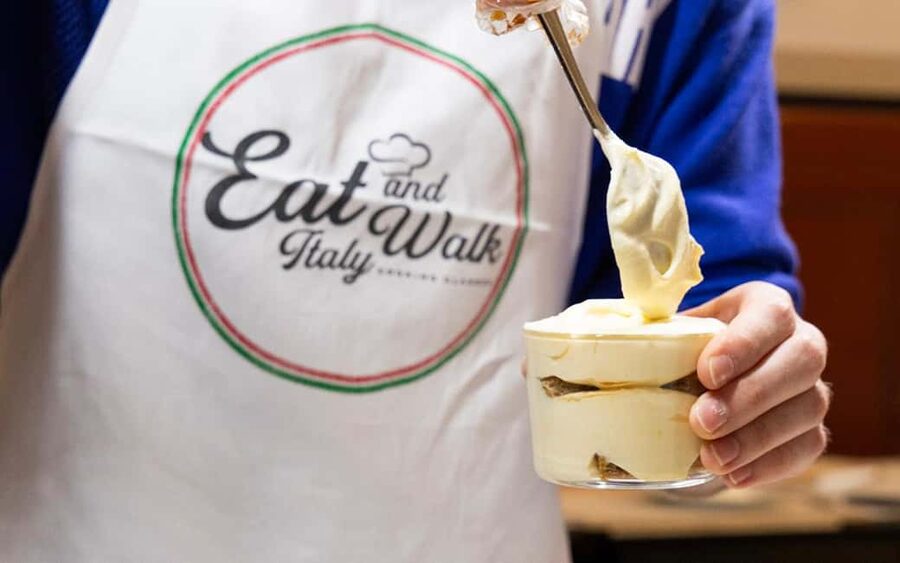
- Tiramisu technique: starting with dessert gives you an early win
- The meal part: wine, limoncello, and eating what you made
- Why the chef-led format matters, and how English instruction works in practice
- Price and value: $81 for three dishes plus drinks, and what you really get
- Who should book this cooking class in Rome
- Practical advice to make the most of your 3-hour workshop
- Should you book this Rome 3-in-1 pasta and tiramisù class?
- FAQ
- Where is the meeting point for the cooking class?
- How long is the cooking class in Rome?
- What dishes will I learn to make?
- What sauce options are included for the fettuccine?
- What drinks are included with the meal?
- Is the class taught in English?
- What is the cancellation policy?
Key highlights to know before you go
- Tiramisù first, then pasta: you start with dessert and move into dough and shaping.
- Three dishes from scratch: fettuccine, ravioli, and tiramisù in one session.
- Sauce choice for the fettuccine: tomato and basil, cacio e pepe, or amatriciana.
- Ravioli with butter and sage, plus seasonal guidance on fillings.
- Chef-led, English instruction with lots of personal help during the hands-on work.
- Included drinks with your meal: wine (or non-alcoholic), plus limoncello or coffee.
Restaurant Gusto in central Rome, where the class actually feels local
You meet at Restaurant Gusto, Via Giuseppe Zanardelli 14. It is in the city center, which matters because you can squeeze this into a Rome day without losing half of it to transit. The venue is set up specifically for cooking, so you are not trying to figure out equipment and stations on the fly.
One thing I appreciate about this style of class setup is the balance between being efficient and still feeling comfortable. People often talk about the space as clean and well-run, and they also mention practical comforts like air-conditioning in the room. When a workshop is this hands-on, the basics matter: a working station, enough room to move your hands, and staff who keep things flowing.
Also note what the experience is not: it is not a fancy tasting with you seated the whole time. Plan on standing, working, and doing it yourself.
Other kitchens rolling pasta and folding tiramisu:
- 3 in 1 Cooking Class near Navona: Fettuccine, Ravioli & Tiramisu
★ 5.0 · 7,376 reviews - Rome: Pasta & Tiramisu Class with Fine Wine by the Vatican
★ 4.9 · 4,852 reviews - Rome: Pasta Making Class with Wine, Limoncello, and Dessert
★ 4.9 · 3,177 reviews - Rome Cooking Class: Make Pasta and 3 Spritz Cocktails
★ 5.0 · 2,937 reviews
The real timeline: tiramisù first, then two pastas from scratch
The workshop follows a clear flow. You begin by making tiramisù, then you move on to the two pasta dishes: ravioli and fettuccine. The order is smart. Dessert usually teaches technique that helps you later, like following steps carefully and getting the texture right, without needing pasta-dough timing stress right away.
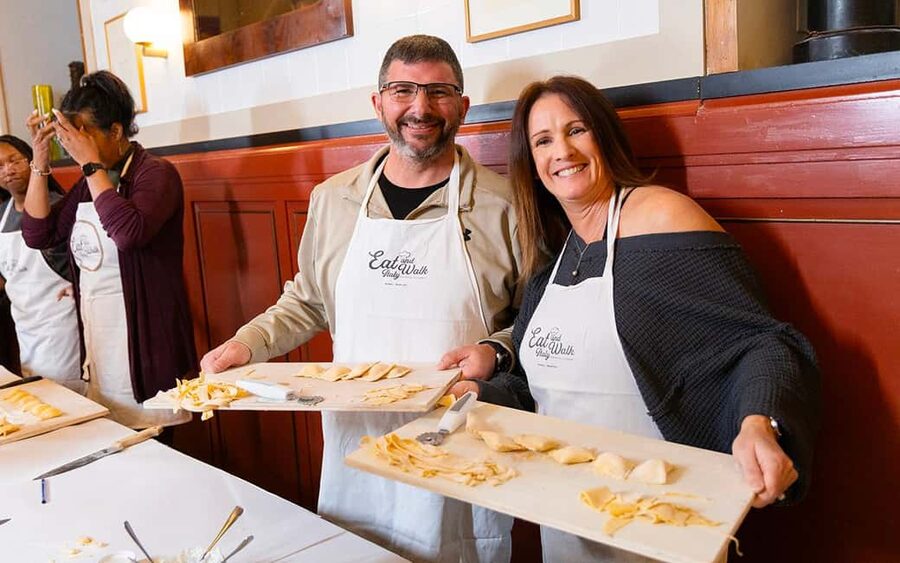
After tiramisù, the focus shifts to pasta dough. You learn how to make the dough properly and then how to work it into pasta shapes. You also get guidance on fillings for ravioli, including which fillings are best for each season. Even if you are not planning to recreate everything at home the exact same way, you come away with the logic behind what goes together and why.
Finally, you sit down to eat the results. This matters because pasta classes can sometimes feel like a chore, where you work for a long time and then only taste a tiny bite. Here, the class includes a meal that is built from your work.
Fettuccine: learning sauce choices that match the pasta mood
Fettuccine is one of those shapes that people tend to think they understand, but it is the sauce that makes it feel Roman. In this class, fettuccine comes with a sauce of your choice. The options are tomato and basil, cacio e pepe, or amatriciana.
This matters for your money and your takeaway. Instead of making one version and hoping it is your favorite, you can choose the flavor direction that you actually want to eat. That makes the lesson more useful at home, because you can match the recipe to your own pantry habits and your own tastes.
You also learn the underlying concept that good pasta is not just a noodle. It is pasta plus the right companion. When you have sauce options in the lesson, you start thinking in pairings, not just steps.
A small practical consideration: tomato and basil sauces and pepper-based sauces can feel different in heaviness and aroma. If you are sensitive to strong flavors, pick your sauce based on what you want to taste for the whole session, not only at the final meal.
Ravioli: the “from dough to filling” part of the workshop
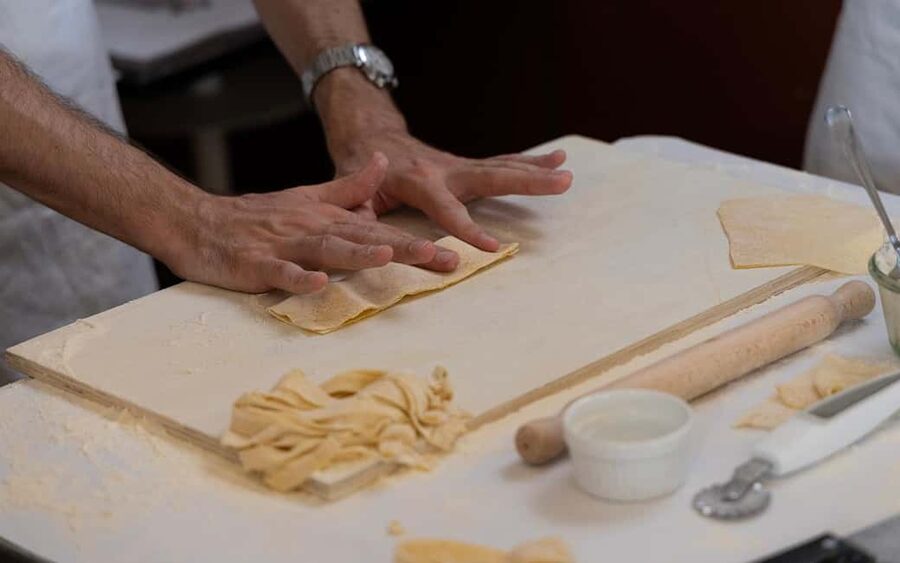
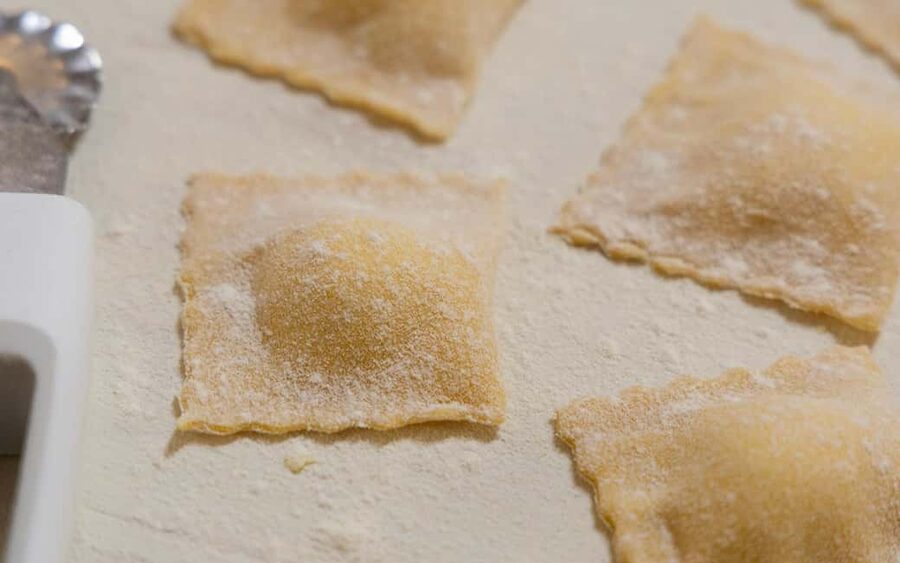
Ravioli is where the class earns its name. You are making the pasta dough and then working with ravioli as a format, which means you practice assembling and shaping, not just rolling sheets.
The workshop includes ravioli with butter and sage. That pairing is a classic choice because it lets the pasta and filling work together without forcing a complicated sauce step. It is also a good way to taste the result of your own dough, since ravioli tend to highlight small differences in thickness and handling.
You also get tips on fillings by season. That is valuable because it is one of the biggest gaps between “I made pasta once” and “I can cook pasta again next month.” Seasonal filling guidance helps you adjust your decisions based on what is available, rather than locking yourself into one version forever.
The most common compliment in this kind of class is that the chef keeps everyone participating. In this one, people frequently mention being checked on during the process, not just taught at. If you have ever been in a cooking class where one person gets all the attention, aim for a session that sounds like this one, where the instructor supports you until you are confident.
Tiramisu technique: starting with dessert gives you an early win
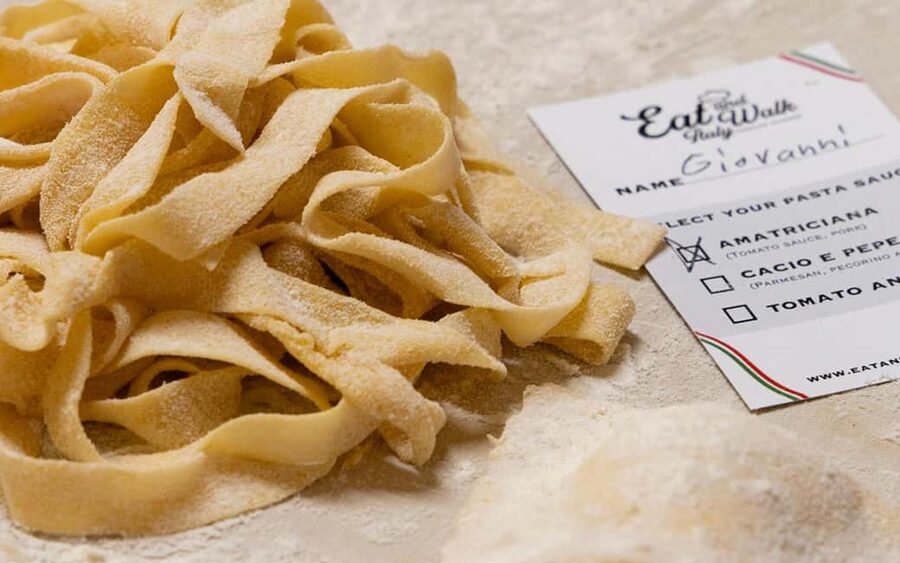
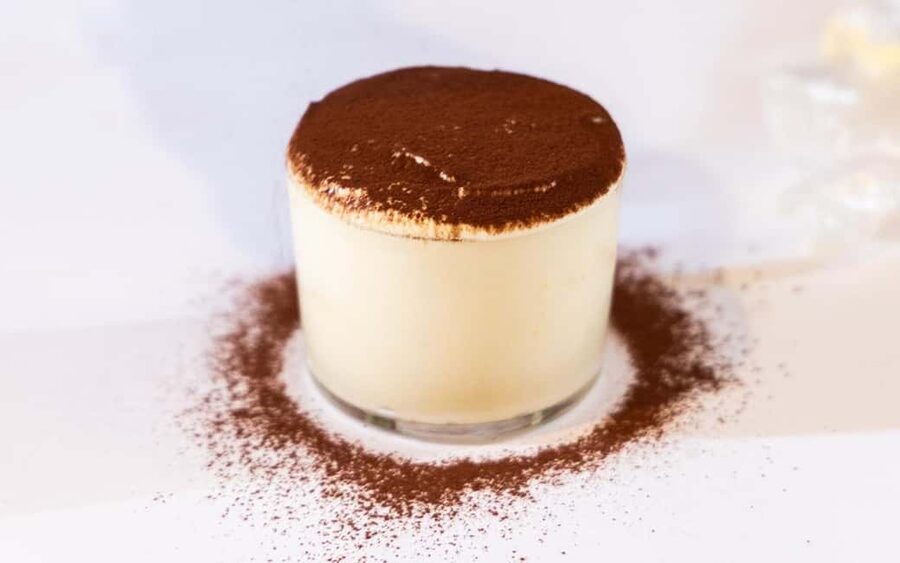
The class starts with tiramisù, and that is not just a cute bonus. Starting with dessert gives you an early win, because it takes you from ingredients to a finished dish faster than pasta shaping does. It also makes the workshop feel complete sooner, which helps the later pasta steps stay less stressful.
Even if you think you already know how to make tiramisù, you may still pick up a better method or a clearer sequencing of steps. That is the real point of a guided class, especially in Italian cooking where small technique choices change the result.
One review-style note that matters for expectations: a few people said the class felt efficient to the point of being a little rushed at times. Because tiramisù starts first, you will likely have the early momentum, but you still want to keep up during the pasta portion so you do not fall behind.
Other Roman benches to work at for a morning:
The meal part: wine, limoncello, and eating what you made
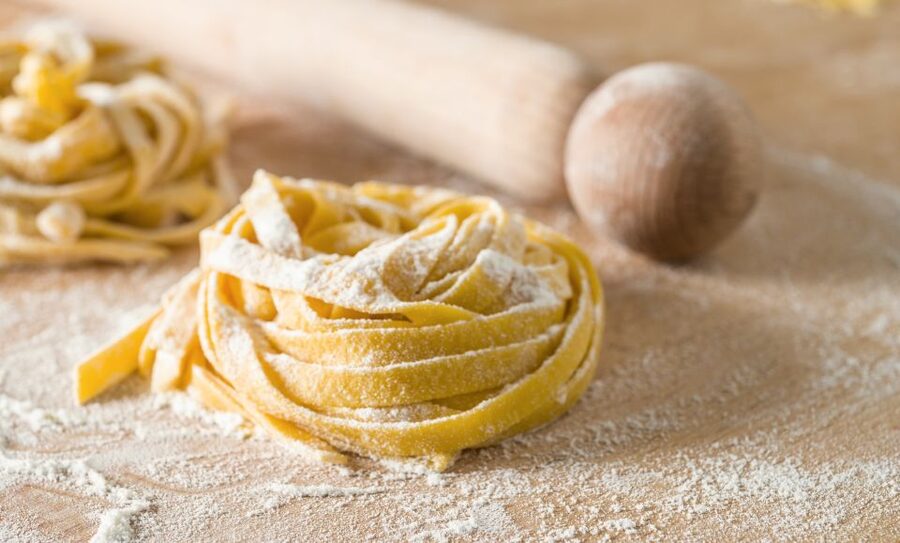
After you cook, you eat. The experience includes:
- fettuccine with the sauce you chose
- ravioli with butter and sage
- tiramisù
- a glass of wine or a non-alcoholic beverage
- a glass of limoncello or coffee
- water
This is one of the biggest value points in the $81 price. You are not just learning, you are also dining. And because it is your own pasta and dessert, the meal feels different. You get a clearer sense of what you did right, and you remember the technique more easily.
If you are picky about wine temperature, keep this in mind. One person mentioned that the wine was served white and warm. That might not be the norm, but it is worth noting if you prefer crisp, chilled wine.
Also, the “wine and limoncello” element is often where the class becomes social. You talk while eating, and the evening turns lighter. If you are visiting Rome with a partner or a group of friends, that shared meal is exactly what you want.
Why the chef-led format matters, and how English instruction works in practice
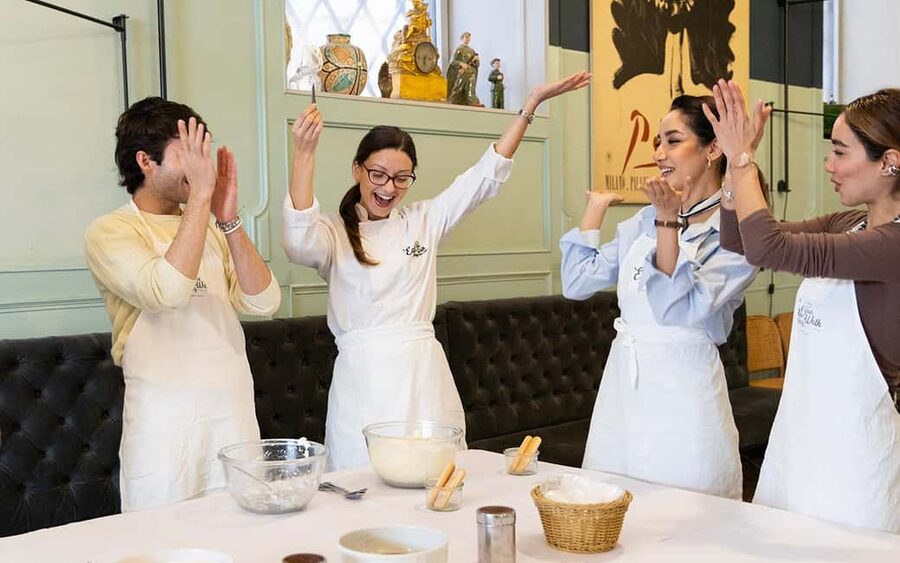
The workshop is taught in English, and the instructor style is a major part of why the ratings are so high. People repeatedly praise chefs for being:
- patient while helping you through hands-on steps
- clear in explanations
- engaging and a bit funny
- attentive to the group, not only the fastest cooks
You will see many instructor names tied to positive experiences, including Carlotta, Lori, Maria, Mimi, Leo, Mattia, Furio, Tommy, and others. The common theme is consistent: the chef keeps the class moving while still checking on participants individually.
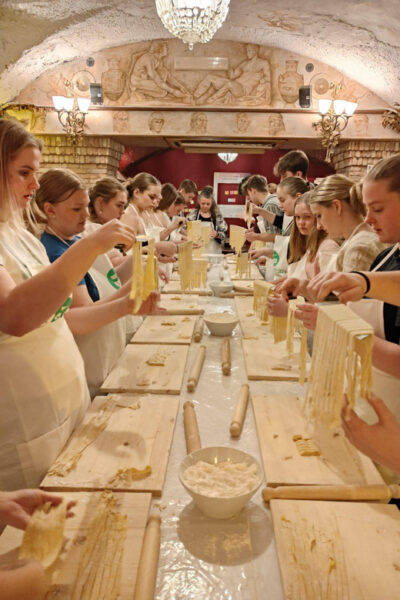
Group size comes up too. One person described a group of about 19 to 20, and they felt the pace stayed organized while everyone got help. That is the sweet spot for value. A class that is too small can feel like you are paying for private attention you do not need. A class that is too large can leave beginners stuck. The way people describe this one suggests a middle ground, with enough hands-on time and enough instructor presence.
If you come with zero cooking experience, this format is still a good bet because the class is step-by-step and interactive. If you are an advanced cook, you may also enjoy it, since you learn Italian pairings like which sauce suits which pasta mood and what to focus on in the dough.
Price and value: $81 for three dishes plus drinks, and what you really get
At $81 per person for a 3-hour workshop, the price is reasonable only if the experience includes more than “watch and taste.” Here, you make three items: fettuccine, ravioli, and tiramisù. You also get wine (or non-alcoholic), plus limoncello or coffee.
That combination is what makes it feel like value. You are paying for:
- ingredients and tools used for the workshop
- guided instruction in English
- time in a working Rome kitchen setting
- a full meal built from your own cooking
- included drinks
In other words, you are not paying restaurant prices for a meal and then separately paying for a lesson. You get both, in one go. If you were planning to eat at a mid-range spot anyway, this becomes a “shift the day” purchase: instead of dining passively, you earn the meal.
The only value risk is if you personally do not enjoy hands-on cooking. If you want to stroll Rome and only sample, you might not love a 3-hour workshop.
Who should book this cooking class in Rome
This one fits best if you:
- want a memorable, practical experience that is not just sightseeing
- enjoy eating what you cook
- like learning by doing, not just listening
- travel with a partner, friends, or teens who can handle a hands-on activity
A few constraints are clearly stated. Pets are not allowed, and it is not suitable for children under 4 years old. On the other hand, it is wheelchair accessible, which is helpful if you need that in your travel plans.
Also, the experience is listed as English instruction. If you do not speak Italian, that is the point. You still get the cooking techniques and the reasoning, without language barriers.
Practical advice to make the most of your 3-hour workshop
You will get the most value if you treat the class like practice, not like a show. Pasta dough and ravioli assembly can feel fiddly at first, so your best strategy is to pay attention early and keep your pace steady.
A good mindset is to focus on technique over perfection. You are learning things like how dough behaves, how to follow steps carefully, and how the chef guides timing so everyone finishes and eats together.
Also think about your sauce choice before you start. Since the fettuccine sauce options include tomato and basil, cacio e pepe, and amatriciana, pick the direction that you most want to eat for dinner. That choice affects how satisfying the final plate feels.
If you have dietary needs, the provided details do not mention substitutions. So before booking, you might want to check what can be accommodated, especially around alcohol choices since the class includes wine or a non-alcoholic beverage.
Should you book this Rome 3-in-1 pasta and tiramisù class?
Book it if you want a hands-on Rome experience with real results at the end. The strongest reasons to choose it are the format (tiramisù first, then two pastas), the fact that you cook three dishes, and the included meal with wine and limoncello. If you like guided cooking and you want something that turns into stories you can actually repeat later, this hits the mark.
Skip it if you want a passive activity, or if you are likely to get impatient with technique-based steps in a group setting. And if you are especially sensitive to time pressure, know the schedule is tight.
If you are curious about Italian home cooking and want a practical skill you can bring home, this class is a high-value bet for a Rome day.
FAQ
Where is the meeting point for the cooking class?
The class meets at Restaurant Gusto, in Via Giuseppe Zanardelli 14.
How long is the cooking class in Rome?
The workshop lasts 3 hours.
What dishes will I learn to make?
You will learn to make tiramisù, fettuccine, and ravioli from scratch.
What sauce options are included for the fettuccine?
Fettuccine is included with one of these sauce options: tomato and basil, cacio e pepe, or amatriciana.
What drinks are included with the meal?
You get a glass of wine or a non-alcoholic beverage, plus a glass of limoncello or coffee. Water is also included.
Is the class taught in English?
Yes. The instructor works in English.
What is the cancellation policy?
Free cancellation is available up to 24 hours in advance for a full refund.
Roman Kitchens to Cook In
- Rome: Traditional Pizza Cooking Class near Piazza Navona
★ 4.7 · 1,241 reviews - Rome: Combo Pizza and Pasta Cooking Class with Wine
★ 4.6 · 1,180 reviews - Rome: Pasta Making with Wine Tasting and Dinner in Frascati
★ 4.9 · 979 reviews - 2-in-1 Pasta and Tiramisu Cooking Masterclass in Rome
★ 5.0 · 832 reviews
Latest additions from Rome
- Guided Tour Vatican Museums & Sistine Chapel★ 4.1 · 30 reviews
- Exclusive Rome by Night Vespa Tour★ 5.0 · 30 reviews
- Transfer Rome to Airports★ 4.5 · 30 reviews
- Vatican: St.Peter’s Basilica & Dome – Reserved Entry & Tour★ 4.1 · 30 reviews
- Rome street art tour: off the beaten path with a local guide★ 5.0 · 30 reviews
- Tivoli, Hadrians Villa and Villa d’Este, a charming day trip from Rome★ 4.5 · 30 reviews
- Rome Food Tasting with Wine Pairing Italian Authentic Flavors★ 5.0 · 31 reviews
- Inspirational Cooking on the Roman Chef’s Panoramic Terrace★ 5.0 · 30 reviews
Pasta and Tiramisu Cooking Classes, compared.
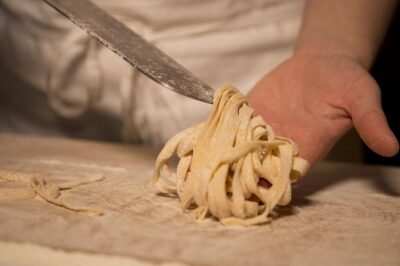
3 in 1 Cooking Class near Navona: Fettuccine, Ravioli & Tiramisu
Read our review →
Pasta & Tiramisu Class with Fine Wine by the Vatican
Read our review →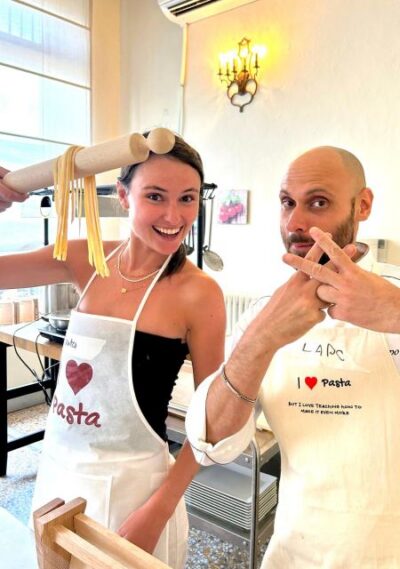
Pasta Making Class with Wine, Limoncello, and Dessert
Read our review →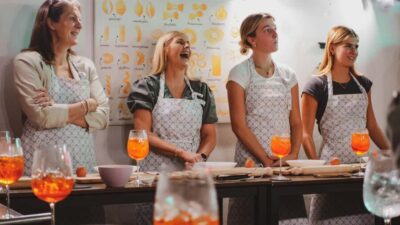
Rome Cooking Class: Make Pasta and 3 Spritz Cocktails
Read our review →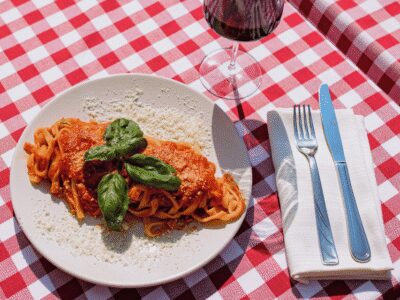
Fettuccine Pasta Cooking Class in Rome’s City Center
Read our review →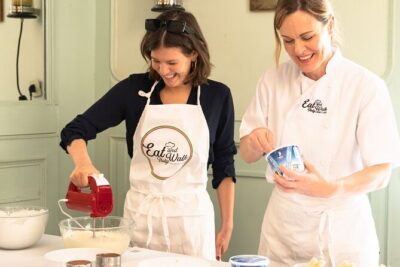
Learn to Make Pasta & Tiramisu with Wine and Limoncello Included
Read our review →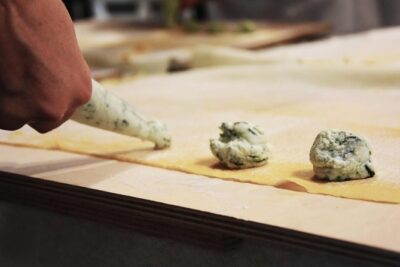
Become a Masterchef in Rome: Pasta, Ravioli and Tiramisù Class
Read our review →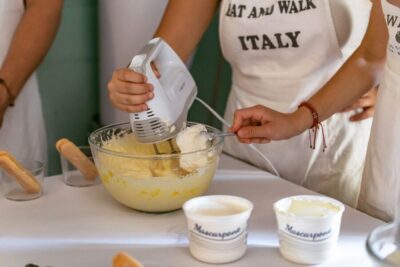
Fettuccine & Tiramisù: Cooking Class with Wine & Limoncello
Read our review →Browse the lists this tour appears in