
Reviewed · PASTA AND TIRAMISU COOKING CLASSES
Exclusive Pasta & Tiramisu Class with Wine near by Colosseum
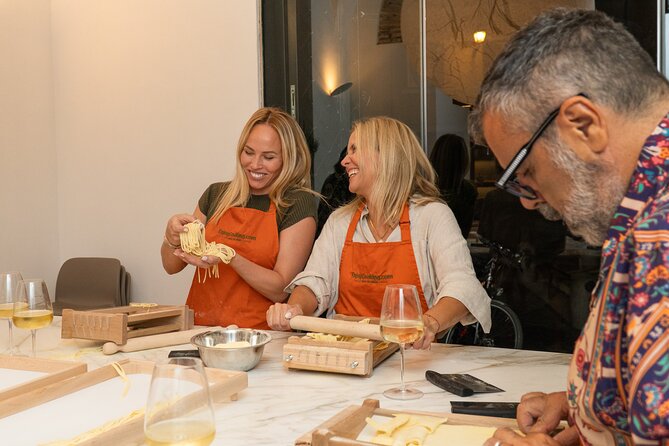
Fresh pasta and tiramisu, made step by step. This 3-hour Rome cooking class pairs hands-on training with a cozy, local kitchen near the Colosseum. You’ll shape dough, build ravioli, then finish with a classic layered dessert.
I especially like the small-group setup (max 10), because it makes personal guidance feel real, not rushed. I also like that the experience includes bottomless Italian wine while you cook and eat. One consideration: gluten-free options are not offered, and it is not recommended for celiac people.
In This Review
- Key things to know before you go
- Why this Rome pasta and tiramisu class near the Colosseum makes sense
- Arriving at Via della Polveriera 9 and getting comfortable
- Welcome, chef intro, and how the class stays hands-on
- Making fresh pasta dough from scratch, knead to roll
- Ravioli from scratch: filling, shaping, and getting the details right
- Classic tiramisu: whipping and layering like you mean it
- Bottomless Italian wine, conversation, and the small-group advantage
- The feast: what you eat, and why it tastes better than you expect
- Taking recipes home: what you’ll actually use
- Price and value: is $118.96 a good deal in Rome?
- Who this class fits best, and who should skip it
- Should you book this pasta and tiramisu class near the Colosseum?
- FAQ
- How long is the pasta and tiramisu class in Rome?
- How many people are in the class?
- Is the class taught in English?
- Is wine included?
- Do you get a meal as part of the class?
- Are gluten-free options available?
- What should I expect to take home?
Key things to know before you go
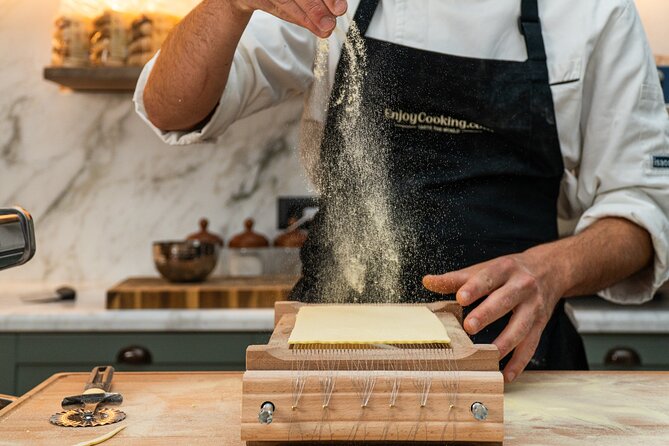
- Fresh pasta dough from scratch: You knead, roll, and shape pasta the traditional way, not from a shortcut kit.
- Ravioli you actually fill and form: You’ll learn how the filling and folding come together for a proper result.
- Classic homemade tiramisu: You’ll whip and layer it using simple, high-quality ingredients and traditional technique.
- Small group, max 10: More time with the chef, more chances to talk, and less waiting around.
- Wine while you cook: Bottomless Italian wine keeps the mood friendly and helps make it a social experience.
- Chef-approved recipes to take home: You leave with guidance you can use again, not just a full stomach.
Why this Rome pasta and tiramisu class near the Colosseum makes sense
Rome has no shortage of food tours. This one is different because you do the cooking, not just watch it happen. You get that Rome feeling, the clink of glasses, and the historic neighborhood energy, with a skill you can repeat at home.
The menu is also a smart combo. Fresh pasta and ravioli teach you a core technique you’ll use for future meals. Tiramisu then gives you a crowd-pleaser dessert that feels special but is built from everyday ingredients when you know the steps.
The value question is not only the ticket price. It’s what you get for it: ingredients, instruction, wine, and a full sit-down feast, all in about 3 hours.
Other kitchens rolling pasta and folding tiramisu:
- 3 in 1 Cooking Class near Navona: Fettuccine, Ravioli & Tiramisu
★ 5.0 · 7,376 reviews - Rome: Pasta & Tiramisu Class with Fine Wine by the Vatican
★ 4.9 · 4,852 reviews - Rome: Pasta Making Class with Wine, Limoncello, and Dessert
★ 4.9 · 3,177 reviews - Rome Cooking Class: Make Pasta and 3 Spritz Cocktails
★ 5.0 · 2,937 reviews
Arriving at Via della Polveriera 9 and getting comfortable
The class meets at Via della Polveriera, 9, 00184 Roma RM, Italy, and it ends back at the same meeting point. That matters because you avoid the stress of figuring out a new ending location right after you eat.
This is near public transportation, so you can plan a simple route instead of depending on taxis. You’ll also get a mobile ticket, which helps if you are juggling a packed Rome schedule and don’t want to hunt for paperwork.
Inside, you’re welcomed into a cozy, elegant kitchen right near the historic heart. The goal is to keep things relaxed so you can focus on learning, not performing.
Welcome, chef intro, and how the class stays hands-on
The first part is a warm welcome and a chef introduction, followed by a quick setup so everyone knows what’s happening. In a class like this, that early clarity helps a lot. It reduces confusion when you’re rolling dough and trying to keep timing for later courses.
Your chef is an Italian cook who shares real context, not just the steps. You hear the history of Roman cuisine while you work, which turns the meal from a project into a story you can explain later.
In at least one session, the chef was Marco, described as playful with the group while also teaching clearly. That blend is exactly what you want in a small cooking class: fun energy, plus real technique.
Making fresh pasta dough from scratch, knead to roll
Now for the core skill. You start with fresh pasta dough made the traditional way. That means you get hands-on with kneading, rolling, and shaping, and you learn what the dough should feel like as you work.
This is where you benefit most from the small group size. When there are only up to 10 travelers, the chef can correct things in real time. For example, you can adjust texture and thickness before the dough goes beyond repair.
You’re not just mixing ingredients and hoping for the best. You’re building muscle memory for the motions: press, fold, roll, repeat. Once you’ve felt dough behave properly, it’s easier to recreate at home.
Practical tip: wear sleeves or clothing that you’re comfortable getting flour on. Also, keep your phone sealed in your bag during the most active dough stages. It’s not about being strict, it’s about keeping your workspace clean.
Ravioli from scratch: filling, shaping, and getting the details right
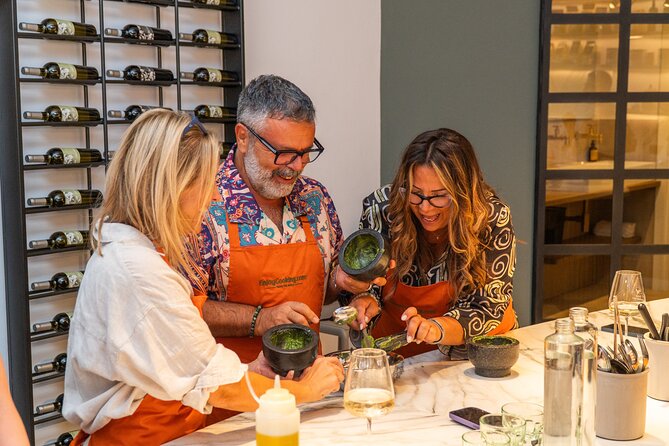
After you’ve got the pasta ready, you move into ravioli making. This is a great mid-class challenge because ravioli forces you to pay attention to two things at once: filling balance and sealing.
You create filled ravioli using the chef’s seasonal selection for the filling flavor. That seasonal angle is useful if you’re trying to cook like a local. It also means you’re learning a method that adapts, rather than a one-time recipe that only works when ingredients match.
The chef’s guidance matters here. Ravioli can look simple, but the seal and portion size are what make them succeed. In a larger class, you often wait your turn. In a group this size, you’re more likely to get hands-on help when you need it.
What to aim for while forming: even thickness, tidy edges, and a confident fold. If you start second-guessing yourself, slow down for a moment. The dough stage is forgiving, but only if you keep your rhythm.
More ways into the Colosseum:


Classic tiramisu: whipping and layering like you mean it
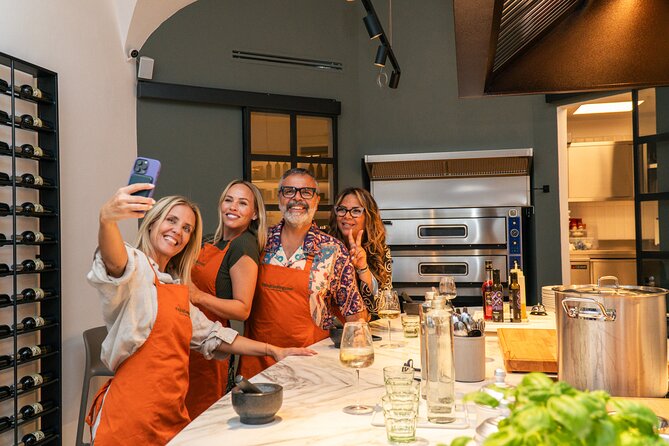
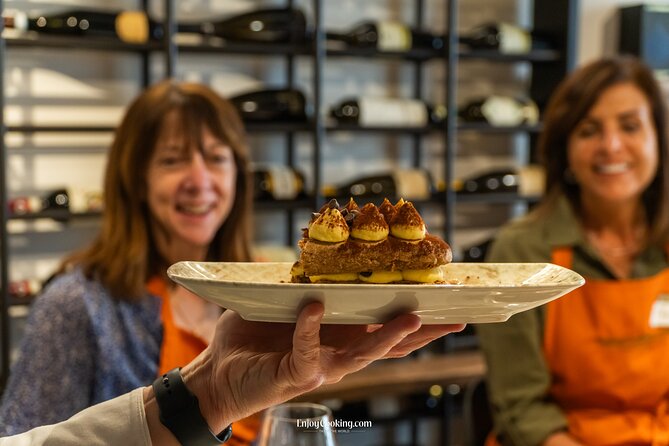
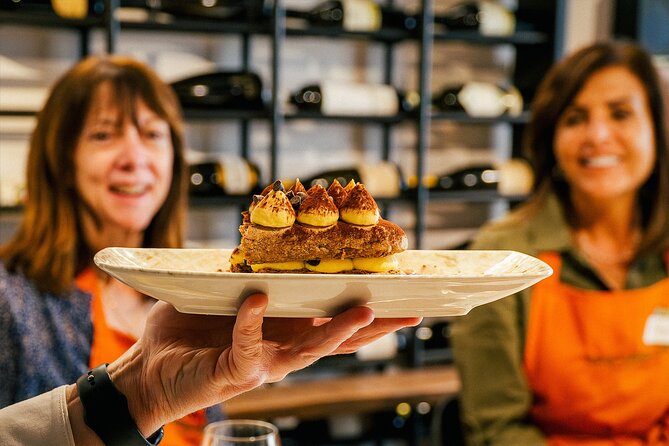
Then comes tiramisu, Italy’s most famous no-pretend dessert. You whip, layer, and build it using simple, high-quality ingredients and time-honored technique.
This is one of the best parts of the experience because it’s teachable and repeatable. You don’t need fancy equipment you bought once and regret. You need timing, a steady hand, and the patience to let layers set properly.
The instruction style also helps. Since you’ve already been active with dough, this dessert course feels like a calm reset. Your hands are doing something different now, and the atmosphere usually shifts from focused motion to gentle teamwork.
Practical tip: when you’re building layers, consistency beats speed. Try to keep the layer thickness fairly even. That helps it slice nicely when you serve it later.
Bottomless Italian wine, conversation, and the small-group advantage
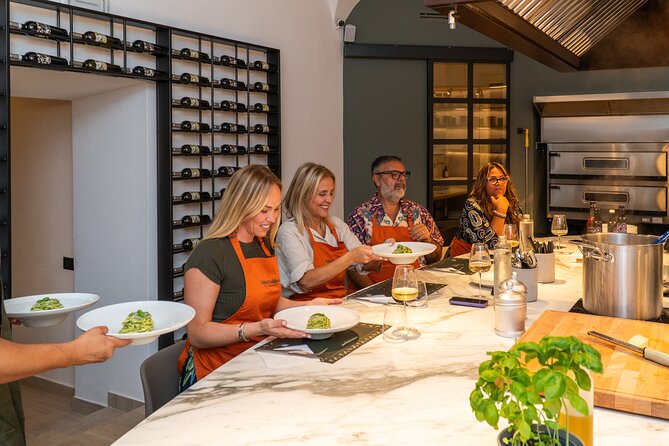
As you cook, you get free-flowing Italian wine. This is not just a perk. It’s part of the social format that makes classes like this enjoyable, especially if you’re traveling solo or with friends who want something beyond museum time.
The class also creates a natural conversation loop. You’re all doing the same tasks, which makes it easier to talk without awkward small talk. You get to swap tips, laugh at the occasional dough mishap, and compare how different people approach shaping and layering.
A maximum of 10 travelers keeps things comfortable. You get enough space to work, and the chef can actually notice what’s going on at your station.
If you’re sensitive to alcohol, you still control your pace. The wine is included, but you can sip slowly, or focus on water between pours.
The feast: what you eat, and why it tastes better than you expect
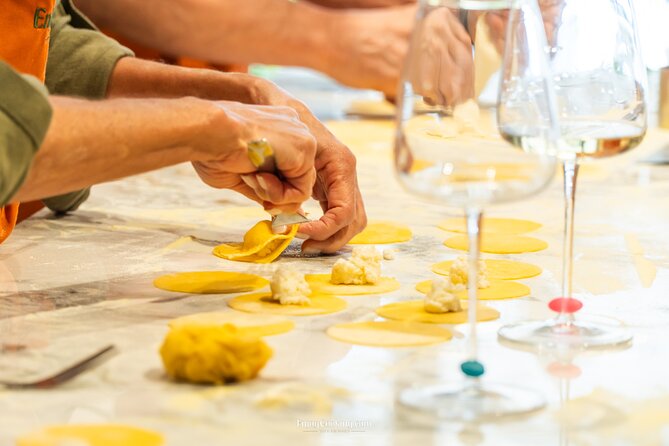
After cooking, you sit down to enjoy your handmade feast in a beautifully styled dining space. This is more than a meal. It’s the moment where your work turns into something you can really savor.
You’ll eat:
- Starter: Italian olives and crunchy taralli
- Main: Fresh handmade pasta and filled ravioli using the chef’s seasonal selection
- Dessert: Classic homemade tiramisu
What’s smart here is that the menu mirrors the skills you learned. You don’t just make food and leave. You eat it while it’s fresh, which also teaches you what “good” feels like in terms of texture and taste.
Start with the pasta and ravioli at a comfortable pace. It can be tempting to rush straight to dessert, but you’ll get more enjoyment if you let the savory dishes set the baseline first. Then tiramisu lands as the proper finale.
Taking recipes home: what you’ll actually use
You leave with chef-approved recipes and new skills you can use at home. That part is key because it turns the class into a lasting memory, not a one-night event.
If you’ve ever taken a cooking class and then forgot the order of steps, a recipe sheet plus technique reminders is what closes the loop. Since the class focuses on foundational skills like pasta dough and tiramisu assembly, you can use these methods beyond the specific menu.
I also like that dietary restrictions can be accommodated, but celiac people are not recommended for this experience. If you need a specific restriction supported, you should contact the operator ahead of time so you’re not guessing.
Price and value: is $118.96 a good deal in Rome?
At $118.96 per person for about 3 hours, it’s not the cheapest food activity in Rome. But it’s in line with what you should expect for a real small-group cooking class where you make multiple courses and receive instruction.
Here’s why the price can feel fair:
- You’re getting hands-on instruction for pasta, ravioli, and tiramisu
- Ingredients are included, including local fresh high-quality items
- Wine is included throughout, which changes the vibe and the overall value
- You also get a sit-down feast instead of a quick tasting
For context, if you compare it to doing a full dinner plus a separate workshop, the math often gets awkward. This class bundles it into one focused experience with a clear outcome: you cook, you eat, and you take recipes home.
If you’re on a tight budget, you might choose a lower-cost pasta tasting meal. But if you want to leave Rome with a skill, this price is easier to justify.
Who this class fits best, and who should skip it
This class is ideal if you:
- Want a hands-on Rome experience instead of another walking tour
- Enjoy cooking and want technique, not just a recipe list
- Like social activities, especially small groups
- Want an English-taught class in a practical, friendly setting
It may not be the right fit if you:
- Need gluten-free options (they are not offered, and it is not recommended for celiac people)
- Prefer fully silent activities, since you’ll be cooking in a social environment
If you’re traveling with friends, it’s also a good group choice. The tasks rotate naturally, and it’s easier to enjoy together when everyone is doing something.
Should you book this pasta and tiramisu class near the Colosseum?
Book it if you want a Rome food memory you can recreate. The combination of fresh pasta skills, filled ravioli practice, and a classic tiramisu build is a strong trio, especially in a small-group format with real chef coaching.
Skip it if gluten-free or celiac needs are part of your plan. Also skip it if you hate kitchen mess. You can keep things tidy, but this is flour-on-hands cooking.
If your timing works and you like cooking, you’ll likely feel like you left with more than a meal. You’ll have a new set of practical steps, plus the kind of wine-and-laughter atmosphere that makes Rome feel personal.
FAQ
How long is the pasta and tiramisu class in Rome?
It lasts about 3 hours.
How many people are in the class?
The experience is limited to a maximum of 10 travelers.
Is the class taught in English?
Yes, it is offered in English.
Is wine included?
Yes. Italian wine is included and described as free-flowing throughout the experience.
Do you get a meal as part of the class?
Yes. You’ll sit down for a handmade feast that includes olives and taralli, fresh pasta with filled ravioli, and classic homemade tiramisu.
Are gluten-free options available?
Gluten-free options are not included, and the experience is not recommended for celiac people.
What should I expect to take home?
You’ll leave with chef-approved recipes and the skills you learn during the class.
A Roman Bench for the Morning
- Rome: 3-in-1 Fettuccine, Ravioli, and Tiramisu Cooking Class
★ 4.9 · 2,704 reviews - Rome: Fettuccine Pasta Cooking Class in Rome’s City Center
★ 4.8 · 2,414 reviews - Become a Masterchef in Rome: Pasta, Ravioli and Tiramisù Class
★ 5.0 · 2,156 reviews - Fettuccine & Tiramisù: Cooking Class with Wine & Limoncello
★ 4.9 · 2,103 reviews
Lazio Bottles Opened Near Rome
- Rome: Tuscany & Montepulciano Day Trip with Lunch & Wine Tasting
★ 4.5 · 5,232 reviews - Rome Food Tour: Unlimited Tastings with Fine Wine & Barolo
★ 5.0 · 3,365 reviews - Rome: Guided Food Walking Tour with Wine in Trastevere
★ 4.9 · 3,105 reviews - Rome: Tuscany & Montepulciano Day Trip with Lunch & Wines
★ 4.7 · 3,004 reviews
Latest additions from Rome
- Rome: Testaccio Market Food Tour with Street Food & Wine★ 5.0 · 8 reviews
- Private Professional Photoshoot in Rome★ 5.0 · 8 reviews
- Loreto “Shrine of the Holy House of the Virgin Mary” Private Tour from Rome★ 5.0 · 8 reviews
- Rome Day to discover Florence and Pisa Hotel Pickup★ 4.5 · 8 reviews
- Rome: Christmas Nativities and Angels Tour★ 3.1 · 8 reviews
- Guided Tour of Vatican Museums and Sistine Chapel★ 5.0 · 8 reviews
- Rome: Cooking Class of fresh Pasta and Tiramisu Cake★ 5.0 · 8 reviews
- Skip the Line Entry Ticket Vatican Museum and Sistine Chapel★ 4.5 · 8 reviews
Pasta and Tiramisu Cooking Classes, compared.
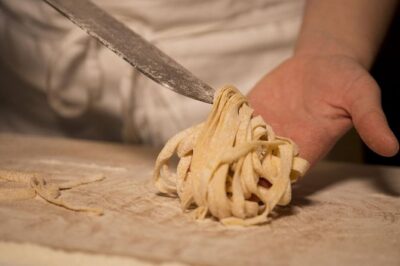
3 in 1 Cooking Class near Navona: Fettuccine, Ravioli & Tiramisu
Read our review →
Pasta & Tiramisu Class with Fine Wine by the Vatican
Read our review →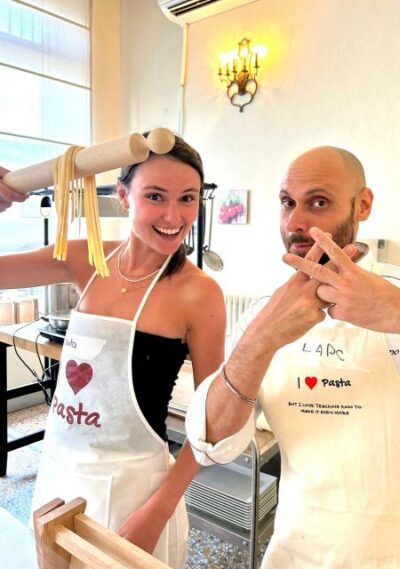
Pasta Making Class with Wine, Limoncello, and Dessert
Read our review →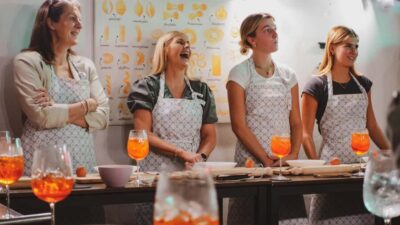
Rome Cooking Class: Make Pasta and 3 Spritz Cocktails
Read our review →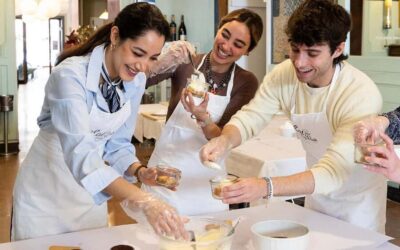
3-in-1 Fettuccine, Ravioli, and Tiramisu Cooking Class
Read our review →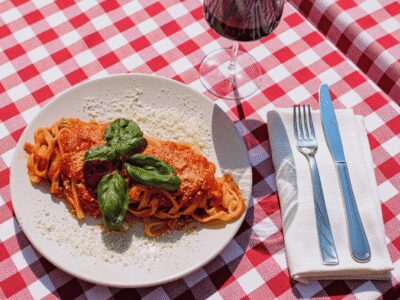
Fettuccine Pasta Cooking Class in Rome’s City Center
Read our review →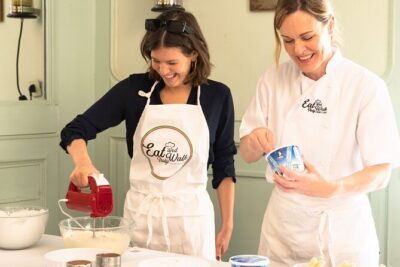
Learn to Make Pasta & Tiramisu with Wine and Limoncello Included
Read our review →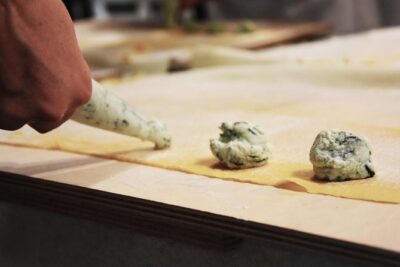
Become a Masterchef in Rome: Pasta, Ravioli and Tiramisù Class
Read our review →Browse the lists this tour appears in