
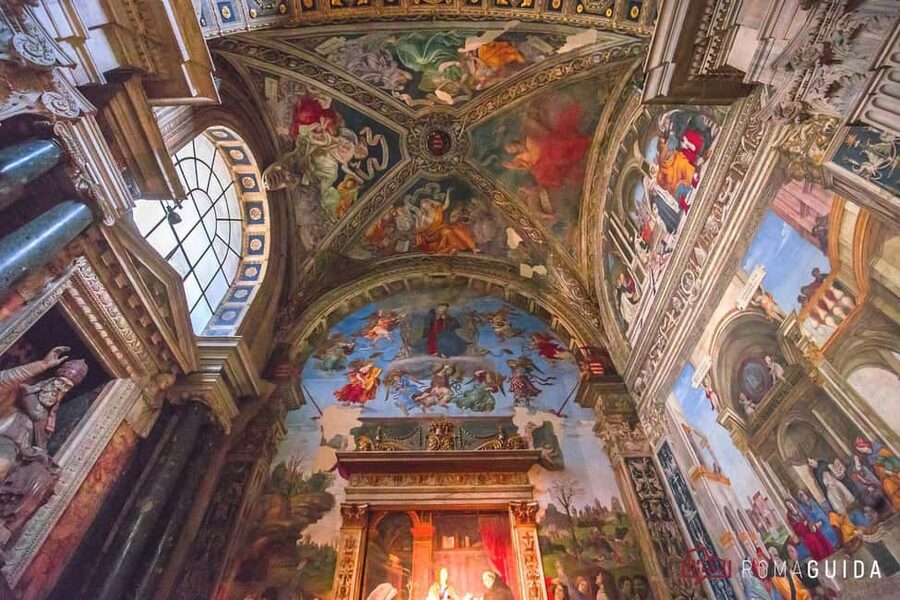
Reviewed · CARAVAGGIO AND RENAISSANCE ART TOURS
Rome:”The Scandalous Life of The Borgia Family” Walking Tour
Borgia secrets in the streets of Rome. This walking tour mixes Renaissance art with the political soap opera of Cesare and Lucrezia Borgia, using real Roman locations to make the legends feel specific and close to the stones. You get the drama side too, with talk of revenge, corrupted power, and the kind of rumors that travel faster than anyone’s messenger.
I especially like two things about this experience. First, it keeps the group tight, max 10 people, so it feels like a guided walk with time for questions. Second, the guide style often credited as a highlight is storytelling with strong Rome context, and the guide name that comes up often is Luisa.
One consideration: the tour includes church visits, so plan for a respectful dress choice. Also, one guest raised concerns about a few factual date or identity points, so if you are the kind of person who wants every detail nailed down, keep that in mind.
In This Review
- Key highlights you should care about
- A Borgia-centered walk that still shows you the real Rome
- Where you meet, where you end, and how that shapes the pace
- Starting at the Borgia Stairs, then jumping into Renaissance drama
- Trajan’s Market and Trajan’s Column, where Rome’s power lessons show up
- Piazza Venezia and Palazzo Venezia, politics with a view
- Largo di Torre Argentina, where legends meet the stone ground
- Santa Maria Sopra Minerva and the church dress code reality
- Piazza Farnese finish, and how to keep the day going
- Price and value: $77 for 3 hours in a small group
- The guide factor: Luisa’s storytelling plus real follow-up time
- Who should book this Borgias walk, and who might not love it
- A quick practical plan for your day
- Should you book the Scandalous Life of the Borgia Family tour?
Key highlights you should care about
- A rare Borgias-focused route that stays in the 15th-century power zone, not just broad Renaissance Rome
- Tight small group (up to 10), which helps when you want explanations and follow-up questions
- Secret-passage storytelling tied to Cesare Borgia and Rome’s older layers, including views from above
- Major Rome landmarks in a short walk covering ancient, medieval, and Renaissance Rome
- Church stop included, so bring clothing that works for indoor sites
A Borgia-centered walk that still shows you the real Rome
This tour is built around a simple idea: Rome’s Renaissance wasn’t made in a vacuum. The art, the politics, and the violence stories all lived in the same streets. That is the fun part. You are not just learning names and dates. You are walking through spaces where power was negotiated, displayed, and sometimes weaponized.
What makes it work is the balance of moods. You get the scandal angle, yes, with the sensational themes that usually float around the Borgias: luxurious courtesans, poisoned wine, betrayal, corrupted clergy, and mysterious murders. But you also get the other half of the era, the visible stuff, churches, towers, and the art that survived long after the rumors.
If you like Rome for texture, this tour feeds that. One minute you are in a neighborhood walk feeling the city scale. The next minute you are looking at Roman remains and thinking about how the landscape shaped escape routes and politics. You come away with a map in your head, not just a memory of a story.
More Walking Tours in Rome
- Rome: Guided Food Walking Tour with Wine in Trastevere
★ 4.9 · 3,105 reviews - Rome: Trastevere & Campo de Fiori Street Food Walking Tour
★ 4.9 · 2,768 reviews - Rome: Paranormal Night Walking Tour & Secret Backstreets
★ 4.9 · 1,921 reviews - Rome: Trastevere Street Food Walking Tour with Local Expert
★ 4.8 · 1,784 reviews
Where you meet, where you end, and how that shapes the pace
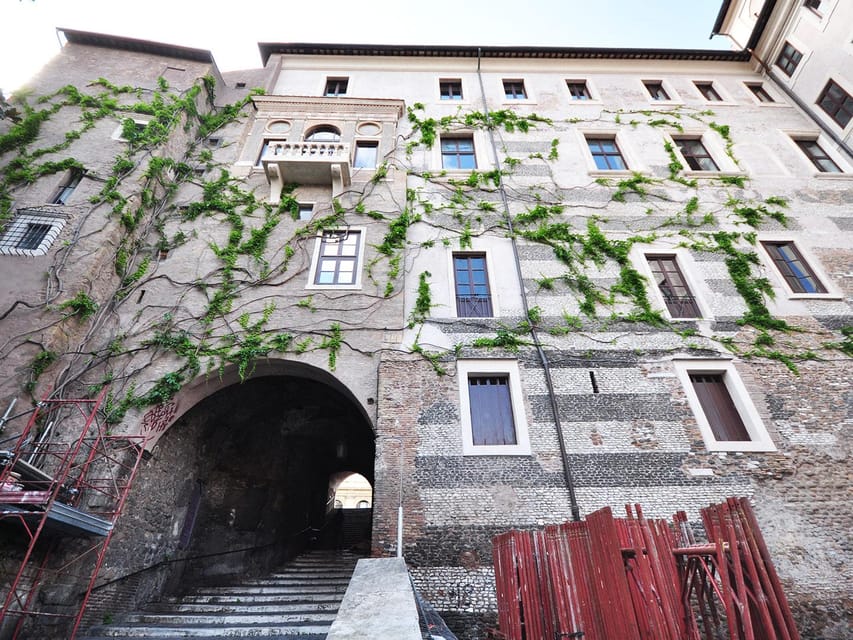
You meet at Via Cavour 256a, right in front of the big Borgia Stairs. That matters more than it sounds. It sets the tone immediately, because the first sights are tied to Raphael’s balcony and the starting point connects directly to the Borgia theme.
The tour runs about 3 hours and ends at Piazza Farnese. That finish is useful because it drops you in a central area where you can keep wandering after the last stop. The route also avoids feeling like a sprint. You move through the city center at a pace that makes short guided segments worth it, instead of turning the whole thing into a long line-watching exercise.
Group size is capped at 10 participants, and the guide is live and offered in English and Italian. The tour is described as private and semi-private depending on the group, which usually means you are less likely to get lost inside a crowd.
If you want a practical tip: wear comfortable walking shoes. This is a city-center walk that includes churches and multiple stops, so plan for real time on your feet, not just a quick photo hop.
Starting at the Borgia Stairs, then jumping into Renaissance drama
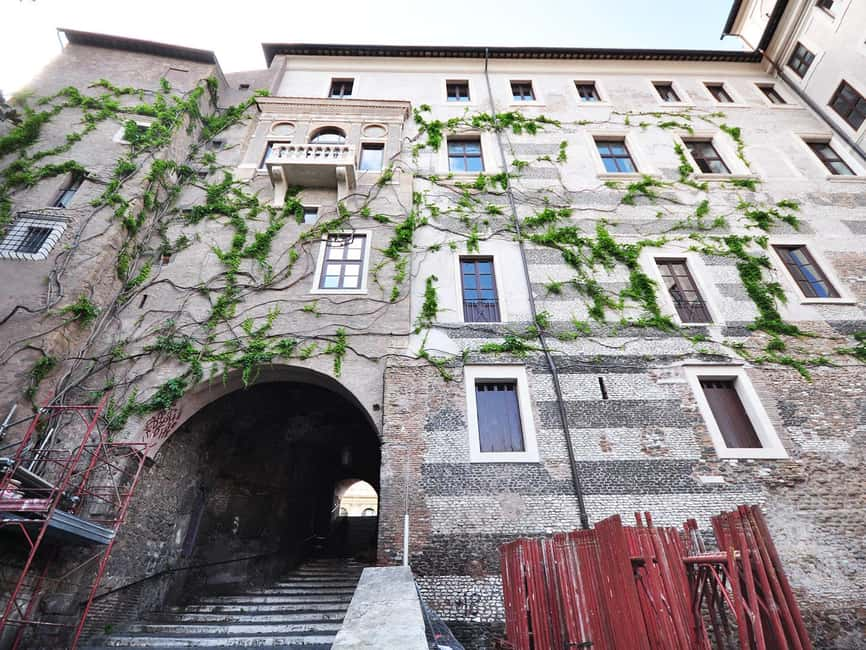
The first moments are about momentum. You start at the Borgia Stairs and the tour also calls attention to the balcony associated with Raphael. Even if you are not an art-history person, it helps to connect big-name Renaissance art to the surrounding political world. The balcony reference is not the point by itself, it’s the doorway into the era’s mix of creativity and ambition.
From there, the early part shifts into the lived-in Rome feel of Rione Monti. You get a short introduction to the area, which helps you orient quickly. That is a small thing that makes the rest easier, because later you will be bouncing between ancient ruins and later medieval and church spaces. When the neighborhood context is clear, the story lands faster.
Think of this opening as the tour setting your frame. Once you understand you are watching the same city layers talk to each other, the “scandal and revenge” parts start making more sense. They are not just lurid details. They are motives placed into real geography.
Trajan’s Market and Trajan’s Column, where Rome’s power lessons show up
One of the best reasons to do a theme tour like this is that it can make you notice things you’d otherwise rush past. The stops around ancient Rome are short, but they are chosen well.
You visit Trajan’s Market for a guided segment. Then you move to Trajan’s Column. The focus is not only the monument itself. The guiding idea is that Cesare Borgia’s story is tied to movement, hiding, and escape tactics in a city built on older infrastructure. When you are standing near Roman structures and hearing how later power played with the city’s layout, you start reading Rome differently.
Here is the practical value: even if you only remember one ancient anchor from the tour, it helps you connect the rest. Piazza and church stops later feel less random, because you have already been given a sense of Rome as a stacked puzzle, ancient remains shaping later routes and political options.
If you dislike rushed museum-style tours, this is still a walk, not an indoor ticket line marathon. That said, the timing is tight at each stop, so you will want to bring curiosity, not a checklist mindset.
Piazza Venezia and Palazzo Venezia, politics with a view
Next you head through Piazza Venezia and toward Palazzo Venezia for a longer visit. These stops matter because they are the kind of places where you can feel how authority likes to be seen. The tour uses these moments to bridge between Rome’s ancient scale and the Renaissance desire to stage power.
This is also where the tour threads in the escape narrative connected to Cesare Borgia. You are looking at Rome from angles that help the story work. The tour description explicitly mentions searching for secret passages used by Cesare Borgia to escape from the Pope’s soldiers. Whether you treat every claim as absolute history or as a blend of rumor and reconstructed storytelling, the geographic approach is the point. You can stand there and understand why someone would use the city’s hidden connections rather than fight in the open.
You also get talk of the Roman Forum from above, which is a particularly useful kind of viewpoint because it turns flat ruins into a spatial problem. Suddenly you are not just looking at stones. You are imagining routes, sightlines, and where someone might slip away.
Other Caravaggio and Renaissance trails:
Largo di Torre Argentina, where legends meet the stone ground
Then the tour heads to Largo di Torre Argentina for a guided stop. This place carries an instant historical charge, and the tour uses it to steer the mood back toward intrigue and consequence.
If you are into the Borgias mainly because of the scandals, this is where the tone snaps back into sharp focus. The stories are framed around betrayal, corrupted institutions, and violent uncertainty. It is the kind of stop that makes you understand why Renaissance Rome was so emotionally intense. People lived close enough to power that rumor could become strategy.
The practical benefit here is pacing. After ancient and palace-feeling stops, you get a different energy, more open space, and a strong sense of “this mattered.” Even if you are not a die-hard Borgias fan, this is where the theme becomes memorable because the site feels like a stage.
Santa Maria Sopra Minerva and the church dress code reality
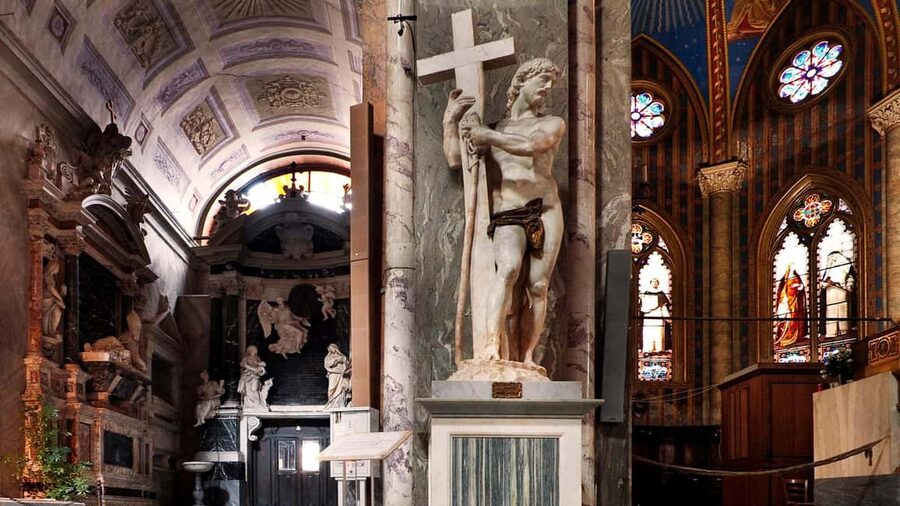
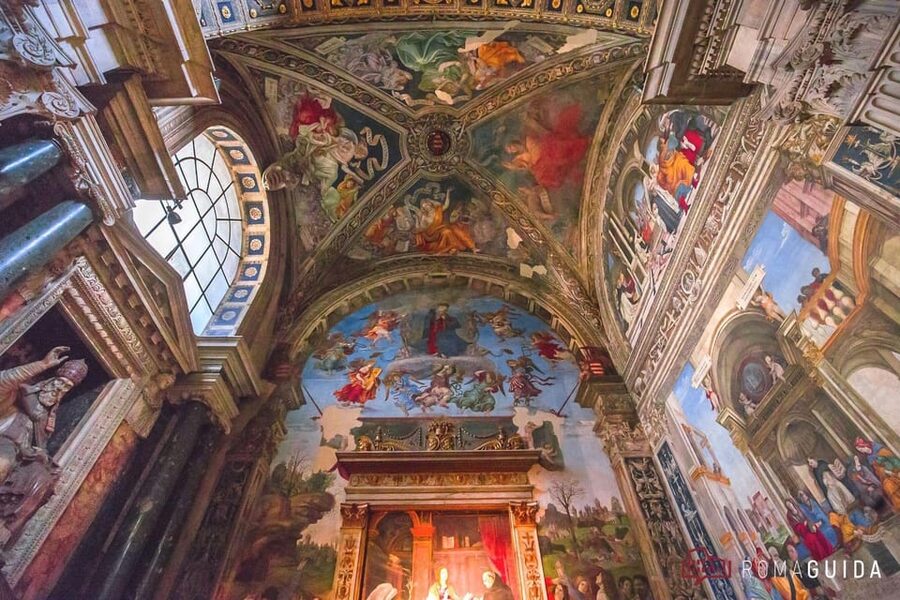
The final major stop before the finish is Santa Maria Sopra Minerva, a church visit included in the route. This is your check-in moment for dress code. Since the tour includes churches, you should plan clothing that works inside sacred spaces.
From a storytelling perspective, bringing you into a church makes sense. A major part of the Borgias legend is the tangled relationship between politics and religious authority. You are hearing about corrupted priests and power games, then you step into a religious setting that shows how that kind of influence could be both public and hidden.
I also like this stop because it adds variety to the experience. You do not end with only outdoor ruins and palace facades. You get at least one interior or church-context experience, which helps you feel you saw more than just street corners.
A note on expectations: if you hate churches, this portion might feel like it slows the pace. If you tolerate churches for their art and setting, it’s a strong final “tone shift” before the closing moments near Piazza Farnese.
Piazza Farnese finish, and how to keep the day going
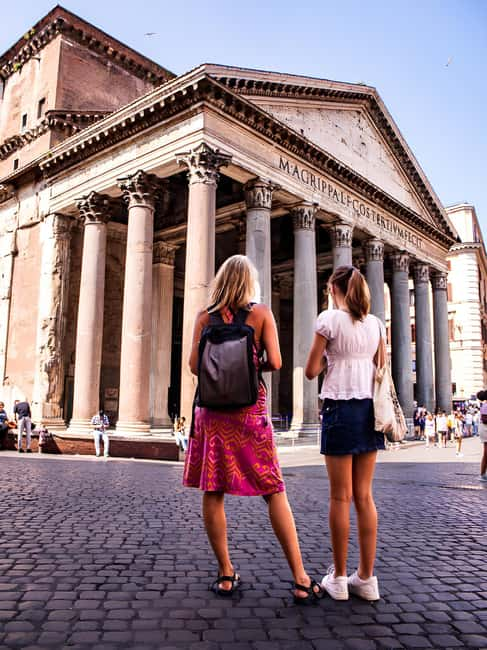
The tour ends at Piazza Farnese. That is a smart landing point for your next step because it is central and easy to build off. You can keep walking on your own, or you can use it as a restart location for another museum or neighborhood wander.
When a theme tour ends in a plaza like this, you have two options as a traveler. One is to stay in story mode, noticing how buildings and streets keep echoing the same themes, power, spectacle, and survival. The other is to switch to Rome mode, using what you learned to spot art and context without needing the guide narration.
Either way, you leave with a route that is short enough to fit a busy travel day, yet long enough to feel like you covered real ground.
Price and value: $77 for 3 hours in a small group
The price is $77 per person for about 3 hours with a live guide. That might sound high or normal depending on your travel style, but for Rome, the main question is whether you get enough guidance.
You do, because the group is limited to 10 participants, which tends to justify the cost compared with large group tours. Also, the tour is described as private and semi-private, which often means you are not just standing in line behind strangers while someone talks over your head.
For value, I’d weigh it like this:
- If you want a guide who can connect Borgias scandal stories to the exact Roman locations, a theme tour like this is often worth it.
- If you only want generic Rome highlights, you might feel the Borgias angle is a distraction.
For me, the value sweet spot is clear. If you like Renaissance art but also enjoy the human mess behind the art, you are paying for both the setting and the narrative glue.
The guide factor: Luisa’s storytelling plus real follow-up time
The standout from the experience is the guide delivery. The name that shows up frequently is Luisa, and people consistently praised her passion for Rome history and her ability to make the past feel close. There is also a note that she can answer additional questions, including when the group conversation gets more nuanced.
One extra detail worth knowing if you care about depth: at least one group was led by someone described as a history professor, and that kind of background tends to show in how carefully stories are framed. Even when the narrative is scandal-forward, the goal seems to be explaining the context around why those scandals made sense in that period.
That said, there is an important caveat. One person flagged what they felt were factual issues, including a claim about Raphael, a painting by Titian being shown with an earlier dating and figure identification problems, and the timing of Lucrezia meeting Alfonso d’Este in Rome. You should treat this as a reminder to keep an open mind and stay curious. Most theme tours use a mix of documented history and interpretive storytelling, and if you want strict academic precision on every date and artwork identity, you may want to double-check the specifics with a guidebook afterward.
Who should book this Borgias walk, and who might not love it
This is a strong fit if:
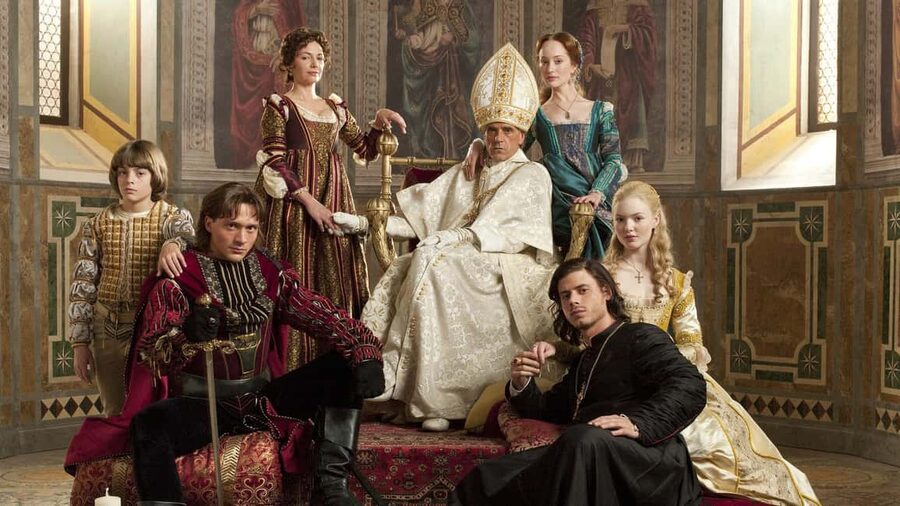
- You have seen the Borgias on screen or you already know the names and want to connect them to actual places
- You enjoy Renaissance Rome but want the political and dramatic side, not just the art postcard version
- You like walking tours with short guided segments at meaningful stops
You might skip it if:
- You dislike church visits, since sacred sites are part of the route
- You are looking for a purely confirmed, footnoted lecture style history tour
- You prefer large landmark checklists, because this is a story-first route
Also, the English and Italian live guide option is helpful if you want to ask questions. The small size makes it easier to get clarification when something sparks your curiosity.
A quick practical plan for your day
Before you go, decide how you want to experience it. If your goal is story and atmosphere, show up with curiosity and a willingness to accept rumor as part of how the Borgias became legend. If your goal is strict accuracy, treat the tour as a launchpad, then use museum labels or a trusted guidebook to verify specific artwork or dates.
Wear shoes you can walk in for 3 hours. Bring layers because Rome weather can shift quickly even when the forecast looks stable. And dress for the churches, even if you usually hate dress-code rules, because you will be happier when you feel comfortable inside.
Should you book the Scandalous Life of the Borgia Family tour?
If you are excited by Renaissance drama, art in context, and the idea of walking through Rome as a layered map of power, I think this is a good booking. The small group, the themed route, and the guide style associated with Luisa are the big reasons to choose it, especially if you want your Rome to feel like a story with real geography.
If you are very sensitive to factual precision, read the tour as interpretive storytelling with some historic framing rather than a zero-error academic exam. And if churches are a dealbreaker for you, skip it, because the route includes them.
My bottom line: book it if the Borgias theme is your thing and you want a short but meaningful walk that turns locations into explanations.
Latest additions from Rome
- Rome: Testaccio Market Food Tour with Street Food & Wine★ 5.0 · 8 reviews
- Exclusive Pasta & Tiramisu Class with Wine near by Colosseum★ 5.0 · 8 reviews
- Private Professional Photoshoot in Rome★ 5.0 · 8 reviews
- Loreto “Shrine of the Holy House of the Virgin Mary” Private Tour from Rome★ 5.0 · 8 reviews
- Rome Day to discover Florence and Pisa Hotel Pickup★ 4.5 · 8 reviews
- Rome: Christmas Nativities and Angels Tour★ 3.1 · 8 reviews
- Guided Tour of Vatican Museums and Sistine Chapel★ 5.0 · 8 reviews
- Skip the Line Entry Ticket Vatican Museum and Sistine Chapel★ 4.5 · 8 reviews
Caravaggio and Renaissance Art Tours, compared.
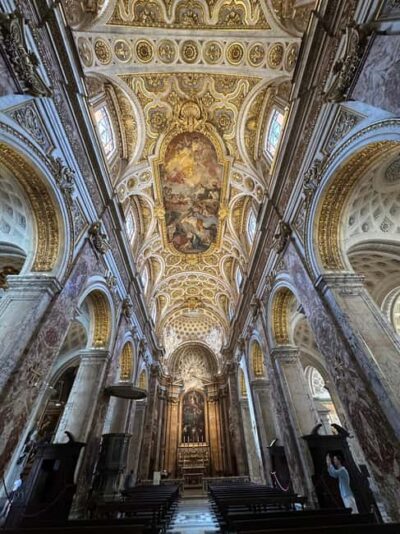
Caravaggio: Art on Footsteps-Masterpieces in Rome’s Churches
Read our review →
Borghese Gallery Max 6 People Tour: Baroque & Renaissance in Rome
Read our review →
Borghese Gallery Small-Group Tour with Canova’s Masterpieces
Read our review →
Vatican Museums, Sistine Chapel & Raphael Rooms Guided Tour
Read our review →
Vivaldi’s Four Seasons meets Bach’s Masterpieces
Read our review →
Private Vatican Experience with Sistine Chapel & Raphael’s Rooms
Read our review →
Renaissance Scarlet Ladies Tour: Caravaggio’s and Borgia’s Women
Read our review →
Browse the lists this tour appears in