
Reviewed · CARAVAGGIO AND RENAISSANCE ART TOURS
Caravaggio: Art on Footsteps-Masterpieces in Rome’s Churches
Caravaggio hits harder in real churches. This walking tour brings you face to face with some of his most dramatic paintings, while your guide connects the art to Caravaggio’s messy, street-level life. I especially loved the three-painting Saint Matthew cycle at San Luigi dei Francesi, and the punchy pair in the Cerasi Chapel at Santa Maria del Popolo. One drawback to plan around: the churches are active and you have to follow dress rules, so bring covered shoulders and knees and skip sandals.
You’ll also appreciate the practical side. The tour runs with a small group (up to 15) and uses headsets or radios if needed, which matters in marble-walled spaces where sound can bounce. In other words, you won’t just stand there squinting at darkness and shadows, you’ll actually hear the story as you look.
In This Review
- Key moments that make this tour worth your time
- Caravaggio in Rome churchlight: what makes this format different
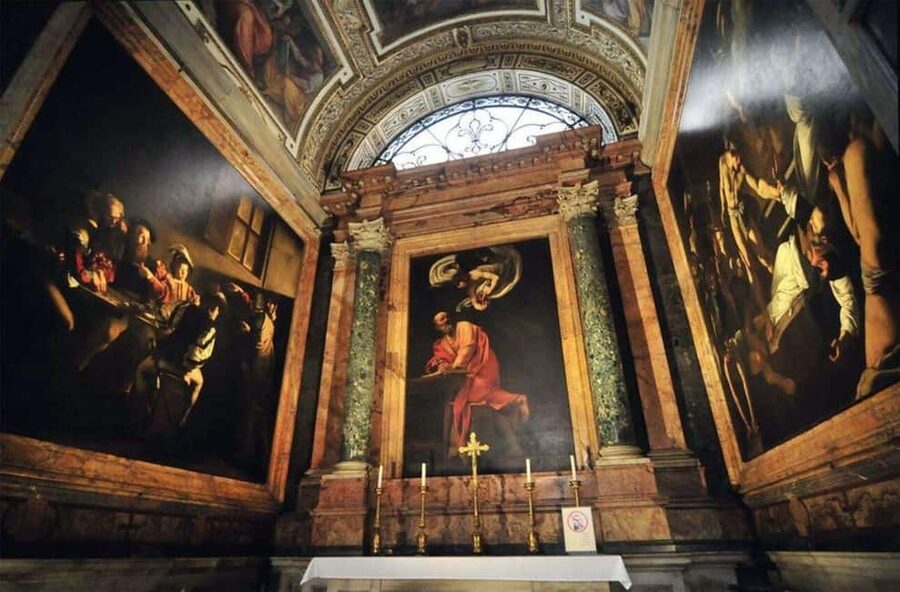
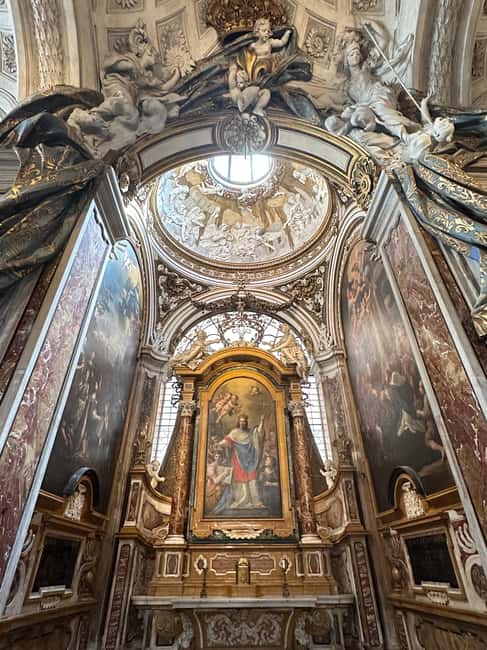
- St. Louis of the French: the Saint Matthew trilogy in one concentrated burst
- Walking segment between churches: using the streets to reset your eyes
- Basilica di Sant’Agostino: the calmer Caravaggio stop that many people skip
- Santa Maria del Popolo and the Cerasi Chapel: where the drama turns up
- Caravaggio’s turbulent life: how the guide ties art to a real human mess
- Pace, dress rules, and what to bring for a smooth church day
- Price and value: is $125 fair for this kind of art time?
- Should you book this Caravaggio on Footsteps church tour?
Key moments that make this tour worth your time
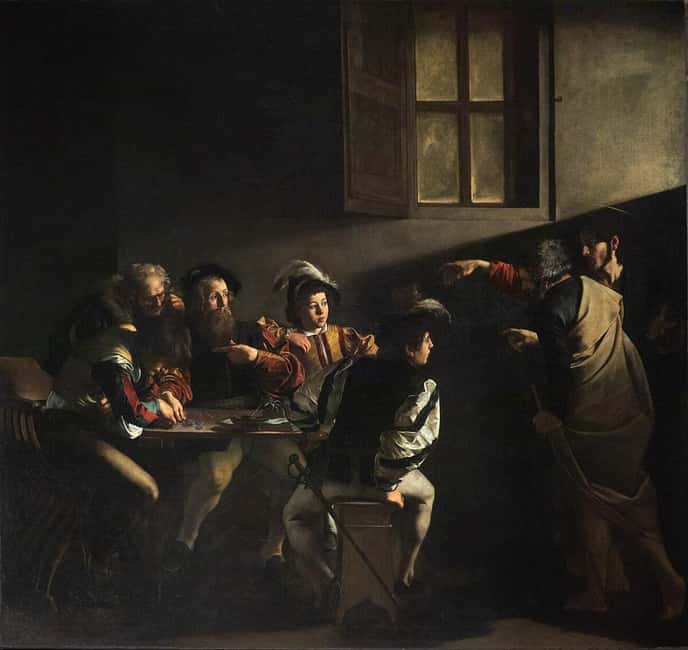
- San Luigi dei Francesi, the Saint Matthew trilogy: The Calling of Saint Matthew, The Inspiration of Saint Matthew, and The Martyrdom of Saint Matthew.
- A quieter Caravaggio stop at Sant’Agostino: you’ll see a lesser-known work in a calmer setting.
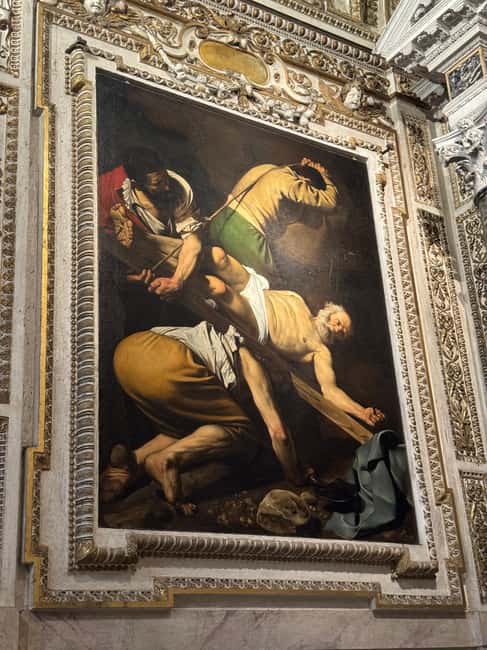
- Santa Maria del Popolo, Cerasi Chapel drama: The Conversion of Saint Paul and The Crucifixion of Saint Peter.
- Headsets and radios help you follow the talk even when the church gets crowded.
- A small-group pace with multiple languages (French, Italian, English), so you can keep looking without feeling rushed.
Caravaggio in Rome churchlight: what makes this format different
Caravaggio’s power is not museum-clean. In churches, his lighting looks less like a technique and more like a spotlight aimed at your face. That matters because the paintings you’ll see here are tied to specific chapels and devotional spaces, not assembled for maximum tourist comfort.
This tour also aims at understanding, not just viewing. Your guide will connect what you see, the figures’ gestures, and the spiritual message the commission needed. One reason people get such strong reactions is that Caravaggio’s realism does not behave like polite altar art. He paints people as they look and feel, and your guide helps you read that humanity instead of getting lost in the famous name.
The other big reason this works is logistics. You’re not hopping all over Rome blindly. You hit three churches close enough to walk between, and each one has a distinct vibe: a grand Baroque spectacle, a quieter off-track moment, then a dramatic chapel finale.
Other Caravaggio and Renaissance trails:
- Borghese Gallery Max 6 People Tour: Baroque & Renaissance in Rome
★ 5.0 · 185 reviews - Borghese Gallery Small-Group Tour with Canova’s Masterpieces
★ 4.5 · 166 reviews - Vatican Museums, Sistine Chapel & Raphael Rooms Guided Tour
★ 4.5 · 141 reviews - Vivaldi’s Four Seasons meets Bach’s Masterpieces
★ 4.5 · 99 reviews
St. Louis of the French: the Saint Matthew trilogy in one concentrated burst
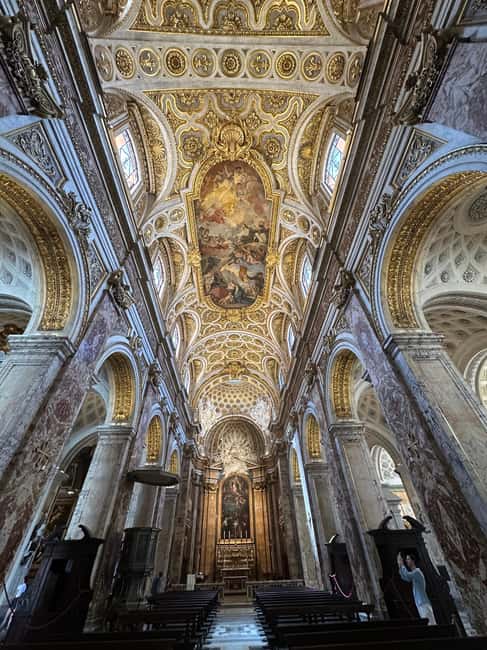
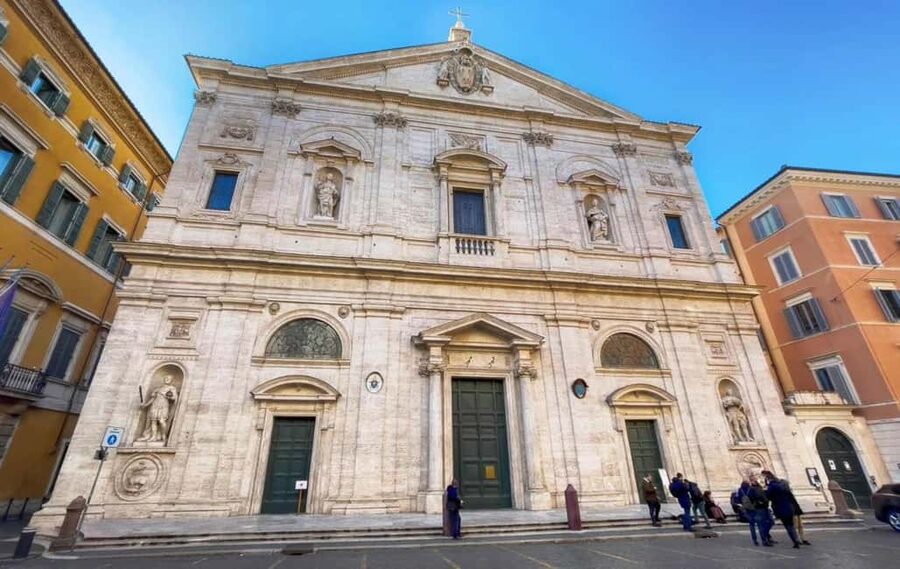
Your tour begins at the Church of St. Louis of the French, also known as San Luigi dei Francesi. This is where the Caravaggio experience becomes clear fast, because you get a whole story told in three separate paintings about Saint Matthew. Even if you only know Caravaggio from famous reproductions, seeing the works grouped like this changes how your brain processes him.
You’ll spend about 50 minutes here, standing before:
- The Calling of Saint Matthew
- The Inspiration of Saint Matthew
- The Martyrdom of Saint Matthew
What you should pay attention to is how Caravaggio uses light and shadow to control attention. In these scenes, light acts like a narrative tool, not just background lighting. Your guide will point out how the moment feels frozen but also intensely alive, like you walked in mid-event and everyone knows it.
Also, notice the emotional direction of the figures. Caravaggio does not paint saints like marble heroes. He paints them like real bodies making real decisions, with hands, faces, and posture that feel close enough to touch. Your guide’s job here is to slow you down just enough so you see the details the average glance misses.
Practical note: this is a Baroque church, meaning you’ll often be looking at impressive art while also navigating crowds. The tour uses headsets or radios if needed, and that can be the difference between following the explanation and just hearing noise. For this first stop, wear comfortable shoes and keep your shoulders and knees covered early, not as an afterthought.
Walking segment between churches: using the streets to reset your eyes
After San Luigi dei Francesi, you’ll walk a short distance on foot, around 10 minutes. That tiny break is not fluff. It helps because Caravaggio’s style is intense, and it is easier to keep appreciating each new scene when you aren’t stacking one dark painting right on top of another.
On the walk, your guide typically gives you quick context about what you’re about to see next and where you’re heading. This is a good time to hydrate briefly if you’re allowed to do so before entering the next church. The tour does not include food or drink, and eating inside churches is not part of this experience, so treat the walk as a reset, not a picnic.
If you’re sensitive to crowds, pay attention to your timing. Your group is kept small, but Rome churches can still get busy. Walking between stops is one of the simplest ways the tour keeps the experience from feeling like a factory line.
Basilica di Sant’Agostino: the calmer Caravaggio stop that many people skip
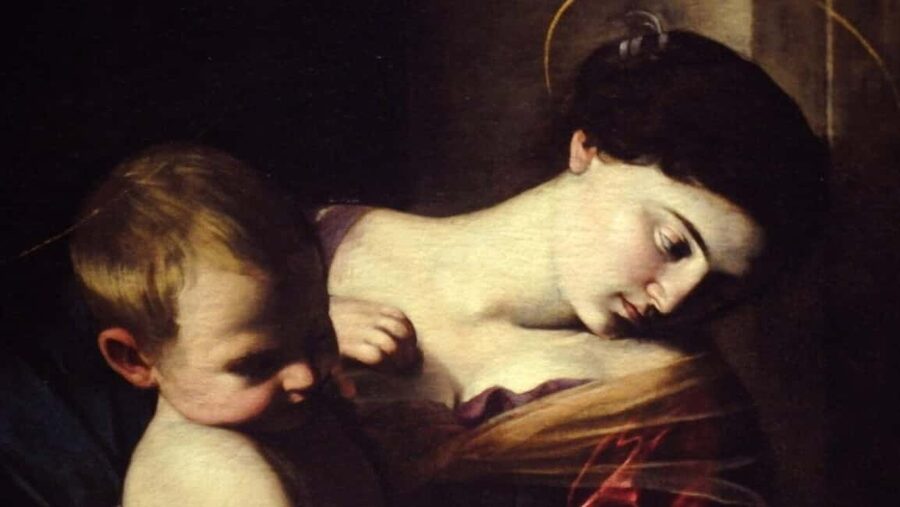
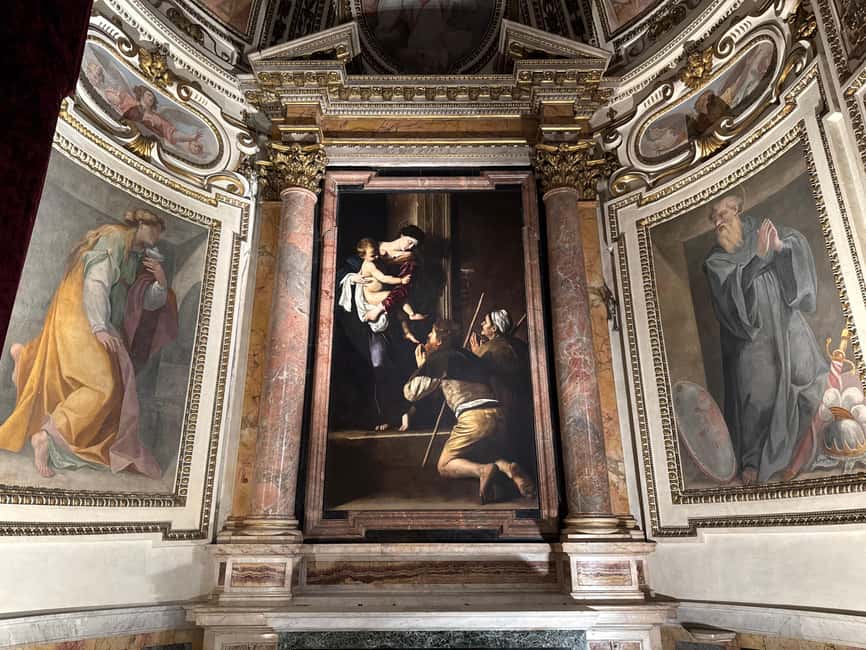
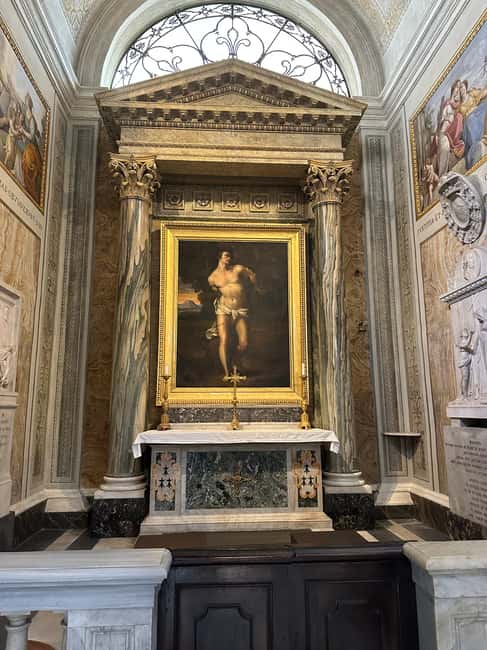
Next up is the Basilica of St. Augustine, about a 30-minute guided visit. This is described as a lesser-known church off the usual tourist track, and that matters. In a quieter space, Caravaggio’s work can feel less like spectacle and more like conversation.
You’ll discover one of his less famous works here. The title is not specified in the tour details you provided, but the point is clear: you’re not just collecting big names, you’re seeing Caravaggio in a more intimate setting. The guide uses that contrast to help you notice how the same visual drama can feel personal when you are not surrounded by tour-group traffic.
What I’d focus on during this stop is the emotional closeness. Caravaggio’s figures often look like they’re in a private moment even when the subject is religious. In a calmer church, you can catch micro-details, like where your eye goes first and why. Your guide will also bring in the emotional intensity that defines his style, and it lands differently when you’re not rushing between the famous trio and the final chapel.
The visit here is shorter than the opening church, which helps you move on without feeling like the whole day turns into one long stare-down. You still get enough time to absorb the work, then you’re off again before the crowd pressure builds.
Santa Maria del Popolo and the Cerasi Chapel: where the drama turns up
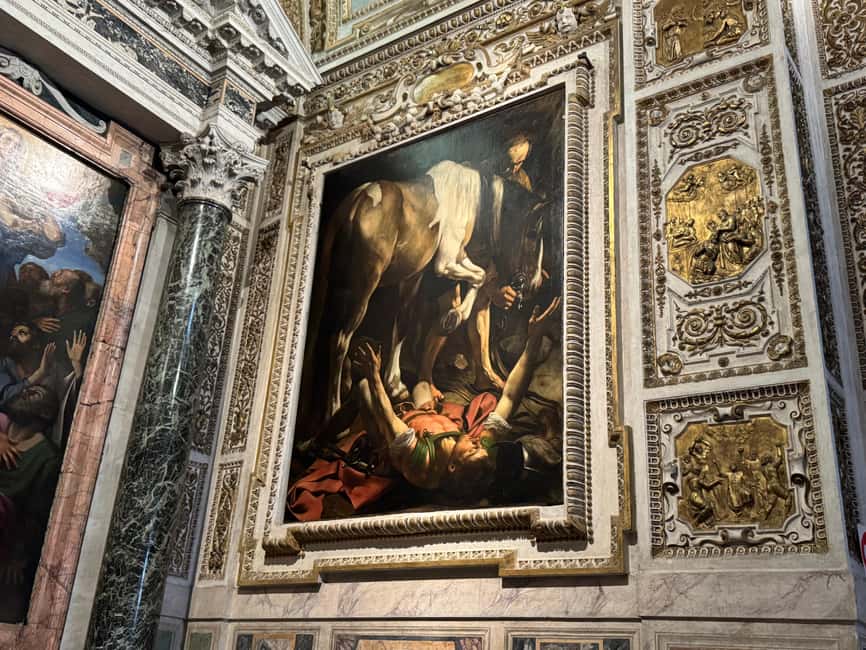
The final church is Santa Maria del Popolo. This is a bigger, more majestic stop, and it’s where Caravaggio’s genius is on full display in the Cerasi Chapel. You’ll have about 45 minutes here with your guide, which feels just right for a high-intensity finale.
In the Cerasi Chapel, you’ll see:
- The Conversion of Saint Paul
- The Crucifixion of Saint Peter
These two paintings are often singled out for their force, and with this tour you don’t just see them, you learn how Caravaggio turns spiritual moments into kinetic emotion. Look at movement. Look at the way gestures pull your attention. Your guide’s commentary is designed to make you read the scene like a story, not like a decorative wall.
This church also gives you extra context. It houses artworks by artists like Raphael, Bernini, and Carracci, so you can sense the larger Baroque conversation surrounding Caravaggio. Even if you came for Caravaggio alone, this setting helps you understand why his approach was controversial.
The best practical advice here: give yourself a few seconds to adjust your eyesight. Chapel lighting can vary, and Caravaggio loves contrast. If you need a moment, take it. The headset makes it easier to pause without losing the thread.
Another shape for the same afternoon in Rome:
Caravaggio’s turbulent life: how the guide ties art to a real human mess
You’re not just looking at paintings in isolation. A key part of this experience is the way your guide explains Caravaggio’s turbulent life alongside the works. From run-ins with the law to his sudden death, the story is presented as context for why he painted the way he did.
This pairing matters because Caravaggio’s art often feels direct, even confrontational. Without context, you might read his darkness as mere drama. With context, it starts to look like a personal approach to truth: people, choices, consequences.
I also like that the guide’s focus is not only on the artist as a headline. The commentary is practical about the paintings themselves, too. In many Caravaggio tours, people get lost in generalities. Here, the explanations tend to connect the iconography and the visible details, like what the figures are doing and how those actions support the religious meaning.
If you enjoy learning techniques in plain language, you’ll likely appreciate how your guide frames Caravaggio’s bold contrasts of light and shadow, plus his unflinching realism. It’s the kind of teaching that makes you see, then keeps you seeing.
Pace, dress rules, and what to bring for a smooth church day
This is a walking tour with about 150 minutes to 7 hours on the schedule, depending on the starting time you book and how church schedules land. Plan for a half-day vibe rather than a quick two-hour hit, especially because visits to active churches can shift due to religious events.
Group size stays small, with a maximum of 15 people. That helps the guide keep the attention on the art instead of managing chaos. And headsets and radios are included when required, which is a smart inclusion in busy interiors.
Dress code rules are not optional. Shoulders and knees must be covered, and sandals are not allowed. Bring comfortable shoes because you’ll walk between stops and stand for guided looking inside churches.
What to bring is simple: comfortable shoes. What not to bring is also clear: weapons or sharp objects, food and drinks, and alcohol or drugs. If you’re wondering about water, the tour info only says food and drink are not included and food and drink are not allowed. So keep it simple, plan to use breaks outside the churches, and follow the on-site instructions.
Price and value: is $125 fair for this kind of art time?
At $125 per person, this isn’t a bargain. But it can feel like good value if you care about more than selfies in front of famous paintings.
Here’s why the price makes sense for the right buyer:
- You get an expert guide plus access to all churches, which saves time and effort.
- You get a curated route that hits specific Caravaggio commissions, including the Saint Matthew cycle and the Cerasi Chapel pair.
- The headset and radio setup helps you actually hear the explanation in crowded churches, so your time is spent on learning, not just wandering.
The main value question is whether you want structured art viewing. If you’re the type who loves reading labels and building your own path, you might do fine with self-guided museum time. But if you want someone to point out the gestures, the storytelling, and the life context, the guided format is the whole point.
The timing range, 150 minutes up to 7 hours, is the other part of value. If your schedule runs toward the longer end, you’re getting more time with the art and guide. If it stays closer to the shorter end, you still get three major church stops, which is a lot to pack in without losing the plot.
Should you book this Caravaggio on Footsteps church tour?
If you want Caravaggio where his paintings were built to be seen, I’d book it. You’re not just chasing titles, you’re getting a route that makes the artwork feel tied to its purpose. The standout reason is the pairing of big-name works with a quieter middle stop, so the day doesn’t become a single loud crescendo.
Book it if:
- You care about how art tells a story, not only how it looks.
- You appreciate learning iconography and figure details in plain language.
- You like small groups and headsets for clearer guidance in busy churches.
Skip it if:
- You hate dress-code constraints and lots of standing.
- You want a fully flexible day plan, because active-church schedules can shift.
For most people interested in Baroque art, the $125 price feels more like paying for time with a strong guide than paying for access. And when the route includes the Saint Matthew cycle and the Cerasi Chapel pair, you’re already getting a heavy hit of Caravaggio in just a few church interiors.
Latest additions from Rome
- Guided Tour Vatican Museums & Sistine Chapel★ 4.1 · 30 reviews
- Exclusive Rome by Night Vespa Tour★ 5.0 · 30 reviews
- Transfer Rome to Airports★ 4.5 · 30 reviews
- Vatican: St.Peter’s Basilica & Dome – Reserved Entry & Tour★ 4.1 · 30 reviews
- Rome street art tour: off the beaten path with a local guide★ 5.0 · 30 reviews
- Tivoli, Hadrians Villa and Villa d’Este, a charming day trip from Rome★ 4.5 · 30 reviews
- Rome Food Tasting with Wine Pairing Italian Authentic Flavors★ 5.0 · 31 reviews
- Inspirational Cooking on the Roman Chef’s Panoramic Terrace★ 5.0 · 30 reviews
Caravaggio and Renaissance Art Tours, compared.
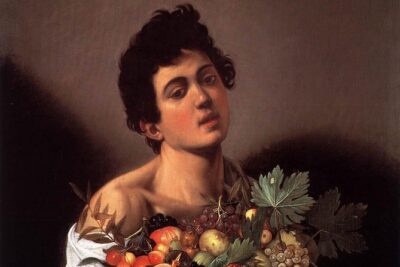
Borghese Gallery Max 6 People Tour: Baroque & Renaissance in Rome
Read our review →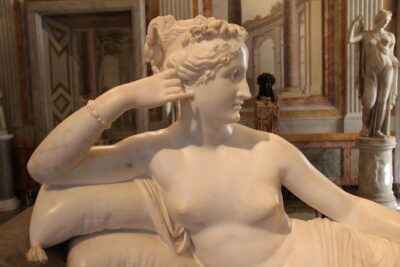
Borghese Gallery Small-Group Tour with Canova’s Masterpieces
Read our review →
Vatican Museums, Sistine Chapel & Raphael Rooms Guided Tour
Read our review →
Vivaldi’s Four Seasons meets Bach’s Masterpieces
Read our review →
Private Vatican Experience with Sistine Chapel & Raphael’s Rooms
Read our review →
Renaissance Scarlet Ladies Tour: Caravaggio’s and Borgia’s Women
Read our review →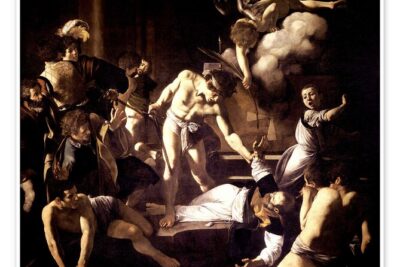
Borghese Gallery: Canova’s Masterpieces Small Group Guided Tour
Read our review →Browse the lists this tour appears in