
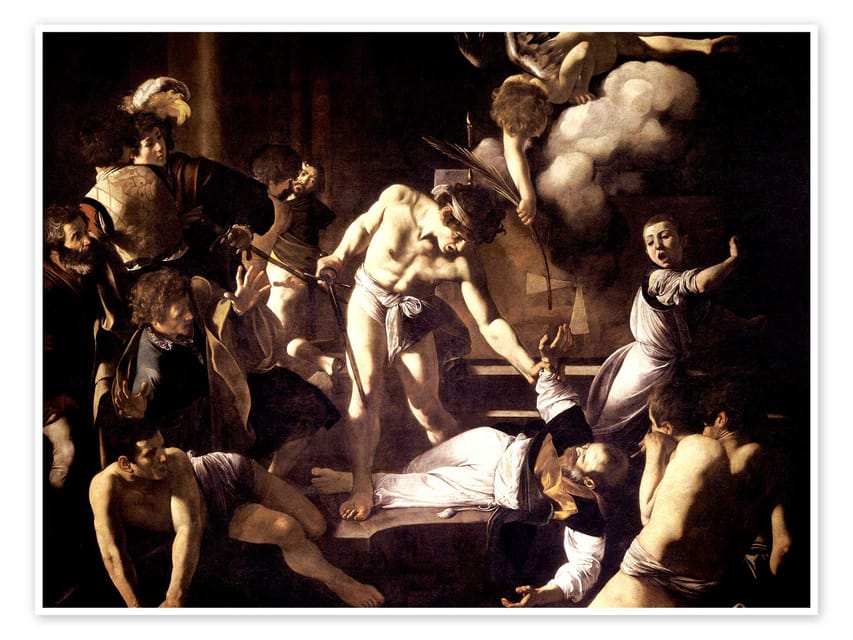
Reviewed · CARAVAGGIO AND RENAISSANCE ART TOURS
Rome’s Baroque Art Walking Tour: Who Killed Caravaggio?
Caravaggio’s death turns this walk into a case file. In two hours, you move between Rome’s baroque churches and major piazzas, where each stop is used like evidence in an unsolved mystery tied to Michelangelo Merisi da Caravaggio. The format is comfortable too, with walking plus shelter when the weather turns.
What I really like is how the story stays practical, not just lecture mode, and how you’re shown rare works connected to Caravaggio, Rafael (Raphael), and Plautilla Bricci. Guides including Iván and Jacobo are praised for passionate storytelling that makes the art feel like something you can read, even if you only know a little art history. One caution: if you hate dark humor or politically incorrect jokes, this case-file style may not match your vibe.
In This Review
- Key Highlights You’ll Feel Right Away
- Why a Who-Killed-Caravaggio Walking Tour Works in Rome
- Piazza della Minerva: Your Start Line and First Atmosphere Shift
- The Pantheon Pause: A Quick Look at Big-Name Rome
- Church of St. Louis of the French: Where Baroque Theater Becomes Personal
- Basilica of St. Augustine: Short Stop, Strong Effect
- The Mid-Route Church Stops and Photo Breaks That Keep You Human
- Palazzo Borghese: Finishing With the Story Still Active
- What Makes the Art Facts Feel Different Here
- Price and Tips: How Much You Should Budget
- Who Should Book This Tour, and Who Might Skip It
- Practical Tips for a Smooth 2-Hour Walk in Rome
- Should You Book This Caravaggio Case File?
- FAQ
- Where is the meeting point for the tour?
- How long is the Rome’s Baroque Art Walking Tour Who Killed Caravaggio?
- Is the tour in English?
- Is this a fixed-price tour or tip-based?
- What should I wear since part of the tour is inside churches?
- What is the weather setup like?
Key Highlights You’ll Feel Right Away
- Weather-friendly pacing with churches for shade and shelter during a 2-hour walk
- Rare paintings tied to Caravaggio’s life, plus works connected to Raphael and Plautilla Bricci
- Catchy, story-first explanations that turn church interiors into clues
- Dark, true-crime humor that plays up the scandal side of Baroque Rome
- Comfort stops with short photo breaks and chances to sit along the route
Why a Who-Killed-Caravaggio Walking Tour Works in Rome
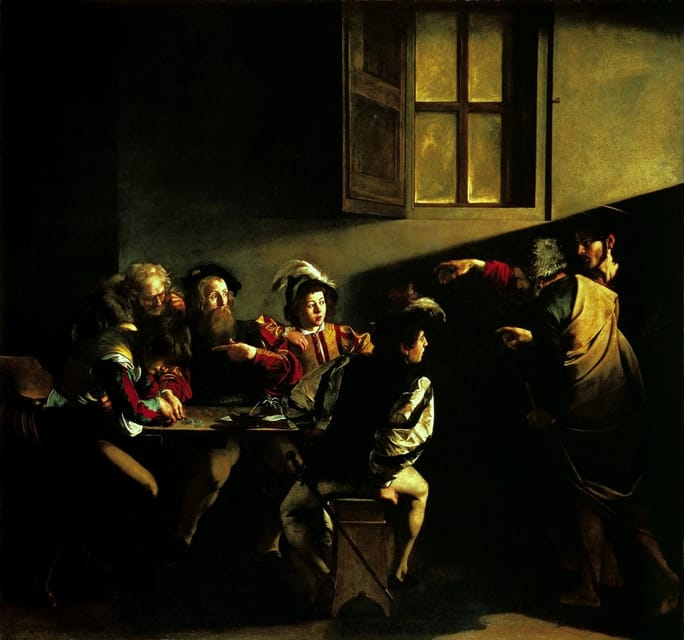
Rome is perfect for this kind of tour because the city itself is already dramatic. You’re not studying Baroque art in a classroom. You’re watching paintings and sculpture sit inside the exact churches where they were meant to be seen, prayed over, and discussed.
This tour uses a simple idea that I like: treat art as evidence. Caravaggio’s life was turbulent, and the questions about his death still carry that messy, uncertain feel. So instead of only repeating dates and names, the guide links the dots between street fights, powerful patrons, rival artists, and the criminal enemies that could pull a person off the rails.
It’s also a good reminder that Rome’s art isn’t just beautiful. It’s political, personal, and sometimes downright dangerous.
More Walking Tours in Rome
- Rome: Guided Food Walking Tour with Wine in Trastevere
★ 4.9 · 3,105 reviews - Rome: Trastevere & Campo de Fiori Street Food Walking Tour
★ 4.9 · 2,768 reviews - Rome: Paranormal Night Walking Tour & Secret Backstreets
★ 4.9 · 1,921 reviews - Rome: Trastevere Street Food Walking Tour with Local Expert
★ 4.8 · 1,784 reviews
Piazza della Minerva: Your Start Line and First Atmosphere Shift
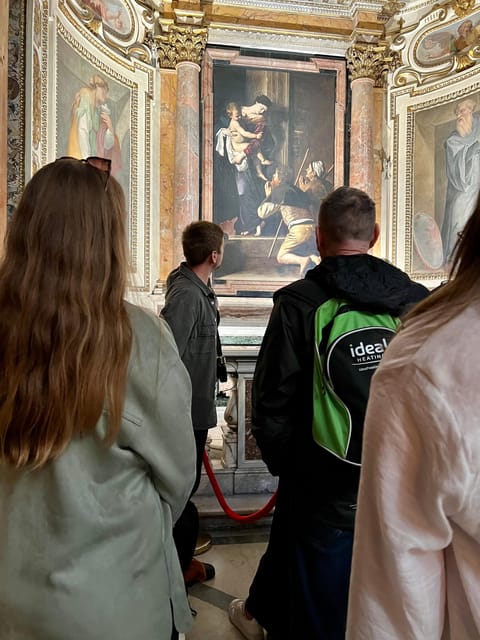
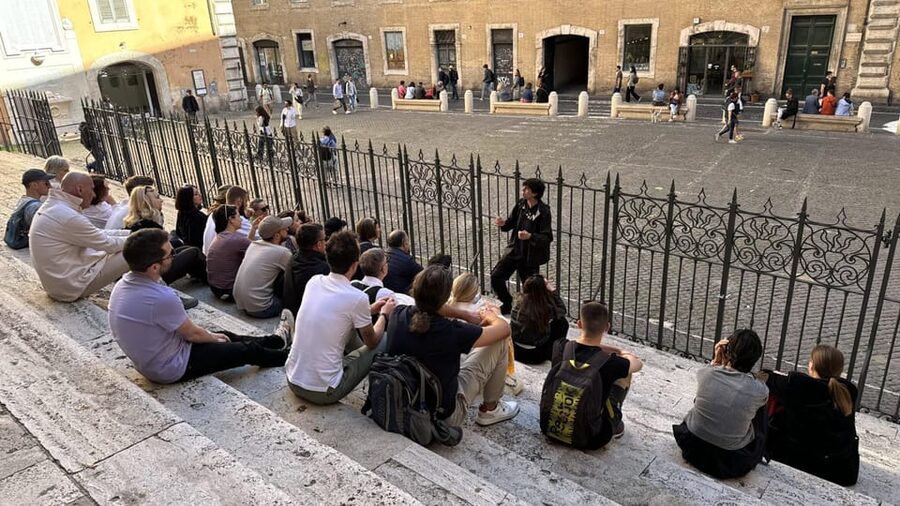
You meet in Piazza della Minerva, by the elephant statue with the obelisk, with a sign showing the tour name. That matters more than you’d think. Minerva is a central launch point, and it helps you stop wandering and start listening.
The tour begins with a short photo stop and guided orientation. This is when the guide sets the rules of the game: you’ll be moving between large open spaces and quieter church interiors, and the story will be structured like an investigation. You’ll also get your bearings for the route so the pacing feels natural rather than rushed.
Even if you arrive early, it’s worth taking a minute to look around first. That square gives you the Roman contrast right away, big city energy outside, sacred and secretive spaces nearby.
The Pantheon Pause: A Quick Look at Big-Name Rome
After Minerva, you get a brief walk toward the Pantheon area, with a short stretch built into the schedule. This is not the kind of stop where you’ll suddenly become an expert on Roman architecture, but it does serve a purpose.
You’re transitioning from one kind of visual world to another. The Pantheon area puts you in the mood of Rome’s long obsession with power and spectacle. Then the tour shifts back into Baroque storytelling, where paintings and church symbolism take center stage again.
Think of this stop like a palate cleanser. It keeps the case-file plot moving while also giving you a quick hit of one of the city’s most recognizable landmarks.
Church of St. Louis of the French: Where Baroque Theater Becomes Personal
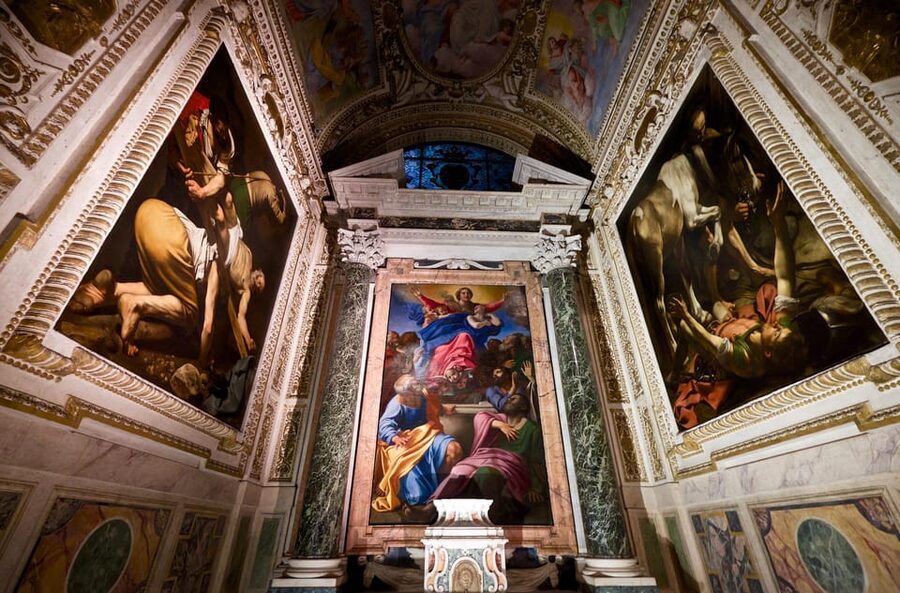
Next comes the Church of St. Louis of the French, starting with a photo stop and then a guided visit. This is one of those Roman church moments where the space can change how you read the art.
What to expect here: the guide uses the church setting to connect visual style to personality and politics. Caravaggio is often described as revolutionary, but on a walking tour like this, you feel that revolution as a shift in attitude. You’re not just hearing about dramatic lighting. You’re hearing why the drama mattered to patrons and rivals in that era.
This is also a strong point in the tour for first-time art lovers and skeptics. If you’ve ever stood in front of a painting thinking, I don’t know what I’m looking at, this format is built for you. The guide turns interpretation into a process, like spotting clues.
And yes, the humor can be dark. That tone is part of the package, because the story is built around scandal, conflict, and unanswered questions.
Basilica of St. Augustine: Short Stop, Strong Effect
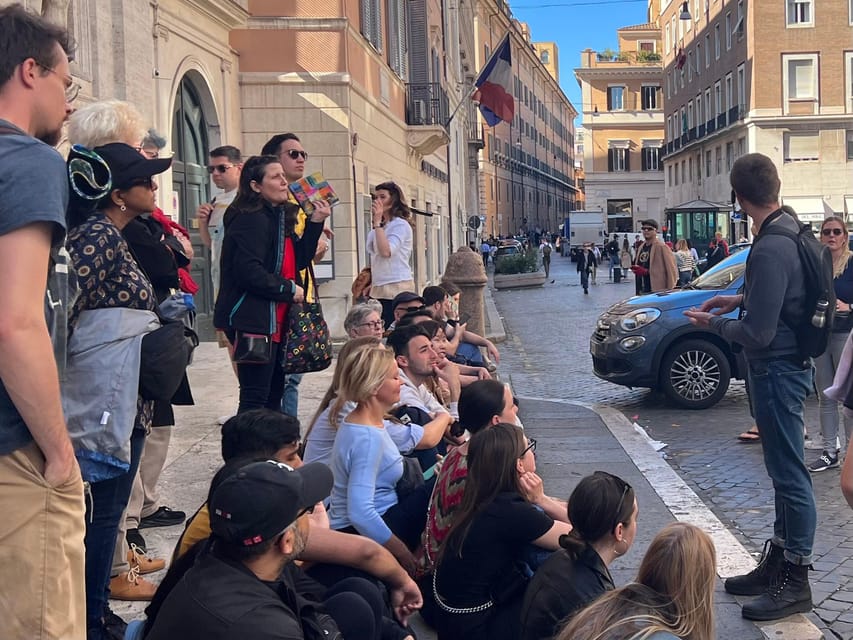
You’ll then head to the Basilica of St. Augustine for another visit and guided look. The schedule keeps the pacing moving, but that’s not a bad thing. It means you’re not stuck in one place too long, and you keep stacking impressions.
This stop is where the tour really leans into art interpretation. The guide uses the church interior to frame why certain images resonated with the people who commissioned, protected, or debated them. You’ll see how different artists and different styles communicate ideas, not just aesthetics.
If you’re someone who likes concrete story beats, you’ll likely enjoy this segment. The tour is structured around the life and final days of Caravaggio, including theories about what happened and why nobody can say it cleanly.
Other Caravaggio and Renaissance trails:
The Mid-Route Church Stops and Photo Breaks That Keep You Human
Between the major named stops, you also get additional church visiting time and brief photo breaks. The schedule includes a mid-route visit that lasts about 10 minutes, plus another shorter photo and guided orientation moment.
I like this design for two reasons. First, it prevents the route from turning into one long, uninterrupted “stand and listen” experience. Second, it gives you tiny moments to reset your attention. That matters because church lighting, crowd levels, and your own energy can change quickly.
If you want to make the most of these shorter segments, use the time to look before the guide speaks. Not for long, just long enough to form a question in your head. Then listen for how the guide answers it.
Palazzo Borghese: Finishing With the Story Still Active
The tour closes at Palazzo Borghese, with a photo stop and visit time before you finish there. This ending point works because it keeps the focus on Rome’s power centers, not only its religious spaces.
By the time you reach the palazzo, you’ve spent the last couple hours linking paintings and symbolism to real people who had real enemies, real money, and real influence. Finishing in that kind of environment helps you see the Baroque world as social, not just artistic.
It’s also a good spot to take a last look at the path you walked. You’ll probably notice how the city’s big and small spaces acted like scenes in the same drama.
What Makes the Art Facts Feel Different Here
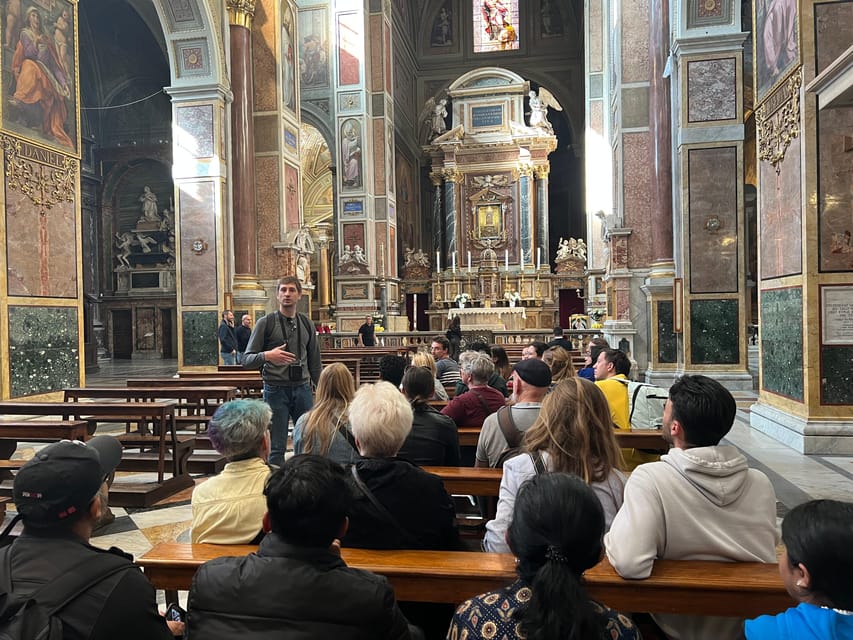
Most art tours teach you what to name. This one tries to teach you how to read.
You’ll get rare works connected to Caravaggio, plus pieces linked to Rafael (Raphael) and Plautilla Bricci. But the real win is the way the guide frames these artists within the larger Baroque system: patrons with agendas, rivals with skills, and institutions that both protected and controlled what could be shown.
Caravaggio’s death is treated like an ongoing investigation with evidence, eyewitness accounts, and modern theories. That approach does two useful things for you:
- It avoids the feeling of being lectured at.
- It matches how mysteries actually work, with uncertainty that still teaches you something.
Price and Tips: How Much You Should Budget
The listed price is $3.77 per person, but this tour is tip-based, using a pay-what-you-want model. That means the guide relies on your tips for income, not ticket price.
The practical tip guidance provided is that tips are usually between 10€ and 50$. For budgeting, I’d treat the posted price as a placeholder and plan around a realistic tip amount, especially if you enjoy the guide’s storytelling style.
Value-wise, you’re paying for:
- A live English-speaking local guide
- A 2-hour walking route with visits inside churches
- Access to interpretation of rare paintings and lesser-known stops
- A true-crime inspired narrative approach that makes the art stick
If you do the math as a “cost per hour of guided, in-context interpretation,” it can feel fair, even cheap, because you’re not just seeing exteriors. You’re being guided inside the places where the meaning was created.
Who Should Book This Tour, and Who Might Skip It
I think this tour is a great fit if you:
- Want art history with plot and characters
- Prefer stories over slide decks
- Like a little edge and a dark sense of humor
- Enjoy unsolved-mystery framing, especially when it’s tied to real artworks
You might skip it if you:
- Want a purely formal art history lecture
- Dislike politically incorrect jokes or dark humor
- Prefer quiet, reverent museum pacing only
Also, bring the mindset that you’ll be interpreting. This is not a tour built to make you memorize dates. It’s built to help you see why images were made, who benefited, and what the drama around the artist might suggest.
Practical Tips for a Smooth 2-Hour Walk in Rome
- Wear shoes that handle church floors and uneven pavement. You’re walking between piazzas and multiple church interiors.
- Dress appropriately for church entry. If your outfit is too casual, you may have trouble getting in.
- Check the day’s weather mindset. The route is designed for comfort, with open piazzas plus churches that offer shade and shelter when conditions change.
- Bring your attention, not just your camera. Short photo stops are included, but the best value comes from listening and looking with purpose.
- Plan for a live, English guide. The experience is offered in English with a live tour guide.
If you’re pairing this with other plans, give it breathing room. A 2-hour tour can still feel like more because church visits take time to enter, see, and absorb.
Should You Book This Caravaggio Case File?
Book it if you want Baroque art in a format that feels like a mystery you can follow, not a list you can forget. The combination of rare painting focus, story-driven explanations, and the walking route through real church spaces is exactly the kind of Rome experience that changes how you see what’s on the walls.
Skip it if you’d be annoyed by dark humor, politically incorrect jokes, or if you only want straightforward museum-style art history. This tour takes a stance: Caravaggio’s life and death are part of what makes the art work.
If you book, budget a proper tip for the guide. Since it’s pay-what-you-want, your tip is the difference between a basic walk and the kind of lively, detailed experience that people remember.
FAQ
Where is the meeting point for the tour?
You meet in Piazza della Minerva, by the elephant statue with the obelisk. You’ll have a sign with the name of the tour.
How long is the Rome’s Baroque Art Walking Tour Who Killed Caravaggio?
The tour lasts 2 hours.
Is the tour in English?
Yes, the tour is guided in English by a live local guide.
Is this a fixed-price tour or tip-based?
It’s a tip-based tour using a pay-what-you-want model. The guide works on tips alone, and the usual tip range is between 10€ and 50$.
What should I wear since part of the tour is inside churches?
You should dress appropriately for church entry.
What is the weather setup like?
The tour moves between open piazzas and cool, atmospheric churches, so you get shade and shelter if weather changes.
Latest additions from Rome
- Private Professional Photoshoot in Rome★ 5.0 · 8 reviews
- Rome: Testaccio Market Food Tour with Street Food & Wine★ 5.0 · 8 reviews
- Exclusive Pasta & Tiramisu Class with Wine near by Colosseum★ 5.0 · 8 reviews
- Loreto “Shrine of the Holy House of the Virgin Mary” Private Tour from Rome★ 5.0 · 8 reviews
- Rome Day to discover Florence and Pisa Hotel Pickup★ 4.5 · 8 reviews
- Rome: Christmas Nativities and Angels Tour★ 3.1 · 8 reviews
- Guided Tour of Vatican Museums and Sistine Chapel★ 5.0 · 8 reviews
- Rome: Cooking Class of fresh Pasta and Tiramisu Cake★ 5.0 · 8 reviews
Caravaggio and Renaissance Art Tours, compared.
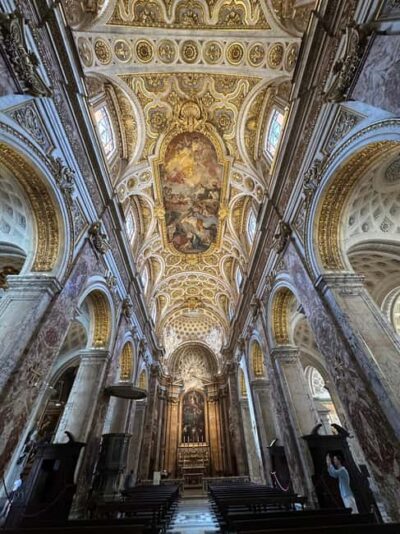
Caravaggio: Art on Footsteps-Masterpieces in Rome’s Churches
Read our review →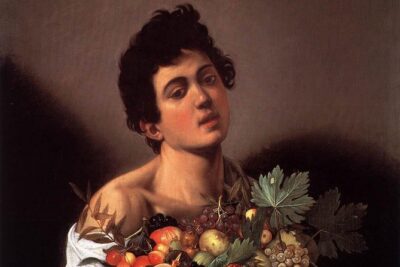
Borghese Gallery Max 6 People Tour: Baroque & Renaissance in Rome
Read our review →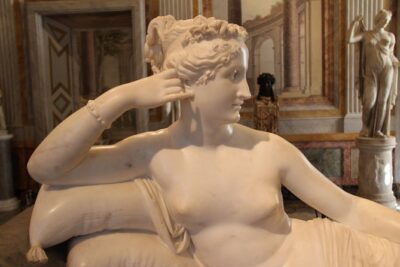
Borghese Gallery Small-Group Tour with Canova’s Masterpieces
Read our review →
Vatican Museums, Sistine Chapel & Raphael Rooms Guided Tour
Read our review →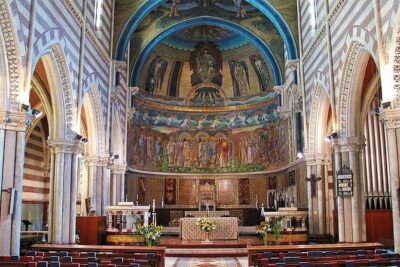
Vivaldi’s Four Seasons meets Bach’s Masterpieces
Read our review →
Private Vatican Experience with Sistine Chapel & Raphael’s Rooms
Read our review →
Renaissance Scarlet Ladies Tour: Caravaggio’s and Borgia’s Women
Read our review →
Browse the lists this tour appears in