
Reviewed · UNDERGROUND ROME TOURS
Rome underground hidden temples, ruins, and secret basilicas
Rome changes when you go below it. This tour strings together San Pietro in Vincoli, Ludus Magnus, and the layered Basilica of San Clemente in a way most visitors never see. I like how it stays close to the Colosseum area, yet feels like a different city.
Two big reasons I’m a fan: you get Michelangelo’s famous Moses plus the linked story of the chains of St. Peter, then you drop into the gladiator training world at Ludus Magnus. And with the Basilica of San Clemente, you’re guided through multiple time periods in one visit, whether you choose a live private guide or an audio app.
One consideration: it’s not a simple “stand and look” experience. You’ll be walking, and the underground sections mean lots of stairs and uneven surfaces, so it is not wheelchair accessible.
In This Review
- Key points to know before you go
- Rome underground, why this feels like a different city
- Choosing private guide depth vs audio app pace
- San Pietro in Vincoli: Michelangelo’s Moses and the chains of St. Peter
- Ludus Magnus: gladiator school ruins under the urban layer
- San Clemente al Laterano: the 3 underground levels time machine
- How the layers connect: Christianity, Roman life, and the Mithraeum
- Timing and pacing: what fits into 1 to 2.5 hours
- Price and value: why $31 can make sense
- What to bring: dress code, shoes, and your phone setup
- Getting there: meeting points and how to plan your walk
- Who this tour suits best (and who should skip it)
- What I’d focus on during the visit
- Should you book Rome underground hidden temples, ruins, and secret basilicas?
- FAQ
- How long is the Rome underground experience?
- What does the tour cost?
- Are there different tour options?
- What languages are available?
- What are the key places you visit?
- What dress code is required?
- What should I bring?
- Is the tour wheelchair accessible?
- Do I need a specific phone for the audio app?
Key points to know before you go
- San Pietro in Vincoli adds a high-impact start with Michelangelo’s Moses and the chains connected to St. Peter.
- Ludus Magnus connects the Colosseum to the real training life of gladiators in a ruin you can actually wander.
- San Clemente is a true time machine in 3 underground levels.
- You can choose live guide depth or self-paced audio for the San Clemente underground.
- Church dress code is enforced, so plan your outfit early.
- Bring your own headphones if you use the audio app, and plan for a compatible smartphone.
Rome underground, why this feels like a different city
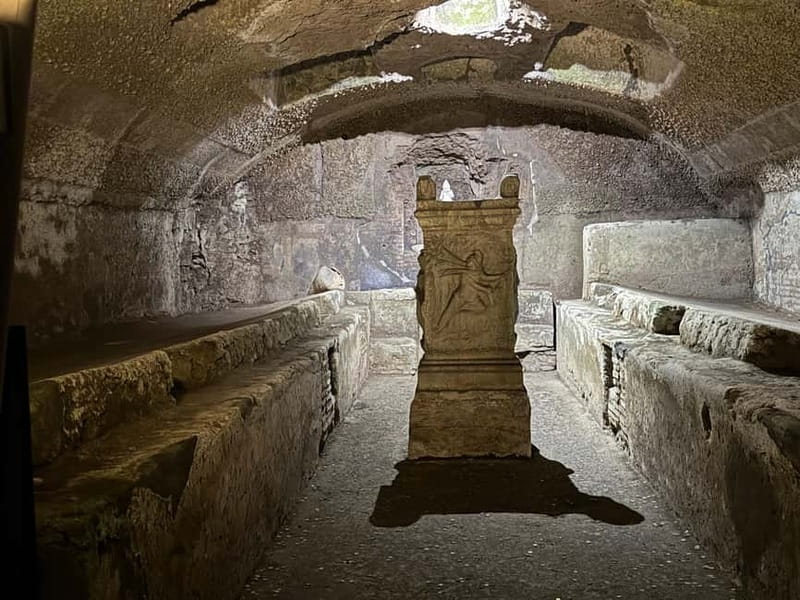
Rome on postcards is all light, marble, and big viewpoints. Underground Rome is different. It’s cooler, quieter, and built out of layers, literally stacked on top of each other across centuries.
This experience works because it doesn’t treat “underground” as a single stop. You start with a major church in the Colosseum neighborhood, then shift to a gladiator-site ruin, then you finish with San Clemente, where you travel backward through time. That sequencing matters, because each place adds a new piece to the story, from early Christian relic culture to Roman everyday life and secret religious practice.
The best part is that it stays practical. You’re not spending your day hopping across town. The sites are within walking distance of each other, which keeps the experience focused and lowers the hassle factor.
More levels of the city stacked below:
- Rome: Caracalla Baths & Circus Maximus — Private or Shared
★ 4.7 · 835 reviews - Catacombs and Hidden Underground Rome: Small Group Max 6 People
★ 5.0 · 293 reviews - Rome: Small-Group Tour of Caracalla Baths and Circus Maximus
★ 5.0 · 140 reviews - Rome underground: Piazza Navona, the Illusion Church and Pantheon
★ 5.0 · 67 reviews
Choosing private guide depth vs audio app pace
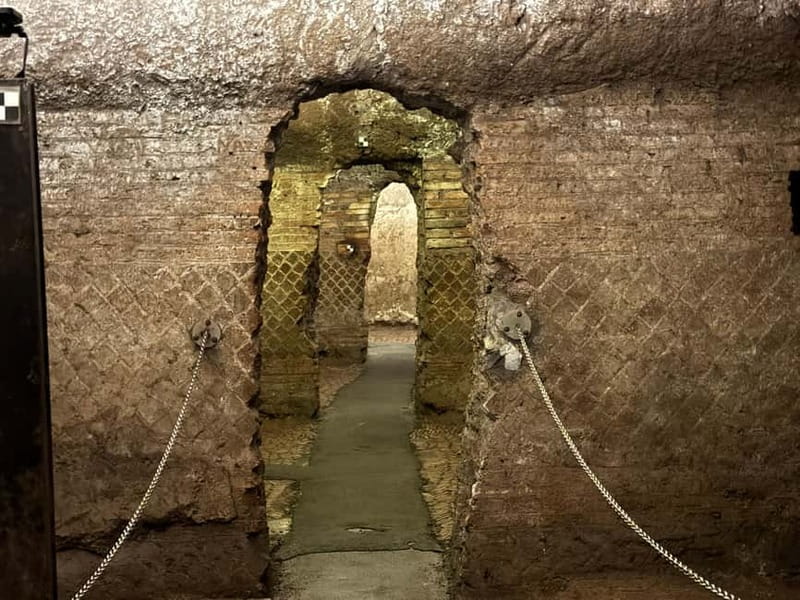
You basically have two ways to do this, and your best choice depends on how you like to travel.
Private guided tour option
A live English-speaking guide leads the full route, including San Pietro in Vincoli, the Ludus Magnus ruins, and the complete exploration of San Clemente’s underground levels. If you enjoy real-time context, ask questions, or you want the story stitched together for you, this is the more satisfying option.
Audio guided tour app option
If you prefer going at your own pace, you can choose the audio experience focused on the Basilica of San Clemente underground levels. The app is available in English, Italian, Spanish, French, and German. You still get the entry ticket and access to all three underground levels, but you control the speed and time you spend in each layer.
A practical note I’d take seriously: the app works best on a smartphone produced in 2020 or later with the latest operating system. Older devices may have compatibility problems. Also, headphones are recommended, and you should bring your own.
San Pietro in Vincoli: Michelangelo’s Moses and the chains of St. Peter
Your route begins near the Colosseum area at San Pietro in Vincoli, after a short walk through the neighborhood. Inside, you’ll get a photo stop and then a guided visit.
This is where the tour earns attention fast. Michelangelo’s Moses is one of those artworks that feels theatrical even when you’re standing still. The description focuses on detail and emotion, and in person, that idea usually comes across because the sculpture’s expression does a lot of storytelling by itself.
Then there’s the other anchor: the two sets of chains connected to St. Peter. This detail is not just “a relic to see.” It sets up the theme of the tour, layers of faith and history overlapping in Rome. In a city famous for emperors and popes, these are the kinds of tangible objects that make the timeline feel human.
What to watch for: churches have strict requirements. You’ll need knees and shoulders covered for entry, for both men and women. It is enforced, so plan your outfit even if it’s hot.
Ludus Magnus: gladiator school ruins under the urban layer
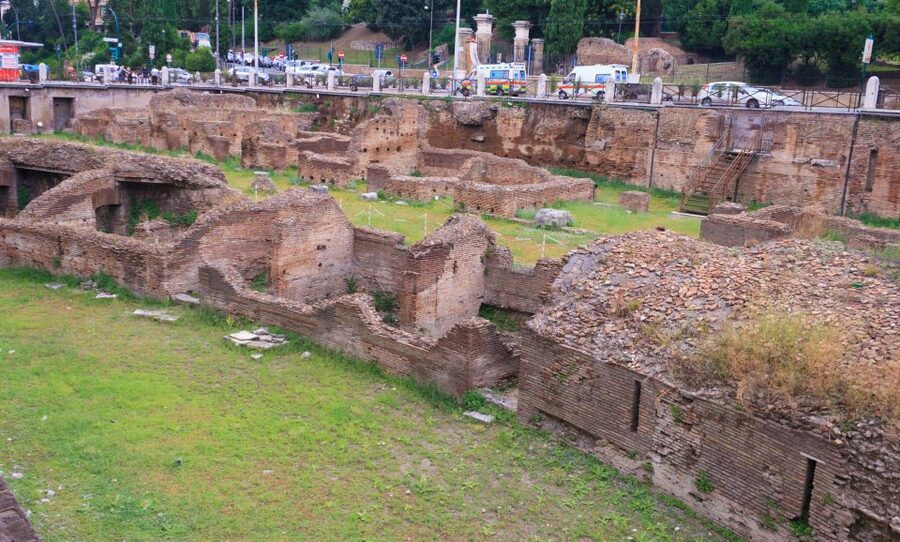
From San Pietro in Vincoli, you move to the Ludus Magnus, the ancient training ground for Roman gladiators. If you’ve ever seen the Colosseum from the outside and wondered where the athletes actually lived and practiced, this is the fix.
This stop is haunting in a grounded way. You’re not looking at an arena moment. You’re stepping toward the places that supported the spectacle: training and daily routine, but now reduced to ruins beneath the modern city.
The tour includes a guided segment here, which helps, because gladiators can become an easy Hollywood theme. A guide keeps it anchored to what the space likely meant day to day, and that connection makes the next part, San Clemente, feel even more layered, not just “another site.”
A small timing note: you’re only in Ludus Magnus briefly. That’s normal for a tight 1 to 2.5 hour experience. It means you’ll want to have your comfortable-walking shoes on and your expectations realistic. Think “guided highlights” rather than an all-afternoon dig.
San Clemente al Laterano: the 3 underground levels time machine
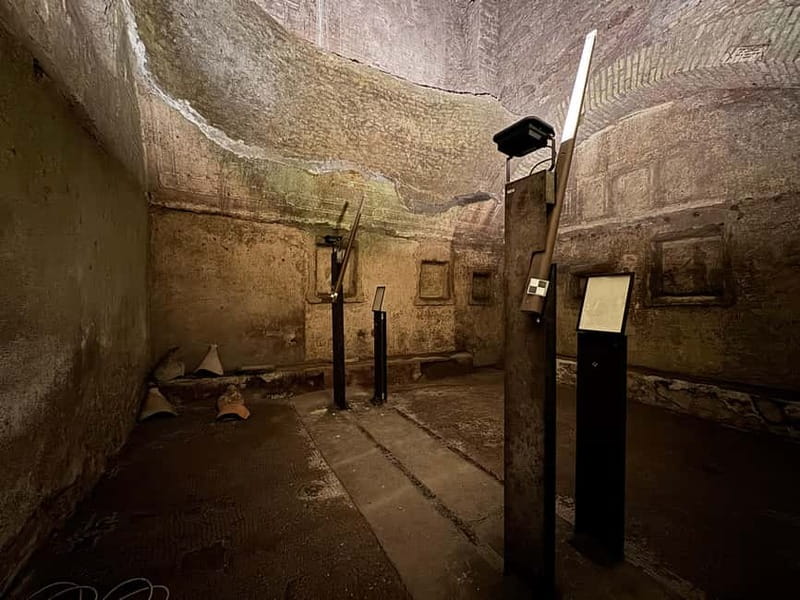
If there’s a single reason to pick this tour, it’s San Clemente. The Basilica of San Clemente al Laterano is famous for being layered, with different worlds preserved one beneath another.
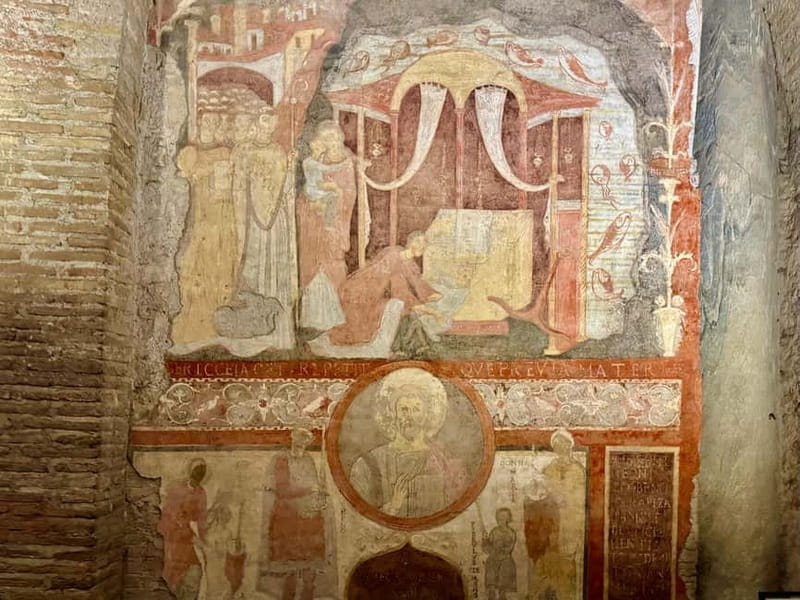
You’ll descend through three underground levels, and the tour is described as traveling backward through time:
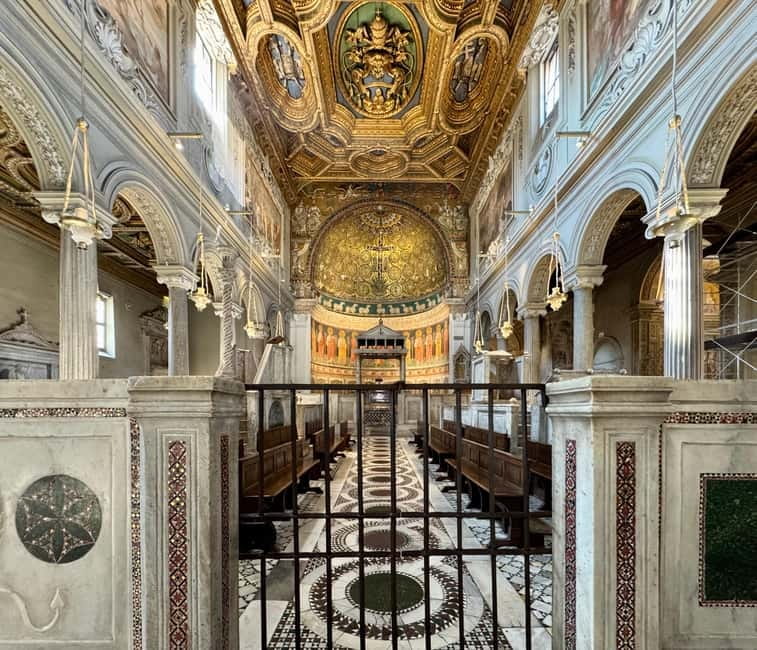
- 12th-century basilica with glittering mosaics
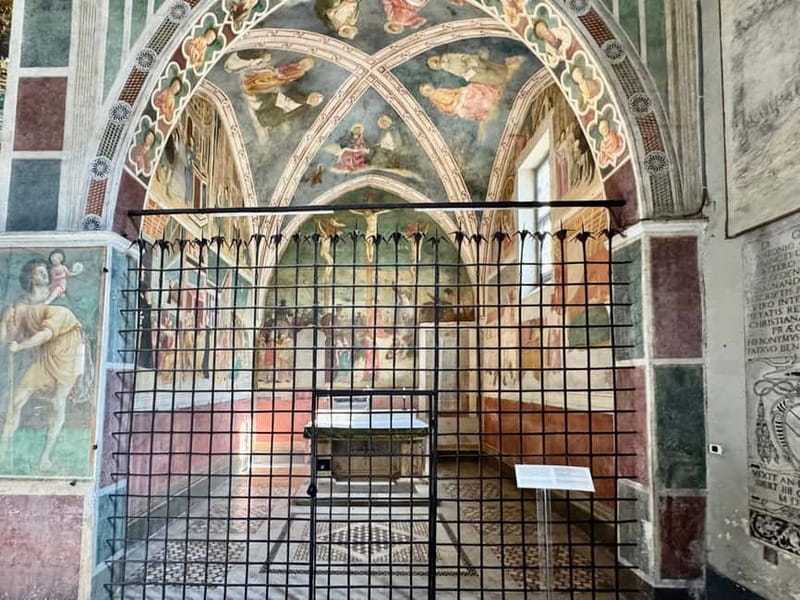
- 4th-century church, more austere and buried deeper
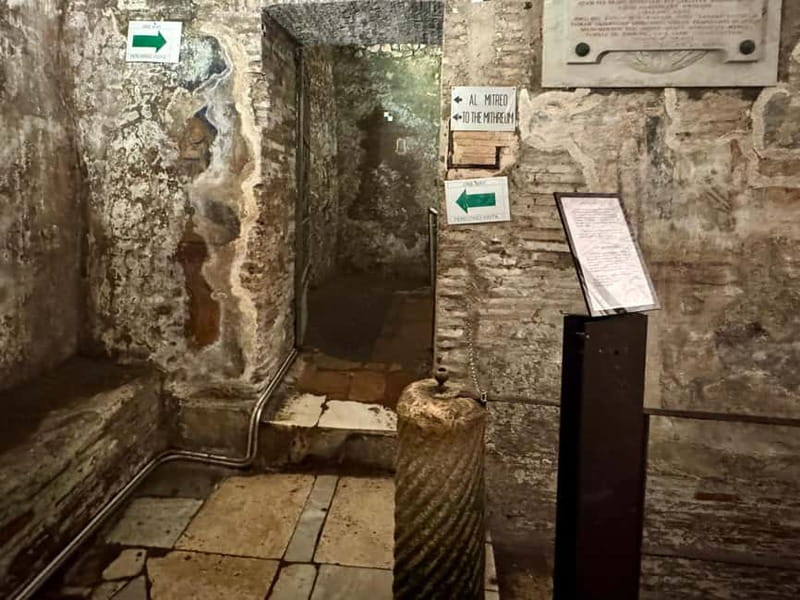
- 1st-century Roman house plus the Mithraeum, tied to the cult of Mithras
This is where the title theme becomes real. You can literally see how one era built over the previous one. In Rome, that layering happens constantly, but San Clemente is one of the best places to experience it in a guided, understandable way.
Another shape for the same afternoon in Rome:
How the layers connect: Christianity, Roman life, and the Mithraeum
San Clemente isn’t just “old stuff.” The layers tell different stories that overlap.
The 12th-century mosaics are the most visually celebratory part. They reflect a period when sacred spaces were meant to communicate power and belief through art.
The 4th-century church shifts the mood. The description calls it more austere. That’s useful because it helps you notice how style and emphasis changed as Christianity spread and gained different forms of institutional confidence.
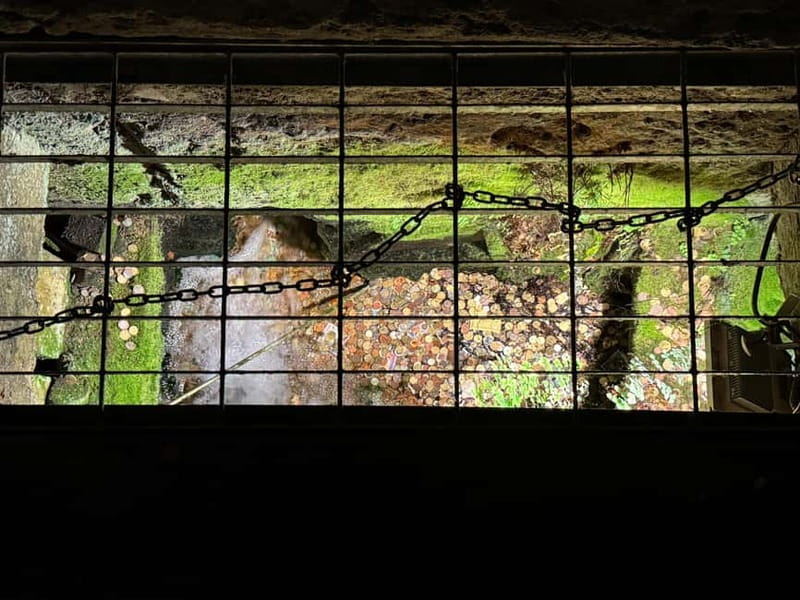
Then the deepest layer takes you to a 1st-century Roman house and the Mithraeum, where Mithras worship happened in secret rites. Even if you do not know much about Mithraism, the structure of the visit makes the idea clear: before the later Christian dominance of the area, other sacred practices existed here.
This is also why San Clemente works well with either format. With a private guide, you get someone interpreting the layers in real time. With the audio app, you can still follow the sequence level by level and spend longer on whichever part catches your attention.
Timing and pacing: what fits into 1 to 2.5 hours
This experience is built to be short and concentrated. The total duration runs from 1 to 2.5 hours, depending on which option and starting time you book.
That matters because Rome underground sites can turn into half-day commitments if you over-plan. Here, the structure keeps you from losing an entire day to logistics and queue time.
A good way to think about the pacing:
- San Pietro in Vincoli gives you a focused start, including Michelangelo’s Moses and the chains of St. Peter.
- Ludus Magnus is a quick but meaningful stop.
- San Clemente is where you spend the most time, since it includes the underground exploration of all three levels.
Because transportation between stops is not provided, you should expect short walking segments between locations. That’s another reason to pick comfortable shoes and keep your schedule tight.
Price and value: why $31 can make sense
At $31 per person, this is priced like a focused guided experience with ticket coverage. The listed price aligns with what you’re actually getting: entrance tickets included and access to all three underground levels at San Clemente, plus stops at San Pietro in Vincoli and Ludus Magnus.
You also get a practical benefit: you can skip the ticket line. That might sound small, but in Rome, saving time at ticket windows is often the difference between a smooth visit and a day that drifts.
If you choose the audio option, you’re essentially paying for the app experience and the guided structure at San Clemente, while keeping flexibility. In other words, it’s not just “a ticket to a site.” You’re buying a curated route through specific places that are hard to assemble on your own in the right sequence.
What to bring: dress code, shoes, and your phone setup
This is the kind of tour where small planning details matter.
Bring
- Passport or ID card
- Comfortable shoes (underground levels mean uneven ground and stairs)
Clothing and dress code
- Dress code is smart casual.
- For church entry, knees and shoulders must be covered for both men and women.
- Entry can be refused if you don’t meet the requirements.
If you choose the audio app
- Use a smartphone produced in 2020 or later with the latest operating system.
- Headphones are recommended, and you should bring them.
Security and restrictions
- Pets are not allowed.
- Smoking is not allowed.
- No luggage or large bags.
- Non-folding wheelchairs and walking frames are not allowed, and it’s not wheelchair accessible due to stairs and uneven surfaces.
Also, the tour operates in all weather conditions. Rome weather changes fast, so bring a layer that works even if you get mist or sudden rain.
Getting there: meeting points and how to plan your walk
The meeting point can vary based on the option booked. Two starting possibilities are listed:
- Via Labicana, 96, Piazza di San Pietro in Vincoli
- Piazza di San Pietro in Vincoli
Your tour then finishes at Piazza di S. Clemente, 00184 Roma RM, Italia. Since there’s no hotel pickup or drop-off and the sites are within walking distance, I’d plan your day around being in the Colosseum-adjacent area for a short window and finishing near Piazza di San Clemente.
If you want a smooth day, consider pairing this with a nearby lunch afterward. The tour includes no food or drinks, so you’ll want a plan for that gap.
Who this tour suits best (and who should skip it)
This is a smart fit if you like:
- Rome that feels grounded and real, not just viewpoints and monuments
- sites connected by theme, faith and daily life in the same day
- short, structured tours that still include underground access
The private group format also works well if you want a calmer pace than big group sightseeing.
You should skip this experience if:
- you need wheelchair accessibility, since it is not wheelchair accessible
- you dislike stairs or uneven surfaces, given the underground sections
- you travel with large bags or luggage you’d rather not carry
If you’re traveling with kids, the audio option might be more workable than a long explanation-heavy route, but the data here doesn’t specify child-friendliness. For families, I’d plan to keep expectations flexible, especially because of stair-heavy underground areas.
What I’d focus on during the visit
Even without a minute-by-minute checklist, you can make the visit better by directing your attention.
At San Pietro in Vincoli, I’d spend time looking at how Moses communicates emotion through posture and expression, then zoom out and connect it to why chains associated with St. Peter would matter here.
At Ludus Magnus, I’d focus on the word training. Don’t treat it as a gladiator museum moment. Treat it as a place built for repetition, practice, and preparation.
At San Clemente, the best strategy is to track the timeline. Start with the mosaic level, then notice the mood shift as you go deeper, then let the Mithraeum layer change your idea of what was sacred in this exact spot long before later Christian eras.
Should you book Rome underground hidden temples, ruins, and secret basilicas?
I think this is a strong choice if you want Rome to surprise you. For most first-time visitors, Rome is all surface landmarks. This gives you a close-to-the-Colosseum route that ends with genuine underground layering, including the Mithraeum and the three levels of San Clemente.
If you have limited time, the 1 to 2.5 hour duration is also a win. If you like control and a pace that matches your attention span, the audio app option for San Clemente can be especially appealing, since you’ll still get access to all the underground levels.
Book it if:
- you care about history that you can see physically layered
- you want a practical route with tickets handled
- you’re okay with stairs and walking
Skip it if:
- you need wheelchair accessibility
- you’re not comfortable with church dress code requirements
If your goal is to see a side of Rome most visitors miss, this one is built for that mission. And it’s priced in a way that feels realistic for what you actually access underground.
FAQ
How long is the Rome underground experience?
The duration is listed as 1 to 2.5 hours, depending on the starting time and the option you book.
What does the tour cost?
The price is listed as $31 per person.
Are there different tour options?
Yes. You can book either a private guided tour with a live guide in English (covering San Pietro in Vincoli, Ludus Magnus, and all levels of San Clemente) or a self-guided audio tour focused on the Basilica of San Clemente underground levels.
What languages are available?
Live tour languages are listed as English, Spanish, Italian, and French. The audio guide app is listed in English, Italian, Spanish, French, and German.
What are the key places you visit?
The tour includes San Pietro in Vincoli (including Michelangelo’s Moses and the chains of St. Peter), the Ludus Magnus ruins, and the Basilica of San Clemente al Laterano with access to three underground levels.
What dress code is required?
Smart casual is recommended, but church entry has a strict requirement: knees and shoulders must be covered for both men and women, and entry will be refused if you do not comply.
What should I bring?
Bring a passport or ID card, and wear comfortable shoes. If you use the audio guide, bring headphones as well.
Is the tour wheelchair accessible?
No. It is not wheelchair accessible due to stairs and uneven surfaces in the underground areas.
Do I need a specific phone for the audio app?
For the audio guided tour, you are advised to use a smartphone produced in 2020 or later with the latest operating system. Older devices may have issues with app compatibility or playback.
Latest additions from Rome
- Rome: Testaccio Market Food Tour with Street Food & Wine★ 5.0 · 8 reviews
- Exclusive Pasta & Tiramisu Class with Wine near by Colosseum★ 5.0 · 8 reviews
- Private Professional Photoshoot in Rome★ 5.0 · 8 reviews
- Loreto “Shrine of the Holy House of the Virgin Mary” Private Tour from Rome★ 5.0 · 8 reviews
- Rome Day to discover Florence and Pisa Hotel Pickup★ 4.5 · 8 reviews
- Rome: Christmas Nativities and Angels Tour★ 3.1 · 8 reviews
- Guided Tour of Vatican Museums and Sistine Chapel★ 5.0 · 8 reviews
- Rome: Cooking Class of fresh Pasta and Tiramisu Cake★ 5.0 · 8 reviews
Underground Rome Tours, compared.
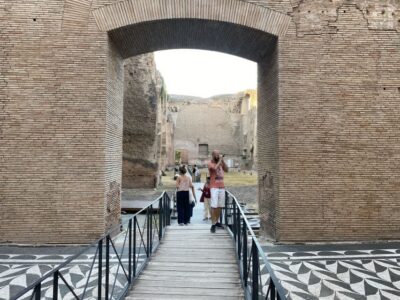
Caracalla Baths & Circus Maximus — Private or Shared
Read our review →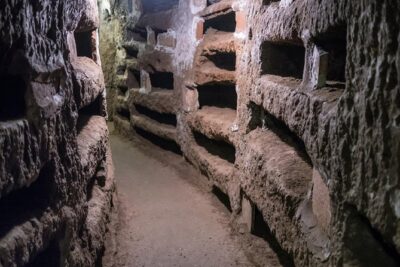
Catacombs and Hidden Underground Rome: Small Group Max 6 People
Read our review →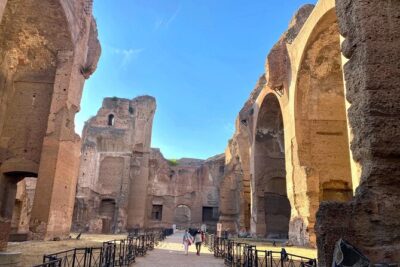
Small-Group Tour of Caracalla Baths and Circus Maximus
Read our review →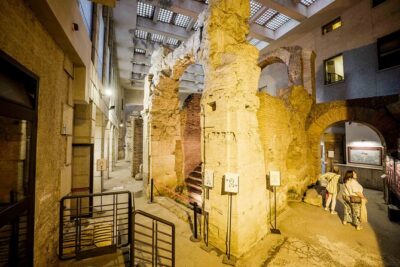
Rome underground: Piazza Navona, the Illusion Church and Pantheon
Read our review →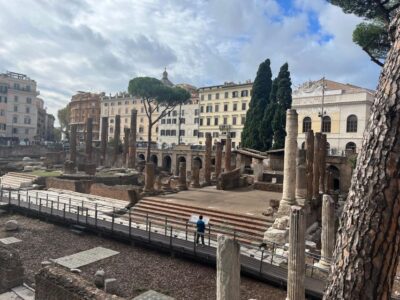
Ancient Rome: Archeological area Largo Argentina
Read our review →
Circus Maximus Virtual Reality Game near the Colosseum
Read our review →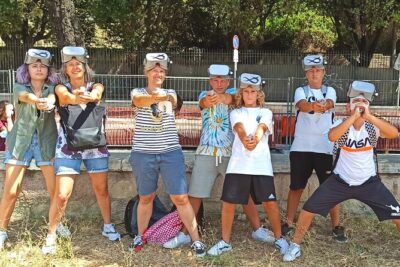
Circus Maximus Virtual Reality Game near the Colosseum
Read our review →Browse the lists this tour appears in