
Want Rome at full speed? This VR game drops you into the Circus Maximus experience, then lets you race chariots as if you were in the stands. I especially like the interactive VR chariot race and the 3D reconstruction that shows big landmarks like the Arch of Titus and the Septizodium fountain.
Here’s the main thing to consider: the ticket does not include entry to the Circus Maximus Archaeological Site, so this is VR-first rather than a walk-through of the real ruins with a traditional tour guide.
In This Review
- Key takeaways before you go
- Circus Maximus VR at the Colosseum edge: what makes it different
- Meeting point on Via dei Cerchi: find the Ancient and Recent flag fast
- The 90-minute flow: from reconstructed Rome to your chariot race
- In-game history you can actually connect: Arch of Titus and the Septizodium
- Pick a faction and race for the Emperor: how the game feels in practice
- Guides, languages, and that phone AI Guide option
- VR headset practicalities: comfort, shoes, and bag rules
- Price and value: why $38 can work better than another quiet hour
- Who should book this VR chariot race, and who might skip it
- Should you book the Rome Circus Maximus Virtual Reality Game?
- FAQ
- How long is the Circus Maximus VR experience?
- Where is the meeting point?
- What languages are available?
- What’s included in the price?
- Is entrance to the Circus Maximus Archaeological Site included?
- Is the activity wheelchair accessible?
- What should I bring, and are IDs required for kids?
- What items are not allowed, and can I cancel for free?
Key takeaways before you go
- Be the chariot driver in a faction-based race built around Circus Maximus competitions
- See reconstructed Imperial Rome with 3D animation of major monuments
- Glide through galleries at your own pace once the main VR moments are done
- Use phone audio or listen mode with a personal AI Guide experience
- Go family-friendly for kids who get restless in standard museum hours
- Meet near the Colosseum area at via San Gregorio and via dei Cerchi, with a clear Ancient and Recent flag
Circus Maximus VR at the Colosseum edge: what makes it different
Rome has plenty of marble and plenty of ruins. This experience gives you something else: motion, sound, and roleplay inside a legendary arena. You start with the stadium’s vibe in modern day terms, then the VR world takes over to show what Circus Maximus looked like and how it felt when it was packed.
The best part is that you are not just watching a video. You’re choosing a side, getting pulled into the energy of the competition, and aiming for a prize. That goal-based format is a smart way to make the history feel usable instead of like a checklist.
The monument visuals also help. You get time with a reconstructed Imperial Rome scene where you can actually connect the stadium to the city around it, including standout references like the Arch of Titus and the Septizodium’s monumental fountain.
More levels of the city stacked below:
- Rome: Caracalla Baths & Circus Maximus — Private or Shared
★ 4.7 · 835 reviews - Catacombs and Hidden Underground Rome: Small Group Max 6 People
★ 5.0 · 293 reviews - Rome: Small-Group Tour of Caracalla Baths and Circus Maximus
★ 5.0 · 140 reviews - Rome underground: Piazza Navona, the Illusion Church and Pantheon
★ 5.0 · 67 reviews
Meeting point on Via dei Cerchi: find the Ancient and Recent flag fast
Plan to arrive a few minutes early. Your meeting point is at the intersection of via San Gregorio and via dei Cerchi. Staff will be there holding a small black flag that says Ancient and Recent, so you’re not left wandering.
This matters because the whole event runs on a tight 90-minute clock. If you’re late, you can easily cut into the time you need for the headset setup and the main VR sequence.
If you’re coming from the Colosseum area, build in a little buffer for narrow streets and crowds. Rome can move slow right when you most want it to move fast.
The 90-minute flow: from reconstructed Rome to your chariot race
The experience is designed like a story with three acts: orientation, VR history, then the big competitive moment. Even if your group includes adults who want facts and kids who want action, it keeps both audiences busy.
First, there’s a guided start and headset orientation. You’ll have a VR assistant, and you can expect help in English and Italian. From there, you move into the VR portion focused on Circus Maximus and Imperial Rome.
Next comes the “walk through” feeling. There’s time to view reconstructed monuments in 3D and get surrounded by Roman soldiers and ancient citizens as the city shifts around you. It’s not just a static backdrop, which is key. The sense of being in motion is what helps the location feel real.
Then you hit the main event: the chariot race. You’ll choose a faction, line up for the competition, and chase the Emperor’s favor. The “win the big prize” goal is built right into the activity, so your focus stays on the play, not on reading.
Finally, you glide through the galleries at your own pace. That slower ending is useful if you want to repeat parts visually, or if someone in your party needs a breather after the main race.
In-game history you can actually connect: Arch of Titus and the Septizodium
One of the smartest things this experience does is link the arena to the city’s monuments. You’re not only learning about the stadium in isolation.
The reconstructions highlight big visual markers you’ll recognize elsewhere in Rome. The Arch of Titus and the Septizodium fountain show up as anchors, so when you later spot similar architecture outside, your brain has a “map” already in place.
And the pacing helps. You get history in scenes you can look at, not just facts delivered in a lecture. That matters for mixed-age groups. A 90-minute session is short enough that everyone stays engaged, but long enough for details to stick.
Pick a faction and race for the Emperor: how the game feels in practice
Chariot racing is the hook. The VR format turns you into the protagonist of the Circus Maximus competition. You choose your favorite faction, then you’re put into the stadium environment where the crowd energy is part of the experience.
In practice, what you’ll notice quickly is how goal-driven it is. You’re not drifting through a virtual museum room. You’re competing. That makes it easier to participate even if you’re not a “video game person.”
There’s also a social angle even when you’re wearing headsets. The group format, plus the way the race is presented, gives you something to compare afterward. Even if everyone plays at the same time slot, it feels personal because you’re each steering your own chariot sequence.
If you’re visiting with kids, this is often the point where they stop asking when the next thing starts. The race gives them a reason to stay focused through the history parts that come before it.
More ways into the Colosseum:
Guides, languages, and that phone AI Guide option
Communication is a major deal for a VR activity, because you don’t want confusion while you’re wearing a headset. Here, the language options are strong: the experience offers English, Italian, and Spanish.
You also get an integrated audio guide. The information provided covers audio support in Italian and English, with additional language availability also listed as Spanish. So you should be able to follow comfortably even if your Roman-history vocabulary is still in progress.
One of the highlights you can plan around is the phone-based AI Guide experience. The idea is that you can watch or listen through your phone. That’s handy because it gives you an option if you want extra context without constantly relying on the headset.
As for the human touch, the guiding staff names you may encounter include people like Rose, Cristina, Sara, and Manuela. What ties them together in how they’re described is a clear, friendly way of keeping the pace upbeat, plus help when something technical goes off track.
VR headset practicalities: comfort, shoes, and bag rules
VR experiences live or die on small logistics. This one asks for comfortable shoes, which is good advice because you’ll likely be moving inside the venue and shifting positions during the VR and gallery time.
You should also plan around the bag rules. Luggage or large bags are not allowed inside the attractions, and pets are not allowed. If you’re traveling light, great. If you arrive with a bigger day bag, be ready to store it outside the area or make other arrangements before you go in.
Bring a passport or ID card. That’s especially important if you’re traveling with teens, since children under 18 must be accompanied by an adult and need valid ID.
There’s also a clear group size cap, listed as suitable for up to 25 participants. Smaller groups usually mean the staff can spend more time on headset setup and getting everyone comfortable quickly.
Price and value: why $38 can work better than another quiet hour
At about $38 per person, this isn’t a throwaway add-on. It’s also not priced like a full-day private experience. So the value question is simple: will you use the time actively?
This is where the format earns its keep. You get:
- live guidance support
- VR headset time built around a major Roman location
- a competitive activity element designed to keep attention
- time in reconstructed scenes that connect the arena to the city
If your Rome plan already includes museums that require patience and reading, this VR session can be a practical reset. It breaks the day up with something physical and interactive, which is often the difference between a trip that feels fun versus a trip that feels like homework.
If you’re visiting with kids, the payoff can be even clearer. A 90-minute “do something” experience beats an extra hour of stand-and-squint, especially when the goal is clear from the start.
Who should book this VR chariot race, and who might skip it
This suits you if you:
- want a hands-on way to learn about Circus Maximus
- prefer an activity that keeps energy up, not just viewing
- travel with kids who do better with movement and games
- like the idea of seeing Rome through reconstruction visuals rather than only walking real streets
You might choose something else if you specifically want a deep, on-foot visit tied to the Circus Maximus Archaeological Site itself, because the entrance to that site is not included here.
Also, if your party is very sensitive to standing around while headsets get adjusted, or if you’re hoping for a long, guided walk through ruins, think of this as a VR experience centered on the stadium story.
Should you book the Rome Circus Maximus Virtual Reality Game?
I’d book it if you want a fun, time-efficient way to get the Circus Maximus story into your brain. The mix of VR chariot racing, reconstructed monuments, and multi-language guidance makes it a strong “middle of the day” option, especially when Rome’s heat or crowds have you craving something different.
If your itinerary already covers multiple Roman sites with traditional tours, this is a smart counterbalance. And if you’re traveling with kids, this is one of those rare activities where history feels like play.
FAQ
How long is the Circus Maximus VR experience?
It lasts 90 minutes.
Where is the meeting point?
Meet at the intersection of via San Gregorio and via dei Cerchi. Staff will welcome you with a small black flag that says Ancient and Recent.
What languages are available?
The experience offers English, Italian, and Spanish.
What’s included in the price?
Your ticket includes a VR headset, VR assistant support (listed as English and Italian), and an integrated audio guide. RC insurance is also included.
Is entrance to the Circus Maximus Archaeological Site included?
No. Entrance to the Circus Maximus Archaeological Site is not included.
Is the activity wheelchair accessible?
Yes, it is listed as wheelchair accessible.
What should I bring, and are IDs required for kids?
Bring a passport or ID card and wear comfortable shoes. Children under 18 must be accompanied by an adult and carry a valid ID document.
What items are not allowed, and can I cancel for free?
Pets are not allowed, and no luggage or large bags are allowed inside. Unaccompanied minors are not allowed. You can cancel up to 24 hours in advance for a full refund, and you can reserve now and pay later.
Latest additions from Rome
- Guided Tour Vatican Museums & Sistine Chapel★ 4.1 · 30 reviews
- Exclusive Rome by Night Vespa Tour★ 5.0 · 30 reviews
- Vatican: St.Peter’s Basilica & Dome – Reserved Entry & Tour★ 4.1 · 30 reviews
- Transfer Rome to Airports★ 4.5 · 30 reviews
- Rome street art tour: off the beaten path with a local guide★ 5.0 · 30 reviews
- Tivoli, Hadrians Villa and Villa d’Este, a charming day trip from Rome★ 4.5 · 30 reviews
- Rome Food Tasting with Wine Pairing Italian Authentic Flavors★ 5.0 · 31 reviews
- Inspirational Cooking on the Roman Chef’s Panoramic Terrace★ 5.0 · 30 reviews
Underground Rome Tours, compared.
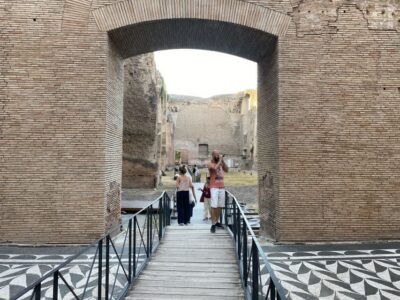
Caracalla Baths & Circus Maximus — Private or Shared
Read our review →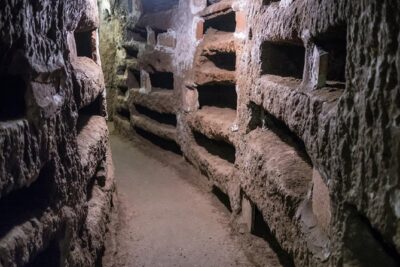
Catacombs and Hidden Underground Rome: Small Group Max 6 People
Read our review →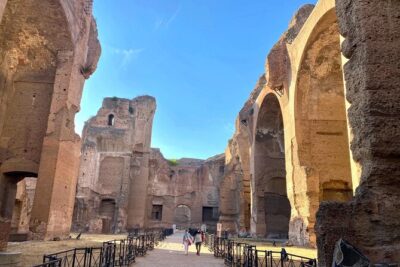
Small-Group Tour of Caracalla Baths and Circus Maximus
Read our review →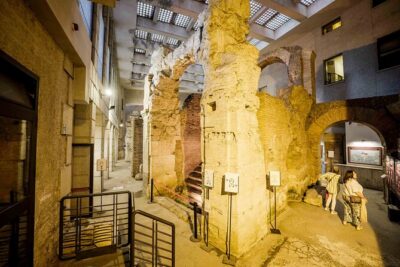
Rome underground: Piazza Navona, the Illusion Church and Pantheon
Read our review →
Ancient Rome: Archeological area Largo Argentina
Read our review →
Browse the lists this tour appears in