
Reviewed · UNDERGROUND ROME TOURS
Ancient Rome: Archeological area Largo Argentina
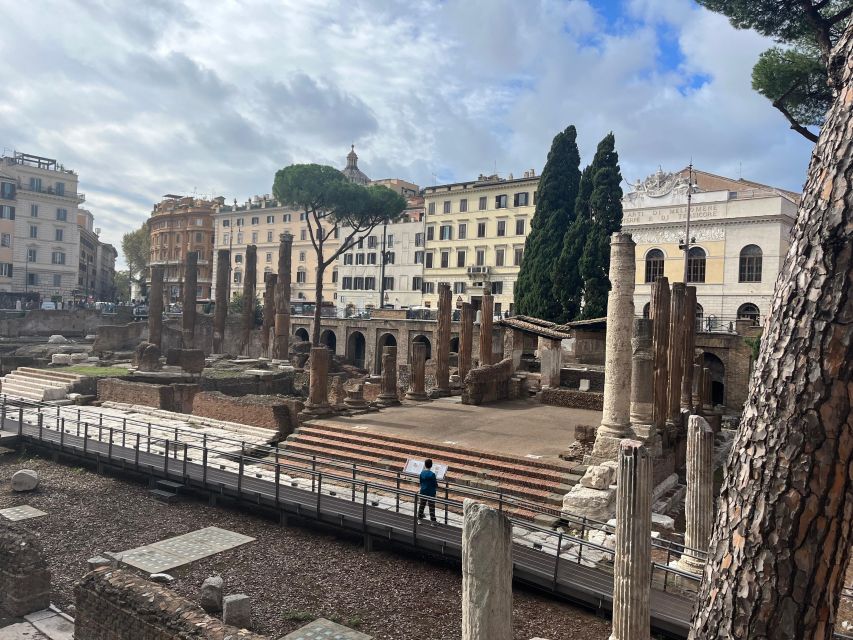
Julius Caesar dies in your line of sight. In central Rome, the Largo di Torre Argentina archaeological area mixes dark events with surprisingly beautiful ruins, all within a tight, walkable hour.
I like how this stop gives you clear orientation fast, starting with a short multimedia intro and then moving you through the excavations with an English audio guide. I also love the payoff: you can look closely at the four temples from the 4th to 1st centuries BC and the tuff base area tied to the Curia of Pompey, where Julius Caesar was killed on the Ides of March. One caution, though: a lot of the site is visible from street level, so if you want a purely outside-and-photos visit, you may feel the reserved entrance adds only so much.
In This Review
- Key things to know before you go
- Why Largo Argentina feels different from other Roman ruins
- Meeting at Touristation Aracoeli: the 1-hour slot starts there
- The included multimedia video: your fast way to get oriented
- Walking the excavations: four temples from the BC centuries
- The Curia of Pompey area and the assassination connection
- The medieval and imperial layers: the site was not frozen in time
- Skip-the-line reserved entrance: does it really save time?
- Price and value: is $23 worth one hour?
- What is not included, and why that matters
- Who should book this, and who might not
- Should you book Ancient Rome: Archaeological area Largo Argentina?
Key things to know before you go
- 30-minute multimedia video that helps you picture what the area may have looked like long ago
- Reserved entrance to the Largo Argentina excavations, plus ticket line skipping
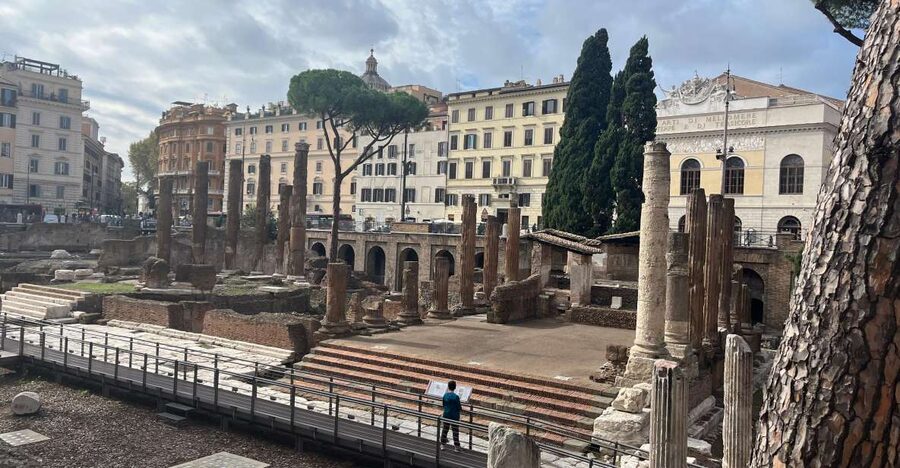
- Four temples dating from the 4th to the 1st centuries BC in one compact area
- Curia of Pompey tuff base area, linked in ancient sources to Caesar’s assassination
- Layers of use over 2,000 years, including imperial phases and medieval structures
- Self-paced audio support with an English audioguide app, plus a paper city map and WiFi
Why Largo Argentina feels different from other Roman ruins
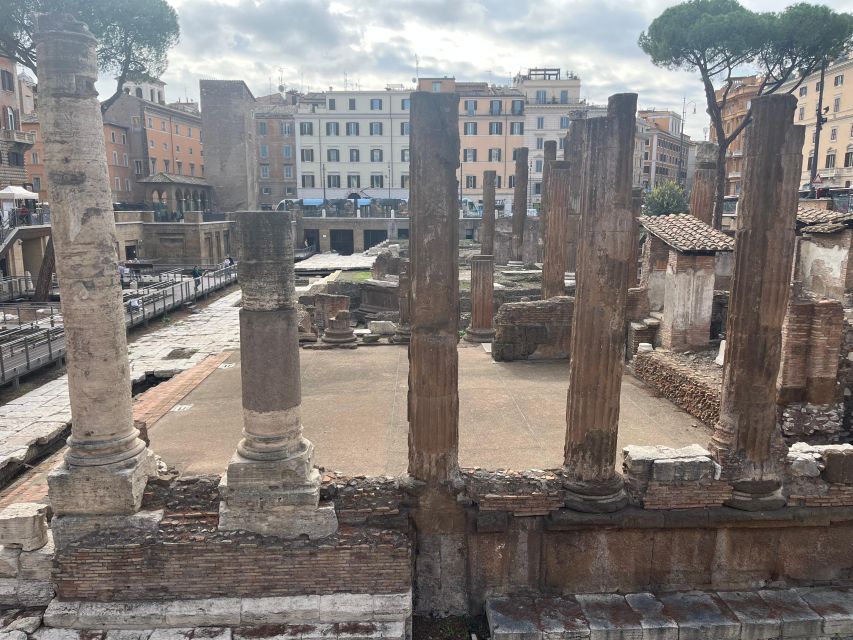
Most Roman ruins you visit feel like they are on the edge of the city. Largo Argentina is the opposite. You are surrounded by modern streets and traffic noise, yet you are standing in a sacred zone that was reused for about 2,000 years.
That clash of eras is the magic. One moment you are walking in ordinary Rome, and the next you are focusing on temple remains and excavation zones that date back to the late Roman Republic. The tone of the visit lands somewhere between history lesson and eerie archaeological scavenger hunt.
More levels of the city stacked below:
- Rome: Caracalla Baths & Circus Maximus — Private or Shared
★ 4.7 · 835 reviews - Catacombs and Hidden Underground Rome: Small Group Max 6 People
★ 5.0 · 293 reviews - Rome: Small-Group Tour of Caracalla Baths and Circus Maximus
★ 5.0 · 140 reviews - Rome underground: Piazza Navona, the Illusion Church and Pantheon
★ 5.0 · 67 reviews
Meeting at Touristation Aracoeli: the 1-hour slot starts there
Your booked time is not when you step into the ruins. It refers to your timing at the Touristation office at Piazza d’Aracoeli 16. That matters, because the schedule includes time for your pre-visit multimedia video and setup before you head to the excavation area.
Redeem your voucher at the Touristation Aracoeli office. Look for the fountain and orange flags in front of the entrance, so you do not waste time hunting for the right door. Then you will be directed into the experience from there.
The tour is designed as a compact, self-guided visit. Even though there is assistance at the meeting point, there is no full guided walking tour included, so you’ll rely on the audio guide while you explore.
The included multimedia video: your fast way to get oriented
Before you start walking the excavations, plan to watch a 30-minute ancient Rome multimedia video at the Touristation area. The point is not entertainment for its own sake. It helps you understand how these structures connect, and it supports the later moment when you realize you are looking at real archaeological layers rather than a scatter of stones.
If you like having a mental picture before you arrive, this part is a real help. It also sets a calmer pace for a site that can otherwise feel dense, because the Largo Argentina area includes multiple phases: different temple periods, plus the evidence of later reuse.
Walking the excavations: four temples from the BC centuries
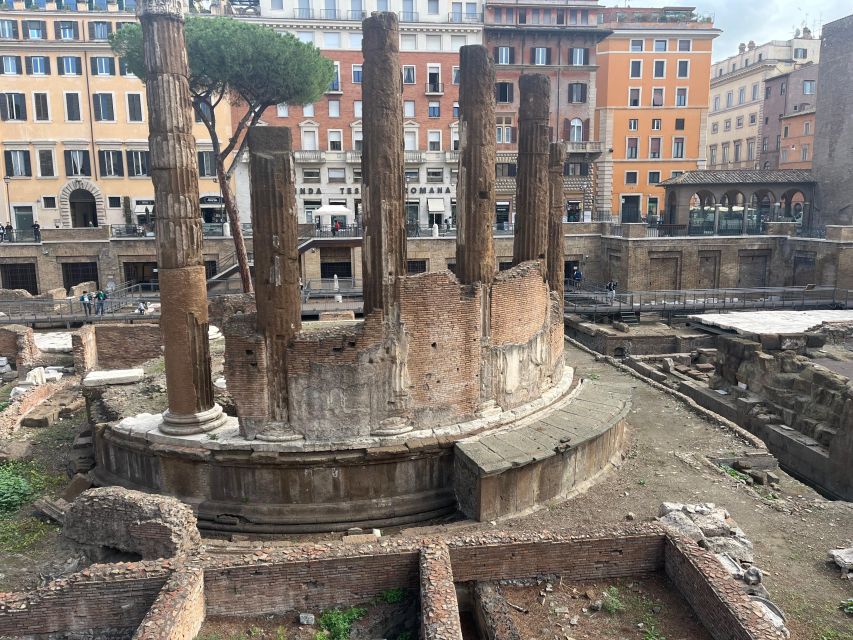
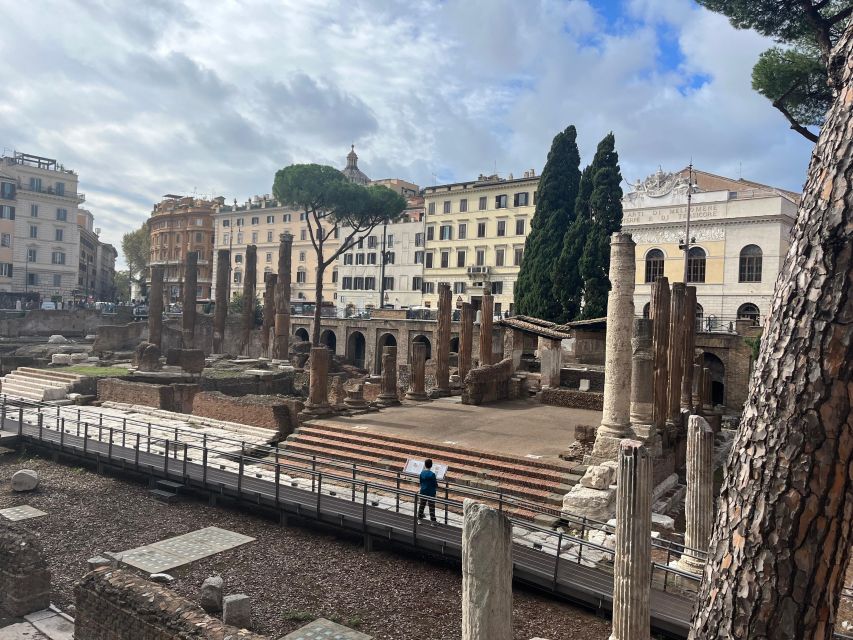
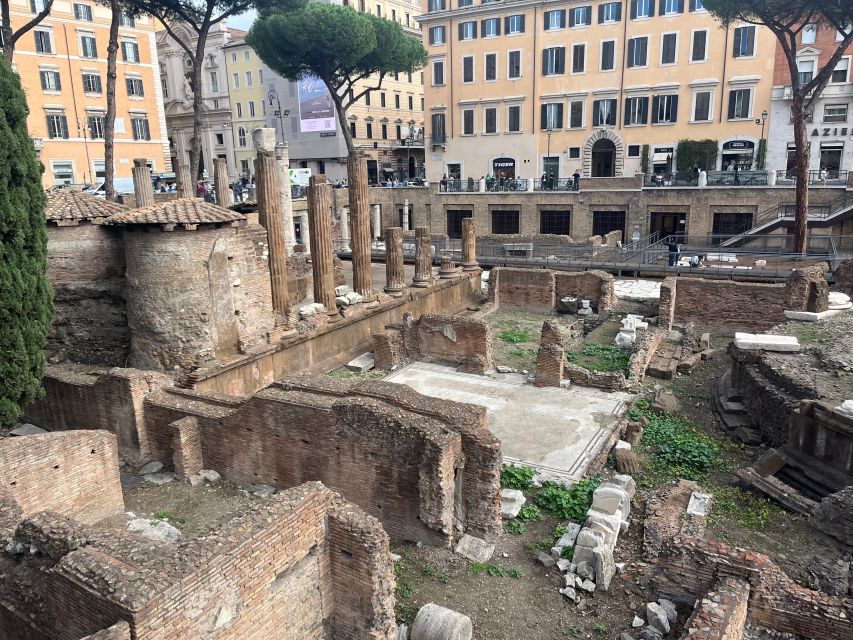
Once you are in the excavation area, the big visual win is how much you can see in a small footprint. You are able to admire four temples that date roughly between the 4th and 1st centuries BC. That range covers a long stretch of Roman architectural and religious change, and the site makes it easy to notice how Roman sacred spaces evolved.
I like that the experience encourages close watching without making you memorize dates. The temples are not presented as a single photo moment. You are meant to stop, look, and connect what you see with the timing and function explained through the audio.
Practical tip: take your time near the temple remains, but don’t get stuck in one corner. Use the audio to guide your movement so you cover the key points while your attention is still fresh.
The Curia of Pompey area and the assassination connection
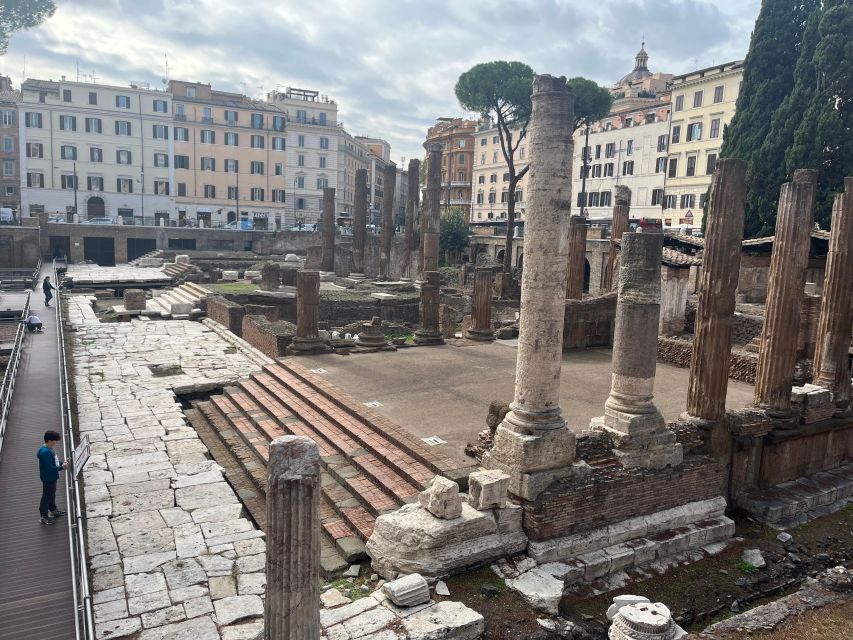
The Largo Argentina site is famous because of a specific political event: the killing of Julius Caesar on the Ides of March 44 BC. In this area, you are directed to remains that guard the tuff base of the Curia of Pompey, connected to the assassination as reported by ancient sources.
This is where the experience turns from architectural curiosity to something darker. You are not just reading about a turning point in Roman history. You are standing on top of archaeological evidence tied to that moment, and the audio framing helps you connect the place with the story.
I find it especially effective because the site keeps the focus narrow. You are not trying to cover a dozen forums at once. Instead, the tour nudges you to understand the space where the event is said to have unfolded, then to look around and see how sacred and political life overlapped.
Another shape for the same afternoon in Rome:

The medieval and imperial layers: the site was not frozen in time
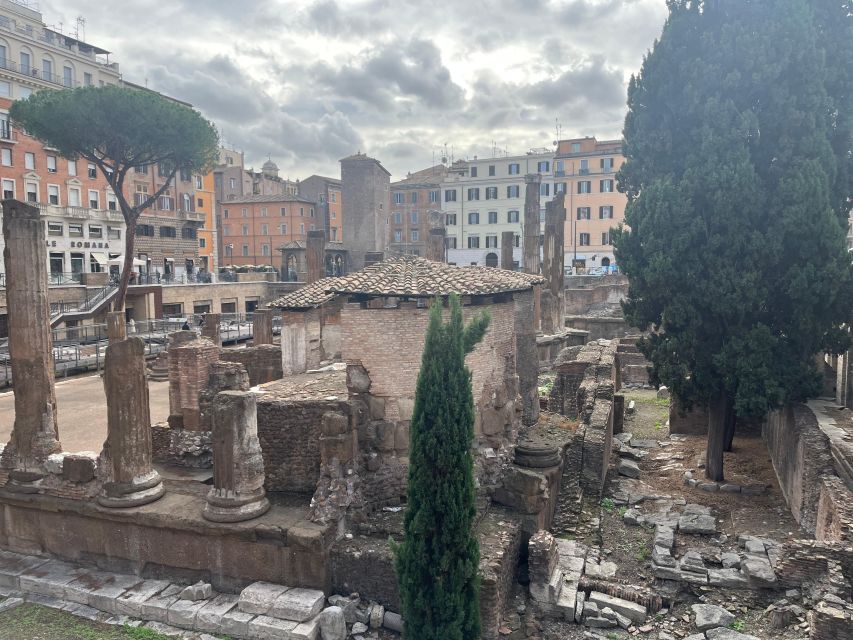
One reason Largo Argentina feels unusually alive as an archaeological space is its long continuity. The sacred area preserves testimonies of uninterrupted life for over 2,000 years. That means you are not only seeing the earliest temple phases. You are also encountering later overlays, including imperial phases of the temples and medieval age structures.
This layering is a big deal for your understanding. Rome keeps rebuilding on itself, and if you only ever see the earliest phase, you miss how later generations reused sacred and important zones. Here, the ruins act like a timeline, where different eras leave their marks in different ways.
What to expect on the ground: you may notice the space is arranged for observation, and you will likely spend much of your hour reading the cues from the audio guide and looking at the excavation context. It’s not a giant maze. It’s a concentrated archaeological stop.
Skip-the-line reserved entrance: does it really save time?
This experience includes reserved entrance and skip-the ticket line handling. That is a meaningful perk in theory, but keep your expectations realistic.
Because you can see plenty from street level, the biggest time saver may not be obvious. If you are the type who can enjoy a site even without entering every part, the line-skipping advantage might feel smaller than you expect. Still, reserved entry is useful because it gets you into the excavations as planned, so you spend your limited time on the places the audio will guide you toward.
If your priority is maximum archaeology per minute, take the included entrance. If your priority is primarily photos and quick exterior views, you may question whether you want to pay at all.
Price and value: is $23 worth one hour?
At about $23 per person for a 1-hour experience, the value comes from the mix of entry access and interpretation tools. You get an audio guide in English, a paper city map, WiFi support, and a pre-visit multimedia video that helps connect what you see to what it might have been.
You do not get a live guided walkthrough. That means you should be comfortable using an audio guide and taking your time with ruins. If you like self-paced history with clear place-based explanations, this format can feel like a smart use of time.
Where the value can wobble is if you already feel confident navigating Roman ruins or if you are mostly satisfied by outdoor views. In that case, you may find you paid for entrance plus audio rather than for a guide’s extra interpretation.
My take: for most first-time Rome visitors, this is a reasonable spend because it compresses orientation, key historical anchors like Caesar, and multiple temple periods into one short stop.
What is not included, and why that matters
No guided tour is included, and you will not have transport provided. Also, there is no food or drink. That is all fine, but plan accordingly so you do not feel rushed or caught without what you need.
For timing, the hour is short. Treat it like an efficient “anchor stop.” Then pair it with another nearby Roman walk later, rather than trying to make Largo Argentina your only sightseeing mission of the day.
For comfort, bring your attention gear: comfortable shoes, water if you need it, and a calm mindset. Ruins reward slow looking. An audio guide helps, but it cannot replace your own pace.
Who should book this, and who might not
This experience is a strong match if you want:
- A compact way to understand a sacred zone in central Rome without committing to a long tour
- A focused stop tied to Julius Caesar and the Ides of March, without needing a big lecture
- An English audio guide to make sense of what you are looking at
You might skip or reconsider if:
- You mostly want quick exterior viewing and do not care about entering excavation areas
- You prefer guided, live interpretation for complex sites
- You are traveling with a lot of luggage, since large bags are not allowed
One more practical note: you need a passport. Make sure you have it with you, not buried deep in a bag you would rather leave at the hotel.
Should you book Ancient Rome: Archaeological area Largo Argentina?
I’d book it if you like your Rome experiences structured around one meaningful location. Largo Argentina is small enough to handle well in an hour, and the combination of the multimedia intro plus the audio guidance makes it far easier to understand what you’re actually seeing.
I would hesitate if you are chasing maximum time savings and you are content with what you can spot from outside. In that case, the skip-the-line reserved entrance may not feel like the deal you hoped for.
If you want a dark, memorable anchor stop in the middle of modern Rome, with four temple remains and a clear place tied to Caesar, this one is worth your time.
Latest additions from Rome
- Guided Tour Vatican Museums & Sistine Chapel★ 4.1 · 30 reviews
- Exclusive Rome by Night Vespa Tour★ 5.0 · 30 reviews
- Vatican: St.Peter’s Basilica & Dome – Reserved Entry & Tour★ 4.1 · 30 reviews
- Transfer Rome to Airports★ 4.5 · 30 reviews
- Rome street art tour: off the beaten path with a local guide★ 5.0 · 30 reviews
- Tivoli, Hadrians Villa and Villa d’Este, a charming day trip from Rome★ 4.5 · 30 reviews
- Rome Food Tasting with Wine Pairing Italian Authentic Flavors★ 5.0 · 31 reviews
- Inspirational Cooking on the Roman Chef’s Panoramic Terrace★ 5.0 · 30 reviews
Underground Rome Tours, compared.
Caracalla Baths & Circus Maximus — Private or Shared
Read our review →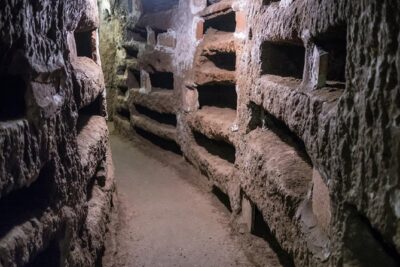
Catacombs and Hidden Underground Rome: Small Group Max 6 People
Read our review →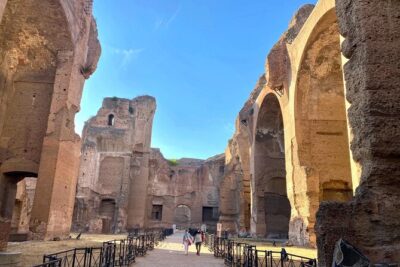
Small-Group Tour of Caracalla Baths and Circus Maximus
Read our review →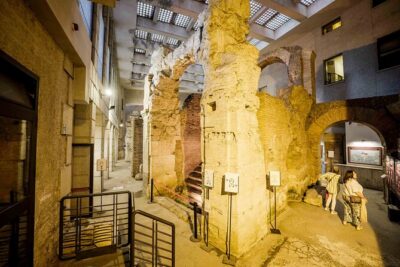
Rome underground: Piazza Navona, the Illusion Church and Pantheon
Read our review →
Circus Maximus Virtual Reality Game near the Colosseum
Read our review →Browse the lists this tour appears in