
Reviewed · PASTA AND TIRAMISU COOKING CLASSES
Rome: “Rooftop Pasta and Cocktails Cooking Class”
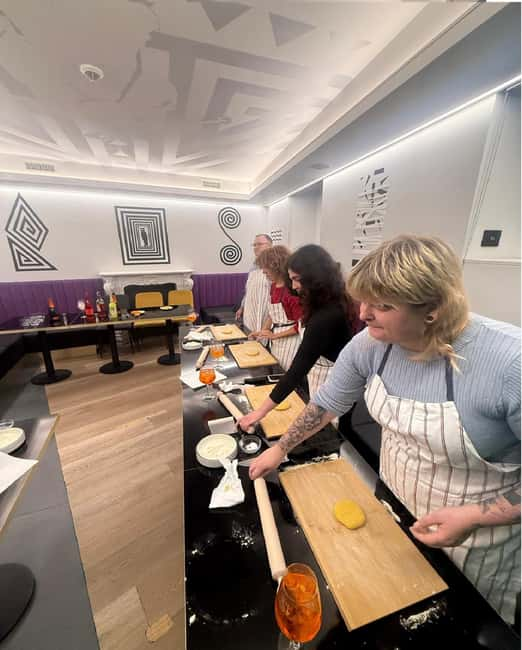
Fresh pasta, right over Rome. This rooftop class pairs hands-on cooking with city views and three classic Spritz cocktails, so the experience feels like a night out as much as a meal. I really liked the chance to make fresh pasta from scratch and learn Roman techniques in a real, social setting. You also get to do it on a rooftop, which changes the whole mood compared with cooking classes inside.
My second favorite part was the Spritz cocktail lineup while you cook, rotating through Aperol, Campari, and Limoncello. The hosts I keep hearing about, Saverio and Angela, bring the energy, and that matters because you are working with dough and timing meals, not watching a demo. One thing to consider is that the atmosphere is meant to be lively, with music and laughter, so if you want a quiet, low-key meal, this may feel a little more party than you expect.
In This Review
- Key highlights worth your time
- A rooftop cooking class that feels like an evening with locals
- What you’ll cook: fresh pasta plus two traditional Roman dishes
- The Spritz ritual: Aperol, Campari, and Limoncello while you cook
- The vibe up on the rooftop: music, laughter, and real views
- How the 3 hours actually works in your day
- English, Italian, and Spanish instruction that keeps you included
- Price and value: what you get for about $71
- Who this class suits best, and who might prefer something else
- If you should book it: my decision checklist
- FAQ
- How long is the Rooftop Pasta and Cocktails Cooking Class?
- What does the class include?
- Which Spritz cocktails are included?
- What languages are the instructors available in?
- Is the class wheelchair accessible?
- How much does it cost?
Key highlights worth your time
- Hands-on fresh pasta from scratch with a local chef guiding you step by step
- Three classic Spritz cocktails you sip while you cook, including Aperol, Campari, and Limoncello
- Friendly hosts Saverio and Angela who keep things welcoming and fun
- You get Roman dishes made from scratch, not just assembly or tasting
- Instruction in English, Italian, and Spanish, so you can follow easily
- Wheelchair accessible, which is a real plus for a rooftop-style activity
A rooftop cooking class that feels like an evening with locals
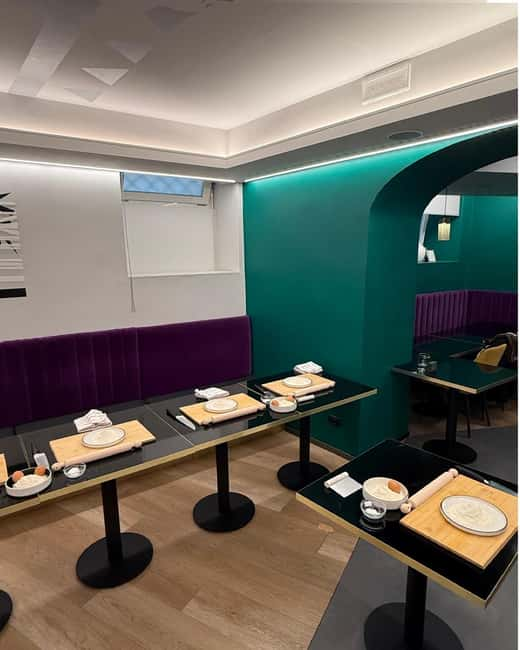
Rome can be flashy in the obvious ways, but it is also great at the small rituals. This class hits that sweet spot, because you are making food that Rome takes seriously, then sharing it with drinks and conversation up above the streets. You are not stuck in a classroom atmosphere, and you are not spending the whole time just tasting.
I like that the setup is social by design. You cook, you talk, you laugh, and you eat what you made. That matters because you leave with a memory plus a few real skills, instead of just a photo.
The rooftop element is also practical. Views help you settle in and feel like the setting is special, which makes the whole 3 hours feel like you got more value out of the day. It is still a cooking class, but the environment keeps it from feeling like work.
Other kitchens rolling pasta and folding tiramisu:
- 3 in 1 Cooking Class near Navona: Fettuccine, Ravioli & Tiramisu
★ 5.0 · 7,376 reviews - Rome: Pasta & Tiramisu Class with Fine Wine by the Vatican
★ 4.9 · 4,852 reviews - Rome: Pasta Making Class with Wine, Limoncello, and Dessert
★ 4.9 · 3,177 reviews - Rome Cooking Class: Make Pasta and 3 Spritz Cocktails
★ 5.0 · 2,937 reviews
What you’ll cook: fresh pasta plus two traditional Roman dishes
The core of the experience is straightforward: you make fresh pasta from scratch, then you prepare two traditional Roman dishes from scratch. Even if you have never made pasta before, you are learning the process with a chef guiding the group, so you are not left to figure it out on your own.
Fresh pasta matters because it is where technique lives. Store-bought pasta is convenient, but it does not teach you what dough should feel like, how it stretches, or how you know it is ready to cook. Here, you get hands-on practice, and you learn how Roman cooking approaches simplicity: a few ingredients, careful handling, and good timing.
As for the two Roman dishes, the key point is that they are made from scratch in the same session, not prepped off-site. That gives you a fuller sense of what Roman cooking looks like beyond pasta alone. You come away with a meal that feels complete, because it includes pasta plus additional dishes you worked on.
A small practical note for your expectations: this is an active class. You should show up ready to roll up sleeves and get a bit messy. If you hate getting your hands dirty, you might find the process more stressful than fun.
The Spritz ritual: Aperol, Campari, and Limoncello while you cook
Food is the headline, but the drink program is what makes the experience feel distinct. You sip three classic Italian Spritz cocktails while you cook, specifically Aperol, Campari, and Limoncello. This is not just random alcohol on the side. The idea is that the cocktails are part of the rhythm of the class, so you stay in a celebratory mood from start to finish.
Why this matters: cooking is timing-heavy. Your dough, your prep, and your steps all have moments where you need to focus. Having a drink that matches the social tone helps keep the energy up, especially if you are traveling solo or meeting people you have never cooked with before.
Also, the drink lineup is a nice way to taste variety. Aperol tends to be lighter and sweeter, Campari brings more bite, and Limoncello gives a lemony note. You can use that as a personal guide to see which flavor profile fits your palate as the meal progresses.
Just keep a smart pace. Spritz drinks are enjoyable, but you are cooking and working with hot surfaces. If you plan to drink all three, take your time, sip slowly, and stay aware of what is in front of you. The class is meant to be fun, not sloppy.
The vibe up on the rooftop: music, laughter, and real views
Rooftops can go two ways: either they are all scenery and no substance, or they become a stage where the food gets secondary. This one stays focused on cooking while still giving you that Rome-at-night feeling. You get city views, plus music, plus laughter, and that combination sets the mood.
What I like about this kind of setup is how quickly it breaks the ice. You are doing something hands-on, which naturally creates conversation. You are also learning together, and that reduces the pressure of being the only beginner. You might find yourself asking questions in the moment, trading small tips, or sharing how you like your pasta texture.
One of the most consistent themes from the experience is the hospitality. The hosts and chef style the class like a good night out, with warmth and a sense of humor. Names that come up a lot are Saverio and Angela, and if you click with that kind of friendly energy, you are likely to have a great time.
The rooftop also has a small tradeoff: it can be less controlled than a kitchen studio. Weather can affect comfort, and you will be standing and moving while cooking. The class is designed for real participation, so wear something comfortable and plan for a rooftop setting.
How the 3 hours actually works in your day
This is a 3-hour experience, and that time box is exactly why it works for many itineraries. You can fit it between sightseeing blocks without losing half a day to logistics.
In practice, think of the flow like this. You will start with instructions and getting organized. Then you shift into pasta-making, which takes the most attention because dough needs hands-on work. After that, you move into preparing two Roman dishes from scratch. Finally, you eat what you made, while the drinks keep the meal moving.
Because everything is hands-on, you do not want to schedule something stressful right before this. If you are racing to catch a train or you just had a long walking day with blisters, the cooking can feel tiring. If you have a calm buffer, you will enjoy it more.
Another tip: arrive ready to learn, not just ready to eat. The best outcome comes when you listen closely during the steps that affect dough texture and cooking timing. If you are only half paying attention because you are thinking about what you will order later, the pasta can suffer and the experience becomes less fun.
Other Roman benches to work at for a morning:
English, Italian, and Spanish instruction that keeps you included
Communication can make or break a cooking class. This one offers instruction in English, Italian, and Spanish, and that means you are not stuck guessing while you try to follow steps with messy hands.
Even if you only speak English, you should expect the chef or instructor to guide you clearly. The hosts also sound like strong facilitators, which helps because you need the group to stay aligned. Cooking works best when everyone understands what step comes next.
If you speak Italian or Spanish, you may find it even more rewarding. You are hearing the culture directly while you learn techniques that reflect how Romans actually cook at home.
Language inclusivity is a quiet value driver here. It is not flashy, but it means you can focus on the food instead of decoding instructions.
Price and value: what you get for about $71
At $71 per person, this is not the cheapest thing you can do in Rome. But it is also not priced like a fancy tasting menu where you pay mainly for someone else doing the work.
You are paying for three things that normally cost separately. First, you get hands-on coaching to make fresh pasta and two Roman dishes from scratch. Second, you get three cocktails while cooking, including Aperol, Campari, and Limoncello. Third, you get a rooftop setting with a lively social atmosphere and what sounds like strong hosting.
That cocktail detail alone changes value math. In Rome, drinks add up quickly, and here they are part of the experience rather than an extra line item. When you combine that with full meal output, the price becomes easier to justify.
Is it worth it? If you enjoy interactive food experiences, yes. If you just want to eat without cooking, you will likely feel like you paid for activity rather than flavor. But if you want the kind of memory you can use later, the class has a practical edge: you learn skills you can bring home, not just a meal you finish and forget.
Who this class suits best, and who might prefer something else
This is a strong fit for people who like learning by doing. If you enjoy cooking at home even casually, you will likely leave with techniques you can repeat. If you travel with friends, it is also great because you can cook together, laugh together, and share the final meal.
It also works well for couples and solo travelers. The lively atmosphere and friendly hosts make it easier to connect, especially when you are in the middle of a shared task.
Beginners usually do fine here, because the class is built around guidance from a local chef and supportive hosts. The only groups I would think twice about are people who want a quiet sit-down dinner experience. The class includes music, laughter, and a party-like vibe, so the volume and energy may not match your ideal evening.
Finally, consider your comfort level with hands-on food work. You are making pasta and cooking from scratch, so be ready for heat, movement, and some mess. If that sounds fun, you are in the right place.
If you should book it: my decision checklist
Book it if you want real skills, not just a meal. If the idea of making fresh pasta from scratch appeals to you, and you like the idea of cooking a complete Roman-style dinner with Aperol and Campari in the background, this is a smart use of time.
You should also book if you care about atmosphere. The hosts, Saverio and Angela, are a big part of what makes the experience feel welcoming, and the class is designed for laughter and social energy, not stiff formality.
Skip or reconsider if you prefer quiet dining, or if you dislike interactive cooking experiences. You are there to cook. If your ideal Rome moment is passive and scenic only, you might be happier with a tour focused purely on food tasting.
If you are on the fence, I suggest choosing it on days when you have a calm schedule. The 3 hours are easier to enjoy when you are not rushing, and you will get more out of the steps.
If you want a fun, skill-building Rome night with rooftop views and three classic Spritz cocktails, this one is a solid bet.
FAQ
How long is the Rooftop Pasta and Cocktails Cooking Class?
It runs for 3 hours.
What does the class include?
You do a hands-on cooking class where you make fresh pasta and two traditional Roman dishes from scratch on a rooftop. You also sip three classic Italian Spritz cocktails while cooking.
Which Spritz cocktails are included?
The class includes Aperol, Campari, and Limoncello Spritz cocktails.
What languages are the instructors available in?
The instructor provides instruction in English, Italian, and Spanish.
Is the class wheelchair accessible?
Yes, it is listed as wheelchair accessible.
How much does it cost?
The price is $71 per person.
Roman Kitchens to Cook In
- Rome: Pasta & Tiramisu Cooking Class near the Spanish Steps
★ 4.8 · 1,395 reviews - Rome: Traditional Pizza Cooking Class near Piazza Navona
★ 4.7 · 1,241 reviews - Rome: Combo Pizza and Pasta Cooking Class with Wine
★ 4.6 · 1,180 reviews - Rome: Pasta Making with Wine Tasting and Dinner in Frascati
★ 4.9 · 979 reviews
Latest additions from Rome
- Rome: Testaccio Market Food Tour with Street Food & Wine★ 5.0 · 8 reviews
- Exclusive Pasta & Tiramisu Class with Wine near by Colosseum★ 5.0 · 8 reviews
- Private Professional Photoshoot in Rome★ 5.0 · 8 reviews
- Loreto “Shrine of the Holy House of the Virgin Mary” Private Tour from Rome★ 5.0 · 8 reviews
- Rome Day to discover Florence and Pisa Hotel Pickup★ 4.5 · 8 reviews
- Rome: Christmas Nativities and Angels Tour★ 3.1 · 8 reviews
- Guided Tour of Vatican Museums and Sistine Chapel★ 5.0 · 8 reviews
- Rome: Cooking Class of fresh Pasta and Tiramisu Cake★ 5.0 · 8 reviews
Pasta and Tiramisu Cooking Classes, compared.
3 in 1 Cooking Class near Navona: Fettuccine, Ravioli & Tiramisu
Read our review →
Pasta & Tiramisu Class with Fine Wine by the Vatican
Read our review →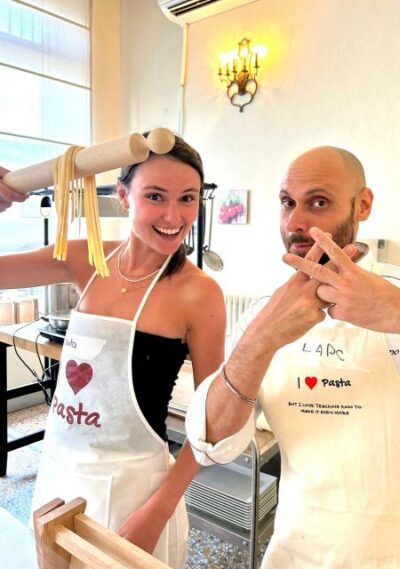
Pasta Making Class with Wine, Limoncello, and Dessert
Read our review →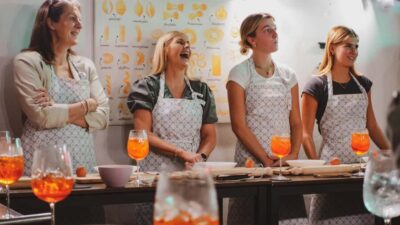
Rome Cooking Class: Make Pasta and 3 Spritz Cocktails
Read our review →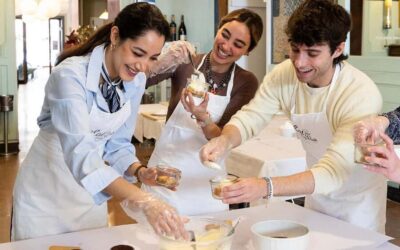
3-in-1 Fettuccine, Ravioli, and Tiramisu Cooking Class
Read our review →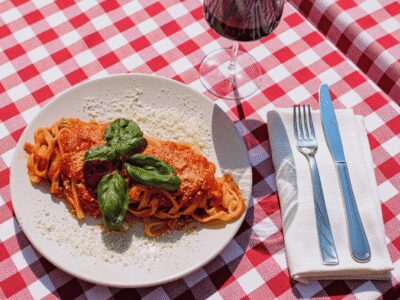
Fettuccine Pasta Cooking Class in Rome’s City Center
Read our review →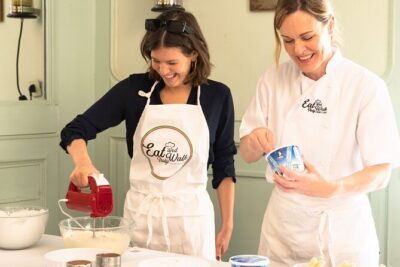
Learn to Make Pasta & Tiramisu with Wine and Limoncello Included
Read our review →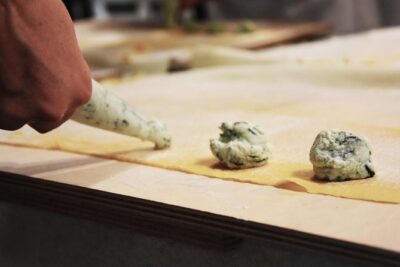
Become a Masterchef in Rome: Pasta, Ravioli and Tiramisù Class
Read our review →Browse the lists this tour appears in