
Reviewed · COOKING CLASSES
Rome: Roman Master Chef Cooking Class with Wine
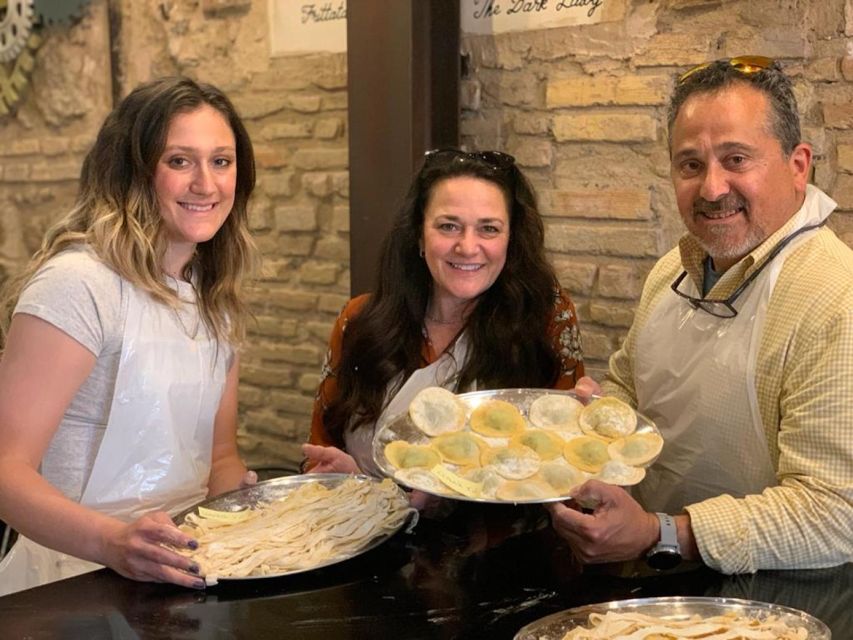
Rome smells like garlic and coffee tonight. In this hands-on Roman cooking class, I especially love making handmade fettuccine and building coffee-and-cocoa tiramisu step by step with a local chef, with hosts like Sid and Eleonor showing up in many sessions. One heads up: the start time can run a bit later than you expect, so keep a small buffer after the class.
What makes it work is that you cook, then you sit down and actually eat what you made, usually in a Roman restaurant or out on a terrace. You also get the recipes to recreate the meal at home, which turns a fun afternoon into something you can repeat instead of a one-time memory.
In This Review
- Key points to know before you go
- First Bites: what this Roman master chef class feels like
- Where you cook in Rome matters more than you think
- The pasta part: handmade fettuccine from scratch
- Tiramisu: building the coffee-and-cocoa layers
- Wine, limoncello, and timing during the 2.5-3 hour lesson
- After class: eating what you made (and why that matters)
- What you take home: recipes that are meant to be used
- Dietary needs and the limits of what the class can adapt
- Who this class suits best in Rome
- Price and value: why $32 per person can make sense
- Small logistics to watch, without making it stressful
- Should you book this Roman pasta and tiramisu class?
- FAQ
- How long is the Rome Roman Master Chef Cooking Class?
- Where does the class take place?
- How much does it cost?
- What will I cook during the class?
- What drinks are included?
- Is the instruction available in English?
- Are dietary restrictions handled?
- What happens after the cooking part?
- Do I get recipes to take home?
- Is there a cancellation policy and flexible booking option?
Key points to know before you go
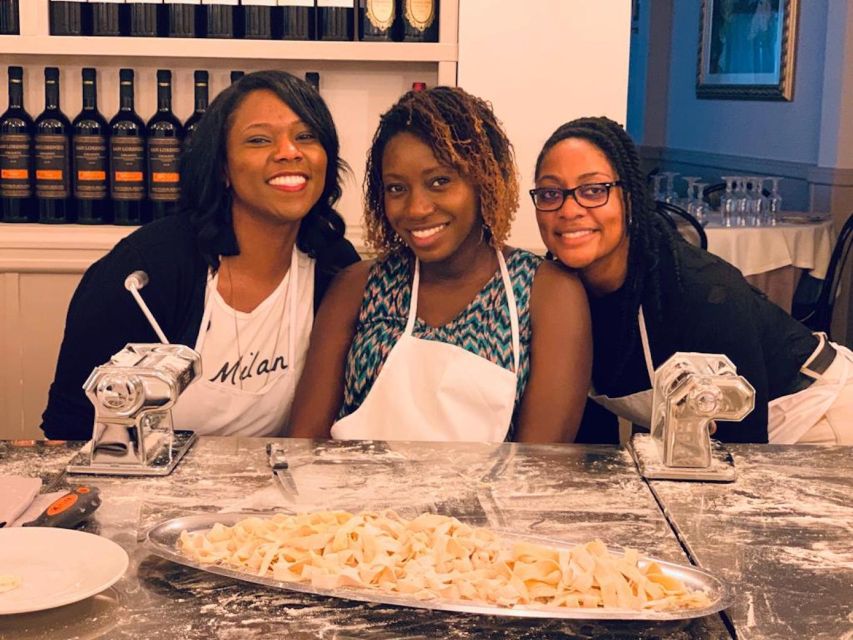
- Hands-on Roman pasta making: you roll up your sleeves and make fettuccine from scratch, not just watch.
- Real tiramisu practice: you build a layered dessert flavored with coffee and finished with cocoa.
- Drinks included with the cooking: fine Italian wine, plus limoncello and other drinks as you learn.
- You eat your results right after: you finish with a sit-down meal in a locally loved setting, indoor or terrace.
- Clear English instruction: the teaching is in English, with helpers who keep the process moving and understandable.
First Bites: what this Roman master chef class feels like
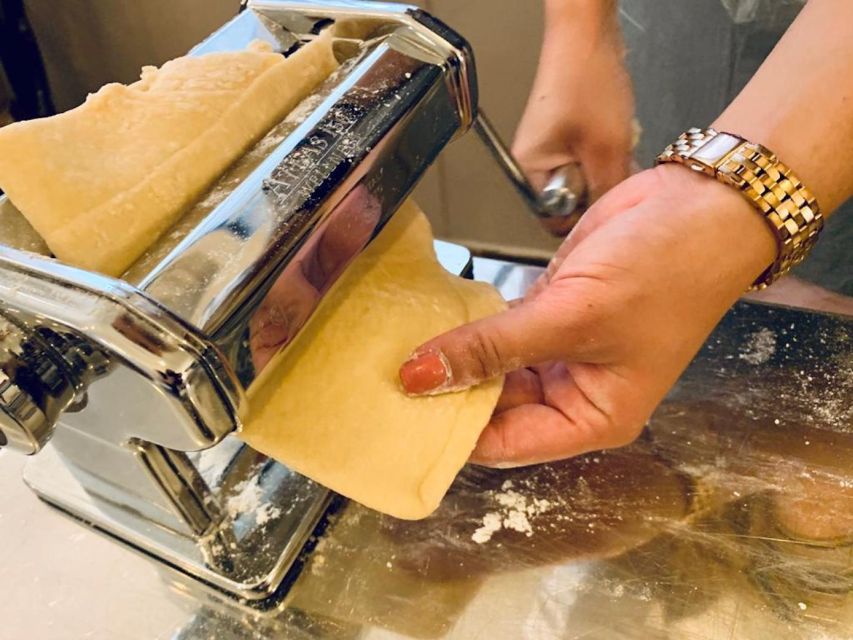
If you want one great afternoon in Rome that is both practical and genuinely fun, this is it. You are learning Roman-style cooking in a real restaurant setting, not in a generic demo room. The vibe is part classroom, part hangout.
What I like most is that you are not just eating Roman food. You are making it. And because the class covers both savory pasta and classic dessert, you end up with a full mini meal, not just a snack-and-a-stroll activity.
The other big plus is the social feel. People in your group tend to be a mix of nationalities, and the hosts do a good job pulling everyone in. In past sessions, names like Sid, Eleonor, Eddie, Giacomo, and Mathilde have shown up as instructors and hosts, and that matters, because the energy of the person teaching you changes everything.
More Lazio bottles opened near Rome:
- Rome: Tuscany & Montepulciano Day Trip with Lunch & Wine Tasting
★ 4.5 · 5,232 reviews - Rome: Pasta & Tiramisu Class with Fine Wine by the Vatican
★ 4.9 · 4,852 reviews - Rome Food Tour: Unlimited Tastings with Fine Wine & Barolo
★ 5.0 · 3,365 reviews - Rome: Pasta Making Class with Wine, Limoncello, and Dessert
★ 4.9 · 3,177 reviews
Where you cook in Rome matters more than you think
The class happens inside a Roman restaurant, which sounds like a simple line in the description, but it changes the whole experience. Restaurants in Rome are designed for rhythm. People eat, talk, and move at a natural pace. You get a bit of that rhythm while you cook.
It also sets you up for the last part of the class: eating your own meal. After the hands-on work, you sit down to enjoy what you made, either indoors at a locally loved restaurant or outdoors on a terrace (weather and setup permitting). That “cook then eat” flow helps you appreciate what you just learned, instead of rushing out for your next stop.
One practical detail: the meeting point can vary depending on which option you book. If you are the type who hates last-minute confusion, show up a touch early, even if you have a good sense of direction in Rome.
The pasta part: handmade fettuccine from scratch
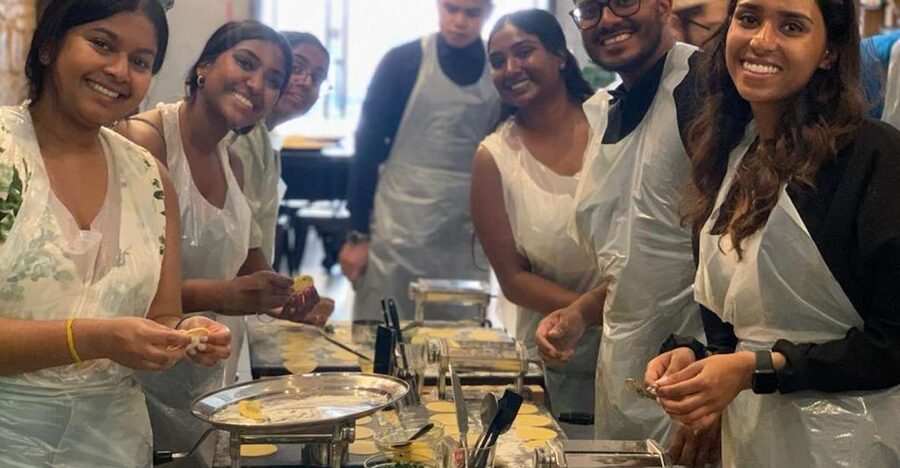
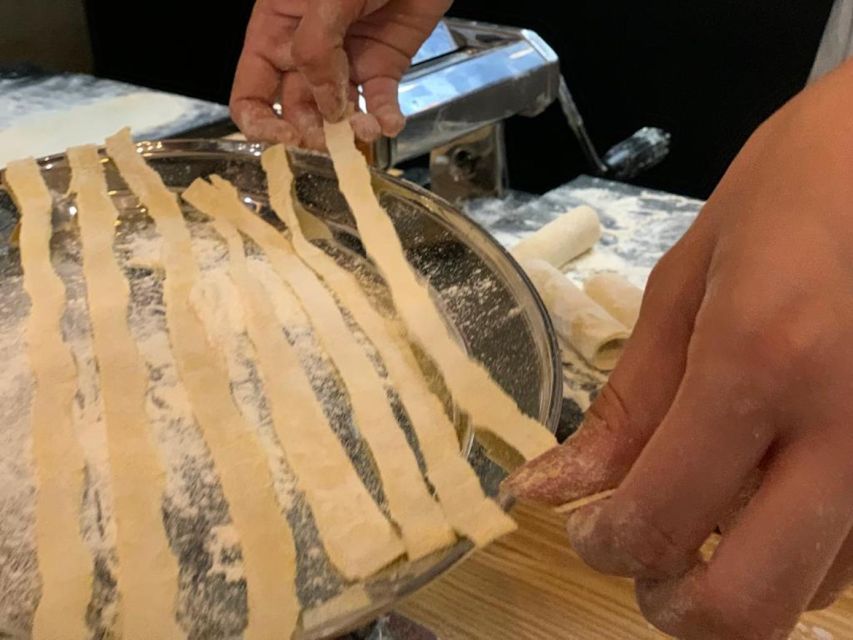
The heart of the class is making handmade fettuccine from scratch. That means you get to handle the dough yourself, and you practice the process instead of relying on a machine or a pre-made product. The class is designed so you can produce something you recognize as real Roman pasta by the end.
I like this approach because it teaches you the logic, not just the end result. With fresh pasta, small decisions make a difference: how the dough feels, how you portion and shape, and how you work steadily instead of rushing.
You also get guidance while you’re working, which is key for beginners. The instruction is in English, and the teaching style in this class is very “do it with us” rather than “good luck, see you later.” That helps you avoid the common mistake of thinking pasta is either too hard or too fragile to learn on vacation.
Tip for you: if you are worried about doing it wrong, good news. This class is built around learning, so your goal is progress, not perfection. Follow the steps, ask questions when something feels unclear, and you will do fine.
Tiramisu: building the coffee-and-cocoa layers
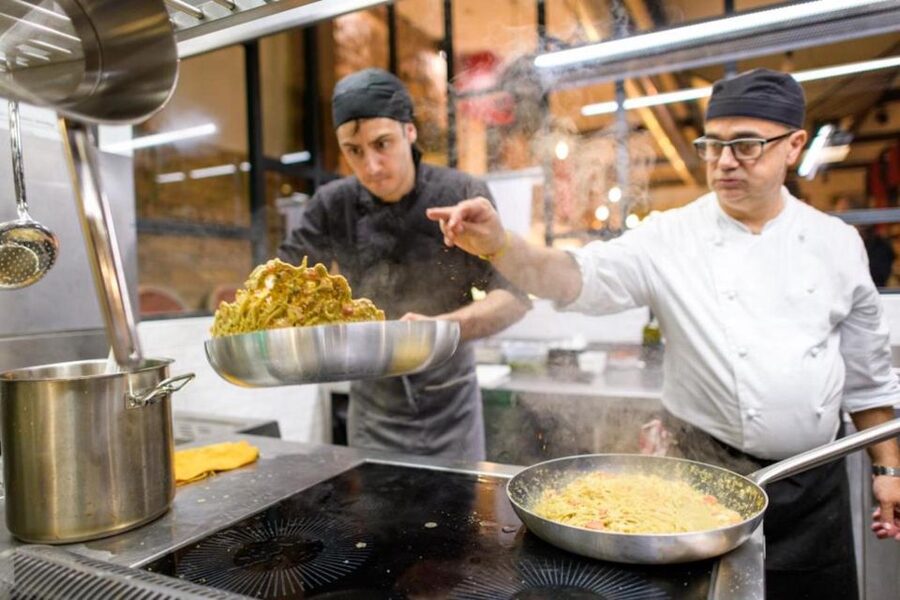
Then comes the dessert, and it is not an afterthought. You make tiramisu during the class, a layered coffee-flavored Italian dessert finished with cocoa. Even if tiramisu seems familiar, the fun part here is that you assemble it yourself and see how the layers come together.
Tiramisu has a satisfying logic. Coffee is the flavor anchor, sweetness follows, and cocoa adds that finishing touch. You get to experience how the layers work as a whole, not just as ingredients dumped into a dish.
This is also a great confidence booster. Pasta can feel technical, dough can feel intimidating. Tiramisu, on the other hand, rewards patience and careful layering. If you like dessert more than cooking, you often end up loving this part most.
And yes, the dessert is a major reason people rate this class so highly. Several people have called out the tiramisu as a standout they loved in Rome, which tells you the method and the instruction are getting real results.
Wine, limoncello, and timing during the 2.5-3 hour lesson
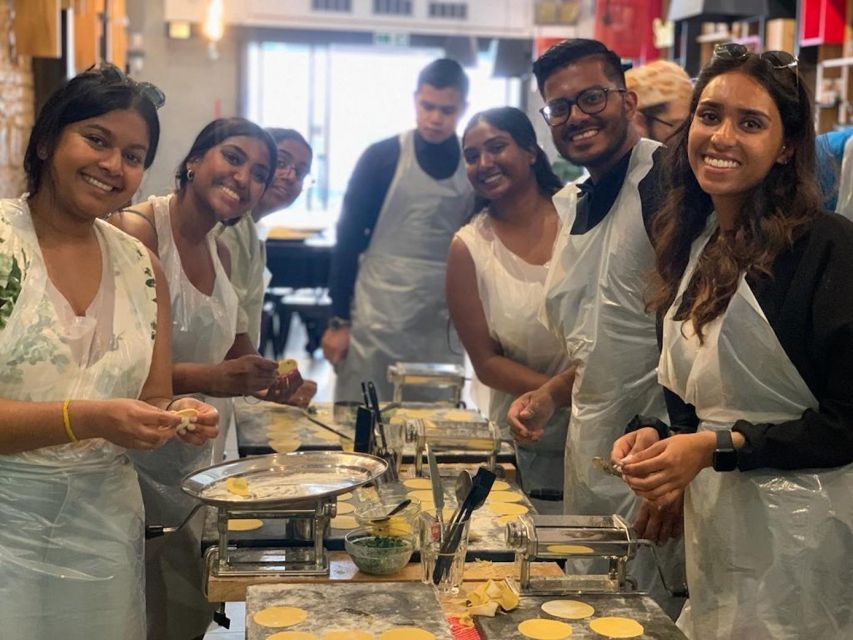
You will be sipping Italian wine during the class, plus limoncello and other drinks like coffee, soft drinks, and water. The drinks are included, and they are part of the pacing. In other words, it is not a “just add alcohol for fun” situation. It supports the atmosphere while you learn.
You should still think of it as a cooking class first. The goal is to learn pasta and dessert, not to party. But the included drinks make the experience feel more like an evening in Italy than a scheduled school assignment.
Timing-wise, the activity runs about 2.5 to 3 hours. Most classes of this type feel like they speed up near the end, because everyone is finishing at once. Plan your afternoon accordingly. One thing to watch: a few past participants noted that the start time can run later than expected. If you have tickets right after, give yourself a cushion.
Other Roman benches to work at for a morning:
After class: eating what you made (and why that matters)
This class does not end when the cooking stops. Once you’re finished with pasta and tiramisu, you sit down and eat the meal you made. That’s huge, because it turns the experience into a real “Rome dinner moment,” even though you only spent a half day on it.
Eating in the restaurant setting helps you connect the food to the place. You taste your pasta in a setting where Romans actually eat. You also taste the dessert after you built it. That connection is hard to get with cooking experiences that only give you a take-home box and send you away.
If you like people-watching, this part can be extra pleasant. You can enjoy the conversations, the restaurant energy, and the fact that you’re sitting among strangers who just turned into cooking partners for a couple hours.
What you take home: recipes that are meant to be used
A lot of cooking classes promise recipes, but this one specifically gives you the authentic Italian recipes you learn so you can recreate them at home. For me, that’s the difference between a fun vacation activity and a skill you actually bring back.
If you take only one thing away from this class, make it the recipes. When you’re back home, it is easy to forget the steps and ratios. Having the recipe sheet means you can repeat the meal for friends, or at least make a dessert night when you want something special.
Also, because the class focuses on foundational Roman dishes, you are not learning random restaurant jargon. You are learning food you can recognize and recreate.
Dietary needs and the limits of what the class can adapt
The class supports dietary options, including vegetarian, vegan, lactose intolerant, and other diets. The key move is simple: tell the activity provider about your needs when you book.
I like that this is explicitly addressed, because it is often the biggest worry people have before booking a cooking class. Still, you should keep expectations realistic. The class is built around specific dishes like fettuccine and tiramisu, and substitutions may change the flavor slightly depending on what ingredients are replaced.
Your best strategy: be very clear about what you can’t eat. If lactose is a concern, say so up front. If vegan is your goal, confirm what will be substituted. This prevents that awkward moment during the class where you realize too late that the standard version won’t work for you.
Who this class suits best in Rome
This is a strong fit if you want your trip to include more than sightseeing. If you enjoy learning by doing, you will like the hands-on format. If you like food and you want to understand Roman cooking beyond tasting it, you will get more out of this class than a typical meal.
It is also good for solo travelers who want interaction. A few reviews highlighted the fun of meeting other people from around the world. If you are traveling alone, cooking with a group is one of the easiest ways to avoid feeling like you are eating Rome by yourself.
Couples also work well here. The class style tends to keep both people involved, and you finish by sitting down together with your shared results.
If you are traveling with kids, the information you have right now does not spell out a specific family policy. In that case, you should check directly with the provider before booking.
Price and value: why $32 per person can make sense
At $32 per person for about 2.5-3 hours, this class is priced like a value-focused experience. Here’s why that matters: you are not just paying for “a show.” You’re paying for instruction, ingredients, drinks, and a sit-down meal afterward, plus recipes to bring home.
For Rome, that mix is what makes the math work. Most people spend that much or more on a single restaurant dinner plus one or two extra drinks, and they still get no cooking skill afterward. This class gives you two Italian home-style staples plus the technique behind them.
Also, the instruction is in English, which reduces friction. You won’t be paying extra just because you need translations or extra support.
Bottom line: the price feels fair because the class covers the basics you actually want, pasta and dessert, and you get to eat them the same day.
Small logistics to watch, without making it stressful
Your meeting point can vary by option, so double-check the exact address you get after booking. Starting times can vary, and as mentioned earlier, the class may begin a little later than you expect in some sessions. That means you should avoid scheduling a tight appointment immediately after the class.
On the other hand, this is one of those activities that fits nicely into an itinerary. It is short enough that you still have time for the rest of the day, but long enough that you feel like you did something real.
If you are planning other Rome highlights the same day, consider placing this class earlier. Then you can use the afternoon for slower wandering, gelato, and a relaxed dinner.
Should you book this Roman pasta and tiramisu class?
Yes, if you want a practical Roman experience that goes beyond eating. You will learn handmade fettuccine, make tiramisu, drink Italian wine and limoncello, and then sit down to eat what you cooked. The teaching style and lively hosts, including people like Sid and Eleonor, Eddie, Giacomo, and Mathilde in past sessions, are a big part of why this class keeps earning top marks.
Skip it only if you dislike hands-on activities, you want something strictly sightseeing-based, or you are trying to squeeze the class into a razor-thin schedule with no buffer. If you keep a little flexibility in your day, this class is an excellent way to bring Rome home with you, one pasta sheet and coffee-cocoa layer at a time.
FAQ
How long is the Rome Roman Master Chef Cooking Class?
The class runs about 2.5 to 3 hours.
Where does the class take place?
It takes place in Rome, Lazio, Italy, inside a Roman restaurant setting.
How much does it cost?
The price is listed as $32 per person.
What will I cook during the class?
You will learn to make handmade fettuccine pasta from scratch and make tiramisu.
What drinks are included?
Fine Italian wine and limoncello are included, along with coffee, soft drinks, and water.
Is the instruction available in English?
Yes, the instructor teaching language is English.
Are dietary restrictions handled?
Dietary options are available, including vegetarian, vegan, lactose intolerant, and other diets supported. You should inform the activity provider of your needs when booking.
What happens after the cooking part?
After the class, you sit down to enjoy the food you made in a locally loved Roman restaurant or on an outdoor terrace.
Do I get recipes to take home?
Yes, you can take home authentic Italian recipes from what you learn in the class.
Is there a cancellation policy and flexible booking option?
The activity offers free cancellation up to 24 hours in advance for a full refund. It also offers reserve now and pay later, so you can book your spot and pay nothing today.
Roman Kitchens to Cook In
- Fettuccine & Tiramisù: Cooking Class with Wine & Limoncello
★ 4.9 · 2,103 reviews - Rome: Pasta & Tiramisu Cooking Class near the Spanish Steps
★ 4.8 · 1,395 reviews - Rome: Traditional Pizza Cooking Class near Piazza Navona
★ 4.7 · 1,241 reviews - Rome: Combo Pizza and Pasta Cooking Class with Wine
★ 4.6 · 1,180 reviews
Latest additions from Rome
- Guided Tour Vatican Museums & Sistine Chapel★ 4.1 · 30 reviews
- Exclusive Rome by Night Vespa Tour★ 5.0 · 30 reviews
- Transfer Rome to Airports★ 4.5 · 30 reviews
- Vatican: St.Peter’s Basilica & Dome – Reserved Entry & Tour★ 4.1 · 30 reviews
- Tivoli, Hadrians Villa and Villa d’Este, a charming day trip from Rome★ 4.5 · 30 reviews
- Rome street art tour: off the beaten path with a local guide★ 5.0 · 30 reviews
- Rome Food Tasting with Wine Pairing Italian Authentic Flavors★ 5.0 · 31 reviews
- Inspirational Cooking on the Roman Chef’s Panoramic Terrace★ 5.0 · 30 reviews
Cooking Classes, compared.
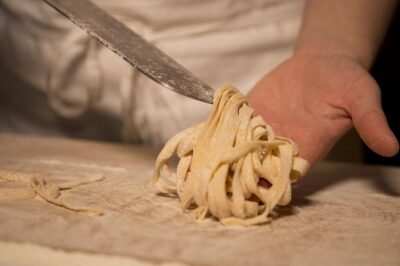
3 in 1 Cooking Class near Navona: Fettuccine, Ravioli & Tiramisu
Read our review →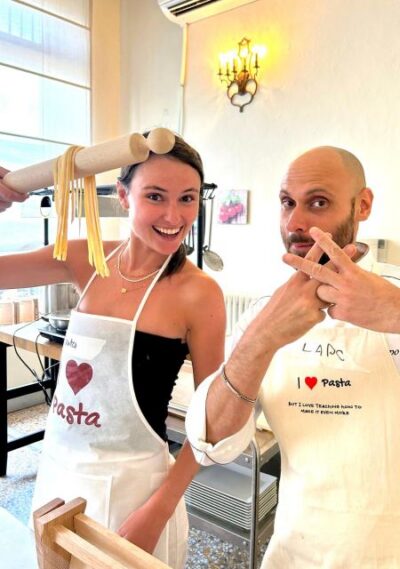
Pasta Making Class with Wine, Limoncello, and Dessert
Read our review →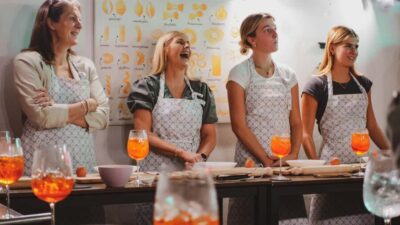
Rome Cooking Class: Make Pasta and 3 Spritz Cocktails
Read our review →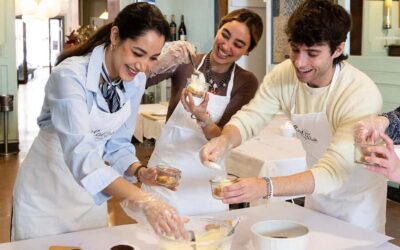
3-in-1 Fettuccine, Ravioli, and Tiramisu Cooking Class
Read our review →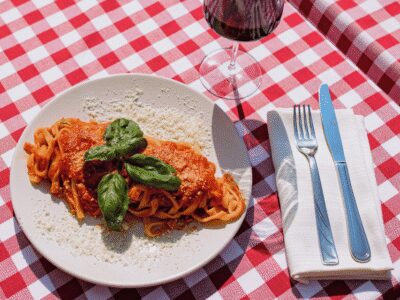
Fettuccine Pasta Cooking Class in Rome’s City Center
Read our review →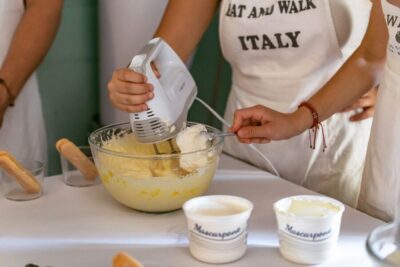
Fettuccine & Tiramisù: Cooking Class with Wine & Limoncello
Read our review →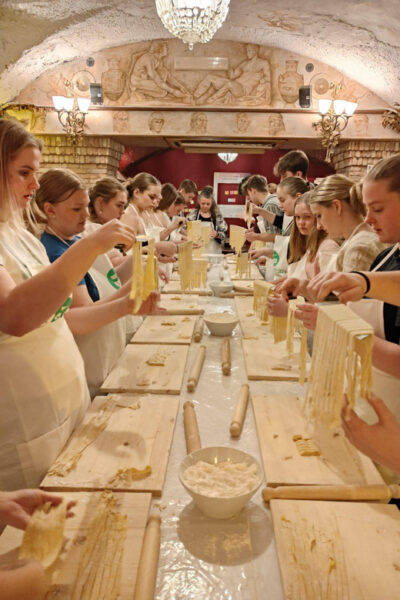
Pasta & Tiramisu Cooking Class near the Spanish Steps
Read our review →
Traditional Pizza Cooking Class near Piazza Navona
Read our review →Browse the lists this tour appears in