
Reviewed · PASTA AND TIRAMISU COOKING CLASSES
Rome Pasta Making Class with Italian Sauces and Wine Included
Flour on your hands, Roman sauce in your head. This is a 3-hour Rome cooking class where you make fresh pasta and classic Roman sauces in a small setting, then sit down to eat what you made with complimentary wine and coffee. I especially love the hands-on instruction (you shape and cook, not just watch), and I also like how the chef teaches the why behind each sauce so it makes sense beyond the recipe. The main drawback to plan around is that you are fully in class mode for about three hours, plus the meal includes wine, so it is not the best option if you want a late, super-flexible evening.
You will usually work with traditional Roman pastas such as ravioli, fettuccine, and spaghetti alla chitarra, and the sauce lineup often includes carbonara, arrabbiata, and butter and sage. If you have dietary needs, there is a big plus here too: private classes can be customized for gluten-free, vegetarian, or vegan menus.
You meet near Circonvallazione Gianicolense and the group is capped at 10, which keeps the energy friendly and the teaching practical. The class is offered in English and you get recipe information to take home, so the value is not just the meal.
In This Review
- Key things I’d circle before you book
- A family-style Rome kitchen: where you meet and what the vibe feels like
- Chef Riccardo and the teaching approach: more technique, less guesswork
- What you make: Roman pasta shapes and a sauce lineup with real range
- Pastas you’ll likely make
- Sauces you’ll learn
- How the 3-hour class typically flows, from flour to fork
- Dietary needs and private upgrades: where this class is genuinely flexible
- Price and value: why $95.53 feels fair for this format
- Who should book this class, and who should skip or upgrade
- Tips to get the best results, even when you’ve never made pasta before
- Should you book Riccardo’s Rome Pasta Class?
- FAQ
- How long is the Rome pasta making class?
- How many people are in the class?
- Where does the class start and where does it end?
- What language is the class taught in?
- What food and drinks are included?
- What types of pasta and sauces should I expect?
- Can the class accommodate dietary restrictions?
- Can I upgrade to a private class?
- What is the cancellation policy?
- Do I get anything to take home?
Key things I’d circle before you book
- Chef Riccardo’s team keeps it family-style, with small-group cooking that feels like doing it at home.
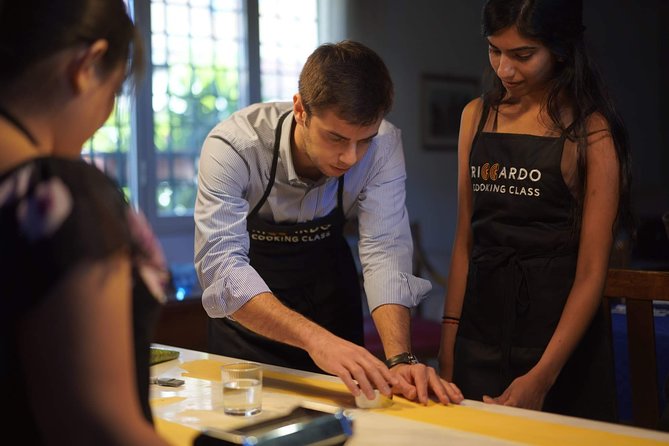
- You make the pasta by hand, including dough, rolling, shaping, and cutting, not just assembling.
- Roman sauce technique is the real lesson, from bold arrabbiata to creamy cacio e pepe or gricia-style options.
- Wine and coffee are included, so the class ends with a proper meal you can enjoy right away.
- Private classes can be customized for gluten-free, vegetarian, or vegan cooking.
- The class stays interactive, with lots of tips that go beyond what you’d find in a cookbook.
A family-style Rome kitchen: where you meet and what the vibe feels like
The class starts near Circonvallazione Gianicolense, 418, 00151 Roma RM, and it ends back at the meeting point. That matters because you are not wandering across the city for a late-night dinner class, then trying to get home afterward. It is also described as near public transportation, which makes it easier to fit into a day that already includes museums and ruins.
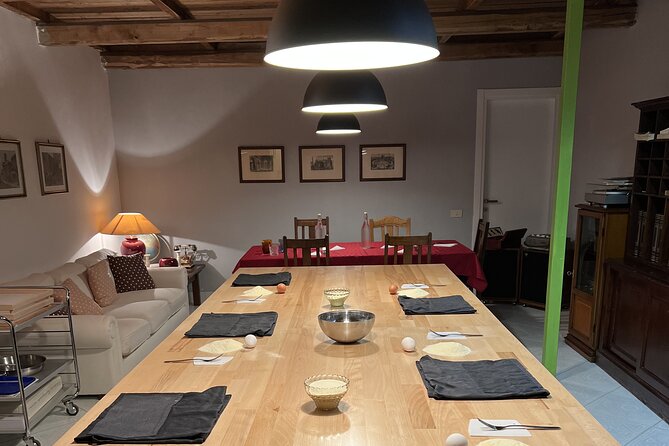
One detail I like is the setting. The experience is described as meeting at Chef Riccardo’s grandma’s house or at The Cooking Lab. Either way, the goal is the same: a warm, working kitchen where you can focus. In practice, small-group formats like this usually mean your questions get answered in real time, and you are more likely to get hands-on practice with the rolling and shaping steps.
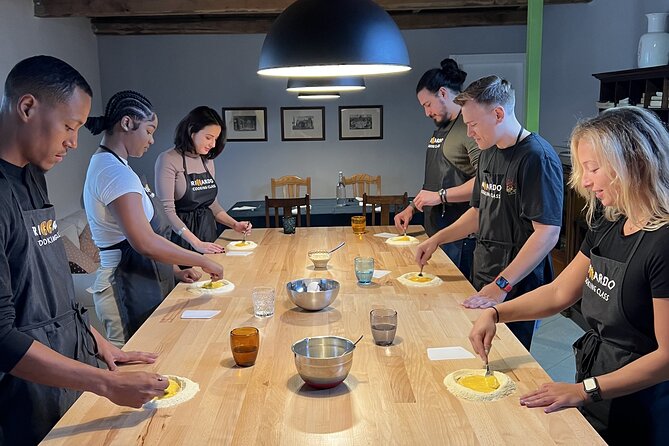
The cap of 10 travelers is key. In a group that small, the chef can actually correct your technique, not just say do this and move on. It also helps the class feel more social, since you end up working close to each other with flour, tools, and ingredients.
Other kitchens rolling pasta and folding tiramisu:
- 3 in 1 Cooking Class near Navona: Fettuccine, Ravioli & Tiramisu
★ 5.0 · 7,376 reviews - Rome: Pasta & Tiramisu Class with Fine Wine by the Vatican
★ 4.9 · 4,852 reviews - Rome: Pasta Making Class with Wine, Limoncello, and Dessert
★ 4.9 · 3,177 reviews - Rome Cooking Class: Make Pasta and 3 Spritz Cocktails
★ 5.0 · 2,937 reviews
Chef Riccardo and the teaching approach: more technique, less guesswork
Chef Riccardo leads the program, and the instructors you might work with can include names like William and Leo, depending on the session. Across the class, the teaching style is very hands-on. You are guided while you do the work, from dough prep through shaping and sauce cooking.
What makes this class feel different from a basic cooking demo is that the instruction is not limited to, do step one then step two. The teaching emphasizes why certain classic Roman sauces turn out the way they do. You also get lots of pro tips, including practical reminders about texture and timing.
One recurring theme in the guidance is cooking by taste, not by measuring every last thing. That is a skill that pays off later. If you go home and try to recreate carbonara, arrabbiata, cacio e pepe, or butter and sage, you will be better at adjusting consistency because you learned what it should look and taste like as you go.
The kitchen setup is also described as clean and organized. That sounds basic, but it is huge when you are learning rolling, cutting, and sauce handling. You want good tools and clear workspace, so you are learning pasta, not fighting logistics.
What you make: Roman pasta shapes and a sauce lineup with real range
This class is built around hands-on pasta plus a set of famous Roman sauces. The exact combination can vary, but you can expect a traditional mix of shapes and flavors.
Pastas you’ll likely make
You can make traditional Italian pasta such as:
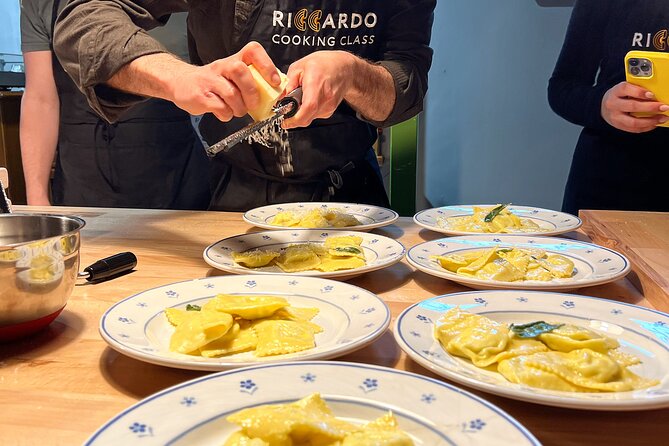
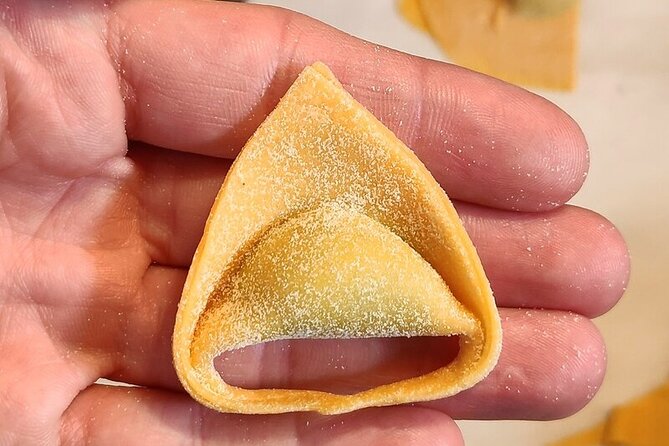
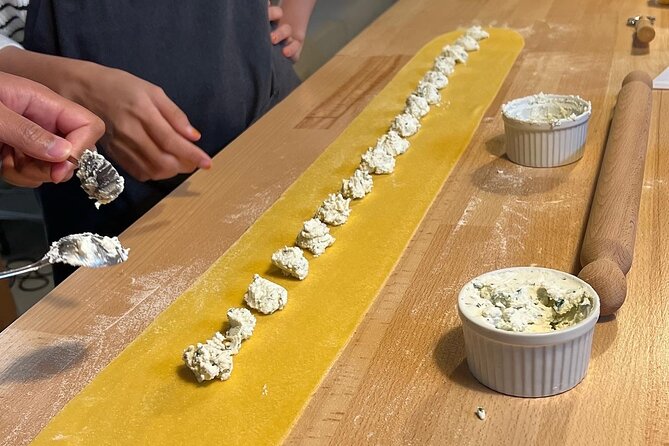
- ravioli (including ricotta-filled ravioli in the sample menu)
- fettuccine
- spaghetti alla chitarra
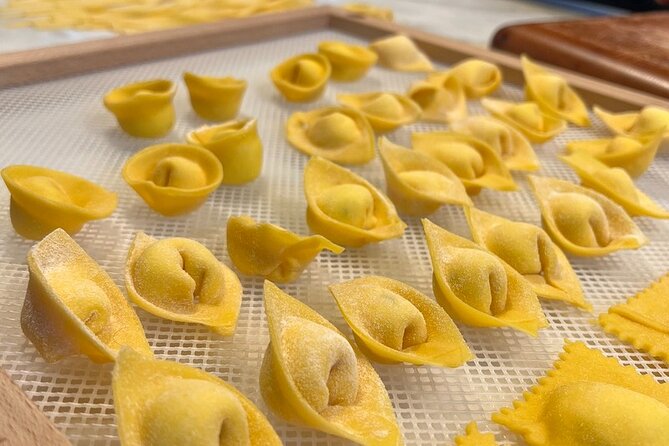
- and options like tortellini and cappelletti are mentioned as part of the broader traditional lineup
From the sample menu and the class structure described, a common pattern is that you cover multiple pasta types in one session, not just one.
Sauces you’ll learn
The sample menu calls out:
- Carbonara
- Arrabbiata
- Butter and sage (often paired with the earlier ravioli)
And from the way the class is described and the teaching notes, you may also see cacio e pepe or gricia-style sauce in the mix, with versions tailored by preference such as vegetarian. That is a smart approach because Roman cuisine has classics that naturally fit vegetarian cooking when you choose the right sauce style.
Here’s why that sauce range matters. Carbonara teaches richness and how to build creaminess without turning it into something heavy. Arrabbiata is your lesson in heat and balance, using chili and tomato in a way that still tastes bright. Butter and sage is simple but precise, and it trains you to treat “simple” as technique, not as a shortcut. And if you get cacio e pepe or gricia-style options, you’ll learn a cheese-and-pepper rhythm that is famously easy to mess up if you do it by formula.
In short, you get pasta skills plus sauces that teach you different cooking habits.
More Lazio bottles opened near Rome:

How the 3-hour class typically flows, from flour to fork
The class runs about 3 hours. The experience is set up like a coordinated cooking session, not a rushed conveyor belt.
A typical flow goes like this:
1) Start with meeting and getting oriented
You arrive at the listed meeting point and you get instructions on what you’re making. The class is small, so the chef can guide each station and adjust for your comfort level.
2) Hands-on pasta production
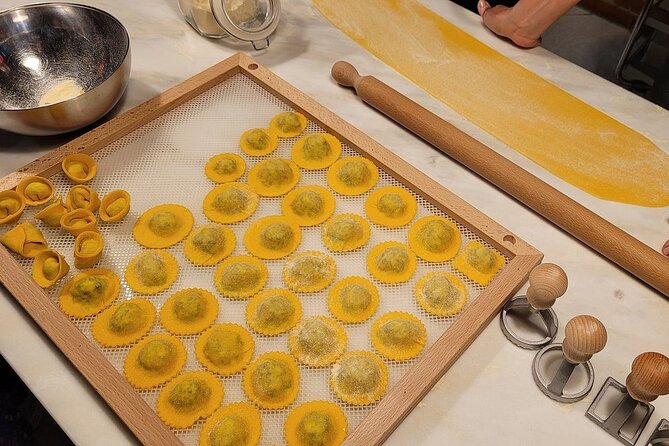
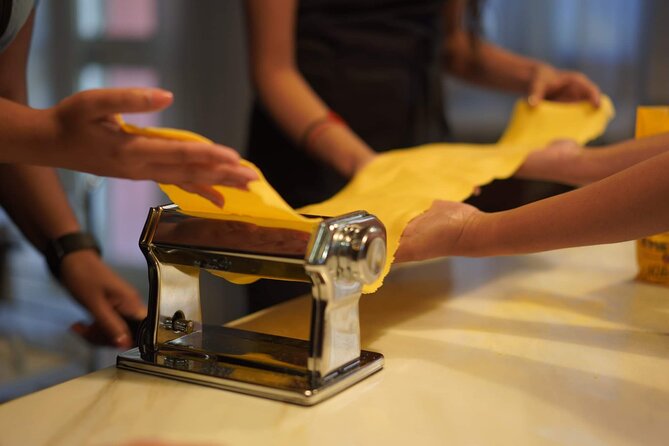
You make fresh pasta from scratch. Based on the descriptions and the way the pastas are chosen, you should expect dough work, rolling, shaping, and cutting. If you make ravioli, that adds a stuffing and sealing step too.
This is where the teaching really earns its keep. The chef can correct thickness when you roll, show how to handle shapes, and help you avoid common mistakes like uneven dough or overworking the dough.
3) Cook the sauces alongside your pasta
As your pasta takes shape, you move into sauce prep. Carbonara, arrabbiata, and butter and sage are all part of the sample menu, and the session is designed so you can work through all the sauces while the pasta is cooking.
4) Cheese and drinks often kick off the session
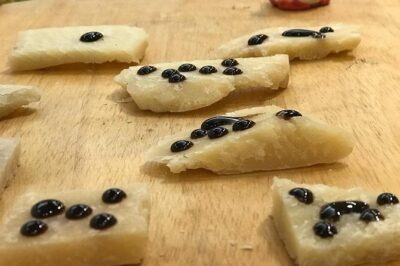
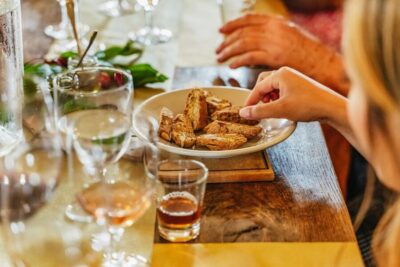
One class description in the feedback mentions cheese tasting and prosecco early on. Even if every session is not identical, you should expect a welcoming start to the meal portion because wine is complimentary with the pasta.
5) Sit down and eat what you made
This part is built in. You get to enjoy the fruits of your labor, and the meal includes complimentary wine and coffee. That is one of the best reasons to do an all-in cooking class like this in Rome. You do not just learn, you immediately taste how the techniques work.
6) Leave with recipes
Some participants report receiving a recipe book for the pasta and sauces by mail after the class. Even when details vary by session, you should expect to take home recipe guidance so you can recreate your favorites.
Dietary needs and private upgrades: where this class is genuinely flexible
If you care about gluten-free, vegan, or vegetarian cooking, this is one of the biggest reasons the class earns strong recommendations.
The class indicates that there is a vegetarian option, and the broader menu can be adjusted. Most importantly, it offers an upgrade to a private class, where the menu can be customized for gluten-free, vegetarian, or vegan needs.
That matters because pasta is ingredient-dependent. Gluten-free pasta usually needs a different approach, and vegan sauces may swap dairy components or change how texture is created. In a private setup, you are more likely to get a plan that matches what you need rather than a one-size-fits-all compromise.
If you book, tell the organizer about allergies and dietary restrictions. The information you provide helps the chef plan the menu and ingredient list. That is worth doing even if you think your needs are minor.
Price and value: why $95.53 feels fair for this format
At $95.53 per person for about 3 hours, this is not the cheapest thing in Rome. But it is also not a bare-bones, quick lesson. The price is tied to a full experience: you make the pasta, learn classic sauces, and then eat a meal you cooked yourself.
Here’s where the value comes from:
- Small group size (max 10) means you actually get instruction and feedback while you work.
- Food and drinks are included through a complimentary meal with wine and coffee.
- You learn multiple pasta and sauce components, not just one demo dish.
- You can take techniques home, especially the coaching on timing and tasting, not only the recipe steps.
Also, the class is often booked about 44 days in advance on average. That is a useful signal. If you’re traveling during peak weeks, booking ahead helps you lock in the session you want, especially if you need a specific dietary setup or want to consider a private upgrade.
Who should book this class, and who should skip or upgrade
This class is a great fit if you want a hands-on food experience that feels like Rome, not like a generic cooking show. It also works well across skill levels. The teaching approach is described as suitable for both beginners and more confident home cooks, which makes it ideal if you are traveling with someone who is less comfortable in the kitchen.
I’d especially recommend it if:
- you like learning technique, not just eating
- you want an activity that ends with a full meal
- you prefer smaller groups over big bus-style tours
- you want Roman sauces, not just any Italian cooking
Where it may not fit perfectly:
- If you want a quiet, sit-back-and-watch activity, the hands-on format may feel like a lot of work.
- If you are very sensitive to alcohol, remember wine is complimentary with the meal, so plan accordingly.
- If your diet is complex, consider the private upgrade so the menu can be customized (gluten-free, vegetarian, vegan).
Tips to get the best results, even when you’ve never made pasta before
If you want this class to pay off at home, focus on a few things during the session:
1) Pay attention to texture
You are told to cook by taste, and pasta dough quality and sauce consistency are big examples. When the chef talks about what “right” feels like, treat that like your North Star.
2) Use the chef’s pro tips right away
You will likely get tool tips, rolling tips, and sauce handling tips that matter immediately. If something clicks, try it on your next step instead of saving it for later.
3) Ask questions while you are doing the work
The sessions described emphasize interaction and openness. If you wonder about substitution, thickness, or sauce behavior, ask in the moment. It is much easier to correct technique when you are mid-process.
4) Come hungry, then pace yourself
You eat what you make, with wine and coffee. That is fun, but it also means you might get full faster than you expect from nibbling “samples.”
5) Wear comfortable clothes
There is flour. There are sauces. You will be using your hands a lot. Comfortable clothing keeps the focus on cooking instead of adjusting your outfit.
Should you book Riccardo’s Rome Pasta Class?
I think you should book it if you want a real, practical Rome food experience and you like doing the cooking yourself. The small group size, hands-on pasta making, and the Roman sauce lineup are a strong combo, and the included wine and coffee turn the lesson into a satisfying meal.
I’d pass or switch to a private class if you need special dietary accommodations that go beyond a typical vegetarian swap, or if you want a more tailored menu and pace. And if you hate structured activities, remember this is a focused 3-hour cooking block, not a quick wander-and-snack.
If your goal is to leave Rome with techniques you can repeat at home, this is one of the better bets in the city.
FAQ
How long is the Rome pasta making class?
It runs for about 3 hours.
How many people are in the class?
The experience has a maximum of 10 travelers.
Where does the class start and where does it end?
It starts at Circonvallazione Gianicolense, 418, 00151 Roma RM, Italy, and it ends back at the meeting point.
What language is the class taught in?
The class is offered in English.
What food and drinks are included?
You make fresh pasta and enjoy your meal together with complimentary wine and coffee.
What types of pasta and sauces should I expect?
You can make traditional Roman pastas like ravioli, fettuccine, tortellini, cappelletti, and spaghetti alla chitarra. The sample menu highlights ricotta filled ravioli, carbonara, arrabbiata, butter and sage, plus fresh handmade fettuccine.
Can the class accommodate dietary restrictions?
Yes. The class includes vegetarian options and says private classes can be customized for gluten-free, vegetarian, or vegan menus. Let them know your allergies or dietary restrictions when booking.
Can I upgrade to a private class?
Yes, there is an upgrade option to a private class for a customized menu (including gluten-free, vegetarian, or vegan options).
What is the cancellation policy?
Free cancellation is available. You can cancel up to 24 hours in advance for a full refund. If you cancel less than 24 hours before the start time, the amount paid is not refunded.
Do I get anything to take home?
You should receive recipe information. Some participants report receiving a recipe book for the pasta and sauces by mail after the class.
Roman Kitchens to Cook In
- Rome: Pasta & Tiramisu Cooking Class near the Spanish Steps
★ 4.8 · 1,395 reviews - Rome: Traditional Pizza Cooking Class near Piazza Navona
★ 4.7 · 1,241 reviews - Rome: Combo Pizza and Pasta Cooking Class with Wine
★ 4.6 · 1,180 reviews - Rome: Pasta Making with Wine Tasting and Dinner in Frascati
★ 4.9 · 979 reviews
A Roman Bench for the Morning
- Rome: 3-in-1 Fettuccine, Ravioli, and Tiramisu Cooking Class
★ 4.9 · 2,704 reviews - Rome: Fettuccine Pasta Cooking Class in Rome’s City Center
★ 4.8 · 2,414 reviews - Become a Masterchef in Rome: Pasta, Ravioli and Tiramisù Class
★ 5.0 · 2,156 reviews - Fettuccine & Tiramisù: Cooking Class with Wine & Limoncello
★ 4.9 · 2,103 reviews
Latest additions from Rome
- Guided Tour Vatican Museums & Sistine Chapel★ 4.1 · 30 reviews
- Exclusive Rome by Night Vespa Tour★ 5.0 · 30 reviews
- Transfer Rome to Airports★ 4.5 · 30 reviews
- Vatican: St.Peter’s Basilica & Dome – Reserved Entry & Tour★ 4.1 · 30 reviews
- Tivoli, Hadrians Villa and Villa d’Este, a charming day trip from Rome★ 4.5 · 30 reviews
- Rome street art tour: off the beaten path with a local guide★ 5.0 · 30 reviews
- Rome Food Tasting with Wine Pairing Italian Authentic Flavors★ 5.0 · 31 reviews
- Inspirational Cooking on the Roman Chef’s Panoramic Terrace★ 5.0 · 30 reviews
Pasta and Tiramisu Cooking Classes, compared.
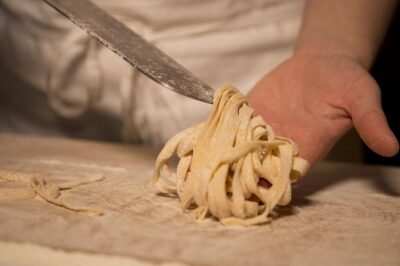
3 in 1 Cooking Class near Navona: Fettuccine, Ravioli & Tiramisu
Read our review →
Pasta & Tiramisu Class with Fine Wine by the Vatican
Read our review →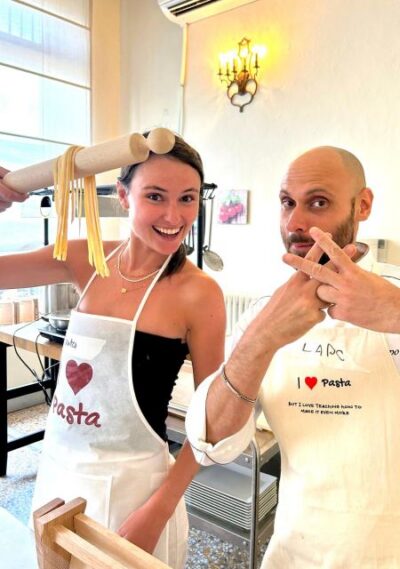
Pasta Making Class with Wine, Limoncello, and Dessert
Read our review →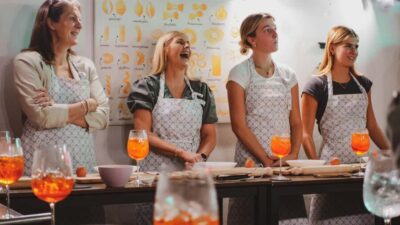
Rome Cooking Class: Make Pasta and 3 Spritz Cocktails
Read our review →
3-in-1 Fettuccine, Ravioli, and Tiramisu Cooking Class
Read our review →
Fettuccine Pasta Cooking Class in Rome’s City Center
Read our review →
Learn to Make Pasta & Tiramisu with Wine and Limoncello Included
Read our review →
Become a Masterchef in Rome: Pasta, Ravioli and Tiramisù Class
Read our review →Browse the lists this tour appears in