
Reviewed · COOKING CLASSES
Rome & Milan: Cooking class & wine pairing at Come Na Vorta
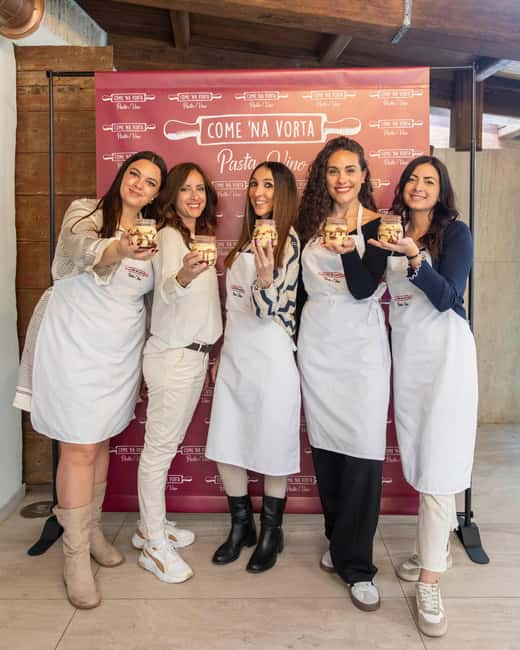
Fresh pasta starts with your hands. This class at Come Na Vorta turns pasta skills into a fun, social meal, either in Trastevere (Rome) or the Navigli (Milan). I especially like the focus on family technique and the chance to learn how to shape fettuccine and gnocchi, not just follow steps.
The big watch-out is wine choices and pacing. You get Prosecco and bruschette throughout, and then your extra wine amount depends on the booking option, so go in expecting a relaxed, food-forward 3-hour stretch (not a quick culinary demo).
In This Review
- Key highlights at a glance
- Cooking and wine in Trastevere or Navigli
- What you actually make, fettuccine, gnocchi, and tiramisù
- The start of class, Prosecco, bruschette, and getting comfortable
- Sauce choices and cooking your pasta like locals
- Wine pairing options, Bronze, Silver, Gold, and what’s included
- Hosts and language, and why the right guide matters
- Price and value, why $77 can be a solid deal
- Your 3-hour flow, step by step
- Who this experience suits best
- Tips to make the class easy, tasty, and stress-free
- Should you book Come Na Vorta?
- FAQ
- Where does the class take place in Rome and in Milan?
- How long is the cooking class?
- What do I learn to make?
- Is wine included?
- What’s included in the meal?
- What languages is the class offered in?
Key highlights at a glance
- Trastevere or Navigli setting: Rome in the popular Trastevere area, or Milan in the lively Navigli
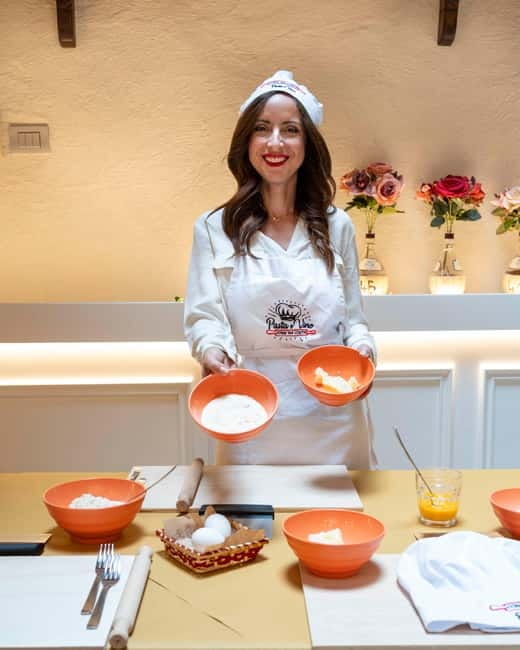
- Hands-on pasta making: you make fresh fettuccine and gnocchi from scratch
- Tiramisu training: you learn variations of this dessert, not just how to assemble one version
- Prosecco and bruschette during the class: included, plus water
- Wine pairing options: from one glass to two glasses depending on Bronze, Silver, or Gold
Cooking and wine in Trastevere or Navigli
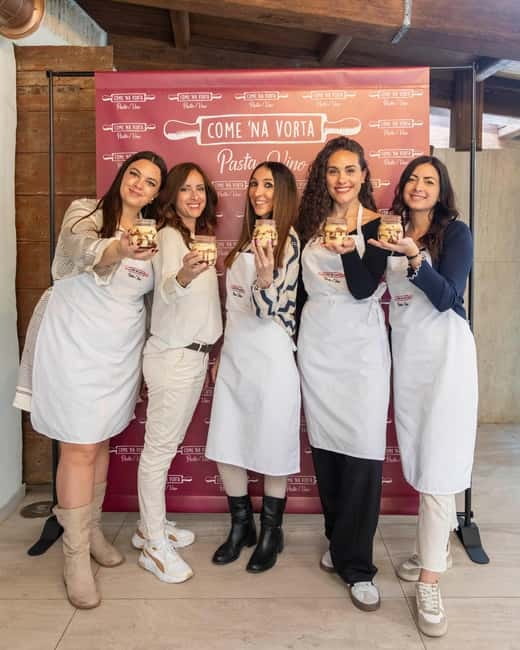
This experience is simple in concept and satisfying in execution. You learn pasta from a century-old family business, then you sit down and eat what you made, with wine pairing built into the flow. It is the kind of class that treats cooking like a social event, not a performance.
Come Na Vorta runs in two cities. In Rome, you meet in or near Trastevere at a family-owned restaurant. In Milan, it’s in the Navigli area, known for its lively atmosphere, so you can build the day around a proper night-out vibe.
The group stays small, and the class runs about 3 hours total. Expect around 2 hours working on the dough and shaping, then time for eating and dessert.
More Lazio bottles opened near Rome:
- Rome: Tuscany & Montepulciano Day Trip with Lunch & Wine Tasting
★ 4.5 · 5,232 reviews - Rome: Pasta & Tiramisu Class with Fine Wine by the Vatican
★ 4.9 · 4,852 reviews - Rome Food Tour: Unlimited Tastings with Fine Wine & Barolo
★ 5.0 · 3,365 reviews - Rome: Pasta Making Class with Wine, Limoncello, and Dessert
★ 4.9 · 3,177 reviews
What you actually make, fettuccine, gnocchi, and tiramisù
You do not leave with a vague sense of pasta. You leave with three real food wins: fresh fettuccine, gnocchi, and tiramisù. Even if you’ve cooked before, this is a chance to learn the “why” behind texture and shape.
Fresh pasta hands-on time is the heart of the experience. You start with dough work under an expert host, then you learn different pasta shapes and how to recognize quality ingredients. The goal is not just to make food. It’s to learn what signals good dough and well-shaped pasta.
For gnocchi, the class focuses on getting it right enough that you can tell when it’s perfect. That matters, because gnocchi quality depends on technique and feel more than on strict measuring.
Then comes dessert. You make tiramisù from scratch and learn variations that guests tend to love. That’s a smart inclusion, because tiramisù can be intimidating if you’ve only seen it assembled from store-bought ingredients.
The start of class, Prosecco, bruschette, and getting comfortable
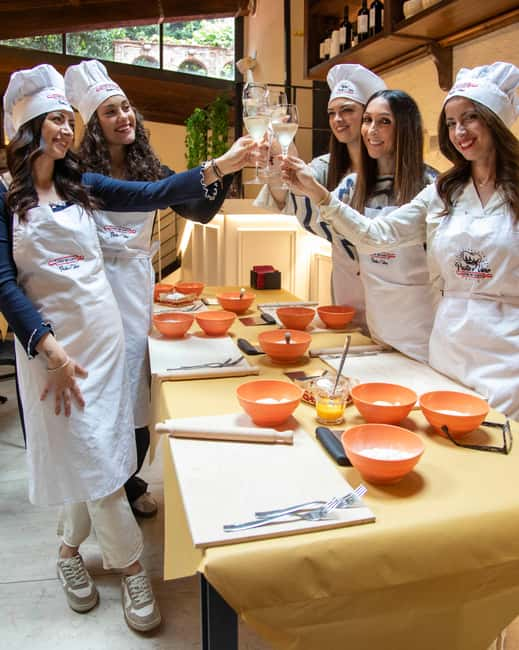
Most pasta classes begin in a classroom mood. This one starts like you’re dropping into an Italian dinner plan. You begin with Prosecco, and you get bruschette along the way.
This matters for two reasons. First, it keeps the class upbeat while your hands are learning new motions. Second, bruschette with extra virgin olive oil is a quick flavor anchor, so you understand where the meal is going before you even cook.
Between dough steps, you snack and keep the energy up. You also get water, which makes the pacing feel more human. Think of it as a gentle transition from aperitivo to cooking mode.
Sauce choices and cooking your pasta like locals
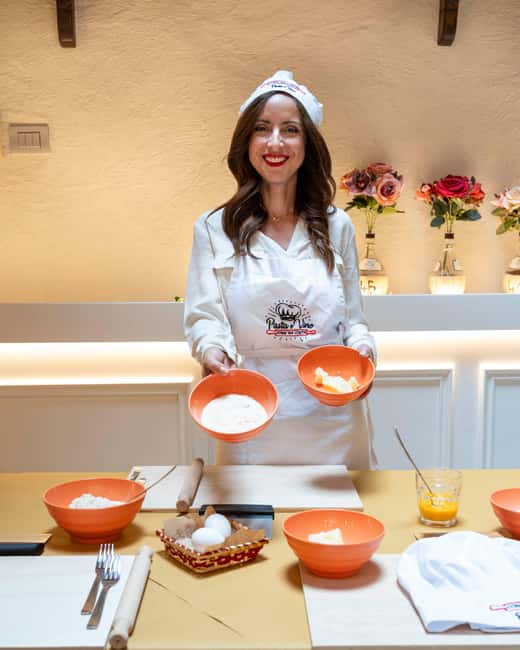
Once your fettuccine and gnocchi are ready, you move into the cooking and plating phase. The class includes cooking your pasta with traditional Roman sauces, and you get to choose the sauces for your meal.
This part is where the class turns from “technique lesson” into “you actually ate like you meant it.” It’s also a good moment to ask questions because you can connect what you did with how it tastes.
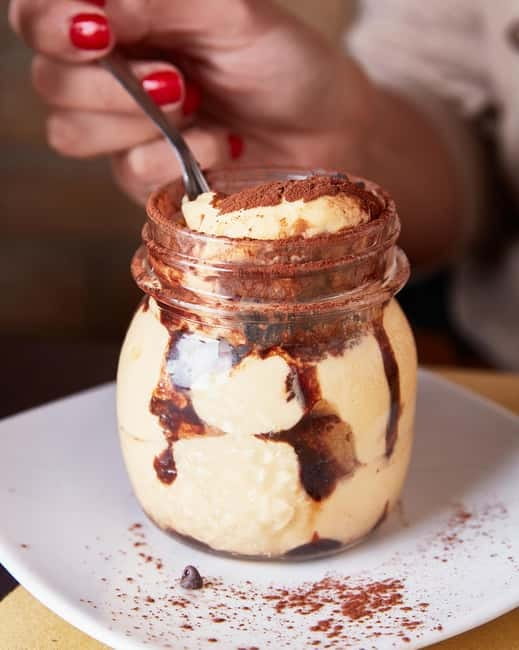
Then you finish with your homemade tiramisù. Everyone gets one tiramisu each, so it’s not a shared dessert tray. That’s useful if you’re coming with people you want to share a moment with, without the awkwardness of negotiating slices.
Wine pairing options, Bronze, Silver, Gold, and what’s included
Wine in Italy is often a big deal. Here, it is structured in a way that fits different budgets and different alcohol comfort levels.
Your wine pairing depends on the option you book:
- Bronze: one glass of locally produced popular wine
- Silver: two glasses of traditional Italian wines, such as Chanti and Chardonnay
- Gold: two glasses of prestigious Italian wines, such as Brunello di Montalcino and Amarone della Valpolicella
No matter which option you choose, Prosecco is included during the class, and bruschette are included too. That’s a key value point, because it means you’re not just buying access to an ingredient prep lesson.
If you tend to sip rather than drink, Bronze plus the included Prosecco may feel like a good balance. If you’re a confident wine person, Silver or Gold makes the meal feel more like a guided pairing dinner.
Other Roman benches to work at for a morning:
Hosts and language, and why the right guide matters
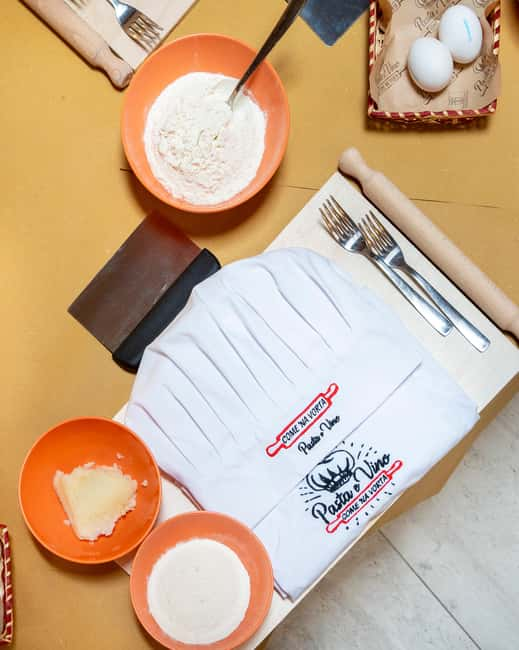
In a hands-on class, the host is everything. This one is led by an expert host who guides you through each step and answers your questions. You also get aprons and pasta maker hats, which sounds like a small detail until you realize it makes people actually participate instead of hover.
Language is handled thoughtfully. The class can run in English, Italian, or Spanish. If your booking is from multiple countries, the class will automatically be held in English, which helps when your group is international.
The names Lorenza, Alice, and Luciana come up in people’s experiences, with praise for friendliness and professionalism. That kind of guide energy matters, because pasta can feel finicky. When your host is patient and clear, the whole class stops feeling stressful and starts feeling fun.
Price and value, why $77 can be a solid deal
At $77 per person, you’re paying for more than pasta dough. You’re paying for three things at once: instruction, a full meal you cook and eat, and beverage support.
Here’s what your money covers, based on what’s included:
- Prosecco and bruschette with extra virgin olive oil during the class
- Water
- One or two glasses of wine, depending on your Bronze, Silver, or Gold option
- Two pasta dishes per guest with sauces of your choice
- One tiramisu per guest
- Recipes booklet to download, plus a participation certificate
- Aprons and pasta maker hats
For many visitors, buying pasta ingredients at home would not get you this level of guidance and the full sit-down meal experience. And if you’re choosing between a cooking class and a dinner, this is more efficient than doing them separately.
One note to keep expectations realistic: it’s not an all-day food binge. The schedule is tight for a reason, so you’ll be busy hands-on early, then you get the reward of eating what you made.
Your 3-hour flow, step by step
Here’s the practical rhythm you can expect.
You start with Prosecco and bruschette. It’s a pre-cooking warm-up and a social icebreaker, so you’re not standing around once you arrive.
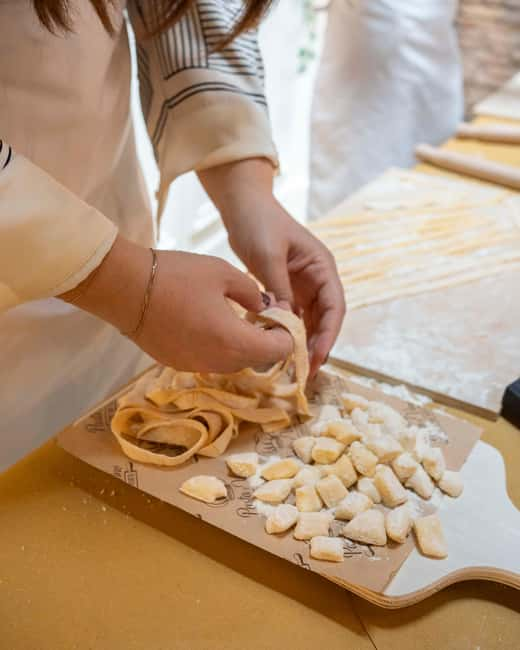
Then you roll up your sleeves and begin pasta work. You knead and shape fettuccine and gnocchi with guidance from the host. Along the way, you learn how to recognize quality ingredients and how different shapes should look.
After you get your pasta ready, you shift to cooking it with the traditional Roman sauces you select. Then the whole group eats together. This is an important part, because you get to compare your results with the pace of the class and enjoy the meal as a shared event.
Finally, you make and enjoy tiramisù. The class also covers tiramisù variations, so it feels like dessert instruction with a point of view, not just a quick final assembly.
Who this experience suits best
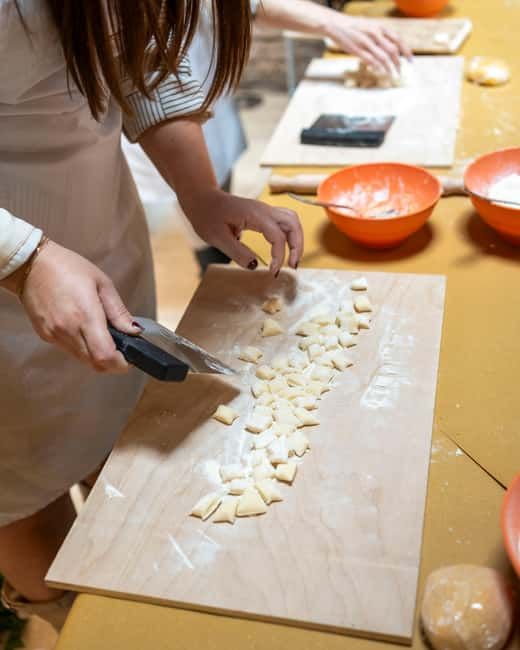
This class fits a lot of different travel styles, because the structure is social but not chaotic.
- Couples: it’s a fun date because you learn something together and then eat together
- Families: the hands-on steps and group meal make it easier to bond than a museum day
- Solo travelers: small group format helps you meet people and keep the conversation moving
- Team building: it’s one shared task, then a shared meal, which is usually more effective than random icebreakers
If you’re the kind of traveler who likes food but also likes context, you’ll appreciate the family tradition angle and the focus on passed-down techniques. You do get enough storytelling to feel grounded, without it turning into a lecture.
If you want a quiet, reflective experience, this may not feel like that. It’s more lively, more participatory, and designed for group energy.
Tips to make the class easy, tasty, and stress-free
A little planning helps you enjoy the full 3 hours.
First, arrive hungry but not frantic. You’ll be eating during the class, and then you’ll sit down for the main meal you made.
Second, treat the wine options as part of your day plan. Prosecco is included throughout, and the extra wine is tied to Bronze, Silver, or Gold. If you’d rather keep it light, choose Bronze and enjoy the food first.
Third, lean into the shapes and dough feel instructions. The class is not only about outcomes. The real payoff is learning what makes dough behave and what signals quality.
Finally, use the recipes booklet after. It’s included as a download, so you can recreate your pasta and tiramisù later, without guessing what you did.
Should you book Come Na Vorta?
Book it if you want an authentic Roman-style cooking experience that ends with a real meal, not just a snack and a photo. The combination of hands-on pasta making, tiramisù training, and Prosecco plus wine pairing makes it good value for time-crunched visitors.
Consider skipping or choosing a lighter wine option if you prefer very low alcohol levels during activities. The class is designed to be relaxed and celebratory, so the pacing and beverages are part of the experience.
If you’re deciding between cooking class plus dinner, this one is efficient. You make the food, you eat it, and you learn techniques you can repeat.
FAQ
Where does the class take place in Rome and in Milan?
In Rome, the experience happens at a family-owned restaurant in the Trastevere district. In Milan, it takes place in the Navigli area. The exact meeting point may vary depending on the option booked.
How long is the cooking class?
The experience lasts about 3 hours, with roughly 2 hours spent on preparation and cooking, followed by time to enjoy your meal.
What do I learn to make?
You learn to make fresh pasta items from scratch, including fettuccine and gnocchi. You also make tiramisù from scratch.
Is wine included?
Prosecco and bruschette are included during the class. Wine is included as well, but the amount depends on your booking option: Bronze includes one glass, while Silver and Gold include two glasses.
What’s included in the meal?
You’re served two pasta dishes, with sauces of your choice, plus dessert. Each guest also gets one tiramisu. Water is included.
What languages is the class offered in?
The class can be English, Italian, or Spanish. If guests booked from multiple countries, the class will automatically be held in English. For some specific language groups, you are asked to contact the provider directly.
Roman Kitchens to Cook In
- Fettuccine & Tiramisù: Cooking Class with Wine & Limoncello
★ 4.9 · 2,103 reviews - Rome: Pasta & Tiramisu Cooking Class near the Spanish Steps
★ 4.8 · 1,395 reviews - Rome: Traditional Pizza Cooking Class near Piazza Navona
★ 4.7 · 1,241 reviews - Rome: Combo Pizza and Pasta Cooking Class with Wine
★ 4.6 · 1,180 reviews
Latest additions from Rome
- Rome: Testaccio Market Food Tour with Street Food & Wine★ 5.0 · 8 reviews
- Exclusive Pasta & Tiramisu Class with Wine near by Colosseum★ 5.0 · 8 reviews
- Private Professional Photoshoot in Rome★ 5.0 · 8 reviews
- Loreto “Shrine of the Holy House of the Virgin Mary” Private Tour from Rome★ 5.0 · 8 reviews
- Rome Day to discover Florence and Pisa Hotel Pickup★ 4.5 · 8 reviews
- Rome: Christmas Nativities and Angels Tour★ 3.1 · 8 reviews
- Guided Tour of Vatican Museums and Sistine Chapel★ 5.0 · 8 reviews
- Rome: Cooking Class of fresh Pasta and Tiramisu Cake★ 5.0 · 8 reviews
Cooking Classes, compared.
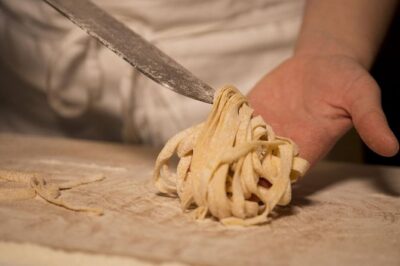
3 in 1 Cooking Class near Navona: Fettuccine, Ravioli & Tiramisu
Read our review →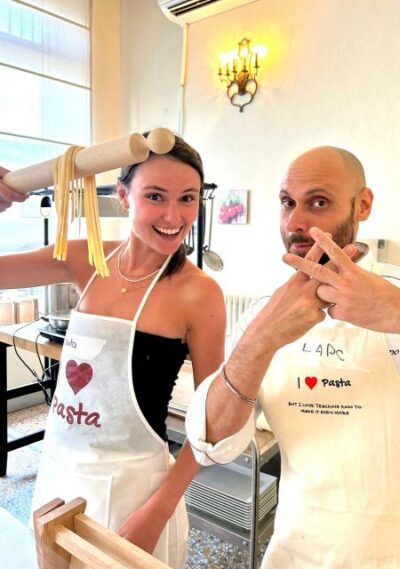
Pasta Making Class with Wine, Limoncello, and Dessert
Read our review →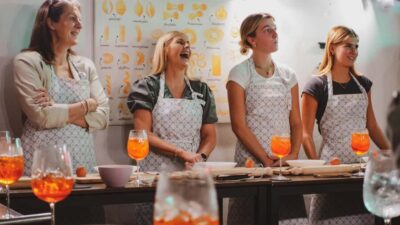
Rome Cooking Class: Make Pasta and 3 Spritz Cocktails
Read our review →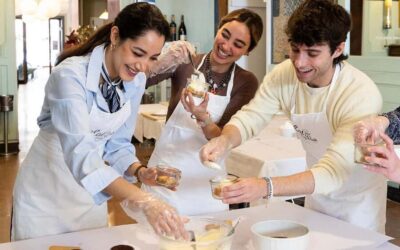
3-in-1 Fettuccine, Ravioli, and Tiramisu Cooking Class
Read our review →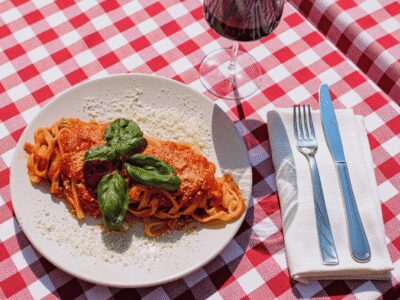
Fettuccine Pasta Cooking Class in Rome’s City Center
Read our review →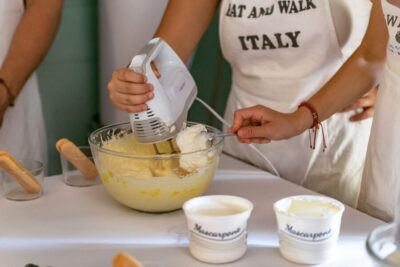
Fettuccine & Tiramisù: Cooking Class with Wine & Limoncello
Read our review →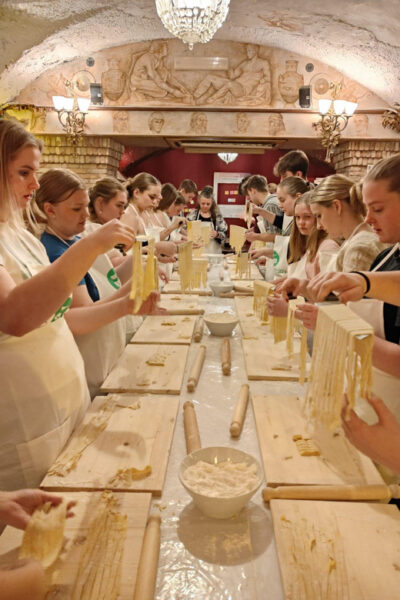
Pasta & Tiramisu Cooking Class near the Spanish Steps
Read our review →
Traditional Pizza Cooking Class near Piazza Navona
Read our review →Browse the lists this tour appears in