
Reviewed · PASTA AND TIRAMISU COOKING CLASSES
Rome: Homemade Pasta and Tiramisu Cooking Class
Fresh pasta beats food photos every time. I love that this Rome class turns cooking into a hands-on pasta and tiramisu session, not a show. You also finish by eating what you make, with a glass of wine that feels like the proper reward.
The one big consideration: this isn’t set up for all diets. It is not suitable for vegans, and it also won’t work for people with gluten intolerance or lactose intolerance.
In This Review
- Key Things You’ll Notice in This Rome Cooking Class
- Where Osteria San Giorgio Fits Into Your Day
- Pasta Time: What You Actually Make (and Why It Feels Roman)
- Picking Ingredients Like a Roman Cook
- Rolling and Cutting Skills You Can Reuse at Home
- Tiramisu Workshop: The Espresso-Dipped Part That Matters
- Eating What You Cook, with Wine That Feels Like Part of the Lesson
- Group Size, Timing, and What to Expect During the 2.5 Hours
- Who Should Book This Class (and Who Should Skip It)
- Price and Value: What $65 Really Buys You
- Practical Tips So You Get the Most Out of It
- Should You Book This Rome Pasta and Tiramisu Class?
- FAQ
- Where is the meeting point for this cooking class?
- How long is the Rome homemade pasta and tiramisu class?
- How much does it cost?
- Is the class taught in English?
- What does the class include?
- What pasta and dessert will I learn to make?
- Is this experience wheelchair accessible?
- Is the class suitable for vegans?
- Is it okay if I have gluten or lactose intolerance?
- Can I get a refund if I cancel?
Key Things You’ll Notice in This Rome Cooking Class
- Hand-cut Roman pasta practice with guidance on pappardelle, tagliatelle, and tonnarelli
- Tiramisu method focused on getting that espresso-dipped dessert just right
- Kitchen time, not lecture time, where you roll, cut, and assemble
- Finish with wine and a sit-down meal in the restaurant where class happens
- English instruction with teachers who also share Rome tips (based on past sessions)
Where Osteria San Giorgio Fits Into Your Day
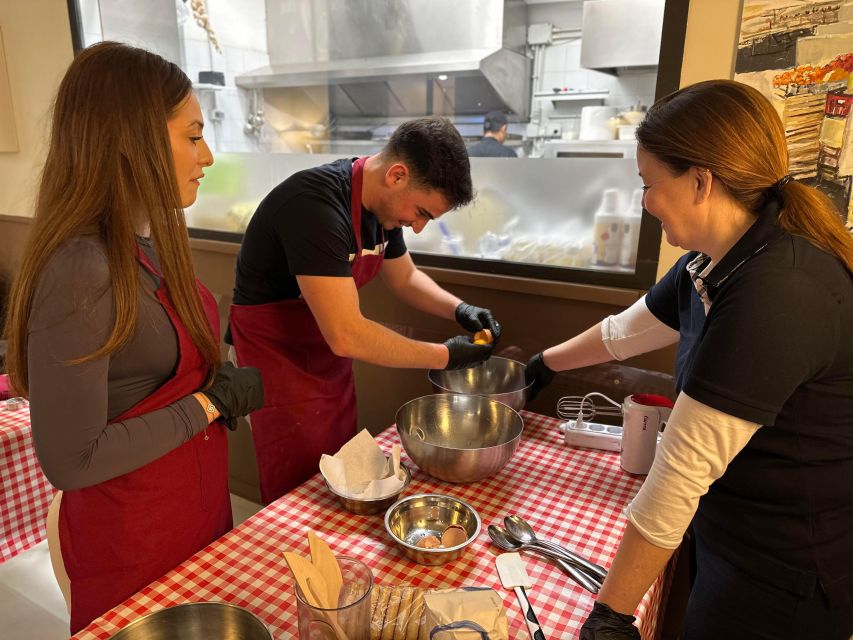
If you are trying to see Rome through more than monuments, this is a smart use of time. The meeting point is Osteria San Giorgio, and that matters because you are not sent to a generic studio. You are working inside a real restaurant setting, which keeps the vibe grounded and practical.
A 2.5 hour class is also the sweet spot. It is long enough to learn the steps, but short enough that you do not lose an entire afternoon to logistics. You can still build the rest of your day around it, whether you want a morning of walking then pasta in the early afternoon, or the classic Rome rhythm of a slower late start.
One detail I like: you get an instructor, English instruction, and all ingredients and utensils provided. That means you are paying for the teaching, not for a scavenger hunt around the city.
Other kitchens rolling pasta and folding tiramisu:
- 3 in 1 Cooking Class near Navona: Fettuccine, Ravioli & Tiramisu
★ 5.0 · 7,376 reviews - Rome: Pasta & Tiramisu Class with Fine Wine by the Vatican
★ 4.9 · 4,852 reviews - Rome: Pasta Making Class with Wine, Limoncello, and Dessert
★ 4.9 · 3,177 reviews - Rome Cooking Class: Make Pasta and 3 Spritz Cocktails
★ 5.0 · 2,937 reviews
Pasta Time: What You Actually Make (and Why It Feels Roman)
This is a Rome pasta class with real technique, not just shaping. You will learn how to make pasta using the classic hands-on workflow: mixing flour and water, kneading dough, rolling, and hand-cutting. Then you will practice the differences among pappardelle, tagliatelle, and tonnarelli.
Those pasta names can sound like menu trivia until you are holding the dough. When you cut by hand, you start to understand how the shapes change the experience of eating and the look of a finished plate. And because the class is built around multiple varieties, you are not stuck making just one simple noodle shape.
I also appreciate that the experience includes the cultural side. The format is not only instructions, it also includes history and the meaning of food in Italy. That context helps the skills stick. You are not memorizing steps. You are understanding why the steps matter.
From past sessions, the teaching style can be very personal. In particular, I saw instructors named Kristian, Luca, Christian (including Christian Simeoni), and Elisabeth (also written as Elisabeta or Elisabetta) mentioned for being friendly and interactive. That usually means you get time for questions, and you are more likely to leave with confidence rather than vague enthusiasm.
Picking Ingredients Like a Roman Cook
A cooking class can fall into two traps. It either treats ingredients as props, or it assumes you already know what good looks like. This one tries to avoid both.
You get insider tips on picking premium ingredients for authentic cooking. That is valuable because it is the difference between making pasta that is only okay and making it taste like you have your bearings in Italy. You also learn tricks for sourcing the best ingredients, which is exactly what you want when you are back home trying to recreate the flavors with different store options.
A practical angle here: ingredients are not just about taste. They affect texture and how the dough behaves when you knead and roll. So the guidance on quality and selection connects directly to the hands-on part of the class.
Also, since all ingredients and utensils are provided, you do not need to bring anything except curiosity. That lowers the risk if you are new to cooking or if you are worried about packing supplies while traveling.
Rolling and Cutting Skills You Can Reuse at Home
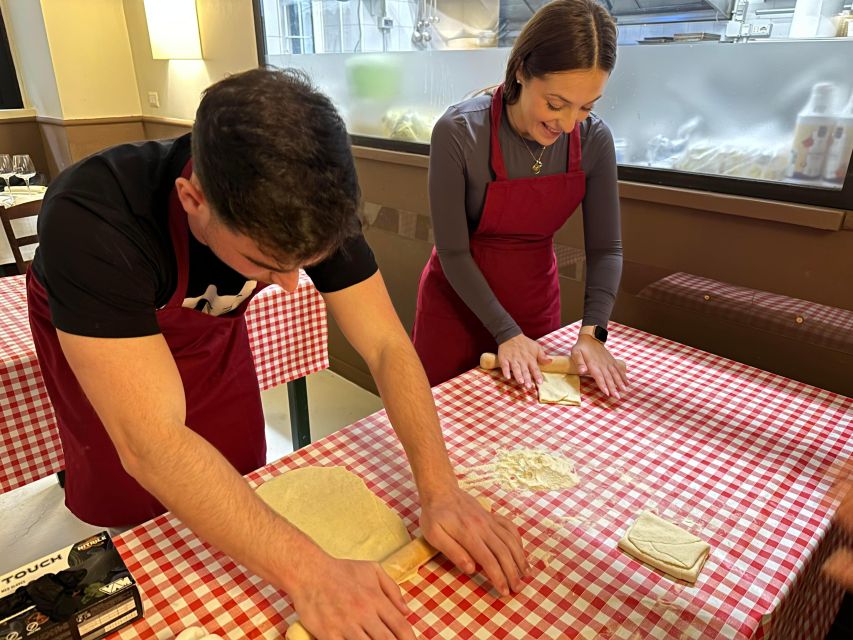
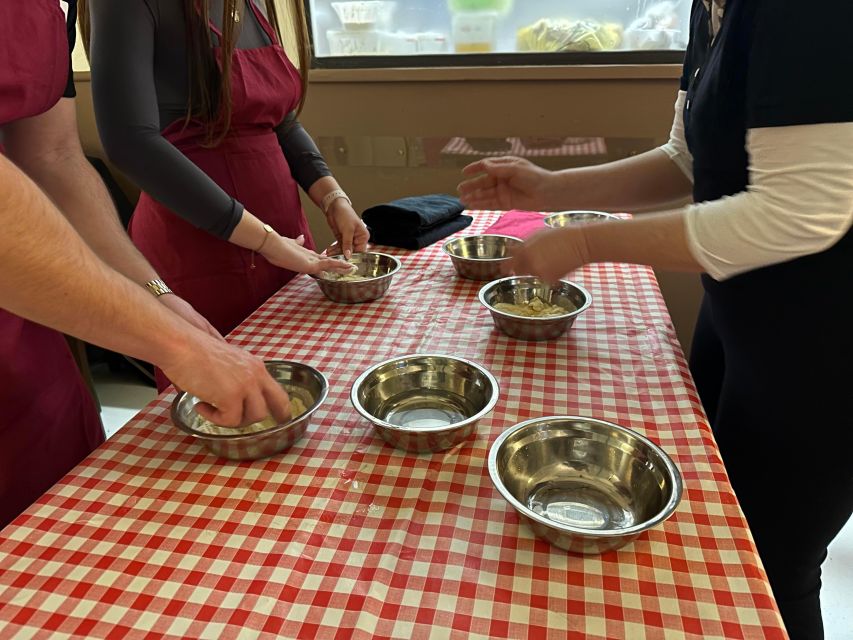
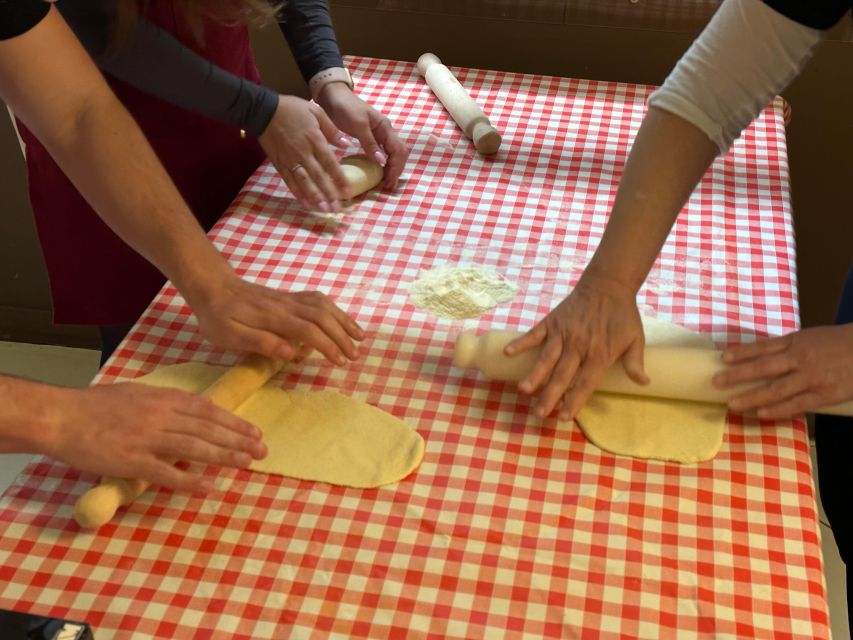
The heart of this class is muscle memory. You roll and cut by hand, then see how the shapes come together. That is where the learning becomes real.
What you learn is specific:
- how the dough is mixed and kneaded
- how the pasta is rolled
- how hand-cut pasta is formed
- how pappardelle, tagliatelle, and tonnarelli differ in the making
This matters for value. A lot of cooking classes end with you taking home a vague idea. Here, you are leaving with steps you can repeat. That means your next pasta night is not a one-time vacation souvenir. It can become a skill you actually use.
One small realism note: if you are sensitive to being watched in a shared kitchen, keep it in mind. One past experience mentioned feeling a bit uncomfortable with the kitchen staff watching while two people cooked. It did not ruin the day, but it is a fair heads-up if you prefer a quieter, more private setup.
Tiramisu Workshop: The Espresso-Dipped Part That Matters
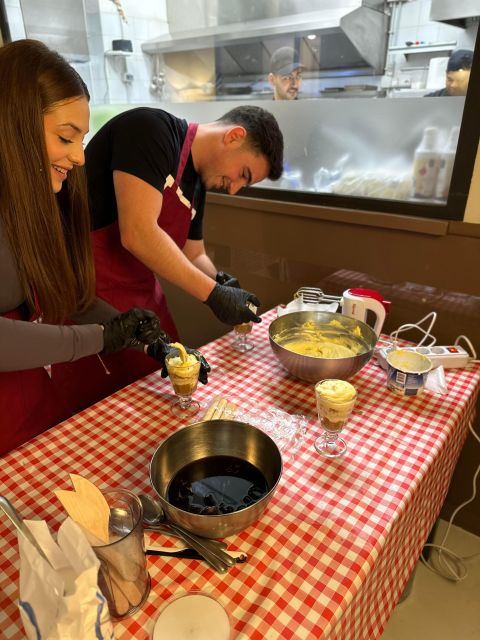
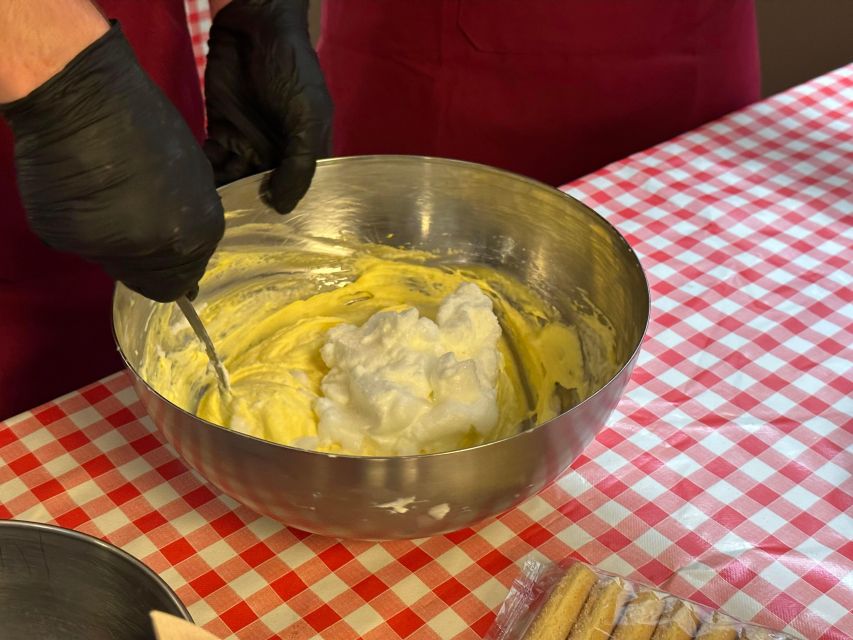
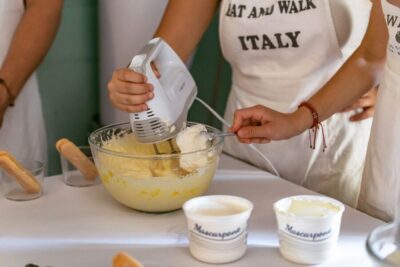
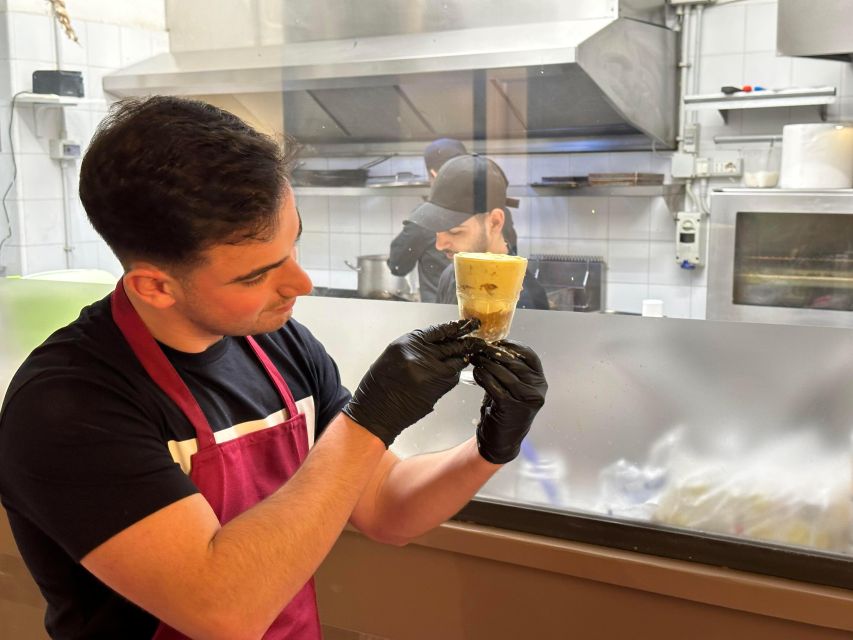
After the pasta work comes the tiramisu. The class focuses on the secret behind making a perfect tiramisu, which is a big promise, but the structure is clear: you learn how to prepare the dessert so it delivers that classic espresso-dipped feel.
Tiramisu is one of those desserts that sounds easy until you have to make it. The payoff in a class like this is not just eating it later. It is understanding the method so you are not guessing. When the instructor walks you through the steps, you get a framework you can reuse later.
And as with the pasta side, instructors in past sessions got high marks for friendliness and for keeping the energy relaxed. Kristian and Christian Simeoni in particular were singled out for being approachable and helpful, with one note that the chef also offered wine advice. Luca and Elisabeth were also praised for clear explanations and patient teaching.
Other Roman benches to work at for a morning:
Eating What You Cook, with Wine That Feels Like Part of the Lesson
The last part is not a snack. You actually dine at the restaurant afterward, eating what you cooked and getting a glass of wine included with the experience.
This is where the experience stops being purely educational and becomes genuinely enjoyable. The pasta you made turns into dinner. The tiramisu turns into dessert. You are not trying to picture the result from memory while you work. You get the payoff immediately.
The wine pairing is also part of the value. You do not have to figure out what to order, and you get a guided taste that matches the meal. In at least one session, the instructor even provided advice on wine, which can be a fun bonus if you like learning how Italians think about pairing.
Group Size, Timing, and What to Expect During the 2.5 Hours
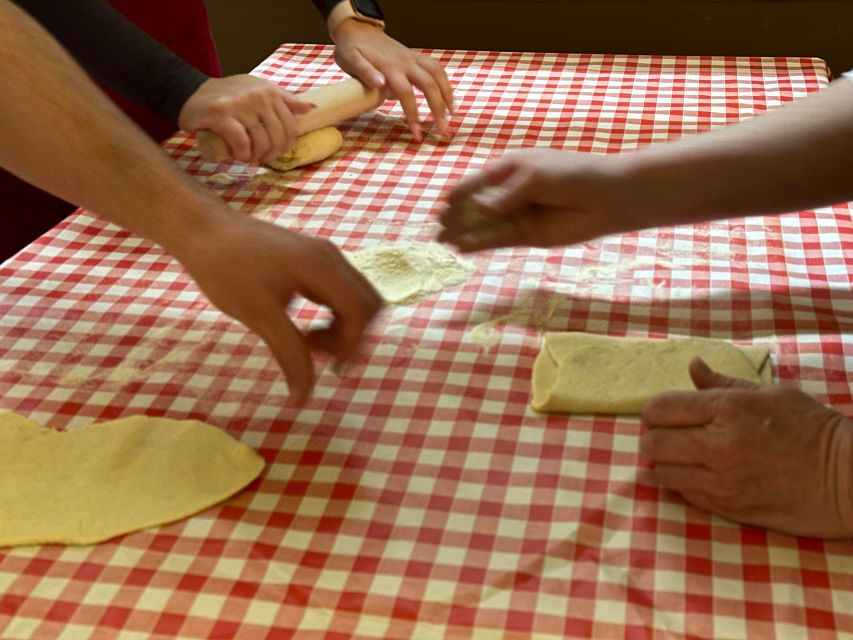
The booking time is fixed by availability, and the class runs 2.5 hours. That structure tends to create a tight rhythm: arrive, get taught, cook hands-on, then eat.
One perk you might get, depending on how many people book, is a more intimate group. In one past session, only two people signed up, and the lesson became essentially private. So if you want a class where you can ask more questions and get more attention, there is a chance your group will be small.
Language is also clear: instruction is in English. That is a big deal in Italy, because it reduces the chance you leave with only half-remembered steps.
Who Should Book This Class (and Who Should Skip It)
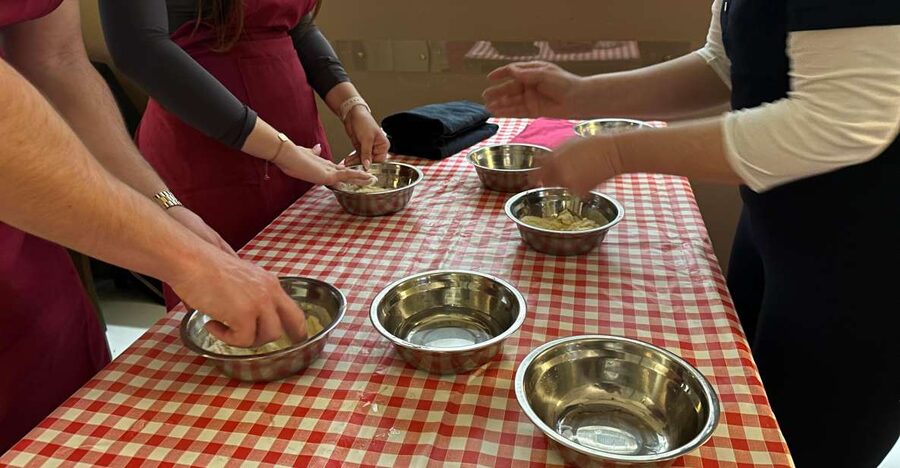
This class is a great fit if you want:
- hands-on pasta making you can repeat at home
- a structured introduction to Roman cooking through both technique and context
- an enjoyable, meal-based ending, with wine included
It may be especially good for couples or friends. Several past experiences sounded like a relaxed, social setup, and in at least one case the couple had a high quality private-lesson feel.
It can also work for families, if your kids can handle a cooking activity. One note mentioned doing the class with two children who enjoyed it.
But skip it if:
- you are vegan
- you have gluten intolerance
- you have lactose intolerance
The class is also not positioned as a gluten-free or lactose-free option based on the stated limitations.
Price and Value: What $65 Really Buys You
At $65 per person for a 2.5 hour experience, the value comes from what is included. You are not just paying for someone to teach you a recipe. You also get all ingredients and utensils, water, and a glass of wine.
That inclusion matters because pasta and dessert classes often quietly add costs. Here, the core expenses are part of the price, so it feels more predictable. You can budget without worrying about what you might need to bring or buy.
You are also paying for teaching time on multiple items: Roman pasta shapes plus tiramisu. If you go home with both skills, the price feels less like a ticket to a single dish and more like an actual cooking investment.
Practical Tips So You Get the Most Out of It
I would treat this like a real working session, not a sightseeing detour.
- Show up ready to handle dough. This class involves kneading, rolling, and hand-cutting.
- Ask questions while you are working. The lessons tend to be interactive, and past instructors were praised for being friendly and involved.
- Expect the lesson to run on Rome time. If you are planning a big day of walking, give yourself some buffer so you are not rushing in.
- If you care about wine or pairing, it is worth asking what you should taste first and why. Some instructors have offered wine guidance in prior sessions.
Should You Book This Rome Pasta and Tiramisu Class?
Yes, if you want a memorable Rome moment that is active, tasty, and skill-based. You get a focused pasta and tiramisu workshop in a real restaurant setting at Osteria San Giorgio, plus a meal and wine at the end. It is also a strong choice if you enjoy learning from an instructor who is personable and willing to explain.
No, if dietary restrictions apply, because it is not suitable for vegans, or for people with gluten or lactose intolerance. And if you hate the idea of a shared kitchen environment where others might be working nearby, consider that some sessions involve kitchen staff close by while you cook.
If you fit the diet and comfort box, booking this is a smart way to turn Rome food into something you can make again.
FAQ
Where is the meeting point for this cooking class?
The meeting point is Osteria San Giorgio.
How long is the Rome homemade pasta and tiramisu class?
The duration is 2.5 hours.
How much does it cost?
The price is $65 per person.
Is the class taught in English?
Yes, the instructor provides instruction in English.
What does the class include?
It includes the cooking class, the instructor, all ingredients and utensils, water, and a glass of wine.
What pasta and dessert will I learn to make?
You will learn about pasta varieties including pappardelle, tagliatelle, and tonnarelli, and you will also prepare tiramisu.
Is this experience wheelchair accessible?
Yes, it is listed as wheelchair accessible.
Is the class suitable for vegans?
No, it is not suitable for vegans.
Is it okay if I have gluten or lactose intolerance?
No, it is not suitable for people with gluten intolerance or lactose intolerance.
Can I get a refund if I cancel?
Yes. You can cancel up to 24 hours in advance for a full refund.
Roman Kitchens to Cook In
- Rome: Pasta & Tiramisu Cooking Class near the Spanish Steps
★ 4.8 · 1,395 reviews - Rome: Traditional Pizza Cooking Class near Piazza Navona
★ 4.7 · 1,241 reviews - Rome: Combo Pizza and Pasta Cooking Class with Wine
★ 4.6 · 1,180 reviews - Rome: Pasta Making with Wine Tasting and Dinner in Frascati
★ 4.9 · 979 reviews
Latest additions from Rome
- Guided Tour Vatican Museums & Sistine Chapel★ 4.1 · 30 reviews
- Exclusive Rome by Night Vespa Tour★ 5.0 · 30 reviews
- Transfer Rome to Airports★ 4.5 · 30 reviews
- Vatican: St.Peter’s Basilica & Dome – Reserved Entry & Tour★ 4.1 · 30 reviews
- Rome street art tour: off the beaten path with a local guide★ 5.0 · 30 reviews
- Tivoli, Hadrians Villa and Villa d’Este, a charming day trip from Rome★ 4.5 · 30 reviews
- Rome Food Tasting with Wine Pairing Italian Authentic Flavors★ 5.0 · 31 reviews
- Inspirational Cooking on the Roman Chef’s Panoramic Terrace★ 5.0 · 30 reviews
Pasta and Tiramisu Cooking Classes, compared.
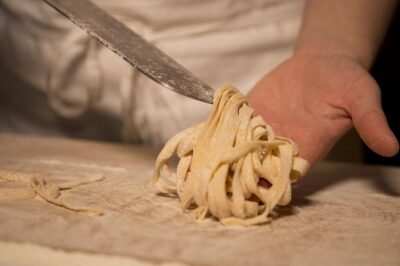
3 in 1 Cooking Class near Navona: Fettuccine, Ravioli & Tiramisu
Read our review →
Pasta & Tiramisu Class with Fine Wine by the Vatican
Read our review →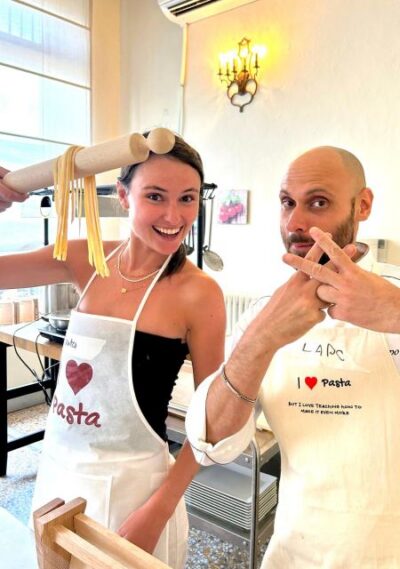
Pasta Making Class with Wine, Limoncello, and Dessert
Read our review →
Rome Cooking Class: Make Pasta and 3 Spritz Cocktails
Read our review →
3-in-1 Fettuccine, Ravioli, and Tiramisu Cooking Class
Read our review →
Fettuccine Pasta Cooking Class in Rome’s City Center
Read our review →
Learn to Make Pasta & Tiramisu with Wine and Limoncello Included
Read our review →
Become a Masterchef in Rome: Pasta, Ravioli and Tiramisù Class
Read our review →Browse the lists this tour appears in