
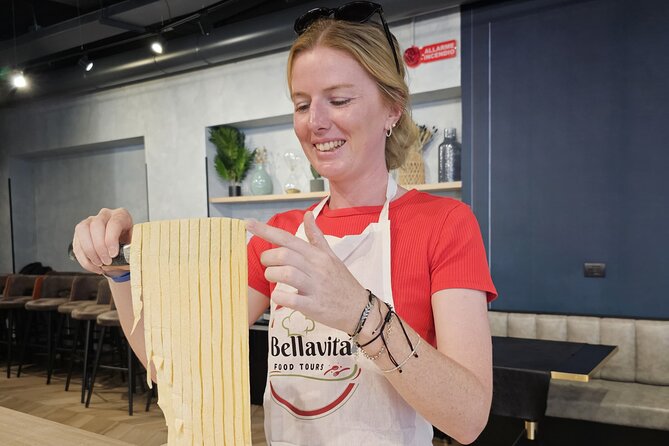
Reviewed · PASTA AND TIRAMISU COOKING CLASSES
Rome: Hands-on Fettuccine, Ravioli & Tiramisu Cooking Class
Fresh pasta, then tiramisu.
That is the basic draw, but the real hook is the small class size and step-by-step chef guidance, so you are not just watching, you are making. You will start with fresh pasta dough and turn it into fettuccine and ravioli, then finish with classic tiramisu layered with mascarpone and espresso-soaked ladyfingers.
I especially like that the group is capped at 14, which means you get personal attention while you knead, stretch, shape, and fill. I also like that everything you need is handled for you, including ingredients, equipment, and an apron, so you can focus on learning the method and tasting the results.
One possible consideration: the class is in a shared setting, and while communication has worked well for people booking in English, you should expect that language styles can vary by instructor. If you rely on a very specific language, it is worth picking the clearest option you see at booking time and going in ready to learn with your hands.
In This Review
- Key Points Before You Go
- Rome Pasta Class at Via Firenze: The Setting and Pace
- Small Group, Real Chef Coaching for Fettuccine and Ravioli
- Making Fresh Pasta Dough: Kneading and Stretching Basics That Stick
- Fettuccine and Ravioli: Turning Dough Into Two Traditional Dishes
- The Ravioli Technique You Can Reuse at Home
- Tiramisu Layering: Mascarpone, Espresso, and the Assembly Rhythm
- The Group Meal: Eating Pasta and Tiramisu You Actually Made
- Price and Value: Is $71.38 Worth It for 3 Hours?
- Who This Rome Cooking Class Suits Best
- Practical Tips to Make Your 3 Hours Go Smoothly
- Should You Book This Hands-On Fettuccine, Ravioli, and Tiramisu Class?
- FAQ
- What dishes will I make in the class?
- How long is the Rome cooking class?
- How many people are in the group?
- Where do I meet for the cooking class?
- What is included in the price?
- What is not included?
- Is free cancellation available?
Key Points Before You Go
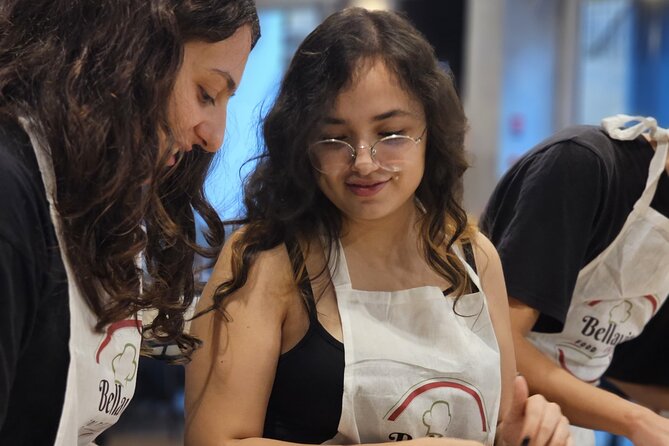
- 14-person maximum means more coaching time when your dough gets sticky or your ravioli need shaping help
- Hands-on pasta making covers dough, kneading, stretching, shaping, and filling
- Tiramisu is taught step by step, including mascarpone and espresso-soaked ladyfingers layering
- You eat what you make at a shared table, turning a cooking lesson into a social meal
- Chef-led instruction fits different experience levels, from first-timers to people who already cook at home
Rome Pasta Class at Via Firenze: The Setting and Pace
The meeting point is Via Firenze 8 (00184 Roma RM), and the class runs about 3 hours. It is also near public transportation, which matters in Rome, where walking is great but you still need a sanity-saving plan between sights.
This is not a rushed factory-style class. The format is hands-on, then you sit down and eat what you produced, so the timing feels like a full evening break rather than a quick demo.
You will likely feel the benefits right away if you have been doing a lot of museum stops and long walks. Cooking gives you a different kind of Rome rhythm, one where your brain switches from landmarks to technique.
Other kitchens rolling pasta and folding tiramisu:
- 3 in 1 Cooking Class near Navona: Fettuccine, Ravioli & Tiramisu
★ 5.0 · 7,376 reviews - Rome: Pasta & Tiramisu Class with Fine Wine by the Vatican
★ 4.9 · 4,852 reviews - Rome: Pasta Making Class with Wine, Limoncello, and Dessert
★ 4.9 · 3,177 reviews - Rome Cooking Class: Make Pasta and 3 Spritz Cocktails
★ 5.0 · 2,937 reviews
Small Group, Real Chef Coaching for Fettuccine and Ravioli
The biggest advantage here is the maximum group size of 14. In a small class, the chef can correct your kneading, show how to stretch without tearing, and keep an eye on ravioli shaping so you do not end up with a sad, open seam when you cut or cook them.
The reviews reinforce that the instructors are comfortable teaching different comfort levels. People specifically praised chef Giuseppe and chef Danilo for being helpful while explaining what to do, from the basics to small technique tweaks.
You can treat this as a confidence builder. Even if you have made pasta once or twice, you will probably pick up new pointers on dough feel, handling, and how to keep the workflow smooth so you can actually enjoy the meal at the end.
Making Fresh Pasta Dough: Kneading and Stretching Basics That Stick
The class starts with learning fresh pasta dough. You will go through the steps yourself, guided by the chef, from kneading the dough to stretching it into the shape needed for your pasta.
This matters because fresh pasta is more touch-based than most people expect. Flour type, humidity, and dough thickness all affect the result, and the chef can help you read what you are seeing and feeling in the moment.
Once you understand the dough behavior, you are not just copying a recipe. You are building a repeatable skill you can use later at home when the ingredients and kitchen conditions change.
Fettuccine and Ravioli: Turning Dough Into Two Traditional Dishes
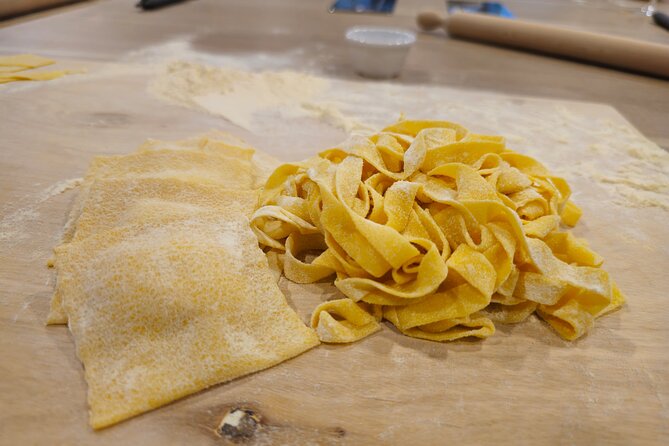
After dough, you will make two dishes: fettuccine and ravioli. Fettuccine is flat and ribbon-like, typically made with egg and flour, and it is one of those pastas that feels simple until you get the dough thickness right.
Ravioli adds an extra layer of technique because you shape and fill. The class walks you through each step, so you do not need to guess. You learn the sequence, and you learn how to manage the practical parts, like portioning and handling pieces without turning the counter into a flour storm.
The value for you is that you end with more than one outcome. Instead of leaving with a single dish and a half-understood technique, you get two classic pasta styles, both tied to the same core skill: working with fresh dough.
The Ravioli Technique You Can Reuse at Home
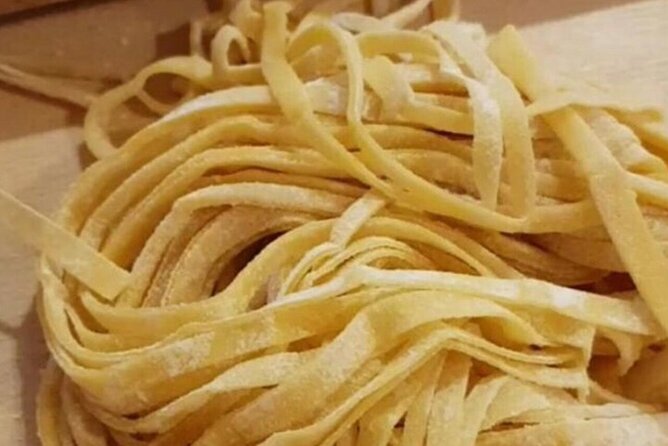
Because the class includes shaping and filling, you leave with a mental checklist. You start to notice what makes ravioli work: consistency in thickness, control during shaping, and how the filling step affects the final pieces.
Even without knowing every kitchen detail, you can take the process home and practice. Fresh ravioli is one of those things where small improvements make a big difference, and the chef’s step-by-step approach gives you a clearer path than a generic recipe alone.
If you like cooking but feel stuck at the instruction level, this is the kind of class that upgrades your instincts. You will see how your actions translate into the final form.
Other Roman benches to work at for a morning:
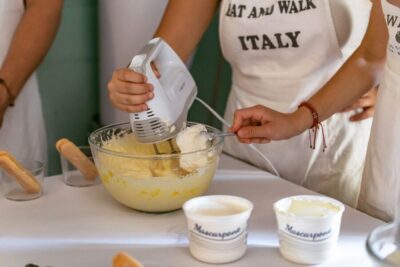
Tiramisu Layering: Mascarpone, Espresso, and the Assembly Rhythm
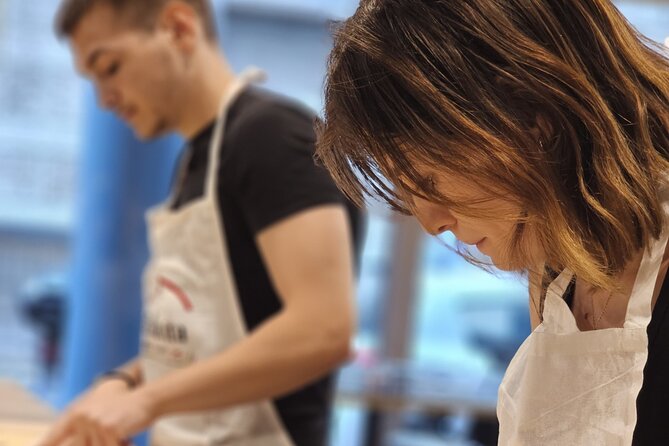
Then comes dessert, and tiramisu is a great match for a hands-on class because it is built from clear layers. You will learn to make a classic tiramisu by layering mascarpone with espresso-soaked ladyfingers.
This part is practical because the technique is repeatable. You get the rhythm of dipping, layering, and assembling so it sets correctly as it rests.
If you have ever made tiramisu and wondered why it turned watery or why the texture was off, the coaching here helps you connect what you did to what you got. Even if you consider yourself a beginner, you can usually master assembly quickly when someone guides you through the steps in real time.
The Group Meal: Eating Pasta and Tiramisu You Actually Made
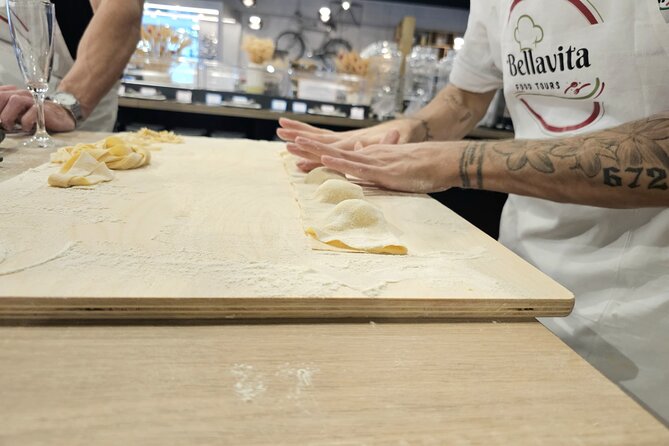
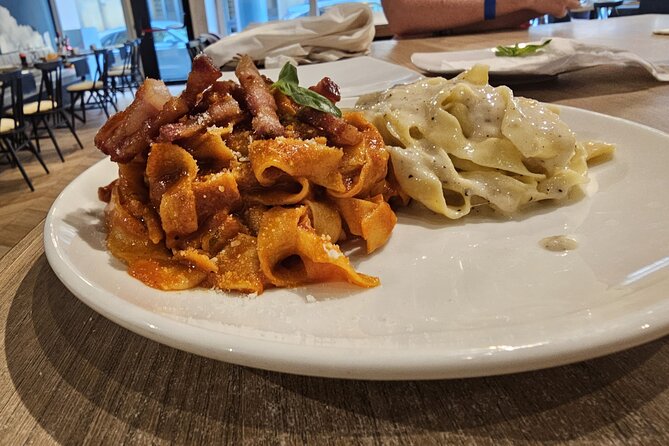
When your dishes are ready, you sit down with the group and enjoy the pasta and tiramisu you prepared. This is a big part of the experience because it turns technique into something you can taste immediately.
The table setting is part of the comfort factor. One review described eating at a beautifully set table, which fits the vibe: you work in the kitchen, then you shift into a shared meal without having to plan anything else.
There is also a note from a review that a drink may be included, and wine is mentioned by at least one participant as part of the experience. Since that is not spelled out in the standard inclusions you were given, think of it as a possible bonus rather than a guarantee, but it is a nice detail to look for when booking.
Price and Value: Is $71.38 Worth It for 3 Hours?
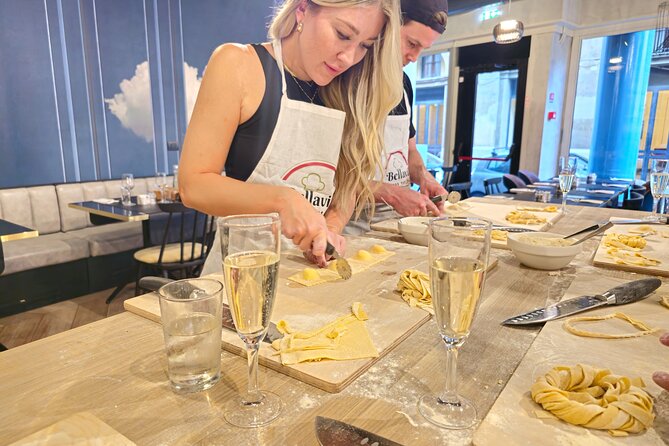
At $71.38 per person, you are paying for three things that are hard to replicate on your own: chef instruction, all ingredients and equipment, and a full meal you made yourself.
If you tried to do this independently, you would have to buy pasta ingredients, get flour and egg right, figure out dough thickness, find the right tools, and still deal with trial and error. The class gives you coaching and a built-in quality check, and that saves time as much as it saves money.
You also get a social element. Cooking classes can be quiet, but here the small group size and shared meal make it easier to connect without awkward icebreakers.
For me, the value really comes down to the teacher-to-student ratio. With up to 14 people, you are more likely to get corrections and practical help than in larger groups where everyone waits their turn.
Who This Rome Cooking Class Suits Best
This is a strong fit if you want a break from nonstop sightseeing. One review specifically called out that it worked well for a child amid walking and history, which matches the general idea: it is a calmer, hands-on activity with clear steps and an ending you can enjoy.
It also suits couples and small groups. Reviews described sisters and teen groups having fun, which makes sense when the chef keeps the lesson moving and everyone gets to eat together at the end.
If you are a beginner, the step-by-step approach helps you learn the method rather than memorizing a list. If you already cook, the class can still be useful because you get feedback on dough feel, shaping, and assembly, not just a new recipe.
Practical Tips to Make Your 3 Hours Go Smoothly
- Plan to arrive a bit early, since you want to settle in and start on time for the dough steps.
- Wear comfortable clothes you do not mind getting a little flour on, even with an apron.
- Come hungry. You will cook, eat, and the meal is part of the experience.
- If you have limited language comfort, focus on the hands-on nature of the class. You will be following demonstrations and technique cues as much as words.
- Since transportation is not included, have a simple plan for getting to Via Firenze 8 and back to the meeting point.
Also, if you are booking for a specific date, note that it is often booked about 35 days in advance on average. Booking earlier usually gives you better choice.
Should You Book This Hands-On Fettuccine, Ravioli, and Tiramisu Class?
Book it if you want a Rome experience that is tactile, social, and skill-building. You get fresh pasta dough coaching, two classic pasta types, and tiramisu assembly with mascarpone and espresso-soaked ladyfingers, then you eat it all at the table.
Skip it if you are only looking for a quick food tasting with zero cooking. This is a real lesson with hands-on work, so it is best for people who enjoy making things, even if you are learning from scratch.
If you want a memorable break from the usual sightseeing loop and you care about taking home actual technique, this class is a smart bet.
FAQ
What dishes will I make in the class?
You will make fresh pasta dough and turn it into fettuccine and ravioli, then you will craft tiramisu with mascarpone and espresso-soaked ladyfingers.
How long is the Rome cooking class?
The experience runs for about 3 hours.
How many people are in the group?
The class has a maximum of 14 travelers, which is meant to allow personal attention.
Where do I meet for the cooking class?
The meeting point is Via Firenze, 8, 00184 Roma RM, Italy, and the activity ends back at the same location.
What is included in the price?
Included are a professional chef instructor, all ingredients and equipment, hands-on cooking experience, an apron and utensils, and the meal of the pasta and tiramisu you make.
What is not included?
Transportation and any personal expenses (like additional food or beverages) are not included. Additional meals or drinks are also not included.
Is free cancellation available?
Yes. You can cancel for a full refund up to 24 hours before the start time.
Roman Kitchens to Cook In
- Rome: Pasta & Tiramisu Cooking Class near the Spanish Steps
★ 4.8 · 1,395 reviews - Rome: Traditional Pizza Cooking Class near Piazza Navona
★ 4.7 · 1,241 reviews - Rome: Combo Pizza and Pasta Cooking Class with Wine
★ 4.6 · 1,180 reviews - Rome: Pasta Making with Wine Tasting and Dinner in Frascati
★ 4.9 · 979 reviews
Latest additions from Rome
- Guided Tour Vatican Museums & Sistine Chapel★ 4.1 · 30 reviews
- Exclusive Rome by Night Vespa Tour★ 5.0 · 30 reviews
- Transfer Rome to Airports★ 4.5 · 30 reviews
- Vatican: St.Peter’s Basilica & Dome – Reserved Entry & Tour★ 4.1 · 30 reviews
- Rome street art tour: off the beaten path with a local guide★ 5.0 · 30 reviews
- Tivoli, Hadrians Villa and Villa d’Este, a charming day trip from Rome★ 4.5 · 30 reviews
- Rome Food Tasting with Wine Pairing Italian Authentic Flavors★ 5.0 · 31 reviews
- Inspirational Cooking on the Roman Chef’s Panoramic Terrace★ 5.0 · 30 reviews
Pasta and Tiramisu Cooking Classes, compared.
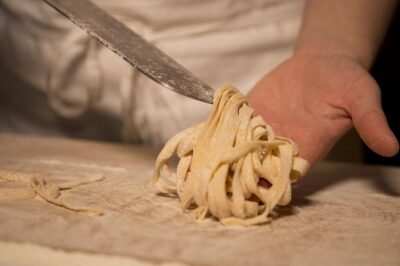
3 in 1 Cooking Class near Navona: Fettuccine, Ravioli & Tiramisu
Read our review →
Pasta & Tiramisu Class with Fine Wine by the Vatican
Read our review →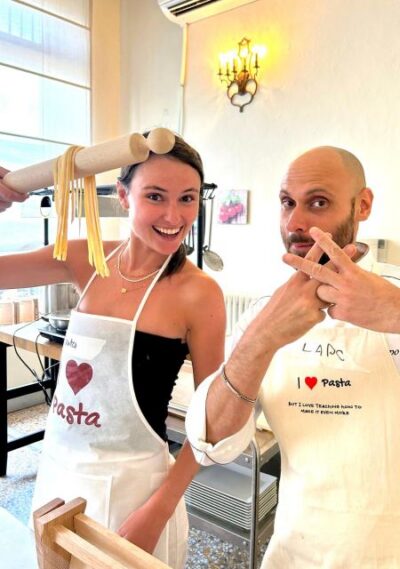
Pasta Making Class with Wine, Limoncello, and Dessert
Read our review →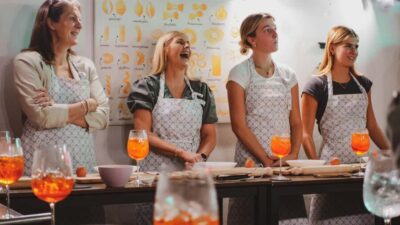
Rome Cooking Class: Make Pasta and 3 Spritz Cocktails
Read our review →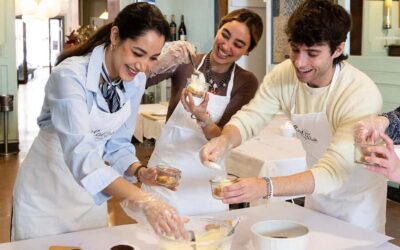
3-in-1 Fettuccine, Ravioli, and Tiramisu Cooking Class
Read our review →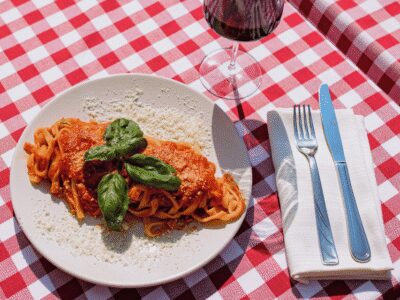
Fettuccine Pasta Cooking Class in Rome’s City Center
Read our review →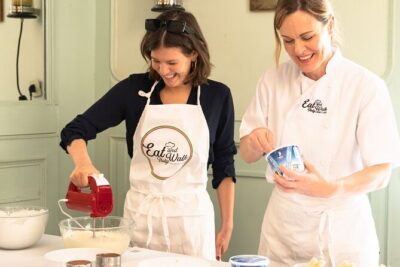
Learn to Make Pasta & Tiramisu with Wine and Limoncello Included
Read our review →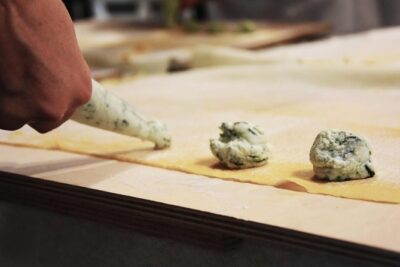
Become a Masterchef in Rome: Pasta, Ravioli and Tiramisù Class
Read our review →Browse the lists this tour appears in