
Reviewed · COOKING CLASSES
Rome: Gourmet Pizza Cooking Class (SHARED)
Pizza class in Rome, with real craft.
This gourmet pizza cooking class gives you the fun of rolling dough and building toppings, plus the social start of aperitivo-style drinks and snacks. I also like that you get direct coaching on what makes Roman pizza different from Neapolitan style, not just a cooking demo. One watch-out: it is not suitable for people with mobility impairments, so plan accordingly.
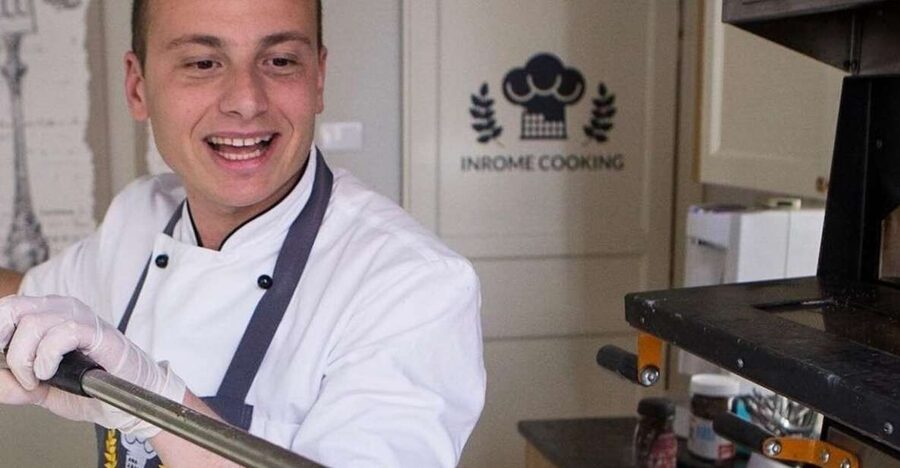
I love that the focus stays practical, dough-to-oven to your plate, and you leave knowing what you did and why it works. With guidance from local chefs, including an English-speaking instructor one guest credited as Marco, you get the kind of tips that make your next pizza attempt at home feel less like guessing. The class runs about 1.5 hours, so it moves at a lively pace.
In This Review
- Key highlights to know before you go
- Where You Meet: Corso del Rinascimento and a Real Kitchen Door
- Aperitivo-Style Drinks Before the Dough Gets Going
- Making Roman Pizza Dough from Scratch (and Why You Should Care)
- Shaping Your Base: Thin, Crunchy Roman Style
- Toppings That Change with the Season: Rosso, Bianca, and More
- The Expert Chef Tips That Actually Stick
- The Pizza Oven Moment: Putting Technique to Heat
- What You Really Take Home: Skills for Your Next Pizza Night
- Value Check: Why This Costs $93 for 1.5 Hours
- Who This Class Is Best For (and Who Should Think Twice)
- Should You Book This Rome Pizza Cooking Class?
- FAQ
- How long is the Rome gourmet pizza cooking class?
- What is included in the price?
- Is hotel pickup or drop-off included?
- Where do I meet the group?
- What language is the instruction offered in?
- Can I get a refund if my plans change?
- Is this class suitable for mobility impairments?
Key highlights to know before you go
- Welcome drinks and aperitivo-style snacks kick things off in true Roman fashion
- Dough from scratch teaches technique, not shortcuts
- Roman vs Neapolitan pizza differences are explained as you cook
- Seasonal toppings help you eat what is actually at its best
- English-speaking local chefs share hands-on know-how and pizza secrets
- A shared class format, with a friendly, familiär feel in the kitchen
Where You Meet: Corso del Rinascimento and a Real Kitchen Door
Your start point is Corso del Rinascimento 65. Ring the doorbell for InRome Cooking, and you’ll be let into the space where the class happens. It is straightforward, but do give yourself a little buffer if you are doing it after sightseeing, since you are on your own for getting there.
You may cook at one of the two school locations in central Rome depending on the season. One is near the Pantheon, the other is near Piazza Navona, so you can often pair this with a walk through those neighborhoods. Either way, you are in an actual kitchen setting, not a classroom with cardboard “pizza” props.
Other Roman benches to work at for a morning:
- 3 in 1 Cooking Class near Navona: Fettuccine, Ravioli & Tiramisu
★ 5.0 · 7,376 reviews - Rome: Pasta & Tiramisu Class with Fine Wine by the Vatican
★ 4.9 · 4,852 reviews - Rome: Pasta Making Class with Wine, Limoncello, and Dessert
★ 4.9 · 3,177 reviews - Rome Cooking Class: Make Pasta and 3 Spritz Cocktails
★ 5.0 · 2,937 reviews
Aperitivo-Style Drinks Before the Dough Gets Going
Before flour flies, you’ll get welcome drinks and snacks. The vibe is intentionally like Italy’s aperitivo ritual: relax a bit, munch something, and get the chef team and group warmed up before you start working.
This matters more than it sounds. Pizza dough can feel intimidating until you are calm, not rushed, and you understand what comes next. Those first minutes make the rest of the 1.5 hours feel smooth, and they also help you settle into the kitchen culture fast.
Making Roman Pizza Dough from Scratch (and Why You Should Care)
The best part here is the hands-on dough work. You create the dough from scratch, so you learn the basics of getting it right instead of relying on premade crusts. That is the difference between eating a great pizza and actually understanding why it tastes great.
Roman pizza is typically thinner and crunchier than Neapolitan pizza, and this class helps you connect that idea to dough handling. You roll your own base, which forces you to pay attention to thickness and feel. Even if you end up slightly imperfect, that feedback loop is exactly what makes cooking classes worth it.
Shaping Your Base: Thin, Crunchy Roman Style
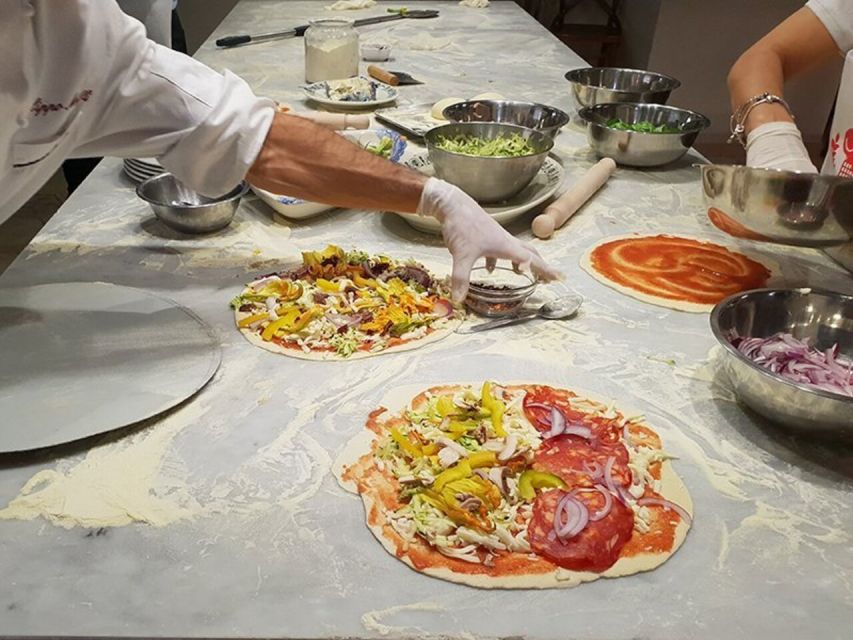
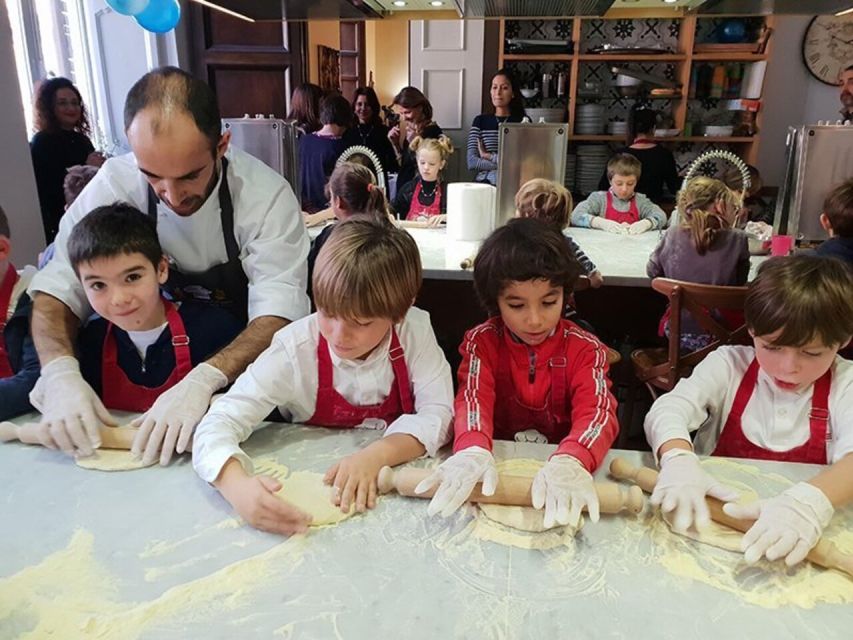
Once your dough is ready, you roll and shape it into your own pizza base. This is where Roman style starts to make sense. When the dough stays relatively thin, you get that crunchier bite people associate with Roman pizza.
Try not to think of shaping as art class where perfection is the goal. Instead, think of it as learning control: even thickness helps with even cooking, and a good handle on the edges gives you a better texture when it hits the oven. The chef tips during this stage help you avoid common dough mistakes, like pushing too hard in one area and leaving the rest uneven.
And yes, you’ll get the practical explanation of Roman versus Neapolitan style as you go. That context makes the technique feel purposeful, not random.
Toppings That Change with the Season: Rosso, Bianca, and More
After dough, it’s toppings time, and this is where you can taste your way through Rome. The class covers different choices, including pizza rosso with tomato sauce and pizza bianca, which skips the red sauce and leans into a simpler base.
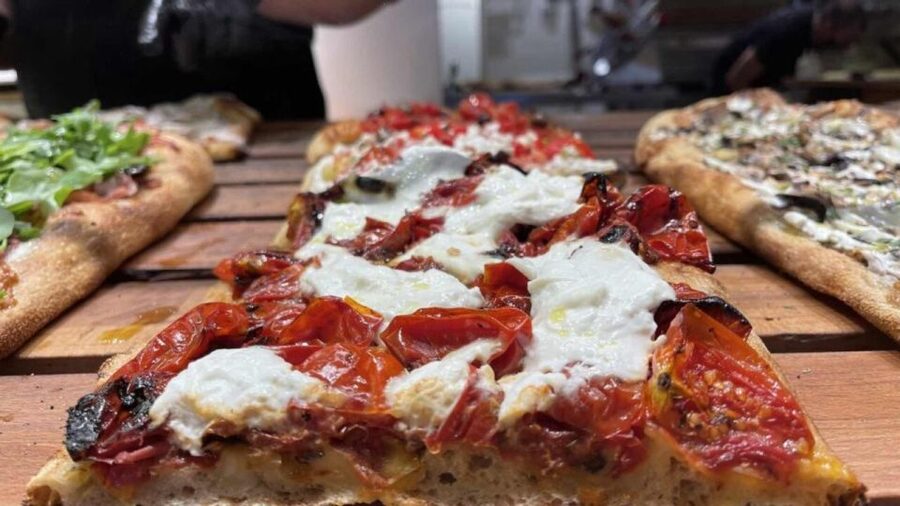
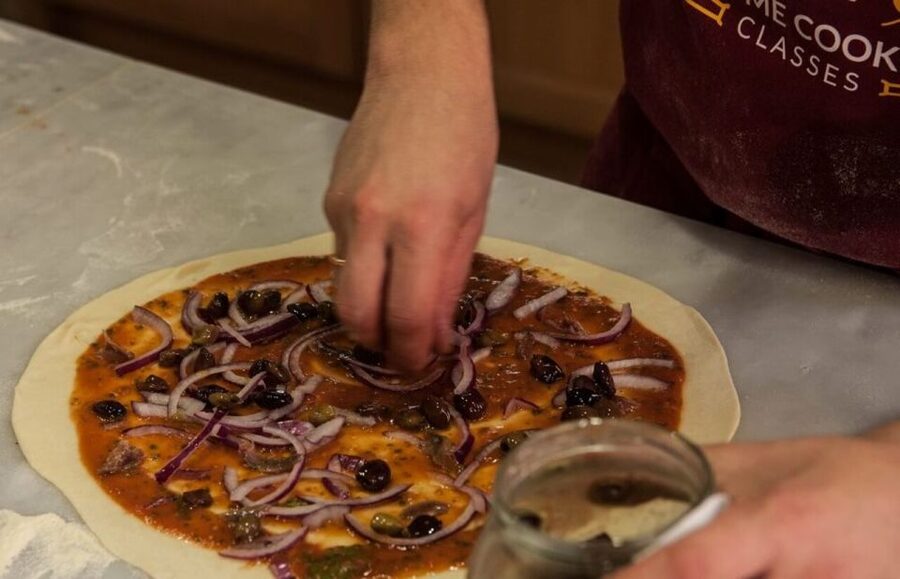
You also work with fresh and seasonal ingredients. That’s a smart value element, because you are not stuck with the same generic toppings regardless of month. Expect ingredients like mozzarella that melt into the pizza, plus options such as prosciutto or veggie-forward combinations like zucchini flowers and black olives, depending on what is seasonally available.
More Roman kitchens to cook in:
The Expert Chef Tips That Actually Stick
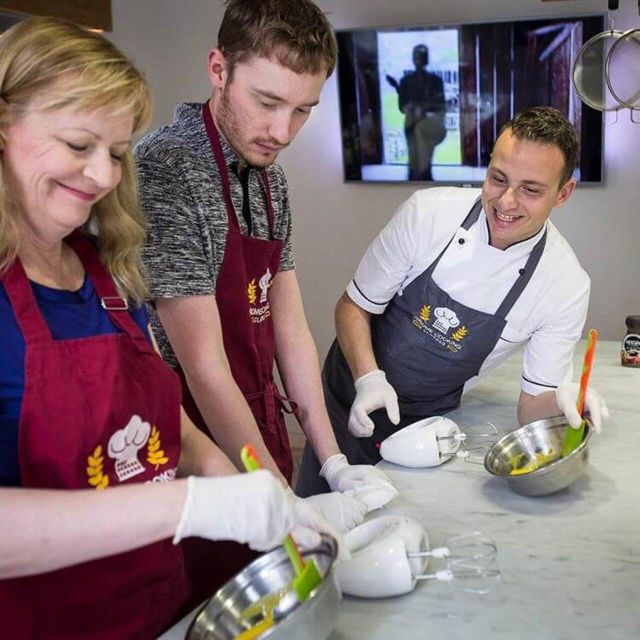
This class is built around top tips from professional, local chefs. The guidance is the kind that translates into real-world cooking: how to think about balance, when to be gentle with the dough, and how to build toppings without overwhelming the base.
One review specifically praised the secrets taught by the chef, and another highlighted Marco’s tips. That lines up with how these sessions tend to work best: a confident chef watching your hands, not just giving general advice. If you want a class where you leave with actionable cues, this one leans in that direction.
Also, because the class is shared, you get a small buzz of energy from others cooking alongside you. That social pressure is helpful, as long as you embrace the learning curve instead of trying to do everything perfectly on your first try.
The Pizza Oven Moment: Putting Technique to Heat
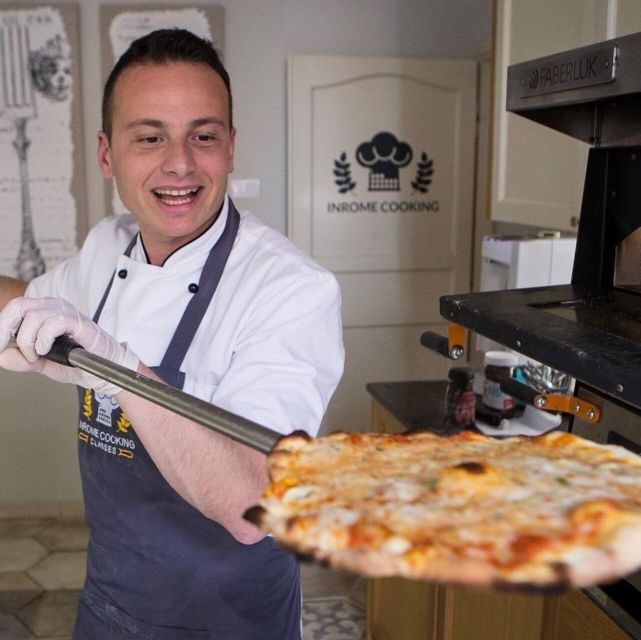
You are not just assembling, you are cooking, so the oven is where your choices become food. The heat changes everything, and that is why dough thickness and topping balance matter so much. Roman pizza’s thinner profile is meant to cook in a way that brings out crunch, while still keeping the center cooked through.
I like this part because it makes the class feel like real work, not a staged experience. You get the cause-and-effect lesson: if the base is thicker, it changes texture, and if toppings are piled too heavily, the balance shifts. It is exactly the kind of feedback you cannot get from a recipe at home.
What You Really Take Home: Skills for Your Next Pizza Night
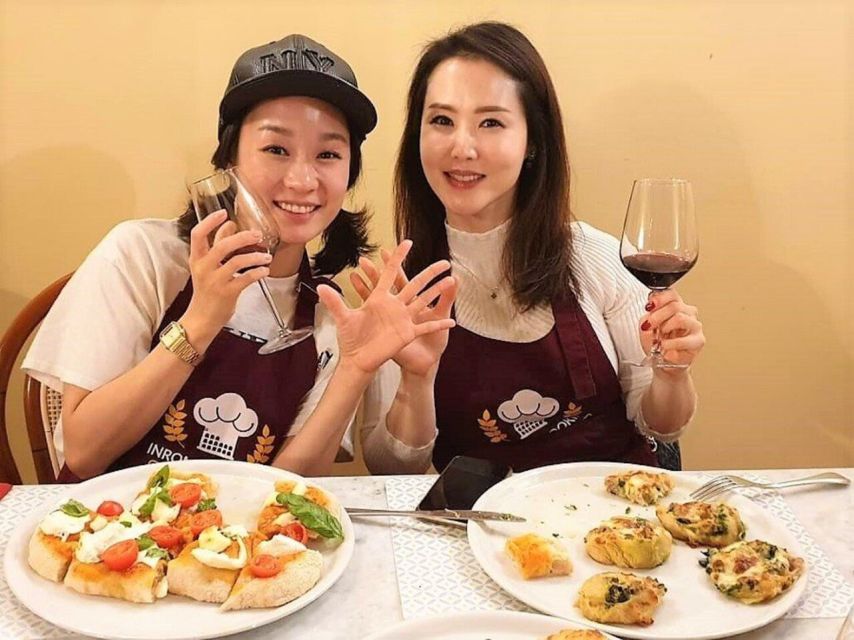
At the end, you’ve done a full cycle: dough creation, shaping, topping decisions, and pizza cooking. That sequence gives you more than a meal. You take away technique for dough from scratch, and you understand the logic behind Roman style versus the Neapolitan cousin.
I also think the best souvenir is knowing what to look for when you order pizza in Rome. If you have learned what thin and crunchy means in practice, you will notice it when you walk into a pizzeria later. Instead of reading the menu like a tourist, you start reading it like someone who understands dough and texture.
Value Check: Why This Costs $93 for 1.5 Hours
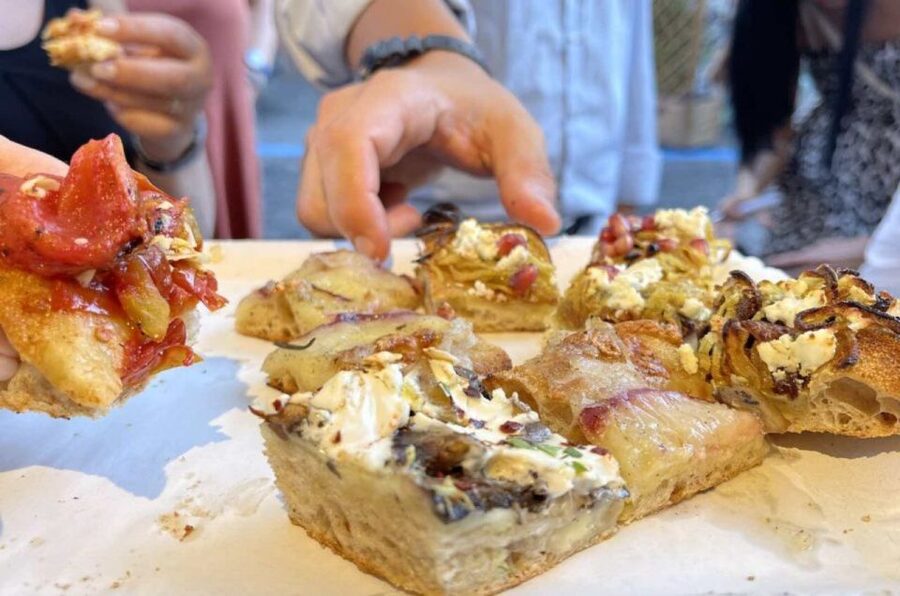
At $93 per person for about 1.5 hours, this isn’t a budget activity. But it also isn’t “just tasting pizza.” You are paying for real instruction, shared with others, plus dough from scratch, seasonal toppings, and the start with welcome drinks and snacks.
For many people, that makes the price feel reasonable because you are getting multiple ingredients and guided labor that would be hard to recreate at home. You also get the benefit of local chef know-how in English, which saves you from trying to decode Italian cooking techniques on your own.
If you are the type who enjoys hands-on cooking, this is strong value. If you only want to sample and chat, you might prefer a lighter food stop instead.
Who This Class Is Best For (and Who Should Think Twice)
This class is a great fit if you are a food-minded traveler who likes doing things with your hands. It also works well if you want a structured way to learn about Roman culinary style while still having fun and eating what you make.
You’ll especially enjoy it if you are curious about Roman pizza specifically, and you want to understand why it is typically thinner and crunchier than Neapolitan pizza. It is also a solid choice for couples, groups of friends, or solo travelers who like cooking alongside strangers in a friendly kitchen.
The main mismatch is mobility limitations. Since it is not suitable for people with mobility impairments, choose a different Rome food experience if you need step-free accommodations.
Should You Book This Rome Pizza Cooking Class?
If you want a genuine, technique-based cooking experience in Rome, I think you should book it. The class combines dough from scratch, seasonal toppings, and local chef guidance in a compact 1.5 hour format, plus the pleasant aperitivo-style start. With a 4.9 average rating across 20 bookings, the signal is pretty clear that people usually leave happy.
Book it if you care about learning, not just eating. Skip it if you want only a quick snack, or if mobility is a concern for your group. Otherwise, treat it like your best rainy-day plan that happens to produce dinner.
FAQ
How long is the Rome gourmet pizza cooking class?
The class lasts 1.5 hours.
What is included in the price?
It includes welcome drinks and snacks, top tips from professional local chefs, creating your dough from scratch, and various fresh and seasonal toppings.
Is hotel pickup or drop-off included?
No, hotel pickup and drop-off are not included.
Where do I meet the group?
You meet at Corso del Rinascimento 65. Ring the doorbell for InRome Cooking.
What language is the instruction offered in?
The instructor is English.
Can I get a refund if my plans change?
Yes, free cancellation is available up to 24 hours in advance for a full refund.
Is this class suitable for mobility impairments?
No, it is not suitable for people with mobility impairments.
Latest additions from Rome
- Rome: Testaccio Market Food Tour with Street Food & Wine★ 5.0 · 8 reviews
- Exclusive Pasta & Tiramisu Class with Wine near by Colosseum★ 5.0 · 8 reviews
- Private Professional Photoshoot in Rome★ 5.0 · 8 reviews
- Loreto “Shrine of the Holy House of the Virgin Mary” Private Tour from Rome★ 5.0 · 8 reviews
- Rome Day to discover Florence and Pisa Hotel Pickup★ 4.5 · 8 reviews
- Rome: Christmas Nativities and Angels Tour★ 3.1 · 8 reviews
- Guided Tour of Vatican Museums and Sistine Chapel★ 5.0 · 8 reviews
- Rome: Cooking Class of fresh Pasta and Tiramisu Cake★ 5.0 · 8 reviews
Cooking Classes, compared.
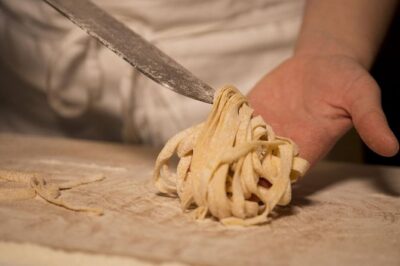
3 in 1 Cooking Class near Navona: Fettuccine, Ravioli & Tiramisu
Read our review →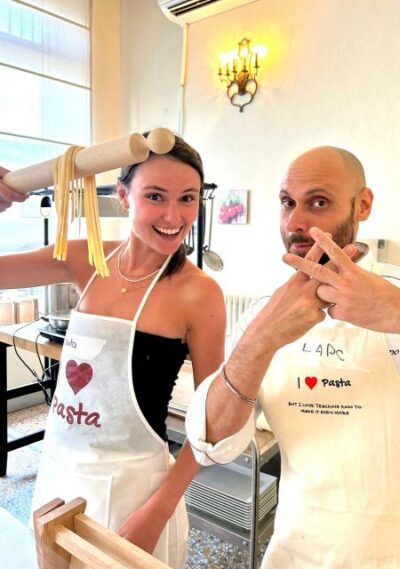
Pasta Making Class with Wine, Limoncello, and Dessert
Read our review →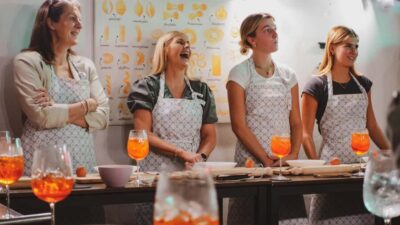
Rome Cooking Class: Make Pasta and 3 Spritz Cocktails
Read our review →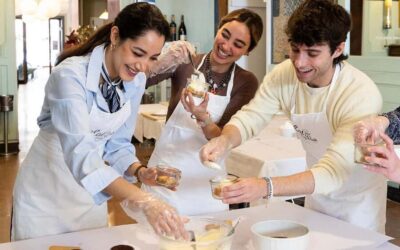
3-in-1 Fettuccine, Ravioli, and Tiramisu Cooking Class
Read our review →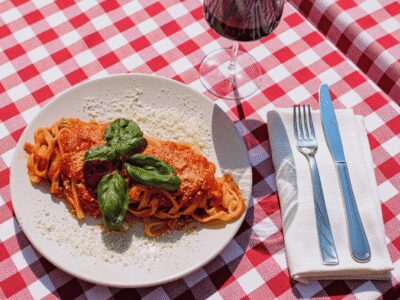
Fettuccine Pasta Cooking Class in Rome’s City Center
Read our review →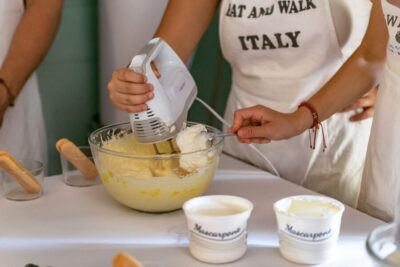
Fettuccine & Tiramisù: Cooking Class with Wine & Limoncello
Read our review →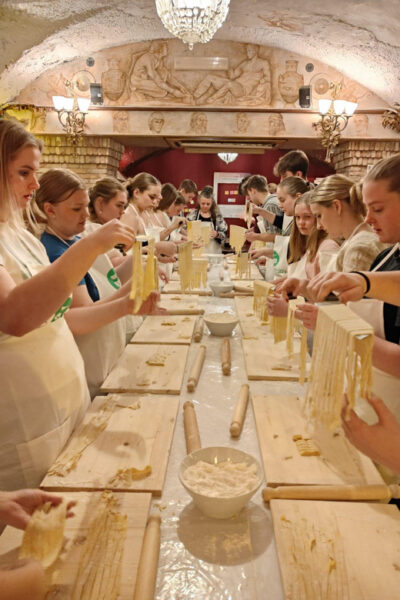
Pasta & Tiramisu Cooking Class near the Spanish Steps
Read our review →
Traditional Pizza Cooking Class near Piazza Navona
Read our review →Browse the lists this tour appears in