

Reviewed · PASTA AND TIRAMISU COOKING CLASSES
Rome Cooking Class: Handmade Tonnarelli Pasta & Tiramisu
Fresh pasta in Rome beats most souvenirs. This Rome cooking class teaches you handmade tonnarelli and classic tiramisu in a lively osteria setting with a wine-bar dinner feel. You get guidance in English, all ingredients and tools, and you sit down afterward to eat what you made.
What I like most is the hands-on focus on real Roman technique, not just watching. I also love that you end with your own meal, plus a complimentary glass of wine, so the lesson turns into a proper sit-down experience.
The main thing to consider is limits: it is not a fit for vegans or for guests who need gluten-free or lactose-free food, and for safety reasons you will not enter the actual kitchen where the pasta gets cooked and seasoned.
In This Review
- Key moments worth circling on your Rome plan
- How this Rome Cooking Class Actually Fits Your Day
- From Dough to Tonnarelli: The Pasta You’ll Remember
- Cacio e Pepe Thinking: Making Sauce Logic Click
- Tiramisu Without Stress: Coffee, Cream, and Assembly
- The Osteria San Giorgio Meal and Wine: Why It Matters
- Who This Class Suits (and Who Should Rethink It)
- Price and Value: Is $64 Worth It?
- Should You Book This Rome Cooking Class?
- FAQ
- How long is the Rome cooking class?
- Where do I meet for the class?
- What does the price include?
- Is the instructor available in English?
- Is this class suitable for vegans or gluten-free diets?
- Will I enter the actual kitchen during the class?
Key moments worth circling on your Rome plan

- You make the pasta and the dessert from scratch, including tonnarelli shaping and tiramisu assembly
- Hosts and chefs are repeatedly praised for patience and humor, with guides like Kristian, Jamila, and Luca called out for making beginners comfortable
- You get to eat what you made, right at the restaurant afterward, with a glass of wine included
- Safety keeps you out of the cooking station, so you will learn and work at your own prep area
- The class happens at Osteria San Giorgio, with a clear meeting point right in front
How this Rome Cooking Class Actually Fits Your Day
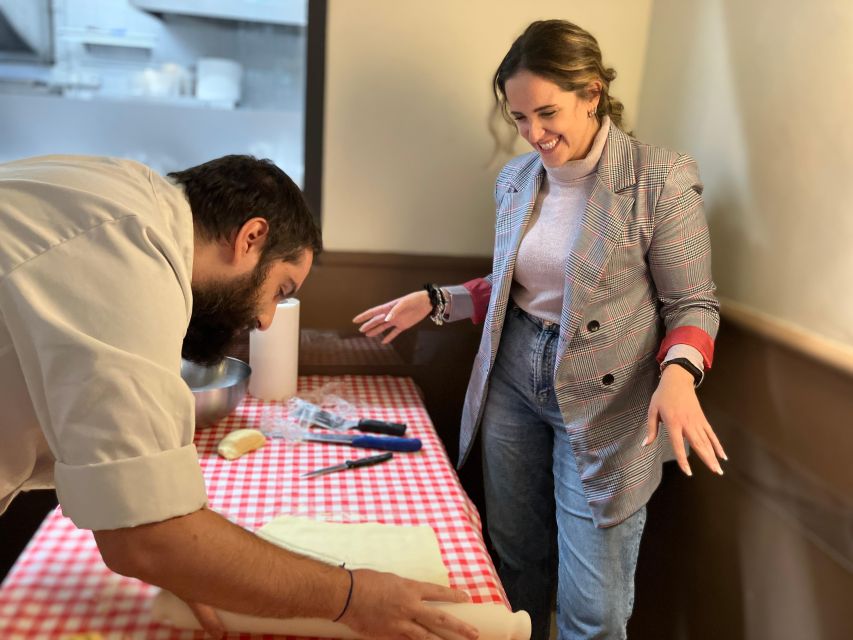
This is a straightforward 2.5 hour activity, priced at $64 per person, that packs in two of the most memorable Italian comfort foods: handmade pasta and tiramisu. The format is simple. You meet in front of Osteria San Giorgio, learn the steps, make both dishes, then enjoy your results with food and a glass of wine.
If your trip includes a few restaurant meals already, this class is a nice change because it gives you a skill you can use later. Pasta-making is one of those “looks hard” tasks that becomes very doable once someone breaks it into steps like dough texture, rolling thickness, and cutting.
A practical note I appreciate: you will not enter the actual kitchen area where the pasta is cooked and seasoned for safety reasons. That keeps things controlled and predictable, but it does mean you are not doing every single stage. You will still get the core experience: mixing, kneading, shaping, and assembling the dishes, then eating the finished meal.
Other kitchens rolling pasta and folding tiramisu:
- 3 in 1 Cooking Class near Navona: Fettuccine, Ravioli & Tiramisu
★ 5.0 · 7,376 reviews - Rome: Pasta & Tiramisu Class with Fine Wine by the Vatican
★ 4.9 · 4,852 reviews - Rome: Pasta Making Class with Wine, Limoncello, and Dessert
★ 4.9 · 3,177 reviews - Rome Cooking Class: Make Pasta and 3 Spritz Cocktails
★ 5.0 · 2,937 reviews
From Dough to Tonnarelli: The Pasta You’ll Remember
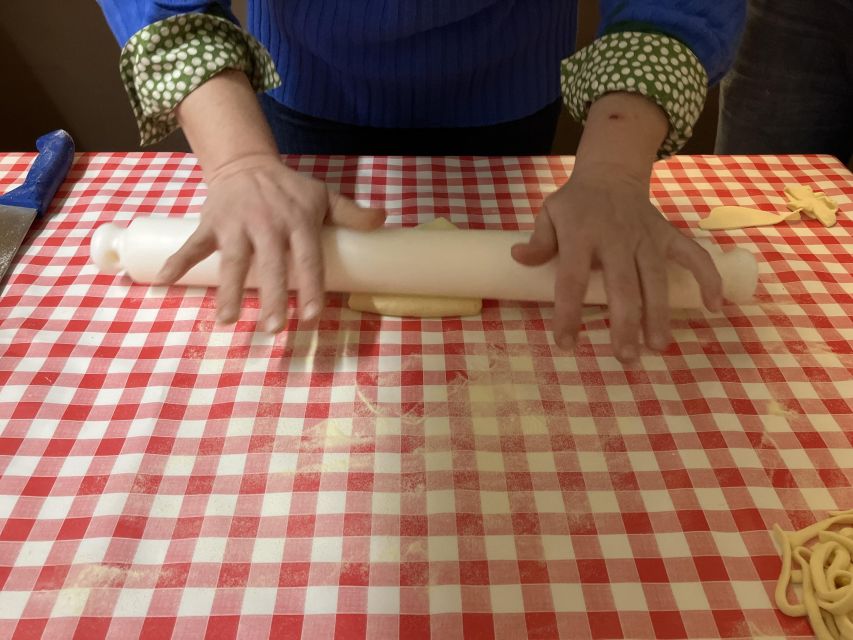
Tonnarelli is Rome’s handmade pasta style, in spirit closer to “fresh spaghetti” than to stuffed shapes. In this class, you start at the beginning with fresh dough, then move through rolling and cutting. It is hands-on all the way, from mixing and kneading to turning dough into workable sheets and then into your final shape.
What makes this portion valuable is how it teaches technique, not just outcome. You learn what “right” dough feels like, how to roll thin enough without tearing, and how to cut cleanly so your strands stay consistent. Consistency matters more than people think, because pasta cooks more evenly when the thickness is similar across pieces.
Expect the teacher to coach your body movements as much as your ingredients. Several guides are described as patient with beginners, including hosts like Shula and Elisabetha, which makes sense for a step-by-step skill like this. If you’ve never worked with flour before, you still should be fine, because the class format is designed for regular humans, not professional pasta chefs.
Also, you’ll get to see how different everyone’s process is. In many classes, the group can be small. In some cases it becomes almost one-on-one attention when the group size shrinks, which is a big deal if you want quick feedback on rolling and cutting.
Cacio e Pepe Thinking: Making Sauce Logic Click
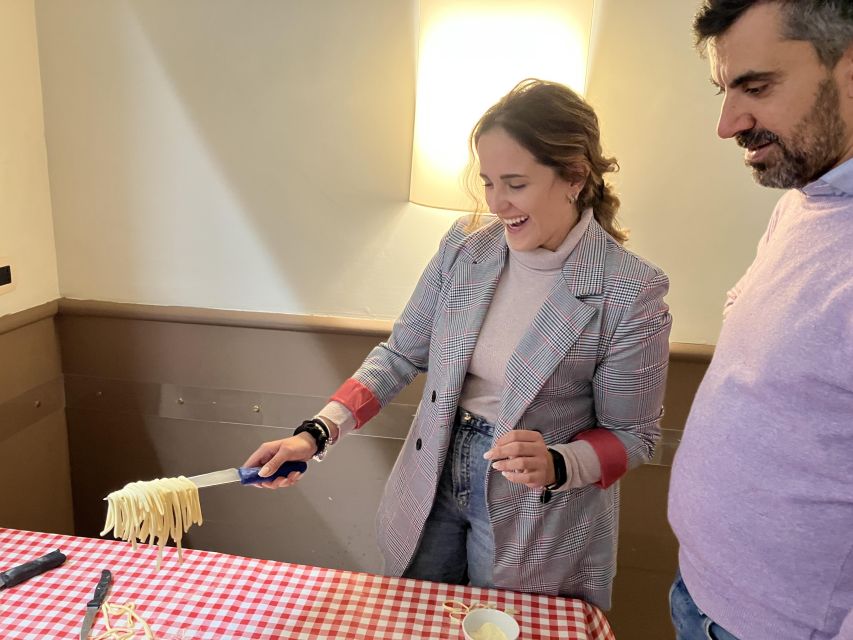
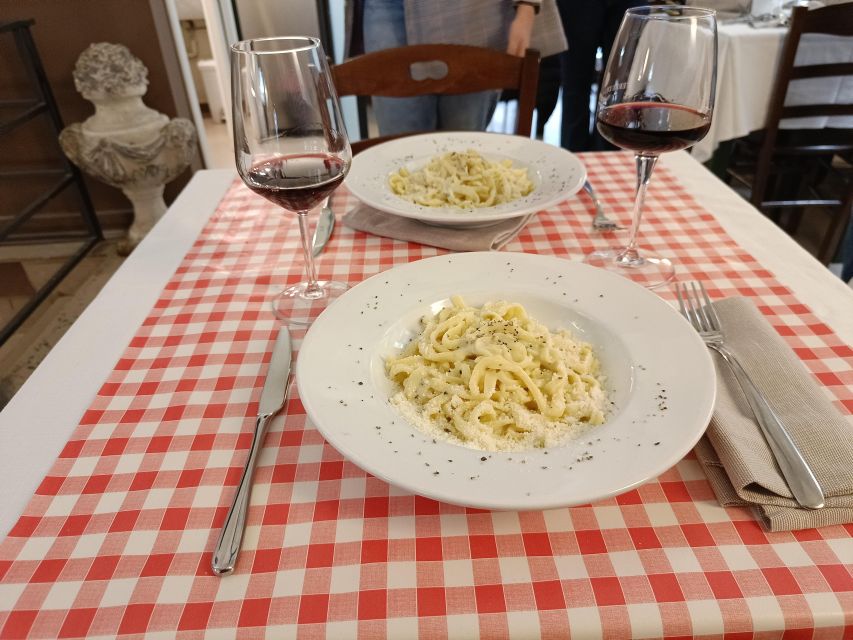
The class centers on tonnarelli cacio e pepe, and even if you are not controlling every cooking step in the kitchen, the goal is that you understand how the dish behaves. Cacio e pepe is all about combining cheese and pepper into a sauce that clings to pasta instead of turning into a clumpy mess.
Here’s what you should pay attention to while learning: timing and texture. Fresh pasta cooks quickly, so sauce thinking has to match the speed of cooking. Even when the finished sauce is prepared around you, learning the “why” behind the process makes it easier for you to recreate the dish later.
Pepper is also a big part of the flavor profile. You will get a sense of how the pepper intensity changes the whole dish. A little pepper can feel like background spice, but more pepper becomes a defining Roman character.
When you’re leaving the class, your real win is mental. You don’t just remember ingredients, you understand workflow. That matters when you try again at home and realize you can’t pause to troubleshoot while the pasta keeps cooking.
Tiramisu Without Stress: Coffee, Cream, and Assembly
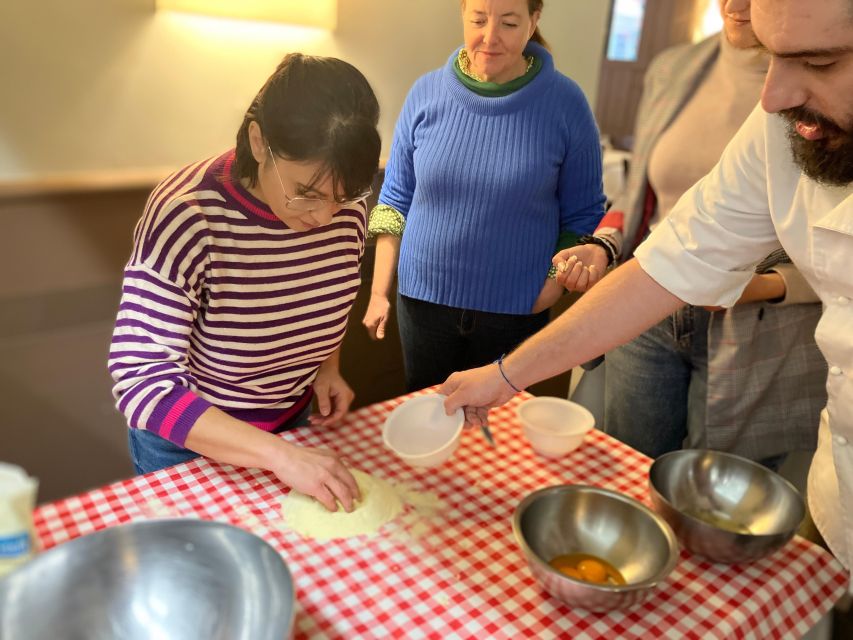
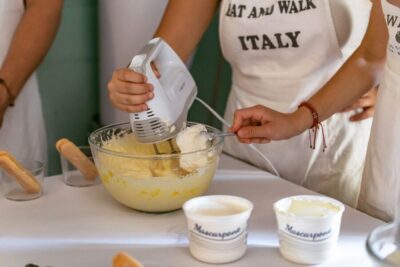
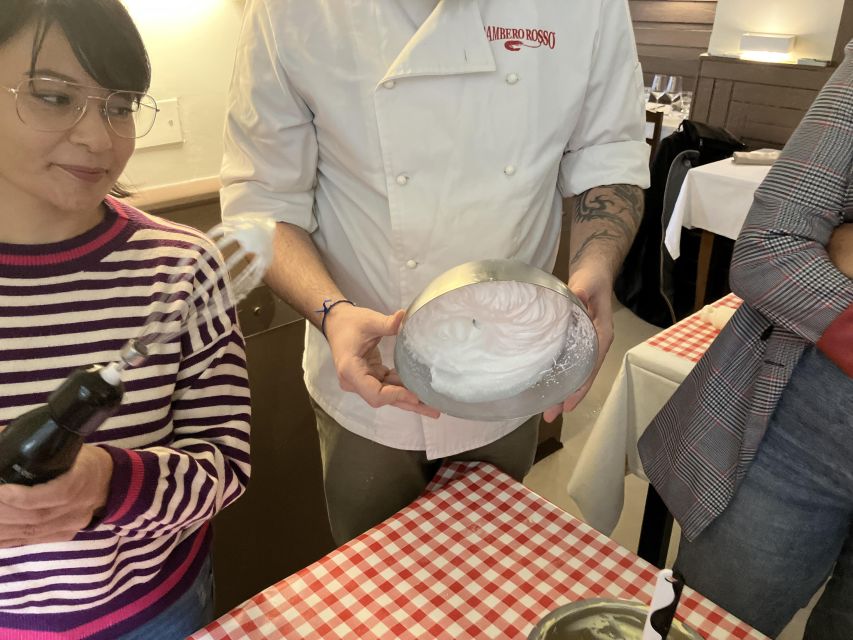
After pasta, you shift gears to tiramisù. This part is often the confidence boost in the class. It is still technical, but the steps are more familiar to people who bake at home: whipping, mixing, and then assembling layers.
The key idea you learn here is balancing the coffee-soak moment with the creamy texture. If the ladyfingers soak too long, tiramisù turns watery. If they barely touch the coffee, it feels dry and flat. In a good class, you get a feel for the sweet spot by doing the action yourself rather than guessing.
You’ll also see that tiramisù is not just a dessert, it’s a structure. Each layer has a job. The cream softens and rounds the coffee flavors, and the next layer builds the final slice-ready form.
Guides like Christian and Paola are frequently described as friendly and funny, which helps because tiramisù is the type of recipe where you’re doing repetitive motions. A good host keeps it moving and helps you correct small issues in real time, instead of letting you spiral.
Then comes the best part: you eat it. Tiramisu right after making it tastes different, partly because you know what was difficult, and partly because you’re in that Rome osteria rhythm where dessert feels earned.
The Osteria San Giorgio Meal and Wine: Why It Matters
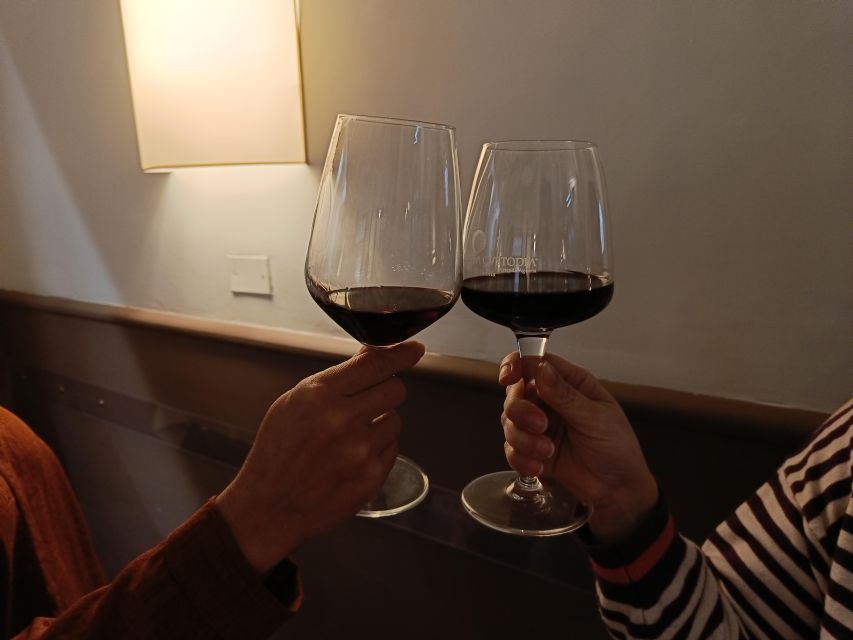
This class is set in an osteria wine bar. That might sound like a detail, but it changes the whole vibe. You’re not sitting in a sterile classroom. You’re in Rome, with restaurant staff nearby and the energy of people actually eating dinner.
After your prep and instruction, you enjoy your homemade meal with a simple sauce prepared for you. You also get a glass of wine included. That wine is not an add-on afterthought. It is part of how the evening flows from workshop to table.
The meal portion is also where the group dynamic clicks. Many people like this format because you share the same food you made, instead of splitting up into different experiences. You end up comparing notes like flour handling stories and pepper opinions. It’s relaxed, not formal, and it’s one more way the class feels like a real Roman night out.
If you enjoy chatting while traveling, you’ll probably have a good time. Several classes are described as lively, with hosts swapping stories and offering practical Rome recommendations beyond food, which is exactly what you want from a local-style experience.
Other Roman benches to work at for a morning:
Who This Class Suits (and Who Should Rethink It)
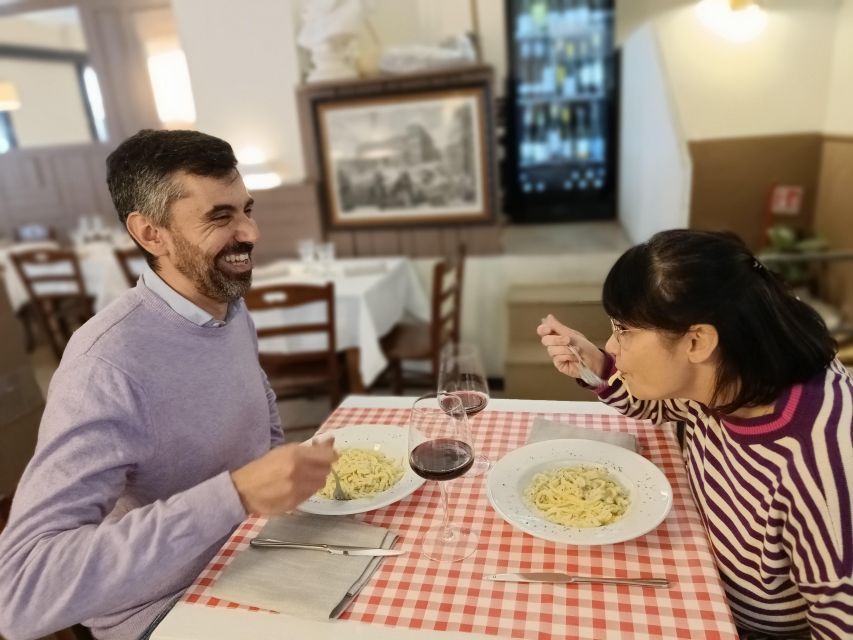
This is a great fit if you want more than sightseeing, but you do not want a full-day culinary commitment. You can slot it into your trip and still have time for Roman landmarks afterward. It also works well for couples, solo travelers, and small groups because the structure supports beginners and the restaurant setting makes it social.
You should skip it if you have dietary restrictions like vegan needs, gluten intolerance, or lactose intolerance. The class is not listed as offering vegan, gluten-free, or lactose-free options, so it’s not something to gamble on.
One more limitation to plan around: it is not suitable for visually impaired people. That’s important to respect, since this is a hands-on shaping class where step-by-step visibility matters.
For anyone with mobility needs, it is wheelchair accessible. Also, remember the safety rule about not entering the actual cooking and seasoning area. That is part of how the class runs, so don’t expect to be at the stove yourself.
Price and Value: Is $64 Worth It?
At $64 for 2.5 hours, you are paying for a lot of what makes cooking classes worth doing. You’re not just buying a meal. You get the instructor, all necessary ingredients and equipment, the meal itself, and a complimentary glass of wine.
For comparison, restaurant pasta and dessert alone can add up quickly, especially in central Rome. Here you get both the experience and the food, and you leave with recipes and technique you can use again.
The bigger value comes from what you practice: handmade pasta shaping and tiramisù assembly. Those are skills you can repeat. Even if your first attempt at home is imperfect, you’ll understand where problems come from, which makes future tries less frustrating.
One smart move I recommend: if you’re booking early in your trip, pay attention during the conversation. Several hosts are noted for sharing recommendations for what to eat and where to go in Rome. If you catch those tips near the start, you can steer the rest of your eating days with more confidence.
Should You Book This Rome Cooking Class?
If you want a hands-on Rome experience that leads to a meal you can actually taste and a dessert you can make again later, this is a strong choice. The repeated praise for guides like Kristian, Jamila, Shula, Luca, and Elisabetha matters, because in cooking classes the teacher’s pacing and patience are everything.
I’d book it if you’re:
- A beginner who wants step-by-step coaching
- Curious about Roman favorites like tonnarelli and cacio e pepe
- Interested in tiramisù beyond the store-bought version
- Looking for a small, social restaurant setting with wine included
I’d skip it if you need vegan, gluten-free, or lactose-free accommodations, or if visual accessibility is a major requirement for you. If that’s you, you’ll get a better trip by choosing a class that explicitly matches your needs.
FAQ
How long is the Rome cooking class?
The duration is 2.5 hours.
Where do I meet for the class?
Meet in front of the Osteria San Giorgio.
What does the price include?
It includes the cooking class, instructor, all necessary ingredients and equipment, a meal, and a glass of wine.
Is the instructor available in English?
Yes, the instructor speaks English.
Is this class suitable for vegans or gluten-free diets?
No. It is not suitable for vegans, and it is also not suitable for gluten intolerance or lactose intolerance. Vegan, gluten-free, and lactose-free options are not included.
Will I enter the actual kitchen during the class?
For safety reasons, clients will not enter the actual kitchen where the pasta will be cooked and seasoned.
Roman Kitchens to Cook In
- Rome: Pasta & Tiramisu Cooking Class near the Spanish Steps
★ 4.8 · 1,395 reviews - Rome: Traditional Pizza Cooking Class near Piazza Navona
★ 4.7 · 1,241 reviews - Rome: Combo Pizza and Pasta Cooking Class with Wine
★ 4.6 · 1,180 reviews - Rome: Pasta Making with Wine Tasting and Dinner in Frascati
★ 4.9 · 979 reviews
Latest additions from Rome
- Guided Tour Vatican Museums & Sistine Chapel★ 4.1 · 30 reviews
- Exclusive Rome by Night Vespa Tour★ 5.0 · 30 reviews
- Transfer Rome to Airports★ 4.5 · 30 reviews
- Vatican: St.Peter’s Basilica & Dome – Reserved Entry & Tour★ 4.1 · 30 reviews
- Rome street art tour: off the beaten path with a local guide★ 5.0 · 30 reviews
- Tivoli, Hadrians Villa and Villa d’Este, a charming day trip from Rome★ 4.5 · 30 reviews
- Rome Food Tasting with Wine Pairing Italian Authentic Flavors★ 5.0 · 31 reviews
- Inspirational Cooking on the Roman Chef’s Panoramic Terrace★ 5.0 · 30 reviews
Pasta and Tiramisu Cooking Classes, compared.
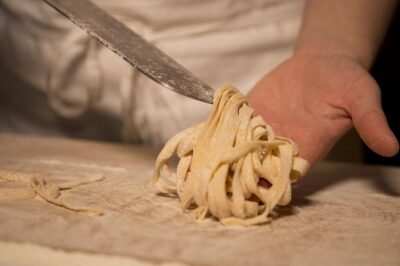
3 in 1 Cooking Class near Navona: Fettuccine, Ravioli & Tiramisu
Read our review →
Pasta & Tiramisu Class with Fine Wine by the Vatican
Read our review →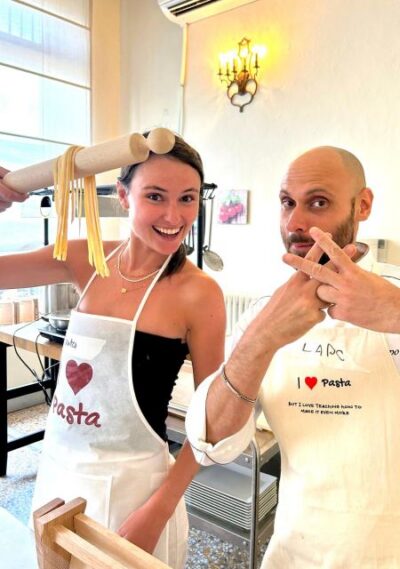
Pasta Making Class with Wine, Limoncello, and Dessert
Read our review →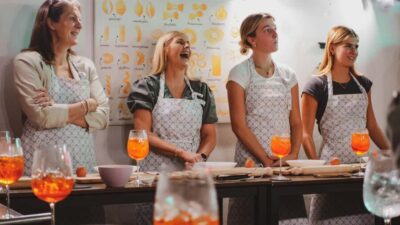
Rome Cooking Class: Make Pasta and 3 Spritz Cocktails
Read our review →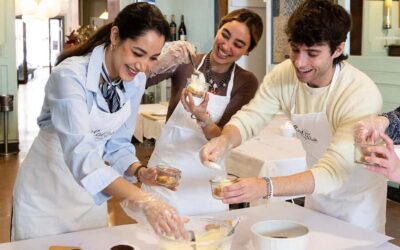
3-in-1 Fettuccine, Ravioli, and Tiramisu Cooking Class
Read our review →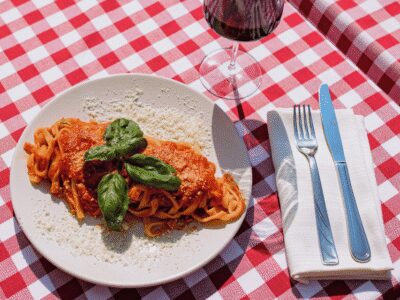
Fettuccine Pasta Cooking Class in Rome’s City Center
Read our review →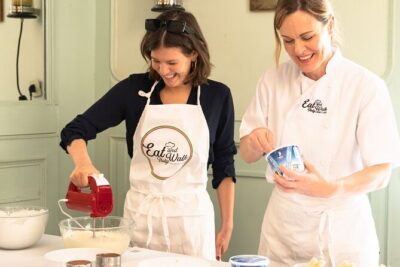
Learn to Make Pasta & Tiramisu with Wine and Limoncello Included
Read our review →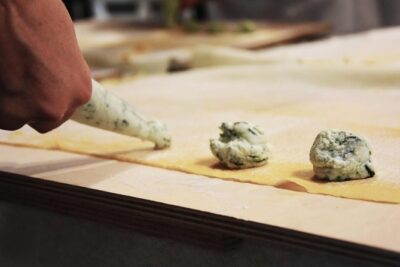
Become a Masterchef in Rome: Pasta, Ravioli and Tiramisù Class
Read our review →Browse the lists this tour appears in