
Reviewed · CARAVAGGIO AND RENAISSANCE ART TOURS
Rome and Art: Michelangelo, Raphael, Bernini, Caravaggio
Rome art gets real fast when the story includes blood, rivalry, and courtesans. This 3-hour small-group walk connects the big names you came for, Michelangelo, Raphael, Bernini, and Caravaggio, with the streets where their drama played out. I especially love the way the tour uses art gossip to make Renaissance and Baroque ideas click, and I like that you also see mainstream Roman icons up close. One consideration: it moves through churches and uneven sidewalks, so comfortable shoes and a steady stomach matter if you are prone to motion sickness.
The flow is simple: start near the fountain energy of Trevi, work through Jesuit Rome, then hit the Pantheon area, Caravaggio’s paintings at the Church of St. Louis of the French, and end in the Piazza Navona orbit before finishing at Piazza Fiammetta. With a guide who tells the material with clarity and momentum, you spend less time reading plaques and more time understanding why each corner of Rome mattered.
In This Review
- Key highlights you should care about
- Price and time: is $53 for 3 hours good value?
- Starting by Via della Stamperia: the walk begins where Rome actually lives
- Trevi Fountain: the opening move in an art-and-power story
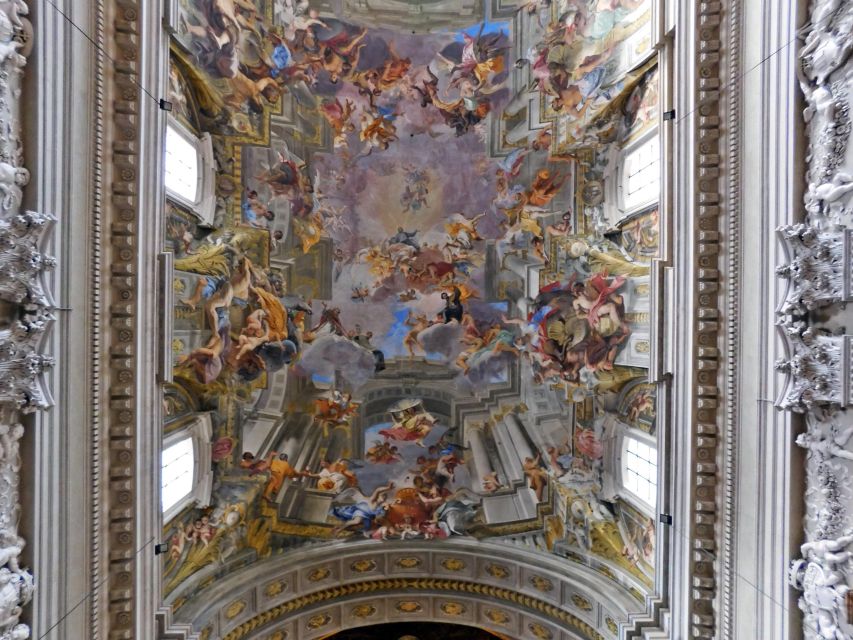
- Church of Sant’Ignazio di Loyola: Jesuit Rome and the art behind persuasion
- The Pantheon stop: why Raphael belongs in the conversation
- Church of St. Louis of the French: Caravaggio’s trilogy and the story you remember
- Piazza Navona: Bernini vs Borromini and why the square feels like a debate
- Finishing at Piazza Fiammetta: the underrated women angle (and a strong send-off)
- Small group and live English guide: what it means for your experience
- Who should book, and who might want a different plan
- Should you book Rome and Art: Michelangelo, Raphael, Bernini, Caravaggio?
- FAQ
- How long is the Rome and Art tour?
- What is included in the price?
- Are Pantheon tickets included?
- Where does the tour meet?
- Is the tour suitable for wheelchair users or people with motion sickness?
- What should I wear for church stops?
Key highlights you should care about
- Scandal-first storytelling that turns Renaissance and Baroque art history into human drama
- A tight 3-hour loop through the city center, with stops paced for listening and looking
- Caravaggio’s trilogy at the Church of St. Louis of the French, explained with a story behind the art
- Piazza Navona rivalry tied directly to the Bernini vs Borromini competition
- Small group size (10 max) so questions and reactions do not get lost
- An ending focused on women’s history, with the House of Fiammetta as the finish point
Price and time: is $53 for 3 hours good value?
For $53 per person, you are paying for two things: a live English guide and a focused path that saves you from doing piecemeal planning. Three hours is short enough to fit into a busy Rome schedule, yet long enough to make the connections between artists, patrons, and style changes feel logical.
You should note one practical detail that affects value. The Pantheon is part of the walk, but Pantheon tickets are not included. That means if you want to go inside, you may need to plan separately. The upside is the tour still gives you the art-and-artist context around the Pantheon area, so you are not left staring at a building with no story.
If you like art history that sounds like real people talking, this price can feel fair. If you only want quiet museum time and do not care about storytelling, you might get less out of the format.
Other Caravaggio and Renaissance trails:
- Caravaggio: Art on Footsteps-Masterpieces in Rome’s Churches
★ 4.8 · 336 reviews - Borghese Gallery Max 6 People Tour: Baroque & Renaissance in Rome
★ 5.0 · 185 reviews - Borghese Gallery Small-Group Tour with Canova’s Masterpieces
★ 4.5 · 166 reviews - Vatican Museums, Sistine Chapel & Raphael Rooms Guided Tour
★ 4.5 · 141 reviews
Starting by Via della Stamperia: the walk begins where Rome actually lives
The meeting point is in front of Hotel Accademia on via della Stamperia. This matters because you start in the thick of central Rome, not at some distant transit stop. You also get the rhythm right away, the stop-and-stare cadence that makes a walking tour work.
Since the group is limited to 10, you do not feel herded. You can hear the guide, and you can step aside to take photos without holding up a huge crowd. That small size is a big deal in this part of Rome, where streets can get tight.
Trevi Fountain: the opening move in an art-and-power story
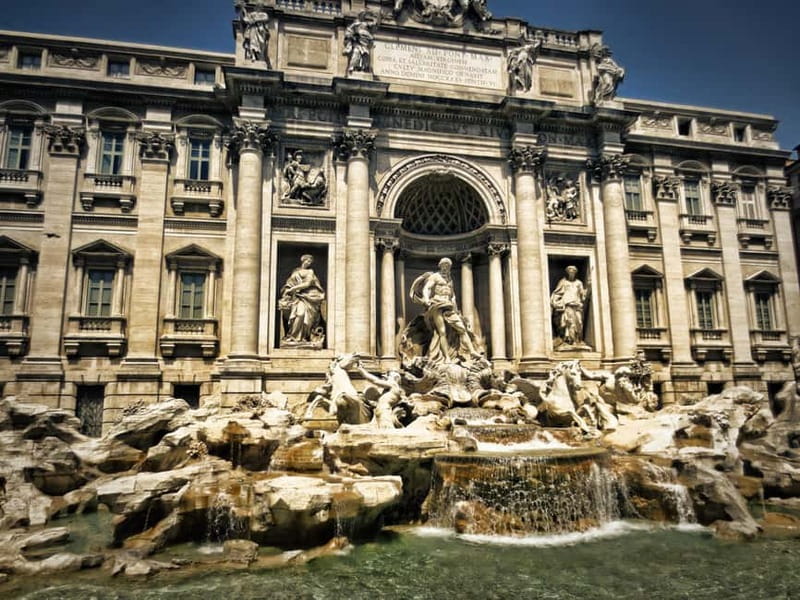
The first stop is the Trevi Fountain, with about 20 minutes of guided time. Yes, it is famous. Still, you can get more than just the postcard shot if you treat it as a symbolic beginning. In a tour like this, Trevi is not just a landmark, it is a setup for how Rome wanted art to look, and how artists learned to work with power.
This stop works well at the start because it orients you fast. You feel where you are, you get momentum, and the guide can frame what comes next in terms of style shifts, patrons, and why Baroque art loved drama.
Church of Sant’Ignazio di Loyola: Jesuit Rome and the art behind persuasion
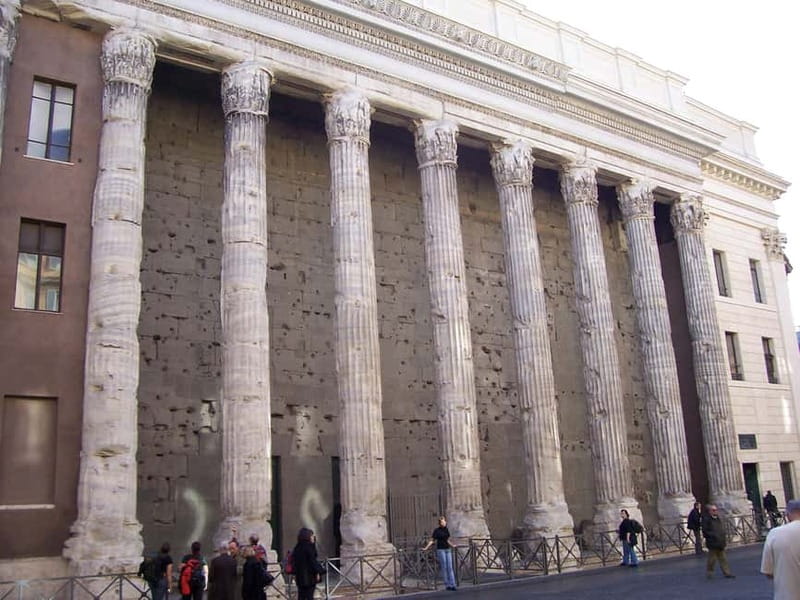
From Trevi, the walk continues toward Piazza di Pietra and the church of the Jesuits, Sant’Ignazio di Loyola. You get around 20 minutes here, which is a good amount for a church stop on a compact 3-hour route.
This is also where you should watch your clothing. Churches are part of the tour, so plan for shoulders covered and avoid shorts or mini-skirt styles. It is not about being fussy, it is about getting in without hassles and staying comfortable through the guided explanations.
The value of this stop is context. Jesuit Rome is closely tied to how art was used to persuade and move people. When you understand that, later stops with Baroque tension and theatrical storytelling make more sense. Instead of thinking Baroque art is only about ornament, you start to see it as a communication strategy.
The Pantheon stop: why Raphael belongs in the conversation
Next comes the Pantheon area, with about 15 minutes guided. The tour talks about Raphael here, which is smart because it helps you connect Renaissance ideals to what came later in Rome.
You are not spending your whole morning in a single building. You are getting a quick, guided link in the chain: Raphael as a Renaissance reference point, and how Rome absorbed that influence before fully committing to Baroque storytelling.
One practical tip: since Pantheon tickets are not included, decide ahead of time if your priority is a guided viewing experience outside the building versus adding entrance on your own. If you want to go in, build that into your plan. If you only want the art story and the street-level feel, you can still get a lot from the guide’s framing.
Another shape for the same afternoon in Rome:
Church of St. Louis of the French: Caravaggio’s trilogy and the story you remember
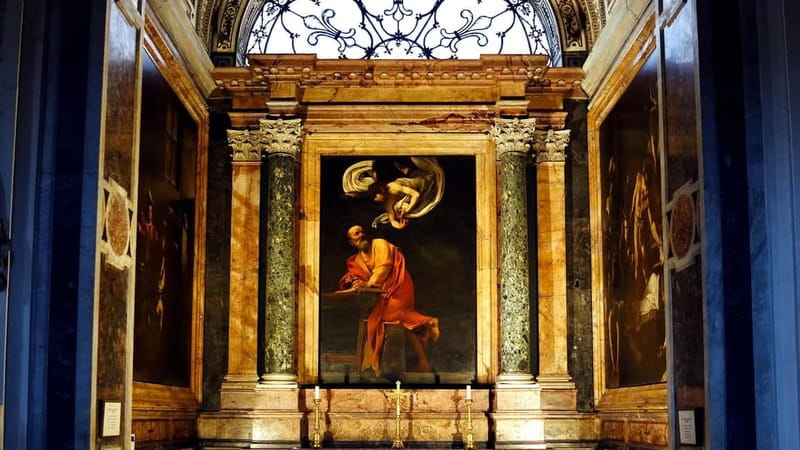
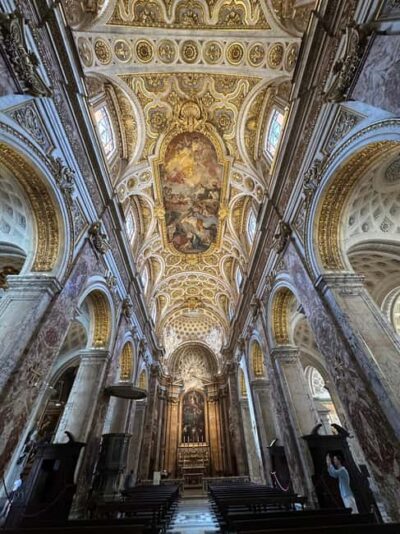
This is one of the main reasons to book. You visit the Church of St. Louis of the French for about 20 minutes, and the highlight is Caravaggio’s trilogy of paintings. The tour also explains the very unusual story behind them, which is where Caravaggio becomes more than a name.
Caravaggio is famous for making art feel like it is caught mid-action, and that attitude fits the whole concept of this walk. Instead of treating the art like a trophy case, you get it as conflict, ambition, and consequences. The tour’s tone leans into passion and tension, the exact ingredients that make Baroque Rome feel like a living stage.
If you like your art history to come with stakes, this stop will land. And because it is part of a short walk, you will not feel rushed through a long museum setting.
Piazza Navona: Bernini vs Borromini and why the square feels like a debate
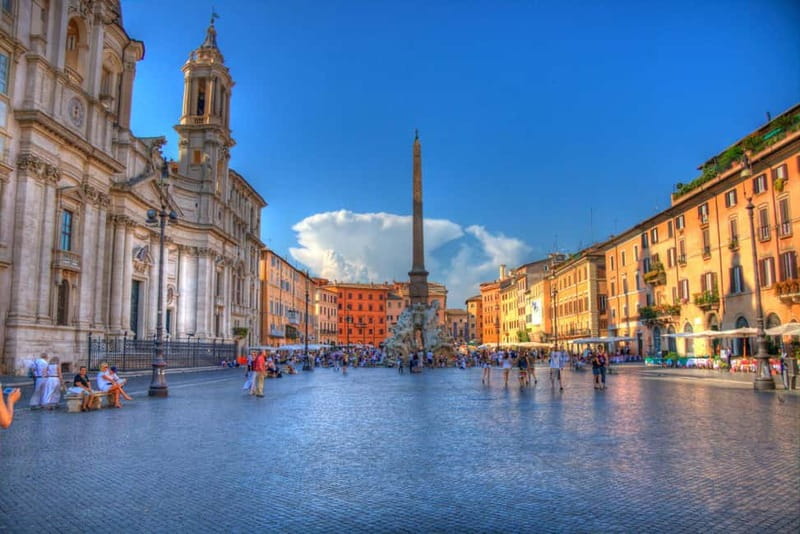
You reach Piazza Navona next, with around 20 minutes of guided time. This is where the tour leans hardest into “competition” as a theme, focusing on the famous rivalry between Bernini and Borromini.
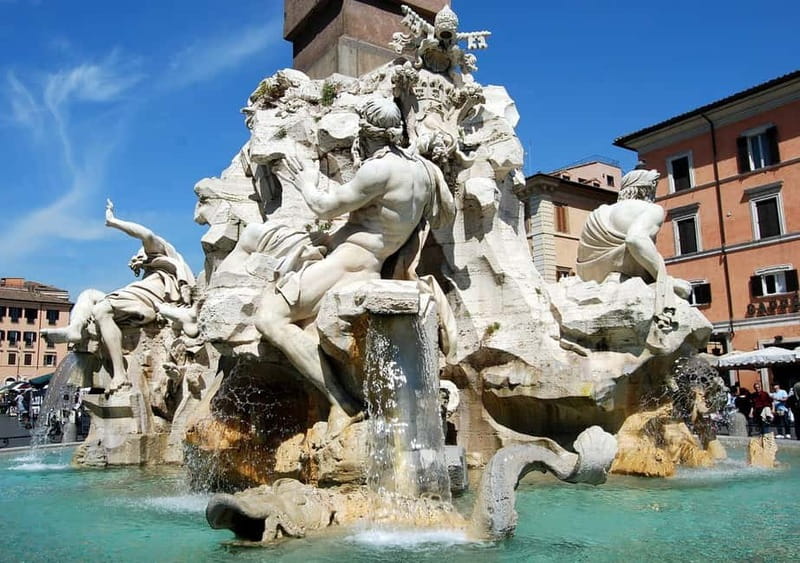
You do not just hear the names. You are guided to see the square as a kind of scoreboard, with Baroque style showing off power, personality, and artistic argument. That is why this stop is so satisfying even if you have visited Piazza Navona before. The guide helps you see what you would otherwise miss, the way the built environment and sculpture language can feel like a conversation with an opponent.
Two extra story touches make this stop feel extra Roman. You also hear about the legend of Pasquino and the sad destiny of Costanza de Cupis. These side stories matter because they show how art and public life mixed in Rome, where gossip was not just entertainment, it was part of how people understood reputation and influence.
Finishing at Piazza Fiammetta: the underrated women angle (and a strong send-off)
The tour ends in front of the House of Fiammetta at Piazza Fiammetta. This ending is a smart choice because it shifts your focus from the male giants to the women connected to Rome’s art world, power networks, and stories.
The tour frames Fiammetta as an interesting and underrated woman in Italian history. Even with only a short finishing window, that pivot can change how you think about the entire walk. You start noticing that artists did not work in a vacuum. Patronage, relationships, and social status shaped what got created and how it got seen.
If you like tours that end with something memorable rather than just dropping you at a street corner, this finish does the job.
Small group and live English guide: what it means for your experience
A group limited to 10 people sounds like a small detail, but it directly affects how well you hear the guide and how often you can ask quick questions. In central Rome, crowds turn a walk into noise. Here, the setup is meant for listening.
The guide is live and English-speaking, so you are not stuck scanning a phone translation while trying to follow a dramatic art story. From the style of narration described in feedback, the most praised part is the storytelling quality, with clear explanations and a lively delivery that helps you imagine the scenes behind the masterpieces.
If you want the art history to feel like a story you can retell, this format fits well.
Who should book, and who might want a different plan
This walk is a good fit if you like:
- Renaissance and Baroque art explained with human drama and clear context
- Walking through the city center and learning what to notice, not just where to stand for photos
- An art history tour that includes story elements like competition, passion, scandals, and court intrigue
It may not be a good fit if:
- You need wheelchair access, since it is not suitable for wheelchair users
- You are prone to motion sickness, because it is a walking route through central areas
- You are over 80, since the tour is not suitable for people over 80, and also not suitable for people over 95
- You want a quiet, self-paced museum experience rather than guided storytelling
Also, plan your outfit for churches: shoulders covered, comfortable clothing, and skip shorts or mini-skirts.
Should you book Rome and Art: Michelangelo, Raphael, Bernini, Caravaggio?
I think you should book if you want an art tour that connects the masterpieces to the messy, competitive, political reality of Rome. The combination of Renaissance anchors (like the Raphael conversation), major Baroque touchpoints (Bernini vs Borromini in Piazza Navona), and Caravaggio’s trilogy at the Church of St. Louis of the French gives you a strong artistic arc in only three hours.
Book with extra confidence if you care about narration quality and want the guide to make you feel like each stop has a reason to exist in the story of Rome. Just remember the one catch: Pantheon tickets are not included, so if entering the Pantheon is on your must-do list, plan for that separately.
If you are sensitive to walking and churches, or you need accessibility support, you may want another format. But for the rest of us, this is a smart, story-driven way to experience central Rome art without spending half a day lost in guesswork.
FAQ
How long is the Rome and Art tour?
The tour duration is 3 hours.
What is included in the price?
You get a guided tour with detailed explanation of each place, including historical context and importance in art history.
Are Pantheon tickets included?
No. Pantheon tickets are not included.
Where does the tour meet?
The meeting point is in front of Hotel Accademia on via della Stamperia.
Is the tour suitable for wheelchair users or people with motion sickness?
No. It is not suitable for wheelchair users, and it is also not suitable for people with motion sickness.
What should I wear for church stops?
You should wear comfortable clothes that cover your shoulders. Shorts and mini-skirts are not recommended.
Latest additions from Rome
- Rome: Testaccio Market Food Tour with Street Food & Wine★ 5.0 · 8 reviews
- Exclusive Pasta & Tiramisu Class with Wine near by Colosseum★ 5.0 · 8 reviews
- Private Professional Photoshoot in Rome★ 5.0 · 8 reviews
- Loreto “Shrine of the Holy House of the Virgin Mary” Private Tour from Rome★ 5.0 · 8 reviews
- Rome Day to discover Florence and Pisa Hotel Pickup★ 4.5 · 8 reviews
- Rome: Christmas Nativities and Angels Tour★ 3.1 · 8 reviews
- Guided Tour of Vatican Museums and Sistine Chapel★ 5.0 · 8 reviews
- Rome: Cooking Class of fresh Pasta and Tiramisu Cake★ 5.0 · 8 reviews
Caravaggio and Renaissance Art Tours, compared.
Caravaggio: Art on Footsteps-Masterpieces in Rome’s Churches
Read our review →
Borghese Gallery Max 6 People Tour: Baroque & Renaissance in Rome
Read our review →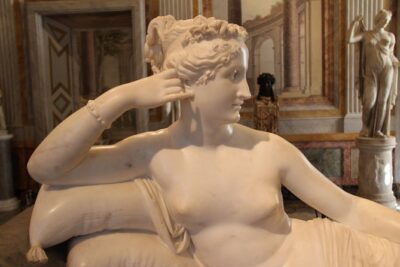
Borghese Gallery Small-Group Tour with Canova’s Masterpieces
Read our review →
Vatican Museums, Sistine Chapel & Raphael Rooms Guided Tour
Read our review →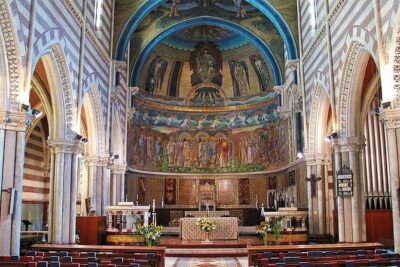
Vivaldi’s Four Seasons meets Bach’s Masterpieces
Read our review →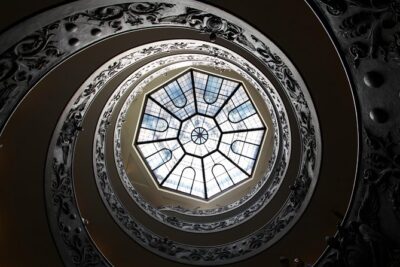
Private Vatican Experience with Sistine Chapel & Raphael’s Rooms
Read our review →
Renaissance Scarlet Ladies Tour: Caravaggio’s and Borgia’s Women
Read our review →
Browse the lists this tour appears in