
Reviewed · UNDERGROUND ROME TOURS
Private Tour of Caracalla Baths and Circus Maximus
Caracalla is not just ruins, it is how Romans relaxed. This private tour pairs the best-preserved Baths of Caracalla with a walk onto the soil of Circus Maximus, with a professional archaeologist guiding you through what a typical day may have felt like. I love that you get practical storytelling tied to real spaces, not generic Roman talk, and I also like that the tour uses sterilized headsets so you hear the guide clearly even when other visitors are around.
The main drawback to plan for is that the tour involves a moderate amount of walking. Wear comfy shoes, and if you have any mobility limits, mention them up front, since the guide can adapt the pace.
In This Review
- Key highlights to look for
- Caracalla and Circus Maximus, in 90 minutes you can actually use
- Start at Viale Aventino, then get your bearings fast
- Terme di Caracalla: walking a full Roman bathing day
- A small watch-out
- Roman engineering lesson: underfloor heating and warm rooms
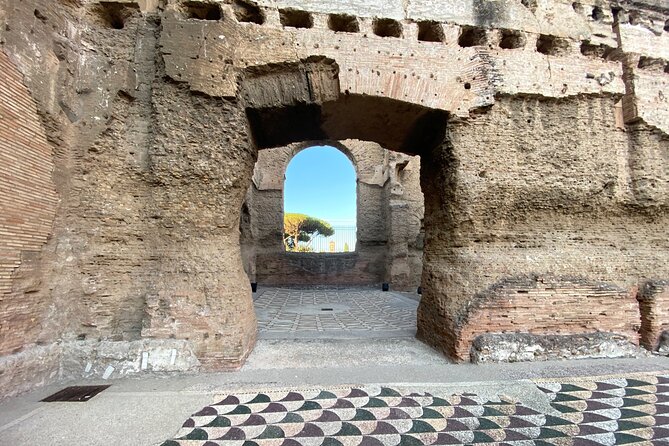
- Mosaics and geometry: the decoration you can actually spot
- Circus Maximus: standing on the soil of Roman public games
- What you are really paying for: private, archaeologist-led clarity
- Comfort, logistics, and the “Rome reality check”
- Weather matters, and you should treat this like outdoor archaeology
- Who this tour suits best (and who might skip it)
- Should you book the Private Tour of Caracalla Baths and Circus Maximus?
Key highlights to look for
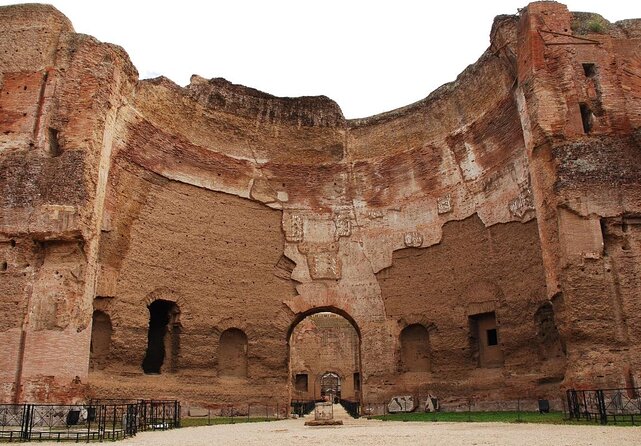
- Best-preserved Roman baths for walking through a full ancient “day at the spa”
- Roman underfloor heating explained with the real labor behind keeping rooms warm
- Geometric mosaics you can spot and connect to how the baths were decorated
- Circus Maximus on the ground floor of the biggest public games venue ever built
- Ludi and ancient crowd energy, from chariots to gladiator fights
- Private format with an archaeologist plus sterilized headsets for clear listening
Caracalla and Circus Maximus, in 90 minutes you can actually use
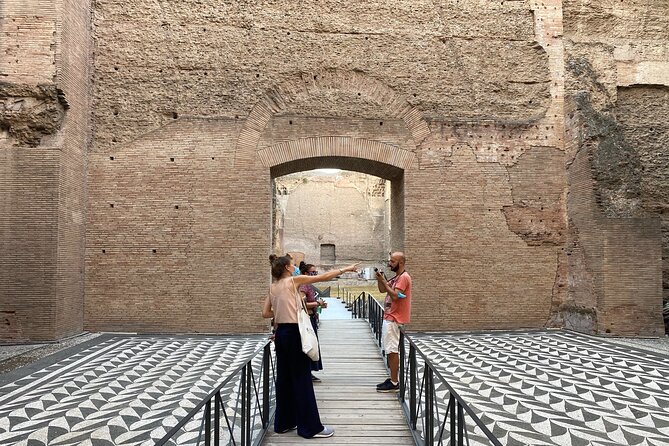
This is the kind of short Rome tour that works for real schedules. You get one hour at the Baths of Caracalla, then a focused 30 minutes at Circus Maximus, with the rest of your time left to wander on your own. The structure matters. Caracalla is big, and Circus Maximus can feel vague if you have never stood where it was.
You’re also paying for clarity. The experience is led by a professional archaeologist guide, and the included sterilized headsets help you catch every explanation without turning your head every two seconds. For many people, that alone is the difference between seeing ruins and understanding them.
You should expect the tour to feel like stepping through daily routine. The bath stop is designed to show you the steps of a typical day in the 3rd century AD, including the wide range of services that made these places more than just washing rooms. Then the second stop pulls you into the public, loud side of Roman life.
More Private Tours in Rome
- Rome by Golf Cart Private Tour: Beyond the Landmarks
★ 5.0 · 4,361 reviews - Early Morning Vatican, Sistine, St. Peter’s Semi or Private Tour
★ 5.0 · 3,779 reviews - Rome on a Golf Cart Semi-Private Tour Max 6 with Private Option
★ 5.0 · 2,502 reviews - Rome Private Arrival Transfer: Fiumicino Airport to Hotel in Rome
★ 4.5 · 2,492 reviews
Start at Viale Aventino, then get your bearings fast
The meeting point is Viale Aventino, 3, 00153 Roma RM. The tour ends inside the Baths of Caracalla at Viale delle Terme di Caracalla, 00153 Roma RM. That routing is handy because you do not waste time retracing steps.
Because this is offered in English, you can focus on the archaeology instead of translating in your head. And since it is a private tour/activity, only your group participates. That usually means fewer distractions, more questions, and a smoother pace when you want to stop and look closely at mosaics, walls, and floor systems.
There is no hotel pickup or drop-off included. If you are staying in central Rome, plan on using public transportation or a short taxi or rideshare hop to reach the start point.
Terme di Caracalla: walking a full Roman bathing day
Your first stop is Terme di Caracalla, a site known as one of Rome’s best-preserved bath complexes. The tour is about letting the ruins feel active again. You are not just looking at walls. You move through the monumental rooms of the thermal complex while the guide builds a mental picture of how Romans used the space.
What I like about this approach is that it gives you a sequence. The tour goes through the exact steps of a typical day at the baths in the 3rd century AD. That matters because bath complexes can be confusing when you are standing in open areas with scattered structures. A guide-led order helps you understand why each room and passage exists and what it likely meant in daily routine.
Caracalla also has that “ancient wellness” vibe you might recognize from modern spa culture, even though everything is Roman. The tour highlights the bizarre range of services offered for body and mind. Think of it as an all-in-one social and care center. You see how a place could be part workout space, part relaxation zone, part status theater, and part community hub.
The one-hour timing is a tight but workable window. You will not be there long enough to feel exhausted, but you should still allow yourself a moment before the tour starts to look around. A quick scan helps your brain lock onto details when the guide points things out.
A small watch-out
If you dislike walking on uneven ground or you want slow, long pauses for photos, you may find the hour moves quickly. The good news is that this is private, and at least one guide experience shared that they can adapt when a friend in the group struggled with walking.
Roman engineering lesson: underfloor heating and warm rooms
Caracalla is famous for its engineering, and this tour spends real time on it. You learn how Romans perfected underfloor heating and why it was so labor-intensive to keep temperatures right in different rooms.
This is the part that often turns ruins into something tangible. You can stand in the remains and still understand the “how” because the guide connects the system to the rooms you are seeing. You might not notice all the practical features without that guidance, but with the explanation you start to imagine the airflow, the heat pathways, and the effort it took to run a bath day.
The tour also focuses on temperature management, including techniques used to maintain the desired warmth in each room. That point is more important than it sounds. Roman baths were not just warm in a vague way. Different spaces had different comfort levels, and that required planning and effort.
If you love practical history, this is where the value really lands. You are learning the logic behind the architecture, not just admiring scale.
More levels of the city stacked below:
Mosaics and geometry: the decoration you can actually spot
You will also get a close look at geometric motifs on beautiful mosaics found throughout the baths. This is a great pairing with the engineering talk. When you understand how the heat system worked, you also start seeing the bath complex as a designed environment, not random leftover stone.
I recommend slowing down for two things:
- the patterns, since geometric designs are easier to appreciate once you know where your eye should go
- the way mosaics fit into the bigger room setting, so you do not treat them like standalone art
The tour’s pacing helps. It is not one long lecture. You are moving through spaces, and the mosaics pop more when you stop at the right moment.
Circus Maximus: standing on the soil of Roman public games
After Caracalla, you head toward Circo Massimo, the Circus Maximus. This is described as the largest structure ever built for public games. Even if you have never cared about Roman sports before, this stop tends to land because it is about the scale of public life.
You are taught to stand on the spot where the Circus once functioned. That physical reference is key. Without it, Circus Maximus can feel like a flat patch of ground. With the guide’s context, it becomes a stage.
The tour connects the Circus to Ludi, the multi-day celebrations held for public entertainment. You learn about the clamor of the public while walking on the soil where events used to take place. And you hear about the kinds of spectacles people associated with the Circus, including chariot races and gladiator fights.
Finally, you get a quasi-legendary layer. The guide brings in the Circus’s foundations in early myths and gods, taking you beyond athletics and into the mythology side of why Rome built and kept building big venues for the crowd.
The Circus portion is only about 30 minutes, so it is best thought of as orientation and imagination fuel. If you want more, you can keep exploring afterward on your own, using what the guide explained as your mental map.
What you are really paying for: private, archaeologist-led clarity
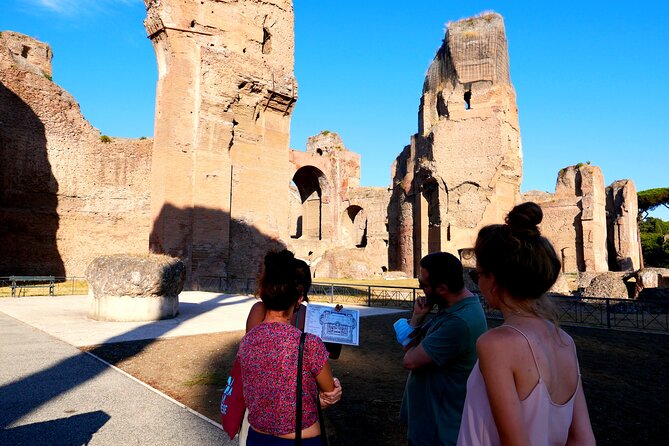
At $311.87 per person, this is not a budget tour. But price only makes sense when you compare what is included and how much you get for the time. Here, you are paying for:
- a professional archaeologist guide
- entrance fees to the Baths of Caracalla
- sterilized headsets
- full on-site assistance
- a private group experience
For many people, private is the difference between hearing a lecture and actually asking questions. It also tends to help with pacing, which showed up in the shared experience of how the guide adjusted for someone struggling with walking.
There is also a practical bonus that is easy to overlook: the tour is English-friendly and headset-supported. In Rome, that matters. Ruins are loud, and explanations can get lost in the shuffle. These headsets keep the story coherent.
If you are the type of traveler who likes Rome as a puzzle of how it worked, not just what it looked like, you’ll likely feel you got your money’s worth. If you only want casual sightseeing with minimal walking, you might find the price harder to justify.
Comfort, logistics, and the “Rome reality check”
This tour involves a moderate amount of walking, so plan around that. Comfortable shoes are a must. You are also near public transportation, which helps if you want to start clean and simple without worrying about complicated meeting arrangements.
Service animals are allowed, which is a plus if you travel with a companion animal.
Two other practical details worth noting:
- Confirmation is received at booking.
- Travelers younger than 18 must present a valid document or proof of ID.
If you are planning your trip during a busy season, consider the timing pressure. This experience is commonly booked around 40 days in advance, which suggests it can sell out or at least tighten availability for popular dates.
Weather matters, and you should treat this like outdoor archaeology
The experience requires good weather. If it is canceled due to poor weather, you are offered a different date or a full refund. That is a normal reality for Rome outdoor sites, but it affects how you should schedule.
If you have flexibility, book this on a day when you are least likely to have a tight change-of-plans problem. And if you want to keep your day smooth, avoid making this your only plan on a weather-risk afternoon.
Who this tour suits best (and who might skip it)
This is a strong choice for you if you want Roman life through two lenses:
1) how Romans engineered comfort and routine at major baths
2) how Romans staged public spectacle at Circus Maximus
You will likely enjoy it if you like details like underfloor heating systems, temperature control, and decorative mosaics with geometric motifs. You are also in the right place if you appreciate a guide who can explain without rushing past what you are standing on.
You might choose to skip this if:
- you want a longer, slower wandering visit with time to do extra exploring inside the baths
- you have very limited mobility and cannot manage even moderate walking
- you are searching for a classic “big three” style Rome highlights run, because this tour is more focused and specialized
Should you book the Private Tour of Caracalla Baths and Circus Maximus?
If you are deciding between a quick stop and a guided understanding, I think this private format is worth your time. Caracalla can be impressive but confusing. This tour gives you order, engineering context, and decoration details, all with headset support. Then Circus Maximus turns into something you can picture, not just something you pass.
I recommend booking if you fall into any of these categories:
- You want an archaeologist guide, not just a generic tour speaker.
- You like practical Roman tech, especially the underfloor heating story.
- You want a compact plan that still feels substantial.
Go ahead and book it when the date has decent weather and your schedule allows for a moderate walking pace. And when you arrive, do what works best in Rome: wear comfy shoes, take a breath at the meeting point, and let the guide do the heavy lifting of making the stones understandable.
Latest additions from Rome
- Rome: Testaccio Market Food Tour with Street Food & Wine★ 5.0 · 8 reviews
- Exclusive Pasta & Tiramisu Class with Wine near by Colosseum★ 5.0 · 8 reviews
- Private Professional Photoshoot in Rome★ 5.0 · 8 reviews
- Loreto “Shrine of the Holy House of the Virgin Mary” Private Tour from Rome★ 5.0 · 8 reviews
- Rome Day to discover Florence and Pisa Hotel Pickup★ 4.5 · 8 reviews
- Rome: Christmas Nativities and Angels Tour★ 3.1 · 8 reviews
- Guided Tour of Vatican Museums and Sistine Chapel★ 5.0 · 8 reviews
- Rome: Cooking Class of fresh Pasta and Tiramisu Cake★ 5.0 · 8 reviews
Underground Rome Tours, compared.
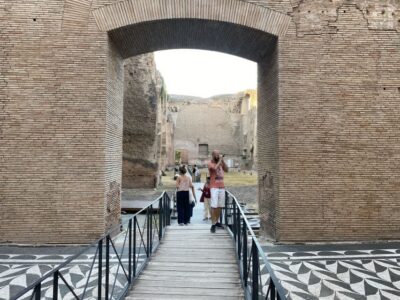
Caracalla Baths & Circus Maximus — Private or Shared
Read our review →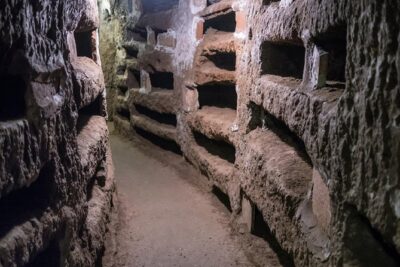
Catacombs and Hidden Underground Rome: Small Group Max 6 People
Read our review →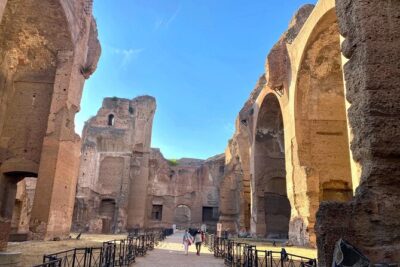
Small-Group Tour of Caracalla Baths and Circus Maximus
Read our review →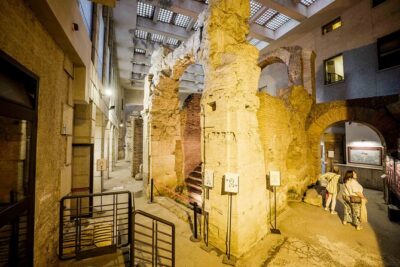
Rome underground: Piazza Navona, the Illusion Church and Pantheon
Read our review →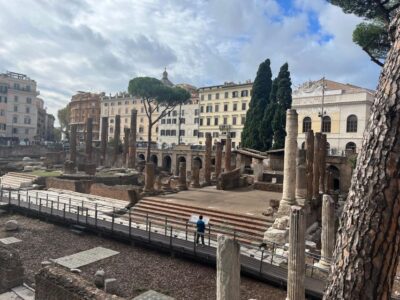
Ancient Rome: Archeological area Largo Argentina
Read our review →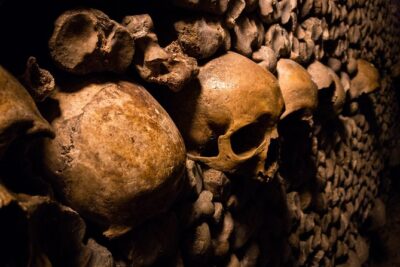
Circus Maximus Virtual Reality Game near the Colosseum
Read our review →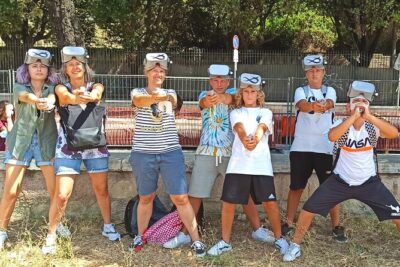
Circus Maximus Virtual Reality Game near the Colosseum
Read our review →Browse the lists this tour appears in