
Reviewed · PASTA AND TIRAMISU COOKING CLASSES
From Rome: Pasta & Tiramisù Cooking Class near Spanish Steps
Homemade pasta in Rome, in just two hours. You’ll learn fettuccine from scratch and finish with a classic tiramisu, with wine and coffee in the middle.
I especially like the hands-on method, kneading and cutting pasta with direct help, and I like the friendly, attentive vibe from the staff. One possible drawback is that the whole experience is tightly focused on only two dishes, so it will not feel like a broader Roman food tour.
In This Review
- Key highlights to know before you go
- A pasta-and-tiramisu class that feels practical, not performative
- Where you start: Trattoria Amici near the Spanish Steps
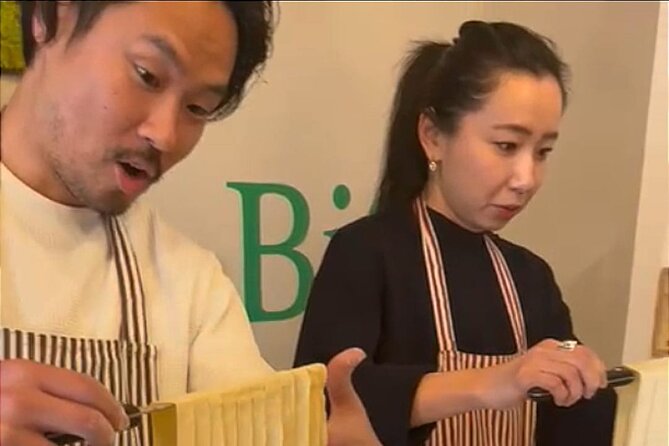
- Homemade fettuccine: the part you’ll actually remember
- How the chef teaches sauce pairing (so your pasta isn’t boring)
- Tiramisù time: layering the texture, not just the ingredients
- Wine, espresso, limoncello, and the meal you eat right after cooking
- The chef certificate: a fun way to make it feel official
- Languages and group size: why it matters for learning
- Price and value: is $101 per person worth it?
- Who this class suits best, and who might want something else
- Should you book this pasta and tiramisù class?
- FAQ
- Where is the meeting point for the class?
- How long does the cooking class last?
- What dishes will I make during the class?
- Do I get to sit down and eat what I make?
- Are drinks included?
- Is instruction available in multiple languages?
- Do I receive a certificate at the end?
- Is there a photo keepsake related to limoncello?
- Can I cancel for a full refund?
- Is reserve and pay later available?
Key highlights to know before you go
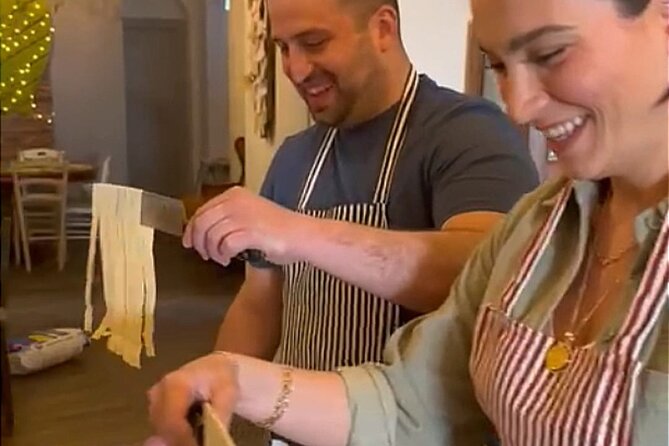
- Fresh fettuccine technique: mix, knead, and cut delicate strands the proper way
- Chef-led tiramisù layering: mascarpone cream, espresso-soaked ladyfingers, and cocoa powder
- Near the Spanish Steps: a central location that fits easily into a Rome day
- Food plus drinks: lunch of what you make, plus wine or a soft drink and either espresso or limoncello
- Personal photo keepsake: they take your picture and place it on a limoncello bottle you can purchase
- Chef certificate: a fun paper trophy that makes the class feel official
A pasta-and-tiramisu class that feels practical, not performative
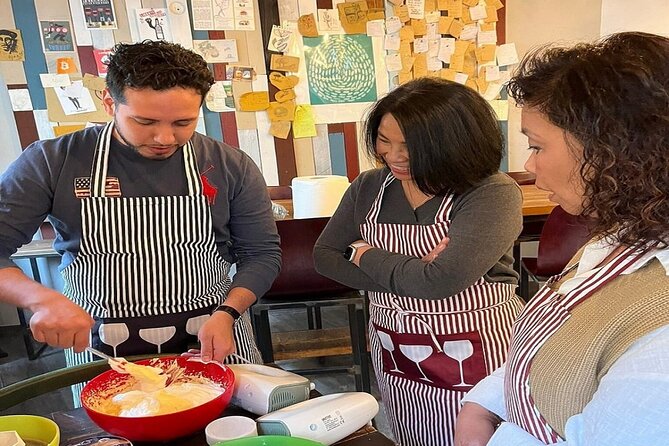
If you love Italian food, this is one of those Rome experiences where the payoff is immediate. Instead of watching cooking from the sidelines, you work the dough, you build the dessert, and you get to eat what you made. It is also short enough, 2 hours, that you can still enjoy Rome afterward without feeling like your whole day disappeared.
What I like most is the specific focus. Fettuccine is not just a concept here, it is something you mix, knead, and cut into strands. And tiramisù is not just assembled, it is layered with espresso-soaked ladyfingers, mascarpone, and cocoa powder so you understand how the texture comes together.
The location helps too. Being close to the Spanish Steps means you are not spending half your time commuting across the city. You can fit this class between sightseeing and dinner, or even do it as a reset day plan when the streets get crowded.
Other kitchens rolling pasta and folding tiramisu:
- 3 in 1 Cooking Class near Navona: Fettuccine, Ravioli & Tiramisu
★ 5.0 · 7,376 reviews - Rome: Pasta & Tiramisu Class with Fine Wine by the Vatican
★ 4.9 · 4,852 reviews - Rome: Pasta Making Class with Wine, Limoncello, and Dessert
★ 4.9 · 3,177 reviews - Rome Cooking Class: Make Pasta and 3 Spritz Cocktails
★ 5.0 · 2,937 reviews
Where you start: Trattoria Amici near the Spanish Steps
You meet your host at Trattoria Amici. This matters because it keeps things simple. In Rome, the hardest part of a food activity is often finding it, and this one is anchored at a real restaurant spot.
Once you arrive, you’ll be greeted with the lead traveler’s name. That sounds small, but it often means the staff can move you through check-in quickly and get you cooking. The class uses instructors who speak English, Spanish, and Italian, so you should not feel lost if your Italian is limited.
One detail I appreciate from the experience vibe is how helpful the staff are throughout. People mention being friendly and supportive, and that shows in a class where you are learning hands-on skills. If you worry about making mistakes with dough, a calm, encouraging setup can make the difference.
Homemade fettuccine: the part you’ll actually remember
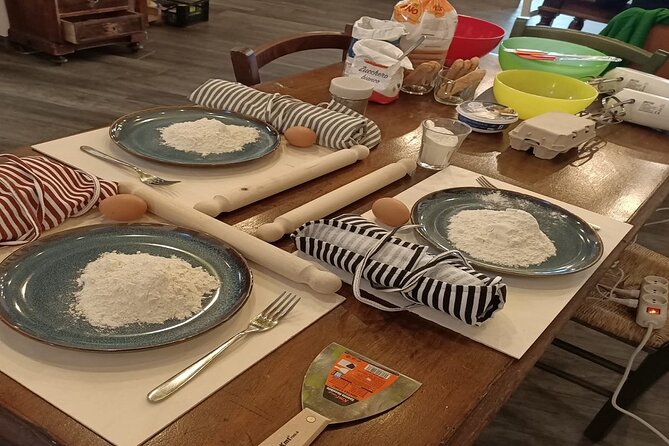
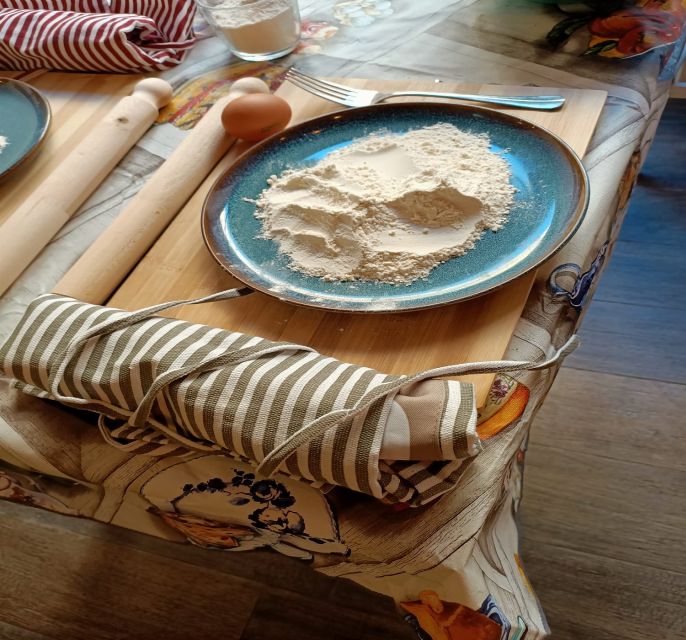
This is the core of the class. You make homemade fettuccine from scratch, using fresh ingredients and guided technique. The chef explains how to select top-notch ingredients, then you do the mixing and kneading yourself.
Kneading is where you learn the real feel of pasta dough. Too dry, and it cracks. Too wet, and it sticks and won’t cut cleanly. In a short class, you obviously will not become a fresh pasta expert overnight, but you will gain enough muscle memory to recognize what good dough should feel like.
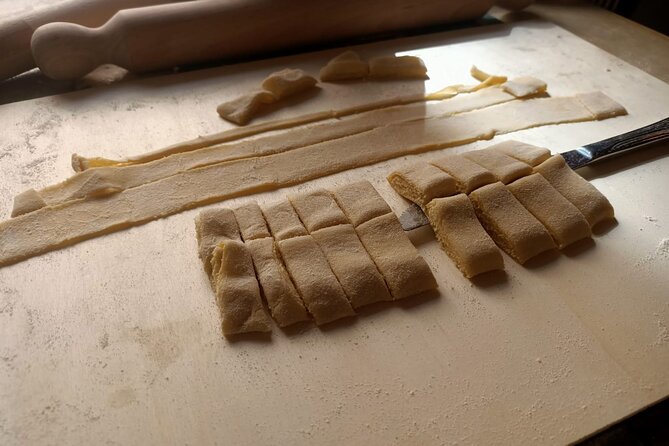
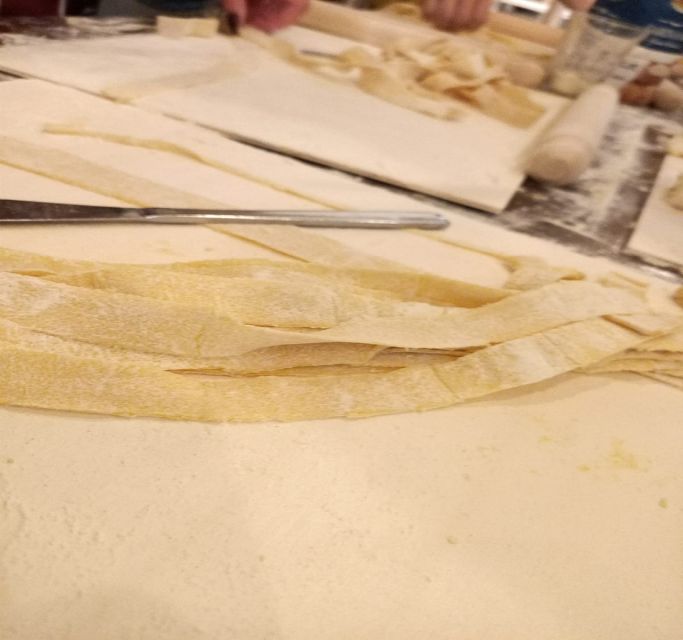
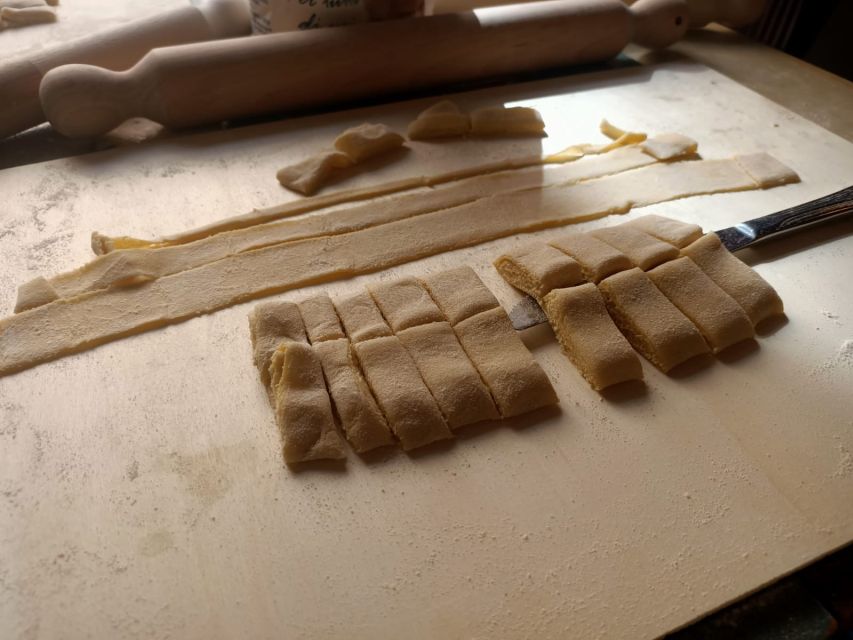
Then comes the cutting. You learn how to turn the dough into delicate strands, not thick noodles that look fine but do not cook or sauce the same way. The chef’s tips on pasta and sauce pairing are practical, because fresh fettuccine is all about matching texture and weight to the sauce.
A useful mindset here is: do not aim for perfection. Aim for understanding. When you learn why the dough works, you can repeat the approach later at home with better results, even if the shapes are not identical to what you see in a cookbook.
How the chef teaches sauce pairing (so your pasta isn’t boring)
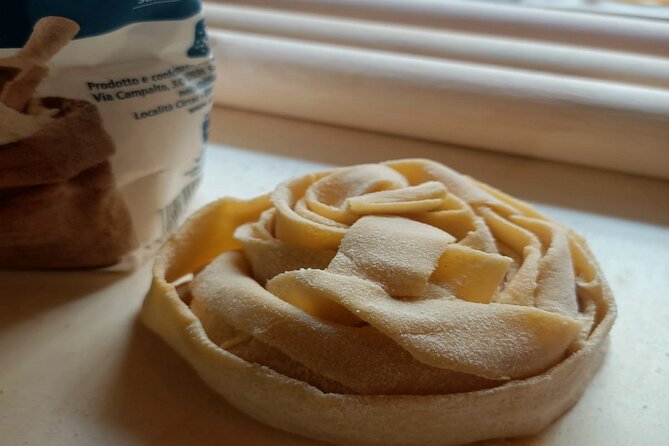
The class is not only about making noodles. You get guidance on how to get pasta to pair well with sauce. That sounds like a small teaching point, but it’s actually one of the reasons homemade pasta tastes different from store-bought.
Fresh fettuccine has a tender bite, and it tends to hold sauce in a more delicate way than you expect. The chef’s tips help you think in terms of balance: sauce that feels heavy enough to cling, but not so thick that it overwhelms the pasta. Even if you do not remember every sentence, you’ll likely remember the logic.
And since you sit down to eat what you make, the pairing lesson becomes real. It is hard to forget a sauce that works with your own noodles.
Tiramisù time: layering the texture, not just the ingredients
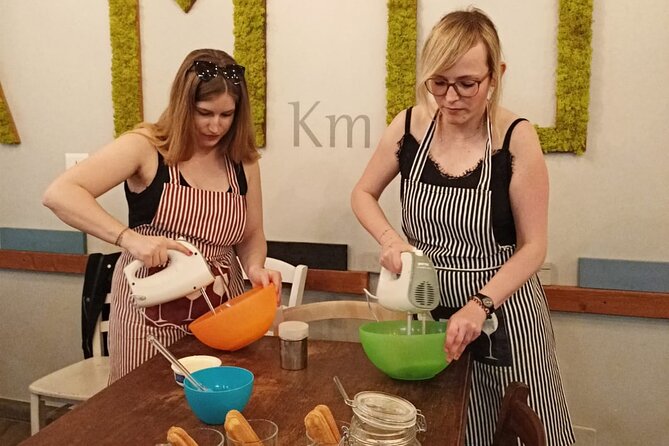
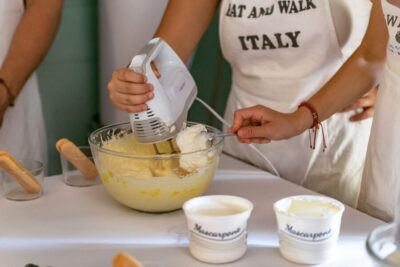
After the fettuccine work, you turn to dessert. Tiramisù is built in layers, and the class teaches you how to get those layers right: mascarpone cream, espresso-soaked ladyfingers, and cocoa powder.
What I like here is that tiramisù is often treated like a no-fail recipe. But in reality, the method controls the texture. The espresso-soaked ladyfingers need the right amount of absorption so they feel tender, not soggy. And mascarpone needs the right handling so the cream stays smooth instead of turning grainy or heavy.
You watch the chef layer, then you do the assembly yourself. This matters because tiramisù looks simple, but it is the pacing of the layering that makes it taste balanced. You end up learning the “why” behind the technique, which is useful when you repeat the dessert later.
The cocoa finishing is the last touch. In class, it feels like the small detail, but it is what sets tiramisù’s signature look and helps balance the sweetness with bitterness.
Other Roman benches to work at for a morning:
Wine, espresso, limoncello, and the meal you eat right after cooking
Once the cooking is done, you sit down to enjoy your dishes. That’s not just a courtesy meal, it is part of the learning. You can taste the result while the process is still fresh in your head.
You’ll have a glass of wine or a soft drink with the meal. Then you’ll also get espresso coffee or limoncello. I like that mix because it reflects how Italians treat these moments: not complicated, but intentional. Coffee and liqueur fit naturally after a pasta-and-dessert sequence.
One particularly memorable detail from people who’ve taken the class is the personalized photo moment. They take your picture and put it on a limoncello bottle you can purchase at the end of the session. That turns the class from a one-time experience into a souvenir you can actually bring home without it feeling random.
If you enjoy small, thoughtful touches like that, this is the kind of class that feels well run.
The chef certificate: a fun way to make it feel official
At the end, you receive a chef certificate. It sounds playful, but it also gives the activity structure. When you get a certificate, it makes clear that this is a guided class, not a casual demo where you learn one trick and leave.
It also helps the experience feel complete in two hours. You finish cooking, you eat, you get drinks, and you leave with something tangible. That combination is part of why people rate the experience highly.
Languages and group size: why it matters for learning
This class runs with instructors in English, Spanish, and Italian. If you are juggling a language barrier, that support helps you understand the technique instructions, especially for things like dough feel and dessert layering.
Small class sizes are part of the value too. That means you’re not stuck waiting for attention. In hands-on cooking, waiting can be frustrating because dough and timing matter. With personalized attention, you can ask a question and actually get help while your task is still in progress.
Price and value: is $101 per person worth it?
At $101 per person, you’re paying for a guided, hands-on food class with ingredients, a chef, and the meal plus drinks. In Rome, that price sits in the middle of the range for cooking activities, but the real question is whether you get enough substance.
Here’s what you do get that justifies the cost:
- Two full dishes, homemade fettuccine and tiramisù
- Proper technique coaching, mixing and kneading dough, then cutting strands
- Drinks included, including wine or a soft drink plus espresso or limoncello
- You sit down and eat what you make
- A keepsake photo on a limoncello bottle you can purchase
- A chef certificate
The drawback, value-wise, is also simple: it is a 2 hour format. You are learning core skills, but you are not doing a long, multi-course feast with deep regional variations. If you want a long sit-down Roman dinner experience, you may prefer a longer meal tour. If you want a focused cooking class with real results, this price can feel fair.
Who this class suits best, and who might want something else
This class is ideal if you:
- Want a hands-on Rome activity that produces food you can eat immediately
- Love classic Italian flavors and want to learn technique, not just recipes
- Prefer a small-group setting where you can ask questions
- Are spending time near the Spanish Steps and want something practical in your schedule
It may not be the best fit if:
- You want a broad survey of Roman cuisine beyond pasta and dessert
- You prefer observation over participation
- You are looking for a half-day sightseeing plan rather than a skill-building workshop
Should you book this pasta and tiramisù class?
Yes, if you want the kind of Rome experience that turns into a memory you can recreate at home. The mix of fettuccine-making, a proper tiramisù layering lesson, and included lunch plus drinks hits a sweet spot. Add the approachable staff energy and the Roberto-led guidance, and it becomes more than a checklist activity.
Before you book, just be honest about your goal. If your main aim is learning two specific dishes well in a short window, this is a strong choice. If you want a long, wide-ranging food tour, choose something else and keep this for another trip.
FAQ
Where is the meeting point for the class?
You meet at the Trattoria Amici restaurant.
How long does the cooking class last?
The experience lasts 2 hours.
What dishes will I make during the class?
You’ll make homemade fettuccine pasta and tiramisù.
Do I get to sit down and eat what I make?
Yes. The class includes lunch of homemade fettuccine pasta, and you enjoy the dishes you prepare.
Are drinks included?
Yes. You get a glass of wine or a soft drink, plus espresso coffee or limoncello.
Is instruction available in multiple languages?
Yes. The instructor speaks English, Spanish, and Italian.
Do I receive a certificate at the end?
Yes. You receive a chef certificate.
Is there a photo keepsake related to limoncello?
Yes. They take your picture and place it on a limoncello bottle that you can purchase at the end.
Can I cancel for a full refund?
You can cancel up to 24 hours in advance for a full refund.
Is reserve and pay later available?
Yes. You can reserve now and pay later.
Roman Kitchens to Cook In
- Rome: Pasta & Tiramisu Cooking Class near the Spanish Steps
★ 4.8 · 1,395 reviews - Rome: Traditional Pizza Cooking Class near Piazza Navona
★ 4.7 · 1,241 reviews - Rome: Combo Pizza and Pasta Cooking Class with Wine
★ 4.6 · 1,180 reviews - Rome: Pasta Making with Wine Tasting and Dinner in Frascati
★ 4.9 · 979 reviews
Latest additions from Rome
- Rome: Testaccio Market Food Tour with Street Food & Wine★ 5.0 · 8 reviews
- Exclusive Pasta & Tiramisu Class with Wine near by Colosseum★ 5.0 · 8 reviews
- Private Professional Photoshoot in Rome★ 5.0 · 8 reviews
- Loreto “Shrine of the Holy House of the Virgin Mary” Private Tour from Rome★ 5.0 · 8 reviews
- Rome Day to discover Florence and Pisa Hotel Pickup★ 4.5 · 8 reviews
- Rome: Christmas Nativities and Angels Tour★ 3.1 · 8 reviews
- Guided Tour of Vatican Museums and Sistine Chapel★ 5.0 · 8 reviews
- Rome: Cooking Class of fresh Pasta and Tiramisu Cake★ 5.0 · 8 reviews
Pasta and Tiramisu Cooking Classes, compared.
3 in 1 Cooking Class near Navona: Fettuccine, Ravioli & Tiramisu
Read our review →
Pasta & Tiramisu Class with Fine Wine by the Vatican
Read our review →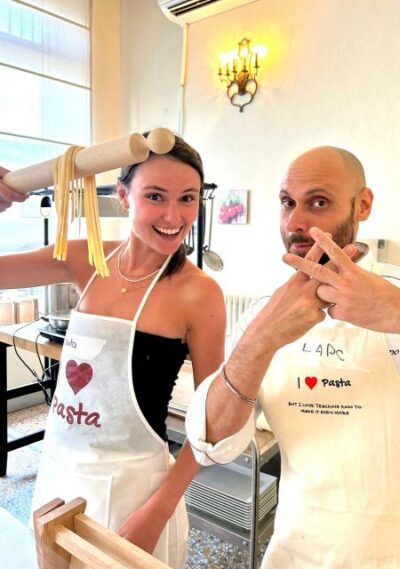
Pasta Making Class with Wine, Limoncello, and Dessert
Read our review →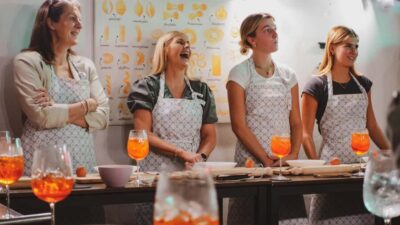
Rome Cooking Class: Make Pasta and 3 Spritz Cocktails
Read our review →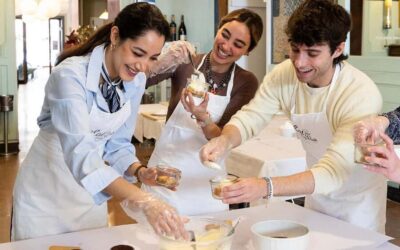
3-in-1 Fettuccine, Ravioli, and Tiramisu Cooking Class
Read our review →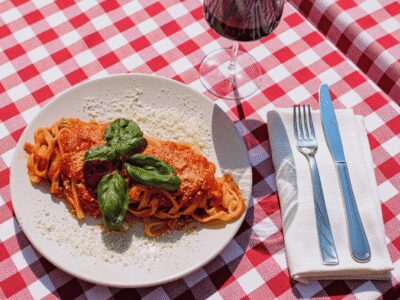
Fettuccine Pasta Cooking Class in Rome’s City Center
Read our review →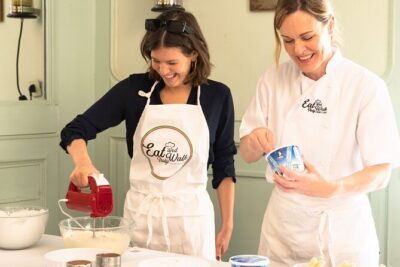
Learn to Make Pasta & Tiramisu with Wine and Limoncello Included
Read our review →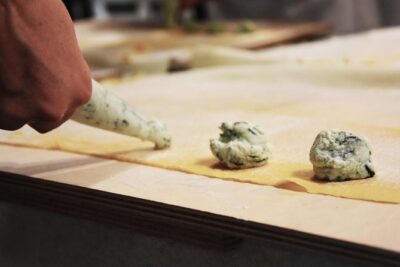
Become a Masterchef in Rome: Pasta, Ravioli and Tiramisù Class
Read our review →Browse the lists this tour appears in