
Reviewed · COOKING CLASSES
Cook with us in Rome: a Hands-On Cooking Experience 15:30PM class
Fresh pasta is the real Rome souvenir. In this 3:30 PM class, I like that you learn handmade pasta from scratch, then eat what you make with Prosecco and wine included. You also get a small-group setup, so the teaching stays hands-on and you can actually ask questions as you go.
One possible drawback to plan around: this experience can skip the market on Sundays and afternoon classes, so if your dream is wandering a market before class, you may want to adjust your schedule.
In This Review
- Key highlights at a glance
- A 3:30 PM cooking class that feels like a real slice of Rome
- Meeting near Vicolo di Sant’Onofrio, then walking through the historic center
- Market shopping, and why afternoon classes may skip it
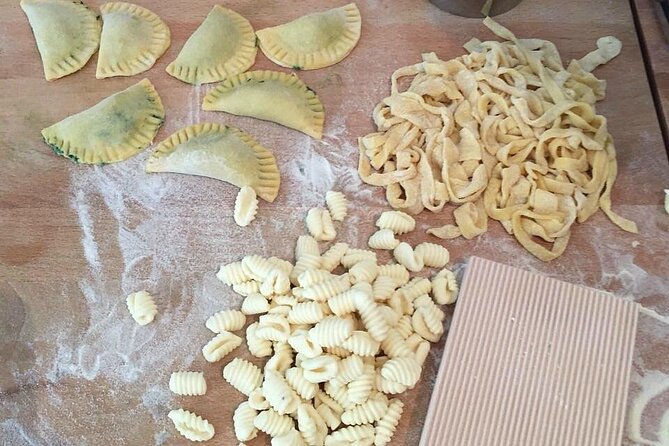
- Handmade pasta practice: fettucine, cavatelli, and ravioli
- Antipasto, two sauces, and how the pairing keeps you moving
- Tiramisu dessert that turns the class into a full meal
- Small-group energy, patient teaching, and a family-friendly vibe
- Price and value: what $144.18 really buys you
- When this class fits you best
- Should you book this hands-on pasta class in Rome?
- FAQ
- What time does the 15:30 PM class start, and how long is it?
- Where does the experience meet?
- Is the cooking class offered in English?
- What will I learn to cook during the class?
- Do you always shop at the market first?
- How many people are in the group?
- Is Prosecco and wine included?
- What if I need to cancel?
Key highlights at a glance
- Small-group size (max 10): more hands-on help, less waiting around
- Multiple pasta shapes: fettucine, cavatelli, and ravioli practice in one session
- Food beyond pasta: antipasto, two different sauces, plus tiramisu for dessert
- Included drinks: Prosecco and wine paired with your meal
- Family-friendly approach: a relaxed class designed for different ages and comfort levels
A 3:30 PM cooking class that feels like a real slice of Rome
Rome is great at two things: food and slow time. This 15:30 class leans hard into both. It is designed as a short, focused half-day plan that ends back where you started, which is handy when you already have sightseeing on the clock.
You will be with a small group, up to 10 people. That matters because pasta is not a “watch only” activity. It is flour, timing, texture, and a few tricks that you only get if someone can correct your technique while you are mid-step. The format also works well if you are traveling with kids or just want a class that does not feel stiff.
The instruction is in English, so you should not spend your whole class translating in your head. And because you are making a full meal, you get the payoff fast, not at the end of a long tour.
Other Roman benches to work at for a morning:
- 3 in 1 Cooking Class near Navona: Fettuccine, Ravioli & Tiramisu
★ 5.0 · 7,376 reviews - Rome: Pasta & Tiramisu Class with Fine Wine by the Vatican
★ 4.9 · 4,852 reviews - Rome: Pasta Making Class with Wine, Limoncello, and Dessert
★ 4.9 · 3,177 reviews - Rome Cooking Class: Make Pasta and 3 Spritz Cocktails
★ 5.0 · 2,937 reviews
Meeting near Vicolo di Sant’Onofrio, then walking through the historic center
The meeting point is Vicolo di Sant’Onofrio, 22, 00165 Roma RM. It is a part of Rome where side streets connect into the bigger picture, and that is exactly what you are starting with: a short walk before you get to the studio.
On the way, you take a “small walking tour” through the historic center. This is not the type of walk where you stand like a traffic cone and memorize facts. The goal is to help you get oriented and get in the mood for what you are about to eat and cook. You will also likely notice how close the streets feel, how fast the city rhythm changes from one block to the next.
Practical note: it is described as near public transportation. So if you are balancing this with other plans, you should be able to hop off the train or bus and still arrive without a panic sprint.
Market shopping, and why afternoon classes may skip it
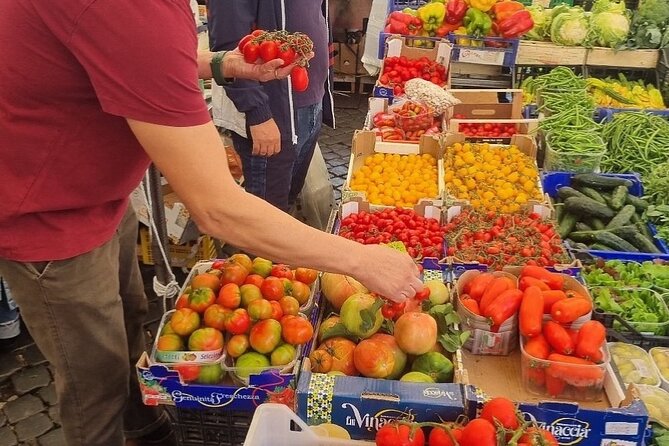
Your experience is set up to begin with a local market for fresh produce. The idea is straightforward: better ingredients lead to better pasta, better sauces, and better overall flavor.
But there is an important timing catch. On Sunday and afternoon classes, the market stop is skipped because the market is closed. Since this class is at 15:30, you should expect that market portion may not happen for the afternoon schedule.
How to think about that if you care about the market:
- If you love seeing ingredient variety and how Italians shop, you might want a different time slot.
- If your goal is learning to cook, skipping the market is not a loss. You will still shop for what matters inside the cooking flow through the rest of the session.
Either way, you will be guided to the ingredients you need, so you are not left guessing what to buy later.
Handmade pasta practice: fettucine, cavatelli, and ravioli
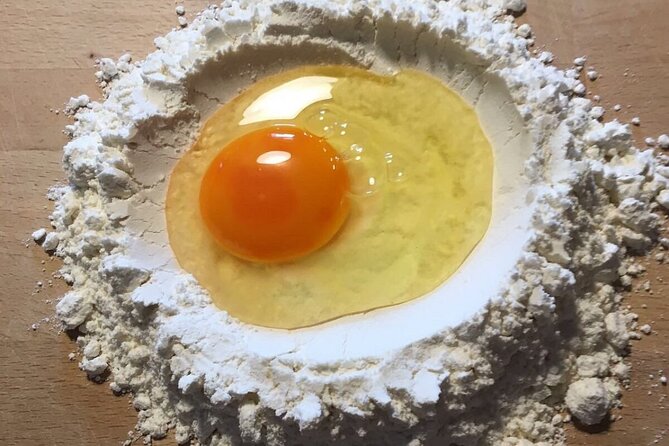
This is the heart of the class. You learn pasta from scratch and you make multiple shapes. That is a big deal for value, because most cooking classes pick one pasta and stop there.
Here is what you are working toward:
- Fettucine: a classic, straightforward shape that teaches dough handling and even thickness.
- Cavatelli: smaller, textured pasta that is all about shaping and how you get ridges and structure right.
- Ravioli: where technique matters most, because you are managing filling, sealing, and preventing leaks.
The benefit for you is learning the logic behind the work. You are not just following steps blindly. Someone can show you how the dough should feel, how to work it without drying it out, and what “good” looks like as you go.
And the review pattern here is loud. People describe hosts as patient and informative, with the kind of guidance that helps you feel confident even if you do not cook much at home. That is exactly what you want with pasta, because small mistakes show up quickly in texture and shape.
One small consideration: pasta takes time. Even in a 4-hour class, you will be busy. Wear comfortable shoes and be ready for a bit of flour on your sleeves. Think of it as part of the experience, not a problem to avoid.
Antipasto, two sauces, and how the pairing keeps you moving
Pasta alone is not the lesson. You also make:
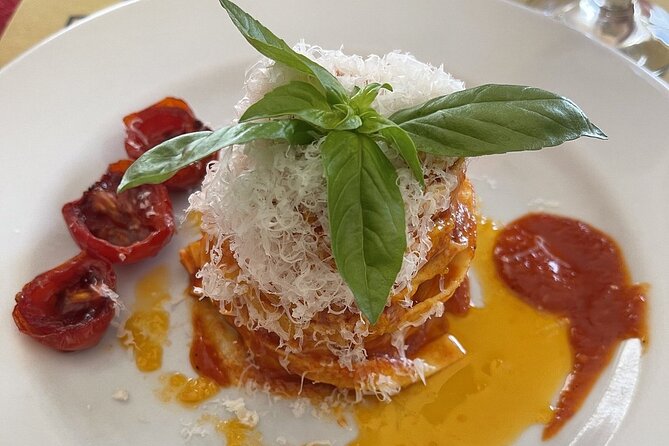
- An antipasto
- Two different pasta sauces
This is where the class turns from “how to make dough” into “how to build an Italian meal.” Antipasto gives you a feel for how Italian meals start, with small plates that set expectations for flavor and texture. Then sauces teach you how to think about what you are cooking, not just what you are assembling.
The sauces matter for you because they are a bridge to what you can repeat later. When you cook at home, you might not want to make ravioli every week. But if you learn how sauce should taste, how it should thicken, and when ingredients come together, you can recreate the spirit of the meal with your own schedule.
Then there is the drink pairing. Prosecco and wine are included, and you get them as part of the meal experience. This keeps the class from feeling like a school lab. People also mention the fun of cooking, drinking, and eating in the same session, which is a good sign the pacing stays friendly and social.
From a practical standpoint, drink inclusion also means you are less likely to burn time hunting for a place to grab a glass before or after. It is all built into the plan.
More Roman kitchens to cook in:
Tiramisu dessert that turns the class into a full meal
No Roman cooking class that calls itself complete leaves you without dessert. Here, you make tiramisu.
This matters because tiramisu is not just a sweet ending. It is a practical lesson in balance. You learn timing, assembly, and how the texture should hold up as it sits. Even if you are not memorizing every minute detail, you walk away with a template you can follow when you get home.
Then comes the best part: you eat what you made. The class is structured so you get a full meal experience rather than a “cook it then hope someone else eats it” setup. That makes your effort feel worth it, and it is how you learn the difference between what you thought would happen and what actually happens when ingredients meet heat and timing.
Small-group energy, patient teaching, and a family-friendly vibe
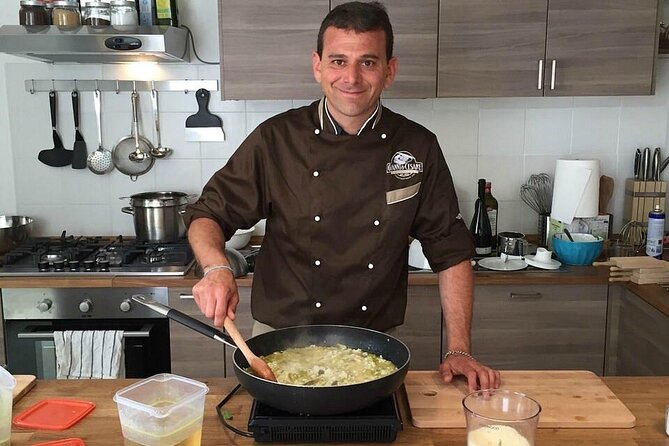
The group size is capped at 10 travelers. That turns the whole experience from crowded to workable. You can move around the kitchen without getting in each other’s way. You can also get real help when you hit a snag, which is common with pasta dough.
What stands out in the feedback you should pay attention to:
- People consistently describe the host as kind and patient
- The instruction is described as informative, with a strong sense of camaraderie
- The overall feel is intimate, not big-venue and rushed
That last part matters if you travel with family. Cooking classes can sometimes become awkward, especially if a child gets restless or someone freezes when it is time to handle dough. A family-friendly setup should keep things flexible, with guidance that helps you keep going instead of shutting down.
Also, English instruction plus a small group means you are not isolated. You can ask questions and get answers in plain language, not “classroom English.”
If you are worried you might feel out of your depth because you rarely cook at home, this is exactly the type of activity designed for learning from scratch. Pasta is forgiving when you get the right technique at the right moment.
Price and value: what $144.18 really buys you
At $144.18 per person, this is not the cheapest activity in Rome. But it is also not paying just for entertainment. You are paying for a full cooking lesson plus a complete meal experience.
Here is what is included based on the experience details:
- Handmade pasta instruction and making multiple shapes
- Antipasto, two sauces, and tiramisu
- Prosecco and wine pairing
- Small-group teaching with hands-on guidance
Most “one dish” cooking classes leave you with less variety. Here, you get a full menu, so the cost spreads across more learning and more food. And because the class is designed for small groups, you are getting a better teacher-to-student ratio than big cooking demonstrations.
One more value point: the walking component through the historic center adds a bit of cultural atmosphere without turning it into a long sightseeing day. It is a practical way to spend an afternoon when you want Rome flavor, not just Roman monuments.
When this class fits you best
This is a strong fit if:
- You love food and want a hands-on Rome memory you can repeat
- You want a small group, not a mass activity
- You want English instruction
- You are traveling with food-minded family members and want a class that feels welcoming
It is not the best fit if:
- You specifically want a market browsing experience before class and you are set on an afternoon schedule
- You prefer passive sightseeing with minimal mess and minimal kitchen time
Should you book this hands-on pasta class in Rome?
I think it is a solid yes if you want a practical cooking skill, plus a proper meal, plus a friendly atmosphere. The combination of multiple pasta types, a full set of accompaniments, and included drinks makes it feel like you are getting a lot inside one block of time.
I would book this when you:
- Can spare about 4 hours in the afternoon
- Want to learn more than one technique, not just copy one recipe
- Appreciate small-group instruction and a patient teaching style
If your top priority is the market experience itself, choose a day or time when the market stop is not skipped. Otherwise, focus on the core payoff: making pasta from scratch and eating it.
FAQ
What time does the 15:30 PM class start, and how long is it?
It starts at 3:30 pm and runs for about 4 hours.
Where does the experience meet?
The meeting point is Vicolo di Sant’Onofrio, 22, 00165 Roma RM, Italy.
Is the cooking class offered in English?
Yes, the class is offered in English.
What will I learn to cook during the class?
You will learn to make handmade pasta from scratch (fettucine, cavatelli, and ravioli), plus an antipasto, two pasta sauces, and tiramisu.
Do you always shop at the market first?
No. On Sundays and afternoon classes, the market is skipped because the market is closed.
How many people are in the group?
The class has a maximum of 10 travelers.
Is Prosecco and wine included?
Yes. Prosecco and wine to pair with your meal are included in the cost.
What if I need to cancel?
You can cancel for a full refund if you cancel up to 24 hours in advance of the start time. If you cancel less than 24 hours before, the amount paid is not refunded.
Latest additions from Rome
- Rome: Testaccio Market Food Tour with Street Food & Wine★ 5.0 · 8 reviews
- Exclusive Pasta & Tiramisu Class with Wine near by Colosseum★ 5.0 · 8 reviews
- Private Professional Photoshoot in Rome★ 5.0 · 8 reviews
- Loreto “Shrine of the Holy House of the Virgin Mary” Private Tour from Rome★ 5.0 · 8 reviews
- Rome Day to discover Florence and Pisa Hotel Pickup★ 4.5 · 8 reviews
- Rome: Christmas Nativities and Angels Tour★ 3.1 · 8 reviews
- Guided Tour of Vatican Museums and Sistine Chapel★ 5.0 · 8 reviews
- Rome: Cooking Class of fresh Pasta and Tiramisu Cake★ 5.0 · 8 reviews
Cooking Classes, compared.
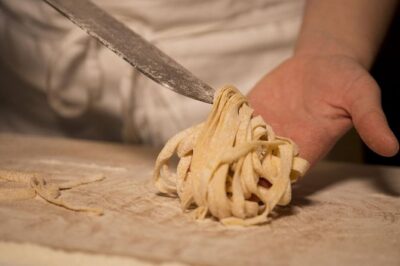
3 in 1 Cooking Class near Navona: Fettuccine, Ravioli & Tiramisu
Read our review →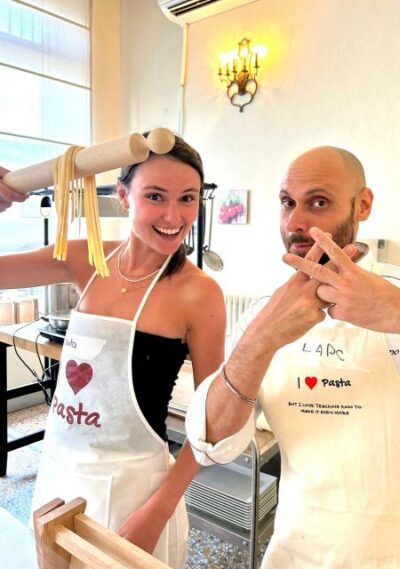
Pasta Making Class with Wine, Limoncello, and Dessert
Read our review →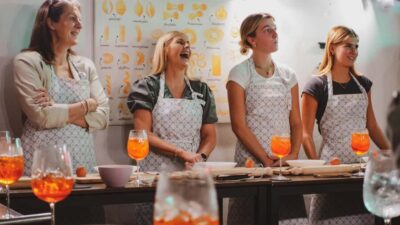
Rome Cooking Class: Make Pasta and 3 Spritz Cocktails
Read our review →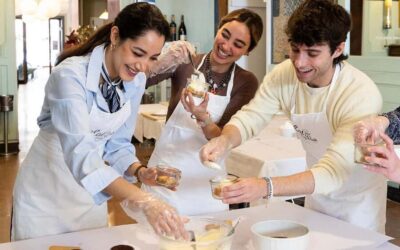
3-in-1 Fettuccine, Ravioli, and Tiramisu Cooking Class
Read our review →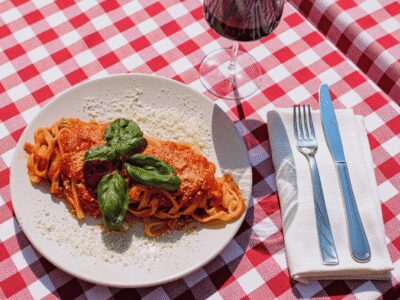
Fettuccine Pasta Cooking Class in Rome’s City Center
Read our review →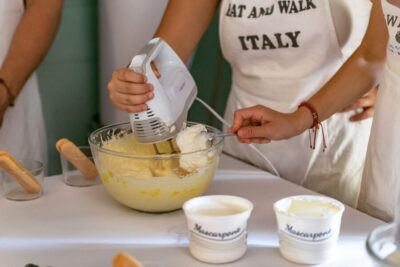
Fettuccine & Tiramisù: Cooking Class with Wine & Limoncello
Read our review →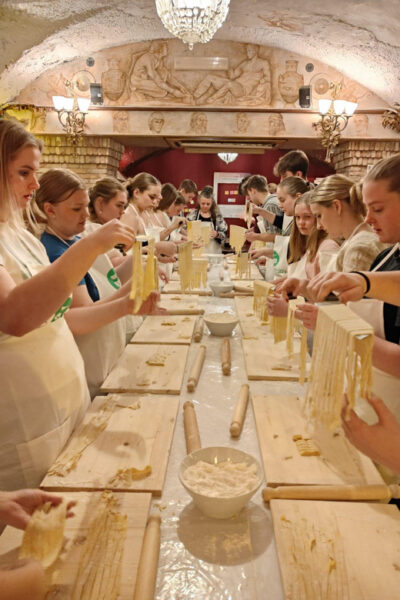
Pasta & Tiramisu Cooking Class near the Spanish Steps
Read our review →
Traditional Pizza Cooking Class near Piazza Navona
Read our review →Browse the lists this tour appears in