
Reviewed · PASTA AND TIRAMISU COOKING CLASSES
Authentic Italian Pasta Making Class in Rome
One sentence can explain the fun here: you make Roman pasta, step by step. I like the way this class turns a big, intimidating task into a calm cooking flow, from dough to shaping to sauce, all in about 2.5 hours. You learn classic Roman favorites, not just one dish, which makes it a strong choice if you want food knowledge that actually sticks.
Two things I really like: you’ll make three pasta types from scratch (gnocchi, cavatelli, and ravioli), and you also cook two Roman sauces (cacio e pepe and amatriciana). The chefs in this experience are known for staying patient and making beginners feel fine, including when you mess up the first try.
One consideration: the class starts at 12:00 pm, so you’ll want to plan your morning carefully, especially if you’re hopping between major sights that day. Also, it’s a hands-on class, so expect flour on your hands and a kitchen routine that moves at chef pace.
In This Review
- Key highlights you can count on
- Piazza dei Ponziani: your Rome pasta starting line
- What you learn the moment you meet the chef
- Three pastas in 2.5 hours: gnocchi, cavatelli, ravioli
- Gnocchi: learning dough feel, not just a recipe
- Cavatelli: hand-rolling and shaping with confidence
- Ravioli: filling and sealing without stress
- Roman sauces: cacio e pepe and amatriciana
- Cacio e pepe: simple ingredients, careful technique
- Amatriciana: building flavor the Roman way
- The kitchen setup and why it affects your results
- Eating together: why the meal matters
- Value and price: what $119.21 gets you in Rome
- Group size, flexibility, and who should book
- Booking now or planning later: my practical advice
- Should you book this pasta class in Rome?
- FAQ
- How long is the pasta making class?
- Where does the class meet in Rome?
- What time does the class start?
- Is the class offered in English?
- Do I need prior cooking experience?
- How many people are in the group?
- Is a gluten-free version available?
Key highlights you can count on
- Three pasta styles in one session, including pillowy gnocchi and hand-shaped cavatelli
- Two Roman sauces you’ll master, cacio e pepe and amatriciana
- Small-group feel with a listed max of 12 people
- Chef-led, beginner-friendly instruction, with a relaxed vibe when it comes to technique
- Clean, well-run kitchen setup, with everyone sitting down together at the end
Piazza dei Ponziani: your Rome pasta starting line
The experience begins at Piazza dei Ponziani, 14, in Rome (00153). It ends back at the meeting point, so you do not need to figure out a new part of town after cooking.
The start time is 12:00 pm, and the total duration is about 2 hours 30 minutes. That matters because a class like this works best when you show up with enough energy to knead, roll, and shape. If you’ve got a very packed morning, you may end up rushing. I’d rather you arrive a little early, get oriented, and settle in.
Also pay attention to the practical details that help the day go smoothly: you get a mobile ticket, and you receive confirmation at booking. The class is in English, and service animals are allowed. If you’re coming in by public transportation, the meeting point is close to options, which is exactly what you want in a city where parking can be a headache.
Other kitchens rolling pasta and folding tiramisu:
- 3 in 1 Cooking Class near Navona: Fettuccine, Ravioli & Tiramisu
★ 5.0 · 7,376 reviews - Rome: Pasta & Tiramisu Class with Fine Wine by the Vatican
★ 4.9 · 4,852 reviews - Rome: Pasta Making Class with Wine, Limoncello, and Dessert
★ 4.9 · 3,177 reviews - Rome Cooking Class: Make Pasta and 3 Spritz Cocktails
★ 5.0 · 2,937 reviews
What you learn the moment you meet the chef
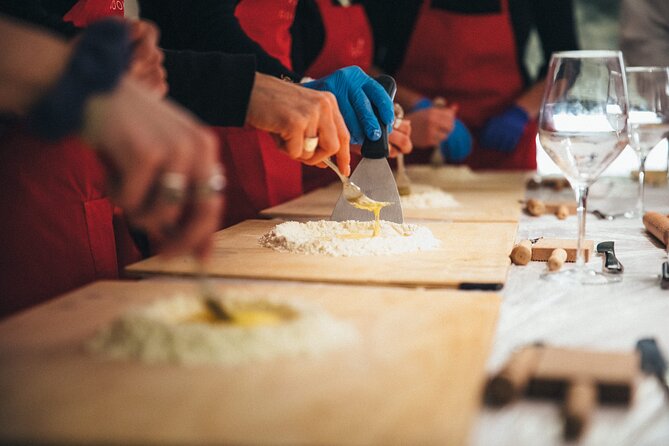
This is chef-led, hands-on cooking, not a demo where you just watch. The instructor guides you through the steps, with tips, history, and cooking context mixed in as you go. That combination is useful. You get a method you can repeat later, and you understand why Italians do it this way instead of just copying shapes.
From what I can tell from real class experiences, you might work with chefs like Roberto, Monica, Francesco, Roy, Nicolette, or Victoria. The names change by date, but the theme stays the same: they focus on getting everyone involved and keeping it relaxed, even if you do not cook much at home.
The vibe is also important for beginners. One of the most reassuring parts is that you are not expected to be perfect. You are expected to try, get coached, and improve quickly. If you worry about making mistakes, this style of instruction helps you relax and focus on the feel of dough, not the fear of messing up.
Three pastas in 2.5 hours: gnocchi, cavatelli, ravioli
The core of the class is making three pasta types from scratch. That’s a smart way to spend your time because pasta techniques overlap, but each shape teaches a different skill.
Gnocchi: learning dough feel, not just a recipe
You’ll start with gnocchi, the soft, pillowy type that can make people think they need special talent. In a class like this, the goal is practical: you learn how to handle the dough and shape pieces so they cook with the right texture. You’re not just memorizing steps. You’re learning how dough should look and feel as it moves from kneading to shaping.
Gnocchi is a great first choice in the class flow. It warms you up. If you can get gnocchi moving in the right direction, the rest of the session feels more manageable.
Cavatelli: hand-rolling and shaping with confidence
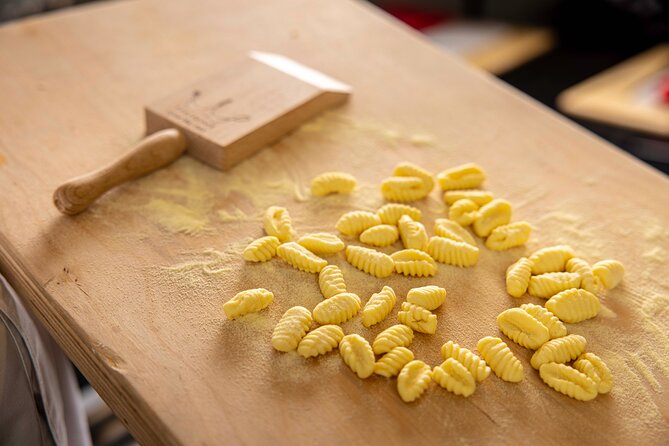
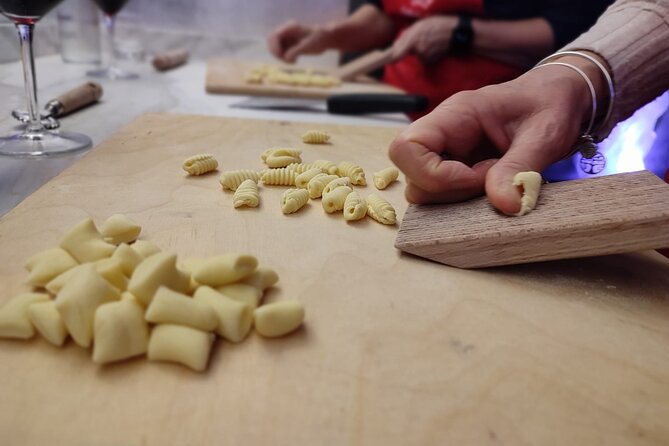
Next comes cavatelli, a hand-rolled pasta with its own signature texture. This is the moment where technique gets more “hands busy.” Rolling, shaping, and keeping pieces consistent is where you start thinking like a cook, not a tourist.
Cavatelli are also a useful skill-builder because you can often recreate them at home with fewer tools than you might expect. You learn how to make the shape without needing a fancy machine, which is great value if you plan to cook again later.
Other Roman benches to work at for a morning:
Ravioli: filling and sealing without stress
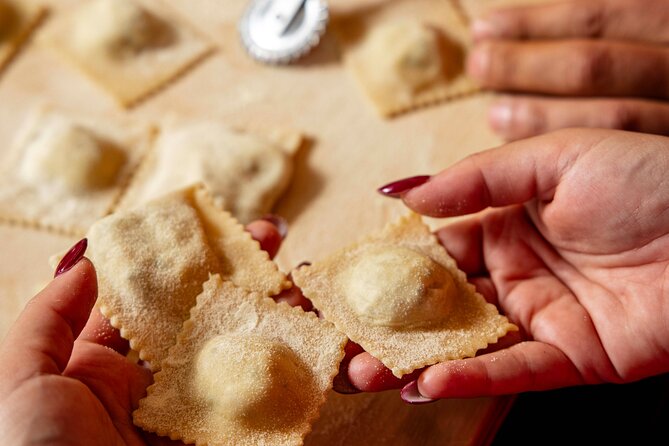
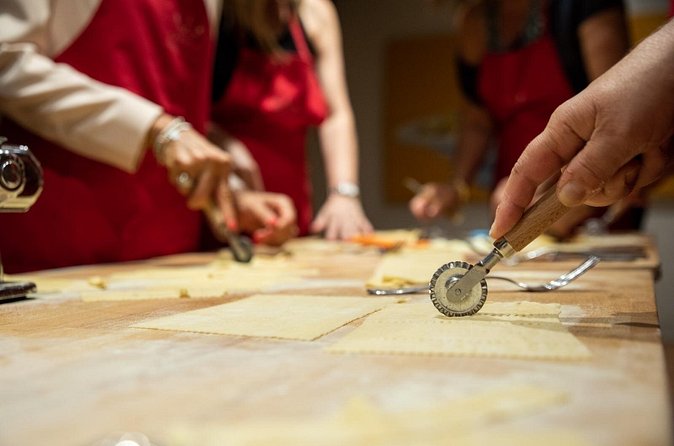
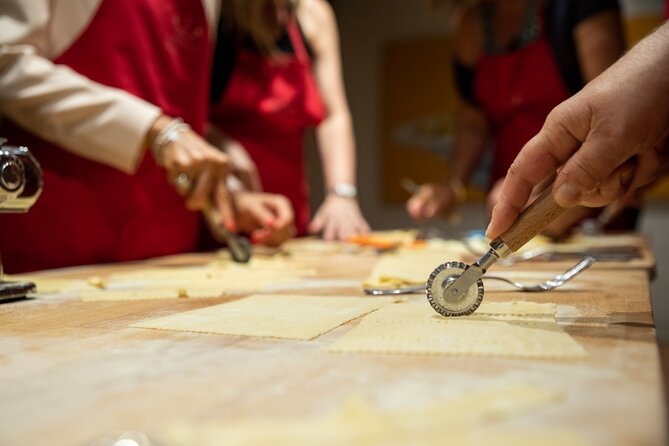
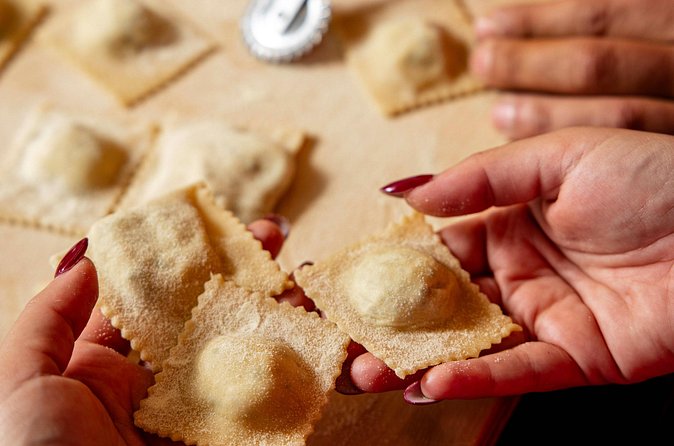
Then you move into ravioli, the filled pasta that looks impressive on a plate and scares people who think filling means folding perfection. Here, the lesson is about process: how to portion filling, how to close pasta so it stays together, and how to handle them so they cook properly.
Ravioli can be the highlight because it feels like a real Italian craft moment. Even if you’re not a confident home cook, a guided class helps you understand the key checks, like seal integrity and portioning. That’s what turns ravioli from intimidating to doable.
Roman sauces: cacio e pepe and amatriciana
Pasta is the engine, but sauce is what makes it taste like Rome. This class teaches you two iconic Roman recipes: cacio e pepe and amatriciana.
Cacio e pepe: simple ingredients, careful technique
Cacio e pepe is about getting the cheese and pepper right, without making it clumpy or too heavy. You’ll learn the approach as you cook, and that’s the real win. When you understand technique, you can repeat the sauce at home without second-guessing.
What I like about pairing cacio e pepe with your pasta-making session is that it reinforces the idea that Italian cooking is often about precision with simple ingredients. Once you’ve handled the dough, you can feel the logic shift to sauce consistency.
Amatriciana: building flavor the Roman way
Amatriciana brings a different flavor profile, one that’s richer and more savory. You learn how to prepare it alongside your pasta, which helps you time the meal and understand how sauce and pasta timing work together.
These two sauces are smart choices because they show range while staying Roman. You’re not leaving with only one flavor style.
The kitchen setup and why it affects your results
A lot of cooking classes sound good on paper. The better ones are the ones that run smoothly in real life, and this one focuses on that.
One of the repeated positives is the sense of cleanliness and professionalism. You get a kitchen space that looks and feels well-managed, with everything set up so you can work without hunting for tools or fighting chaos. That might sound minor, but it’s a big deal for hands-on cooking, where delays can throw off timing for sauces and pasta.
Another standout is how the chefs keep it moving while still giving individual help when needed. In small groups, that matters even more. You can ask questions and get direct coaching, which improves your chances of getting pasta that tastes good and holds up.
Eating together: why the meal matters
At the end, you sit down and enjoy what you made. This is not an afterthought. It’s how the class turns into real memory instead of just “I watched food happen.”
When you taste your own gnocchi, cavatelli, and ravioli paired with cacio e pepe and amatriciana, you learn what works and what needs adjustment. You also understand portioning and seasoning, because you’re eating the result right away.
Some class experiences also include wine with the meal. Even if you do not drink, it’s worth knowing because it adds to the relaxed, social feel of the session. And if you’re traveling as a family or in a mixed group, this shared meal is often the part that everyone remembers.
Value and price: what $119.21 gets you in Rome
The price is $119.21 per person, and the class runs about 2 hours 30 minutes. At first glance, that can feel like a splurge, but here’s how I’d judge the value.
You’re paying for multiple things at once:
- instruction for three scratch pastas
- guidance for two classic Roman sauces
- a kitchen setup that supports beginners
- a sit-down meal tied to what you made
- an English-speaking chef
- a small-group experience listed with a maximum of 12 people
Compared to tours that only feed you or only teach through watching, this is more “do it yourself” time. For Rome, that’s a strong value category because you get skills you can practice again. You’re not just buying dinner. You’re buying the ability to cook Italian pasta like an actual home cook, with the confidence to attempt the same dishes later.
If you can get the flexibility to schedule it on a lighter day, it also becomes easier to enjoy. This class works best when you are not exhausted.
Group size, flexibility, and who should book
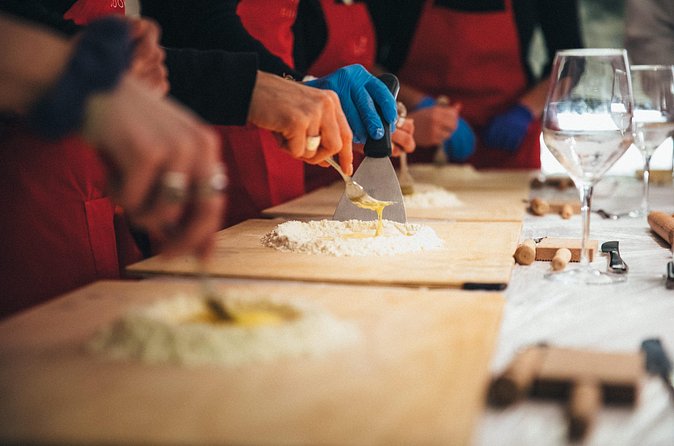
This experience is listed with a max of 12 travelers, which usually keeps the coaching personal. Some people have also mentioned larger group setups, so it may vary by date. Either way, your odds of getting help should stay good because the structure is hands-on.
You’ll likely love this class if:
- you want an authentic Italian pasta making class in Rome that covers real Roman dishes
- you travel with family, including people who do not cook much
- you like classes that end with a meal you made
- you want enough variety to feel like you spent your time wisely
You might think twice if:
- you dislike hands-on cooking or getting flour on your hands
- you need a very quiet, low-participation activity
- your day is so packed that you will arrive stressed
If you need dietary adjustments, it’s worth asking during booking. One past experience described pasta made 100% gluten free, and that can make a big difference for families dealing with celiac. Since the class is hands-on, confirm what adjustments can be supported when you reserve.
Booking now or planning later: my practical advice
This class is commonly booked about 28 days in advance on average. That’s a useful signal. If you’re traveling in peak season or you have a specific date in mind, I’d plan ahead rather than waiting.
The good news is that cancellation is free up to 24 hours before the start time for a full refund, so you have some breathing room if your schedule shifts. Just keep an eye on local cut-off time so you do not lose the refund.
Also remember the time: it’s 12:00 pm. Pair it with a day plan that lets you enjoy Rome before and after without rushing.
Should you book this pasta class in Rome?
If you want real cooking skills and a fun, low-pressure meal, I think this is a very solid book. You get three pastas and two Roman sauces, and the class style is built to help beginners succeed. The small-group size, English instruction, and chef patience are the big reasons this works for families and first-timers.
Book it if your goal is to leave with technique, not just a plate of food. Consider skipping or swapping to a different experience if you are short on time, do not want to cook at all, or need a later start time.
If you do book, show up early enough to settle in, and be ready to learn by doing. That’s where the value is.
FAQ
How long is the pasta making class?
It lasts about 2 hours 30 minutes.
Where does the class meet in Rome?
The meeting point is Piazza dei Ponziani, 14, 00153 Roma RM, Italy, and the activity ends back at the same location.
What time does the class start?
The start time is 12:00 pm.
Is the class offered in English?
Yes, it is offered in English.
Do I need prior cooking experience?
No prior experience is needed, and beginners are welcomed.
How many people are in the group?
The experience is listed with a maximum of 12 travelers.
Is a gluten-free version available?
One past experience described the class being made 100% gluten free for participants with celiac, so you should ask about gluten-free support when you book.
Roman Kitchens to Cook In
- Rome: Pasta & Tiramisu Cooking Class near the Spanish Steps
★ 4.8 · 1,395 reviews - Rome: Traditional Pizza Cooking Class near Piazza Navona
★ 4.7 · 1,241 reviews - Rome: Combo Pizza and Pasta Cooking Class with Wine
★ 4.6 · 1,180 reviews - Rome: Pasta Making with Wine Tasting and Dinner in Frascati
★ 4.9 · 979 reviews
Latest additions from Rome
- Rome: Testaccio Market Food Tour with Street Food & Wine★ 5.0 · 8 reviews
- Exclusive Pasta & Tiramisu Class with Wine near by Colosseum★ 5.0 · 8 reviews
- Private Professional Photoshoot in Rome★ 5.0 · 8 reviews
- Loreto “Shrine of the Holy House of the Virgin Mary” Private Tour from Rome★ 5.0 · 8 reviews
- Rome Day to discover Florence and Pisa Hotel Pickup★ 4.5 · 8 reviews
- Rome: Christmas Nativities and Angels Tour★ 3.1 · 8 reviews
- Guided Tour of Vatican Museums and Sistine Chapel★ 5.0 · 8 reviews
- Rome: Cooking Class of fresh Pasta and Tiramisu Cake★ 5.0 · 8 reviews
Pasta and Tiramisu Cooking Classes, compared.
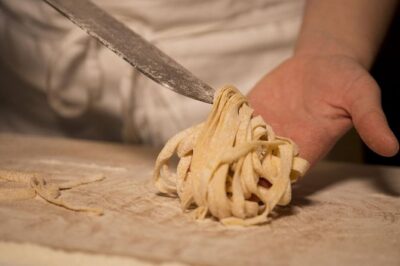
3 in 1 Cooking Class near Navona: Fettuccine, Ravioli & Tiramisu
Read our review →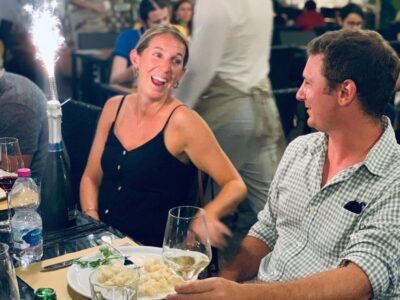
Pasta & Tiramisu Class with Fine Wine by the Vatican
Read our review →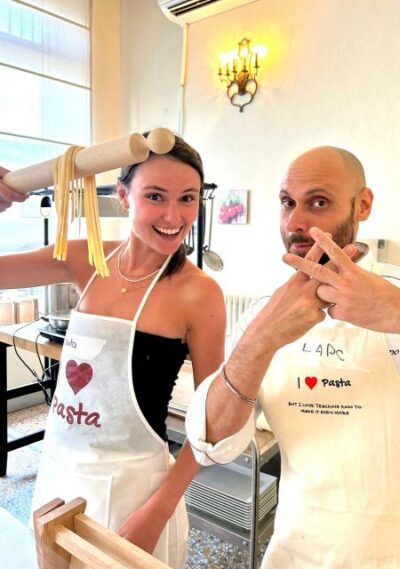
Pasta Making Class with Wine, Limoncello, and Dessert
Read our review →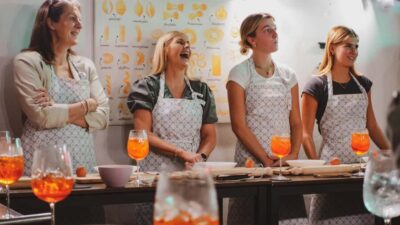
Rome Cooking Class: Make Pasta and 3 Spritz Cocktails
Read our review →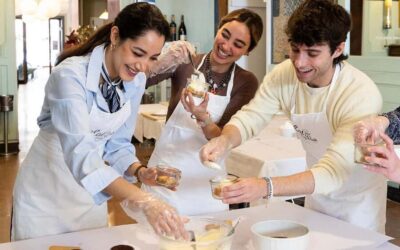
3-in-1 Fettuccine, Ravioli, and Tiramisu Cooking Class
Read our review →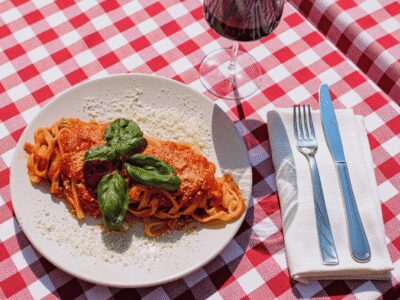
Fettuccine Pasta Cooking Class in Rome’s City Center
Read our review →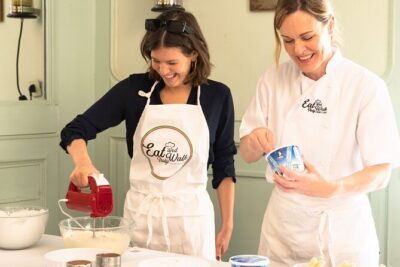
Learn to Make Pasta & Tiramisu with Wine and Limoncello Included
Read our review →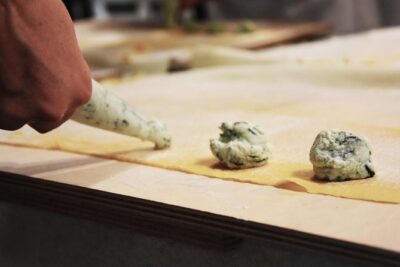
Become a Masterchef in Rome: Pasta, Ravioli and Tiramisù Class
Read our review →Browse the lists this tour appears in