
Reviewed · JEWISH GHETTO WALKING TOURS
Rome: Trastevere and Roman Ghetto Guided Walking Tour
Two neighborhoods, one unforgettable story. I love the way this walk connects Trastevere street life with the deeper, often painful story of the Roman Ghetto, and the architecture does a lot of the talking for you. One thing to consider: it is a true walking tour with no wheelchair access and not much time for long breaks.
You meet at Piazza Mastai, and the pacing feels built for seeing a lot without rushing your brain. If the group grows past 10 people, you get headsets so you can actually follow the guide, even while you are stopping for photos and details.
In This Review
- Key things that make this tour worth your time
- Trastevere plus the Roman Ghetto in one short, walkable plan
- Piazza Mastai meeting point: how the tour starts and why timing matters
- Santa Maria in Trastevere: mosaics, a fountain pause, and a strong first anchor
- Piazza Trilussa: poet names, street performers, and local rhythm
- Campo de’ Fiori: history in the open, plus time for quick breaks
- Entering the Jewish Ghetto: when the walk turns serious
- The Great Synagogue of Rome: looking beyond the facade
- Theater of Marcellus: the ancient finishing note that makes the route feel complete
- Price and logistics: is $41 good value for 2 to 2.5 hours?
- What to bring, what to wear, and what to ask your guide
- Who should book this walking tour, and who should skip it
- Should you book? My practical call
- FAQ
- Where does the tour start?
- How long is the Rome Trastevere and Roman Ghetto walking tour?
- What languages are available for the guided tour?
- Are headsets included during the tour?
- Is hotel pickup or drop-off included?
- Is this tour wheelchair accessible?
Key things that make this tour worth your time
- Trastevere street scenes first, so you get Rome’s everyday texture before the historical shift
- Santa Maria in Trastevere with 12th-century mosaics plus a calm fountain pause
- Piazza Trilussa and Campo de’ Fiori for local character, including time to grab a quick coffee or juice
- Jewish Ghetto storytelling that puts human names and survival into the places you walk past
- The Great Synagogue area shown in a way that explains what the building represents
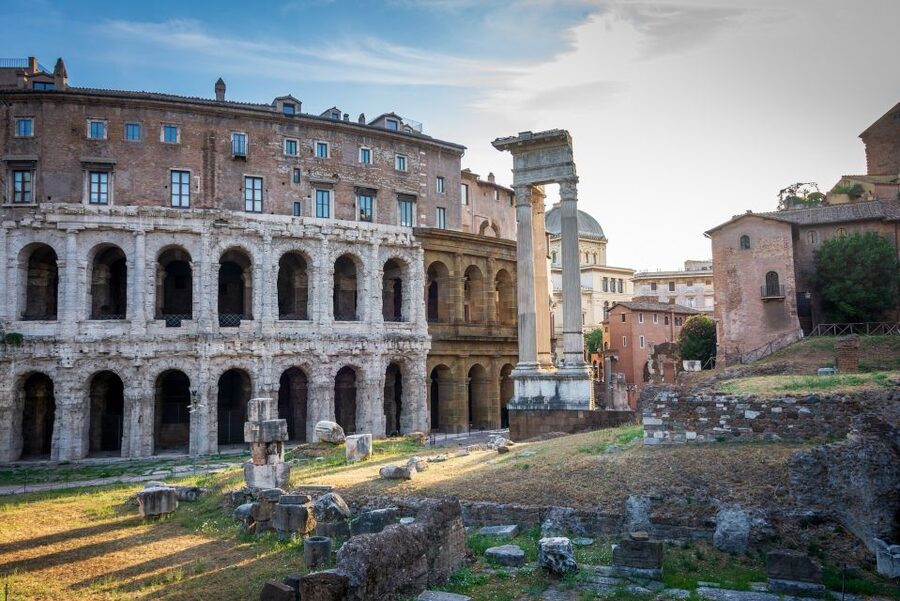
- The Theater of Marcellus as an ancient ending, dating to 13 BC
Trastevere plus the Roman Ghetto in one short, walkable plan
This is a smart-length tour for Rome, because it tackles two very different atmospheres without eating up your whole day. In about 2 to 2.5 hours, you cover charming lanes, major squares, and one of the city’s most meaningful historical districts.
I like that it is not just a sightseeing checklist. The route is built around contrasts: cozy neighborhoods and lively public spaces first, then a turn into heavier history and sites tied to Jewish community life. That change in tone can feel jarring if you are not ready for it, but a good guide helps you adjust.
The other practical win is the format. You are on foot, you stop often, and you are not dependent on public transit timing. For first-time Rome visitors, it is a fast way to get your bearings in central neighborhoods you will likely want to explore later on your own.
More Walking Tours in Rome
- Rome: Guided Food Walking Tour with Wine in Trastevere
★ 4.9 · 3,105 reviews - Rome: Trastevere & Campo de Fiori Street Food Walking Tour
★ 4.9 · 2,768 reviews - Rome: Paranormal Night Walking Tour & Secret Backstreets
★ 4.9 · 1,921 reviews - Rome: Trastevere Street Food Walking Tour with Local Expert
★ 4.8 · 1,784 reviews
Piazza Mastai meeting point: how the tour starts and why timing matters
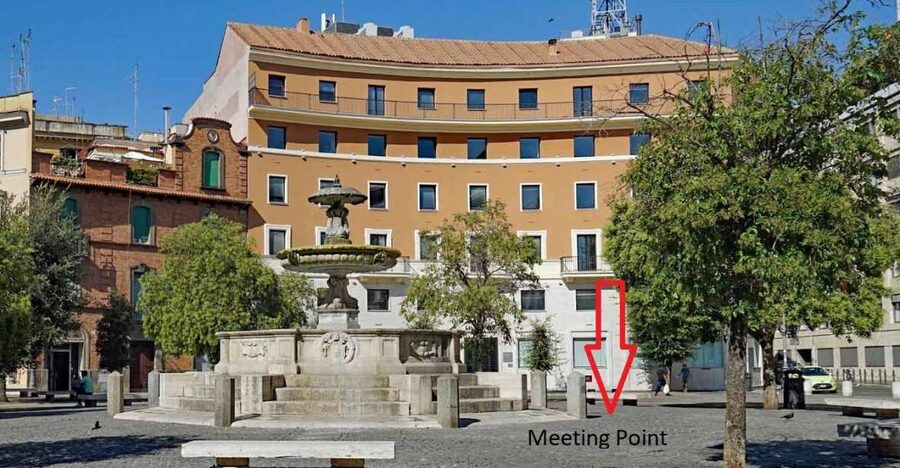
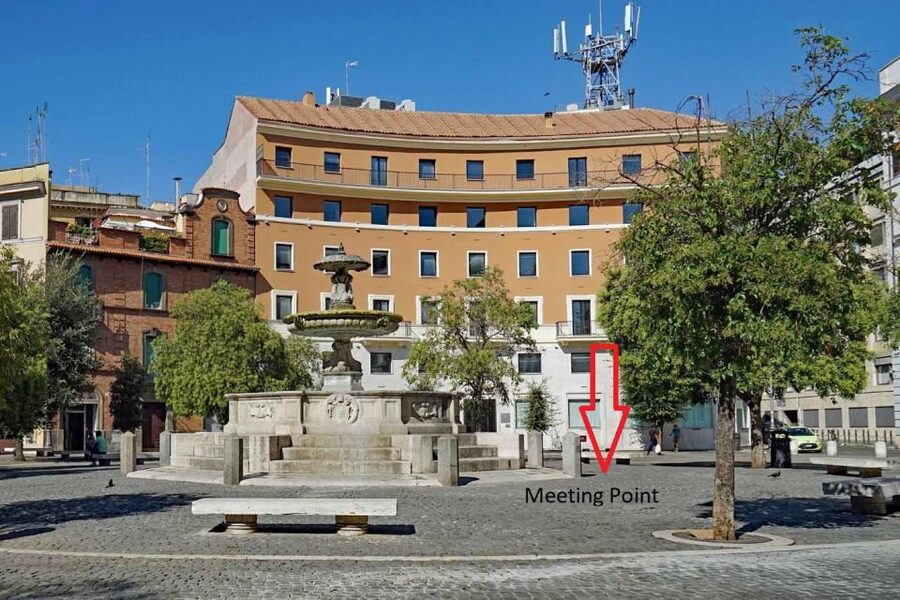
The tour begins at Piazza Mastai, where your guide waits about 15 minutes before departure, near the main fountain and holding a sign with the tour name. That early arrival window matters in Rome, because squares can look similar at first glance and you do not want to waste time hunting.
From there, the guide sets the rhythm. Even in a short walk, the tour usually feels like it has a soft on-ramp, meaning you ease in with landmarks you can recognize quickly. That is especially helpful if you are coming straight from another stop and you still feel a little travel-tired.
A detail I appreciate: the tour offers live guiding in Spanish, French, or English. If you have language preferences, this matters more than many people think, since understanding the nuance of neighborhood history depends on clear explanations.
Santa Maria in Trastevere: mosaics, a fountain pause, and a strong first anchor
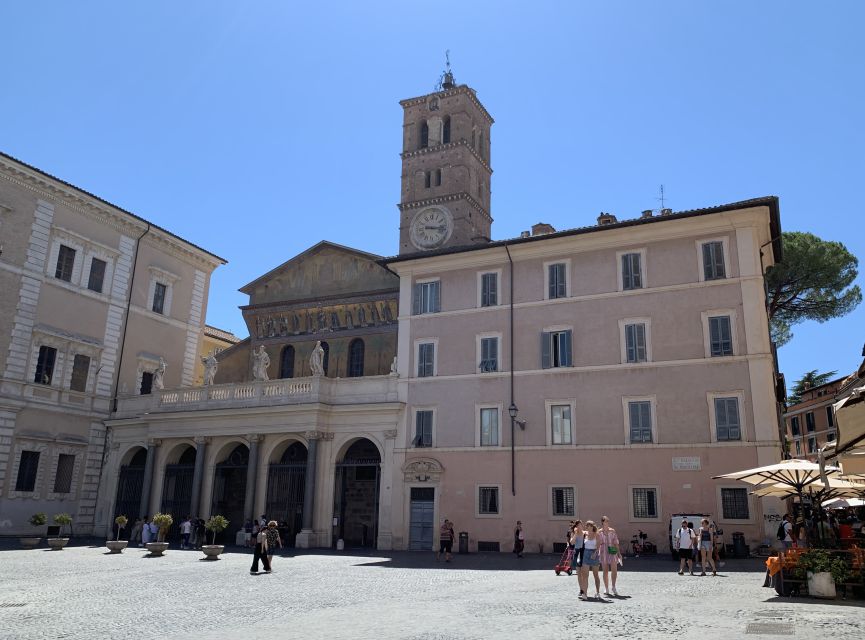
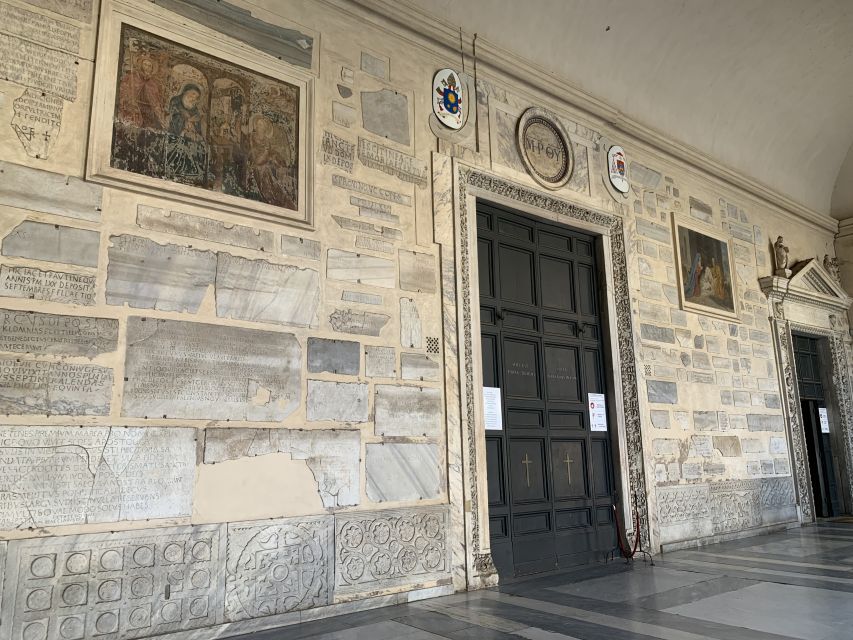
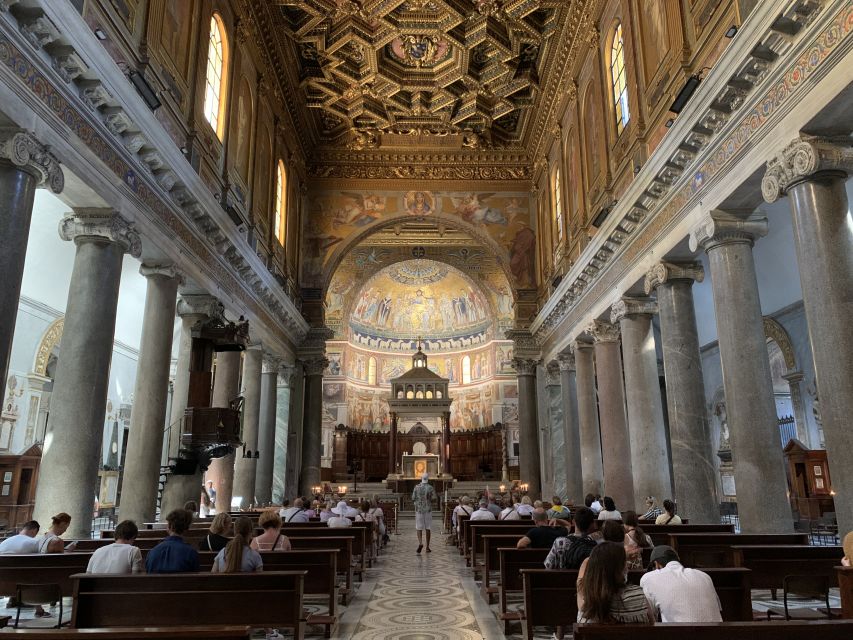
Your first major stop is Piazza di Santa Maria in Trastevere, home to the Basilica of Santa Maria, with origins dating back to the 12th century. This is a great way to start because you get something visually memorable right away, and the mosaics give you a natural focal point while the guide explains what you are seeing.
The basilica’s setting also helps. There is a serene fountain in the piazza, and the tour’s pacing around this spot gives you a chance to slow down for a minute instead of bouncing nonstop from street to street. In practical terms, it is where you can reset your attention and start noticing details like layout, light, and stonework.
If you tend to speed-walk through churches, this stop is still worth it. Even a quick look becomes more meaningful when someone points out what makes the artwork and the church’s age significant to the area.
Piazza Trilussa: poet names, street performers, and local rhythm
Next comes Piazza Trilussa, named after the Roman satirical poet Carlo Alberto Salustri, who went by Trilussa. This square is useful because it shows Rome as people live it, not just as monuments for photos.
You can expect a lively mix around the piazza, including street performers and a lively street-life vibe. The guide’s job here is to help you translate what you are seeing. Instead of just calling it atmosphere, they connect the public space to how Trastevere functions day to day.
I also like this stop because it is a breather. After the basilica, you get more open-air movement, less standing still, and a chance to look around without feeling like you are being asked to memorize a lecture.
Campo de’ Fiori: history in the open, plus time for quick breaks
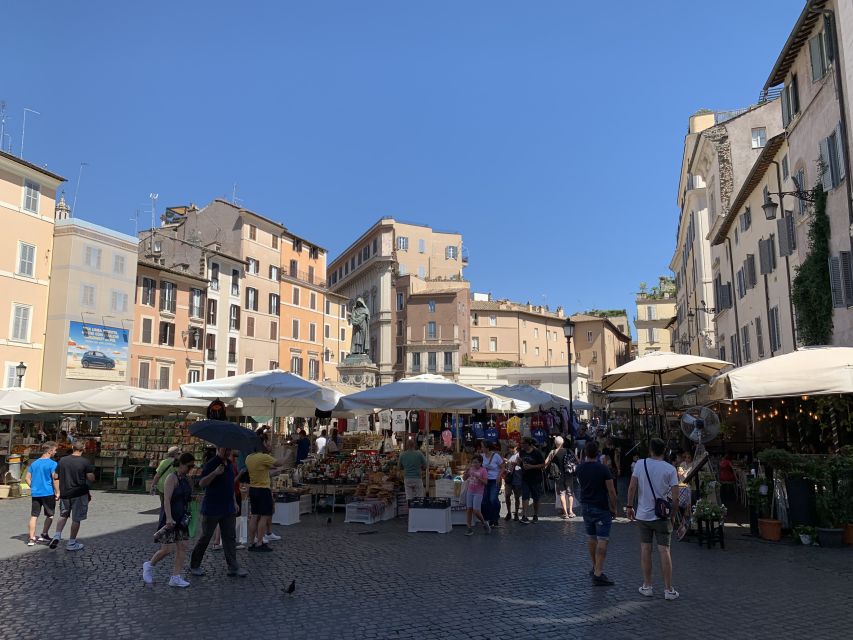
Then you reach Campo de’ Fiori, a square known for its long-standing role as a public meeting place, with a market atmosphere that gives it energy. Even if you have seen markets elsewhere, this one feels distinct because you are surrounded by Rome’s layers, and the guide helps connect the square to the city’s broader story.
This stop also tends to be where the tour feels practical. Some guides leave room for a brief coffee or juice break in the market area, which is a real kindness when you are walking in warm weather. Even when you do not buy anything, you can use the moment to check your water, cool off, and regroup.
If you are traveling with people who get cranky when tours feel strict, this is the kind of location that keeps things human. It is easier to stay patient in a place where you can look, listen, and choose when to slow down.
Other walks through the old Jewish Ghetto:
Entering the Jewish Ghetto: when the walk turns serious
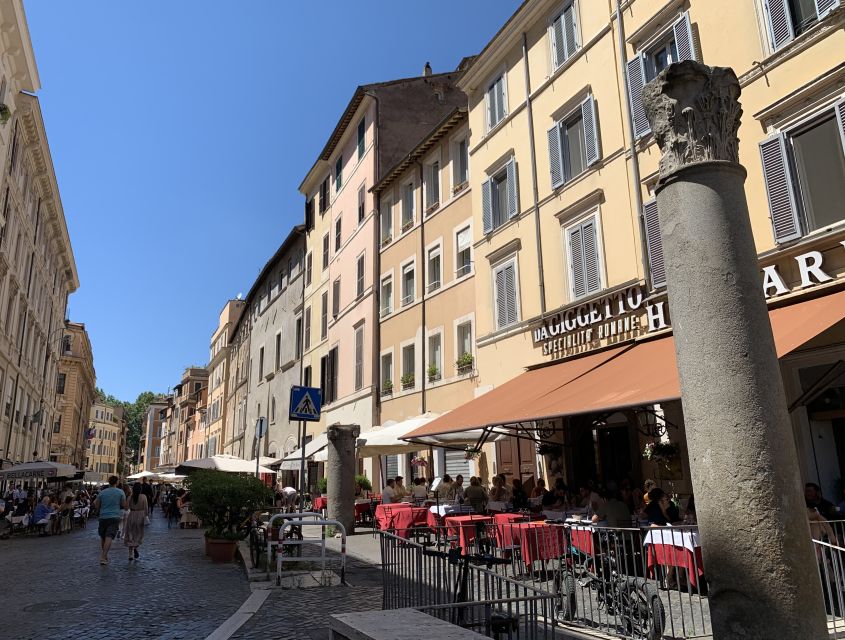
Walking into the Jewish Ghetto is the moment the tour shifts from neighborhood character to survival, community, and the hard parts of European history. The tour frames this as a place with deep cultural significance, where the Jewish community thrived for centuries despite persecution and restrictions.
I recommend treating this part of the walk with a slower pace mentally. You will likely pass everyday streets and ordinary storefront rhythms, but the guide will be tying those visuals to stories you need to hold onto. This is not the time to half-listen while scrolling through photos.
Also, if you are the type who needs context before you feel comfortable, this is where you get it. The guide’s explanations are the bridge between what you see on the ground and what those streets meant historically. In particular, it helps to pay attention to how the guide connects the past to the present-day layout.
Some guides on this route, including names you might hear like Estefi or Sarah, are praised for keeping the tone engaging while still handling the topic responsibly. That balance matters here. You want facts, but you also want the story told in a way you can actually follow.
The Great Synagogue of Rome: looking beyond the facade
Within the ghetto area, you will encounter the Great Synagogue of Rome, described as an architectural marvel and a symbol of strength and resilience. This matters because the guide is not just pointing to a building and moving on. They are explaining why it has meaning, and what resilience looks like in stone and design.
When you are standing there, I suggest focusing on proportions and the overall presence of the structure. Even without knowing every detail, the building’s role becomes clearer when you understand it as a community statement. The goal is to see it as part of a living story, not just a landmark on a route.
If your guide is Celia or Gabriella, you may notice how they keep their pace calm and conversational, giving you time to ask questions. That can turn this stop from a quick photo moment into something you remember later.
Theater of Marcellus: the ancient finishing note that makes the route feel complete
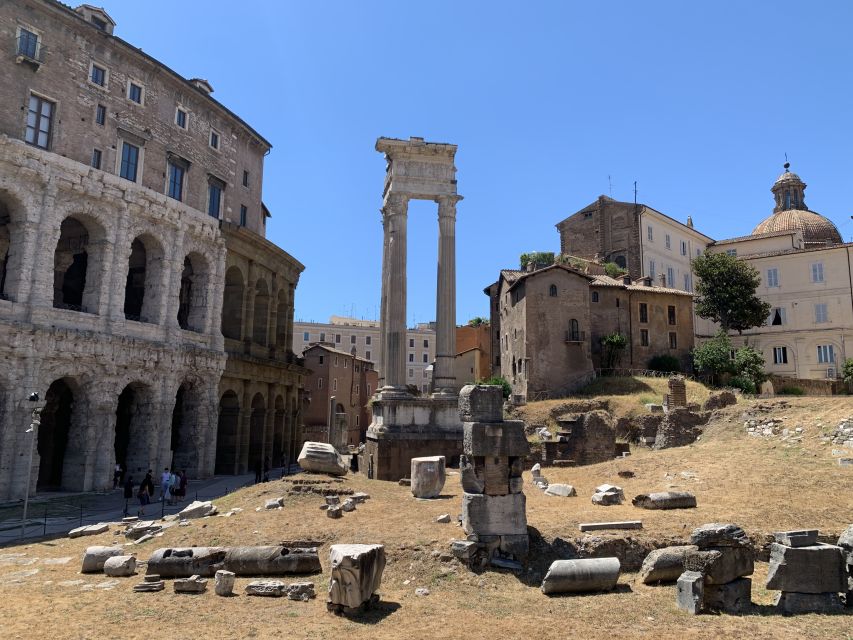
Your last stop is the Theater of Marcellus, an ancient Roman amphitheater dating back to 13 BC. This works as a finishing anchor because it brings you back to Rome’s older layer, after the tour has spent time on newer neighborhood life and historic hardship.
Even though it is a ruin, it is also a reminder of how Rome constantly repurposes space. One reason I like this final stop is that it gives your brain a different kind of satisfaction: big-scale history you can visually grasp without needing to read a plaque.
If you want to continue exploring after the tour ends, this stop is also useful. The area ties back into routes you may want for later wandering, and you will likely recognize it when you return to central Rome.
Price and logistics: is $41 good value for 2 to 2.5 hours?
At $41 per person for a 2 to 2.5 hour guided walking experience, the value is mainly in the guidance and the pacing. You are not paying just for entry to a site. You are paying for explanations that connect multiple locations that otherwise can feel disconnected when you walk them alone.
The small practical bonus is included headsets if the group is more than 10 people. That matters. Rome’s streets and piazzas are noisy and you stop often, so being able to hear clearly is a real quality-of-life upgrade.
You should also plan around what is not included. Hotel pickup and drop-off are not included, so you need to be able to arrive at Piazza Mastai on your own. The tour is not designed for people who want minimal walking. It is also not suitable for people with mobility impairments or wheelchair users.
Finally, consider group size. Some departures have been described as small, with examples of groups of only a few people. Smaller groups can mean fewer coordination headaches, less time waiting, and a more relaxed feel.
What to bring, what to wear, and what to ask your guide
This tour gives you a short packing list for a reason: you will be on foot. Bring water and, ideally, a reusable water bottle. Rome heat can sneak up on you, and the route includes multiple outdoor squares.
For footwear, I would choose something comfortable you can walk in for a solid stretch. The tour is not long, but it is frequent stop-and-go, and the sidewalks and steps can vary.
In terms of what to ask, I would use the guide to maximize your payoff at the places that feel most meaningful to you. If you care about architecture, ask what to notice at Santa Maria and the Great Synagogue. If you care about neighborhood life, ask how Trastevere’s public squares function and what to watch for in the market area.
One practical note: some people have wished the tour included a more explicit restroom stop mid-route. If this is important to you, it is smart to plan ahead and ask your guide about the most convenient timing during breaks.
Who should book this walking tour, and who should skip it
Book this if you want a compact Rome experience that moves beyond photos. I think it is ideal when you like learning as you walk, and when you want both charm and context in one go. The mix of Trastevere, public squares, and the Jewish Ghetto keeps the tour from feeling one-note.
It also fits well if you enjoy meeting a guide who keeps things lively and interactive. Names like Estafania, Fabiano, Frincasco, and Giuseppe have been associated with guides who were described as friendly, fun, and attentive, including patience with questions and guidance on what else to do in Rome.
Skip it if mobility access is a problem for you. The tour is not suitable for wheelchair users or people with mobility impairments, and that is not the kind of thing you can solve by taking it slowly. Also skip it if you need a fully seated experience, because this is built around walking and outdoor stops.
If you are sensitive to heavy historical topics, know that the Jewish Ghetto portion is presented as long and hard history with major cultural significance. A good guide helps you process it, but it is still a serious segment.
Should you book? My practical call
I would book this tour if you want to understand two sides of Rome in a short window, Trastevere’s street-life energy and the Roman Ghetto’s profound historical meaning. The route is tight, the stops are strong, and the guide component is where the value lives.
I would not book it if you need wheelchair access or a minimal walking plan. I’d also consider your comfort with history that can feel heavy.
If you do book, arrive early at Piazza Mastai, bring water, and show up ready to listen. This one rewards attention, and it tends to become more memorable the moment you stop treating it like sightseeing and start letting the places explain themselves.
FAQ
Where does the tour start?
The meeting point is Piazza Mastai, around the main fountain. The guide waits about 15 minutes before the start time and holds a sign with the tour name.
How long is the Rome Trastevere and Roman Ghetto walking tour?
It runs 2 to 2.5 hours total.
What languages are available for the guided tour?
The live guide is available in Spanish, French, and English.
Are headsets included during the tour?
Yes, headsets are included if the group is more than 10 people, so you can hear the guide clearly.
Is hotel pickup or drop-off included?
No, hotel pickup and drop-off are not included. You need to get to the meeting point on your own.
Is this tour wheelchair accessible?
No. The tour is not suitable for people with mobility impairments, and it is not for wheelchair users.
Latest additions from Rome
- Guided Tour Vatican Museums & Sistine Chapel★ 4.1 · 30 reviews
- Exclusive Rome by Night Vespa Tour★ 5.0 · 30 reviews
- Transfer Rome to Airports★ 4.5 · 30 reviews
- Vatican: St.Peter’s Basilica & Dome – Reserved Entry & Tour★ 4.1 · 30 reviews
- Rome street art tour: off the beaten path with a local guide★ 5.0 · 30 reviews
- Tivoli, Hadrians Villa and Villa d’Este, a charming day trip from Rome★ 4.5 · 30 reviews
- Rome Food Tasting with Wine Pairing Italian Authentic Flavors★ 5.0 · 31 reviews
- Inspirational Cooking on the Roman Chef’s Panoramic Terrace★ 5.0 · 30 reviews
Jewish Ghetto Walking Tours, compared.

Rome Food Tour: Campo de’ Fiori, Ghetto, Trastevere Winner 2024
Read our review →
Eat Like a Roman Ghetto & Campo de’ Fiori Food Tour
Read our review →
Jewish Ghetto and Synagogues with Jewish Roman Guide 3 Hours
Read our review →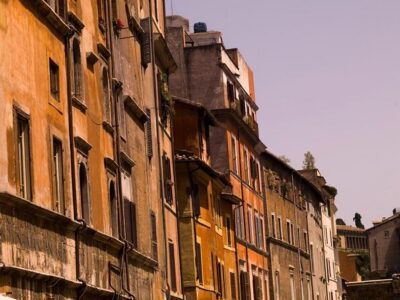
Jewish Ghetto & Piazza Navona: Food, Wine & Sightseeing Rome Tour
Read our review →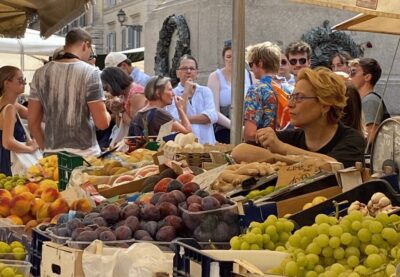
Food & Wine Tour of Campo de Fiori, Ghetto, Trastevere
Read our review →
Jewish Ghetto and Campo Dè Fiori By Night Food, Wine and Sightseeing Tour
Read our review →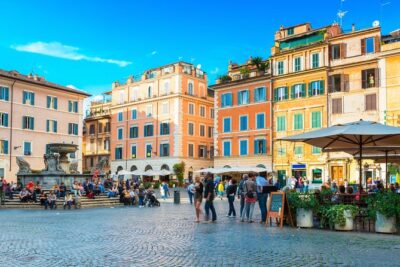
Trastevere and Rome’s Jewish Ghetto Half-Day Walking Tour
Read our review →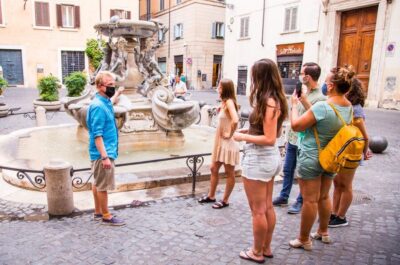
Browse the lists this tour appears in