
Reviewed · JEWISH GHETTO WALKING TOURS
Rome Food Tour: Campo de’ Fiori, Ghetto, Trastevere Winner 2024
Three Rome neighborhoods, one serious appetite. You start at Piazza Farnese and get 15 tastings across Campo de’ Fiori, the Jewish Quarter, and Trastevere, plus three wine tastings and a gelato finale. With a small group of up to 12, guides such as Natalia, Clelia, Luca, and Lisa can slow down for real explanations and practical tips for what to order next.
This is about 3.5 hours on foot, so come hungry and wear shoes you can walk in. If you are vegan or have serious allergies, double-check the food options, since some tastings can include milk, eggs, soy, mustard, nuts, and gluten.
In This Review
- Key Points to Know Before You Go
- Why This Route Works So Well in 3.5 Hours
- Piazza Farnese and Campo de’ Fiori, Where the Eating Starts With Seasons
- Grocery Counter Heaven: Ruggeri and Norcineria Viola dal 1890
- Antico Forno Roscioli Pizza: The Roman Way, Not the Tourist Way
- Jewish Ghetto to Tiber Island: Context, Then Pasta and Wine
- Trastevere Nightlife Streets, Cacio e Pepe, and the Gelato Finale
- What You Actually Eat: 15 Samples, Wine, and a Menu You Can Plan Around
- Price and Value: Why $88.28 Can Make Sense in Rome
- How to Prepare for Walking, Weather, and a Full Plate
- Who Should Book This, and Who Should Rethink It
- Final Call: Should You Book This Rome Food Tour?
- FAQ
- How long is the Rome Food Tour: Campo de’ Fiori, Ghetto, Trastevere?
- How much does it cost?
- What food and wine tastings are included?
- Do I visit the Campo de’ Fiori market?
- Where do I meet and where does the tour end?
- How many people are in the group?
- Is the tour offered in English?
- What dietary options are available, and what should I watch for?
- Is there a short 2-hour street food option, and what is left out?
- Is the tour accessible for reduced mobility?
- What is the cancellation policy?
Key Points to Know Before You Go
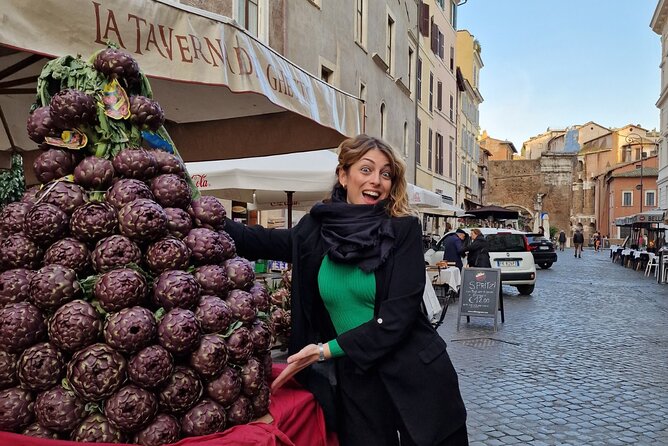
- Campo de’ Fiori market in the morning: you learn seasonal products before the first bites start.
- Old-school Roman food stops: Ruggeri, Norcineria Viola dal 1890, and Antico Forno Roscioli show how Rome feeds itself.
- Jewish Ghetto landmarks: you pass by Piazza della Cinque Scole and the oldest synagogue of Rome.
- Wine used as part of the meal: tastings happen at different spots, with pasta also paired with wine.
- Pasta, fried specialties, then gelato: you finish at Fiordiluna for a medal-winning gelato.
- Up to 12 people: you get more back-and-forth with your guide, not just a headset experience.
Why This Route Works So Well in 3.5 Hours
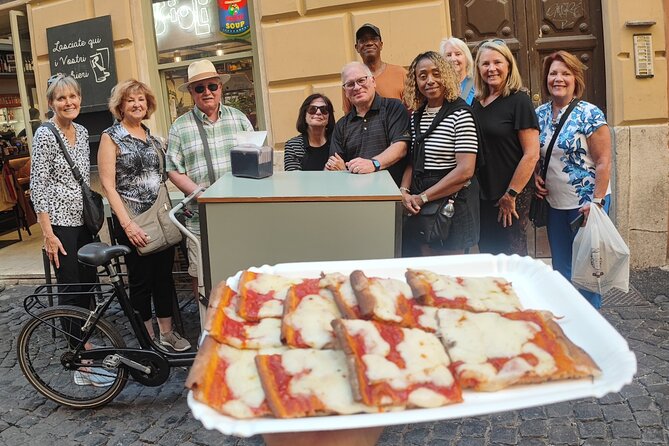
Rome food is not one thing. It changes by neighborhood, by market, and by what a family shop has been doing for decades. This tour is built to show you that shift quickly, starting in the Campo de’ Fiori area, then moving into the Jewish Quarter, and finishing in Trastevere.
I like that you do not just “sample stuff.” You connect each bite to a place and a reason. That is why stops like the oldest synagogue area and Tiber Island matter. Even when you are just walking, the guide keeps linking what you see to what you are eating.
The pace is active. You will be on cobblestones and in tight streets, with enough standing and walking to feel like a workout. The tradeoff is you get a tight loop of Rome’s food neighborhoods without having to plan five separate meals.
More Food Tours in Rome
- Winner 2025 Rome Twilight Trastevere Food Tour by Eating Europe
★ 5.0 · 5,157 reviews - Rome: Street Food Tour with Local Guide
★ 4.8 · 4,077 reviews - Rome Food Tour: Unlimited Tastings with Fine Wine & Barolo
★ 5.0 · 3,365 reviews - Rome: Guided Food Walking Tour with Wine in Trastevere
★ 4.9 · 3,105 reviews
Piazza Farnese and Campo de’ Fiori, Where the Eating Starts With Seasons
The tour meets at Piazza Farnese, Via dei Baullari area, near the newspaper stand. From there, you head to Campo de’ Fiori where the market is the first real “lesson,” because it is about timing and seasonality.
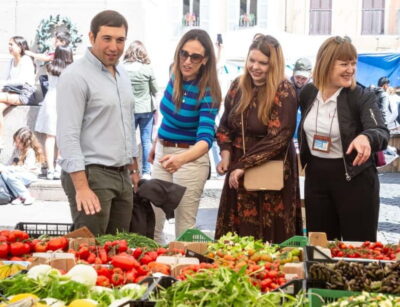
In the morning version, you visit the market and learn what seasonal products are showing up right now. That matters because Roman cooking is not only about famous dishes, it is about what is at its best at the moment. The stalls are piled high with vegetables, meats, and cheeses, and you start tasting right in the middle of that energy.
A quick stop at the Statua di Giordano Bruno adds historical context to what you are walking through. You will connect that story to how food traditions formed around the everyday needs of Rome’s neighborhoods. It is not heavy lecturing, it is short context that helps your brain place the food into time and place.
Practical note: the market visit is not included in the afternoon tour, and it is also not included on Sunday morning. On those options, you get some free time to browse local shops instead.
Grocery Counter Heaven: Ruggeri and Norcineria Viola dal 1890
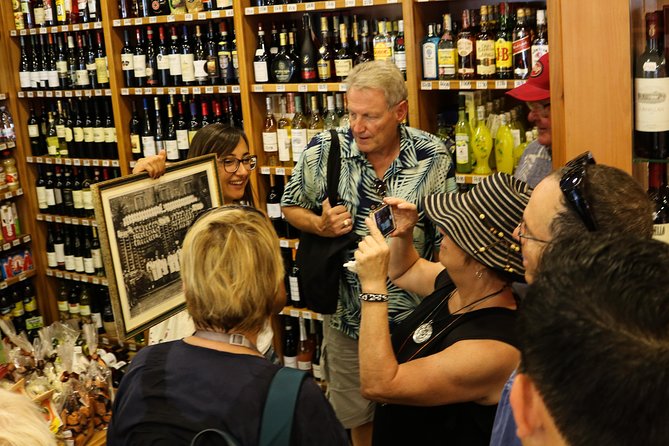
After the market, you step into the world of old Roman groceries. This part is one of the best reasons to book a guide, because local shops are hard to judge from the outside. You might pass them a dozen times without knowing what to order.
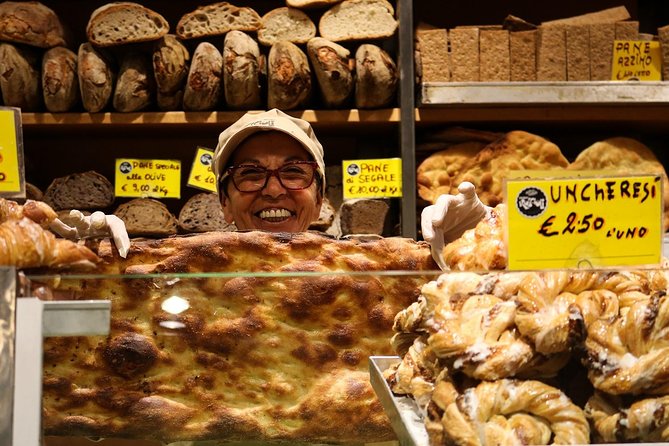
At Ancient Pizzicheria Ruggeri, you meet the Ruggeri family and sample specialties from their decades-old grocery tradition. It is the kind of stop where the food is simple, but the details are everything: what is cured, what is paired, and why that specific combination is a Roman default.
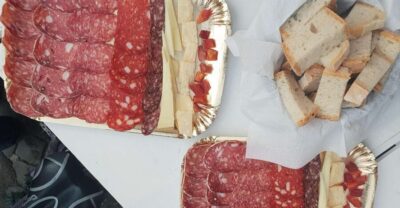
Then you reach Norcineria Viola dal 1890, where guanciale, salami, and prosciutto take center stage. You are greeted by the look of cured meats hanging overhead, which makes the place feel like a working pantry from another era. This is also where you get the “how Rome snacks” angle, not just the formal sit-down meal.
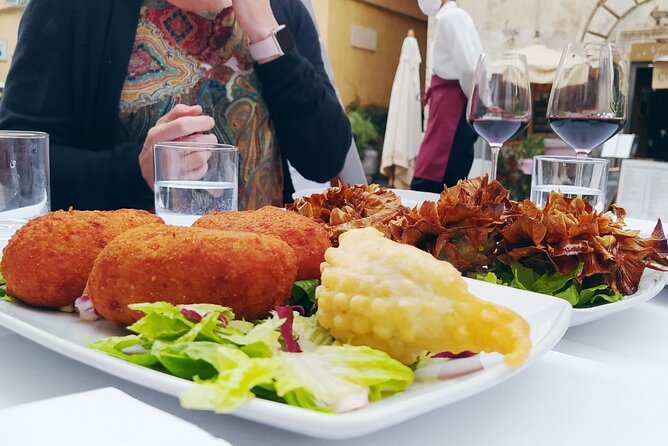
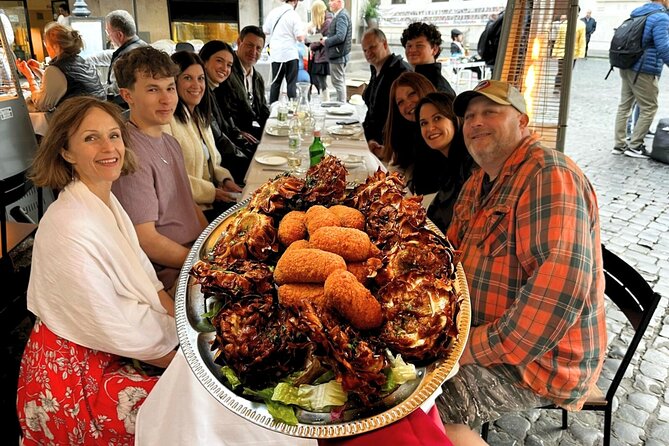
If your tour day includes fried specialty items, expect them to be part of the sampling flow. And pay attention to seasonality here. One guide note you should take seriously: fried artichokes can be swapped with fried zucchini flowers depending on the season, which keeps the food respectful of what is actually best.
Antico Forno Roscioli Pizza: The Roman Way, Not the Tourist Way
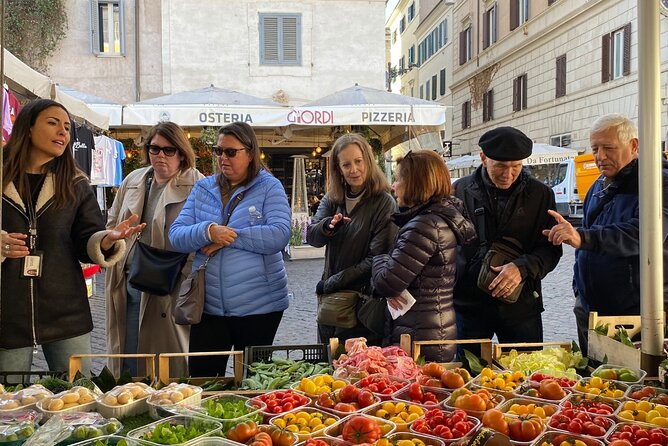
Next comes one of the most Rome-in-one-bite stops: Antico Forno Roscioli, described as the town’s oldest bakery. This is where Roman pizza makes more sense, because you taste it before you start comparing it to what you expect from other cities.
You sample authentic Roman-style pizza, including options like pizza bianca with mortadella and pizza rossa. The point is not just flavor. It is structure: how the dough and toppings work together, and why Roman pizza is its own category.
This is also a smart energy reset. After market and shop tastings, pizza helps you anchor the day with something warm and straightforward. If you have a sensitive stomach, go slow and keep sipping water, because you are not done yet.
One more reason I like this stop: it is a “real Rome” anchor. When you visit shops like these, you are not trying to find a restaurant that looks like a restaurant. You are seeing how locals treat food as daily life.
Jewish Ghetto to Tiber Island: Context, Then Pasta and Wine
The Jewish Quarter segment is more than a walking tour through pretty streets. You move through the mood of the area and stop around Piazza della Cinque Scole and the oldest synagogue of Rome. This is where the tour’s history-food connection becomes practical: the guide ties what you see to the food traditions that survived, adapted, and stayed important in daily life.
Then you head toward Isola Tiberina, Rome’s only island. Even if you are not usually into architecture and old walls, this is a useful pause. It gives you a breath between tastings and helps you see why Rome’s river life shaped where people built markets, shops, and dining.
From there, the route crosses Pont Fabricius to reach the island side and then you head into the next tasting meal stops. At Il Portico di Ottavia, you stop for fried specialties. This fits the Rome pattern of eating across the day, not only at one grand dinner.
Soon after, you get the pasta and wine pairing experience at Ristorante Sette Oche in Altalena. Pasta is not just served, it is paired with wine as part of the meal. That is valuable because it helps you understand why certain wines make sense with Roman flavors, instead of treating wine as an afterthought.
Other walks through the old Jewish Ghetto:
Trastevere Nightlife Streets, Cacio e Pepe, and the Gelato Finale
Trastevere is where Rome shifts gears. You walk through cobbled lanes linked to locally loved restaurants and nightlife energy. During this stretch, you keep tasting, so you are not just sightseeing, you are sampling what people actually come back for.
The tour includes a stop at Ercoli Trastevere, where you get cacio e pepe pasta with an appetizer and wine. Cacio e pepe is a classic Roman dish, and this stop helps you taste it as a centerpiece, not as an item that is just one of many on a menu.
You also pass a basilica from the outside, which gives you a sense of Trastevere’s religious and neighborhood character without breaking your pacing.
Finally, the tour ends at Fiordiluna for gelato, described as part of Eugenio Morrone’s gold medal recognition in 2020. This is a smart ending choice. After pasta and fried foods, gelato resets your palate and stops the whole day from ending with heavy stomach regret.
What You Actually Eat: 15 Samples, Wine, and a Menu You Can Plan Around
The menu you should expect includes:
- pizza bianca with mortadella, and pizza rossa
- suppli, plus fried artichoke or zucchini flower
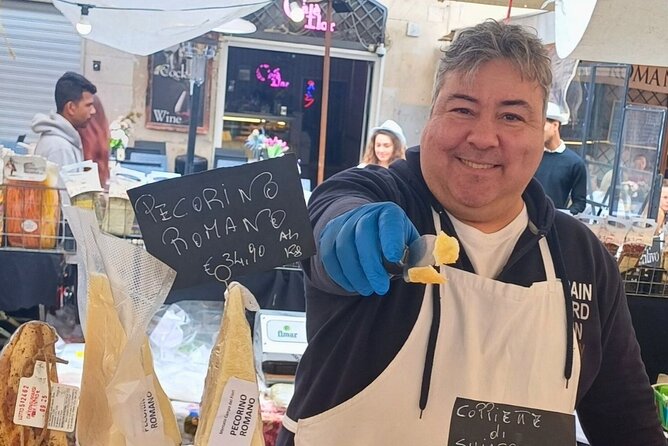
- Roman salami, mozzarella di bufala, and pecorino romano
- cacio e pepe and amatriciana
- gelato artigianale
On top of that, you get three wine tastings. The tour is designed so you typically do not need a proper lunch or dinner afterward, because the tastings stack up across multiple stops.
One small detail that matters for planning: the food tour length is about 3 hours 30 minutes, but it is not “small snacks.” You are sampling across five locations, and the included pasta and fried specialty elements are part of the full experience.
If you are doing the short street food option instead, check the differences carefully. The short option does not include the Jewish ghetto district, and it also does not include the tasting of fried artichoke and pasta.
Price and Value: Why $88.28 Can Make Sense in Rome
At $88.28 per person, this is not a budget-only activity. But it can feel like good value because it bundles several expensive Rome realities into one organized flow:
- 15 food samples across five locations
- three wine tastings
- a dedicated pasta and wine pairing stop
- gelato at the end
- a small group limit of 12
- a free best restaurants guidebook and cookbook
In Rome, piecing this together on your own means more trial and more wasted time. You would also have to line up five separate stops, then still figure out what to order so you get “Roman” results instead of random tourist plates.
Also, the tour is booked on average about 57 days in advance, which is a hint that it has steady demand. If you want a specific time window, it is worth locking it in early rather than waiting until the week of your trip.
How to Prepare for Walking, Weather, and a Full Plate
This tour runs in all weather conditions, so dress for the day you get, not the day you wish you got. If it is rainy, you will still be moving between shops and restaurants, which is why your footwear matters.
You are on uneven streets and cobblestones, with some standing at counters. Bring comfortable shoes with solid grip. Plan to walk with your hands free if possible, because you may hold onto water or a small item while you sample.
Come hungry, but also use common sense. Tastings can include rich items like cheese, cured meats, and fried bites. If you pace yourself, you get to enjoy everything. If you rush, the last half can feel heavy.
Who Should Book This, and Who Should Rethink It
This tour fits best if you:
- want a guided walk through Campo de’ Fiori, the Jewish Quarter, and Trastevere
- enjoy food plus short history context
- like family-run shops more than big menus
- appreciate wine tastings as part of the meal rhythm
It may not be the best fit if you are:
- vegan, since the tour is not recommended for vegan people
- dealing with serious allergies, because allergy-friendly options are limited and some allergies cannot participate
- celiac with life-threatening risk, since the data points to private touring for that situation
For reduced mobility, the tour says you can contact them for a private option, which is the safest path if you need step-free or slower routing.
Final Call: Should You Book This Rome Food Tour?
I would book it if you want one guided experience that hits multiple Rome food zones in one go, without you guessing what is worth ordering. The combination of market learning in the morning, classic Roman shop tasting, Jewish Quarter context, Trastevere pasta and wine, and a gelato finish is a strong lineup for the money.
I would skip or switch options if your diet is very restrictive, because the tour includes a lot of classic Roman ingredients and explicitly warns about allergens being present. And if you hate walking on cobblestones, be honest with yourself about the effort. This is a food tour, not a sit-and-watch show.
If you want a first-night Rome move, this type of tour is also a good way to get your bearings fast, because you learn what neighborhoods do well and where to come back later.
FAQ
How long is the Rome Food Tour: Campo de’ Fiori, Ghetto, Trastevere?
It runs for about 3 hours 30 minutes.
How much does it cost?
The price is $88.28 per person.
What food and wine tastings are included?
The tour includes 15 samples across five locations, plus pasta and fried specialty items, and three wine tastings. Gelato is included at the end.
Do I visit the Campo de’ Fiori market?
The morning tour includes a visit to the Campo de’ Fiori market. The market is not included in the afternoon tour, and it is also not included on Sunday morning.
Where do I meet and where does the tour end?
You meet at Via Dei Baullari, 106, 00186 Roma RM. The tour ends at Via della Lungaretta, 12, 00153 Roma RM.
How many people are in the group?
The group is limited to a maximum of 12 travelers.
Is the tour offered in English?
Yes, it is offered in English.
What dietary options are available, and what should I watch for?
Vegetarian or dairy-free options are available if you advise at booking. Vegan is not recommended. Allergens can be present in tastings, including milk, eggs, soya, mustard, nuts, and gluten, and the data states that certain food allergies cannot participate.
Is there a short 2-hour street food option, and what is left out?
Yes, there is a 2-hour short street food option, but it does not include the Jewish ghetto district, and it also does not include a tasting of fried artichoke and pasta.
Is the tour accessible for reduced mobility?
People with reduced mobility are pleased to book the Private option by contacting in advance.
What is the cancellation policy?
Free cancellation is available up to 24 hours in advance for a full refund. If you cancel less than 24 hours before the start time, you do not receive a refund.
What Rome Puts on the Plate
- Rome: Gourmet Food Tour with Dinner & Barolo Wine
★ 4.9 · 2,347 reviews - Rome: Award Winning Trastevere Group Food Tour with Wine
★ 5.0 · 2,273 reviews - Rome: Trastevere Street Food Walking Tour with Local Expert
★ 4.8 · 1,784 reviews - Rome: Appian Way & Aqueducts E-Bike Tour (Catacombs & Food)
★ 4.9 · 1,498 reviews
Trattorie, Enoteche and Counters
- Rome: Tuscany & Montepulciano Day Trip with Lunch & Wine Tasting
★ 4.5 · 5,232 reviews - Rome: Trastevere Food tour with Free-Flowing Fine Wine
★ 5.0 · 2,853 reviews - Rome: Trastevere & Campo de Fiori Street Food Walking Tour
★ 4.9 · 2,768 reviews - Rome Street Food Tour with Local Guide
★ 5.0 · 2,361 reviews
Latest additions from Rome
- Guided Tour Vatican Museums & Sistine Chapel★ 4.1 · 30 reviews
- Exclusive Rome by Night Vespa Tour★ 5.0 · 30 reviews
- Transfer Rome to Airports★ 4.5 · 30 reviews
- Vatican: St.Peter’s Basilica & Dome – Reserved Entry & Tour★ 4.1 · 30 reviews
- Rome street art tour: off the beaten path with a local guide★ 5.0 · 30 reviews
- Tivoli, Hadrians Villa and Villa d’Este, a charming day trip from Rome★ 4.5 · 30 reviews
- Rome Food Tasting with Wine Pairing Italian Authentic Flavors★ 5.0 · 31 reviews
- Inspirational Cooking on the Roman Chef’s Panoramic Terrace★ 5.0 · 30 reviews
Jewish Ghetto Walking Tours, compared.
Eat Like a Roman Ghetto & Campo de’ Fiori Food Tour
Read our review →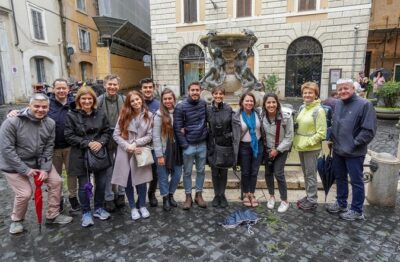
Jewish Ghetto and Synagogues with Jewish Roman Guide 3 Hours
Read our review →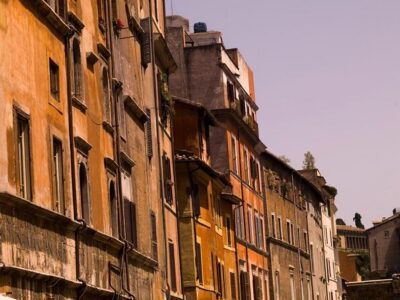
Jewish Ghetto & Piazza Navona: Food, Wine & Sightseeing Rome Tour
Read our review →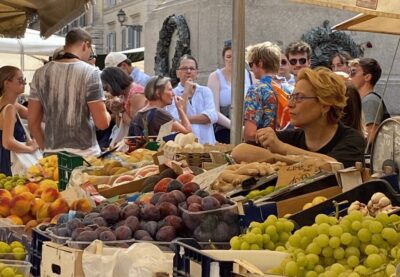
Food & Wine Tour of Campo de Fiori, Ghetto, Trastevere
Read our review →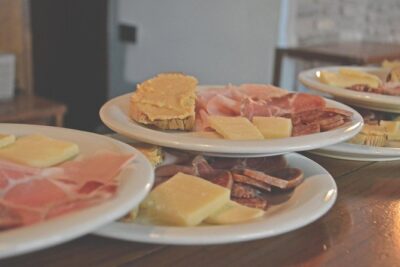
Jewish Ghetto and Campo Dè Fiori By Night Food, Wine and Sightseeing Tour
Read our review →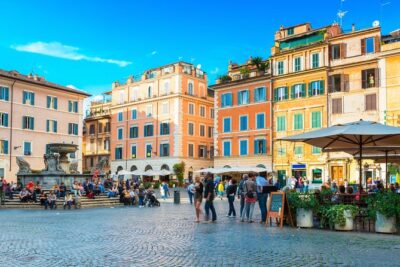
Trastevere and Rome’s Jewish Ghetto Half-Day Walking Tour
Read our review →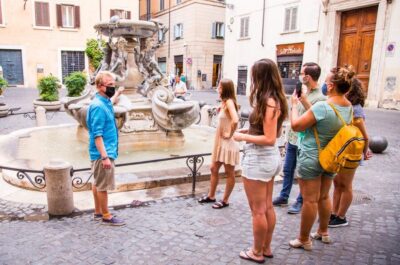
Jewish Ghetto & Campo de Fiori by Night Food Wine Tour
Read our review →Browse the lists this tour appears in