
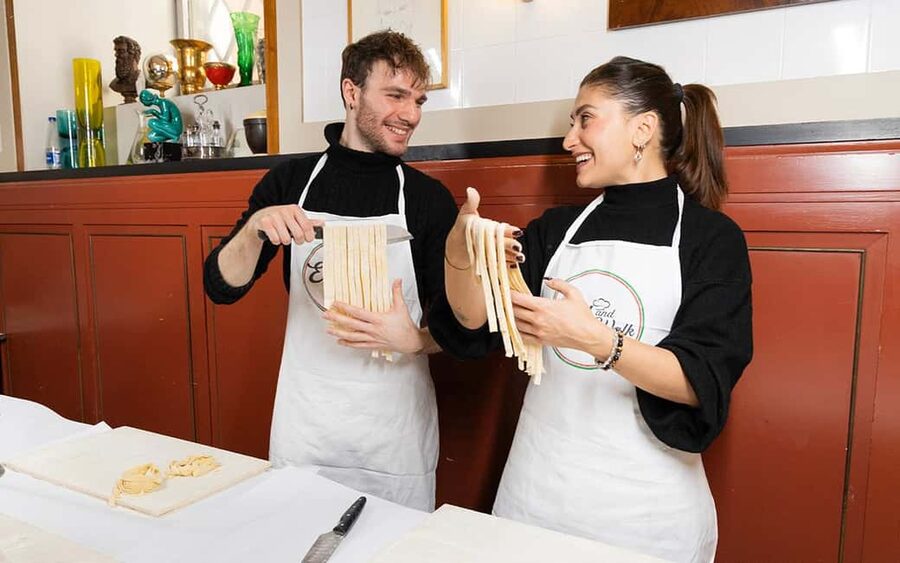
Reviewed · PASTA AND TIRAMISU COOKING CLASSES
Rome: Ravioli, Fettuccine and Tiramisu Cooking Class
Fresh pasta in Rome, with wine to match.
This Rome cooking class is a fun, hands-on way to learn pasta-making and finish with a classic tiramisù you made yourself. I like that you work on more than one dish, so the time flies, and you’re not just watching. I also like the payoff, you eat in a nice restaurant setting in central Rome with a glass of wine.
One possible drawback: the recipes and techniques are meant to be friendly and approachable, so if you’re chasing a super advanced challenge, you may want a little more beyond the core pasta and dessert.
In This Review
- Key moments I’d circle
- Where the class happens, and why that matters in Rome
- The flow of your 3 hours: dessert first, then dough, then dinner
- Step one: group tiramisù work
- Step two: pasta dough lessons with nonna-style secrets
- Step three: fettuccine with your chosen sauce
- Step four: ravioli with ricotta and the butter-sage finish
- Step five: sit down, eat what you made, then finish with limoncello or coffee
- What you actually make, item by item
- Instructors and teaching style: what the best chefs do in your hands
- Price and value: is $82 worth it?
- The one thing to plan for: what you might miss on the plate
- Who this class is best for
- Making it fit your Rome itinerary
- Should you book this Rome ravioli and tiramisù cooking class?
- FAQ
- What dishes will I make in this cooking class?
- How long is the Rome cooking class?
- Where do I meet the chef?
- What language is the class taught in?
- What’s included with the meal and drinks?
- Is the class wheelchair accessible?
- Are there age limits?
- Can I change my mind after booking?
Key moments I’d circle
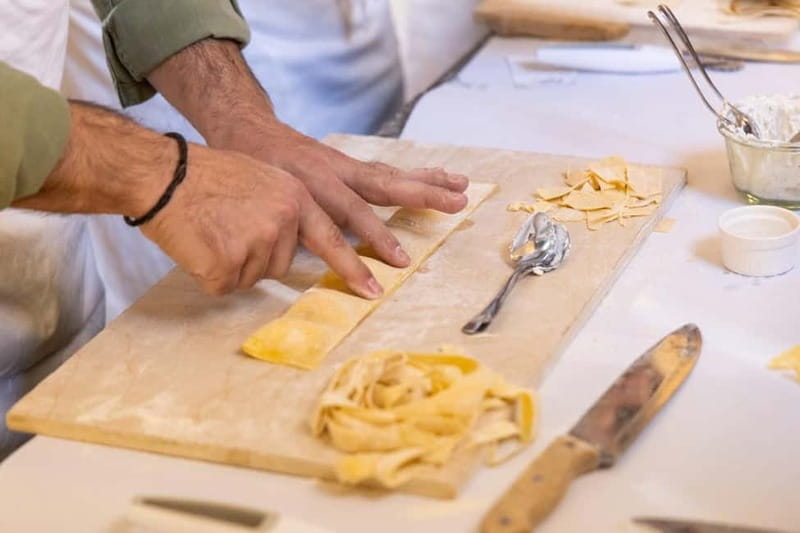
- Two pasta types, one class: you’ll make fettuccine and ravioli from scratch.
- Tiramisù starts the party: you begin with dessert, not dough, which keeps momentum high.
- Sauce choices for your fettuccine: tomato and basil, cacio e pepe, or amatriciana.
- Ravioli filling and finishing: ricotta ravioli cooked with butter and sage.
- Wine plus the final sweet: a glass of wine or soft drink, then limoncello or coffee.
- Clear English instruction from real instructors: teachers like Furio, Mattia, Josephina, and Chef Lory show the steps clearly and check on the group.
Where the class happens, and why that matters in Rome
This experience meets you inside Gusto Restaurant, at Via Giuseppe Zanardelli 14, with Eat and Walk Italy. Arrive about 10 minutes early so you can settle in, meet your chef, and start on time without rushing. In Rome, small timing slips can snowball fast, so that early buffer is worth it.
Why this setup is smart: a restaurant location means you’re in a working environment, not a random classroom. You also get the feel of a typical Italian food rhythm, cook, taste, adjust, then sit down together for the meal you made. For first-time pasta makers, that structure lowers stress. You’re learning with ingredients in front of you and a clear path through the steps.
Also, the class runs in English. In the past, instructors such as Mattia, Matt, and Josephina have led classes with explanations that stay practical and step-by-step, which makes a big difference when you’re learning dough for the first time.
Other kitchens rolling pasta and folding tiramisu:
- 3 in 1 Cooking Class near Navona: Fettuccine, Ravioli & Tiramisu
★ 5.0 · 7,376 reviews - Rome: Pasta & Tiramisu Class with Fine Wine by the Vatican
★ 4.9 · 4,852 reviews - Rome: Pasta Making Class with Wine, Limoncello, and Dessert
★ 4.9 · 3,177 reviews - Rome Cooking Class: Make Pasta and 3 Spritz Cocktails
★ 5.0 · 2,937 reviews
The flow of your 3 hours: dessert first, then dough, then dinner
The whole class is about 3 hours, which is long enough to learn real technique but short enough to feel efficient. Here’s the arc you’ll follow.
Step one: group tiramisù work
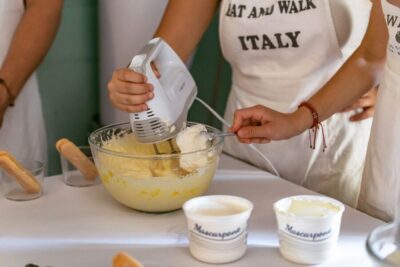
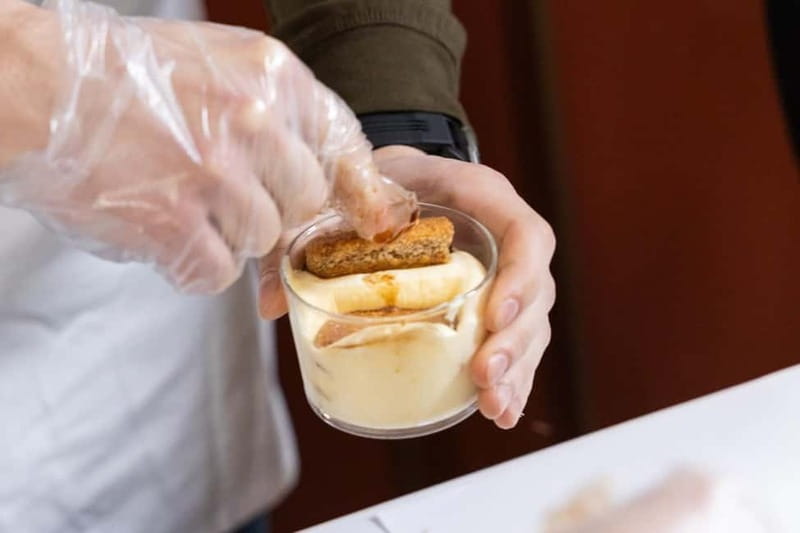
You start with tiramisù. Instead of jumping straight into pasta dough, you do a group dessert activity first. It helps you warm up, learn the kitchen rhythm, and build confidence before handling flour, eggs, and thickness.
Tiramisù also gives you an immediate “I’m making something real” moment. Even if pasta feels intimidating, you’re already producing a finished dessert component. By the time the pasta portion begins, you’re in the zone.
Step two: pasta dough lessons with nonna-style secrets
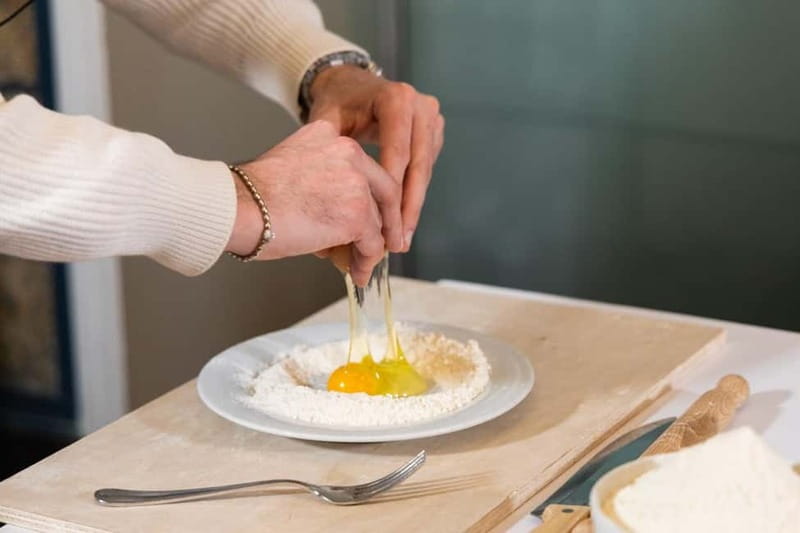
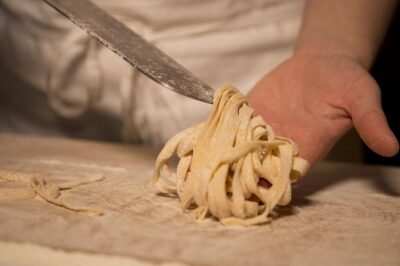
After the dessert stage, the chef teaches how to make fresh pasta dough and shape it properly. The instructors lean into traditional tips, often described as sharing nonna’s secrets, and the goal is not just to get you to the finish line. You’ll learn the why behind the technique, like how dough should feel, how to roll it evenly, and how to keep your pasta manageable while you’re working.
You can expect the teaching style to be reassuring. Multiple instructors have been praised for being fun and thorough, including examples like Furio and Chef Lory. If you’re the kind of person who freezes when someone says, Now we roll the dough, you’ll likely feel better here because the chef checks in as you go.
Step three: fettuccine with your chosen sauce
Next comes fettuccine. You’ll make the pasta and then enjoy it with a sauce of your choice, including:
- Tomato and basil
- Cacio e pepe
- Amatriciana
This matters because it turns your cooking into a full meal, not just “here’s your pasta, good luck.” It also means you can choose the flavor profile you actually want to eat. If you love creamy and peppery, pick cacio e pepe. If you want something classic and herby, tomato and basil fits. If you like a more robust, savory sauce, amatriciana is the one.
One detail that keeps this practical: you’re working with sauces that match the level of the class. They’re designed to be doable in a shared workshop timeframe, so you’re learning technique without getting lost in complicated variations.
Other Roman benches to work at for a morning:
Step four: ravioli with ricotta and the butter-sage finish
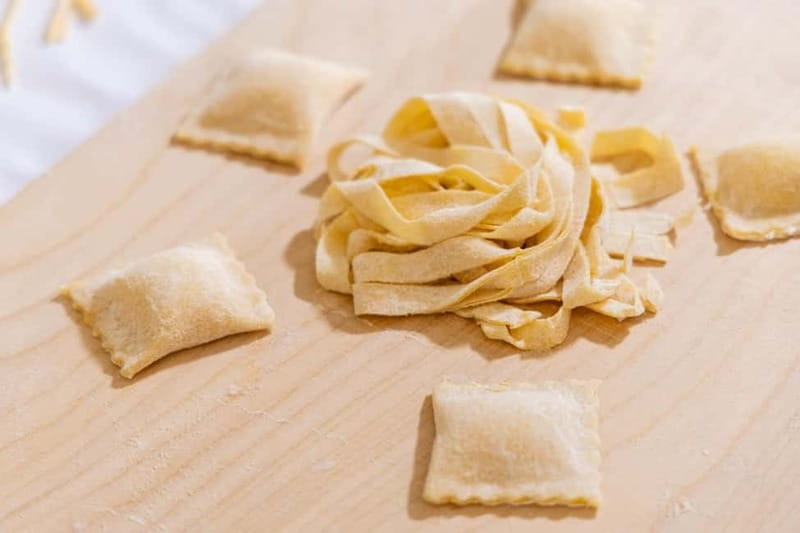
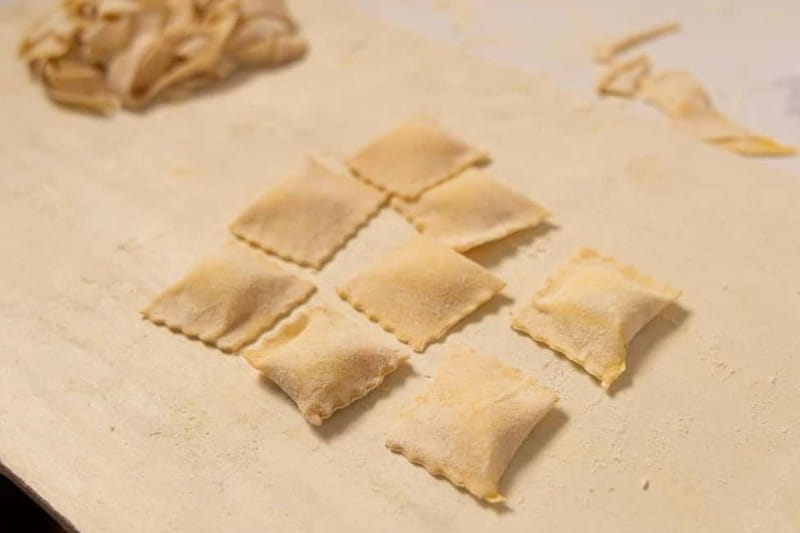
Then you make ravioli. The filling is ricotta, and when it’s time to serve, your ravioli are cooked with butter and sage. This is a great choice for a cooking class because it highlights fresh pasta without requiring a long, slow sauce process. Butter and sage also give that classic Italian aroma right when you need it most.
If you’ve ever wondered whether ravioli is “hard,” this class is a good reality check. You don’t need to be a pastry wizard. With clear guidance and enough hands-on time, you can get to a result that feels rewarding rather than frustrating.
Step five: sit down, eat what you made, then finish with limoncello or coffee
At the end, you eat your homemade meal in the restaurant in central Rome. Included drinks make it feel like a true evening meal: a glass of wine (or a non-alcoholic alternative), plus water. After that, you’ll get a glass of limoncello or a coffee, so the class ends on a bright, typical Italian note.
What you actually make, item by item
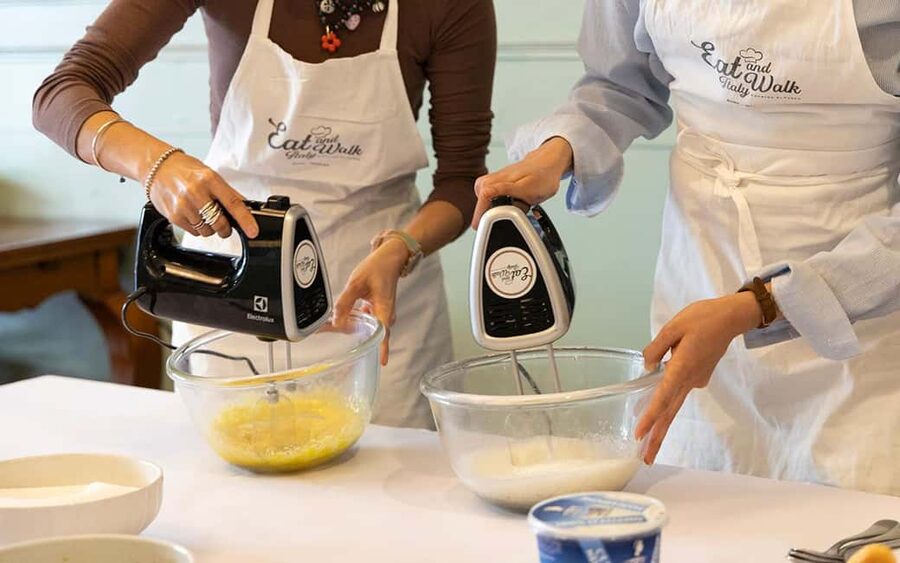
It helps to know exactly what’s included so you can judge value quickly. The class includes:
- Fettuccine with your sauce choice (tomato and basil, cacio e pepe, or amatriciana)
- Ravioli with ricotta, cooked in butter and sage
- Your own tiramisù
- 1 glass of wine or soft drink
- Limoncello or coffee
- Water
That set is strong because it hits three categories that most people want in an Italian cooking class: fresh pasta, a savory plate, and a dessert. You’re not leaving hungry, and you’re not just taking home a vague recipe folder.
Instructors and teaching style: what the best chefs do in your hands
The standout theme from the experience is the teaching. Instructors like Mattia, Matt, Josephina, Furio, Chef Lory, and Vincenzo show up across past classes, and the common thread is clarity. People tend to leave appreciating not only the result, but also the process.
In practical terms, that means:
- You’ll get clear explanations for dough and shaping
- The chef checks progress step-by-step
- The pace stays manageable, even if you’ve never rolled pasta before
This matters for value. A “cooking class” where you do one small thing and watch the rest usually feels thin. Here, you’re doing the core tasks: making dough, shaping pasta, and assembling tiramisù. That’s what turns it into a skill you can repeat at home.
Price and value: is $82 worth it?
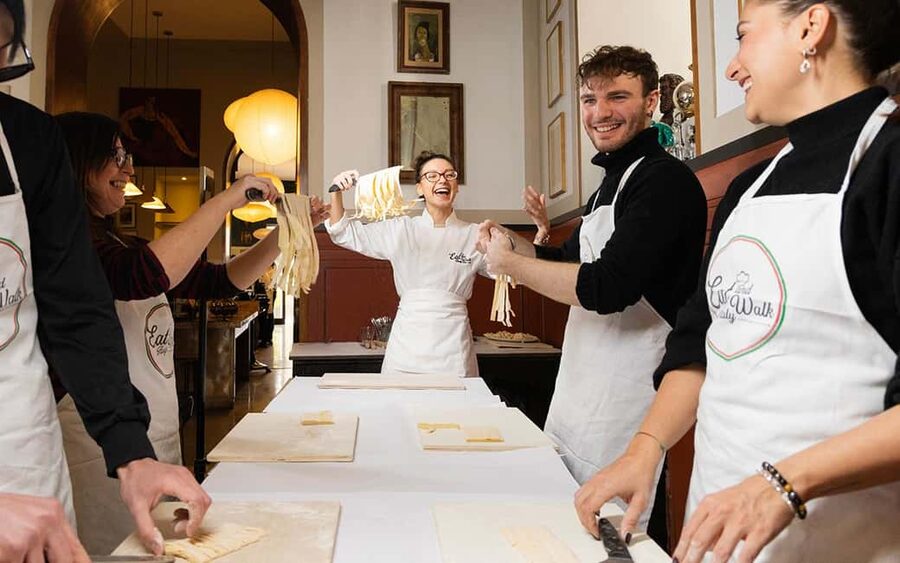
At $82 per person for about 3 hours, this class looks like more than just a fun activity. You’re paying for:
- Ingredient-driven instruction
- Multiple dishes (two pasta types plus tiramisù)
- A full sit-down meal and drinks (wine, limoncello or coffee, water)
When you break it down, the cost is less about “paying for a recipe” and more about paying for guided food production plus a meal. In Rome, that’s the part that adds up quickly if you tried to recreate it at home without tools, ingredients, and a coach.
That said, you should judge it honestly based on your expectations. This is designed to be approachable. One person noted the recipes and technique can feel fairly basic, just with a few helpful tips and tricks added. If you want a deeply technical, advanced pasta seminar, this may feel simpler than what you’re hunting for. If you want a confident, enjoyable, doable class that gives real results, the price-to-reward ratio looks solid.
The one thing to plan for: what you might miss on the plate
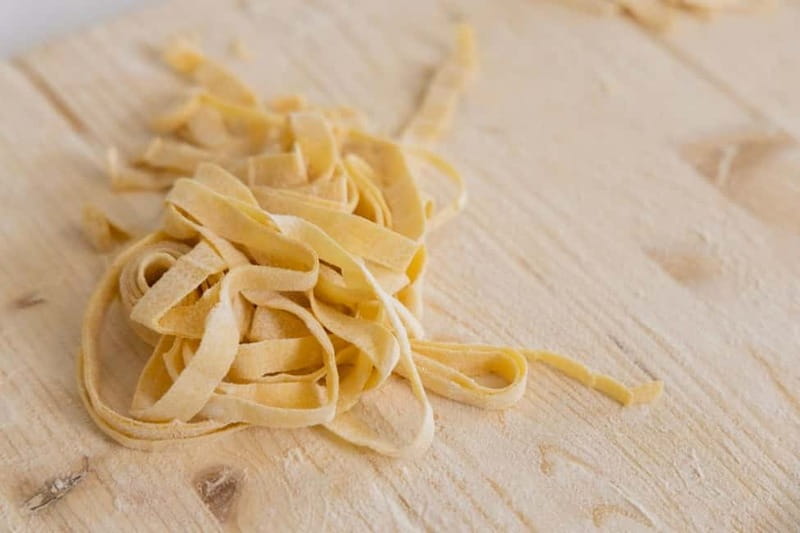
One point to consider: you’re focused on pasta and dessert, so you won’t get a separate vegetable side mentioned in the included menu. If you like your meal to include more variety, you might want to do a light snack earlier in the day and then plan on a proper second meal later in Rome.
Also, because this is about hands-on cooking, you’ll spend less time wandering and more time inside a food-focused schedule. If you’re trying to pack in ancient sights in the same afternoon, keep that in mind. This is a good choice when you want a break from sprinting between attractions and you’d rather enjoy a more human-scale experience.
Who this class is best for
This is a strong fit if:
- You want to learn fresh pasta steps you can repeat later
- You like eating what you make, not just leaving with notes
- You’re traveling with friends or as a couple and want a shared activity
- You want a dessert highlight with classic Italian flavors
It also works for families in some cases. One review specifically mentioned enjoying it with kids, though the tour is not suitable for children under 4. If you’re traveling with small kids, plan for the youngest age limits and the general attention span needed for hands-on cooking.
If you’re solo, it can still be fun. One class example even had a very small group, which tends to make teaching feel more personal and interactive.
Making it fit your Rome itinerary
This class sits in Lazio and happens in central Rome, with meeting at Gusto Restaurant. That makes it easy to combine with a food-forward day. I’d pair it with a lighter morning of sightseeing or a wander through nearby streets, then treat the class as the main event.
Because your final meal is included, I’d avoid scheduling a huge dinner right after. Instead, think of this as your dinner, plus a sweet finish. If you still want gelato after, you’ll probably earn it.
Should you book this Rome ravioli and tiramisù cooking class?
Book it if you want an English-led Rome cooking class that teaches you real pasta skills and ends with a satisfying meal plus wine and a classic Italian dessert. It’s especially good for beginners who want confidence fast, and for food lovers who enjoy doing rather than watching.
Skip it or rethink it if you’re chasing an advanced, highly technical pasta workshop, or if you strongly prefer meals with more side dishes beyond pasta and dessert. Also, if you need a lot of visual sightseeing in the same half day, this is more of a focused “food time” experience than a multi-stop tour.
If your goal is to leave Rome with both good memories and the ability to recreate fettuccine, ravioli, and tiramisù back home, this is one of the better-value ways to do it.
FAQ
What dishes will I make in this cooking class?
You’ll make fettuccine and ravioli from scratch, plus tiramisù. You also eat the meal you prepare at the end.
How long is the Rome cooking class?
The duration is 3 hours.
Where do I meet the chef?
Meet your chef inside Gusto Restaurant, Via Giuseppe Zanardelli 14. The experience provider is Eat and Walk Italy – Cooking Classes.
What language is the class taught in?
The instruction is English.
What’s included with the meal and drinks?
You get water, 1 glass of wine or a soft drink, and a glass of limoncello or coffee. Your meal includes fettuccine with sauce and ravioli with butter and sage, plus your tiramisù.
Is the class wheelchair accessible?
Yes, the activity is listed as wheelchair accessible.
Are there age limits?
The class is not suitable for children under 4 years.
Can I change my mind after booking?
The experience offers free cancellation up to 24 hours in advance for a full refund, and it also offers a reserve now & pay later option.
If you want, tell me your travel month and whether you’re coming as a couple or with kids, and I can suggest the best time of day to schedule this so it fits your Rome day.
Roman Kitchens to Cook In
- Rome: Pasta & Tiramisu Cooking Class near the Spanish Steps
★ 4.8 · 1,395 reviews - Rome: Traditional Pizza Cooking Class near Piazza Navona
★ 4.7 · 1,241 reviews - Rome: Combo Pizza and Pasta Cooking Class with Wine
★ 4.6 · 1,180 reviews - Rome: Pasta Making with Wine Tasting and Dinner in Frascati
★ 4.9 · 979 reviews
Latest additions from Rome
- Guided Tour Vatican Museums & Sistine Chapel★ 4.1 · 30 reviews
- Exclusive Rome by Night Vespa Tour★ 5.0 · 30 reviews
- Transfer Rome to Airports★ 4.5 · 30 reviews
- Vatican: St.Peter’s Basilica & Dome – Reserved Entry & Tour★ 4.1 · 30 reviews
- Rome street art tour: off the beaten path with a local guide★ 5.0 · 30 reviews
- Tivoli, Hadrians Villa and Villa d’Este, a charming day trip from Rome★ 4.5 · 30 reviews
- Rome Food Tasting with Wine Pairing Italian Authentic Flavors★ 5.0 · 31 reviews
- Inspirational Cooking on the Roman Chef’s Panoramic Terrace★ 5.0 · 30 reviews
Pasta and Tiramisu Cooking Classes, compared.
3 in 1 Cooking Class near Navona: Fettuccine, Ravioli & Tiramisu
Read our review →
Pasta & Tiramisu Class with Fine Wine by the Vatican
Read our review →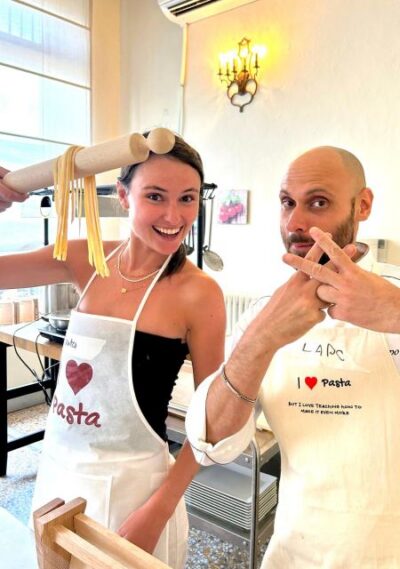
Pasta Making Class with Wine, Limoncello, and Dessert
Read our review →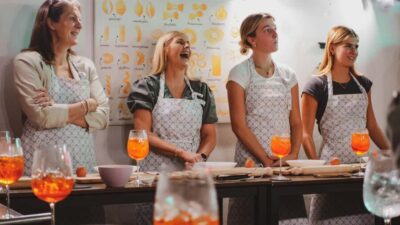
Rome Cooking Class: Make Pasta and 3 Spritz Cocktails
Read our review →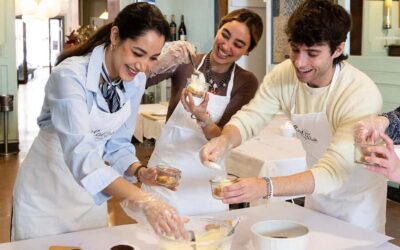
3-in-1 Fettuccine, Ravioli, and Tiramisu Cooking Class
Read our review →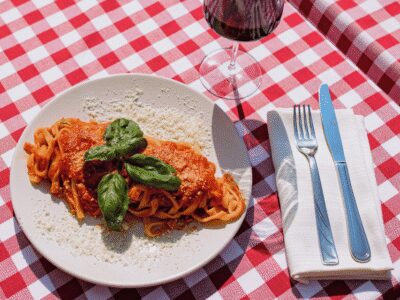
Fettuccine Pasta Cooking Class in Rome’s City Center
Read our review →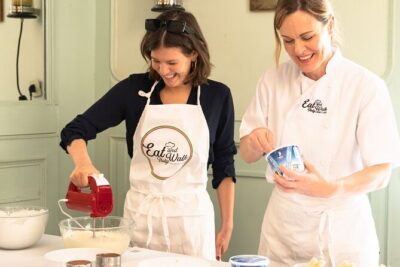
Learn to Make Pasta & Tiramisu with Wine and Limoncello Included
Read our review →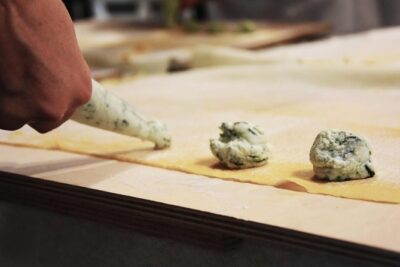
Become a Masterchef in Rome: Pasta, Ravioli and Tiramisù Class
Read our review →Browse the lists this tour appears in