
Reviewed · OSTIA ANTICA RUINS TOURS
Rome: Ostia Antica Tour From Rome
Rome’s old port city feels human. This small-group Ostia Antica tour trades Rome traffic for an easy train ride, then hands you skip-the-line entry and a focused walk through the ancient streets, mosaics, and public buildings. You’ll get the kind of context that turns ruins into daily life, from marketplace blocks and bathhouses to the main boulevard lined with tavern-like storefronts.
I especially like two things here. First, you save time immediately with skip-the-line admission, so you spend more energy walking than waiting. Second, the guides make the site make sense, and names like Joan, Rebecca, Camille, Sonia, and Ali pop up again and again for a reason. One more practical win: the group stays tight, at 12 people or less, which helps you ask questions and keep a good pace.
One thing to consider is value depends on how you handle extras. The tour price covers admission and guiding, but you still need to buy the train tickets (about €3), and there’s a lunch break where food is at your own expense.
In This Review
- Key things to know before you go to Ostia Antica
- Piazzale Ostiense to Ostia Antica, the calm start that matters
- What skip-the-line admission really buys you
- The ancient port streets, markets, shops, and everyday homes
- Mosaics and the “trade town” vibe: how Ostia worked
- Theatre, temples, and bathhouses, where Roman life played out
- The main boulevard, Decumanus Maximus, and the firehouse story
- The Forum and the largest bathhouse, ending with the civic core
- Price, train cost, and whether $77 is a smart deal
- Who this tour fits best (and who should look elsewhere)
- Booking advice: timing, comfort, and your best use of the extra hours
- Should you book the Ostia Antica tour from Rome?
- FAQ
- How long is the Ostia Antica tour from Rome?
- Is skip-the-line admission included?
- How big is the group?
- Do I need to pay for train tickets separately?
- Where do I meet the guide?
- Is the tour wheelchair accessible?
Key things to know before you go to Ostia Antica
- Skip-the-line tickets are included, which matters at a busy archaeological site.
- Small group size (12 or less) keeps the tour interactive and easier to follow.
- Train from Rome with your guide helps you dodge morning traffic and start smoothly.
- You’ll walk major highlights, including Decumanus Maximus and the Forum.
- You get a built-in break period and on-site options like a cafe and gift shop.
Piazzale Ostiense to Ostia Antica, the calm start that matters
The day starts at Piazzale Ostiense, 9, outside the Piramide Metro station. Look for the Cafe Piramide area, under the BAR T sign, and for your guide holding an E&D Tours sign. It’s simple, but it helps to arrive a few minutes early so you can spot the group without stress.
Then comes the key move: you take a train with your guide. The whole point is to get you out of Rome’s morning chaos and into the port city before you waste half your morning. The ride is short, about 25 minutes, and your guide is there to help you with what you need along the way, including sorting out train tickets if you’re buying them.
This is also where small-group matters. You’re not herded through a crowd. You move together, you can stay oriented, and you can settle into the mindset shift from modern streets to an ancient commercial port.
Practical tip: wear comfortable shoes. Ostia Antica is made for walking, but you’ll still want footwear with grip and support for uneven stone.
More time in the ruins at Ostia Antica:
- Ancient Ostia Antica Semi-Private Day Trip from Rome by Train with Guide
★ 4.5 · 579 reviews - From Rome: Ostia Antica Guided Half-Day Trip by Train
★ 4.8 · 486 reviews - Horse Sanctuary & Trail Ride in Ostia Antica
★ 4.5 · 276 reviews - Ostia Antica Semi Private Tour from Rome
★ 5.0 · 238 reviews
What skip-the-line admission really buys you
At Ostia Antica, time is the hidden cost. If you show up with no plan, you can lose the best part of the day waiting at the entrance. This tour includes skip-the-line admission tickets, which means you start seeing the site sooner and you don’t burn your energy standing still.
That time advantage also changes the feel of the day. You’re not forced to sprint between highlights just to finish. Instead, you can pause, look closely at mosaics, and absorb what you’re seeing: the way the buildings connect, the layout of the streets, and how public spaces shaped daily life.
And yes, the ruins are big. But the tour is structured so you’re not just wandering. Your guide steers you through the story, from the commercial areas to the civic core.
Weather note: the tour runs in all conditions. That’s useful because it lowers the odds of a weather-related disappointment. Still, dress for the day you get, and bring water since fountains are available for refills.
The ancient port streets, markets, shops, and everyday homes
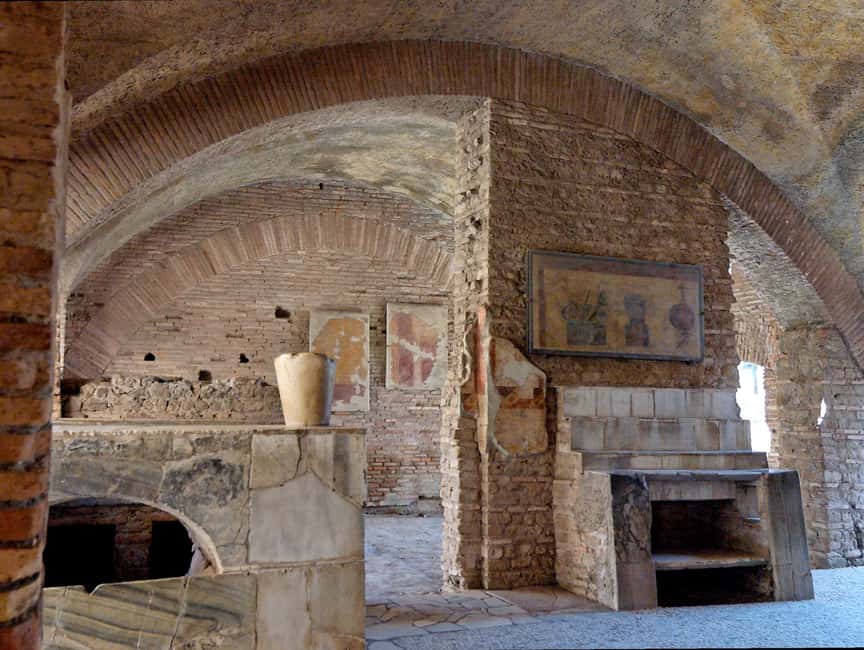
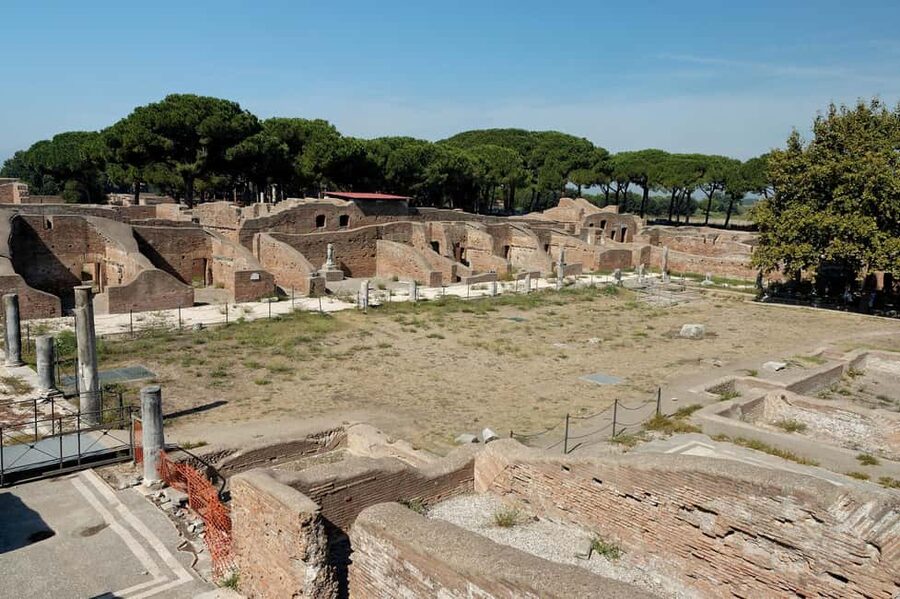
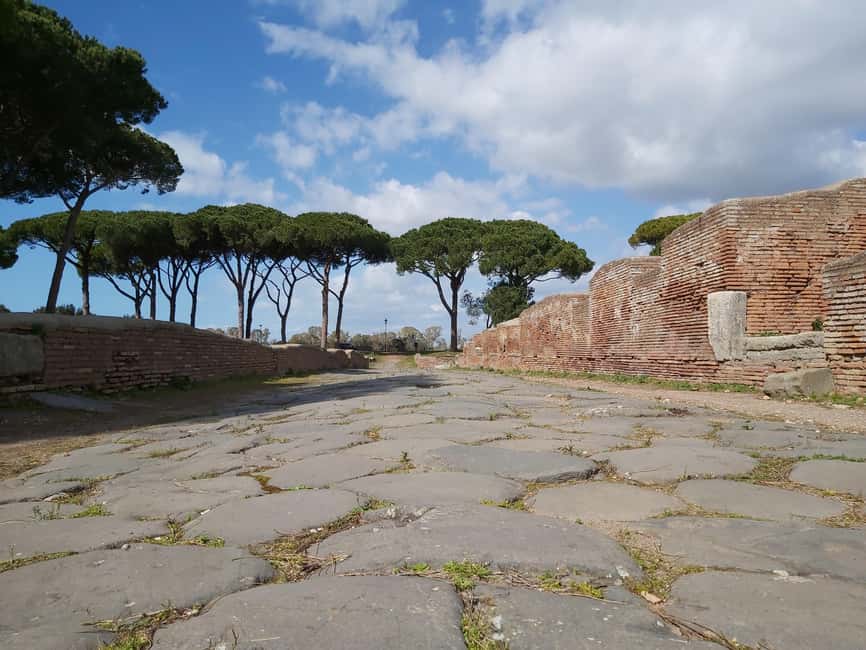
Once inside, the tour focuses on the parts that make Ostia feel real. Ostia Antica wasn’t a palace fantasy. It was a working port town with commerce, housing, public buildings, and services. You’ll move through well-preserved ruins that include marketplaces, shops, and residential areas.
One of the best parts is how the tour shows you the site as an organized place, not a random pile of stone. You start seeing patterns: where business activity would have clustered, where people lived near their work, and how streets shaped movement. A guide helps you connect these dots fast, so you’re not left staring and guessing.
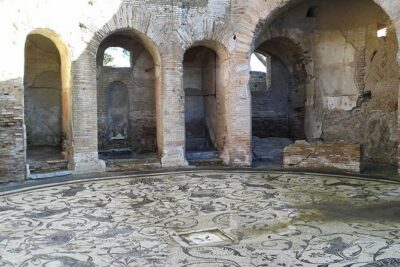
Then you reach the mosaic-rich trade center. The tour highlights the mosaic floors of an ancient commercial hub built about 2000 years ago for global business. Even if mosaics are not your main interest, looking at them in context makes them more than decoration. They become part of the infrastructure of trade, wealth display, and day-to-day movement.
What you’ll love most: the way the tour turns scale into clarity. Ostia is large, but you’re not treated like you need to memorize everything. You’re given the key anchors and the reasoning behind what you’re seeing.
Mosaics and the “trade town” vibe: how Ostia worked
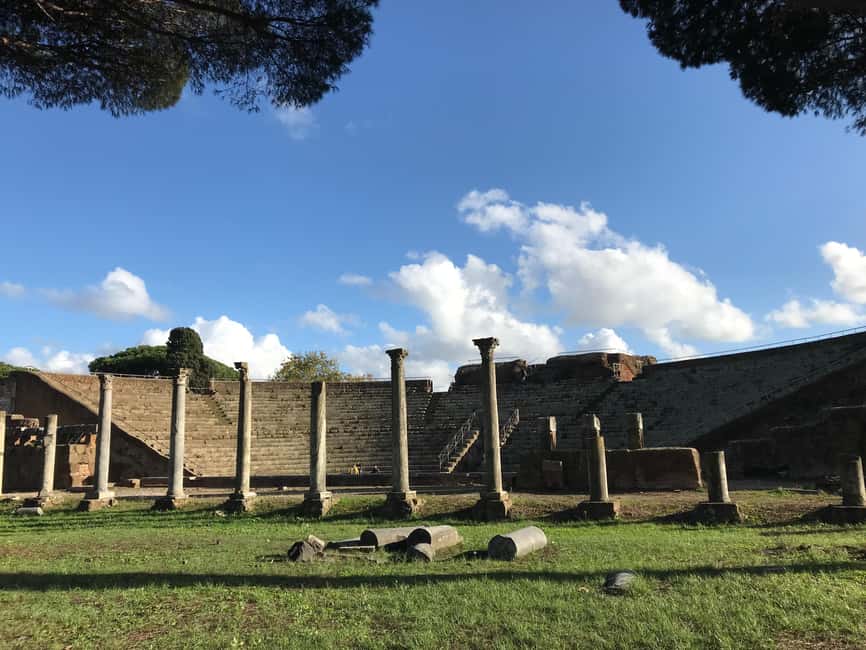
If you like cities where money and daily life overlap, Ostia is a strong pick. The tour leans into Ostia’s role as a commercial port, so you’re not only visiting monuments. You’re walking through the kind of environment where goods, people, and information flowed.
The mosaic floors are a highlight because they show how public-facing spaces could be both practical and status-driven. You can stand and look longer than you expected, especially if your guide points out what to look for in the designs and layouts.
Another nice detail is how the tour uses contrasts. Residential spaces are not far from public or commercial areas. Bathhouses and civic buildings sit within the same overall city rhythm. That helps you understand the town as a living system, not a museum stop.
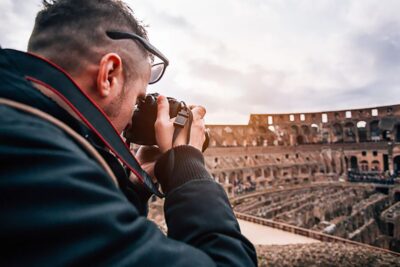
If you’re short on time in Rome: Ostia Antica is an efficient way to see how Roman life worked beyond grand ruins like the Colosseum. This tour gives you that “how a place functioned” angle in about four hours.
Theatre, temples, and bathhouses, where Roman life played out
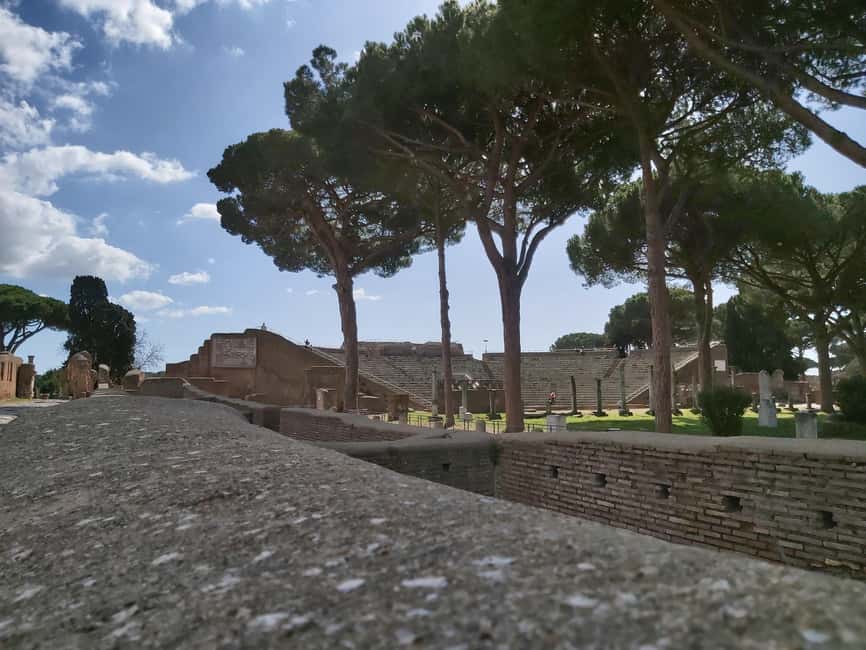
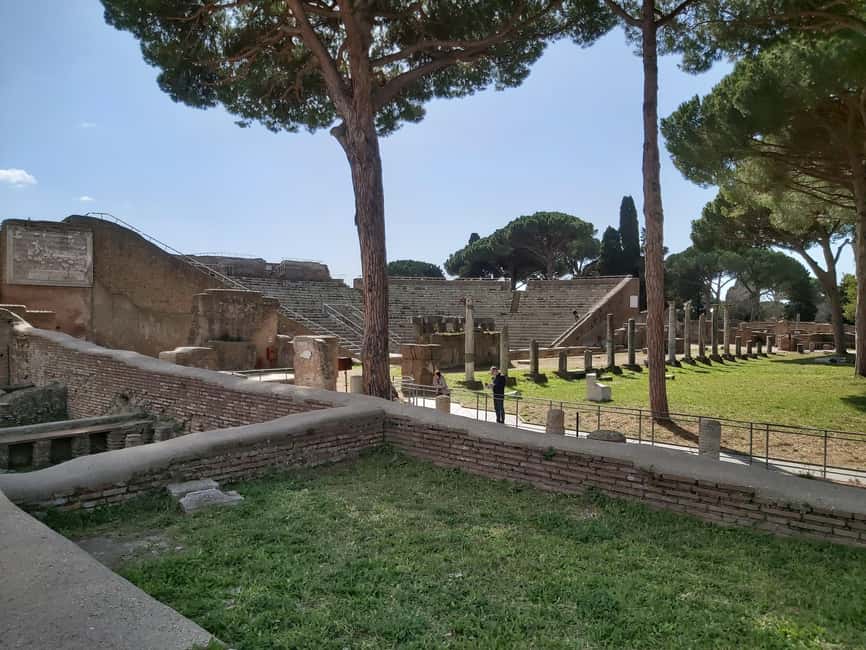
A big part of Ostia’s appeal is public life. The tour includes an ancient theatre where actors and gladiators once entertained crowds. It’s one of those spots where you can imagine the noise and energy without needing special effects. Even with partial ruins, the space reads like a venue.
Next, the tour brings you to the religious and civic side through temples. Again, the guide’s job is to connect you to the purpose of the area, not just point out walls. That’s what keeps the ruins from becoming visual background.
Then you get to bathhouses. This is a standout because baths were more than hygiene. They were social hubs, and in Ostia they appear as major structures. The tour also points you toward the largest bathhouse of Ostia Antica at the end, so you see both the concept and then the scale.
When bathhouses are explained in context, you stop thinking of them as “Roman gyms” and start understanding them as a central piece of urban life. That’s true for adults and families alike, since the tour is designed to keep things moving without turning into a lecture.
Another shape for the same afternoon in Rome:

The main boulevard, Decumanus Maximus, and the firehouse story
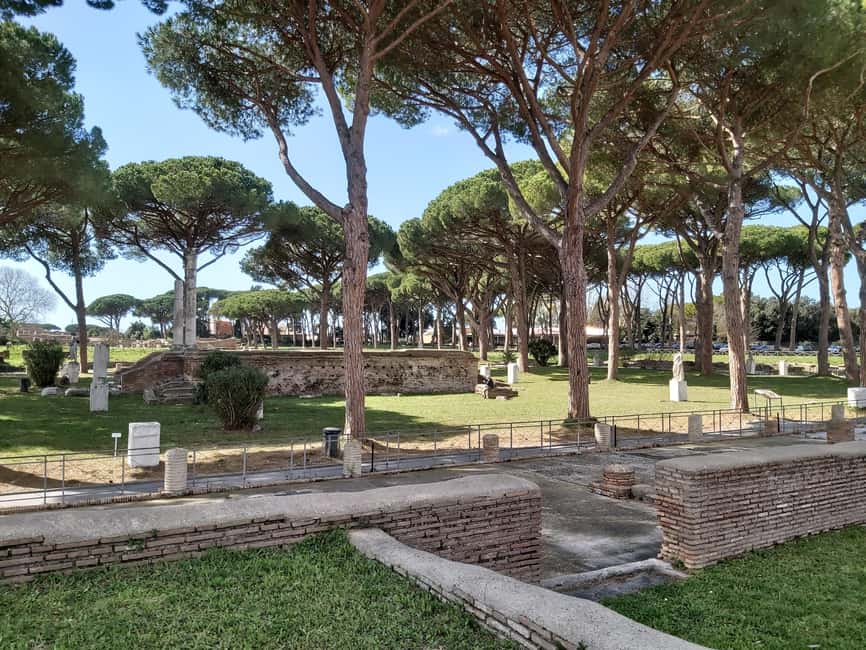
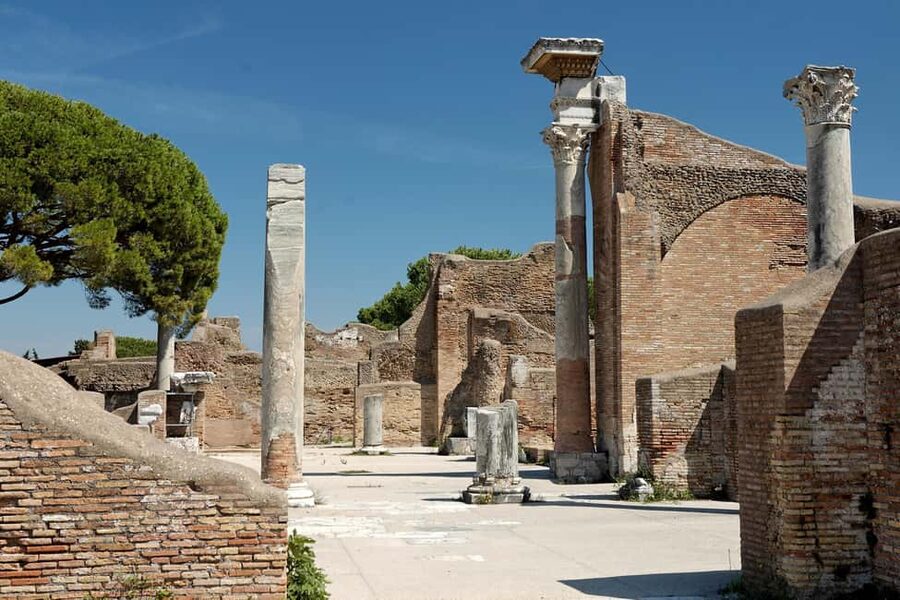
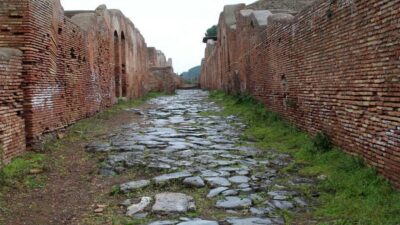
The tour spends time on the main boulevard, Decumanus Maximus. This is the spine of the city layout, lined with tavern-like spaces and shops. Walking this section with a guide helps you understand what streets meant in a Roman city. They were not just routes. They were the stage for trade and everyday interaction.
What I like about this approach is that it keeps the experience practical. You’re learning how the city worked as you walk through it.
Then there’s a detail that turns your visit into a conversation with history. You’ll hear about the first recorded firehouse in the Western world. That’s not just a trivia point. It signals that Ostia had public infrastructure designed for emergencies, and it shows how advanced city planning could be.
This is exactly the kind of information that makes a smaller site feel bigger. You get the sense that Romans were solving problems we still solve today, just with different tools.
The Forum and the largest bathhouse, ending with the civic core
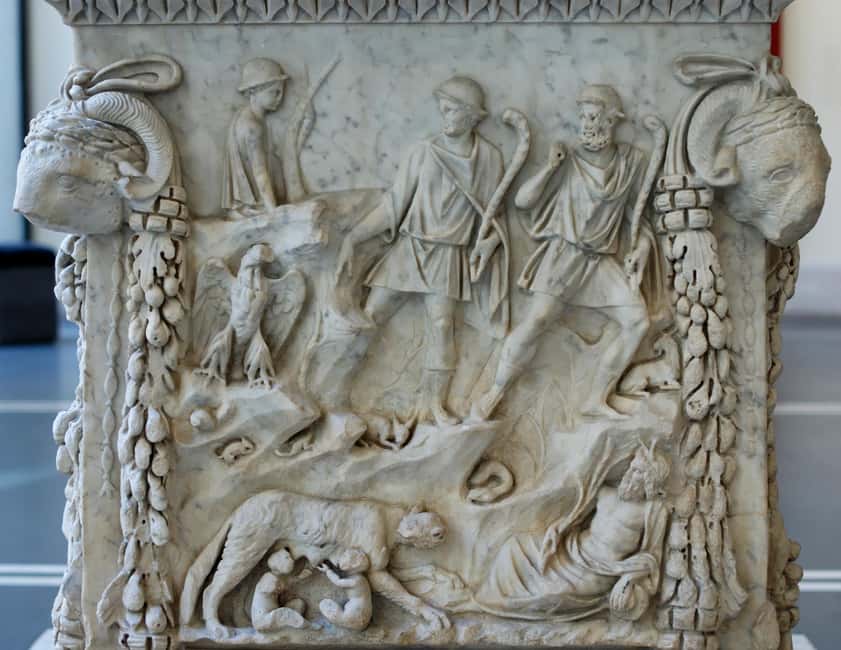
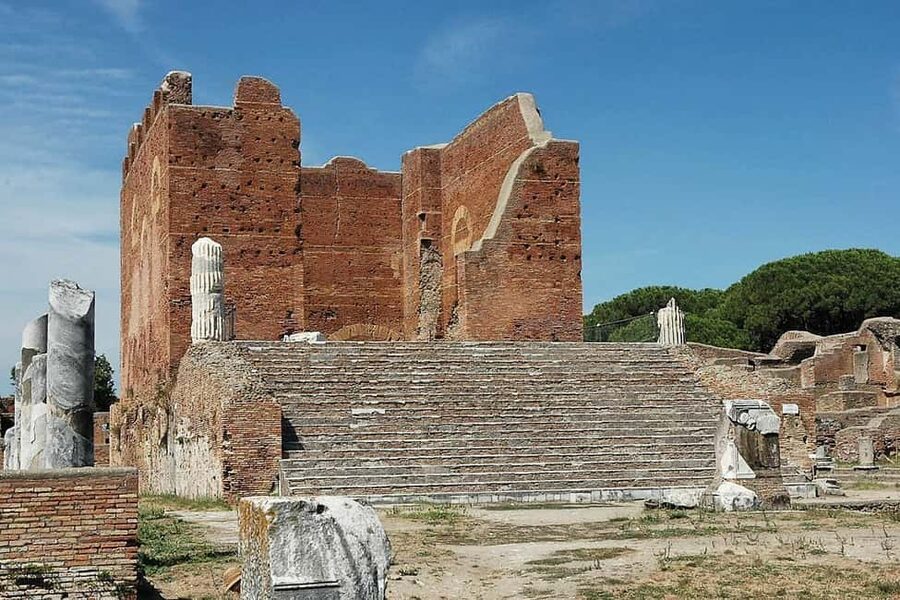
The tour finishes at the ruins of the Forum and the largest bathhouse of Ostia Antica. It’s a strong ending because it shifts your perspective from commerce and neighborhoods to civic power and public life.
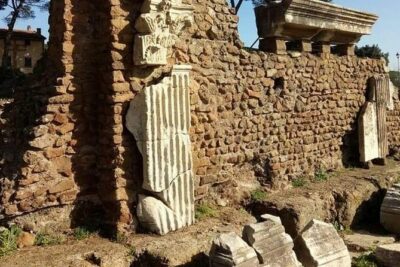
The Forum ruins help you see how the city organized authority and public space. It’s where decisions and announcements would have mattered. When you’ve already walked through marketplaces and public venues, the Forum feels like the natural next step, not a sudden change.
Ending at the largest bathhouse is also smart. Bathing was a huge part of urban routine, and the scale helps you remember the bathhouse theme instead of treating it as one stop among many.
What to do next: after the tour, you can stay on site and explore further, or return to Rome with your guide. And you can ask your guide for help getting to the beach afterward. That combination is a real value because Ostia is close to the coast, so you can make the day feel complete.
Price, train cost, and whether $77 is a smart deal
At $77 per person for a four-hour experience, this tour is not the cheapest way to reach Ostia Antica. But the pricing makes more sense when you break down what’s included versus what’s not.
You get:
- Skip-the-line admission
- A local guide
- A small group of 12 or fewer
- The guided tour time inside Ostia Antica
You pay extra for:
- Train tickets (about €3)
- Food during the lunch break, which is at your own expense
So the value question is really about time and guide impact. If you want a self-guided visit, you can always go on your own. But if you want the site explained in a way that helps you connect streets, buildings, and Roman urban life, the guide is the difference.
Also, the skip-the-line component matters more at popular times. It reduces waiting and makes the four hours feel focused rather than rushed.
A small note from real-world experience: one person felt it was a bit overpriced given the added train cost and no included food. That’s a fair consideration. If your budget is tight, plan your own lunch and budget the small train expense in advance. If your priority is efficient sightseeing with a guide, $77 can feel like a reasonable trade for four hours of direction.
Who this tour fits best (and who should look elsewhere)
This is a great match if you:
- Want a guided day trip from Rome without the stress of figuring out everything on your own
- Enjoy the “how people lived” side of Roman history, not just big monument photo spots
- Appreciate a smaller group format where questions and pacing work
It’s less ideal if you:
- Need wheelchair access. This tour is not suitable for wheelchair users.
- Are looking for a food-inclusive outing. You’ll have a break, but lunch is not included.
Families often do well here because the tour format keeps the story moving and the site gives plenty to look at without the tight bottlenecks you can find at some bigger Roman-famous destinations.
Booking advice: timing, comfort, and your best use of the extra hours
Because the tour runs in all weather, you can book with confidence that it will likely happen. Still, consider your comfort. Ostia Antica involves walking and open spaces, so dress for heat or rain as needed.
Bring:
- Comfortable, grippy shoes
- Water, then refill at fountains
- A plan for lunch during the short break
If you want to turn the day into a win-win, decide early what you’ll do after the tour. You can:
- Stay at Ostia Antica and explore more on your own
- Return to Rome with the guide
- Get directions to the beach and extend the day with a change of scenery
One practical idea: use the break time to reset. There’s a gift shop and cafe on site, and it’s a simple place to grab something while you regroup before finishing the tour.
Should you book the Ostia Antica tour from Rome?
Yes, I’d book it if your goal is a guided, efficient introduction to a major archaeological site without turning your day into logistics. The mix of a small group, skip-the-line entry, and a focused route through the port town’s commercial and civic life is exactly how you get real value for a half-day plan.
If you’re cost-sensitive, factor in the train tickets and plan your own lunch. If you need wheelchair accessibility, look for a different option.
Bottom line: for most people visiting Rome, this is a smart way to spend four hours seeing Ostia Antica in a way you’ll understand, not just a way you’ll photograph.
FAQ
How long is the Ostia Antica tour from Rome?
The tour duration is 4 hours.
Is skip-the-line admission included?
Yes. Skip-the-line admission tickets are included.
How big is the group?
The group is limited to 12 participants or less.
Do I need to pay for train tickets separately?
Yes. Train tickets are not included and cost €3.
Where do I meet the guide?
Meet at Piazzale Ostiense, 9, outside the Piramide Metro station near Cafe Piramide, under the BAR T sign. Your guide will be holding an E&D Tours sign.
Is the tour wheelchair accessible?
No. This tour is not suitable for wheelchair users.
Latest additions from Rome
- Guided Tour Vatican Museums & Sistine Chapel★ 4.1 · 30 reviews
- Exclusive Rome by Night Vespa Tour★ 5.0 · 30 reviews
- Transfer Rome to Airports★ 4.5 · 30 reviews
- Vatican: St.Peter’s Basilica & Dome – Reserved Entry & Tour★ 4.1 · 30 reviews
- Rome street art tour: off the beaten path with a local guide★ 5.0 · 30 reviews
- Tivoli, Hadrians Villa and Villa d’Este, a charming day trip from Rome★ 4.5 · 30 reviews
- Rome Food Tasting with Wine Pairing Italian Authentic Flavors★ 5.0 · 31 reviews
- Inspirational Cooking on the Roman Chef’s Panoramic Terrace★ 5.0 · 30 reviews
Ostia Antica Ruins Tours, compared.
Ancient Ostia Antica Semi-Private Day Trip from Rome by Train with Guide
Read our review →
Horse Sanctuary & Trail Ride in Ostia Antica
Read our review →
Private Ostia Antica Adventure tour from Rome
Read our review →Browse the lists this tour appears in