
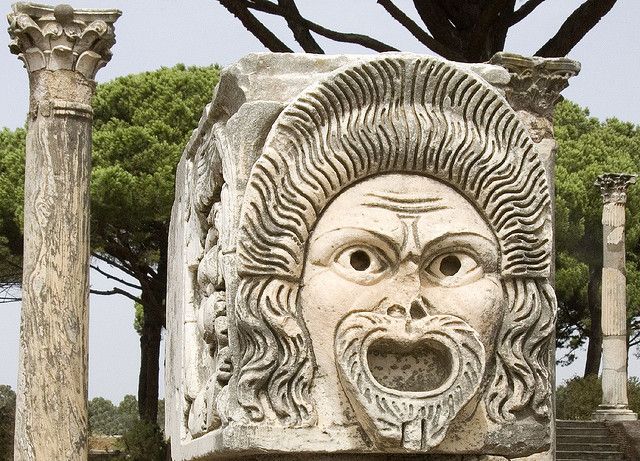
Reviewed · OSTIA ANTICA RUINS TOURS
From Rome: Ostia Antica Guided Half-Day Trip by Train
Ostia Antica feels like Rome without the crowds. You get a guided walk through Ostia Antica, the former commercial and military port tied to the Roman Republic, and you do it with a small group plus an English-speaking guide you can actually ask things of. Guides such as Rob, Cat, Alberto, and Laura have a knack for turning stones into daily life, from street scenes to public spaces.
The one real drawback to plan around is access. This outing is not suitable for wheelchair users, and baby strollers are not allowed, so you need to be comfortable walking the archaeological ground for hours.
In This Review
- Key highlights to know before you go
- A Short Train Ride to Rome’s Real Port City
- Getting There: Piramide Metro, a 15-Minute Train, and a Smooth Start
- Walking Decumanus Maximus: Streets That Explain Everyday Roman Life
- Baths of Neptune: The Mosaic That Turns Stone Into Story
- Forica Public Washrooms: One Seat, Twenty Drain Holes, Real Human Scale
- Amphitheater for 3,500: Picture the Noise, Then Find Your Spot
- How the Three-Hour Guided Tour Fits Together
- Price and Value: What $58 Buys You Here
- What to Bring, and What to Skip
- Best Fit: Who This Tour Works For
- Should You Book This Ostia Antica Train Tour?
- FAQ
- Where do I meet for the Ostia Antica train trip?
- How long is the tour?
- What’s included in the price?
- Do I need to buy Ostia Antica entry and train tickets separately?
- Is the guide in English?
- What should I bring?
- Is the tour wheelchair accessible, and can I bring a stroller?
Key highlights to know before you go
- Train-powered day trip from Rome with round-trip tickets handled for you
- Decumanus Maximus walk, with taverns, warehouses, theaters, and Roman statues along the way
- Baths of Neptune mosaic featuring the sea god in a four-horse chariot
- Forica public washrooms where you can sit on a marble bench with drain holes
- Amphitheater built for 3,500 spectators, with a strong feel for crowd energy
- Optional beach time or extra wandering after the guided portion ends
A Short Train Ride to Rome’s Real Port City
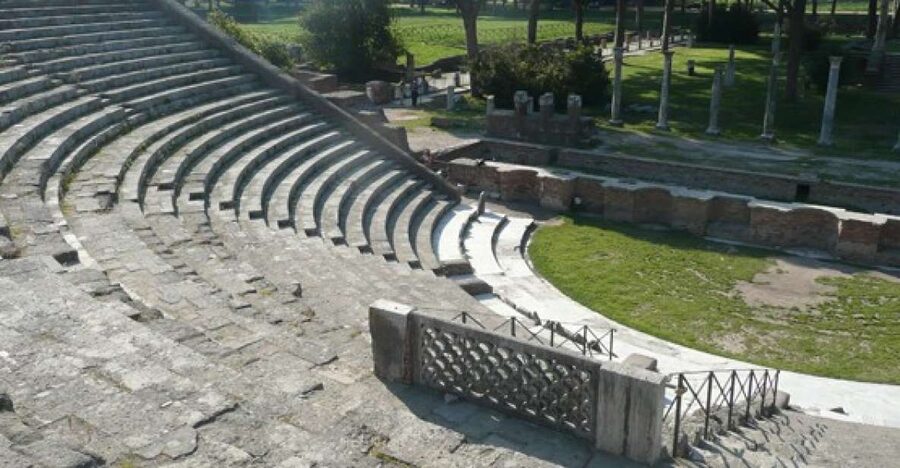
Ostia Antica is what Rome looked like when the action wasn’t only inside the old city walls. This place began in the 4th century BC and grew into a harbor town that once served more than 100,000 Roman citizens. It mattered because ships brought goods, people, and power. And because a port runs on routine, not just spectacle, you get to picture how regular Romans lived, worked, washed, ate, and went to entertainment.
I like that this tour doesn’t treat Ostia as a random pile of columns. You’re guided through the big public landmarks that explain how the port functioned. You’re also going when many other famous sites are overbooked, so the ruins can feel more human and less like a conveyor belt.
More time in the ruins at Ostia Antica:
- Ancient Ostia Antica Semi-Private Day Trip from Rome by Train with Guide
★ 4.5 · 579 reviews - Horse Sanctuary & Trail Ride in Ostia Antica
★ 4.5 · 276 reviews - Ostia Antica Semi Private Tour from Rome
★ 5.0 · 238 reviews - Rome: Ostia Antica Tour From Rome
★ 4.9 · 73 reviews
Getting There: Piramide Metro, a 15-Minute Train, and a Smooth Start
You’ll meet at Cafe Piramide at Piazzale Ostiense, 9. Stand facing the Piramide metro entrance on Line B, the blue line, and look on the right side for the café with white umbrellas. Guides hold a City Wonders sign so you can spot your group fast.
Once you’re together, the train ride is about 15 minutes to reach Ostia Antica. The best part is how much mental effort this saves. You’re not figuring out routes, ticket machines, or platform changes mid-trip. You just walk in, follow the guide, and start reading the ruins like a map.
The tour includes the return train ticket too. You’ll be back on the Rome side after the guided time, with about a 20-minute ride back to connect with the metro.
One more logistics note that’s actually useful: there’s a plan for transport trouble. If there’s a public transport strike or other issue, a minibus can be provided at no extra cost to transfer participants to and from Ostia Antica.
And if you need a reminder about pacing, it helps to know the tour service ends in Rome at the Piramide Metro Station around 1:00 PM. Return on the train is provided, but it’s unescorted.
Walking Decumanus Maximus: Streets That Explain Everyday Roman Life
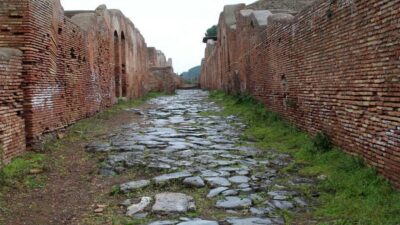
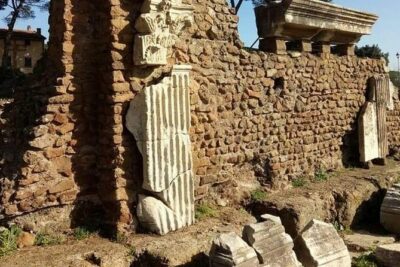
The guided portion starts in the heart of the archaeological park, and the walk pattern is smart. You follow the main thoroughfare, Decumanus Maximus, which is basically the spine of the town. It’s the kind of street where you can see why a city like this could function at scale.
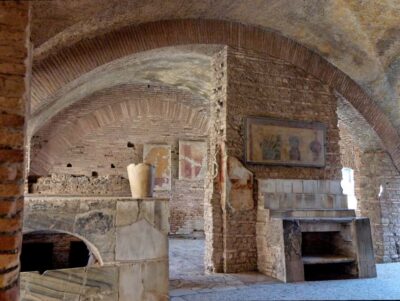
As you go, you pass through areas tied to daily routines: the commercial zone with taverns, thermal bathing spaces, warehouses for goods movement, and theaters for public entertainment. There are also Roman statues lining the walkways, and that detail matters. Statues are not just decoration here. They signal status, civic pride, and the port’s connections to broader Roman culture.
This is where a guide adds real value. With no context, ruins can look similar, even when they’re different. With context, you start to notice how the layout supports life: where people would pause, where commerce concentrated, and where the town made space for public gatherings.
The pace is also a big deal. The site is large, so a good guide keeps you moving while still letting you stop at the key moments. Many guides make time for small breaks so you can regroup and look around without feeling rushed.
Baths of Neptune: The Mosaic That Turns Stone Into Story
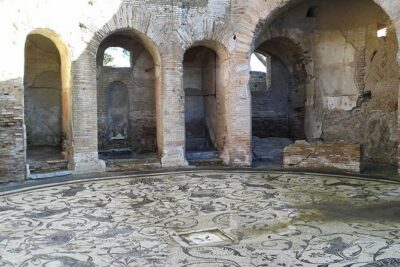
One stop you should treat like a mini art lesson is the Baths of Neptune. You’re there for an impressively intact mosaic showing the sea god being drawn by a four-horse chariot. That image is dramatic on purpose. Neptune is tied to the sea, and this is a port city. The message is clear: this town was proud of the ocean it depended on.
Baths were not just a place to get clean. They were a social hub. In a harbor town, bathing could be where travelers ended the day, workers reset after labor, and locals met friends. Seeing the mosaic in context helps you understand why the Romans invested in decoration even in everyday infrastructure.
Practical tip: take a few extra minutes here. The mosaic is the kind of thing you might rush past if you only focus on the next stop. Slow down, look at the composition, and try to picture how the space would have felt when it was active.
Forica Public Washrooms: One Seat, Twenty Drain Holes, Real Human Scale
If you want the moment that feels most human, it’s the Forica, the communal public washrooms. This is the stop that usually lands because it’s so specific.
You get a marble bench lined with 20 well-spaced holes, arranged along four walls in a large open room. And yes, the tour invites you to sit. That single act changes how you perceive the site. You’re no longer admiring architecture. You’re experiencing how public life worked, including the practical side of sanitation.
This is also where the port-city angle clicks. People in Ostia were not living in isolation. They were part of a system with shared services. The Forica is an example of how Roman governance showed up in daily routine, including basic needs.
If you like archaeology that’s tied to real behavior, this is your kind of stop.
A few more Rome options worth a look

Amphitheater for 3,500: Picture the Noise, Then Find Your Spot
The amphitheater gives you a different kind of context: public entertainment, crowd energy, and the need to pack people into a controlled space.
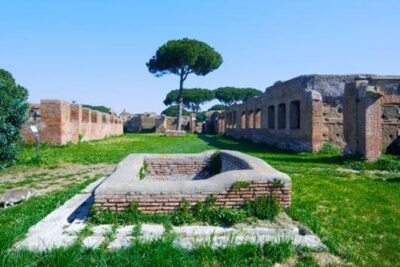
Ostia’s amphitheater was built around 12 BC and could hold about 3,500 spectators. That number helps because it’s not theater-in-a-vacuum scale. It’s a real crowd, large enough to be a central event in the rhythm of the town.
When you take your place in the stands, try not to think like a modern visitor. Think like a person who came to watch, trade gossip, and be part of the event. Even without staged details, the shape of the space pushes your imagination toward noise, motion, and anticipation.
I like how this stop balances the earlier ones. The baths and washrooms explain daily life. The amphitheater explains what people did when they wanted to feel like the town was one big group.
How the Three-Hour Guided Tour Fits Together
The guided experience is about 3 hours on site, with train time before and after for a total tour length around 4 hours. Along the way, you’ll get time for a toilet break, plus a chance for a snack and/or drink at the snack bar.
That break matters more than you might think. Ostia Antica is outdoors, and you are doing real walking over an archaeological park. A pause is what keeps the tour enjoyable instead of a slog.
At the end, you have options. You can:
- stay in Ostia Antica to explore more ruins and open areas on your own
- head into the modern town of Ostia
- go to a nearby beach if you packed for it
Some guides also time the end of the tour so you have room to visit the on-site museum area. In winter, you might find museum hours are shorter, around 1:30 PM for closure, so if you care about the museum, it’s smart to plan earlier rather than later.
Price and Value: What $58 Buys You Here
This tour costs $58 per person, and the value is stronger than it looks at first glance.
You’re getting:
- return train tickets between Rome and Ostia Antica
- entry to Ostia Antica
- an English live guide
- a small group limited to 12 participants
If you tried to piece it together yourself, you’d spend time coordinating trains and figuring out entry plus you’d still miss the interpretive layer. The guide is what turns the site from a checklist of stops into a story of how the port city worked.
The small group limit is also part of the cost equation. With fewer people, you get better pacing and more chances to ask questions.
Bottom line: for a half-day outing from Rome that covers the key public spaces, this is fair value.
What to Bring, and What to Skip
Pack for comfort, not for style. You’ll want:
- comfortable shoes you can walk in for hours
- a towel (especially if you plan to combine this with beach time)
- beachwear if you want the option to keep going after the ruins
- sports shoes if your footwear needs more grip
You’re also walking outdoors, so treat water and shade like necessities, not extras.
Two things to leave at home:
- baby strollers (not allowed)
- wheelchair plans (the tour is not suitable for wheelchair users)
And one small but important planning note: the tour service ends back in Rome at Piramide Metro Station around 1:00 PM. Your train ticket back is provided, but your return is unescorted unless you join the guide on the train back to Rome.
Best Fit: Who This Tour Works For
This is a great choice if you want:
- a Roman ruin day that feels quieter and more relatable than the big headline sites
- a guide-led explanation of how ordinary Romans lived in a working port
- a half-day plan that leaves room for extra wandering afterward, including modern Ostia or the beach
It also makes sense for groups that include kids or mixed ages, because guides have a track record of keeping the tour moving while still fitting in moments that help younger listeners understand what they’re seeing.
If you have mobility limits or rely on a wheelchair, this one is not the best match.
Should You Book This Ostia Antica Train Tour?
Yes, if you want an easy, guided, high-value half-day that takes you straight to the Roman port city story, not just the postcard ruins. The combination of train convenience, a small group, and the specific stops like the Baths of Neptune mosaic, the Forica, and the amphitheater makes it a strong choice for first-timers and repeat archaeology fans.
I would skip or rethink it if accessibility is your top need, since it’s not suitable for wheelchair users and strollers are not allowed.
If you’re doing Rome and you also want a different angle on Roman life, this is one of the most practical ways to get it.
FAQ
Where do I meet for the Ostia Antica train trip?
Meet at Cafe Piramide at Piazzale Ostiense, 9. Facing the Piramide metro line B entrance, stop on the right side. The café has white umbrellas outside, and the guides will have a City Wonders sign with the tour name.
How long is the tour?
The full experience is about 4 hours total, including train time and around 3 hours at Ostia Antica.
What’s included in the price?
The tour includes the return train ticket from Rome to Ostia Antica, the Ostia Antica entry ticket, and a live English guide.
Do I need to buy Ostia Antica entry and train tickets separately?
No. The entry ticket and the return train ticket are included in the tour price.
Is the guide in English?
Yes, the live tour guide is English.
What should I bring?
Bring comfortable shoes. If you plan to extend the day, also bring a towel and beachwear. Sports shoes are recommended for walking comfort.
Is the tour wheelchair accessible, and can I bring a stroller?
No. The tour is not suitable for wheelchair users, and baby strollers are not allowed.
Latest additions from Rome
- Guided Tour Vatican Museums & Sistine Chapel★ 4.1 · 30 reviews
- Exclusive Rome by Night Vespa Tour★ 5.0 · 30 reviews
- Transfer Rome to Airports★ 4.5 · 30 reviews
- Vatican: St.Peter’s Basilica & Dome – Reserved Entry & Tour★ 4.1 · 30 reviews
- Rome street art tour: off the beaten path with a local guide★ 5.0 · 30 reviews
- Tivoli, Hadrians Villa and Villa d’Este, a charming day trip from Rome★ 4.5 · 30 reviews
- Rome Food Tasting with Wine Pairing Italian Authentic Flavors★ 5.0 · 31 reviews
- Inspirational Cooking on the Roman Chef’s Panoramic Terrace★ 5.0 · 30 reviews
Ostia Antica Ruins Tours, compared.
Ancient Ostia Antica Semi-Private Day Trip from Rome by Train with Guide
Read our review →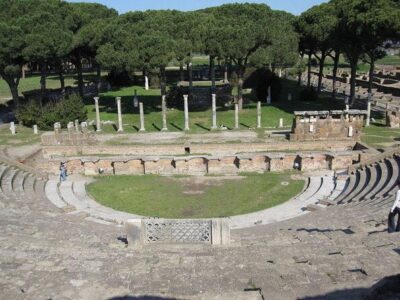
Horse Sanctuary & Trail Ride in Ostia Antica
Read our review →
Private Ostia Antica Adventure tour from Rome
Read our review →Browse the lists this tour appears in