
Reviewed · JEWISH GHETTO WALKING TOURS
Rome: Jewish Ghetto and Trastevere Tour
Jewish Rome, then Trastevere on foot. This 2.5-hour Jewish Ghetto and Trastevere tour strings together two neighborhoods through the stories you hear at each stop, from ancient ruins nearby to everyday street life in the Trastevere alleys.
I especially love how the guide turns small, specific places into big context, starting at Santa Rita da Cascia in Campitelli and moving step by step through the Jewish Ghetto and onward to Tiber Island. I also like that the group gets a break on the river and still keeps moving, so the pacing stays friendly and you do not feel rushed.
One consideration: the synagogue is only viewed from the outside, and there is no included meal, so you will want to plan for an optional gelateria or cafe stop if you want refreshments.
In This Review
- Key things that make this tour worth your time
- Starting at Santa Rita da Cascia in Campitelli, and why this route works
- Theatre of Marcellus and Portico d’Ottavia: ancient Rome before the Ghetto
- Walking the Jewish Ghetto: resilience, memory, and street-level details
- Piazza Mattei: a quick pause that keeps the story coherent
- Tiber Island break: why the river matters in Roman life
- Trastevere alleys and Santa Maria in Trastevere: where the city feels lived-in
- Piazza Trilussa finish: how to turn the walk into a longer evening
- Price and value for a 2.5-hour Jewish Ghetto and Trastevere stroll
- Weather, comfort, and small practical tips that really help
- Should you book this Jewish Ghetto and Trastevere tour?
Key things that make this tour worth your time
- Two neighborhoods, one connecting story: you see how Rome’s Jewish community and Trastevere’s everyday life echo through the city’s layers.
- Stops that explain context, not just sights: Theatre of Marcellus and Portico d’Ottavia set up the ancient backdrop before the Ghetto.
- Tiber Island plus a real break: you get a short pause after the river stop so you can reset before the Trastevere walk.
- Guides who bring the streets to life: recent guide names in reviews include Alithia, Ariel, Guido, Ben, Alethea, and Alice, often praised for humor and clear English.
- Easy add-on for food lovers: there may be an optional stop at a gelateria or cafe, with tips that can help you spot better gelato.
Starting at Santa Rita da Cascia in Campitelli, and why this route works
The tour starts outside Santa Rita da Cascia in Campitelli, on Via Montanara next to Antico Caffè del Teatro Marcello. It is a practical meeting point because it is near major sights, and it also helps you settle in fast, especially if this is your first time walking that part of Rome.
From there, you head into the story of Rome in chronological steps. You begin with ancient Rome nearby, then you move into the Jewish Ghetto, and finally you shift to Trastevere, where the streets feel more like modern neighborhood Rome than museum time.
This sequencing matters because it prevents the common Rome-tour problem of seeing “random highlights.” Here, the route is designed so the guide can keep tying the city’s past and its later life together without you losing the thread.
Other walks through the old Jewish Ghetto:
- Rome Food Tour: Campo de’ Fiori, Ghetto, Trastevere Winner 2024
★ 5.0 · 3,205 reviews - Rome: Eat Like a Roman Ghetto & Campo de’ Fiori Food Tour
★ 5.0 · 1,037 reviews - Jewish Ghetto and Synagogues with Jewish Roman Guide 3 Hours
★ 5.0 · 907 reviews - Jewish Ghetto & Piazza Navona: Food, Wine & Sightseeing Rome Tour
★ 5.0 · 460 reviews
Theatre of Marcellus and Portico d’Ottavia: ancient Rome before the Ghetto
Early on, you get a short guided walk at the Theatre of Marcellus, then a quick stop at the Portico d’Ottavia. Even though these are brief segments, they do real work, because they put you near Roman monumental life before you enter the Jewish Ghetto.
Think of this as your setting of the stage. The guide uses these points to remind you that Rome is built in layers, and later communities lived inside an already ancient urban framework. If you like history that feels grounded in streets and stone, these opening minutes help a lot.
A small drawback here: if you are hoping for a long, ticketed deep dive into ancient sites, this is not that kind of tour. The goal is orientation and story, then you spend the bulk of the time where the tour gets its most emotional and personal focus.
Walking the Jewish Ghetto: resilience, memory, and street-level details
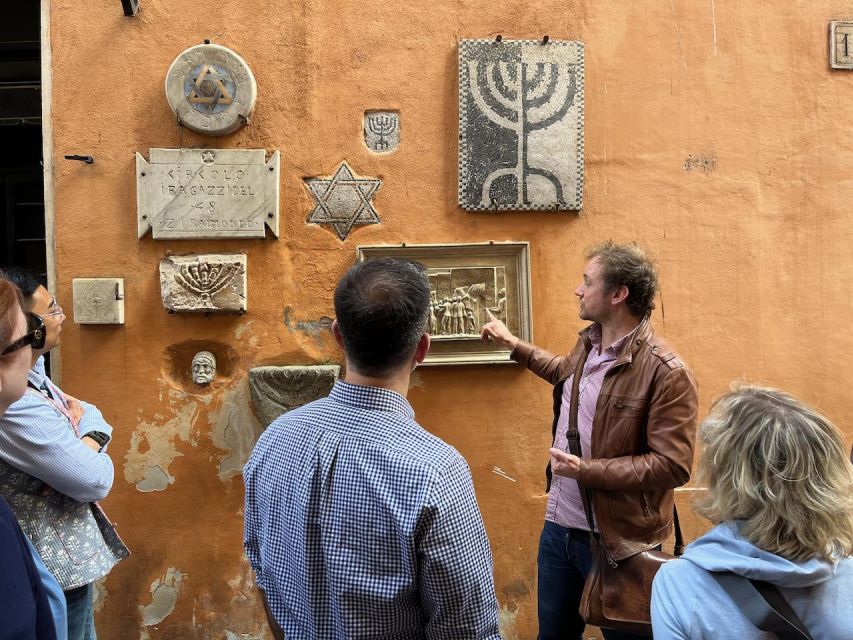
The Jewish Ghetto segment is where this tour earns its keep. You spend multiple guided blocks in the Ghetto, with a longer first walk followed by a second stretch that keeps the story moving. The route includes time at key points like Piazza Mattei and then back deeper into the Ghetto lanes.
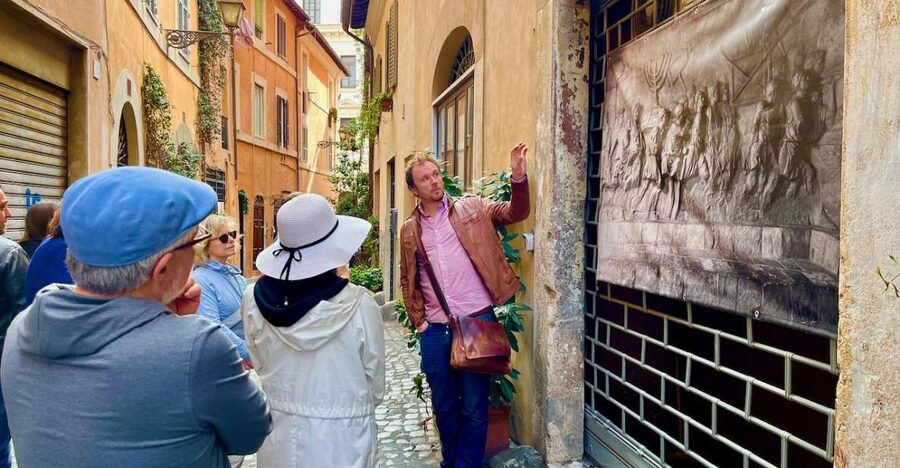
What I like about this part is the way the guide uses specific corners and nearby landmarks to explain why this area matters. The descriptions focus on centuries of Jewish community life in Rome, and also on the resilience behind the history.
You also get a strong sense of atmosphere. Cobblestones, narrow streets, and the feeling that you are walking through layers of time make it easy to follow the narrative without needing to stare at a screen or a plaque.
One limitation to flag: the synagogue entrance is not included. You will see it from the outside, so if your top priority is an inside visit, you may need another plan for that.
Piazza Mattei: a quick pause that keeps the story coherent
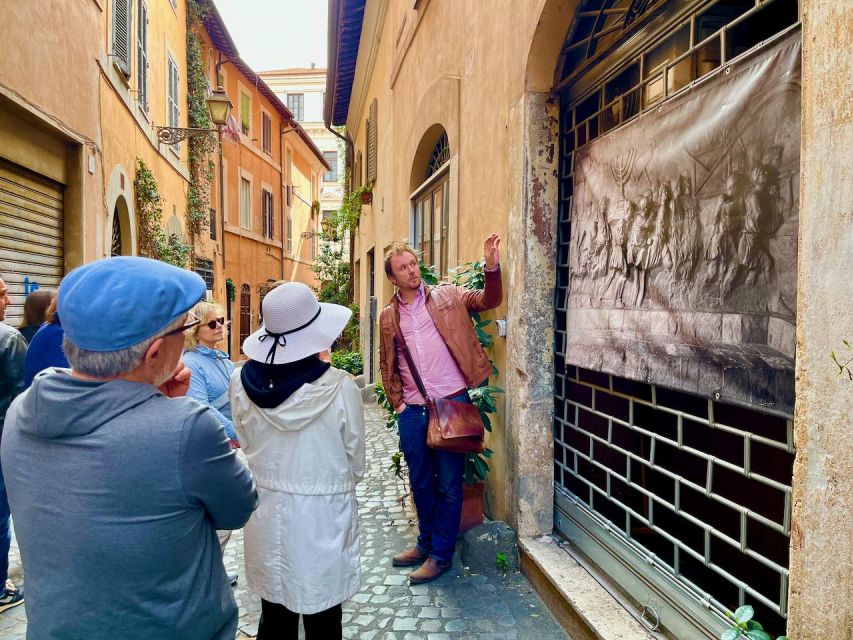
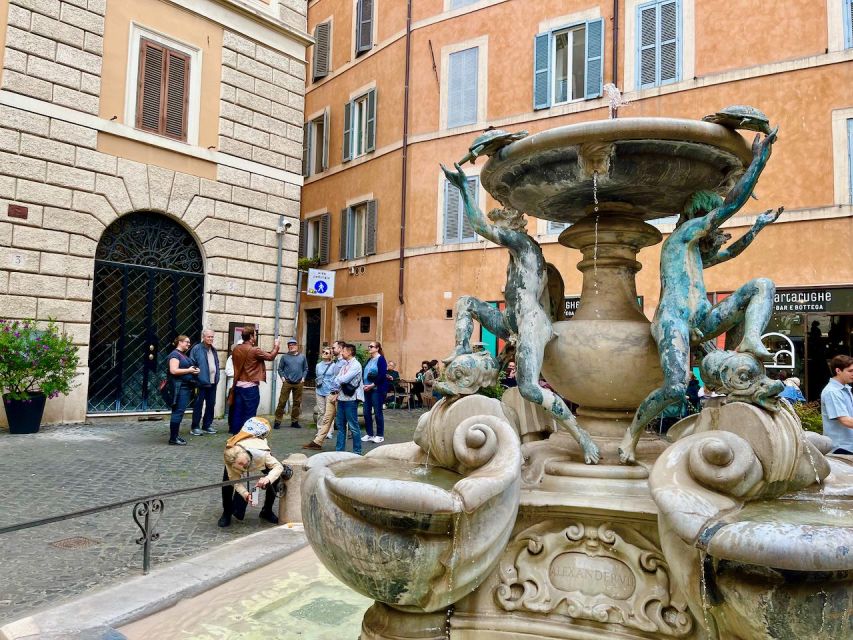
Piazza Mattei gets a dedicated guided moment, and that is not a throwaway stop. It gives you a breather between two Ghetto walking stretches and helps you regroup before the route turns toward the river.
This kind of “in-between” stop is smart for two reasons. First, it keeps the walking manageable during a 2.5-hour tour. Second, it lets the guide connect what you just saw in one area to what comes next.
If you are the type who likes to know why a stop matters, Piazza Mattei is one of those places where the guide can point out how Rome’s public spaces shape life in surrounding neighborhoods.
Tiber Island break: why the river matters in Roman life
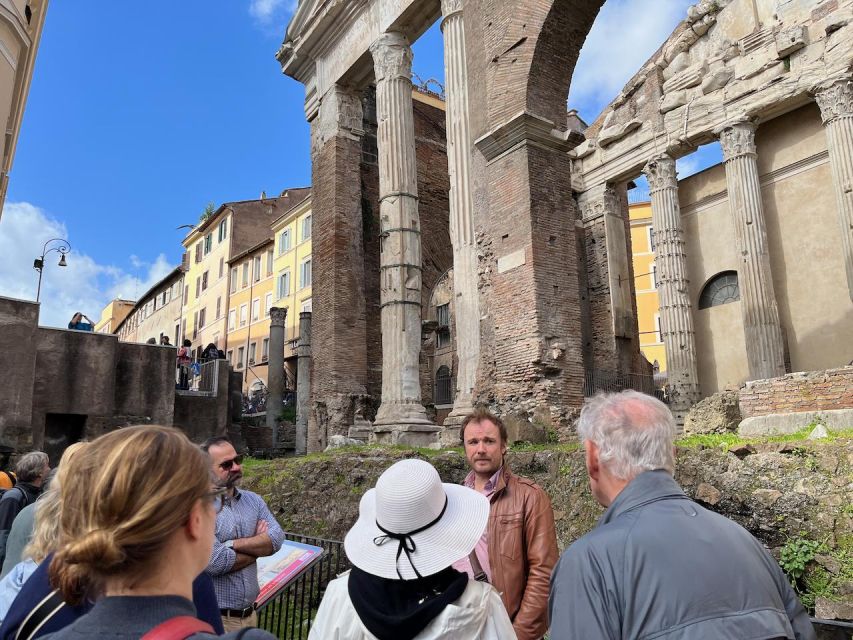
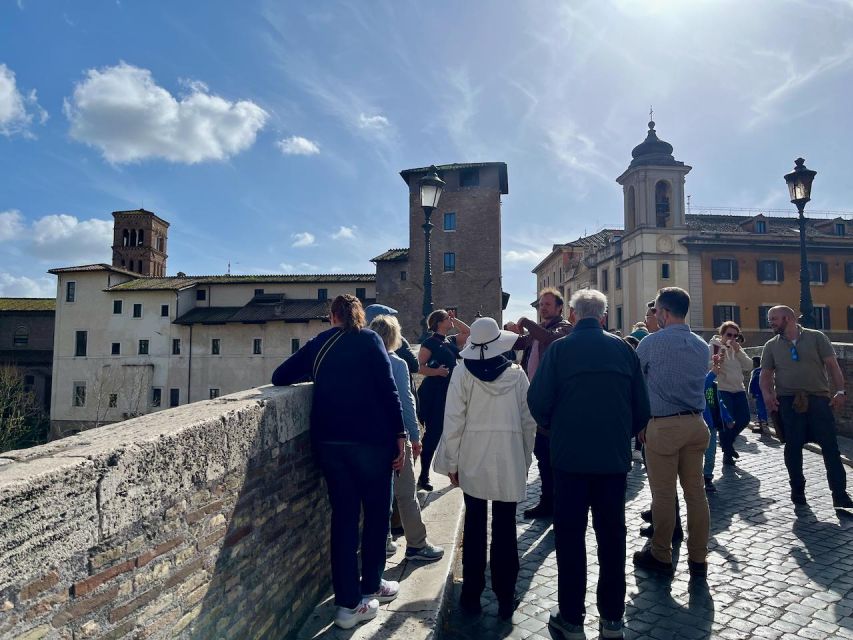
After the Ghetto, you move to Tiber Island, with guided time and then a break. The river stop is short, but it is positioned perfectly because it gives you a clean mental shift from neighborhood streets to a river-centered view of Rome.
Tiber Island is small, but it has outsized significance, and the guide explains why that matters for Roman history and society. Even if you have already seen it from a distance, this tour approach helps you connect the island to the broader story of the city.
The break time is genuinely useful. After an active walking stretch, you get about 10 minutes to step aside, check your bearings, and decide if you want water from nearby fountains before you head deeper into Trastevere.
Another shape for the same afternoon in Rome:
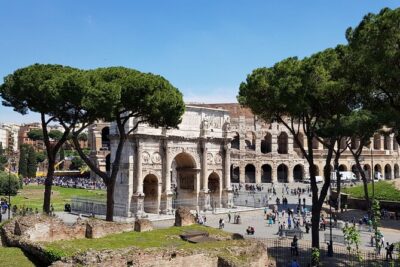

Trastevere alleys and Santa Maria in Trastevere: where the city feels lived-in
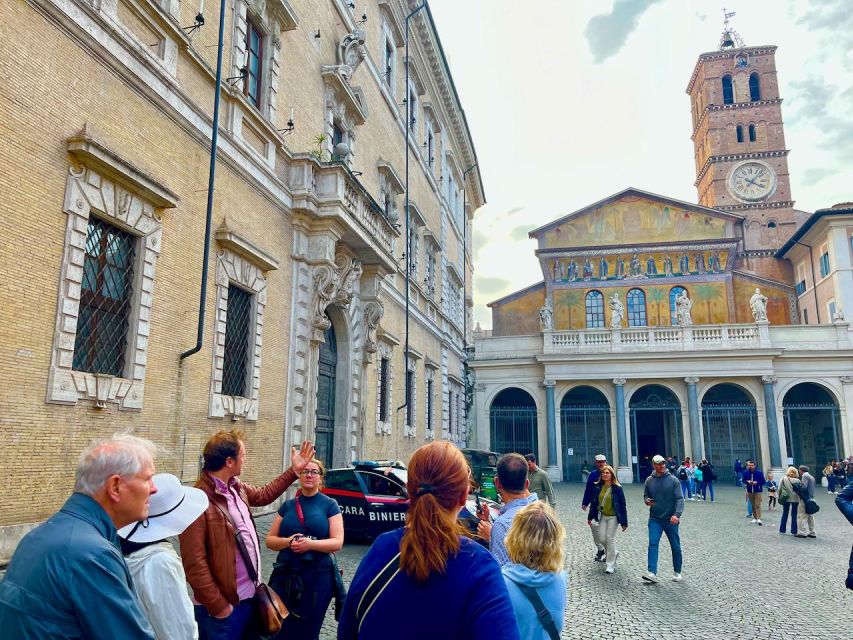
Trastevere is the final neighborhood block, and it is a big contrast from the Ghetto. The streets get narrower, the pace feels more local, and the scenery leans toward older churches and ivy-clad buildings.
You get multiple guided stretches here, including Santa Maria in Trastevere. That church stop is timed as a short guided visit, which means you will learn what to notice without losing time to long interior touring.
I like how the Trastevere portion ties back to the earlier part of the tour. The guide is not treating Trastevere as a separate sightseeing day. Instead, you are asked to think about connections, the way neighborhoods develop around shared city life, and how Rome’s identity shifts while its roots stay visible.
If you want something practical: wear comfortable shoes. Trastevere is walkable, but the cobbles and small lanes add up fast over a 2.5-hour itinerary.
Piazza Trilussa finish: how to turn the walk into a longer evening
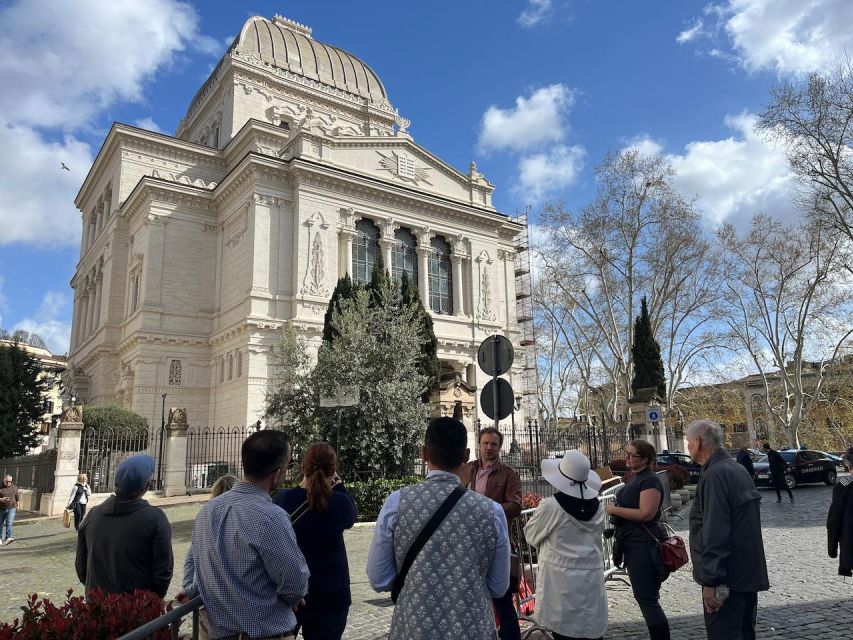
The tour wraps up at Piazza Trilussa. This is a good ending point because it puts you back in a lively public space where you can keep your plans simple: linger for a drink, grab late gelato, or pick a nearby dinner without committing to a big transit plan.
I also like that the guides often share food and drink recommendations. Reviews mention guidance from different hosts, including suggestions for where to eat after the tour. One standout theme in the reviews is help spotting better gelato spots, which matters because Rome is full of places that look similar but differ in quality.
So if you use the tour as your “first mapping session,” you can let your evening become more you, less checklist.
Price and value for a 2.5-hour Jewish Ghetto and Trastevere stroll
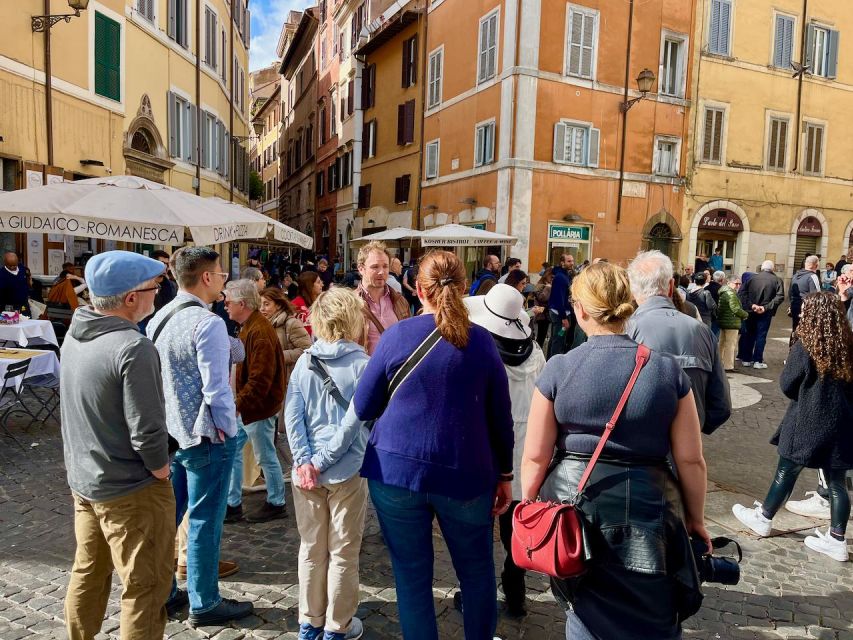
At $35 per person for about 2.5 hours, the value is strong if you want a guided story rather than a self-paced walk. You get multiple guided segments, including Theatre of Marcellus, Portico d’Ottavia, the Jewish Ghetto (split into more than one stretch), Tiber Island with a break, and Trastevere plus Santa Maria in Trastevere.
The guide factor is key here. Reviews repeatedly praise clear English and an entertaining style, with humor showing up alongside history. In particular, names like Alithia, Ariel, Guido, Ben, Alethea, and Alice appear in recent feedback, and the consistent pattern is that people felt the guide made the places come alive.
You should also know what you do not get. Food and drink are not included, and the synagogue is only seen from the outside. The tour may include an optional stop at a gelateria or cafe, so if you budget for one small refreshment, the experience feels complete.
For who this is best value:
- First-time Rome walkers who want context fast
- History-minded travelers who like storytelling over museum time
- People who want a balanced mix of Jewish Ghetto and neighborhood Rome in one afternoon
- Anyone who prefers a guided route with built-in pacing and a short break
Weather, comfort, and small practical tips that really help
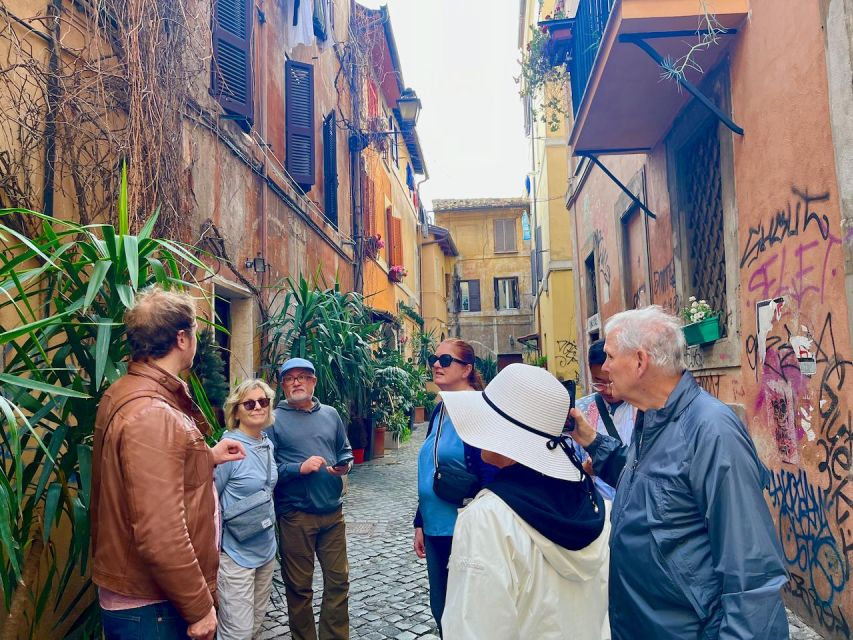
This tour runs rain or shine. That means you should plan for wet cobbles if you are walking in rainy weather, and you should bring something for your protection if the forecast looks shaky.
Summer can be warm, so bring a water bottle. The good news is that fountains are available for refills, which helps you stay comfortable without turning every break into a shop run.
Wheelchair accessibility is listed, which is reassuring if you need it. You will still want to think about cobblestones and street surfaces, but it is good that the tour states wheelchair access.
And for timing: your guide will be waiting with a sign that reads Jewish Ghetto & Trastevere Stroll. Arrive 10 minutes early. Rome is not a place where you can easily sprint between spots and still feel relaxed.
Should you book this Jewish Ghetto and Trastevere tour?
I think you should book it if you want a guided walk that connects Rome’s Jewish Ghetto and Trastevere through clear storytelling, not just sightseeing. The price-to-time ratio is solid, and the route gives you the feel of two neighborhoods plus a Tiber Island pause, which makes the afternoon easier on your feet.
Skip it or plan a backup if your main goal is synagogue interior access, because the synagogue entrance is only viewed from outside. Also, if you absolutely need an included meal, you will still be fine, but you should plan for that optional gelateria or cafe stop on your own budget.
If your idea of a great Rome day is walking, listening, and learning what to notice at street level, this tour fits the bill.
Latest additions from Rome
- Guided Tour Vatican Museums & Sistine Chapel★ 4.1 · 30 reviews
- Exclusive Rome by Night Vespa Tour★ 5.0 · 30 reviews
- Transfer Rome to Airports★ 4.5 · 30 reviews
- Vatican: St.Peter’s Basilica & Dome – Reserved Entry & Tour★ 4.1 · 30 reviews
- Rome street art tour: off the beaten path with a local guide★ 5.0 · 30 reviews
- Tivoli, Hadrians Villa and Villa d’Este, a charming day trip from Rome★ 4.5 · 30 reviews
- Rome Food Tasting with Wine Pairing Italian Authentic Flavors★ 5.0 · 31 reviews
- Inspirational Cooking on the Roman Chef’s Panoramic Terrace★ 5.0 · 30 reviews
Jewish Ghetto Walking Tours, compared.

Rome Food Tour: Campo de’ Fiori, Ghetto, Trastevere Winner 2024
Read our review →
Eat Like a Roman Ghetto & Campo de’ Fiori Food Tour
Read our review →
Jewish Ghetto and Synagogues with Jewish Roman Guide 3 Hours
Read our review →
Jewish Ghetto & Piazza Navona: Food, Wine & Sightseeing Rome Tour
Read our review →
Food & Wine Tour of Campo de Fiori, Ghetto, Trastevere
Read our review →
Jewish Ghetto and Campo Dè Fiori By Night Food, Wine and Sightseeing Tour
Read our review →
Trastevere and Rome’s Jewish Ghetto Half-Day Walking Tour
Read our review →
Browse the lists this tour appears in