
Reviewed · CASTEL SANT'ANGELO TICKETS
Rome: Experience the Magic of Castel Sant’Angelo
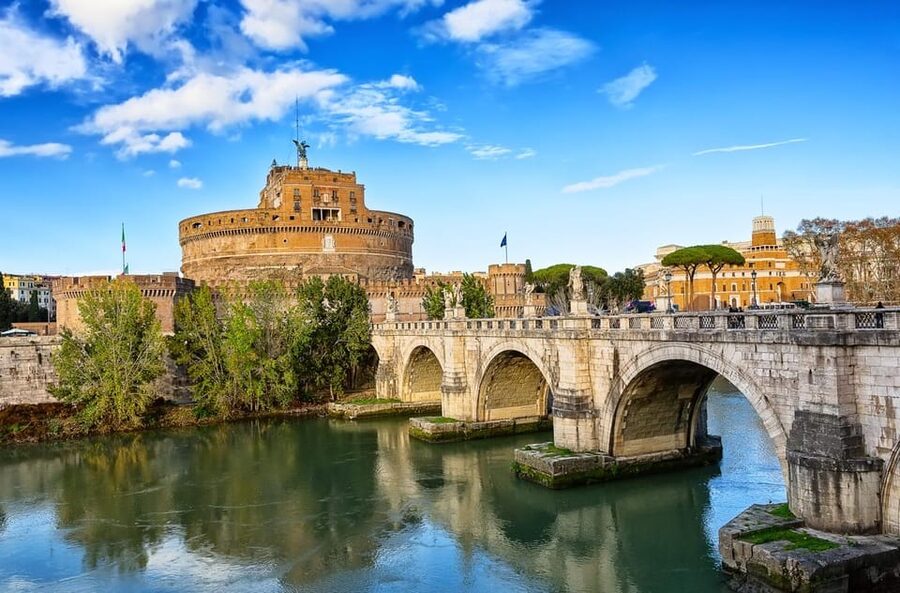
Rome’s skyline starts with one castle. Castel Sant’Angelo stacks eras on top of each other, from Emperor Hadrian’s mausoleum to a papal fortress and refuge, with the added bonus of a secret passage story tied to the Vatican. In about 2 hours, you can hit the rooms that matter and still save energy for the walk back through the Vatican area.
I especially like that this is self-paced. You get to move at your own speed through the Papal Rooms, the Spiral Staircase, and the Hall of Emperor Hadrian’s Ashes, then end with the terrace for wide views. I also like the optional audioguide approach, because it’s there when you want context and quiet when you do not.
The main drawback to consider is that this is not a live guided tour. If you want a real-time guide who can answer questions on the spot and build a story faster than an app, you may feel a bit under-served.
In This Review
- Key things to know before you go
- Castel Sant’Angelo in 2 hours, how to see the best bits
- Priority tickets and self-paced entry near the Vatican
- Papal Rooms and the story of mausoleum to fortress
- Spiral Staircase, pressure, pace, and what it teaches you
- Hall of Emperor Hadrian’s Ashes, where the past hits hardest
- Angel’s Terrace and 360° Rome views you can actually use
- Optional audioguide app, languages, and how to make it worth it
- Price and value: what $39 gets you, and what it does not
- Practical stuff you need to know before you go
- Who should book this Castel Sant’Angelo visit
- Should you book Castel Sant’Angelo with priority tickets and an optional audio guide?
- FAQ
- How long is the Castel Sant’Angelo experience?
- What is included with the ticket?
- Is there a live guide included?
- Do I need headphones for the audioguide?
- What languages are available for the audioguide?
- Does the audioguide work offline?
- Is transportation included?
- What ID do I need for entry?
- Are pets, strollers, or large bags allowed?
- Can I cancel for a refund?
Key things to know before you go
- Papal Rooms + Hadrian’s Ashes: You are seeing how the building’s purpose changes over time.
- Spiral Staircase included: It is part of the route, not a random photo stop.
- Angel’s Terrace for 360° Rome: You finish with a skyline moment you will remember.
- Optional audioguide app: Multiple languages, and it works offline after downloading.
- Pre-reserved priority tickets: You skip the long ticketing hassle and get moving.
Castel Sant’Angelo in 2 hours, how to see the best bits
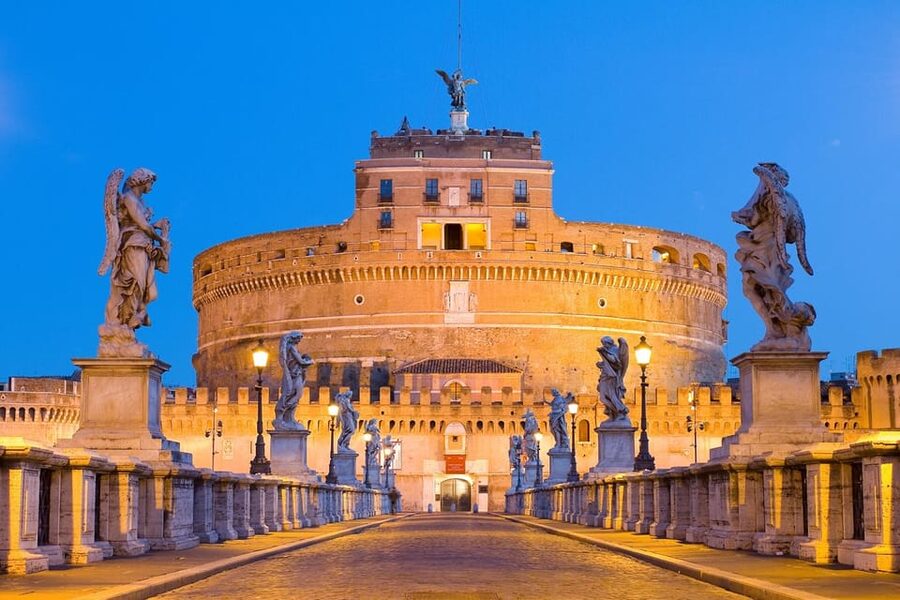
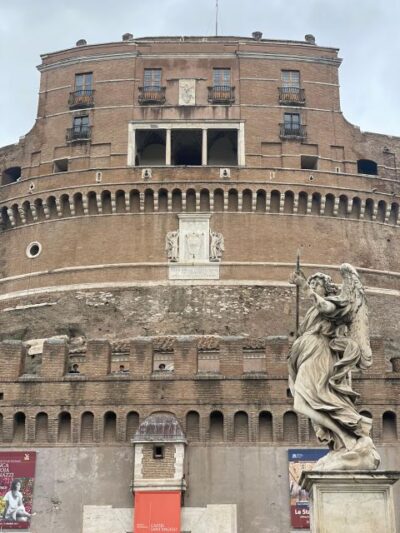
Castel Sant’Angelo is one of those Rome sites where the architecture does half the work for you. It is built as a mausoleum, later used as a papal stronghold, prison, and safe haven. That mix means the rooms you walk through feel like chapters, not just museum boxes.
You are set up for a focused visit. The experience is designed to take around 2 hours, which is ideal if you are also planning time around St. Peter’s and the Vatican streets. You should expect a route that feels efficient: rooms first, staircase through the middle, then the terrace views at the end.
If you like “great hit list” attractions, you will probably enjoy this format. You get the big-ticket spaces named up front, plus the option to add historical context through an audioguide.
More visits to Castel Sant'Angelo:
- Rome: Castel Sant’Angelo Entry Ticket & Digital Audioguide
★ 4.7 · 5,347 reviews - Rome: Castel Sant’Angelo Entry Ticket & Audio App
★ 4.3 · 4,952 reviews - Rome: Castel Sant’Angelo Entry Ticket with Audio guide
★ 4.4 · 3,646 reviews - Castel Sant’Angelo: Ticket with optional Vatican or Pantheon
★ 4.4 · 3,088 reviews
Priority tickets and self-paced entry near the Vatican
You are paying for convenience here, not for someone to hold your hand. The package includes pre-reserved priority tickets, which matters at Castel Sant’Angelo because lines and slow entry can eat into your day. Since transportation is not included, you will be navigating on your own, and priority access helps you get to the good stuff faster.
Because this is self-paced, your visit will feel different depending on your style. If you like to linger, you can spend extra time inside the rooms and still make the terrace at a comfortable pace. If you prefer quick photos and forward motion, the named stops help you keep momentum.
The meeting point can vary by option. Plan to look at the specific instructions you receive from the provider ahead of time, so you are not wandering around the Vatican area guessing.
Papal Rooms and the story of mausoleum to fortress
The Papal Rooms are where Castel Sant’Angelo starts to feel like a living power center, not a relic. Even if you only skim the details, you can sense the shift from the emperor-era purpose to papal control. You are walking through spaces that reflect ceremony, authority, and the practical needs of a fortress.
I like that the experience explicitly includes these rooms. It means you are not just climbing steps and collecting views, you are also getting inside the building’s political and spiritual layers. When an app guides you here, it can help you connect why certain areas were used and what changed when popes took over.
One review note that lines up with this: an audioguide should give you more than room-by-room descriptions. You may want the broader takeaway, like what it all meant when the castle shifted roles. If you choose the audio option, you are banking on the app to provide that bigger context, at least enough to make the rooms feel connected.
Spiral Staircase, pressure, pace, and what it teaches you
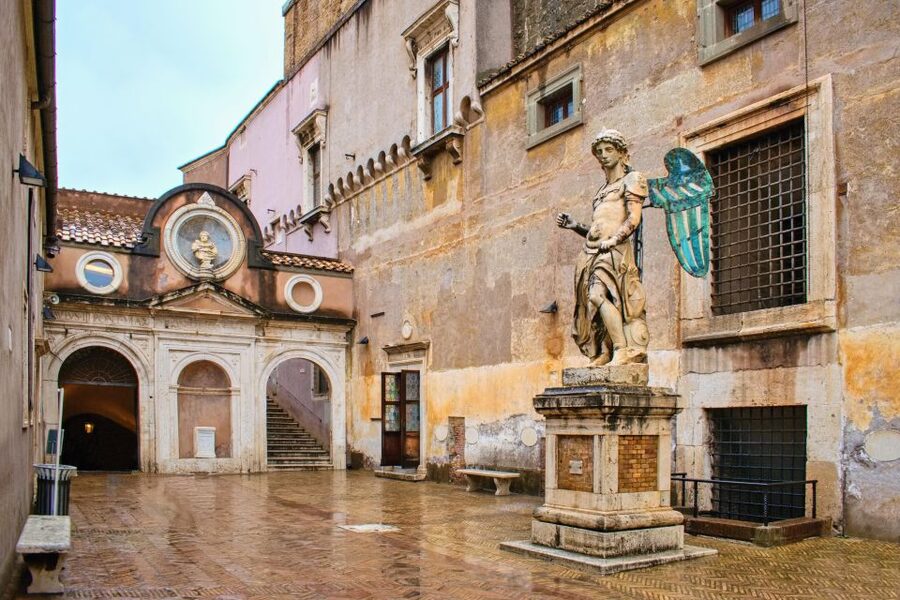
The Spiral Staircase is not just a cool way to move upward. It teaches you something about the building’s design, because it shapes how you experience the castle vertically. You get that sense of layers, one level influencing the next, which fits Castel Sant’Angelo’s overall theme.
In a museum that is too flat, you miss the feeling of progression. Here, the route nudges you into a stair-step rhythm, and it helps the visit feel like a journey rather than a checklist. If you are the type who likes to pause mid-way to catch the light and reorient, you will likely appreciate this portion.
The pace is yours, but the staircase is also a reality check. You are in Rome, you will be on stone, and you should be ready for some stairs as part of the core experience.
Hall of Emperor Hadrian’s Ashes, where the past hits hardest
This stop brings you right back to the original purpose of the site. The Hall of Emperor Hadrian’s Ashes is the named centerpiece for the emperor-era story, and it is one of the most emotionally loaded spaces in the castle conceptually. Even without a long lecture, you can feel why this area is treated as a major anchor point.
What I like about having this included is that it prevents the visit from becoming only a papal fortress story. Castel Sant’Angelo is both, and Hadrian is the “start point” that gives the rest of the building meaning. When you reach this hall after earlier rooms, the whole experience starts to click as a timeline in stone.
If you opt into the audioguide, this is the part where audio can really help. A short historical framework can turn a quiet room into an informed moment, because you understand what you are looking at and why it mattered.
Another shape for the same afternoon in Rome:


Angel’s Terrace and 360° Rome views you can actually use

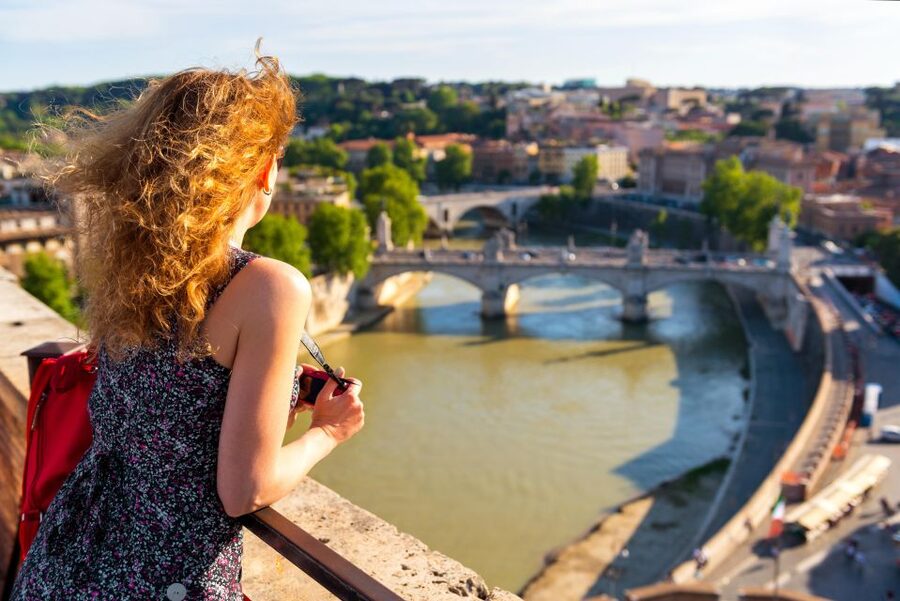
Then you get to the payoff. Angel’s Terrace is where the castle does its best work for tourists who just want to look out and go, wow. The terrace is built for sweeping panoramas, with 360° views of Rome that make it easy to orient yourself.
I recommend treating the terrace as more than a photo stop. Take a few minutes to scan the skyline and figure out where you are relative to the Vatican area and central Rome landmarks. When you do this at the end of the visit, it helps your earlier walking make sense, and it makes the whole day feel more connected.
This is also a great moment to reset. If the rooms have you reading and concentrating, the terrace gives your brain a break. You also get something practical: after the views, you usually have a better sense of what direction your next walk should go.
Optional audioguide app, languages, and how to make it worth it
If you choose the audioguide option, you get an app through your phone. You will have access to languages including English, Spanish, French, Italian, German, and Chinese, so you can match your comfort level.
You will need a smartphone and your own headphones. Plan to bring both, because you cannot rely on the venue for personal listening gear based on the provided info. Also, the provider will send you entrance tickets and the audioguide via SMS, email, or WhatsApp, and you should download the audioguide before you start, when you have WiFi.
The offline part is a big deal. Once you download, the audioguide works without WiFi, which makes the experience less fragile if cell service is spotty. That is worth paying attention to, because nothing ruins a self-paced visit faster than an app that cannot load when you are ready to start.
One balanced takeaway from a review: the audioguide should offer useful historical context, not only descriptions. If you know you want more story and less inventory of rooms, listen with a question in mind, like what changes when popes take over, or what the castle’s defenses were trying to do. The better you frame what you want to learn, the more satisfying the audio becomes.
Price and value: what $39 gets you, and what it does not
At $39 per person, you are mostly buying two things: priority tickets and the option of an audioguide. You are not getting a live guide, and you are not getting transportation. That means you should decide if you can enjoy a self-guided museum, with audio for context, and if you can handle your own pacing.
For value, the big win is avoiding the ticketing hassle. Priority access can turn a stressful start into a calm one, especially if you are trying to fit Castel Sant’Angelo between Vatican-area plans. In a short, two-hour window, saving even 20 to 30 minutes can be the difference between rushing and actually enjoying the terrace.
The audio option also changes the value equation. Without audio, you still get the main named spaces, but you will rely more on your own reading and curiosity. With audio, you get history as you go, and that often turns “I saw it” into “I understood it.”
If your idea of a great Rome day is a guide with a microphone, leading you like a storyline, this may feel too quiet. But if you like autonomy and you can listen to an app well, the price can feel pretty fair.
Practical stuff you need to know before you go
Bring your passport or ID card. You must show a valid ID that matches the booking name for entry, and the ticket is nominative, meaning full names matter for purchase and access.
Plan around the rules on bags and items. Pets are not allowed, and you cannot bring weapons or sharp objects. Baby strollers are not allowed, and luggage or large bags are not allowed either. There are also restrictions on alcohol and drugs. If you are coming straight from a bus ride or a long day with shopping, this is where you need to plan ahead.
You will need smartphone access for the audioguide download if you selected it. The provider notes that you should download before you begin, where WiFi is available, and it continues working without WiFi after that.
One more practical note based on a review pattern: things can shift when you pick a specific day and time. For example, one guest had to change their day and hour because their chosen date was the first Sunday of the month. I would treat the “first Sunday” timing as a flag to double-check everything you receive from the provider before you leave your hotel.
Finally, if something goes wrong with tickets or the audioguide, you want responsiveness. One review described a frustrating outcome where booked service did not arrive and required repeated contact. That is not the norm you should ignore, so make sure your contact details are correct, and confirm you have your tickets in hand well before entry time.
Who should book this Castel Sant’Angelo visit
This works best if you want the main highlights without spending your entire day in a queue. It is a good match for first-timers who are already near the Vatican and want to add one more iconic stop that still feels historic.
You will like it if you:
- Prefer a self-paced visit over a group pace
- Want to see Papal Rooms, Hadrian’s ashes hall, and the terrace as a tidy route
- Are comfortable using a smartphone for audio and bringing your own headphones
You might skip or choose differently if you:
- Want a live guide to answer questions and build a deeper narrative in real time
- Know you dislike audioguides and prefer a person’s voice
- Need help managing ticket issues last-minute, because the experience depends on receiving your digital tickets and, if selected, the audioguide app
Should you book Castel Sant’Angelo with priority tickets and an optional audio guide?
I would book this if your goal is a smooth, time-respecting visit where you see the named spaces and finish with real skyline value from Angel’s Terrace. The priority tickets plus the focused 2-hour duration are the core reasons it feels worth it, especially when you are stacking Vatican-area sightseeing.
I would think twice if you are expecting a live tour guide. This experience leans on your pace and your listening, and while the audioguide option can add context, it will never replace a human who can adapt to your questions.
If you do book, do two simple things that make or break the day: confirm your ID details match your booking names, and download the audioguide before you start. When you get that right, Castel Sant’Angelo turns into a fast, memorable Rome story, from emperor to pope to panoramic terrace views.
FAQ
How long is the Castel Sant’Angelo experience?
The duration is about 2 hours. You can check availability for starting times.
What is included with the ticket?
You get pre-reserved priority tickets. If you select the audioguide option, you also get the Audioguide app.
Is there a live guide included?
No. A live guide is not included.
Do I need headphones for the audioguide?
Yes. You will need a smartphone and your own headphones to listen to the audioguide.
What languages are available for the audioguide?
The audioguide is available in English, Spanish, French, Italian, German, and Chinese.
Does the audioguide work offline?
Yes. You download it before you start (after you have WiFi), and once downloaded it works without WiFi.
Is transportation included?
No. Transportation is not included.
What ID do I need for entry?
You need a passport or ID card. Each traveler must show a valid ID that matches the booking name.
Are pets, strollers, or large bags allowed?
No pets are allowed. Baby strollers are not allowed, and luggage or large bags are not allowed.
Can I cancel for a refund?
Yes. Free cancellation is available up to 24 hours in advance for a full refund.
Latest additions from Rome
- Guided Tour Vatican Museums & Sistine Chapel★ 4.1 · 30 reviews
- Exclusive Rome by Night Vespa Tour★ 5.0 · 30 reviews
- Transfer Rome to Airports★ 4.5 · 30 reviews
- Vatican: St.Peter’s Basilica & Dome – Reserved Entry & Tour★ 4.1 · 30 reviews
- Rome street art tour: off the beaten path with a local guide★ 5.0 · 30 reviews
- Tivoli, Hadrians Villa and Villa d’Este, a charming day trip from Rome★ 4.5 · 30 reviews
- Rome Food Tasting with Wine Pairing Italian Authentic Flavors★ 5.0 · 31 reviews
- Inspirational Cooking on the Roman Chef’s Panoramic Terrace★ 5.0 · 30 reviews
Castel Sant'Angelo Tickets, compared.

Castel Sant’Angelo Entry Ticket & Digital Audioguide
Read our review →
Castel Sant’Angelo Entry Ticket with Audio guide
Read our review →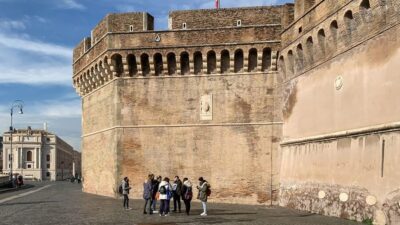
Castel Sant’Angelo: Ticket with optional Vatican or Pantheon
Read our review →



Browse the lists this tour appears in