
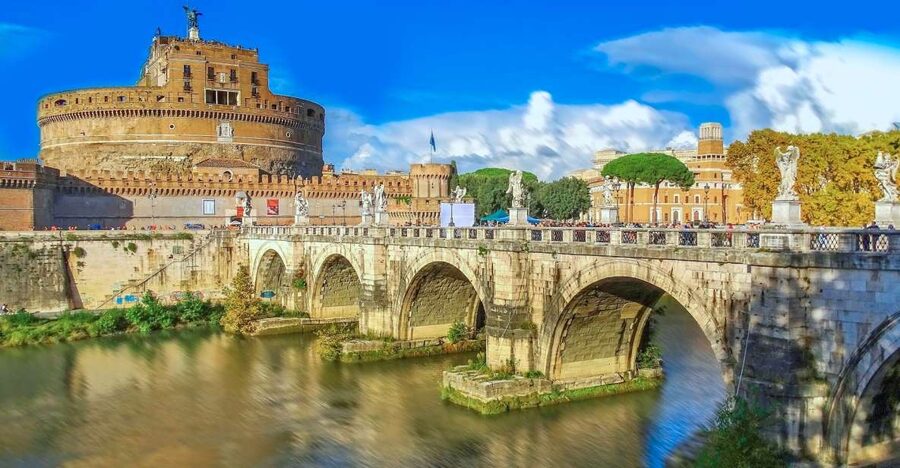
Reviewed · CASTEL SANT'ANGELO TICKETS
Rome: Small Group Guided Tour of Castel Sant’Angelo
Castel Sant’Angelo is not just another Roman museum stop. It’s a former tomb turned fortress, prison, and papal residence, and the guided route makes that story easy to follow in two hours. I especially like the five-floor spiral walk that turns big history into something you can physically see, and the payoff at the terrace view over Rome’s skyline.
One possible consideration: this tour is not suitable for people with mobility impairments, so plan for stairs and ramps as you move through the castle.
In This Review
- Key highlights you will actually care about
- Why Castel Sant’Angelo feels different from other Rome sights
- Meeting point and getting in without stress
- Entering Hadrian’s Tomb: the start of the whole transformation
- Five floors, one spiral ramp, and the best way to keep your orientation
- The chamber of ashes and the cells that shaped real lives
- Papal residence rooms: where power changed the mood
- Renaissance frescoes and weapon collections you will not expect
- The terrace: the Rome skyline payoff you came for
- What the guide quality changes in a small-group tour
- Price and value: what you are really paying for
- Who should book this tour, and who should skip it
- Should you book Castel Sant’Angelo with this small-group guide?
- FAQ
- How long is the Castel Sant’Angelo guided tour?
- What is included in the price?
- Is the Castel Sant’Angelo ticket included?
- Where do I meet the guide?
- Do I need to bring an ID or passport?
- What languages are available for the live guide?
- Will the tour run if it is raining?
- What items are not allowed during the tour?
- Is this tour suitable for people with mobility impairments?
- Is there a private group option?
Key highlights you will actually care about
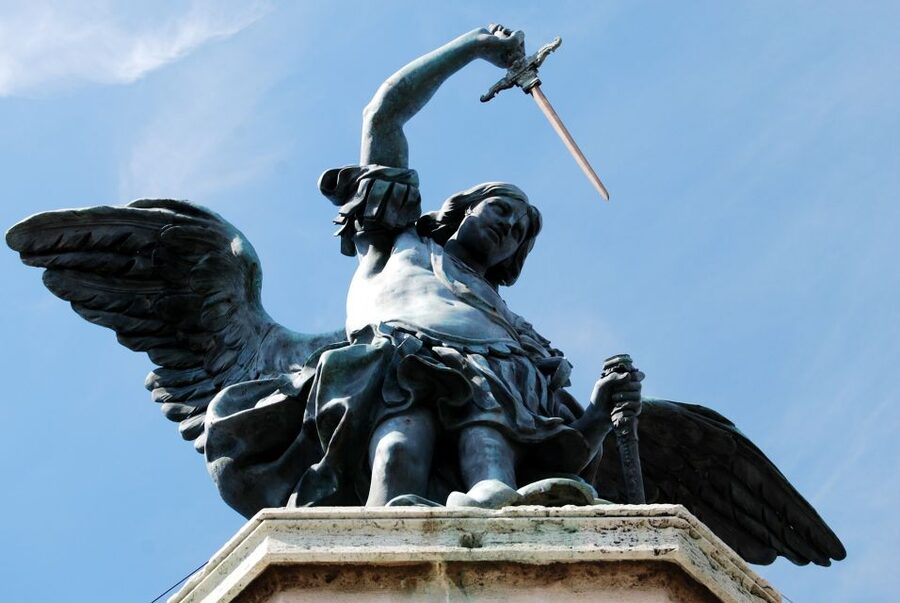
- Swift access with a guide, plus headsets if you need them
- Hadrian’s Tomb corridors and a clear explanation of how the site evolved
- Five floors by spiral ramp, with standout spaces like the chamber of ashes and cells
- Renaissance frescoes that are described as perfectly preserved
- Papal rooms and weapon collections, so it is not only views and walls
- A Rome skyline terrace moment where your photos look instantly better
Why Castel Sant’Angelo feels different from other Rome sights

Castel Sant’Angelo is the kind of place that makes Rome feel logical. You start in an ancient emperor’s tomb, and you end somewhere that looks like a fortress, then a residence, then a museum. The guided format matters because the building is layered, and it would be easy to wander without grasping why it changed hands and functions over time.
I like that the story is not just dates. The tour frames the castle as a living object that was reused, reworked, and repurposed. That is how you understand why the place can be a monument, a museum, and an archaeological site all at once.
More Small-Group Tours in Rome
- Skip-the-Line Vatican, Sistine Chapel & St. Peter’s | Small Group
★ 5.0 · 7,060 reviews - Rome: Colosseum Underground Small Group Guided Tour
★ 4.7 · 4,844 reviews - Rome: Skip the Line Vatican, Sistine Chapel, St Peter Small Group
★ 5.0 · 3,847 reviews - Rome on a Golf Cart Semi-Private Tour Max 6 with Private Option
★ 5.0 · 2,502 reviews
Meeting point and getting in without stress
You meet your guide in front of the entrance with a City Walkers sign. If you are trying to fit Rome into a tight schedule, this kind of guided entry helps you get moving instead of waiting around.
Tickets are checked at the entrance, and you need the correct names and birthdates from booking. Bring your passport or ID card, because the museum staff will verify it. This is also rain or shine, so bring a jacket even in mild weather and plan to keep moving.
Entering Hadrian’s Tomb: the start of the whole transformation
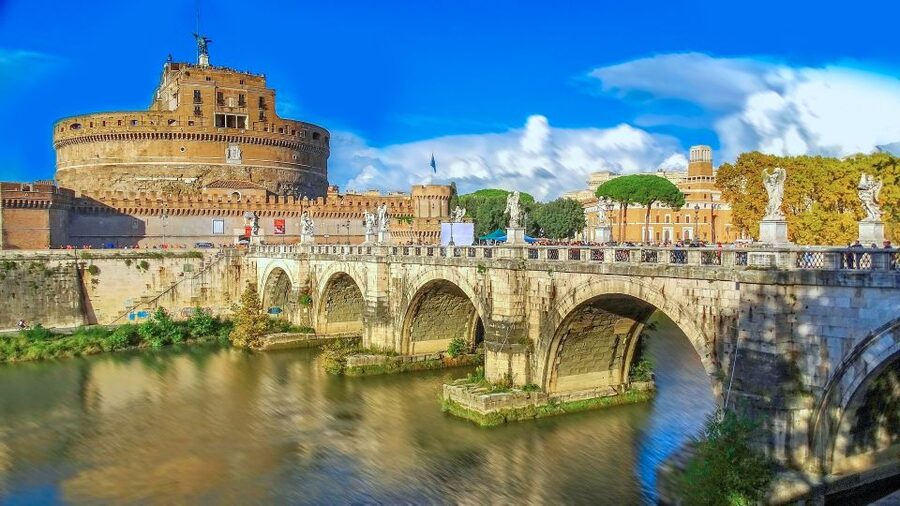
The tour begins by stepping into Emperor Hadrian’s Tomb and its fortified corridors. That opening matters, because Hadrian’s era gives you the emotional tone. You are not just looking at walls, you are entering the original spine of the site.
Your guide walks you through the more complicated side of Roman history, including how the castle accumulated layers of meaning over time. The castle is often described as mysterious for good reason, because it kept getting new roles as Rome changed.
One practical bonus: the tour is only two hours. That means you are not spending your afternoon lost in museum rooms that do not connect. Instead, each area is tied back to the castle’s shifting purpose.
Five floors, one spiral ramp, and the best way to keep your orientation
You go up through the castle on a spiral ramp, moving floor by floor. Think of it like a built-in storyline: each level helps you understand the next chapter, from tomb to fortress to incarceration to papal use.
The five floors also help you navigate. Even if you get tired, you know where you are in the route, because the ramp forces a steady climb. And because you are moving with a guide, you are less likely to miss the rooms that make the castle memorable.
If you like photography, this is a good route. You repeatedly gain height, and the castle’s structure gives you changing angles of Rome below as you reach higher points.
The chamber of ashes and the cells that shaped real lives
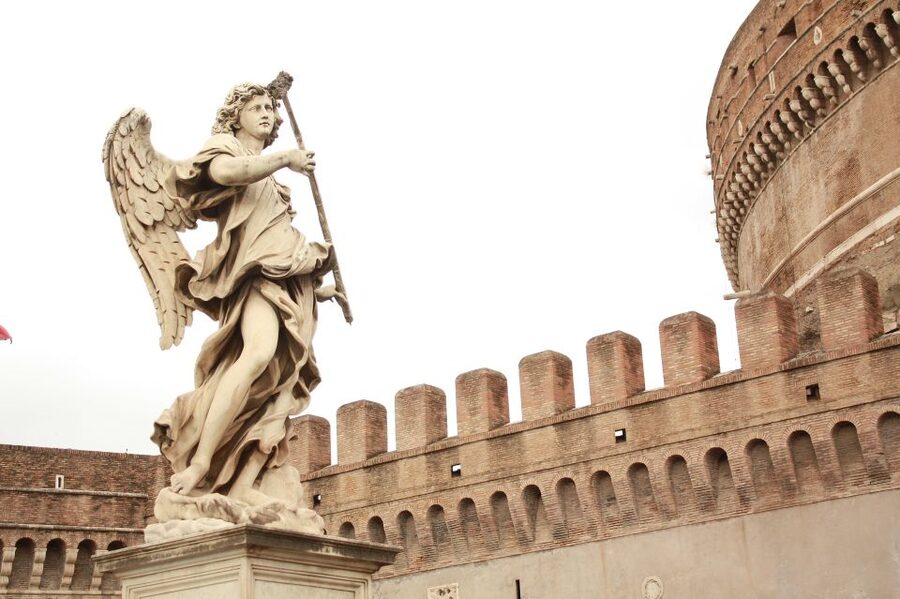
One of the most striking segments is the walk to the chamber of ashes and the cells. This is where the castle stops being abstract. You see spaces tied to confinement and punishment, and your guide explains why people ended up there.
The tour highlights how many historical figures were imprisoned within these walls. That information can hit harder when you are standing in the same kinds of chambers that held people over different periods. It also helps you understand why Castel Sant’Angelo reads as a troubled monument rather than a simple sightseeing stop.
A small word of advice: keep your pace steady here. It is easy to slow down for photos or to drift off while reading descriptions, but the tour works best when you follow the route in order. If you want the full effect, do not try to multitask too much.
More visits to Castel Sant'Angelo:
Papal residence rooms: where power changed the mood
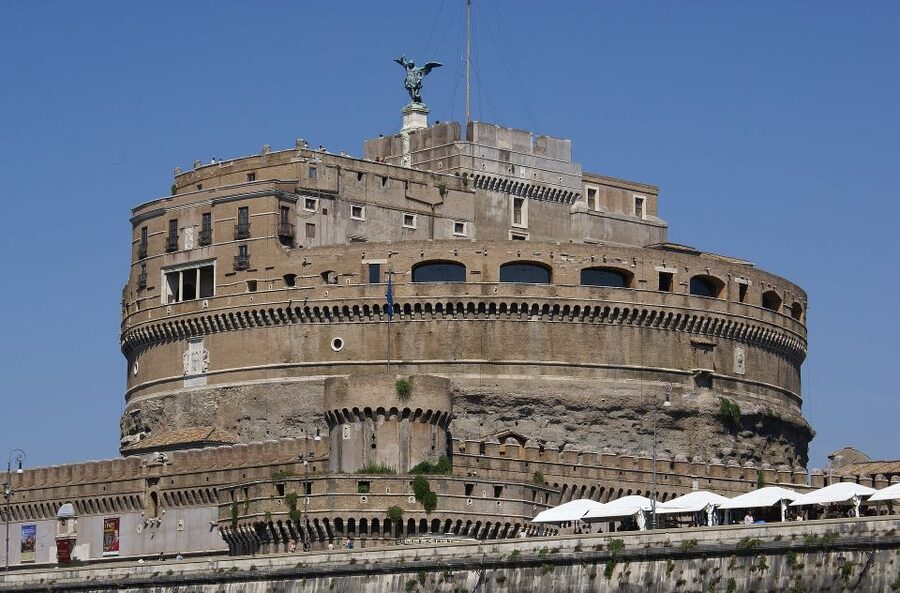
As you move into the upper parts of the castle, you shift from prison spaces to rooms that served as a papal residence. This change of function is part of what makes Castel Sant’Angelo so unusual. In one building, you are seeing different forms of authority, from imperial origins to Church-related use.
The guide connects the story so the rooms do not feel random. Instead, they act like evidence that the castle remained important long after its first purpose. You start to see the building as a strategic asset, not just a historical curiosity.
If you enjoy architectural storytelling, this portion is satisfying. The castle’s layout reinforces the idea that Rome’s institutions reused strong structures again and again.
Renaissance frescoes and weapon collections you will not expect
A major highlight is viewing perfectly preserved frescoes from the Renaissance period. These frescoes add a visual layer that contrasts with the fortress and incarceration themes below. Instead of only dark corridors and heavy history, you get art that shows care, planning, and a different kind of presence.
The tour also includes an extensive collection of weaponry. You might not think of weapon displays as a must-see, but here they help explain the castle’s defensive identity. It is one thing to hear that it was a fortress. It is another to see the material culture that supported that role.
This part of the tour is a good reminder that museums can be more than background sightseeing. With a guide, you start recognizing connections between objects and the reason they ended up in the same place.
The terrace: the Rome skyline payoff you came for
At the top, you reach the terrace and get a city view. This is where your time at Castel Sant’Angelo becomes practical. You get usable photos, and you also get a mental map of central Rome from above.
The guide helps you understand what you are looking at, which makes the view feel more than just pretty. Height turns monuments into pieces of a larger puzzle, and the castle’s position gives you a dramatic vantage point.
If you care about photos, plan to spend a couple extra minutes here. Everyone moves on quickly, but this is the spot where it is worth slowing down for one good shot instead of rushing through ten mediocre ones.
What the guide quality changes in a small-group tour
This is a guided tour with a live English, French, Italian, or Spanish option, and headsets if needed. In Rome, that combination matters because it keeps the experience from turning into a crowded queue plus random stops.
The route also benefits from a small-group feel, so you can ask questions. Many guides on this program are praised for clear, organized storytelling and good humor. Guides named Alex and Alec, plus guides like Barbara, Maria, Silvia Rossetti, Oleg, and Lorenzo, are described as particularly effective at holding attention and answering questions at a comfortable pace.
The biggest value is pacing. The tour is built to use the time well, which is not always the case at major sites. Here, you are walking through a connected sequence, and the story stays readable even if you are not a history buff.
Price and value: what you are really paying for
The listed price is $75 per person, and the tour includes swift access, a two-hour guided walking tour, your guide, and headsets if needed. Importantly, the ticket cost is included in the tour price, with the adult ticket cost listed as 16 euros, and free admission for children under 18.
So you are not just buying entry. You are buying guided time in a complex building. Castel Sant’Angelo is not a simple one-room museum, and it is hard to get full value without help because the site’s multiple identities can blur together.
For most visitors, this price makes sense if you want:
- a structured route through the castle’s major spaces
- explanations that connect tomb, fortress, incarceration, and papal residence
- the terrace view without wandering past the best viewpoints
Who should book this tour, and who should skip it
This tour is a strong fit if you want history you can walk through. If you like Roman sites but get frustrated when you cannot connect what you see to why it matters, you will likely appreciate the way the castle’s evolution is explained as you move up.
You will also like it if you want better skyline photos with a clear route to the best spots. The terrace payoff is real, and the guided structure makes it more likely you hit the right moment for photos.
Skip it, or at least think carefully, if you have mobility impairments. The tour is not suitable for people with mobility impairments, likely because of the walking and movement required inside the castle.
Should you book Castel Sant’Angelo with this small-group guide?
If you have only two hours and want your visit to feel coherent, I think you should book. The combination of swift access, a guided route through multiple floors, and the terrace views makes this one of the more efficient ways to see Castel Sant’Angelo well.
I would book especially if you care about understanding the castle’s shifting roles. The prison spaces, the Renaissance frescoes, and the papal rooms all come together into one story when you follow the guide’s order.
If you are very confident wandering on your own and already know the site’s timeline, you might feel less need for a guide. But most visitors get more out of the experience when someone else helps you make sense of the layers as you climb.
FAQ
How long is the Castel Sant’Angelo guided tour?
The tour lasts 2 hours.
What is included in the price?
The tour includes swift access with your guide, a 2-hour guided walking tour, your guide, and headsets if needed. The ticket cost for Castel Sant’Angelo is included as well.
Is the Castel Sant’Angelo ticket included?
Yes. The cost of tickets is included, listed as 16 euros for adults, and free for children under 18. The museum checks ticket details at the entrance.
Where do I meet the guide?
Meet your guide in front of the entrance, where the guide will be waiting with a City Walkers sign.
Do I need to bring an ID or passport?
Yes. Bring your passport or ID card, since ticket details are checked at the entrance by museum staff.
What languages are available for the live guide?
The live tour guide is available in English, French, Italian, and Spanish.
Will the tour run if it is raining?
Yes. The tour takes place rain or shine.
What items are not allowed during the tour?
You cannot bring weapons or sharp objects, luggage or large bags, or alcohol and drugs.
Is this tour suitable for people with mobility impairments?
No. It is not suitable for people with mobility impairments.
Is there a private group option?
Yes. A private group is available.
Latest additions from Rome
- Guided Tour Vatican Museums & Sistine Chapel★ 4.1 · 30 reviews
- Exclusive Rome by Night Vespa Tour★ 5.0 · 30 reviews
- Transfer Rome to Airports★ 4.5 · 30 reviews
- Vatican: St.Peter’s Basilica & Dome – Reserved Entry & Tour★ 4.1 · 30 reviews
- Rome street art tour: off the beaten path with a local guide★ 5.0 · 30 reviews
- Tivoli, Hadrians Villa and Villa d’Este, a charming day trip from Rome★ 4.5 · 30 reviews
- Rome Food Tasting with Wine Pairing Italian Authentic Flavors★ 5.0 · 31 reviews
- Inspirational Cooking on the Roman Chef’s Panoramic Terrace★ 5.0 · 30 reviews
Castel Sant'Angelo Tickets, compared.
Castel Sant’Angelo Entry Ticket & Digital Audioguide
Read our review →
Castel Sant’Angelo Entry Ticket with Audio guide
Read our review →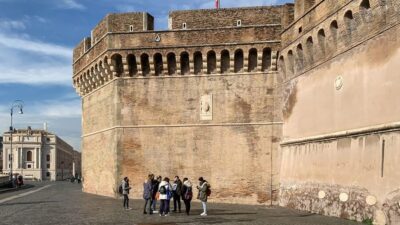
Castel Sant’Angelo: Ticket with optional Vatican or Pantheon
Read our review →


Browse the lists this tour appears in