
Reviewed · JEWISH GHETTO WALKING TOURS
Private Jewish Ghetto Walk and The Influence in Roman Cuisine
Rome has a second taste map.
This private Jewish Ghetto walk in Rome pairs synagogue sights with real food stops, so you leave understanding both the neighborhood and the flavors that shaped Roman cuisine. I especially like the tight, no-waste format: you don’t have to plan a meal afterward because the tasting plan does the job. I also love the guide-led focus on cause and effect, like how the Tiber and its river barriers changed the area’s master plan over time. One watch-out: the meeting point around Campo de’ Fiori can be a bit tricky to spot if you are looking only by memory, so double-check what you are given at booking.
You will start near public transport in the Campo de’ Fiori area, then walk through key sights like the Jewish Community of Rome area, the Sinagoga, Portico d’Ottavia, and S.Angelo in Pescheria. Along the way, you also get a food rhythm, not random stops, with bites that connect to the Middle East influence in Roman food culture.
This is a 2-hour, private experience in English, priced at $105.96 per person. It is a solid fit if you want history you can chew on, not just read about, but it may feel short if you prefer super slow sightseeing with tons of optional detours.
In This Review
- Key highlights to know before you go
- A private Jewish Ghetto walk built around taste and place
- Starting in Piazza Campo de’ Fiori, then finding the rhythm of the day
- Jewish Community of Rome and the local market wander
- The Blonde Tiber river barriers story, and why urban plans shape food culture
- Sinagoga visit plus Portico d’Ottavia and Pescheria lanes
- Piazza Mattei and the bankers anecdotes that explain money and power
- Roman pizza rossa, ricotta pie, and the women-run bakery tradition
- Jewish-Roma artichokes and the Middle East influence behind supplì
- Pace and private-tour feel: what 2 hours really means
- Value check: $105.96 per person for a 2-hour food and sights combo
- Who this Rome tour suits best, and who should think twice
- FAQ
- FAQ
- How long is the private Jewish ghetto walk?
- Where does the tour start and end?
- Is this tour private or shared?
- What language is the tour offered in?
- Is an admission ticket included?
- What kind of food will I eat during the tour?
- Do I need to book a meal after the tour?
- Is the meeting point near public transportation?
- What is the cancellation policy for a full refund?
- How far in advance do people usually book this tour?
- Should you book this private Jewish Ghetto walk and Roman cuisine tour?
Key highlights to know before you go
- Private guide, private pacing: only your group, so you can ask questions as you walk
- Synagogue time plus walking stops: the tour includes admission and major local landmarks
- Market wandering that leads to food: you do both, not one then the other
- Food tied to real stories: Middle East links show up in what you taste, like supplì
- Multiple tasting stops: pizza rossa, ricotta pie, Jewish-Roma artichokes, and more
- Strong satisfaction scores: 4.6 rating from 11 reviews, with 91% recommending it
A private Jewish Ghetto walk built around taste and place
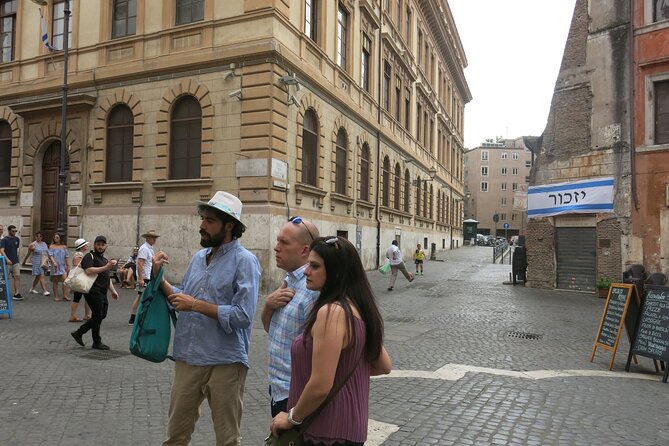
If you love Rome, you probably already have the big highlights on your list. This tour offers a different angle. You are not just walking through streets. You are learning how this part of Rome connects to food, community life, and urban decisions.
The biggest win is the combo. You start with the Jewish Community of Rome area and the local market feel, then you move through landmarks like the synagogue and classic neighborhood corridors. The walking keeps you oriented fast. The food keeps your attention anchored to the present moment, not just the past.
It also helps that people rate the guide and the pacing highly. One review called the guide exceptional and noted they handled a busy day without stress. Another mentioned the guide Angelica, praised her professionalism and ability to relate well. That matters because this kind of tour lives or dies by flow: you need enough structure to connect the dots, but not so much that you feel rushed or lectured.
More Private Tours in Rome
- Rome by Golf Cart Private Tour: Beyond the Landmarks
★ 5.0 · 4,361 reviews - Early Morning Vatican, Sistine, St. Peter’s Semi or Private Tour
★ 5.0 · 3,779 reviews - Rome on a Golf Cart Semi-Private Tour Max 6 with Private Option
★ 5.0 · 2,502 reviews - Rome Private Arrival Transfer: Fiumicino Airport to Hotel in Rome
★ 4.5 · 2,492 reviews
Starting in Piazza Campo de’ Fiori, then finding the rhythm of the day
Your meeting point is Piazza Campo de’ Fiori, 00186 Rome, and the tour ends back at the same general meeting location. That round-trip matters. You avoid the headache of finishing far away from where you started, which is especially helpful in Rome where neighborhoods can feel like separate worlds.
Campo de’ Fiori also gives you a natural warm-up. Even before the tour hits its main sights, you get that market-energy setting that matches what the tour promises: local life first, then the food and the stories. And because the tour is near public transportation, you can slot it into a day without building your whole schedule around getting stuck in transit.
One practical caution from real feedback: the meeting point is by a bookstore area, and it can be hard to spot if you are not looking carefully. My advice is simple. Treat your confirmation info as the authority, not your memory of a pin on a map. Arrive a few minutes early, and you will keep the start easy.
Jewish Community of Rome and the local market wander
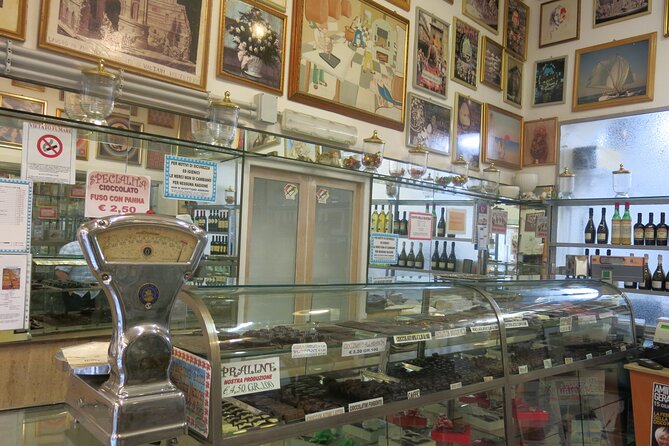
The first major phase is the Jewish Community of Rome area. The plan starts with a market wander. That is not filler. A market walk gives you context for everyday life, where food is not a museum piece. It is how people shop, share, and build routines.
As you wander, you also get introduced to the story of the neighborhood in practical, visible terms. Streets, walls, and nearby passages matter because they are tied to movement and access. You are not just hearing about community history in the abstract.
This part also sets up the tour’s core idea: Roman cuisine is not one single timeline. It is influence layered over time, with trade routes, migration patterns, and local adaptation all showing up on menus.
The Blonde Tiber river barriers story, and why urban plans shape food culture
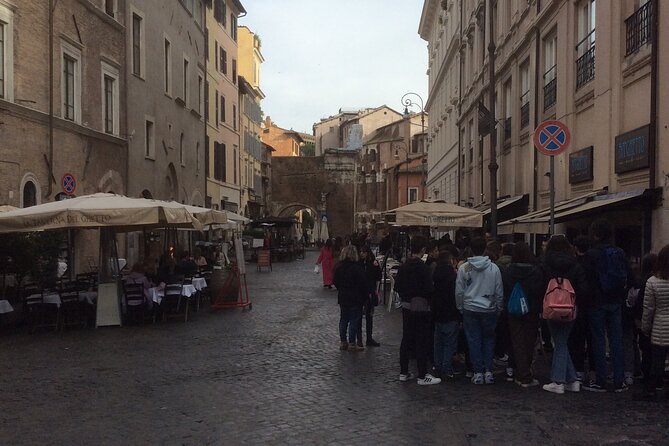
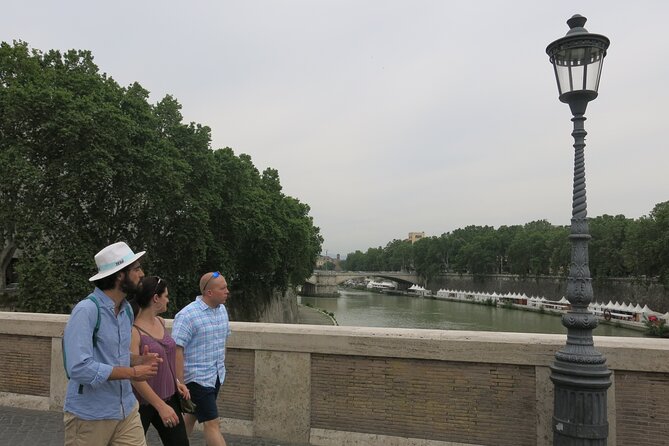
One of the most interesting non-food elements is the walk along the Blonde Tiber river. The tour includes an explanation of how the master plan changed after river barriers were built.
Why should you care? Because barriers change water flow, movement, and what gets built where. That affects how communities operate, how markets function, and which areas become more connected or more isolated. In a city like Rome, the physical environment often explains the social one.
As you walk near the river, you are effectively learning the background layer of how Rome rearranged itself. Then, later, you eat dishes that reflect influence routes. The pairing feels intentional, not random. You see place, you understand decisions, and then the food makes more sense.
If you like history buffs who also like a strong narrative, this middle section is a good match. If you hate being on your feet and want only indoor sights, you might find this stretch a bit much, but it is still manageable within a 2-hour format.
Sinagoga visit plus Portico d’Ottavia and Pescheria lanes
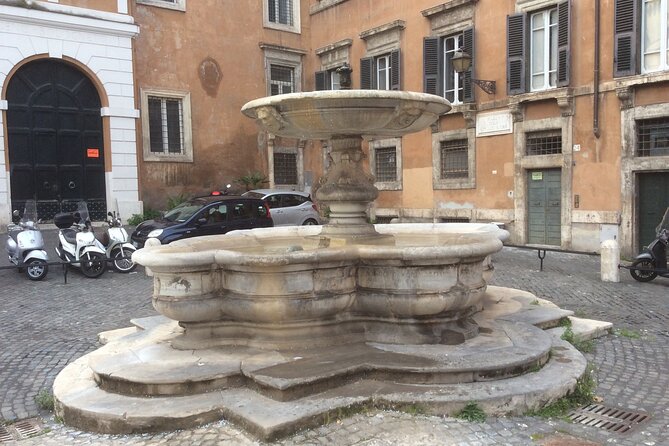
The tour moves to a key architectural and cultural stop: the magnificent Sinagoga. The tour includes an admission ticket, so this is not just a photo stop. You should expect time inside or at least structured access connected to the visit.
Then you continue on to places like Portico d’Ottavia and S.Angelo in Pescheria. These are the kinds of stops that make a walking tour feel real. They are not just big squares where everyone stands. They are corridors and corners that show how neighborhoods actually function at street level.
Portico d’Ottavia, in particular, works well for this tour’s theme because it represents a kind of urban continuity, where commerce, community, and daily movement overlap. And S.Angelo in Pescheria adds another slice of the area’s identity, tied to market life and the everyday machinery of Rome.
You can treat this section as your “mental map” builder. After it, you will have a clearer sense of where you are, why the ghetto area developed as it did, and how food culture sits inside the street pattern.
More Walking Tours in Rome

Piazza Mattei and the bankers anecdotes that explain money and power
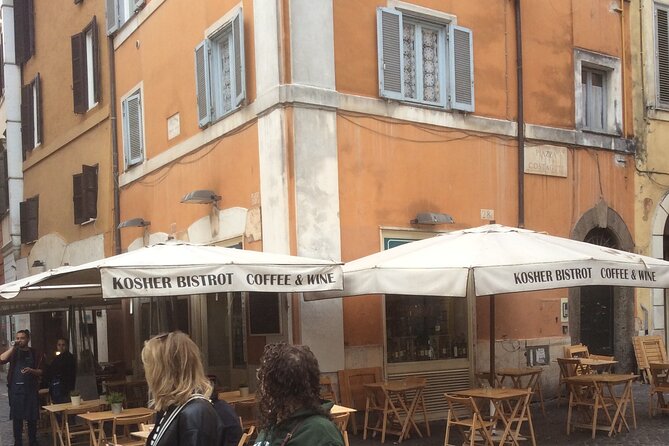
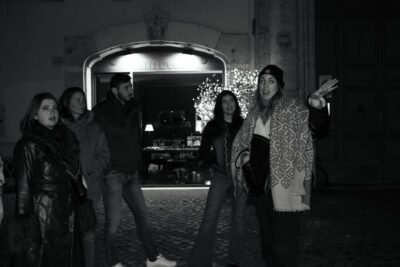
Next up is Piazza Mattei. This is where the tour shifts into stories about wealth and influence. You get anecdotes about this area’s wealthy bankers.
That might sound like a detour if you signed up only for food. But it is a useful one. When power concentrates, it shapes neighborhoods. It can influence building projects, patronage, and how communities interact with surrounding areas. In Rome, money often leaves physical traces.
For me, this stop helps you understand the tour’s title theme: the influence in Roman cuisine. People, communities, and economic networks all connect to food. When you learn how local power worked, the cuisine story feels less like trivia and more like a pattern.
You also get a breather here, a pause point that balances the earlier walking sections. If you get tired in the middle of a tour, this is a good moment to take a slow look around before you head into more tasting.
Roman pizza rossa, ricotta pie, and the women-run bakery tradition
Now we hit the tasting you are probably most excited about.
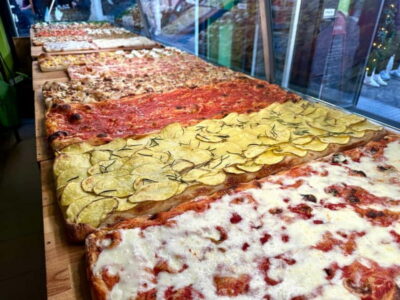
One stop includes Roman best Pizza Rossa from a century-old bakery. The tour also notes that traditionally this patisserie was always run by women of the same family. That detail matters because it gives the food a human storyline, not just a brand name.
When you eat pizza rossa on a walk like this, you also get context for why Roman food can feel familiar and different at the same time. The texture, the flavors, and the simple ingredients make sense in a market neighborhood. You are not eating a fancy reinterpretation. You are sampling a tradition that has been passed along.
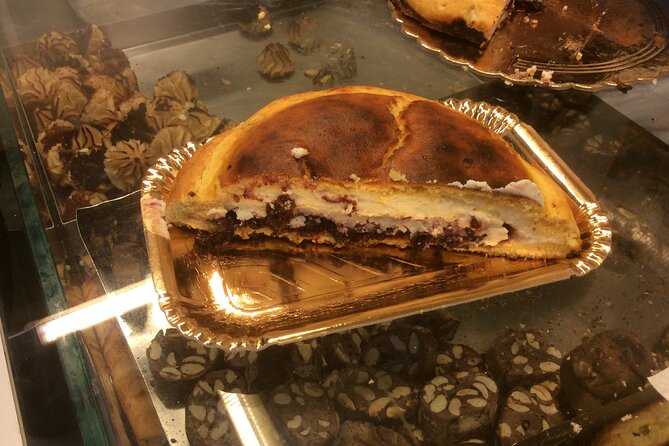
After that, you try Ricotta Pie. Again, the point is not just what it tastes like, but what it represents: family continuity and local adaptation. In a short 2-hour window, you get multiple bites that show different angles of Roman sweets and savory culture.
If you are someone who likes food tours but hates when they only hand you pastry and skip the savory story, this lineup does the opposite. It includes both, and it keeps moving.
Jewish-Roma artichokes and the Middle East influence behind supplì
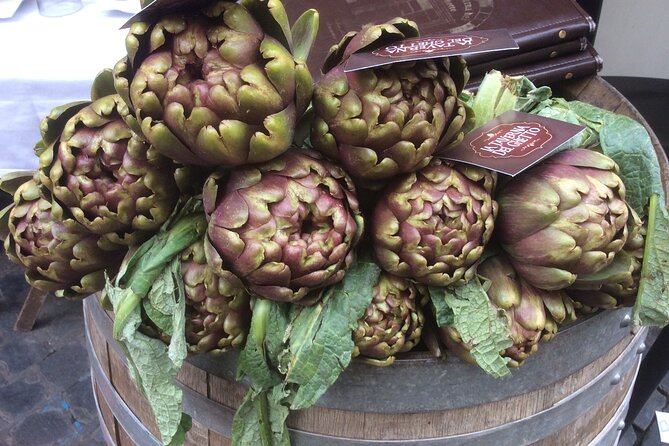
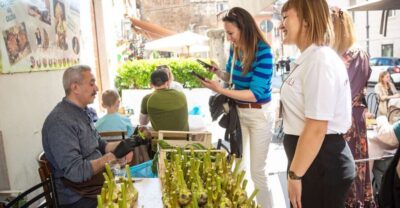
Along the old wall, you’ll try Jewish-Roma artichokes. This is the kind of bite that makes the tour title make sense. You are not just tasting “Italian food.” You are tasting a shared cultural lane where Roman and Jewish-Roman traditions show up in ingredient choices.
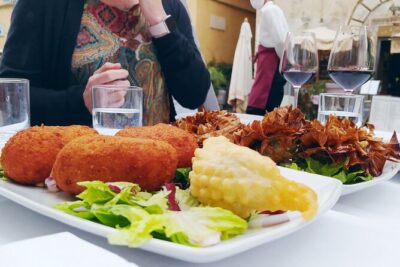
Then comes supplì. The tour says supplì come from the middle-east. That is a strong claim, and it is exactly the kind of influence thread that makes this walk more than a basic neighborhood snack route.
Supplì also works as an ideal street food tasting. It is portable. It is easy to eat while walking. It hits the senses right away. And when you connect it to the Middle East influence story, it turns into something you remember, not just something you ate.
If you have dietary restrictions, the tour data does not list options or alternatives. You might want to check directly what is included for your specific tour group. Otherwise, plan for typical street-food style tastings.
Pace and private-tour feel: what 2 hours really means
The entire tour is about 2 hours. That is a sweet spot for people who want a lot of content without turning the day into a marathon. You cover key landmarks, you get the synagogue visit, and you still have time for multiple tastings.
Because it is private, the pace can match your group better than a large shared tour. One review praised the guide for pace and stress-free handling during a busy day. That suggests the tour does not fall apart when Rome is busy. It also suggests the guide manages transitions well, which is half the battle on walking food tours.
It helps that it is offered in English. That means the stories about river barriers, community landmarks, and the influence theme should land clearly without you guessing at details.
Value check: $105.96 per person for a 2-hour food and sights combo
At $105.96 per person, this is not a bargain-basement street food sampler. But it can still be good value, if you care about what is included.
Here is what you are paying for, based on the tour details:
- A private guide for roughly 2 hours
- A structured route that includes major sights like the Sinagoga and neighborhood landmarks
- Admission ticket included, linked to the synagogue visit
- A tasting lineup that covers savory and sweet, including pizza rossa, ricotta pie, Jewish-Roma artichokes, and supplì
The highlight explicitly says you will not need to book a meal afterward. That is important. One expensive part of Rome trips is paying for lunch and dinner twice, because you did not plan the day right. If this tour genuinely fills you up, you can treat the price as payment for both food and guided access, not just snacks.
Also, demand looks decent. The tour is booked on average 31 days in advance. That is a mild signal that it is popular and slots can fill.
Who this Rome tour suits best, and who should think twice
This tour fits best if you:
- Want a history-and-food connection, not one or the other
- Like walking tours that help you understand neighborhoods
- Care about synagogue and Jewish community context alongside everyday Roman streets
- Enjoy tasting classic Roman items like pizza rossa and ricotta pie, with influence stories tied in
You might think twice if you:
- Want a longer, slower sightseeing day with lots of free time to wander
- Have strict dietary restrictions and need confirmed alternatives (the tour data does not spell those out)
- Dislike meeting points that require careful matching, since the start near a bookstore at Campo de’ Fiori can be slightly hard to spot
FAQ
FAQ
How long is the private Jewish ghetto walk?
It is listed at about 2 hours.
Where does the tour start and end?
It starts at P.za Campo de’ Fiori, 00186 Roma RM, Italy, and it ends back at the meeting point.
Is this tour private or shared?
It is private, meaning only your group participates.
What language is the tour offered in?
The tour is offered in English.
Is an admission ticket included?
Yes, an admission ticket is included.
What kind of food will I eat during the tour?
You can expect tastings including Roman pizza rossa from a century-old bakery, ricotta pie, Jewish-Roma artichokes, and supplì.
Do I need to book a meal after the tour?
No. The tour is designed so the tastings satisfy appetites and you should not need to plan a separate meal afterward.
Is the meeting point near public transportation?
Yes, the meeting point is near public transportation.
What is the cancellation policy for a full refund?
You can cancel for a full refund up to 24 hours in advance of the experience start time.
How far in advance do people usually book this tour?
On average, it is booked 31 days in advance.
Should you book this private Jewish Ghetto walk and Roman cuisine tour?
If you want Rome with context you can taste, I think this is an easy yes. The private format, synagogue visit with admission, and the food lineup that includes pizza rossa, ricotta pie, artichokes, and supplì make it a strong 2-hour package. The ratings back it up, with a 4.6 average and 91% recommending it, and the guide feedback is consistent about being informative and well-paced, including praise for Angelica.
Book it if your idea of a great trip day is walking, learning, and eating while the story is still fresh. If you are sensitive to meeting points and you do not like searching in Rome, arrive early at Campo de’ Fiori and use your booking details to locate the start.
Through the Old Jewish Ghetto
- Rome Food Tour: Campo de’ Fiori, Ghetto, Trastevere Winner 2024
★ 5.0 · 3,205 reviews - Rome: Eat Like a Roman Ghetto & Campo de’ Fiori Food Tour
★ 5.0 · 1,037 reviews - Jewish Ghetto and Synagogues with Jewish Roman Guide 3 Hours
★ 5.0 · 907 reviews - Jewish Ghetto & Piazza Navona: Food, Wine & Sightseeing Rome Tour
★ 5.0 · 460 reviews
Latest additions from Rome
- Rome: Testaccio Market Food Tour with Street Food & Wine★ 5.0 · 8 reviews
- Exclusive Pasta & Tiramisu Class with Wine near by Colosseum★ 5.0 · 8 reviews
- Private Professional Photoshoot in Rome★ 5.0 · 8 reviews
- Loreto “Shrine of the Holy House of the Virgin Mary” Private Tour from Rome★ 5.0 · 8 reviews
- Rome Day to discover Florence and Pisa Hotel Pickup★ 4.5 · 8 reviews
- Rome: Christmas Nativities and Angels Tour★ 3.1 · 8 reviews
- Guided Tour of Vatican Museums and Sistine Chapel★ 5.0 · 8 reviews
- Rome: Cooking Class of fresh Pasta and Tiramisu Cake★ 5.0 · 8 reviews
Jewish Ghetto Walking Tours, compared.
Rome Food Tour: Campo de’ Fiori, Ghetto, Trastevere Winner 2024
Read our review →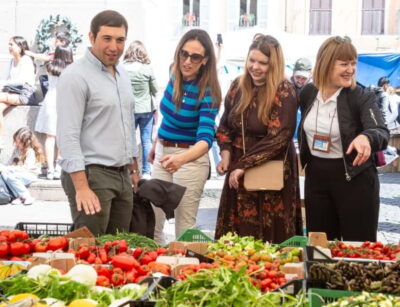
Eat Like a Roman Ghetto & Campo de’ Fiori Food Tour
Read our review →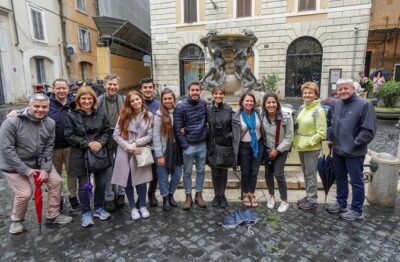
Jewish Ghetto and Synagogues with Jewish Roman Guide 3 Hours
Read our review →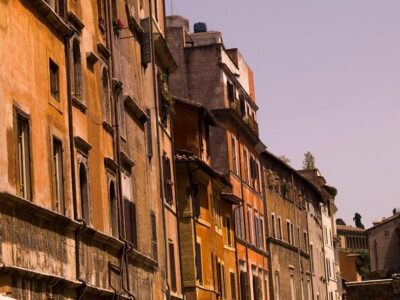
Jewish Ghetto & Piazza Navona: Food, Wine & Sightseeing Rome Tour
Read our review →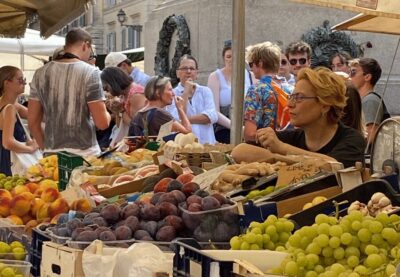
Food & Wine Tour of Campo de Fiori, Ghetto, Trastevere
Read our review →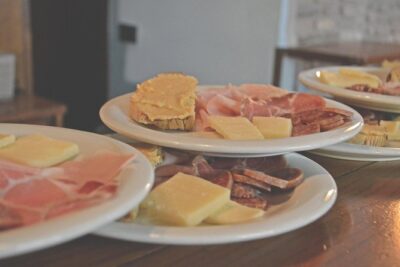
Jewish Ghetto and Campo Dè Fiori By Night Food, Wine and Sightseeing Tour
Read our review →
Trastevere and Rome’s Jewish Ghetto Half-Day Walking Tour
Read our review →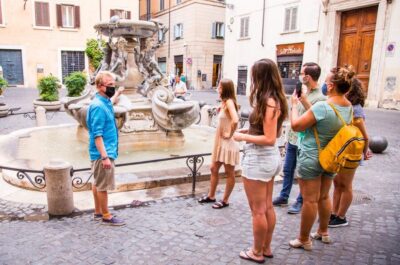
Browse the lists this tour appears in