
Reviewed · JEWISH GHETTO WALKING TOURS
Highlights of Jewish Ghetto And Trastevere Walking Tour
Ghetto walls and trattoria alleys, in one walk. This Jewish Ghetto and Trastevere walking tour strings together Jewish history and everyday Roman life through real street corners, legends, and food advice in both neighborhoods.
I especially like the way the guide connects ancient remains and religious landmarks to the stories of survival and tradition. I also like getting Roman food recommendations that help you eat like you know the neighborhood, not like you’re guessing.
One consideration: the tour leans into dark humor and politically incorrect jokes, so if you prefer a strictly formal tone, you might want to read the room closely.
In This Review
- Key things I’d make sure you notice
- Starting at Fontana delle Tartarughe: where you get your bearings
- Jewish Ghetto Rome: from papal restrictions to lived-in survival
- Great Synagogue of Rome: a landmark stop with real context
- Tiber Island: healing myths where medicine was once legend
- Trastevere streets: medieval corners, rebellion energy, and a Raphael clue
- Santa Maria in Trastevere: a brief stop that changes the mood
- Ponte Sisto: a photo moment and a satisfying river reset
- Ending in Piazza Trilussa: use the food tips while they are fresh
- Tip-based price and value: how $3.77 turns into a real budget
- Pace, group feel, and who this tour fits best
- Should you book this Jewish Ghetto and Trastevere walk?
Key things I’d make sure you notice
- Tip-based setup with working-for-tips guides: plan on tipping, often around 15€ to 50$ depending on your budget.
- A route that stitches big time periods together: Jewish Ghetto, Theatre of Marcellus and Portico d’Ottavia area, Tiber Island, then Trastevere.
- Clear framing of one of the oldest Jewish communities in the world: continuity, faith, culture, and daily life behind ghetto walls.
- Tiber Island stories tied to healing and refuge: myth and medicine, long before modern hospitals.
- Trastevere street stories with Renaissance intrigue: including clues tied to Raphael’s lover’s house.
- Food pointers plus off-the-main-street energy: guides like Ivan and Iris are praised for humor, clarity, and restaurant advice.
Starting at Fontana delle Tartarughe: where you get your bearings
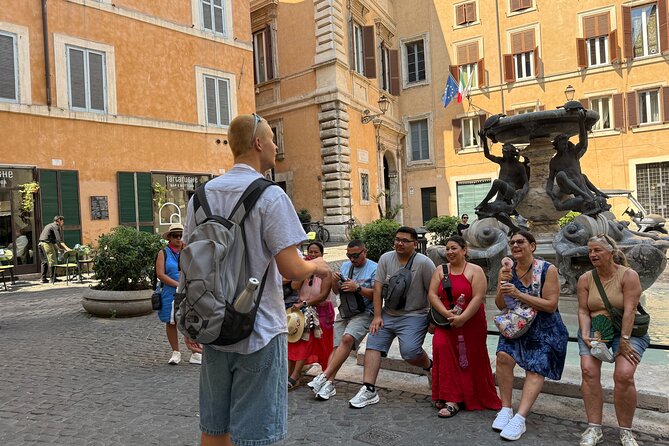
You start at Fontana delle Tartarughe, a classic Rome landmark that makes a great first checkpoint. The guide will hold a sign with the tour name, and you get a quick photo stop and orientation before the route turns into story mode.
This opening matters more than it sounds. Once you’re in the narrow lanes, you will be walking by monuments you might otherwise glide past without context. That first ten minutes is where you learn how to read the place, not just where to stand for a picture.
More Walking Tours in Rome
- Rome: Guided Food Walking Tour with Wine in Trastevere
★ 4.9 · 3,105 reviews - Rome: Trastevere & Campo de Fiori Street Food Walking Tour
★ 4.9 · 2,768 reviews - Rome: Paranormal Night Walking Tour & Secret Backstreets
★ 4.9 · 1,921 reviews - Rome: Trastevere Street Food Walking Tour with Local Expert
★ 4.8 · 1,784 reviews
Jewish Ghetto Rome: from papal restrictions to lived-in survival
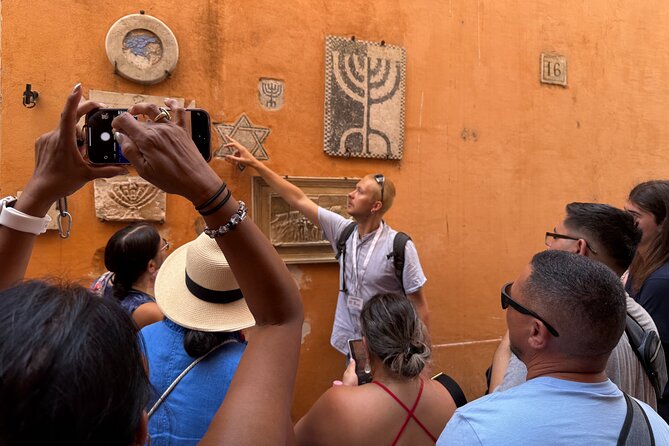
The heart of the tour begins in the Jewish Ghetto, framed by some serious ancient leftovers nearby. You pass through an area tied to monumental remains like the Theatre of Marcellus and the Portico d’Ottavia. That physical layering is part of the point: Rome changes, but the stories keep getting retold, generation after generation.
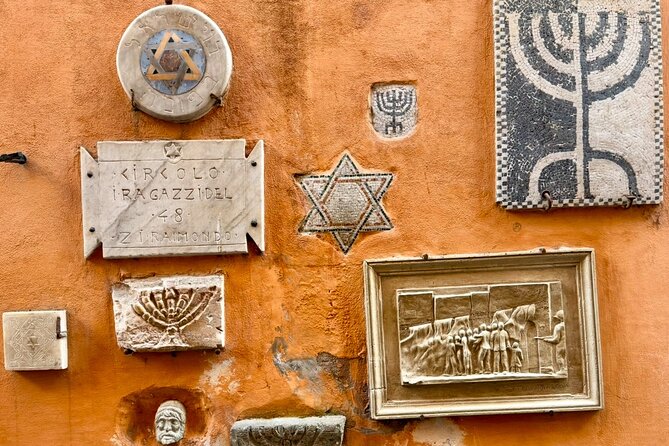
The guide’s main job here is to connect the dates to the feeling. You hear how an area that had prestige in ancient Rome became a restricted district under papal rule. You also hear what daily life looked like behind the ghetto walls, and how the community preserved identity through faith, culture, and what the guide describes as quiet resistance.
A useful way to think about this stop: history here is not only dates and laws. It is also routines. Markets. Prayers. The texture of ordinary days, plus the tension of living under restrictions. That’s why people tend to remember this part more than they expect.
Practical note: this area includes cramped streets and crowd-y moments. Wear shoes that can handle lots of standing and uneven paving, especially if you’re traveling in summer heat.
Great Synagogue of Rome: a landmark stop with real context
Next is the Great Synagogue of Rome. You get a photo moment, then a visit focused on the building and what it represents. Even if you’re not into architecture, this stop gives you a mental anchor. It’s easier to follow the rest of the narrative when you’ve seen the place that connects tradition to geography.
The way the guide explains this stop can make a difference. In the feedback you get from many groups, a common theme is that the tour stays engaging, even when the subject matter turns heavy. Expect a mix of respectful storytelling and human details about how communities organize their lives around belief.
If you have questions, this is a fine time to ask. The guide will usually be able to tie your question back into the street-level story you’re walking through.
Tiber Island: healing myths where medicine was once legend
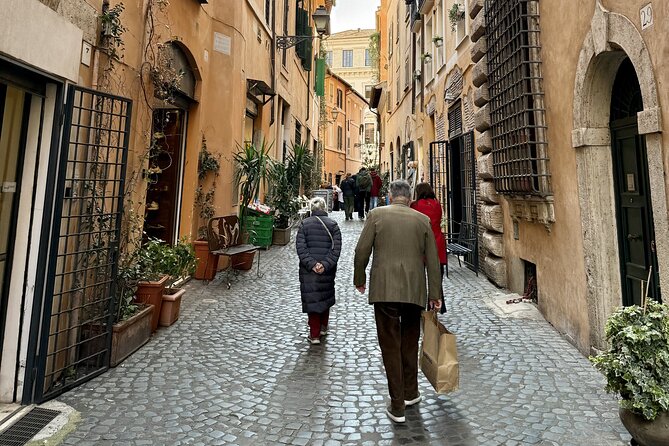
From the ghetto area, the route crosses to Tiber Island, a small patch of land with big symbolic weight. The tour highlights how the island was linked to healing and refuge since antiquity, long before modern hospitals existed.
What you get here is not just a scenic break. You also get a myth-to-meaning connection. The guide connects older stories about the island with the idea that people have always searched for cures, safety, and spiritual explanations.
This is a great pause in the overall arc of the walk. After the emotional density of the ghetto, Tiber Island offers perspective. It also gives you the chance to look out over the river and reset your brain for Trastevere.
Trastevere streets: medieval corners, rebellion energy, and a Raphael clue
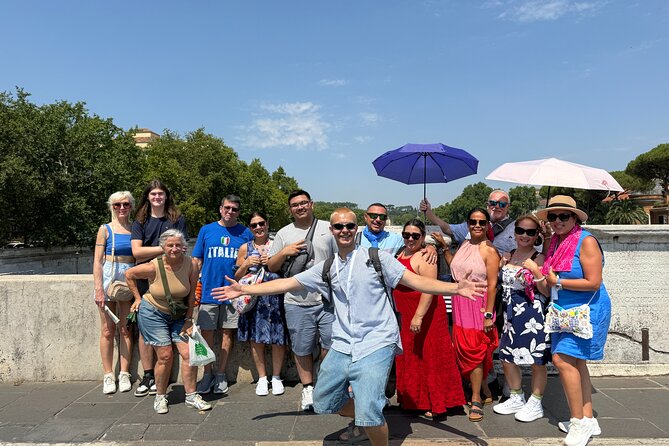
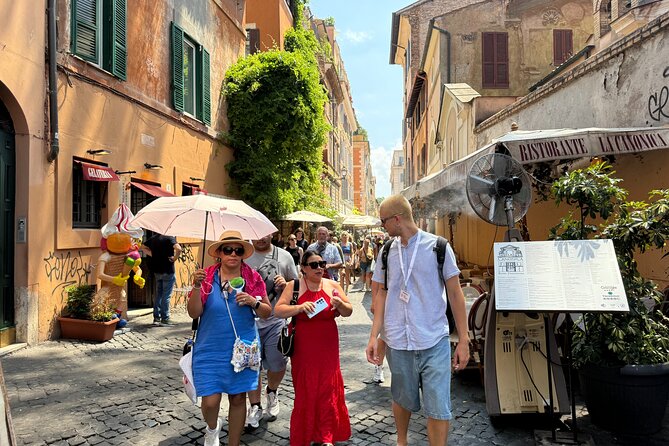
Then you step into Trastevere, and the neighborhood does what it always does, it changes the temperature of your day. The tour moves through medieval streets with ivy-covered buildings and the kind of street character you don’t get from a car window.
This is where the guide’s storytelling style really shows. You get unexpected legends and Renaissance intrigue, including the location of Raphael’s lover’s house, along with clues tied to the artist’s private life.
Trastevere also has a reputation for rebellion, passion, and nightlife. That doesn’t mean the whole tour turns into a party pitch. Instead, it helps you understand why the neighborhood feels stubbornly itself, even as Rome modernizes around it.
If you like walking tours that show you how neighborhoods develop their personalities, this is the section to lean into. Take your time with photos, but keep moving, because the best stories are tied to the specific corners.
Other walks through the old Jewish Ghetto:
Santa Maria in Trastevere: a brief stop that changes the mood
You’ll visit Santa Maria in Trastevere next. This is a shorter walking segment, then time spent inside and around the church.
Even when the stops are brief, a church like this acts as a narrative hinge. It shifts the story from street life to faith and art, and it helps explain why Rome keeps repeating certain themes through different eras: devotion, community identity, and public memory.
Ponte Sisto: a photo moment and a satisfying river reset
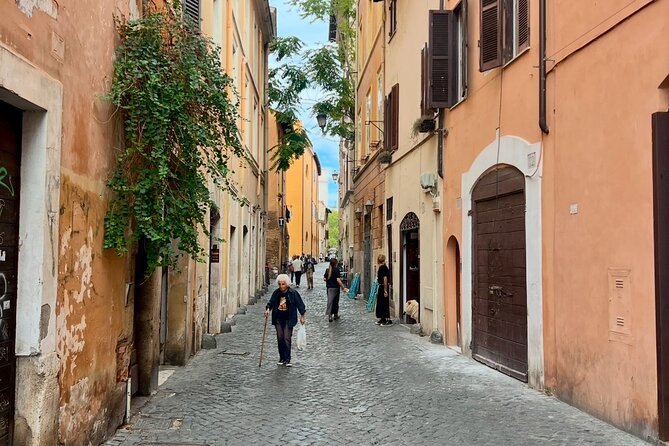
You finish the walking portion of the tour’s core route with Ponte Sisto. You stop for photos and some guided sightseeing, with the river and city views doing the work of a quick breath.
This is one of those Rome moments where the skyline helps you understand scale. You see how the neighborhoods relate to each other across the water, and you get an easier sense of direction for the rest of your day.
Ending in Piazza Trilussa: use the food tips while they are fresh
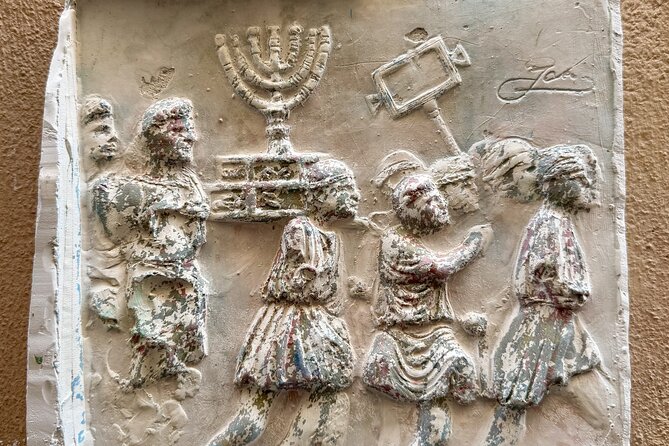
The tour ends at Piazza Trilussa. This is a smart place to finish because it’s central to how people actually move through Trastevere after sightseeing.
You also leave with the best Roman food recommendations the guide has been saving for this exact neighborhood flow. That matters because Rome food can be either fantastic or tourist-trap predictable. When you know where locals go, what to order, and when to go, the city feels less like a checklist and more like a living place.
If you’re hungry, plan a meal soon. The tour gives you the context you need, then the neighborhood gives you the payoff.
Tip-based price and value: how $3.77 turns into a real budget
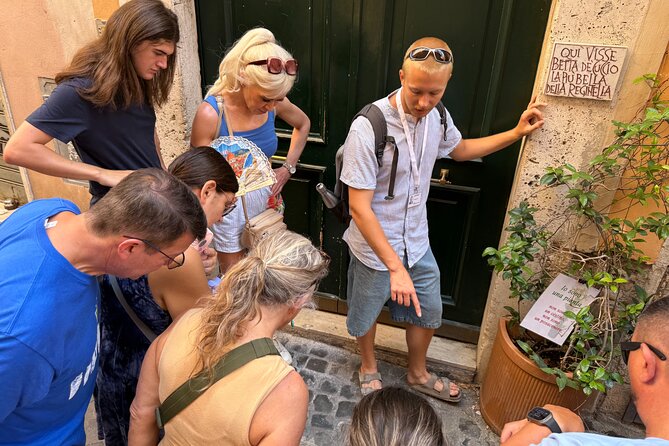
The base price is listed at $3.77 per person, but this is a tip-based tour. The guides work for your tips alone, so your total cost depends on how much you tip at the end.
You should plan around the typical tip range the tour points to: usually between 10€ and 50$, with guidance often landing around 15€ to 50$. That’s the range that shows you understand the model and rewards good work.
Here’s the value math. If you tip in the middle of that range, you’re still paying far less than many fixed-price guided tours in central Rome. You’re buying a compact history lesson, plus neighborhood food intelligence, plus a guide who is motivated to make the walk land.
What I’d do before you go: carry a mix of cash you can tip with, and decide your number in advance so you don’t feel awkward at the end of a meaningful tour.
Pace, group feel, and who this tour fits best
This walk is about 87 minutes, so it’s not long. Still, it’s a lot of information in a short time, and some parts are on your feet at a steady clip.
One review note you should take seriously if you walk slower: this can feel fast if you cannot keep roughly a 3.7 to 4.0 mph walking pace. If that’s you, wear supportive trainers and consider timing your tour earlier in the day when your energy is higher.
Group size seems to vary. Some people report small groups, which helps with questions and staying together in narrow streets. Either way, the guides prioritize keeping the group together and safe around traffic and tight alleys.
Who will love this most:
- You like history told through streets, not just museum rooms.
- You want Trastevere flavor with a thread back to Jewish Rome.
- You enjoy humor in storytelling, even if it turns dark.
Who should pause:
- If you dislike humor that includes dark topics and politically incorrect jokes, this may not match your comfort level.
- If you expect a quiet, museum-style tone, ask yourself whether you prefer a more formal guide approach.
Should you book this Jewish Ghetto and Trastevere walk?
If you want one short tour that ties together survival stories, major Roman landmarks, and Trastevere street life, I’d book it. The payoff is not only seeing places, it’s learning how to connect them. Add the practical food recommendations, and you leave with both stories and a next stop for dinner.
I’d skip it only if you know you want a strictly sanitized tone or you need very slow pacing. Otherwise, bring good shoes, bring a tip plan, and go ready to see Rome as layered, not linear.
Latest additions from Rome
- Guided Tour Vatican Museums & Sistine Chapel★ 4.1 · 30 reviews
- Exclusive Rome by Night Vespa Tour★ 5.0 · 30 reviews
- Transfer Rome to Airports★ 4.5 · 30 reviews
- Vatican: St.Peter’s Basilica & Dome – Reserved Entry & Tour★ 4.1 · 30 reviews
- Rome street art tour: off the beaten path with a local guide★ 5.0 · 30 reviews
- Tivoli, Hadrians Villa and Villa d’Este, a charming day trip from Rome★ 4.5 · 30 reviews
- Rome Food Tasting with Wine Pairing Italian Authentic Flavors★ 5.0 · 31 reviews
- Inspirational Cooking on the Roman Chef’s Panoramic Terrace★ 5.0 · 30 reviews
Jewish Ghetto Walking Tours, compared.

Rome Food Tour: Campo de’ Fiori, Ghetto, Trastevere Winner 2024
Read our review →
Eat Like a Roman Ghetto & Campo de’ Fiori Food Tour
Read our review →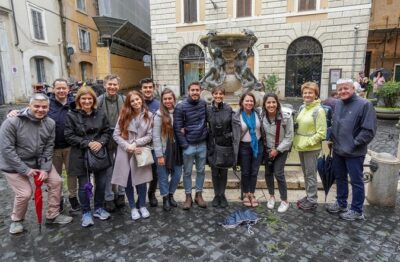
Jewish Ghetto and Synagogues with Jewish Roman Guide 3 Hours
Read our review →
Jewish Ghetto & Piazza Navona: Food, Wine & Sightseeing Rome Tour
Read our review →
Food & Wine Tour of Campo de Fiori, Ghetto, Trastevere
Read our review →
Jewish Ghetto and Campo Dè Fiori By Night Food, Wine and Sightseeing Tour
Read our review →
Trastevere and Rome’s Jewish Ghetto Half-Day Walking Tour
Read our review →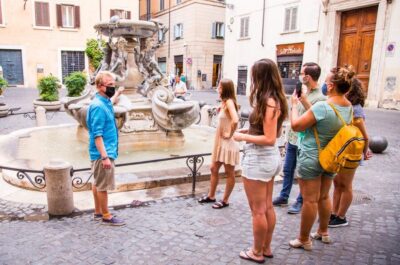
Browse the lists this tour appears in