
Reviewed · PASTA AND TIRAMISU COOKING CLASSES
From Rome: Pasta Fresca Cooking Class in a Farmhouse with a Local
A day in a real Roman farmhouse beats another pasta workshop. You head to Zagarolo for a hands-on class built around an Italian Sunday lunch feel, then you actually sit down and eat what you made with homemade wine. I love the small size and the personal attention from Claudia and her team, plus the fact you learn real technique, not just a one-size-fits-all demo. The one thing to weigh is that this is in the countryside, so you need to plan for getting there and back, and the schedule is based around the hosts.
What makes it special is how the day moves like a family meal. You start in the kitchen with seasonal choices, then you cook multiple courses, and you end with dessert while you enjoy the view, often in the living room or the garden. You get to see where the ingredients come from too, with gardens, olive trees, and a vineyard part of the story.
In This Review
- Key highlights worth booking
- Zagarolo feels worlds away from Rome
- The Roman Sunday lunch rhythm you actually learn
- What you cook: from vegetables to hand-made pasta
- Starters and first bites
- Hand-made pasta with local ingredients
- Second course, then vegetarian options
- Dessert with a sweet Italian finish
- Ingredients you meet first: garden, olive oil, and a vineyard story
- Claudia and Bruno make it feel like family
- Wine, coffee, and the long sit-down meal
- Price and logistics: good value if you like hands-on days
- What to wear and what to bring for a farmhouse kitchen
- Who this cooking class is perfect for
- Should you book the Zagarolo farmhouse pasta class?
- FAQ
- How long is the cooking class in Zagarolo?
- Where does the experience start and end?
- How large is the group?
- Is the class offered in English?
- What kinds of dishes might I cook?
- Is homemade wine included?
- Is there free cancellation?
Key highlights worth booking
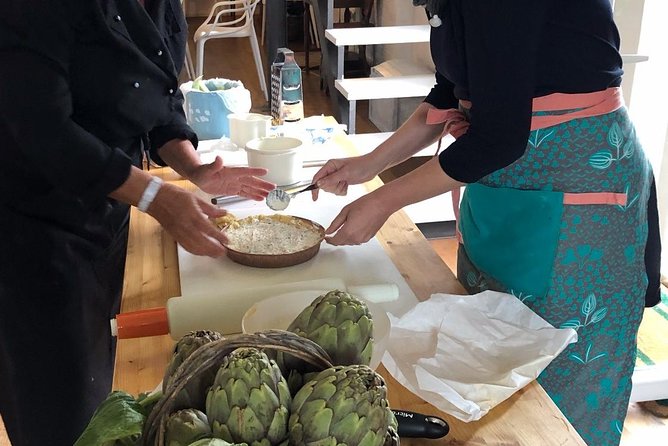
- Hand-made pasta, flour and eggs with local roots, plus classic Roman cooking in a real home kitchen
- Seasonal menu choices, with summer desserts like sorbetto and winter-style dishes like stuffed pasta
- A true Sunday lunch pace, multiple courses, then you all sit to eat together
- Small group, up to 8 travelers, so questions do not get lost in a crowd
- Hosts who turn cooking into an event, with Claudia teaching and Bruno often adding music and singing
Zagarolo feels worlds away from Rome
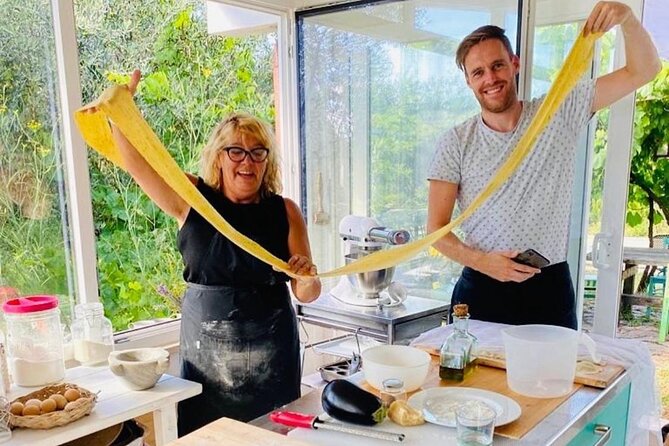
This experience starts and ends in Zagarolo, a town in the Roman countryside. You escape the city rhythm fast, and the payoff is that you cook where the ingredients and daily life feel close to the table. It is not staged in a polished studio with spotless props. It is a farmhouse day, and you can feel that in everything from the pace to the setting.
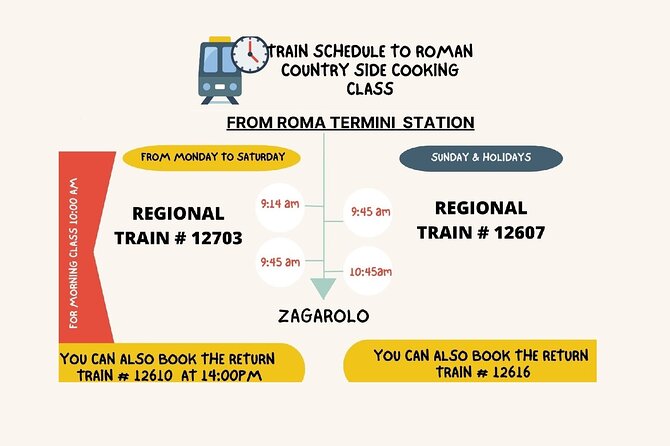
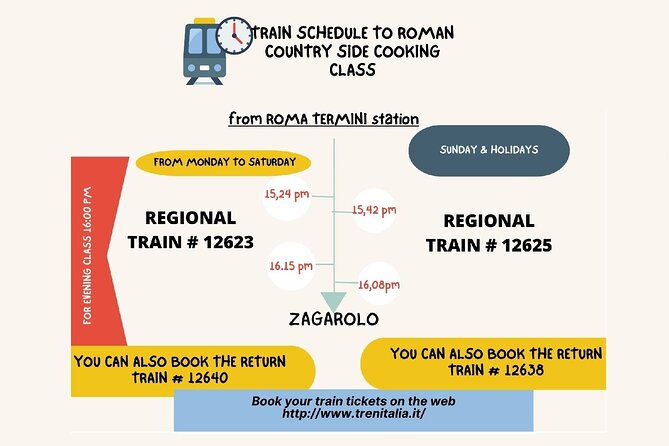
The practical win is that you are still close enough to do this as a half-day escape without turning it into a long saga. Reviews mention an easy train ride from Roma Termini, with hosts meeting people on the other end. Once you arrive, you are quickly folded into the household flow, often including a quick orientation and time to settle in before aprons go on.
One more thing: countryside means you will be outdoors for at least part of the experience. If you are going in warmer months, bring something light and comfortable. If you go in cooler months, plan layers, because outdoor areas and breezes can still feel chilly even when the sun is kind.
Other kitchens rolling pasta and folding tiramisu:
- 3 in 1 Cooking Class near Navona: Fettuccine, Ravioli & Tiramisu
★ 5.0 · 7,376 reviews - Rome: Pasta & Tiramisu Class with Fine Wine by the Vatican
★ 4.9 · 4,852 reviews - Rome: Pasta Making Class with Wine, Limoncello, and Dessert
★ 4.9 · 3,177 reviews - Rome Cooking Class: Make Pasta and 3 Spritz Cocktails
★ 5.0 · 2,937 reviews
The Roman Sunday lunch rhythm you actually learn
In Italy, lunch on Sunday is more than fuel. It is a tradition, a schedule, and a mood. This class is built around that idea, so you are not just cooking one dish for photos. You are learning how a Roman Sunday lunch assembles course by course, and how that changes depending on the season.
You can expect a mix of savory starters and vegetable-forward dishes first, then hand-made pasta. After that comes a typical “second course,” followed by a dessert you finish together. Even the way the meal is served, in a romantic living room or out in the garden, reinforces that this is about shared time, not just instruction.
I like this format because it trains your brain for real cooking. When you learn the full sequence, you learn how flavors build. You also learn how to time steps so the kitchen does not turn into chaos, which is the part that most city workshops forget.
What you cook: from vegetables to hand-made pasta
The day is hands-on from the first prep task. Based on the menu structure, you will likely work through several kitchen stations and learn a range of techniques, from chopping and stuffing to rolling, shaping, frying, and plating.
Starters and first bites
You may make things like vegetable fritters or a savory strudel, plus croutons with vegetables and cheese. These early courses matter because they set the tone. They also teach you how Italians treat vegetables as the main event, not an afterthought.
If you are the kind of eater who loves crunchy textures, fried elements show up in the cooking plan as well. In past sessions, zucchini blossoms and sage leaves have appeared as part of the frying menu, and the ingredient choices often come from what is fresh that day.
Hand-made pasta with local ingredients
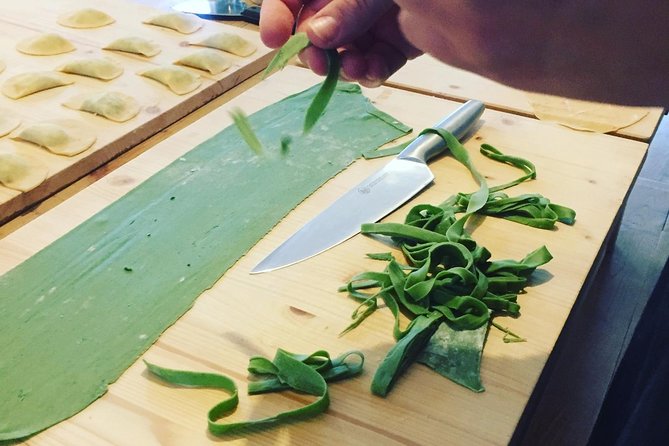
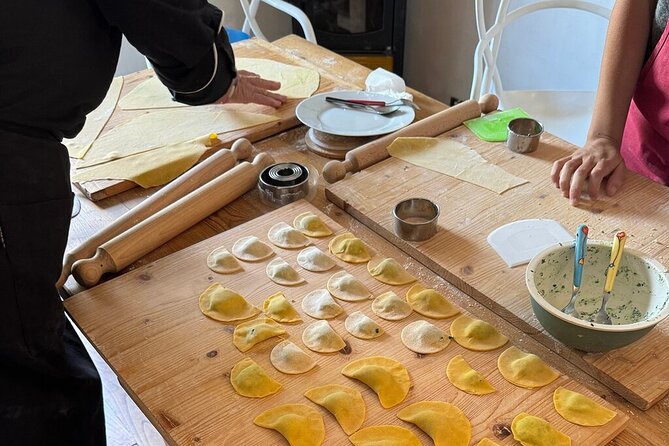
The core of the class is pasta made by hand. The ingredients details are part of the magic: flour from a local mill and eggs taken by the farmer. You will learn to handle dough and shape pasta types that fit the Roman style.
You might make lasagne, ravioli, or fettuccine, along with the associated sauce. Reviews mention both filled pasta and classic pasta dishes such as ravioli and fettuccine in different sessions, including versions like spinach-based fillings and tomato-based sauces. Expect to learn practical handling skills, not only recipes.
Other Roman benches to work at for a morning:
Second course, then vegetarian options
After pasta, the cooking plan continues with a traditional second course. You might roll something like saltimbocca or prepare similar Roman-style savory dishes. For vegetarians, the class includes a special vegetarian dish so the meal stays coherent rather than turning into a side salad moment.
Dessert with a sweet Italian finish
The final course is dessert, often described as a parfait or a tart made together. Seasonal twists show up too. In warmer months, the plan can include sorbets or ice cream, while winter sessions can feature sfogliatelle and other stuffed styles. If you love a kitchen table dessert more than store-bought sweets, you will appreciate the group approach here.
Ingredients you meet first: garden, olive oil, and a vineyard story
One reason this class sticks in people’s minds is that it connects cooking to the ground. You may start the day by moving through gardens to pick herbs and vegetables. Reviews mention gathering rosemary, olives, berries, and other herbs. That changes the way you cook, because you are not just grabbing ingredients, you are choosing them.
You will also get a taste of farm-produced products. Homemade wine shows up as part of the meal, and many people also mention tasting olive oil made from olives grown on the property. This is a small but powerful detail, because you can taste the difference in freshness and how the hosts season and ferment.
The setting helps too. Olive groves and a vineyard are part of the day’s background, and in at least some sessions you get a tour or walkthrough after cooking starts or during lighter moments. If you like hearing what grows locally and how it feeds the kitchen, this is for you.
Claudia and Bruno make it feel like family
Claudia is the chef at the center of the class, and the teaching style seems to be the main reason people call it a highlight. She guides the process and shares techniques you can use at home, including how to get pasta texture right and how to handle fillings and sauces without overthinking it.
Angela is part of the hosting team in multiple accounts, and you will likely see her supporting the workflow so you are never stuck wondering what comes next. There is also a recurring presence of family members and close friends joining the day, which adds to the warm, lived-in feel.
Bruno often plays a major supporting role. In several sessions, he serenades the group with music, sings, or plays keyboard. People also mention he helps with logistics like picking guests up from the train station and timing the day so everyone gets back on schedule. That mix of care and humor makes the classroom feel relaxed, even when you are actually cooking a lot.
For me, the takeaway is simple. When hosts treat you like a guest at their table, you cook differently. You pay attention because it feels meaningful, not because someone is rushing you out for a rating.
Wine, coffee, and the long sit-down meal
You do more than nibble while standing in a corner. After the practical lessons, you sit down and enjoy the meal with homemade wine. Reviews mention homemade wine pours during the cooking and at dinner, and also that Bruno’s wine, plus farm olive oil, often makes an appearance at tasting time.
There can also be a coffee and snack start, with espresso and biscuits mentioned as part of welcoming before the main cooking work begins. That matters if you arrive hungry or a little jet-lagged. It gives you a gentle landing, then you move into technique and taste.
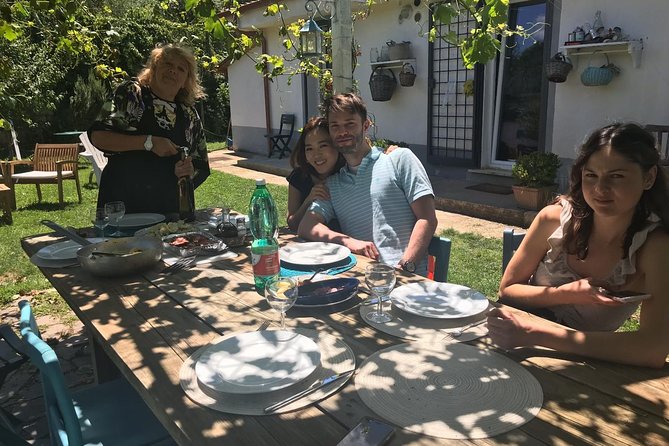
The dining setting is flexible. Depending on the weather and the flow of the day, you might eat indoors in the living room or outside in the garden. If views are part of your travel priorities, the countryside setting is an easy win here, because the meal is tied to the property, not an off-site restaurant.
Price and logistics: good value if you like hands-on days
At $119.48 per person for about 3 hours 30 minutes, this is not the cheapest thing you can book in the Rome area. But the price makes sense when you look at what is included in practice: multiple courses, hand-made pasta instruction, and time to eat what you cooked with homemade wine.
Also, the group limit of up to 8 travelers is a value driver. A smaller class usually means you can actually ask questions, get corrections on dough and shaping, and move through steps without waiting for instructions to trickle down.
The main logistics consideration is the countryside location around Zagarolo. You need to be comfortable taking a short train ride, and then coordinating with the hosts at the meeting point. Since the experience starts at Zagarolo and ends back there, you are not juggling long transfers across Rome traffic.
One other practical note: because this is family-run and small-scale, day-of communication matters. If you are going as a surprise gift or on a tight schedule, confirm the meeting details ahead of time and keep the day-of contact message handy.
What to wear and what to bring for a farmhouse kitchen
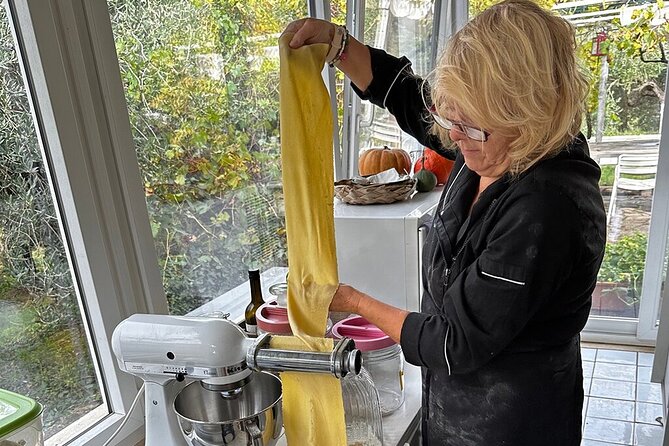
You will be working with food, flour, and likely some frying or sautéing steps depending on the seasonal menu. Wear comfortable clothes you do not mind getting a bit messy.
In terms of what you bring, think simple: comfortable shoes for kitchen movement and any outdoor time in the garden or around the property. If you go in warmer seasons, consider light layers you can adjust when you move between indoor kitchen warmth and outdoor air.
If you have dietary preferences, there is some evidence of adjustments being made, including vegetarian dishes and at least one gluten-free request handled by swapping menu items. Still, I recommend messaging your needs during booking so the hosts can plan recipes that work for your group.
Who this cooking class is perfect for
This is a great fit if you want a break from typical Rome dining and you like practical skills. You do not just watch, you participate. You learn how to make pasta by hand, how to build a multi-course meal, and you get farm-based ingredients that change the whole feel of the day.
It also works well for:
- Couples who want a memorable, romantic countryside lunch
- Food lovers who want more than a generic pasta-making session
- Travelers who enjoy meeting real people and hearing how a family meal works
- Anyone who likes small-group experiences with personal attention
If you hate getting out of the city or you prefer quick, low-effort activities with no outdoor time, you might prefer something else closer to central Rome. This class is all about the day trip and the kitchen.
Should you book the Zagarolo farmhouse pasta class?
I would book this if your top goal is a hands-on Roman cooking day with an actual sit-down meal, homemade wine, and a small-group setup that lets you learn in a home kitchen. The combination of Claudia teaching the techniques, Bruno and the family adding music and warmth, and the farm-to-table ingredient connection is exactly what makes this kind of experience hard to replicate elsewhere.
Skip it if you only want a fast city activity, you do not want countryside travel, or you are looking for a strictly instructional class with zero social downtime. This is cooking plus hospitality, and the social part is part of the product.
If you do book, do it with one mindset: treat it like Sunday lunch at someone’s home. Ask questions in the kitchen, pace yourself during the meal, and enjoy that you are leaving Rome for the day without giving up the comfort of learning real dishes.
FAQ
How long is the cooking class in Zagarolo?
It runs for about 3 hours 30 minutes.
Where does the experience start and end?
It starts at Zagarolo, Metropolitan City of Rome Capital, Italy and ends back at the meeting point.
How large is the group?
The experience has a maximum of 8 travelers.
Is the class offered in English?
Yes, it is offered in English.
What kinds of dishes might I cook?
The menu is seasonal. You may prepare items like vegetable fritters or savory strudel, croutons with vegetables and cheese, hand-made pasta (such as lasagne, ravioli, or fettuccine), a typical second course like rolls or saltimbocca, and dessert like a parfait or tart. In summer, the plan can include sorbetto or ice cream, while in winter it can include sfogliatelle and stuffed pasta.
Is homemade wine included?
Yes. You sit down and enjoy your meal with some homemade wine.
Is there free cancellation?
Yes, you can cancel for a full refund up to 24 hours in advance of the experience start time.
Roman Kitchens to Cook In
- Rome: Pasta & Tiramisu Cooking Class near the Spanish Steps
★ 4.8 · 1,395 reviews - Rome: Traditional Pizza Cooking Class near Piazza Navona
★ 4.7 · 1,241 reviews - Rome: Combo Pizza and Pasta Cooking Class with Wine
★ 4.6 · 1,180 reviews - Rome: Pasta Making with Wine Tasting and Dinner in Frascati
★ 4.9 · 979 reviews
Latest additions from Rome
- Guided Tour Vatican Museums & Sistine Chapel★ 4.1 · 30 reviews
- Exclusive Rome by Night Vespa Tour★ 5.0 · 30 reviews
- Transfer Rome to Airports★ 4.5 · 30 reviews
- Vatican: St.Peter’s Basilica & Dome – Reserved Entry & Tour★ 4.1 · 30 reviews
- Rome street art tour: off the beaten path with a local guide★ 5.0 · 30 reviews
- Tivoli, Hadrians Villa and Villa d’Este, a charming day trip from Rome★ 4.5 · 30 reviews
- Inspirational Cooking on the Roman Chef’s Panoramic Terrace★ 5.0 · 30 reviews
- Rome Food Tasting with Wine Pairing Italian Authentic Flavors★ 5.0 · 31 reviews
Pasta and Tiramisu Cooking Classes, compared.
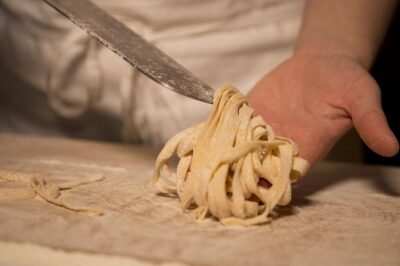
3 in 1 Cooking Class near Navona: Fettuccine, Ravioli & Tiramisu
Read our review →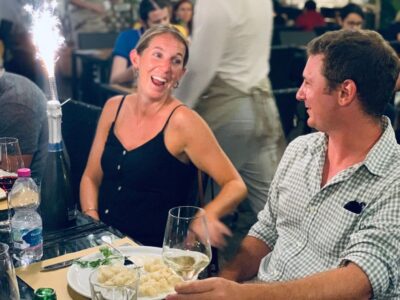
Pasta & Tiramisu Class with Fine Wine by the Vatican
Read our review →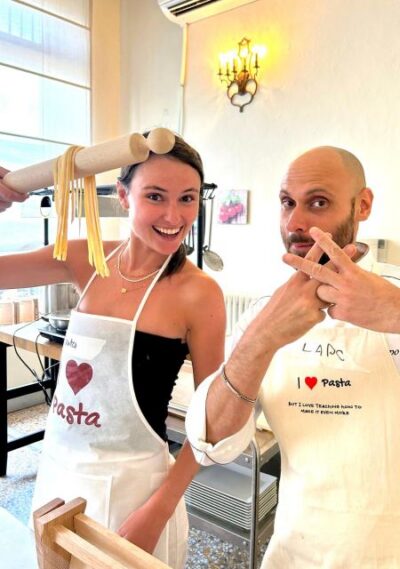
Pasta Making Class with Wine, Limoncello, and Dessert
Read our review →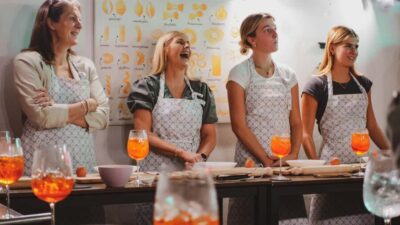
Rome Cooking Class: Make Pasta and 3 Spritz Cocktails
Read our review →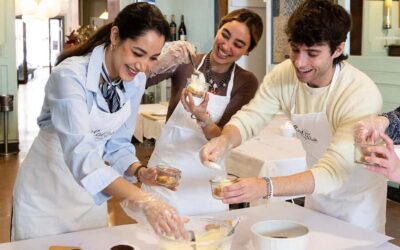
3-in-1 Fettuccine, Ravioli, and Tiramisu Cooking Class
Read our review →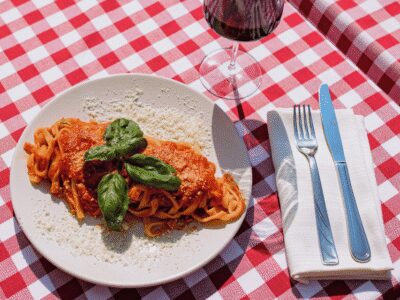
Fettuccine Pasta Cooking Class in Rome’s City Center
Read our review →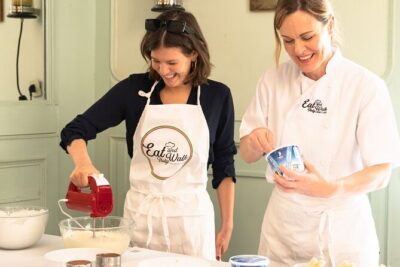
Learn to Make Pasta & Tiramisu with Wine and Limoncello Included
Read our review →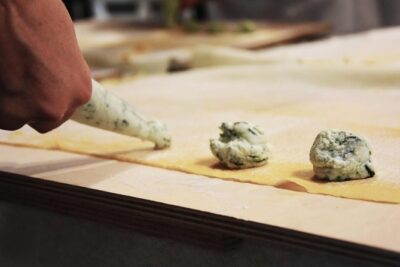
Become a Masterchef in Rome: Pasta, Ravioli and Tiramisù Class
Read our review →Browse the lists this tour appears in