
Reviewed · PASTA AND TIRAMISU COOKING CLASSES
Farmer’s Market and Pasta Making with Italian Wine
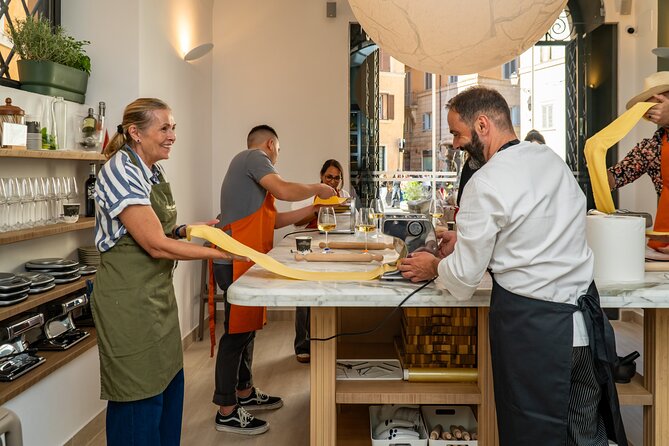
Your pasta starts in the market. This small-group class led by chefs like Alessandro and Max turns shopping at Campo de’ Fiori into hands-on ravioli, plus a sit-down meal that includes Italian wine. I love the way you control the dough, and I love that you get to eat what you make instead of just watching. One thing to consider: there is no hotel pickup, so you’ll want to plan an easy walk or public transport to the meeting point.
The pace feels friendly and personal, since the group max is 12. You start at Monumento a Giordano Bruno by Campo de’ Fiori at 9:45 am, then move to a kitchen near the Turtle Fountain in the Jewish Ghetto at Piazza Mattei. You’ll leave with practical Roman-food instincts you can use later, like how to choose meats, cheeses, and bread before you ever touch a rolling pin.
In This Review
- Key points to know before you go
- A small-group pasta class that begins at Campo de’ Fiori
- Getting your bearings: the meeting point and timing
- Campo de’ Fiori shopping: learn by doing, not just looking
- What you should watch for during market time
- Norcineria Viola and bread from Forno Campo de’ Fiori
- The pasta kitchen near Piazza Mattei: from ingredients to dough
- Roman-style expectations for your ravioli
- Making a traditional Italian dessert from scratch
- Wine with your meal: turning cooking into lunch
- Group size, chef energy, and why names matter here
- What you’ll actually eat and why it matters
- Price and value: is $150.51 worth it?
- Who this is best for (and who should skip it)
- Quick FAQ for planning your Rome morning
- FAQ
- What time does the tour start?
- How long is the experience?
- Where is the meeting point?
- Where does the tour end?
- Is the class in English?
- Is wine included?
- What do you make during the class?
- How big is the group?
- Is the price all-inclusive?
- Can I cancel for a full refund?
- Should you book this farmer’s market and pasta making class?
Key points to know before you go
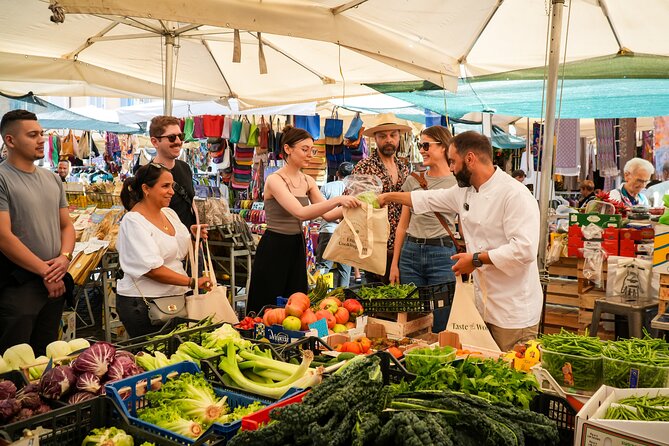
- Market-first start at Campo de’ Fiori so you learn what drives Roman flavor
- Hands-on ravioli and dessert (not a sit-and-smile class)
- Small-group feel, max 12 for real questions and personal help
- Italian wine throughout paired with what you’re making and eating
- Top ingredient stops including Norcineria Viola and Forno Campo de’ Fiori
- Sit-down meal so your finished pasta and dishes actually become lunch
A small-group pasta class that begins at Campo de’ Fiori
Rome does markets better than almost anywhere. You can spot that fast at Campo de’ Fiori, where the stalls bring you straight into daily food life, not tourist food theater. This class uses that setting on purpose, because your hands-on cooking starts with the ingredients you pick and understand.
What I like most is the balance: you shop like a local chef, then you cook like a beginner who’s being guided step by step. You’ll also notice the energy from the leaders. In reviews, chefs such as Alessandro and Max are praised for being warm, funny, and welcoming, and you can feel that tone in the way the class moves.
The practical drawback is simple: there’s no hotel pickup. The meeting point is in a walkable, transit-friendly area, but you should still think ahead so you’re not sprinting to 9:45 am.
Other kitchens rolling pasta and folding tiramisu:
- 3 in 1 Cooking Class near Navona: Fettuccine, Ravioli & Tiramisu
★ 5.0 · 7,376 reviews - Rome: Pasta & Tiramisu Class with Fine Wine by the Vatican
★ 4.9 · 4,852 reviews - Rome: Pasta Making Class with Wine, Limoncello, and Dessert
★ 4.9 · 3,177 reviews - Rome Cooking Class: Make Pasta and 3 Spritz Cocktails
★ 5.0 · 2,937 reviews
Getting your bearings: the meeting point and timing
You meet at Monumento a Giordano Bruno, Piazza Campo de’ Fiori, 00186 Roma RM, Italy. Start time is 9:45 am, and the tour ends back at the meeting point.
This matters because you’re basically doing a concentrated half-day plan that includes shopping, cooking, and eating. If your day is packed with other timed reservations, slot this earlier or keep the afternoon more open. You’ll want enough time afterward to wander the area while your appetite and curiosity are still fired up.
The duration is listed at about 4 hours, so you should expect a smooth rhythm rather than a long, slow cooking experience. You’ll work efficiently, but you won’t feel rushed in a chaotic way.
Campo de’ Fiori shopping: learn by doing, not just looking
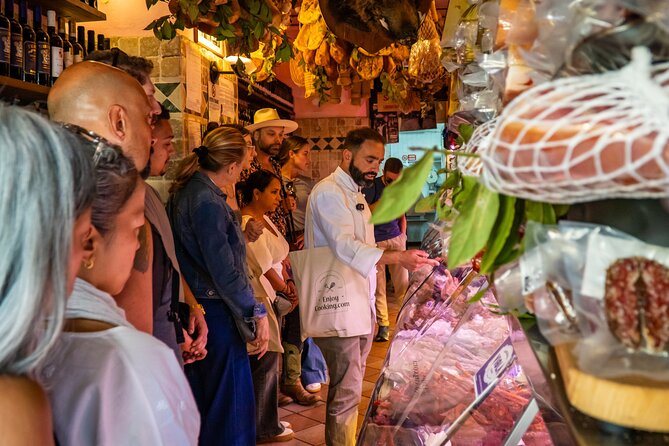
The class begins at Campo de’ Fiori market, and the point is more than photos. You’re shown how a Roman cook thinks: buy the right building blocks, then let the simplicity do the work.
You’re guided by your local expert chef, and you shop for fresh ingredients including meats and cheeses from Norcineria Viola, plus bread from Forno Campo de’ Fiori. That specific pairing is smart because it reflects how Roman meals are assembled. Bread and cheese aren’t afterthoughts, and meats can define the entire flavor direction.
In the best moments described by past guests, the market time feels like you’re living a day in the life of a Roman cook. Reviews mention grabbing breakfast at a bakery, getting a cut of meat from the butcher, and hand-picking vegetables and cheeses. Even if your session’s exact stops vary slightly, the concept stays consistent: you’re learning the logic behind the ingredient choices.
What you should watch for during market time
You might be tempted to treat this as pure sampling, but try to stay focused on what you’re buying. Ask your chef why a particular cheese works for the dish you’ll make, or how meat selection changes taste and texture.
Also, keep your pace steady. Market shopping moves quickly, and the group size is small, so you’ll want to stay close to your leader when you’re sampling or selecting items.
Norcineria Viola and bread from Forno Campo de’ Fiori
These two ingredient sources are where the class earns its value. Knowing the names is useful because it takes the guesswork out of recreating the vibe later.
Norcineria Viola is where you’ll find meats and the kind of cured or prepared options that help Roman cooking feel authentic. Bread from Forno Campo de’ Fiori matters for the same reason. In many Roman meals, bread is part of the structure, from eating alongside dishes to supporting the flavors of cheese and meats.
Even if you don’t become a gourmet shopper overnight, you’ll learn what to look for: freshness, recognizable quality, and simple staples that play well together. That’s one reason the class is more than a cooking demo. It teaches how to choose.
More Lazio bottles opened near Rome:
The pasta kitchen near Piazza Mattei: from ingredients to dough
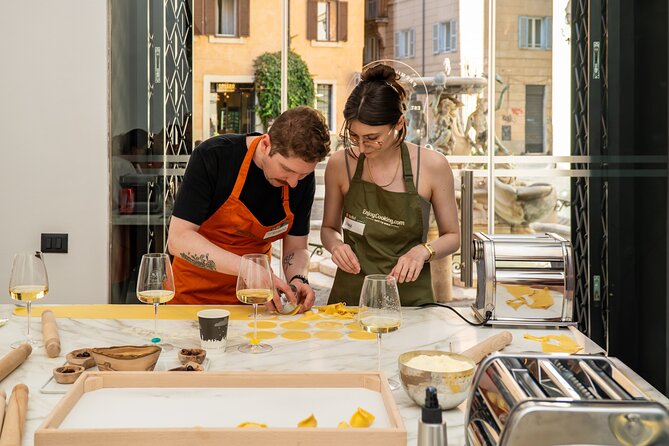
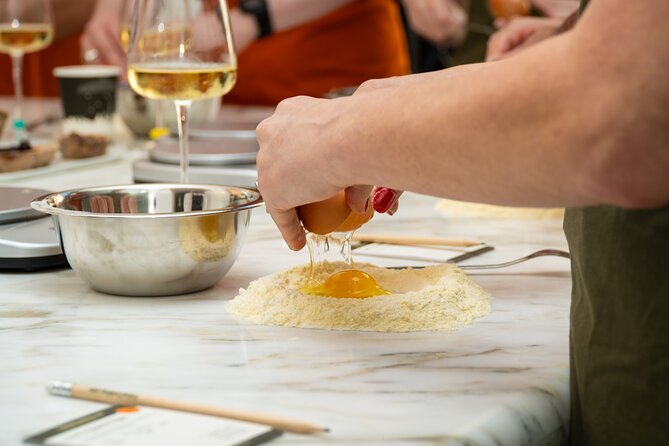
After shopping, you head to the kitchen near the Turtle Fountain in the Jewish Ghetto at Piazza Mattei. This is a key transition point in the experience. Once you’re in the kitchen, the market education becomes real, because you take ingredients and turn them into pasta dough and fillings.
Here’s where hands-on instruction really changes things. A small group and a cooking leader mean you’re not stuck copying someone at a distance. You get guidance on technique, timing, and how dough should feel as you work it.
You’ll craft handmade pasta and ravioli from scratch. That includes shaping work, sealing skills, and learning how to keep the dough manageable. If you’ve only made fresh pasta at home from packaged flour or you’ve never used a rolling pin, this type of guidance is the difference between a fun craft and a frustrating mess.
Roman-style expectations for your ravioli
Roman pasta traditions are often about straightforward ingredients and solid technique. Your class is designed around that idea, so you’re not juggling dozens of complex steps.
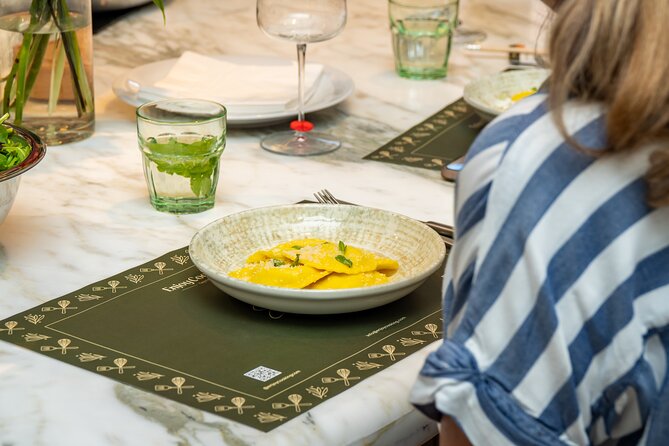
The hands-on goal is that you leave with ravioli you can point to and say, I made that. Past guests call out the personal attention as a major reason it works, and that aligns with the small-group size, max 12.
Making a traditional Italian dessert from scratch
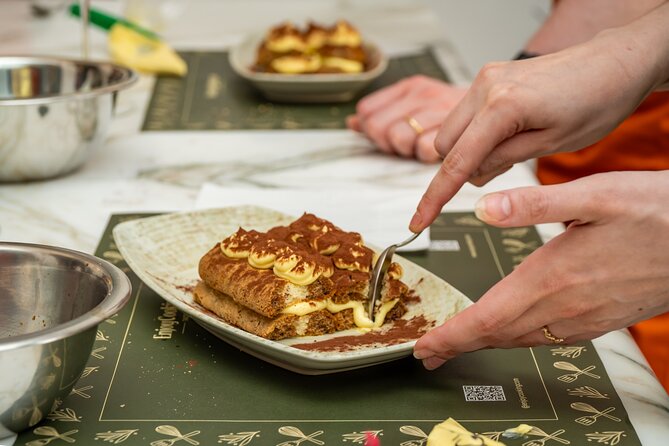
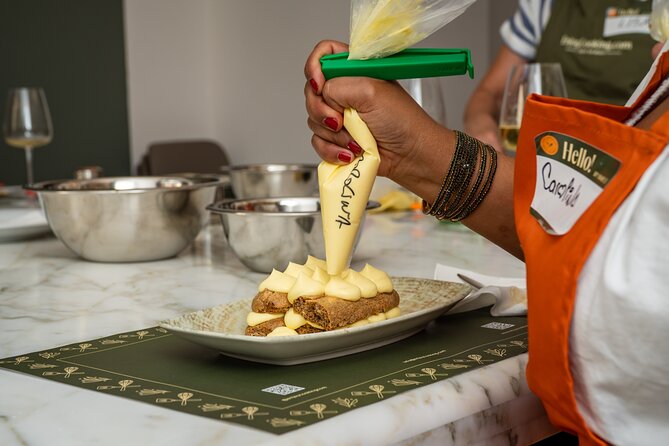
This class doesn’t stop at pasta. You also make a traditional Italian dessert from scratch, guided by your chef.
Dessert in a cooking class can go one of two ways: either it’s an afterthought, or it becomes a real skill. Here, it’s part of the core plan, so you get time to work through it with instruction and then eat it as part of your meal.
Reviews include tiramisu, and that fits the Roman dessert rhythm many people associate with this kind of experience. Even if the exact dessert varies by session, the key is that you’re practicing scratch dessert technique, not just assembling something from pre-made components.
Wine with your meal: turning cooking into lunch
The experience includes fine Italian wine throughout, and the meal is sit-down. That combination is a big deal because it turns your cooking output into a shared, comfortable pause in the middle.
Instead of carrying finished food around, you sit, taste, and connect. You get a chance to compare your ravioli with what the group made, and you can see how small differences in shaping and seasoning play out on the plate.
Past guests also mention a feast-style setup that goes beyond just one dish. One review described cooking a full spread that included fresh pasta, veal cotoletta, salad, and tiramisu, with multiple bites like prosciutto, cheeses, cookies, and pizza appearing as part of the meal flow. That tells me the goal is a satisfying lunch, not a token tasting.
Wine being included also means you won’t be scrambling to find a place for a glass later. For many visitors, that’s the difference between a cool activity and a complete food experience.
Group size, chef energy, and why names matter here
This is a max 12 traveler class, and that’s not just a number. It affects everything: how quickly you get help, how easy it is to ask questions, and how much time the chef can spend on each person’s technique.
In reviews, chefs such as Alessandro and Max are specifically praised for being passionate, welcoming, knowledgeable, and funny. I take that seriously because the market-to-kitchen flow can feel overwhelming if the leader is stiff or unclear. Here, the leadership is described as warm and personal, which is exactly what you want when you’re learning a skill you don’t have yet.
If you’re cooking with strangers, a lively guide also helps. Several reviews mention laughs and that people felt right at home from the start. That social comfort matters, especially for solo travelers who want conversation without forcing it.
What you’ll actually eat and why it matters
This class is built around making, then eating. You create handmade pasta and ravioli, plus a traditional Italian dessert from scratch, and then you enjoy a sit-down meal with what you made.
The practical value is that your brain links technique to taste while the experience is still fresh. You’ll remember what the dough felt like when you rolled it, and you’ll connect that to the final texture on your fork. That’s how cooking classes become more useful than souvenirs.
You might also encounter extra bites that come directly from the market process. One account mentions gelato and other Roman snacks like suppli, plus pizza grabbed from the market. Since the structured core is ravioli and dessert, you can treat any extra market treats as a bonus rather than a promise.
Price and value: is $150.51 worth it?
At $150.51 per person for about 4 hours, it’s not a budget activity. But when you compare what’s included, the value gets clearer.
You’re paying for:
- A local expert chef and guided market shopping
- Premium cooking equipment
- Fresh high-quality ingredients
- Fine Italian wine throughout
- A sit-down meal featuring what you make
You also avoid the hidden costs that often show up in food tours. If you were to do market shopping on your own and then find a cooking class plus wine plus ingredients, it would likely add up fast. Here, those pieces are packaged together.
The only “cost” you should factor in is your time and effort. You’ll need to get yourself to the meeting point and stick with the schedule. If you want a totally no-planning, lounge-style morning, a cooking class probably isn’t your best fit.
Who this is best for (and who should skip it)
This works well if you want authentic Roman food but not just from a plate. If you like markets, hands-on skills, and sitting down to eat together, you’ll probably have a great time.
It’s also a solid pick if you’re a beginner. Reviews specifically mention it being great for beginners and even families, because the chefs make steps feel simple and fun. You don’t need prior cooking talent. You need curiosity and a willingness to get flour on your hands.
You might skip it if:
- You hate cooking classes or you strongly prefer watching instead of doing
- You’re short on time and cannot be at Campo de’ Fiori by 9:45 am
- You want a fully vegetarian or fully specific dietary plan, since the menu includes meats and cheese, and the exact ingredient list isn’t described in the details you provided
Quick FAQ for planning your Rome morning
FAQ
What time does the tour start?
The tour starts at 9:45 am.
How long is the experience?
It lasts about 4 hours.
Where is the meeting point?
Meet at Monumento a Giordano Bruno, Piazza Campo de’ Fiori, 00186 Roma RM, Italy.
Where does the tour end?
The activity ends back at the meeting point.
Is the class in English?
Yes, the experience is offered in English.
Is wine included?
Yes, fine Italian wine is included throughout the experience.
What do you make during the class?
You make handmade pasta and ravioli, and you also craft a traditional Italian dessert from scratch.
How big is the group?
The group size is capped at a maximum of 12 travelers.
Is the price all-inclusive?
The experience includes local expert chef guidance, fine Italian wine, premium cooking equipment, fresh ingredients, and a sit-down meal with dishes you prepared. Tips and hotel pickup and drop are not included.
Can I cancel for a full refund?
Yes, you can cancel up to 24 hours in advance for a full refund.
Should you book this farmer’s market and pasta making class?
If you want one Rome activity that feels practical and memorable, I’d book this. You get market learning, hands-on pasta skills, and a sit-down meal with wine, all within a half-day window. The small group size also keeps the experience personal, which is huge for beginners.
Book it especially if you love Campo de’ Fiori and you’d rather learn how Roman food is made than just hear about it. Skip it only if you cannot make the 9:45 am start or you don’t want to cook. If those aren’t issues, this is the kind of class that turns into a story you’ll tell later, with real food attached.
More Markets in Rome
- Rome: Colosseum, Roman Forum & Trajan’s Market Exterior Tour
★ 4.3 · 2,038 reviews - Roman Food Tour with Visit to the Trionfale Food Market
★ 5.0 · 471 reviews - Authentic Roman Cooking Class & Market Experience
★ 5.0 · 363 reviews - Trevi Fountain, Pantheon, and Campo Dei Fiori Market Food and Wine Tour
★ 5.0 · 320 reviews
Roman Kitchens to Cook In
- Rome: 3-in-1 Fettuccine, Ravioli, and Tiramisu Cooking Class
★ 4.9 · 2,704 reviews - Rome: Fettuccine Pasta Cooking Class in Rome’s City Center
★ 4.8 · 2,414 reviews - Fettuccine & Tiramisù: Cooking Class with Wine & Limoncello
★ 4.9 · 2,103 reviews - Rome: Pasta & Tiramisu Cooking Class near the Spanish Steps
★ 4.8 · 1,395 reviews
Latest additions from Rome
- Rome: Testaccio Market Food Tour with Street Food & Wine★ 5.0 · 8 reviews
- Exclusive Pasta & Tiramisu Class with Wine near by Colosseum★ 5.0 · 8 reviews
- Private Professional Photoshoot in Rome★ 5.0 · 8 reviews
- Loreto “Shrine of the Holy House of the Virgin Mary” Private Tour from Rome★ 5.0 · 8 reviews
- Rome Day to discover Florence and Pisa Hotel Pickup★ 4.5 · 8 reviews
- Guided Tour of Vatican Museums and Sistine Chapel★ 5.0 · 8 reviews
- Rome: Christmas Nativities and Angels Tour★ 3.1 · 8 reviews
- Rome: Cooking Class of fresh Pasta and Tiramisu Cake★ 5.0 · 8 reviews
Pasta and Tiramisu Cooking Classes, compared.
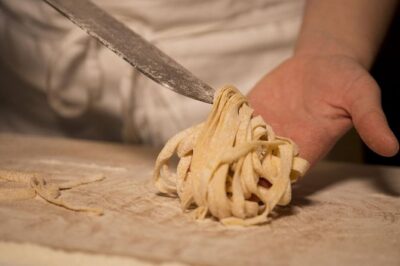
3 in 1 Cooking Class near Navona: Fettuccine, Ravioli & Tiramisu
Read our review →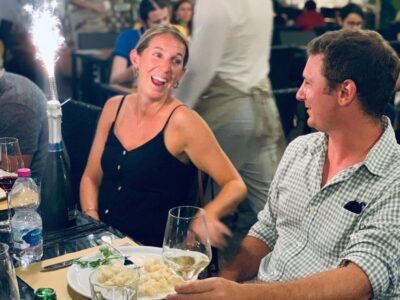
Pasta & Tiramisu Class with Fine Wine by the Vatican
Read our review →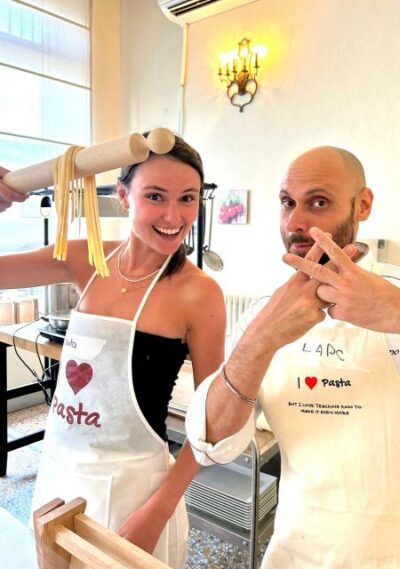
Pasta Making Class with Wine, Limoncello, and Dessert
Read our review →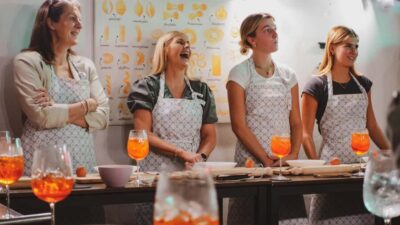
Rome Cooking Class: Make Pasta and 3 Spritz Cocktails
Read our review →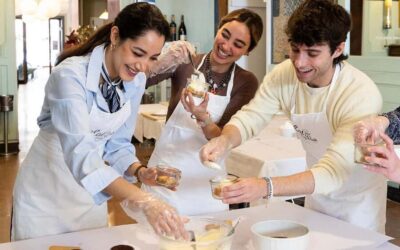
3-in-1 Fettuccine, Ravioli, and Tiramisu Cooking Class
Read our review →
Fettuccine Pasta Cooking Class in Rome’s City Center
Read our review →
Learn to Make Pasta & Tiramisu with Wine and Limoncello Included
Read our review →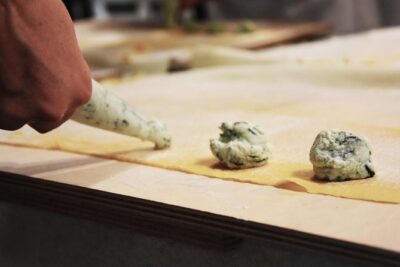
Become a Masterchef in Rome: Pasta, Ravioli and Tiramisù Class
Read our review →Browse the lists this tour appears in