
Fresh pasta, minus the museum vibe. This small-group dinner cooking class in Rome puts you in a working Italian kitchen and teaches you Roman classics like ravioli, fettuccine, and gnocchi, then you sit down to eat them with wine. You also get the stories behind the dishes, not just the steps.
I especially like how hands-on the pasta work is, even when the venue is not a quiet kitchen. It is also a nice “Rome evening plan” since you start at 4:30 pm near Piazza Navona and end with dinner you helped make. One thing to weigh, though, is that the class location can be a restaurant kitchen, and on busy nights it may feel a bit rushed or less hands-on than the romantic home-kitchen idea.
In This Review
- Quick key points
- Roman pasta by 4:30 pm, near Piazza Navona
- The menu you can expect: pasta, bruschetta, and tiramisu
- Inside the kitchen: what you do versus what you watch
- Your dinner table: wine, starters, and eating right away
- Group size, English support, and the roles of Richie, Holly, Loretta, Laura
- Price and value for 2.5 to 3.5 hours in Rome
- Practical tips for a smooth evening
- Should you book this Roman Chef for a Day class?
- FAQ
- How long is the small group cooking class?
- Where do we meet for the 4:30 pm start?
- What dishes will we make?
- Is a vegetarian option available?
- Will there be wine, and is there an age limit?
- Is this class held in a home kitchen?
- How big is the group?
- Is hotel pickup included?
- What is the cancellation policy?
Quick key points
- 4:30 pm start near Piazza Navona means an easy evening activity close to the action
- You learn real pasta techniques focused on shaping and dough handling
- Dinner is included with starters, dessert, and wine
- Menu changes by season and what is freshest that day
- English support via a guide or interpreter helps you stay in the loop
- Maximum 15 people keeps it personal and question-friendly
Roman pasta by 4:30 pm, near Piazza Navona
This is one of those Rome activities that fits naturally into a travel day. You meet at Piazza Navona 14 for a 4:30 pm start, close to the Pantheon. If your days in Rome run long, this timing is smart: you get a hands-on experience without losing your entire night.
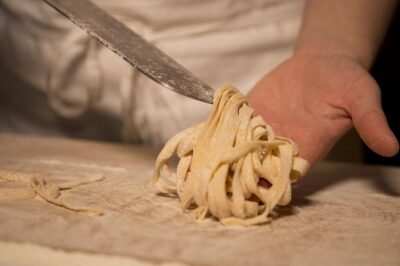
The heart of the experience is simple. You are working with flour, eggs, and other ingredients alongside a professional chef, then you eat what you made. That matters because pasta in Italy is not just food, it is technique, and technique sticks better when your hands do the work.
A small-group setup keeps things from turning into a demo where you watch and wait. Your class can still have a mix of experience levels, but the format is designed so you can participate. You will also hear legends and background about why dishes became popular, which is one reason the meal later feels more meaningful than a generic cooking show.
More Small-Group Tours in Rome
- Skip-the-Line Vatican, Sistine Chapel & St. Peter’s | Small Group
★ 5.0 · 7,060 reviews - Rome: Colosseum Underground Small Group Guided Tour
★ 4.7 · 4,844 reviews - Rome: Skip the Line Vatican, Sistine Chapel, St Peter Small Group
★ 5.0 · 3,847 reviews - Rome on a Golf Cart Semi-Private Tour Max 6 with Private Option
★ 5.0 · 2,502 reviews
The menu you can expect: pasta, bruschetta, and tiramisu
The “Roman Chef for a Day” part is about fresh pasta skills. The course commonly includes making fettuccine, ravioli, and/or gnocchi, plus some starter components and dessert. The exact menu can shift depending on the season and ingredients that day.
Sample dishes you might see include:
- Bruschetta al pomodoro (tomato bruschetta)
- Fettuccine al Ragu Bolognese or Carbonara
- Ravioli di ricotta e spinaci (ricotta and spinach)
- Gnocchi al pesto (potato dumplings with pesto)
- Tiramisu for dessert
Here is the practical part: you should think of the class as a pasta-focused evening with extras. Some nights you might do more than one component, and other nights you might focus hardest on the dough and shaping. That difference usually comes down to how busy the kitchen is and how much has already been prepped behind the scenes.
You also have a chance to steer the direction slightly. If you have a preference, you can add special notes during booking, and the team can adjust what you make when possible. If you are vegetarian, you can request that too, in advance.
Inside the kitchen: what you do versus what you watch
The class is held either at a restaurant or the chef’s house, depending on the session. That is great to know up front because it affects the vibe, noise level, and how much space you get to work. A home kitchen often feels more intimate, while a restaurant kitchen can be more hectic, since dinner service may be happening at the same time.
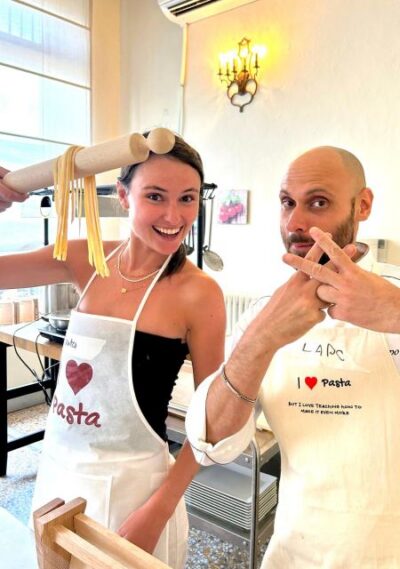
In the best versions of this class, you are actively working the dough, assembling fillings, shaping pasta, and learning how to get the texture right. You might also learn sauce basics and how classic Roman flavors are built. Since the course is designed as a hands-on pasta lesson, you should expect participation rather than passive viewing.
Still, be realistic about what “included” cooking time can look like. On some nights, sauces or other elements may be partly done already so the dinner can come together on schedule. You might also find that the kitchen rhythm is driven by the restaurant’s needs, not just your class. If you are the type who wants to do absolutely every step from start to finish, you will want to manage expectations and ask questions early in the session.
Small-group format helps. When the group is tiny, the chef and interpreter can check your dough, your folds, and your shaping more often. Names that pop up in past sessions include interpreters and coordinators like Holly or Richie, and chefs like Loretta or Laura. You cannot assume the exact duo each time, but the interpreter role is key, especially if the chef does not speak English.
Your dinner table: wine, starters, and eating right away
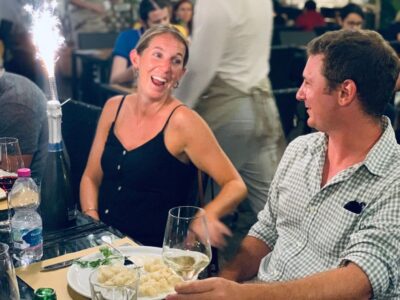
This is not a “cook, then pack your food and leave” class. You sit down and enjoy your creations. The dinner typically includes starters, dessert, and wine, served as part of the evening flow.
The wine part is real, but keep the obvious rule in mind: the minimum drinking age is 18. If you do not drink, that is still manageable, but the dinner experience is built around the full pairing.
What I like about eating right away is that you taste with fresh context. When you just made the pasta, you notice things you would not otherwise. You feel the difference in thickness, hydration, and sealing technique. You also learn what “right” feels like for filling distribution in ravioli or the chew and ridges that make gnocchi hold sauce.
Another practical point: the dinner setting may be in a private room or inside the restaurant space. Either way, the goal is the same, you eat a meal that feels like it came from a Roman home dinner, just with a chef guiding you.
Group size, English support, and the roles of Richie, Holly, Loretta, Laura
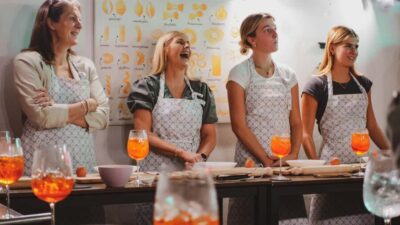
The class is capped at 15 travelers. In practice, some sessions can be much smaller, and that can make a noticeable difference in how much personal attention you get while shaping pasta.
Language support is built in. The class is offered in English, and an interpreter or guide works with you so you can follow the chef’s instructions, not just smile through them. If you end up with an interpreter like Holly or Richie, you will likely get clear explanations, plus help with timing and where to stand in the kitchen.
The chef may be the main teacher in terms of technique, and the interpreter bridges your questions. That matters because pasta is not only about ingredients. It is also about texture, handling, and small signals like when dough is too dry or too sticky.
A small-group dinner also means you meet other people, often in a friendly, low-pressure way. If you prefer conversations that are easy to start, the dinner part helps. You are all learning the same foods, so it is natural to compare what you liked, what you struggled with, and how you will try it back home.
Other Roman benches to work at for a morning:
Price and value for 2.5 to 3.5 hours in Rome
At $107.23 per person, this is not a budget-only activity. But it does include several things that usually cost extra when bought separately: the cooking lesson itself, the dinner built around what you made, and the promise of recipes to take home. All taxes and fees are included in the price.
It is also timed as an evening activity, which is often where value lives. Instead of spending time hunting for dinner plans, you get a scheduled meal that is part of the experience. You are paying for your own instruction plus a sit-down dinner, not just ingredients.
Now for the balanced reality check. Reviews from past diners show that the experience can vary in how much of the menu is fully cooked by participants. Some nights focus heavily on pasta, while others include more starters and dessert in the hands-on flow. If your main goal is mastering multiple dishes start-to-finish, the shorter class window means you should expect intensity, not a long workshop.
If you care most about learning one or two pasta techniques well, this format is a good deal. And if you will actually cook at home later, the recipes portion can turn the class from a one-time dinner into something you use again.
Practical tips for a smooth evening
This is a simple plan, but a few details can save you stress.
- Be on time. You start at 4:30 pm and the guide waits at the meeting spot in Piazza Navona. When you arrive, look for three fountains and a church in front of the middle fountain. If you face the church, number 14 is to the left side. Your sign will say Savor Italy Tours.
- Bring a flexible mindset about the venue. The class is in either a restaurant or the chef’s house. Either can be great, but the feel is different.
- Plan for an interpreter. Even when the chef does the teaching, you might rely on English translation to get the how and why right.
- Ask for your dietary needs early. A vegetarian option is available if you request it at booking. Some past sessions also handled gluten-free needs well, but you should always mention requirements up front.
Also, add a special note if you have preferences, like focusing on ravioli over gnocchi, or skipping a dish you will not eat. The menu can change based on what is freshest that day, so being clear helps.
Should you book this Roman Chef for a Day class?
Book it if you want a focused evening in Rome where you learn fresh pasta skills and then eat a meal made with your own hands. This is especially good if you like practical lessons, small groups, and the kind of dinner that tastes better because you were there during the making.
Skip it or choose a different style of class if you want a quiet home kitchen atmosphere with zero restaurant pressure, or if you expect to do every single step for every menu item with full hands-on time. Because the kitchen may be working while you are learning, the flow can be tight.
My decision rule is simple: if you are there to learn how to work dough and shape pasta, and you are happy to treat the rest as part of a shared meal experience, you will likely leave very satisfied.
FAQ
How long is the small group cooking class?
It runs about 2 hours 30 minutes to 3 hours 30 minutes.
Where do we meet for the 4:30 pm start?
Meet at Piazza Navona 14. Look for the sign Savor Italy Tours, near the middle fountain and a church.
What dishes will we make?
You will make classic Italian dishes such as fettuccine, ravioli, and/or gnocchi, plus starters and dessert. Sample dishes include bruschetta al pomodoro, fettuccine al ragu bolognese or carbonara, ravioli di ricotta e spinaci, gnocchi al pesto, and tiramisu. The exact menu can change by season.
Is a vegetarian option available?
Yes. A vegetarian option is available if you advise at booking.
Will there be wine, and is there an age limit?
You will enjoy the meal with wine. The minimum drinking age is 18.
Is this class held in a home kitchen?
The class is held either at a restaurant or the chef’s house, depending on the session.
How big is the group?
The group is small, with a maximum of 15 travelers.
Is hotel pickup included?
Hotel pickup and drop-off is not included unless you selected that option.
What is the cancellation policy?
This experience is non-refundable and cannot be changed for any reason.
Roman Kitchens to Cook In
- Rome: 3-in-1 Fettuccine, Ravioli, and Tiramisu Cooking Class
★ 4.9 · 2,704 reviews - Rome: Fettuccine Pasta Cooking Class in Rome’s City Center
★ 4.8 · 2,414 reviews - Fettuccine & Tiramisù: Cooking Class with Wine & Limoncello
★ 4.9 · 2,103 reviews - Rome: Pasta & Tiramisu Cooking Class near the Spanish Steps
★ 4.8 · 1,395 reviews
Latest additions from Rome
- Guided Tour Vatican Museums & Sistine Chapel★ 4.1 · 30 reviews
- Exclusive Rome by Night Vespa Tour★ 5.0 · 30 reviews
- Transfer Rome to Airports★ 4.5 · 30 reviews
- Vatican: St.Peter’s Basilica & Dome – Reserved Entry & Tour★ 4.1 · 30 reviews
- Rome street art tour: off the beaten path with a local guide★ 5.0 · 30 reviews
- Tivoli, Hadrians Villa and Villa d’Este, a charming day trip from Rome★ 4.5 · 30 reviews
- Rome Food Tasting with Wine Pairing Italian Authentic Flavors★ 5.0 · 31 reviews
- Inspirational Cooking on the Roman Chef’s Panoramic Terrace★ 5.0 · 30 reviews
Small-Group Tours in Rome, compared.
Skip-the-Line Vatican, Sistine Chapel & St. Peter’s | Small Group
Read our review →
Colosseum Underground Small Group Guided Tour
Read our review →
Skip the Line Vatican, Sistine Chapel, St Peter Small Group
Read our review →
Rome on a Golf Cart Semi-Private Tour Max 6 with Private Option
Read our review →
Complete Early Morning Vatican Tour | Small Group
Read our review →
Borghese Gallery & Gardens Small Group Guided Tour
Read our review →
Colosseum & Forum Small Group Tour with Palatine Hill
Read our review →
Rome by Night: E-bike Small Group Tour -Food & Wine (Option)
Read our review →Browse the lists this tour appears in