
Reviewed · PASTA AND TIRAMISU COOKING CLASSES
Trastevere Pasta Masterclass with Foodies from Rome
Fresh pasta teaches you more than you expect. This 3-hour Rome masterclass has you making fresh pasta and classic sauces with a small-group feel, then you eat what you made with wine.
I really like how hands-on it is, from mixing dough to rolling shapes you can actually use at home. I also like the teaching style of Gio and Sacha, with clear, patient guidance while you work.
One drawback to consider: at $82 for 3 hours, you want to enjoy cooking, not just watching, and it is not suitable for gluten or lactose intolerance, wheelchair users, or children under 16.
In This Review
- Key points at a glance
- Why This Trastevere-Style Pasta Class Feels More Local Than Tourist
- The Studio Setup, Neighborhood Vibe, and How the 3 Hours Are Used
- From Eggs and Flour to Dough You Can Actually Work With
- The Three Sauce Lessons That Make Classic Roman-Style Pasta Click
- Cacio e Pepe, made to feel simple
- Pesto that tastes like it should
- Cherry tomato sauce built for pasta
- Tortelli, Ravioli, and Spaghetti, Shaped With Real Technique
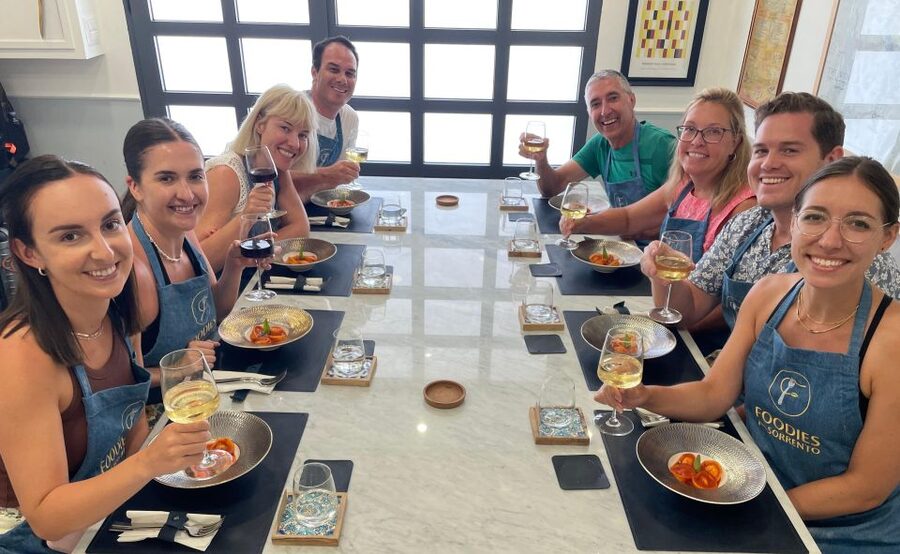
- The Meal Part: Wine, Light Snacks, and Eating What You Made
- What You Take Home: PDFs, Confidence, and a Repeatable Menu
- Price and Value: Is $82 Worth It?
- Who This Pasta Masterclass Fits Best (And Who Should Skip It)
- Should You Book This Trastevere Pasta Masterclass?
- FAQ
- How long is the pasta masterclass?
- What is the group size?
- What pasta dishes and sauces are included?
- Is wine included?
- Is it suitable for kids or food intolerances?
- Where do I meet the class?
Key points at a glance
- Small group limited to 4, so you get real attention while you shape pasta.
- Three signature pasta-sauce combos: cacio e pepe spaghetti, pesto ravioli, and cherry tomato sauce tortelloni.
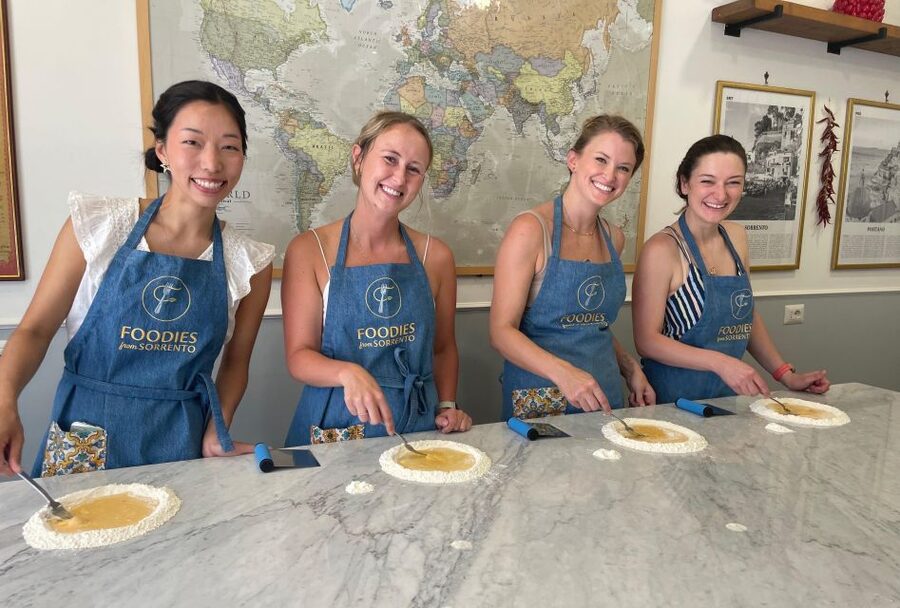
- You make pasta dough from scratch, mixing eggs and flour and learning rolling basics.
- Wine or lemon soft drink plus light snacks, so the evening keeps a good pace.
- Digital recipe PDFs for all 3 sauces and dishes, built for repeat cooking at home.
- Meeting point is a specific studio, ring the bell when you arrive at Foodies from Sorrento Cooking Studio.
Why This Trastevere-Style Pasta Class Feels More Local Than Tourist
If you only do one food experience in Rome, pick the one where your hands do the work. This class is built around three iconic pasta styles and the sauces that make them Italian staples. You learn the techniques, taste as you go, and leave with recipes you can follow again.
The best part is the balance. It’s structured enough that beginners can succeed, but it’s not stiff. You are actively shaping tortelli, ravioli, and spaghetti, then pairing them with classic sauces like cacio e pepe, pesto, and a cherry tomato sauce.
Two things help it feel authentic. First, the teaching focuses on how fresh ingredients behave, not just the final dish. Second, you get a real social rhythm, with conversation and wine flowing while you cook, not after you’re done.
Other kitchens rolling pasta and folding tiramisu:
- 3 in 1 Cooking Class near Navona: Fettuccine, Ravioli & Tiramisu
★ 5.0 · 7,376 reviews - Rome: Pasta & Tiramisu Class with Fine Wine by the Vatican
★ 4.9 · 4,852 reviews - Rome: Pasta Making Class with Wine, Limoncello, and Dessert
★ 4.9 · 3,177 reviews - Rome Cooking Class: Make Pasta and 3 Spritz Cocktails
★ 5.0 · 2,937 reviews
The Studio Setup, Neighborhood Vibe, and How the 3 Hours Are Used
The class runs for 3 hours, which is a sweet spot. Long enough to go from dough to finished plates, short enough that you do not feel worn out halfway through. You’ll get started in the studio environment, described as between the Trastevere and Testaccio area mood, with a warm, welcoming atmosphere.
You meet at Foodies from Sorrento Cooking Studio. When you arrive, ring the bell once you get there. Transportation and parking are on you, so I’d plan your route and avoid last-minute guessing.
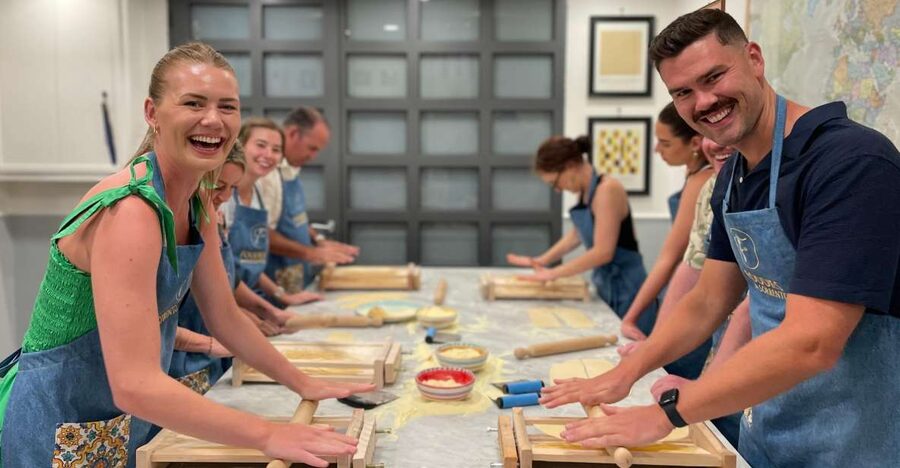
Because the group is limited to 4 participants, you should expect more direct coaching. That matters because pasta is all about tiny decisions, like thickness and sealing (for ravioli and tortelli). In a bigger class, those details get lost. Here, you have a chance to fix mistakes in real time.
Also note the basics: the instructor speaks English, and the class is hands-on from start to finish. You’ll be using an apron and cooking utensils, so you don’t need to bring kitchen gear.
From Eggs and Flour to Dough You Can Actually Work With
The first real skill is dough. You’ll roll up your sleeves and mix eggs and flour to create pasta dough from scratch. This is where most cooking classes either teach you how, or they just show you pretty steps. Here, you do the work.
What you’re learning is not only how to make dough, but how to understand it. Fresh pasta dough should feel smooth and workable, and it changes as you handle it. That’s why the coaching matters, especially if you’ve never rolled dough before.
The workshop also emphasizes practical timing. Pasta dough and fillings are not meant to sit around forever, and sauce flavors are best when you build them while pasta cooks. You’ll notice how the chef keeps tasks moving so everyone gets a turn without rushing you out the door.
If you’re curious about the small technique details, this is the class for you. The format keeps returning to the same theme: correct texture, correct heat, and correct seasoning. It’s the kind of guidance that makes later home cooking feel possible instead of intimidating.
The Three Sauce Lessons That Make Classic Roman-Style Pasta Click
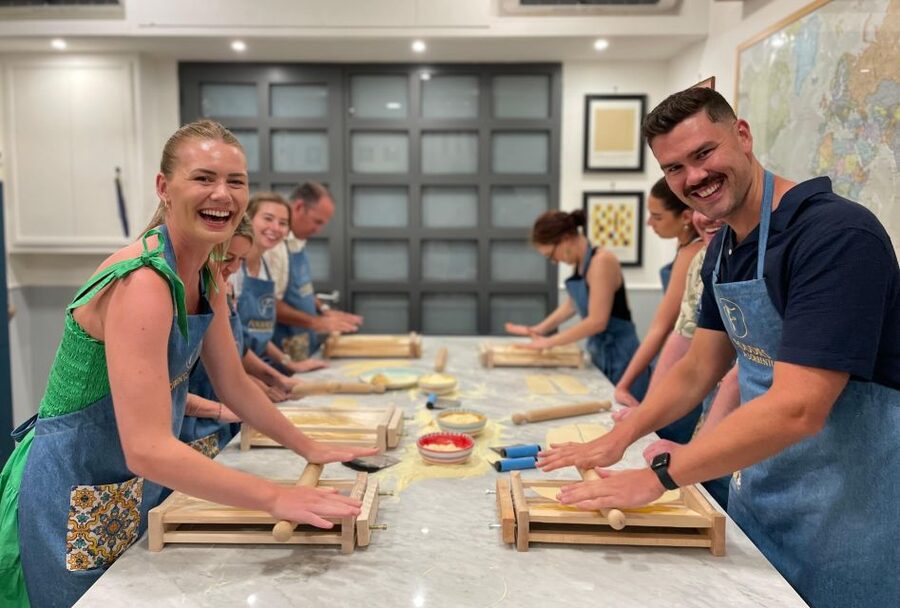
The sauces are not side quests. They are the backbone of what makes each pasta shape feel truly Italian. In this class, you practice sauces that cover three very different flavor directions.
Cacio e Pepe, made to feel simple
Cacio e pepe is all about balance and timing. You learn how to work with the cheese and seasonings in a way that keeps the sauce from becoming clumpy or flat. The chef gives tips for classic preparation and for getting the right texture while spaghetti cooks.
This is a great sauce lesson if you want something you can repeat at home. The ingredients can be simple, but the method is what separates good from great.
Another shape for the same afternoon in Rome:



Pesto that tastes like it should
For pesto, you learn the fundamentals behind the sauce style, then pair it with ravioli. Pesto is one of those sauces that can taste great with very little effort if you get the right approach. The class focuses on fresh ingredients and technique, not bottled shortcuts.
The result is that pesto stops being a jar you use in a pinch. You start thinking like a cook: what needs to be brighter, what needs to be more balanced, and when to add it.
Cherry tomato sauce built for pasta
You also make a cherry tomato sauce for tortelloni. This teaches a different kind of sauce logic. Instead of emulsifying cheese and pepper, you’re working with tomatoes, getting flavor to develop and thicken appropriately to coat pasta.
It’s a valuable contrast. After making all three, you understand why Italian sauce styles are so different. Each one matches a specific pasta shape and cooking method.
Tortelli, Ravioli, and Spaghetti, Shaped With Real Technique
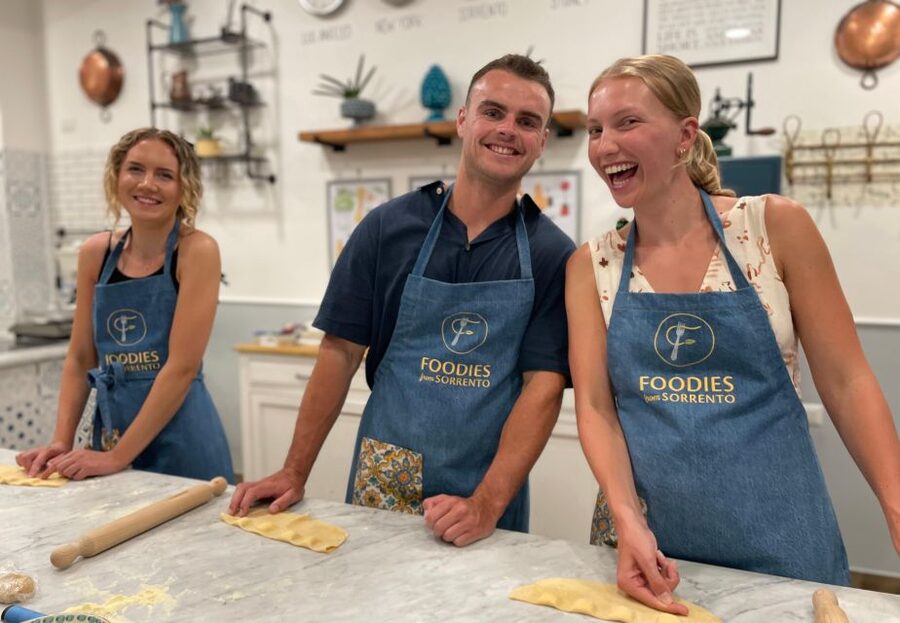
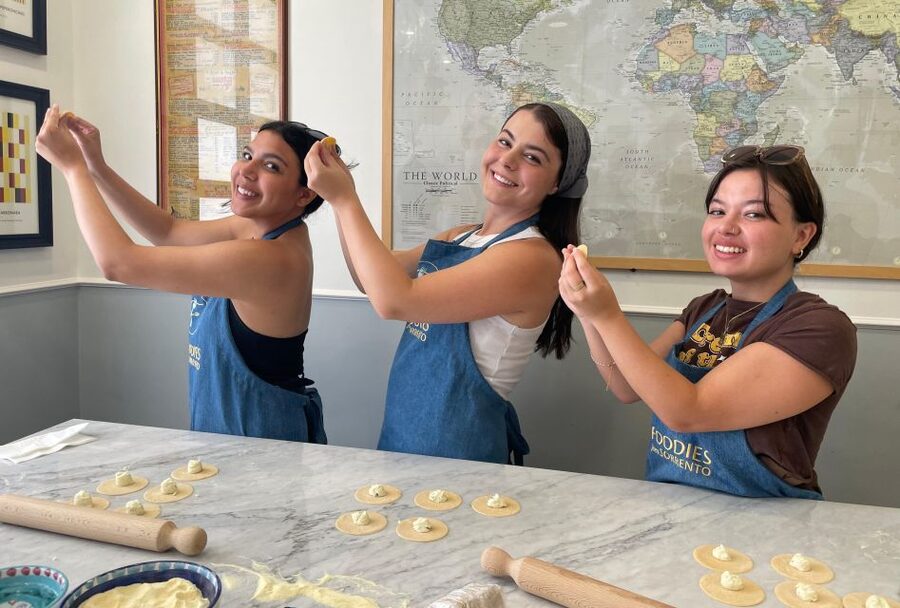
You don’t just make dough and eat it. You shape pasta into tortelli, ravioli, and spaghetti. That’s a big deal because the shape affects cooking time and how sauce clings to every bite.
For tortelli and ravioli, the key skill is rolling and shaping. You’ll learn how to handle dough so it stays workable while you form your pieces. You also get guidance on creating consistent shapes, which helps with even cooking.
Spaghetti is a different type of challenge. Rolling and cutting require focus, but the lesson is also about how sauce behavior changes when pasta is thin and long. With cacio e pepe spaghetti, you’ll see how the sauce clings to the noodles and how the pepper and cheese come together as you eat.
The class keeps it beginner-friendly without being watered down. You work step by step, and when something goes off, Gio and Sacha guide you back onto the right track.
The Meal Part: Wine, Light Snacks, and Eating What You Made
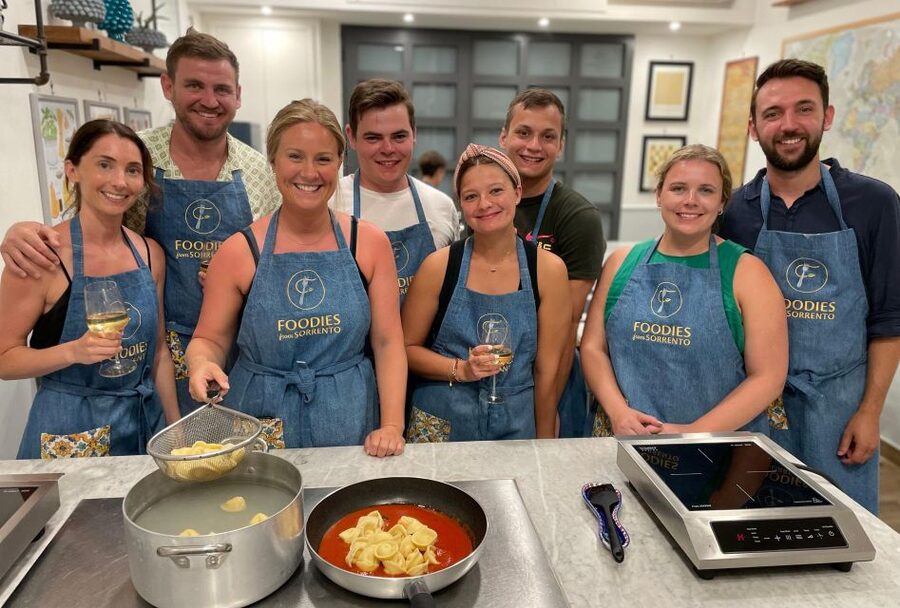
You’ll relax with a glass of wine during the class. If you prefer not to drink, it’s wine or lemon soft drink, so you still get the same social rhythm.
Light snacks are included too, which matters because fresh pasta takes work. You’re mixing, rolling, shaping, cooking, and plating, so a little food support keeps energy steady. By the time you sit down to eat your homemade dishes, you’re hungry in a good way.
This is also where the class clicks culturally. Cooking is not only technical. It’s communal and conversational. You’ll share the table with your group, and the evening keeps moving with talk and photos while the chef manages the flow.
One nice touch is that the teaching is paired with memory-making. The instructors take photos during the class, so you can concentrate on cooking without losing track of the moment.
What You Take Home: PDFs, Confidence, and a Repeatable Menu
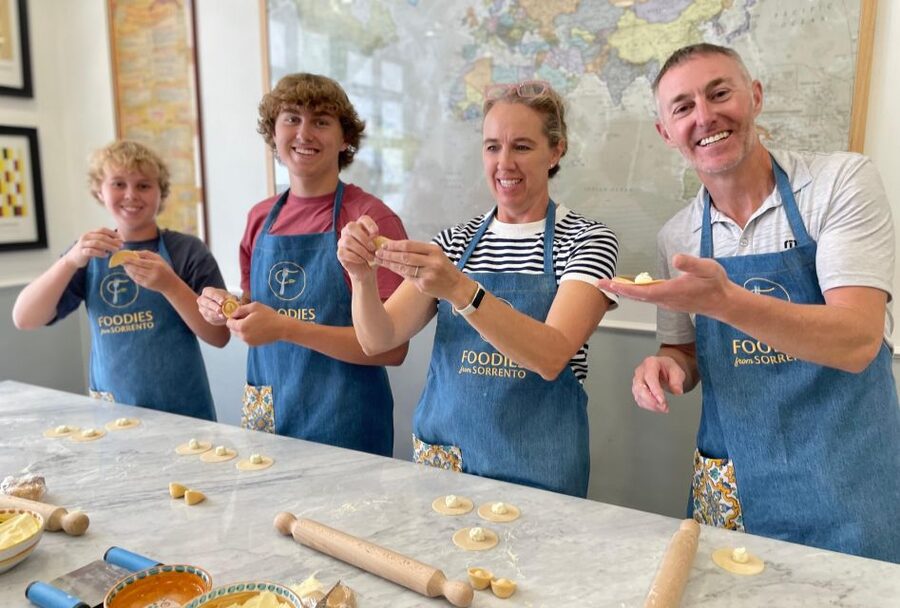
A lot of cooking classes end with recipes that are vague, or they send you home with a link that’s impossible to follow. Here, you get digital PDFs of the 3 recipes and sauces. That gives you a clear path to recreate everything without guessing.
The practical win is confidence. After you make pasta dough from scratch and shape it yourself, the next time you cook at home does not feel like a mystery project. It feels like repeating a procedure you already practiced.
You can also recreate a full menu, not just one dish. The combinations are intentional: cacio e pepe spaghetti, pesto ravioli, and cherry tomato sauce tortelloni. When you have three anchors like that, it’s easier to plan dinner and feel organized.
If you want a class that supports home cooking, this one is built for that.
Price and Value: Is $82 Worth It?
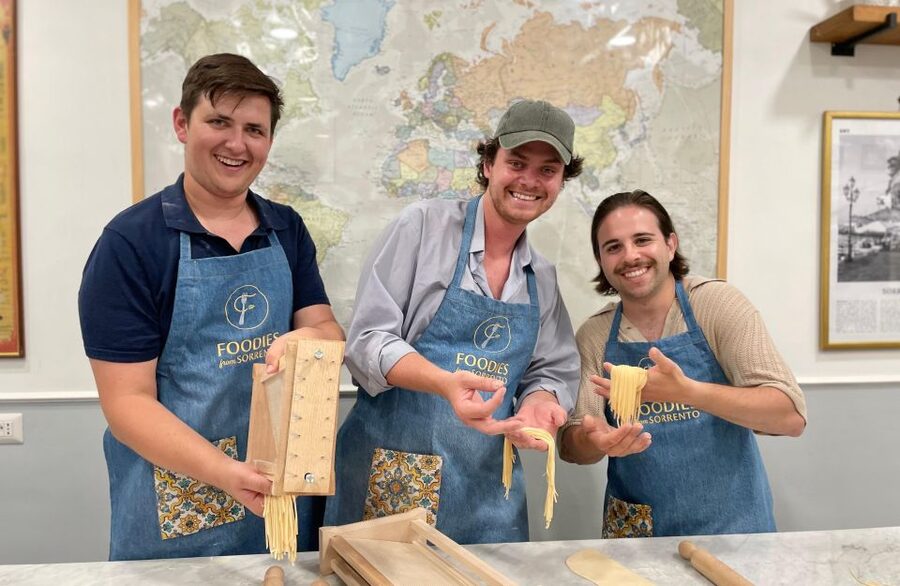
At $82 per person for 3 hours, the value depends on what you want from the night. If you want a hands-on cooking lesson that includes ingredients, tools, snacks, and wine, the price is easier to justify.
Here’s what you actually get included:
- Cooking class with chef instruction
- Local fresh ingredients
- Apron and cooking utensils
- The three pasta-and-sauce components you make
- Light snacks
- Wine or lemon soft drink
- Digital PDFs of all 3 recipes and sauces
That bundle is the key. You are not paying just for a meal. You’re paying for instruction, time, and ingredients, plus the materials that let you recreate the results later.
Also, the small group size matters for value. When you are capped at 4 participants, your technique questions are more likely to get answered on the spot. That’s the kind of difference you feel, not just read about.
Who This Pasta Masterclass Fits Best (And Who Should Skip It)
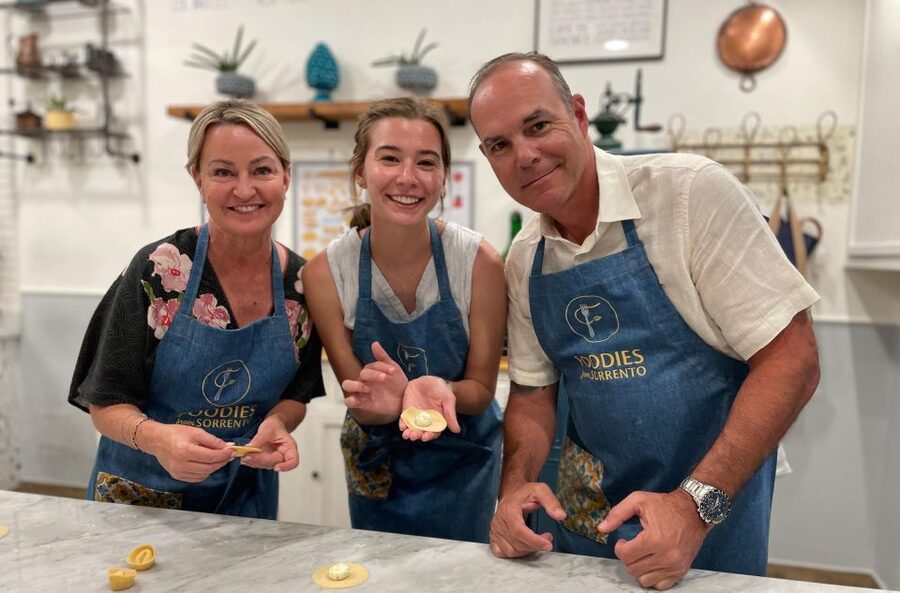
This class is a good fit if you:
- Want an English-taught cooking experience where you work with your hands
- Enjoy classic Italian flavors like cacio e pepe, pesto, and tomato-based sauces
- Like small-group activities where conversation and cooking go together
- Want a menu you can replicate at home using recipe PDFs
It might not be right for you if you:
- Need gluten-free or lactose-free cooking, since it is not suitable for gluten or lactose intolerance or lactose intolerance
- Use a wheelchair, since it is not suitable for wheelchair users
- Are traveling with kids under 16, since the class does not take children under 16
- Want to bring pets, since pets are not allowed
Should You Book This Trastevere Pasta Masterclass?
I’d book it if you want a hands-on Rome food night with real technique, clear instruction from Gio and Sacha, and recipes you can actually use later. The class is short enough to stay fun, but long enough to cover dough, shaping, sauces, and a meal with wine.
You should only pause if you fall into one of the dietary or suitability limits, or if you hate cooking tasks and only want sightseeing. This is work, but it’s joyful work, and you leave with pasta skills you can repeat.
If you’re flexible, the booking setup is friendly, with options to reserve and pay later and cancellation up to 24 hours in advance for a full refund.
If your plan needs one memorable, practical food experience in the Rome area, this is the kind you can still cook when you’re home.
FAQ
How long is the pasta masterclass?
The class lasts 3 hours.
What is the group size?
It is a small group limited to 4 participants.
What pasta dishes and sauces are included?
You’ll make cherry tomato sauce tortelloni, cacio e pepe spaghetti, and pesto ravioli.
Is wine included?
Yes. You get wine or a lemon soft drink.
Is it suitable for kids or food intolerances?
No. It is not suitable for children under 16, people with gluten intolerance, lactose intolerance, or wheelchair users. Pets are also not allowed.
Where do I meet the class?
You meet at Foodies from Sorrento Cooking Studio, and you should ring the bell when you arrive.
Latest additions from Rome
- Exclusive Rome by Night Vespa Tour★ 5.0 · 30 reviews
- Guided Tour Vatican Museums & Sistine Chapel★ 4.1 · 30 reviews
- Transfer Rome to Airports★ 4.5 · 30 reviews
- Vatican: St.Peter’s Basilica & Dome – Reserved Entry & Tour★ 4.1 · 30 reviews
- Rome street art tour: off the beaten path with a local guide★ 5.0 · 30 reviews
- Tivoli, Hadrians Villa and Villa d’Este, a charming day trip from Rome★ 4.5 · 30 reviews
- Rome Food Tasting with Wine Pairing Italian Authentic Flavors★ 5.0 · 31 reviews
- Inspirational Cooking on the Roman Chef’s Panoramic Terrace★ 5.0 · 30 reviews
Pasta and Tiramisu Cooking Classes, compared.
3 in 1 Cooking Class near Navona: Fettuccine, Ravioli & Tiramisu
Read our review →
Pasta & Tiramisu Class with Fine Wine by the Vatican
Read our review →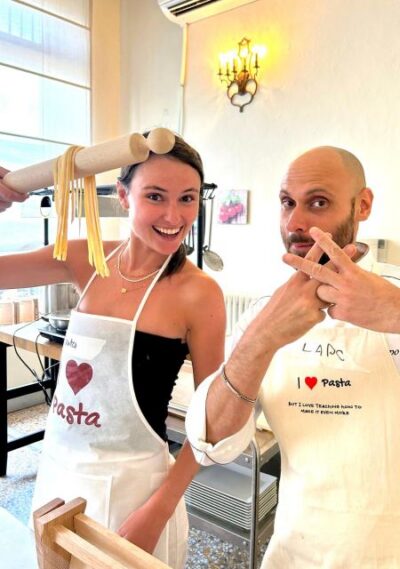
Pasta Making Class with Wine, Limoncello, and Dessert
Read our review →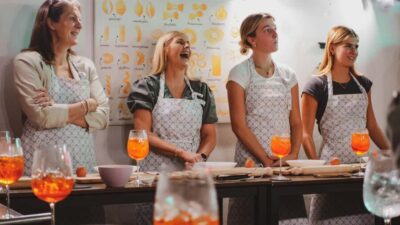
Rome Cooking Class: Make Pasta and 3 Spritz Cocktails
Read our review →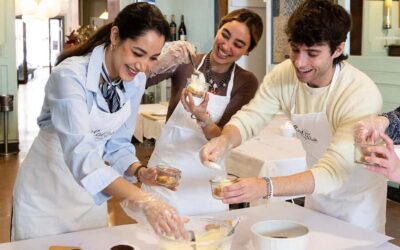
3-in-1 Fettuccine, Ravioli, and Tiramisu Cooking Class
Read our review →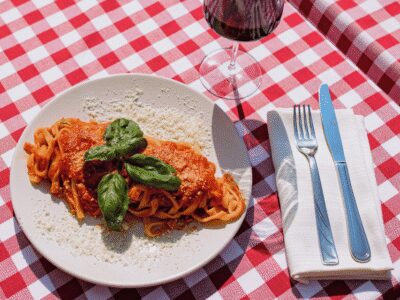
Fettuccine Pasta Cooking Class in Rome’s City Center
Read our review →
Learn to Make Pasta & Tiramisu with Wine and Limoncello Included
Read our review →
Become a Masterchef in Rome: Pasta, Ravioli and Tiramisù Class
Read our review →Browse the lists this tour appears in