
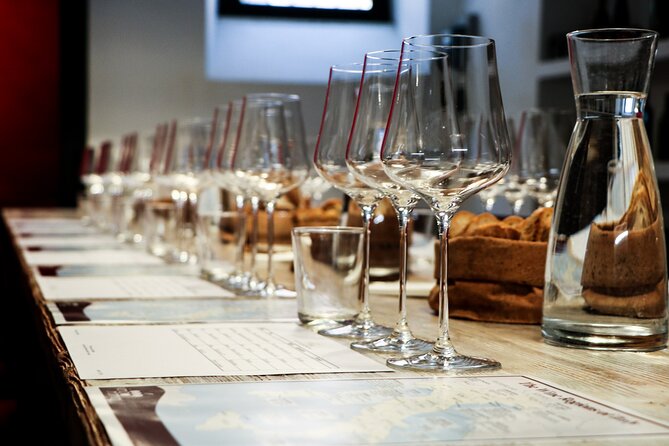
Reviewed · WINE TOURS
Shades of Italian Terroir – a tasting of minimal intervention wines
Natural wine, with real structure. In Rome, this tasting by VinoRoma takes you through six low-intervention Italian wines, with a professional guide connecting what you taste to terroir and winemaking choices. It also keeps the vibe casual and talk-friendly, so the night adapts to what you already know.
I especially liked two things: the focus on minimal intervention bottles that feel different in the glass, and the way sommelier educators actually explain the why behind each pour, including insights from Frank. The format is built for learning, not just drinking, with a quick tasting refresher and printed learning materials to help you remember what you picked up.
One thing to consider: this is a 2-hour experience that starts at 5:00 pm, so you’ll want to plan your dinner around it rather than treat it as a flexible pre-dinner stop.
In This Review
- Key highlights
- VinoRoma and that 5:00 pm start in Rome
- How the tasting works: from basics to smarter choosing
- Low-intervention Italian wine and terroir, explained for real people
- Your six pours: six styles from across Italy
- Finger foods pairing: learning without the fuss
- The human highlight: Frank and a small room of questions
- Price and value: is $96.12 a good deal?
- Who should book this tasting (and who might want to skip)
- Should you book Shades of Italian Terroir?
- FAQ
- Where does the tasting start?
- How long is Shades of Italian Terroir?
- Is it offered in English?
- How many wines do you taste, and is there food?
- How big is the group?
- Can children attend?
- What is the cancellation policy?
Key highlights
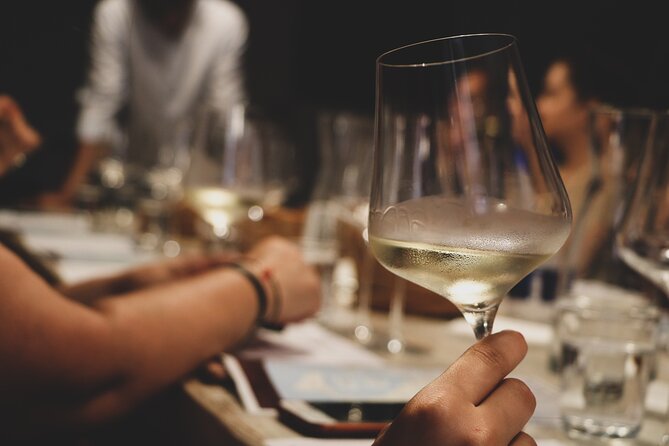
- Small-group feel (max 12) in a dedicated studio setting, so you’re not lost in a crowd.
- Six low-intervention wines from across Italy, each introduced with region and winemaking context.
- Sommelier-led guidance that adjusts to your level, from first-timer to real wine nerd.
- Practical pairing with finger foods, so you learn what to try next time you order wine in a restaurant.
- Terroir and organic/sustainable farming themes, explained in plain language.
- English-led format with a mobile ticket, making it easy to fit into a Rome itinerary.
VinoRoma and that 5:00 pm start in Rome
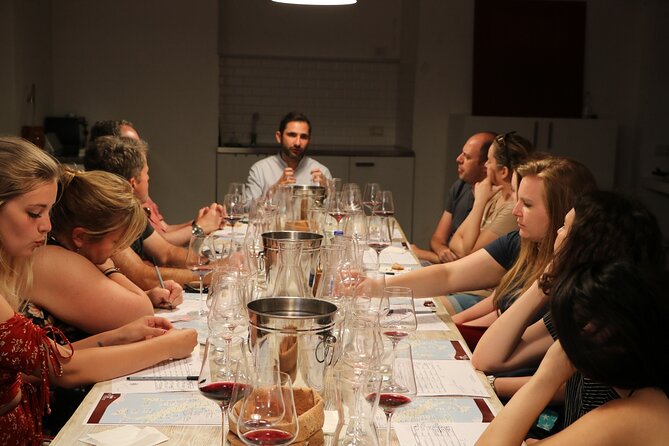
This tasting happens at VinoRoma Wine Studio & Social Club, Via in Selci, 84/G, and you meet right at the studio before you head into the tasting room. The timing is 5:00 pm, which I like because it works as a mid-evening anchor, but it also means you should stop assuming you can casually grab dinner whenever you want. You’ll likely want a light snack beforehand so the finger foods feel like pairing, not your whole meal.
The studio setup is part of the appeal. With a maximum of 12 people, you can actually hear the explanations and ask questions without waiting for a lull. It’s also a good sign that the format includes printed learning materials, because this is clearly meant to teach you something you can carry beyond the tasting.
One practical bonus: it’s near public transportation, and you get a mobile ticket. That’s handy in Rome, where “simple” can quickly turn into “find the right street in a maze of scooters.”
More Lazio bottles opened near Rome:
- Rome: Tuscany & Montepulciano Day Trip with Lunch & Wine Tasting
★ 4.5 · 5,232 reviews - Rome: Pasta & Tiramisu Class with Fine Wine by the Vatican
★ 4.9 · 4,852 reviews - Rome Food Tour: Unlimited Tastings with Fine Wine & Barolo
★ 5.0 · 3,365 reviews - Rome: Pasta Making Class with Wine, Limoncello, and Dessert
★ 4.9 · 3,177 reviews
How the tasting works: from basics to smarter choosing
Before the wine parade begins, you get a tasting refresher. You start with the steps of wine tasting, then the guide ties those steps to what you’re about to experience. This matters because it helps you stop guessing and start noticing, even if you usually treat wine as a personal preference thing only.
As the evening moves wine to wine, you’ll be guided to connect your own reactions to specific elements of the wine. That sounds abstract until you realize it’s basically training your senses to become consistent. If you think a wine tastes too sour, too bitter, too flat, or too heavy, you’ll learn ways to describe that in a way that helps you order the next glass with confidence.
The guide also meets you at your level. If you’re brand new, the pace stays friendly. If you already know your way around wine terms, you can push for more detail. That flexibility is a big part of why this tasting feels like a conversation rather than a scripted lecture.
Low-intervention Italian wine and terroir, explained for real people
This experience centers on low-intervention wines, and the key idea is that winemaking choices and vineyard conditions leave fingerprints on the final glass. You also get time on organic terroir and agricultural practices like organic or sustainable farming. The overall message is simple: when growers and producers interfere less, the result often becomes more expressive and more tied to place.
You’ll also hear about techniques behind those flavors, not just grape varieties. That’s useful because two wines with the same grape can taste very different if the soils, climate, and fermentation or aging choices change the character. In other words, this is where wine stops being a label on a menu and becomes a story you can read.
There’s also mention of neuro-enology, which is about how perception, expectations, and sensory cues can shape what we think we’re tasting. You don’t have to be scientific about it. The practical takeaway is that your brain plays a role, and learning how to guide it makes you a better taster.
Your six pours: six styles from across Italy
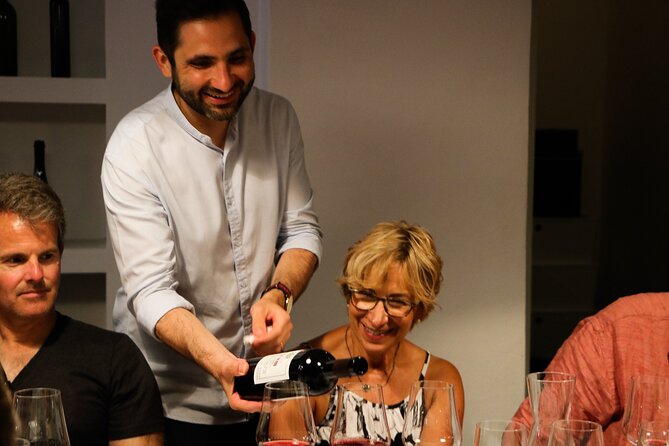
You taste six Italian wines over the course of the evening, and each new glass is treated like a mini lesson. The guide doesn’t just say what it is, they connect it to where it comes from and why it tastes the way it does. You’re promised you’ll meet very different styles, and the whole point is to train your palate to recognize character, not just name varieties.
Here’s how to get the most out of those six pours, even if you don’t have a wine background:
- Pay attention to the first impression (aroma and initial flavor). Low-intervention wines often feel more distinct right away, especially in how they smell.
- Notice texture and weight (how thick or light it feels). This is one of the quickest ways to separate styles, especially when the grapes are unfamiliar.
- Track the finish (what lingers, and how). Some wines feel clean and bright, others leave a more earthy or savory memory.
- Write one simple takeaway per glass. You’ll remember more than you think, and it makes future restaurant ordering easier.
The educational arc also helps you learn how your perception works. You’ll get explanations tied to regions, soils, climate, and techniques, then you can compare those explanations to what you personally noticed. That back-and-forth, wine to your senses, is the real engine of the learning.
Finger foods pairing: learning without the fuss
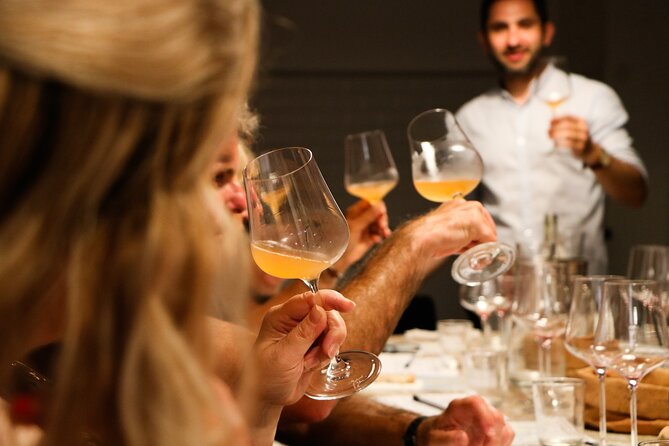
The tasting includes finger foods paired with the wines, and that pairing is where the lessons become practical. You get general guidelines about how to pair wines with food, which you can use immediately when you’re back in a restaurant ordering for real.
Pairing in this kind of setting has two benefits. First, you taste how wine changes when it meets something salty, fatty, or herby. Second, you see which pairing ideas feel natural to you, because not everyone likes the same matchups. The guide can point you toward logic, but your own taste still matters.
Keep your expectations realistic. This is not a full meal service, and it isn’t trying to be fancy. It’s meant to keep the evening enjoyable while giving you just enough structure to understand pairing choices.
More Roman trattorie, enoteche and counters:
The human highlight: Frank and a small room of questions
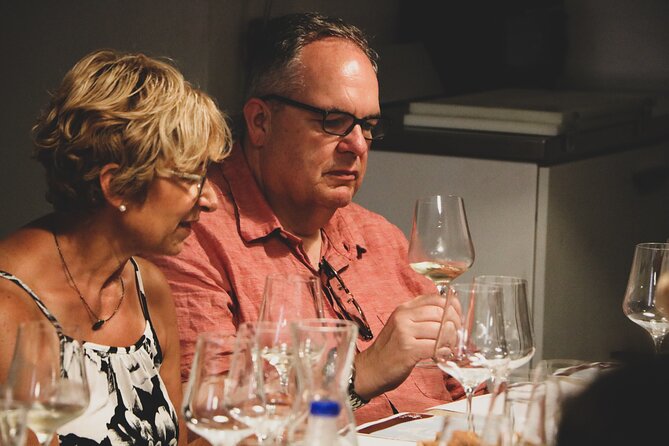
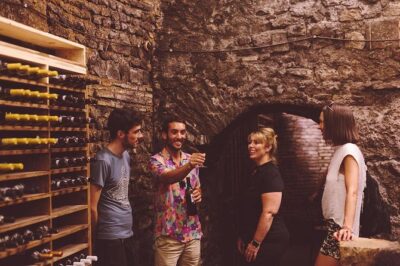
One of the most praised parts of the experience is the sommelier guiding the tasting, specifically Frank. The teaching approach is clearly detailed and intentional, but still casual enough that you can ask questions as they come up. I like that. In a good tasting, you’re not stuck waiting for the end.
Frank’s approach also includes choosing wines that challenge you a bit. If you think you already know what you like, you’ll still likely find at least one glass that makes you rethink your assumptions. That’s one reason the low-intervention focus works so well here. Natural and minimal-intervention wines can range from delicate to bold, and the guide helps you put that range into context rather than treating it as a surprise allergy to your taste buds.
The other thing I’d call out is the emphasis on quality and enjoyment. In a small studio environment, it’s easier to sense that the goal isn’t just sales. It’s an evening built around sharing.
Price and value: is $96.12 a good deal?
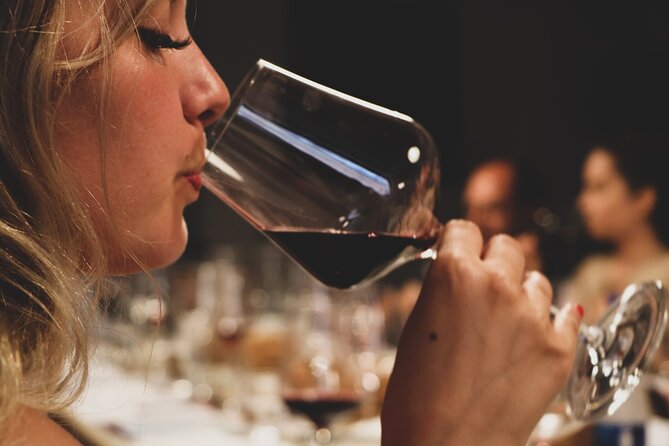
At $96.12 per person for about 2 hours, this isn’t a bargain-basement tasting. But it is a structured, educator-led session built around six wines plus finger foods and learning materials. When you break it down, you’re paying for professional guidance over multiple pours, not just a quick sip-and-go.
This price can feel especially fair if you typically struggle to get good explanations when you visit wine bars. Here, you’re getting a certified sommelier and wine educator with decades of experience, plus the terroir and technique framing that helps you make sense of the bottle in front of you.
It’s also worth considering the small group size. When the room is capped at 12, the cost per person is easier to justify because the learning is more interactive. If you’d rather watch a screen and sip anonymously, you’d probably feel less satisfied. If you like asking questions and learning why something tastes like it does, the value improves.
Who should book this tasting (and who might want to skip)
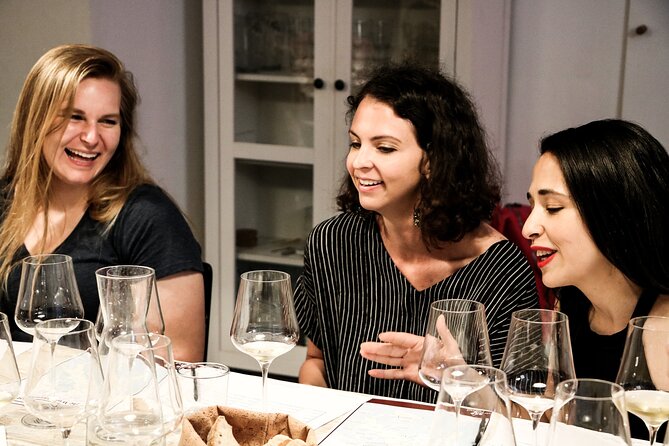
This is a great pick if you want to learn how Italian terroir and winemaking decisions show up on your palate. It’s also ideal if you’re specifically curious about minimal intervention wines and want to taste them alongside context, not just marketing language.
It works well for:
- First-timers who want a tasting refresher that actually translates into better choices later
- Wine lovers who want to focus on technique, region, soils, climate, and how that shapes flavor
- Anyone who enjoys discussion, because the guide takes questions and adjusts depth to your level
It might not be the best fit if:
- You want a long, food-heavy meal experience rather than a two-hour tasting
- You’re expecting wine names and a rigid lecture format only, with little interaction
- You cannot do a 5:00 pm start time and need a more flexible window
Also, note the children policy: children under 12 are not admitted, and ages 12 to 16 may be present but cannot take part in the tasting and must pass the time quietly. So this is best for adults or older teens who can stay quiet.
Should you book Shades of Italian Terroir?
I’d book it if you want an organized, educator-led evening centered on six low-intervention Italian wines and the real reasons behind their character. The combination of small-group attention, a sommelier guide like Frank, finger foods pairing, and printed learning materials makes it more than just a casual drink. It’s also a solid way to understand what you like, why you like it, and how to ask for it later in a restaurant.
Skip it only if you’re chasing a party-style nightlife wine event or you need a start time other than 5:00 pm. Otherwise, this is one of those Rome experiences that teaches you skills you can use the rest of your trip, especially when you order wine by the glass.
FAQ
Where does the tasting start?
The experience starts at VinoRoma Wine Studio & Social Club, Via in Selci, 84/G, 00184 Rome, Italy.
How long is Shades of Italian Terroir?
It lasts about 2 hours.
Is it offered in English?
Yes, it is offered in English.
How many wines do you taste, and is there food?
You taste six Italian low-intervention wines, paired with finger foods.
How big is the group?
This activity has a maximum of 12 travelers.
Can children attend?
Children under 12 are not admitted on the premises. Children 12 to 16 may be present, but they cannot take part in the tasting and have to pass the time quietly.
What is the cancellation policy?
You can cancel for a full refund up to 24 hours in advance of the experience start time. Free cancellation is available until that point.
Latest additions from Rome
- Guided Tour Vatican Museums & Sistine Chapel★ 4.1 · 30 reviews
- Exclusive Rome by Night Vespa Tour★ 5.0 · 30 reviews
- Transfer Rome to Airports★ 4.5 · 30 reviews
- Vatican: St.Peter’s Basilica & Dome – Reserved Entry & Tour★ 4.1 · 30 reviews
- Rome street art tour: off the beaten path with a local guide★ 5.0 · 30 reviews
- Tivoli, Hadrians Villa and Villa d’Este, a charming day trip from Rome★ 4.5 · 30 reviews
- Rome Food Tasting with Wine Pairing Italian Authentic Flavors★ 5.0 · 31 reviews
- Inspirational Cooking on the Roman Chef’s Panoramic Terrace★ 5.0 · 30 reviews
Wine Tours, compared.

Pasta & Tiramisu Class with Fine Wine by the Vatican
Read our review →
Rome Food Tour: Unlimited Tastings with Fine Wine & Barolo
Read our review →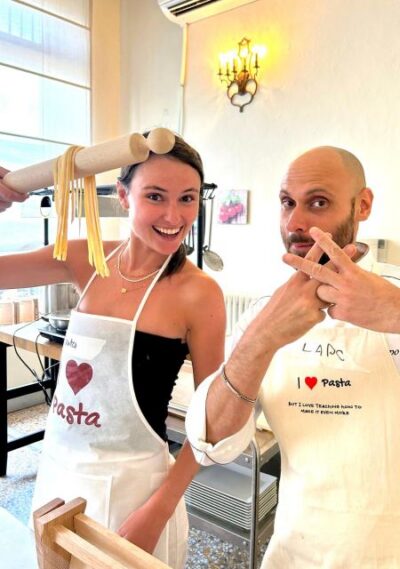
Pasta Making Class with Wine, Limoncello, and Dessert
Read our review →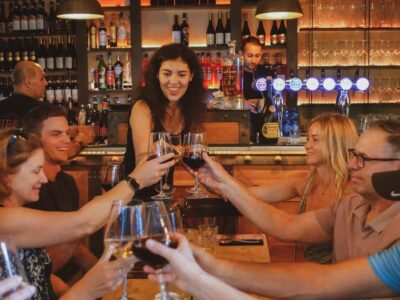
Guided Food Walking Tour with Wine in Trastevere
Read our review →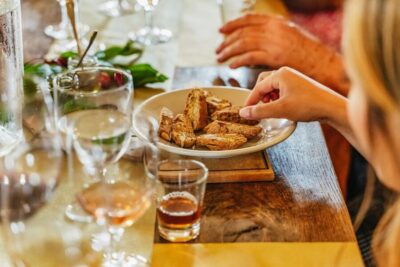
Tuscany & Montepulciano Day Trip with Lunch & Wines
Read our review →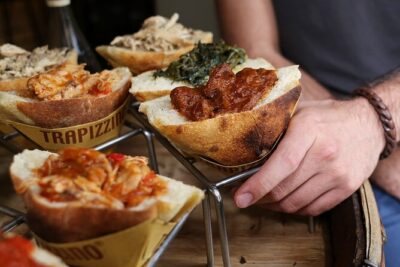
Trastevere Food tour with Free-Flowing Fine Wine
Read our review →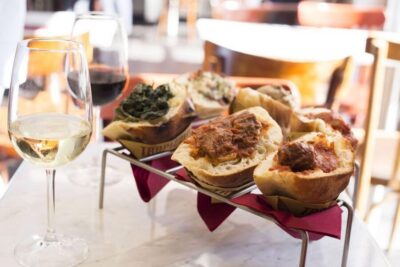
Learn to Make Pasta & Tiramisu with Wine and Limoncello Included
Read our review →Browse the lists this tour appears in