
Reviewed · OPERA AND CONCERT TICKETS IN ROME
Rome: The Four Seasons by Vivaldi
Four seasons, one unforgettable evening in Rome. I like how this concert keeps the music front and center, with Elvin Dhimitri steering the performance on violin and strings plus harpsichord bringing that crisp Baroque color. I also love the small, city-center venues and the way the sound carries, whether you’re in a church or in a room that looks out toward Trevi. One thing to plan for: seats are first come, first served, so if you care about where you sit, get there early and don’t assume the best spots will still be open.
In This Review
- What makes it feel special
- Key Things You’ll Notice
- Why Vivaldi’s Four Seasons in Rome hits different
- The cast: Elvin Dhimitri, strings quintet, and harpsichord
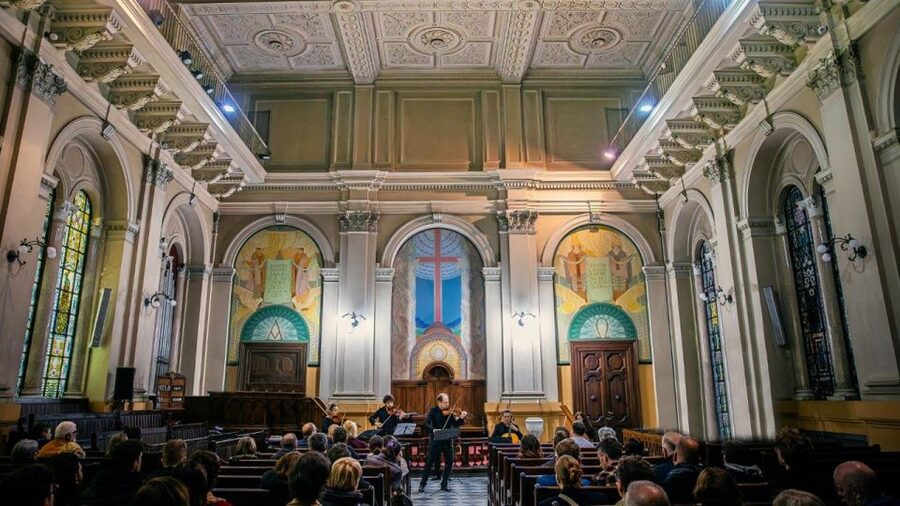
- Choosing your venue: Chiesa Evangelica Metodista setup
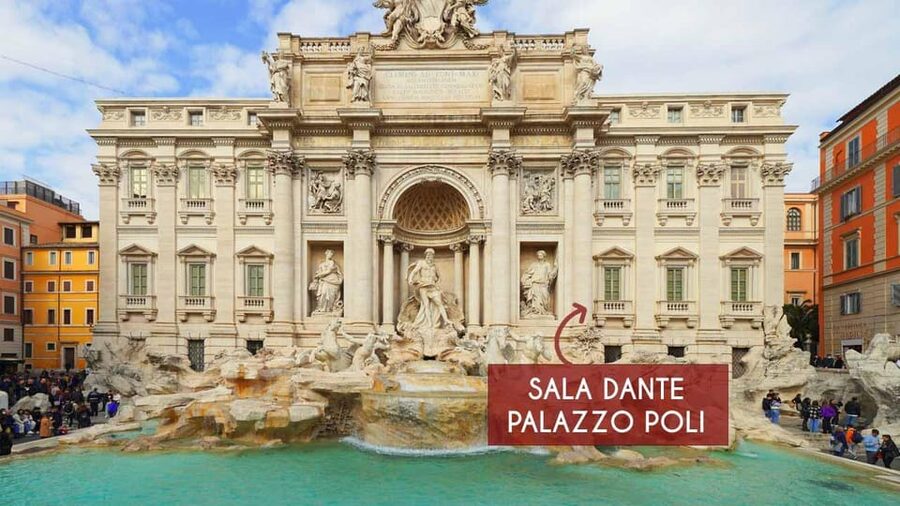
- Sala Dante of Palazzo Poli and the Trevi Fountain window
- Horti Sallustiani double shows at 7:00 pm and 9:00 pm
- What you will hear: Spring, Summer, Autumn, Winter (and extra Vivaldi)
- Seating, sound, and comfort tips for the full 80 minutes
- Price and logistics: is $35 actually good value?
- Who this Vivaldi concert is best for
- Should you book this Rome Four Seasons concert?
- FAQ
- How long is the Rome The Four Seasons by Vivaldi concert?
- How much does the ticket cost?
- Where do I meet?
- Do I get assigned seats?
- Who performs in the concert?
- Where can the concert take place?
- Are there different showtimes at Horti Sallustiani?
- Is it possible to cancel?
What makes it feel special
This is an Italian Baroque story you can follow, with movements that paint spring birds, summer storms, autumn hunts, and winter shivers. Expect a full run built around Vivaldi’s Four Seasons, delivered by the Opera e Lirica ensemble, with a total duration of about 80 minutes. It’s a great Rome activity when you want something cultured but still relaxed enough to fit into your day.
Key Things You’ll Notice
- Elvin Dhimitri leads the show on first violin and helps guide the pacing of the performance
- Harpsichord adds the Baroque snap that makes the rhythms feel extra alive
- Trevi Fountain views can be part of the experience when the concert is in Sala Dante of Palazzo Poli
- You’ll hear Spring, Summer, Autumn, and Winter in one evening with vivid musical storytelling
- Seating is unnumbered, so early arrival matters for sightlines
More Opera and Concert Tickets in Rome
- Rome: “The Most Beautiful Opera Arias” Concert
★ 4.3 · 2,495 reviews - Rome: Opera Concert at Palazzo Poli – Fontana di Trevi
★ 4.7 · 1,026 reviews - Rome: The Three Tenors at St. Paul’s Church Concert Ticket
★ 4.7 · 699 reviews - Rome: La Traviata at St. Paul’s Within the Walls
★ 4.4 · 683 reviews
Why Vivaldi’s Four Seasons in Rome hits different
Rome already has drama in the stones. So when you hear Vivaldi’s Four Seasons there, the music feels like it’s talking to the city. The Baroque mindset was obsessed with nature’s shifts, and this repertoire turns those changes into sound. Even outside the music world, you can see the Baroque love of motion and atmosphere in Roman art, where nature and time feel like they’re happening right in front of you.
For you, the payoff is simple: you won’t just be listening to classical music, you’ll be tracking a set of moods. The way Vivaldi writes makes the seasons feel like scenes. Spring has birdlike chirps. Summer rolls into storms. Autumn has the feeling of chasing, dancing, and the hunt. Winter tightens the world until everything seems sharper and colder.
The best part is that it stays clear. Four Seasons is famous for a reason, and the performance format here is built to let you catch the details rather than getting lost in a giant concert hall.
The cast: Elvin Dhimitri, strings quintet, and harpsichord
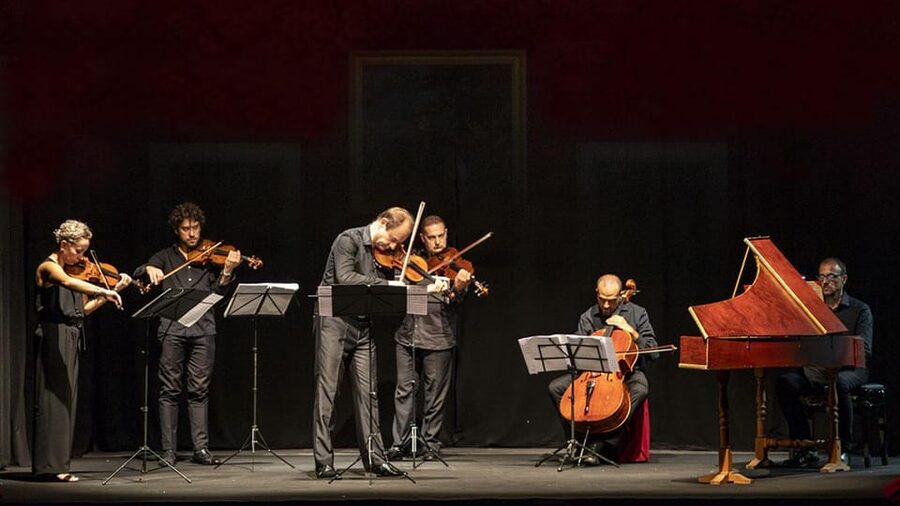
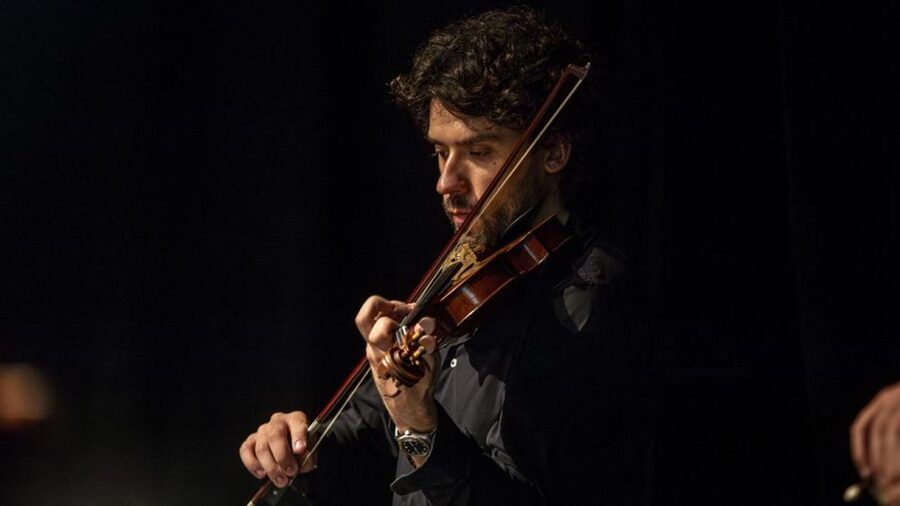
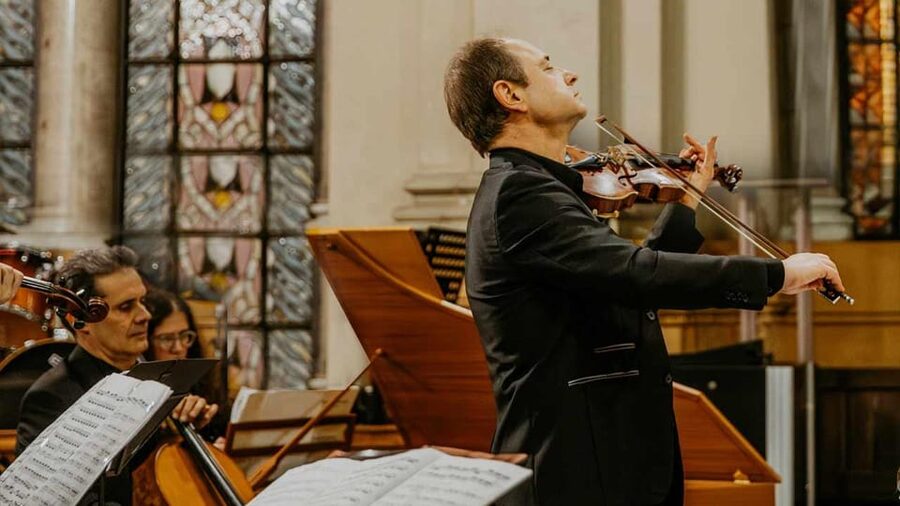
This concert is powered by a real performer focus, not just a background soundtrack. The program is performed by a violin soloist who also conducts, Elvin Dhimitri, supported by a strings quintet and harpsichord.
That matters because Four Seasons depends on articulation. The fast passages need crisp coordination. The softer moments need control so the line still feels alive. When the soloist also leads the ensemble, the transitions tend to feel tighter, like the whole group is breathing together.
Then there’s the harpsichord, which is more than decoration. It gives the music its “edges,” especially in rhythmic sections. If you’ve heard modern performances that feel smooth, you’ll probably notice how much detail the harpsichord brings to the pulse and the phrasing. It’s also a very Baroque texture, so even if you’re new to this style, you’ll instantly hear what makes it different.
Choosing your venue: Chiesa Evangelica Metodista setup
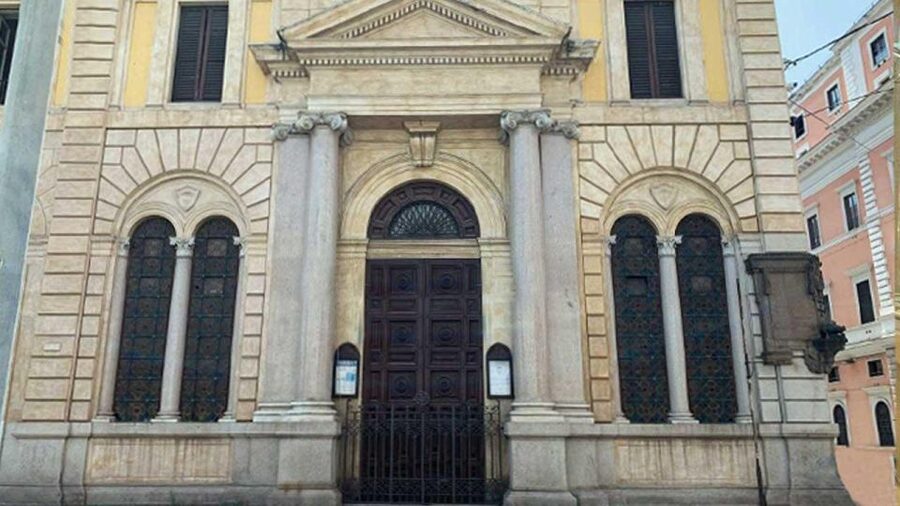
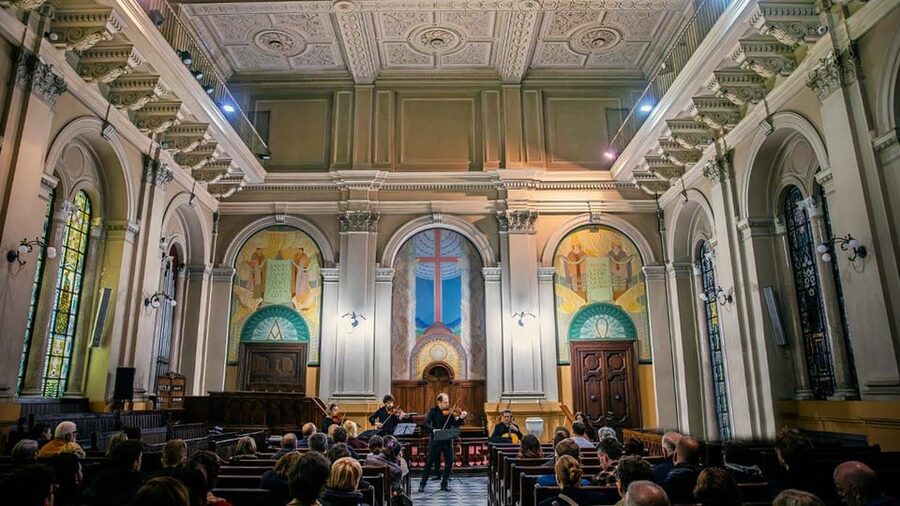
Your meeting point is Chiesa Evangelica Metodista, Via XX Settembre 122 c, Rome. From there, the concert experience you get will depend on which venue your date is using.
If your performance is in the church setting, you’re in for an intimate room that works hard for acoustics. The church layout is part of the reason people love these shows so much: sound doesn’t just fill the space, it seems to come from close to the music. That’s ideal for Vivaldi, where you want to hear the character of bows and the snap of rhythms.
Comfort can vary. One practical tip based on the venue type: churches can run cool or warm, depending on the room and the crowd. If you tend to get cold sitting still, bring a light layer. If you heat up easily, consider something breathable. Either way, you’ll enjoy it more if you’re comfortable enough to focus for the full 80 minutes.
Also note the seating style: there are no numbered seats. People will sit on a first come, first served basis. So for the best experience, don’t treat arrival time as optional.
Sala Dante of Palazzo Poli and the Trevi Fountain window
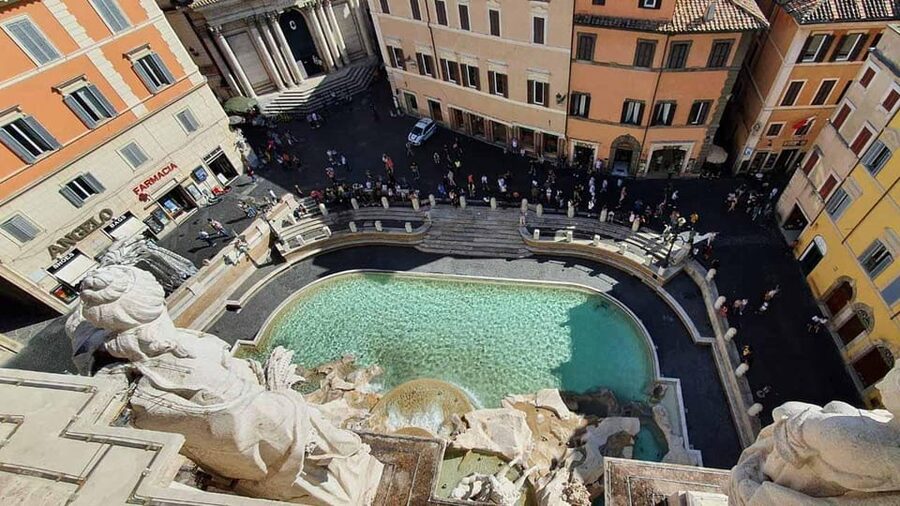
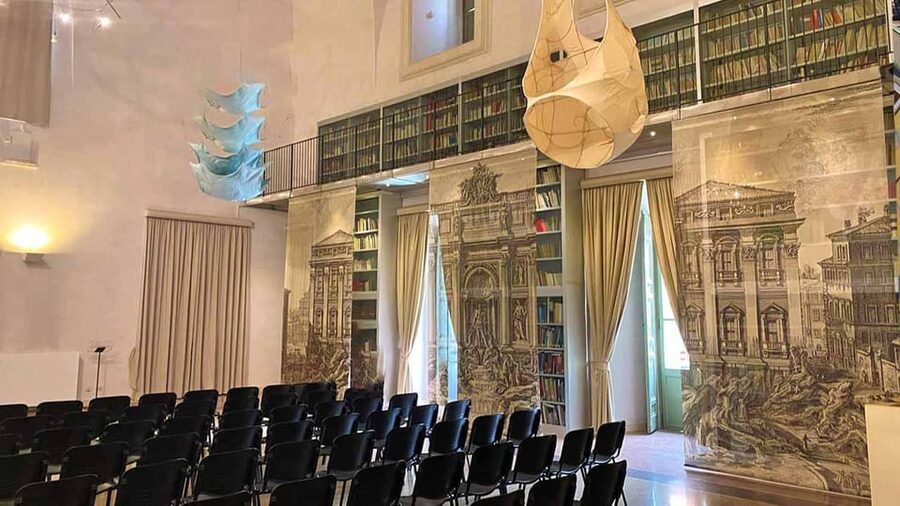
Some dates place the concert in Sala Dante of Palazzo Poli, Via Poli 54, Rome. This is where the experience can turn into a Roman daydream.
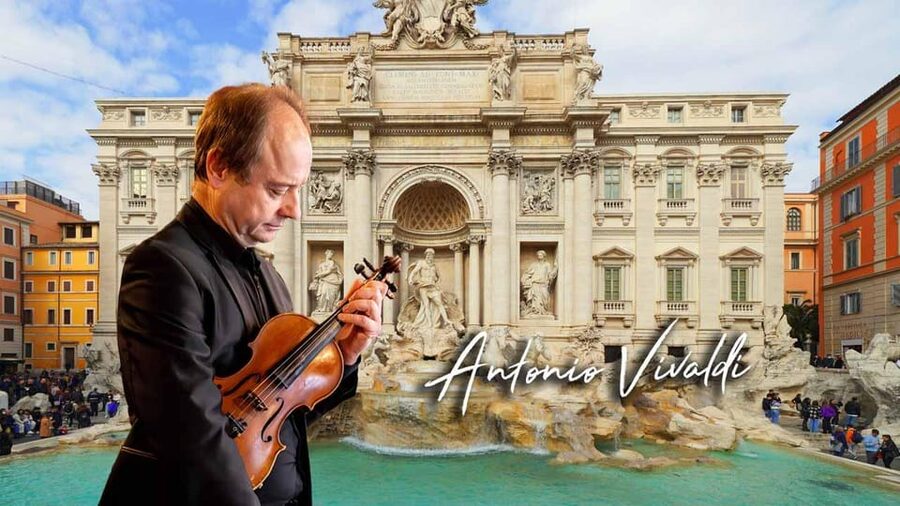
The highlight people talk about most is the chance to overlook Trevi Fountain from Sala Dante. Even if you never stare during the music, knowing you have that view can change how the whole evening feels. When you glance between movements or after the concert ends, it’s like you’re linking classical Baroque sound with one of the city’s biggest icons.
Practically, this setup is also a great reason to choose this show over a less characterful concert venue. You get a real sense of place. It doesn’t feel like you’ve left Rome for culture, it feels like the culture is happening inside Rome.
One more tip if your performance is in a room like this: lighting and temperature can be different from a typical church. Bring the same mindset either way. Dress for comfort and arrive early, because first-come seating means you can’t rely on someone saving your favorite spot.
Another shape for the same afternoon in Rome:
Horti Sallustiani double shows at 7:00 pm and 9:00 pm
On certain dates, the concert takes place at Horti Sallustiani, Piazza Sallustio 21, Rome, with a double concert at 7:00 pm and 9:00 pm.
This is the kind of option that helps you plan your evening. If you like an early start, the 7:00 pm show can slot in before dinner plans get complicated. If you prefer Rome nights after your schedule cools down, the 9:00 pm performance can be a nice capstone.
Because this is still the Four Seasons repertoire, you get the same core listening experience. The main difference is the venue feel. Horti Sallustiani gives a different atmosphere from a church, which can make the night feel less “all indoors, all the time” and more like a Rome event. If you’re sensitive to stuffy spaces, the outdoor or mixed character of certain city venues can sometimes feel more comfortable, but you’ll still want to dress for changing temperatures.
Again, seats aren’t numbered, so treat arrival time as part of the performance quality.
What you will hear: Spring, Summer, Autumn, Winter (and extra Vivaldi)
The center of the program is Vivaldi’s Four Seasons, and it’s performed as a full sequence with orchestra and harpsichord support. The listing also includes additional Vivaldi works, shown as Concerto per archi RV 127 and RV 151, plus Concerto XI, No. 4 in A major.
When you listen to the Four Seasons movements, it helps to know what Vivaldi is trying to paint. The program language you’ll encounter is vivid for a reason. Here’s how the music typically maps to the seasons, and what to listen for.
Spring (Concerto No. 1 in E Major, RV 269)
You’ll hear the sense of awakening and lift. Expect a movement set that flows from lively sections into a softer, more pastoral feel, then back into dance-like energy. This is where the strings can sound like they’re “talking,” and the harpsichord adds rhythmic definition.
Summer (Concerto No. 2 in g minor, RV 315)
Summer builds tension. The music shifts between steady forward motion and more suspended moments, then suddenly becomes more urgent. The storm section is usually the moment audiences most clearly recognize, because the rhythmic drive changes and the mood tightens.
Autumn (Concerto No. 3 in F Major, RV 293)
Autumn brings in peasant dance and then a calmer, heavier contrast. The hunt section returns the adrenaline. If you like music that feels like storytelling, this concerto tends to be the one that clicks for people who assume Baroque is all the same.
Winter (Concerto No. 4 in f minor, RV 297)
Winter is built from sharp contrasts and a colder tonal feel. Expect a movement arc that starts animated, then turns broader and colder, then ends with renewed momentum. The “chattering” vibe you often hear described comes through in fast string figures and rhythmic clarity, helped by that harpsichord texture.
If you want to get more out of it, pick one thing to listen for: transitions. Vivaldi changes scenes fast, and those shifts are where the drama lives.
Seating, sound, and comfort tips for the full 80 minutes
This show is about focus. You’re sitting for about 80 minutes, so little comfort issues can matter.
Here are the most practical things I’d plan for:
- Arrive early. With first come, first served seating, you can lose your preferred sightline if you treat it like a casual drop-in.
- Plan for temperature swings. The church setting can run chilly for some people and hot for others. A light layer helps you win either way.
- Don’t ignore your view. Yes, it’s a music concert, but several people noted that the venue setup can affect sightlines. If you care about seeing the artists, choose your seat thoughtfully once you arrive.
- Give yourself quiet buffer time. Small venues feel louder when you’re settled. Get comfortable before the music starts so you don’t spend the opening minutes adjusting.
Sound is a big selling point here. In small rooms, the balance between violin, strings, and harpsichord can feel remarkably clear. You can catch details that often disappear in larger halls.
If you’re the type who loves hearing how musicians actually shape phrases, this format usually rewards you quickly.
Price and logistics: is $35 actually good value?
At $35 per person for an 80-minute concert featuring Vivaldi’s Four Seasons, you’re paying for several things at once: a full, high-demand piece, professional performers, and (often) one of the most photogenic settings in central Rome.
Is $35 cheap? Rome pricing can be stubborn. But in this case, it’s fairly reasonable because the experience is tightly focused. You’re not paying for a big show plus a long schedule plus a tour bus. You’re paying for music. And the music is the star.
Also, the program length matters. If you’ve got a short evening window, 80 minutes is a sweet spot. It’s long enough to feel complete, but not so long that you lose momentum or attention.
For value, the other factor is the ensemble setup. Strings plus harpsichord plus a lead violinist who conducts is exactly what Four Seasons needs. That gives you a more authentic Baroque sound than a stripped-down string-only performance.
Who this Vivaldi concert is best for
This is a great pick if you want classical music that feels like a story. You don’t need a music degree. If you recognize Vivaldi from pop culture, this is a chance to hear the original version at close range.
It also works for families in many cases because the runtime is about an hour. If your kids can sit through a short show and enjoy active listening, they may do better here than in longer formal concerts. Just remember it’s still a seated listening event, so bring patience for the quiet parts.
Best matches:
- Couples looking for a romantic Rome night with culture
- People who want a smaller venue instead of a massive auditorium
- Anyone curious about Italian Baroque, especially Vivaldi
If you dislike first-come seating or you’re extremely particular about temperature and comfort, plan your arrival and wear layers.
Should you book this Rome Four Seasons concert?
Yes, I think you should book this if two things matter to you: hearing Vivaldi’s Four Seasons live and doing it in a Roman setting that feels close and special. The combination of Elvin Dhimitri’s leadership, the strings quintet, and the harpsichord is a strong recipe for a satisfying Baroque sound. Add the possibility of overlooking Trevi Fountain from Sala Dante, and the evening becomes more than a standard concert night.
I’d be a little cautious if you know you’re sensitive to room conditions. This kind of venue can feel warm or cool. Also, because the seats are not numbered, you have to show up with intention if you care about where you sit.
If you want an easy decision: book it, then plan to arrive early, dress in layers, and pick the show time that fits your energy. This is the sort of Rome experience that rewards attention, and the music does the rest.
FAQ
How long is the Rome The Four Seasons by Vivaldi concert?
It lasts about 80 minutes.
How much does the ticket cost?
The price is $35 per person.
Where do I meet?
Meet at Chiesa Evangelica Metodista, Via XX Settembre 122 c, Rome.
Do I get assigned seats?
No. Seats are not numbered, and seating is first come, first served.
Who performs in the concert?
The performance includes violin soloist and conductor Elvin Dhimitri, a strings group, and a harpsichord.
Where can the concert take place?
It can take place in Chiesa Evangelica Metodista, Sala Dante of Palazzo Poli, or Horti Sallustiani.
Are there different showtimes at Horti Sallustiani?
Yes. Horti Sallustiani has a double concert at 7:00 pm and 9:00 pm.
Is it possible to cancel?
Yes, you can cancel up to 24 hours in advance for a full refund.
Latest additions from Rome
- Guided Tour Vatican Museums & Sistine Chapel★ 4.1 · 30 reviews
- Exclusive Rome by Night Vespa Tour★ 5.0 · 30 reviews
- Transfer Rome to Airports★ 4.5 · 30 reviews
- Vatican: St.Peter’s Basilica & Dome – Reserved Entry & Tour★ 4.1 · 30 reviews
- Rome street art tour: off the beaten path with a local guide★ 5.0 · 30 reviews
- Tivoli, Hadrians Villa and Villa d’Este, a charming day trip from Rome★ 4.5 · 30 reviews
- Rome Food Tasting with Wine Pairing Italian Authentic Flavors★ 5.0 · 31 reviews
- Inspirational Cooking on the Roman Chef’s Panoramic Terrace★ 5.0 · 30 reviews
Opera and Concert Tickets in Rome, compared.
Opera Concert at Palazzo Poli – Fontana di Trevi
Read our review →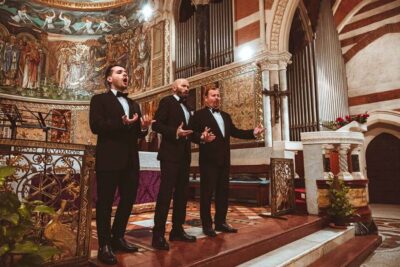
The Three Tenors at St. Paul’s Church Concert Ticket
Read our review →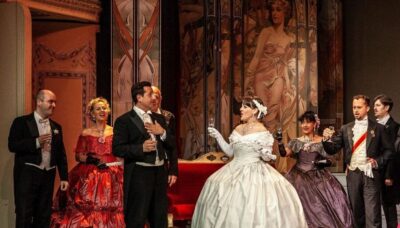
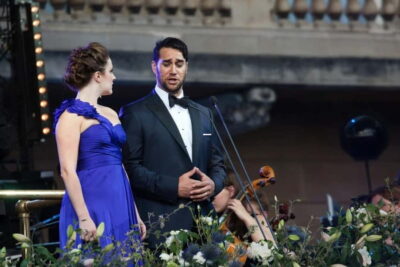
The Great Opera Arias Concert at Palazzo Poli – Trevi Fountain
Read our review →
Giuseppe Verdi’s “La Traviata” Live Performance
Read our review →Browse the lists this tour appears in