
Reviewed · OPERA AND CONCERT TICKETS IN ROME
Rome: Giuseppe Verdi’s “La Traviata” Live Performance
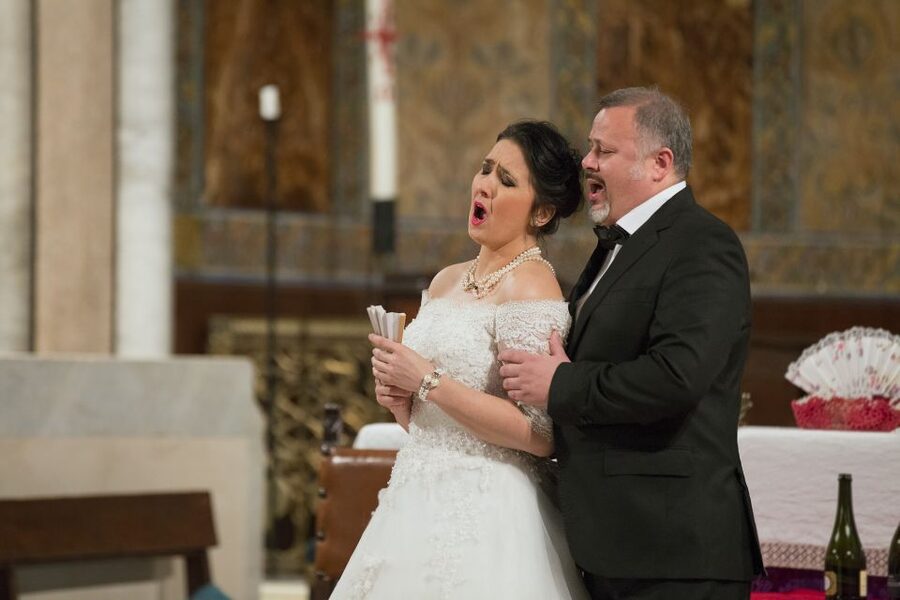
An opera night inside a real church. La Traviata at St. Paul’s within the Walls turns Verdi’s big, emotional score into something physical, like it’s happening right in front of you. I love the incredible vocal performances and the way the church acoustics make the orchestra sound clear and alive. Just be ready for a practical tradeoff: the pew seating can be tight, hard, and some views are blocked depending on where you sit.
This is one of those Rome evenings that feels special even before the first note. You’re watching a major, frequently performed Verdi masterpiece in a stunning historic space, with soloists plus choir and orchestra. It’s also a great “first opera” option if you want the real thing, without making a full night out of it.
The show runs 2 hours, starting at 8:30 pm and ending around 10:30 pm, so it fits neatly into a last-night-in-Rome plan. One more thing to plan for: it’s not in English language, so it helps to know the basic story theme first.
In This Review
- Key things to know before you go
- St. Paul’s within the Walls turns opera into something physical
- The show: what La Traviata is and why it matters
- The cast, orchestra, and choir details you should actually care about
- Your 8:30 pm plan: timing, arrival, and what to do in Rome first
- What the church setting does to the music (good, but not perfect everywhere)
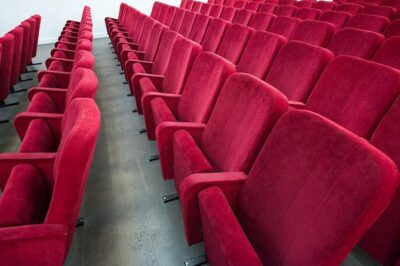
- Seating reality check: pews, sightlines, and being okay with less visual spectacle
- Language: what you can do if you don’t read Italian
- Does it feel like a full opera house production?
- Value in numbers: why $41 can make sense for this night
- Who should book this, and who should skip it
- Should you book La Traviata in this Rome church?
- FAQ
- Where is the performance held?
- What time does the performance start and end?
- How long is the performance?
- How much are tickets?
- What is included with the ticket?
- Are food and drinks included?
- Is it wheelchair accessible?
- Is the performance in English?
- Are pets allowed?
Key things to know before you go
A famous Verdi title, live. This is La Traviata, a three-act opera by Giuseppe Verdi.
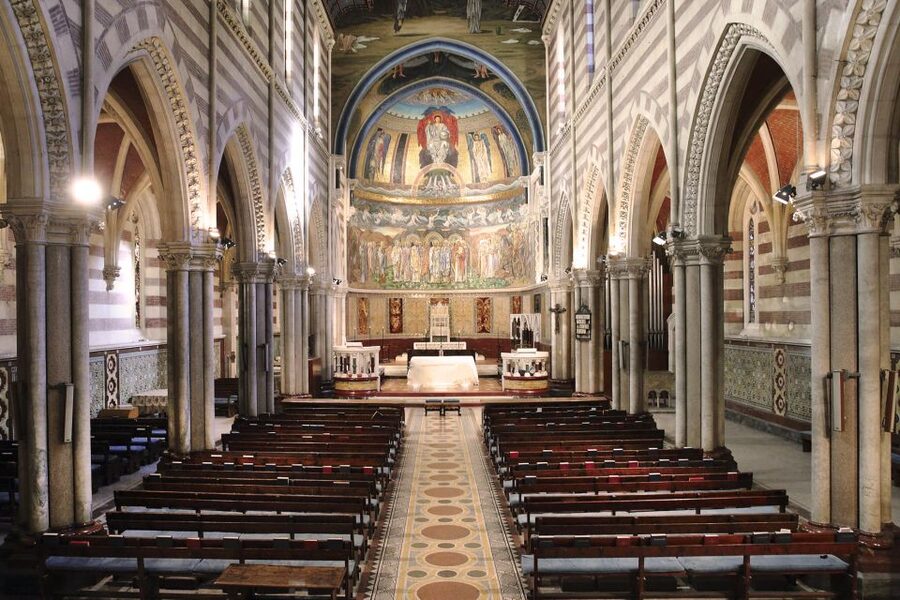
The church does the work for you. St. Paul’s within the Walls gives a memorable sound and atmosphere.
Strong cast and full music. Expect soloists, choir, and orchestra, led by Conductor Elvin Dhimitri.
Seating affects view and comfort. Some seats limit what you can see, and benches can be hard.
Plan for an Italian-language night. It’s not performed in English, so brush up on the plot theme.
Arrive early for the best experience. Your seat choice can make a noticeable difference for sound and sightlines.
St. Paul’s within the Walls turns opera into something physical
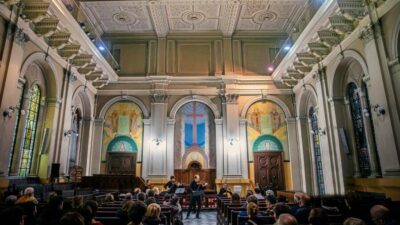
When you walk into St. Paul’s within the Walls on Via Nazionale, you can feel why this venue works so well for music. The setting is atmospheric in a quiet, almost ceremonial way, and it changes how you listen. A big opera doesn’t stay “on a stage” here, it spreads into the room.
You also get a sense of intimacy that you do not always get in larger opera houses. The production keeps things close, and several audience notes point out how near the performers and small orchestra can feel. That proximity is part of the value of choosing this kind of performance over a more traditional, farther-away setup.
The one catch is that comfort and sightlines are very seat-dependent. Church seating means fixed pews, hard benches, and sometimes a less-than-perfect view of anything happening lower to the floor. If you’re the type who needs a clear, front-row perspective to fully enjoy, you’ll want to arrive earlier and pick your seats thoughtfully.
More Opera and Concert Tickets in Rome
- Rome: “The Most Beautiful Opera Arias” Concert
★ 4.3 · 2,495 reviews - Rome: Opera Concert at Palazzo Poli – Fontana di Trevi
★ 4.7 · 1,026 reviews - Rome: The Three Tenors at St. Paul’s Church Concert Ticket
★ 4.7 · 699 reviews - Rome: La Traviata at St. Paul’s Within the Walls
★ 4.4 · 683 reviews
The show: what La Traviata is and why it matters
La Traviata is Verdi at his most famous and most human. The title role, Violetta Valéry, is at the center of an ill-fated struggle for love and freedom, and the opera is structured in three acts. If you have ever heard a handful of famous melodies, this is the source.
It’s also an opera with a built-in literary origin that makes it feel grounded, not just musical spectacle. Verdi based the work on La dame aux Camélias (1852), adapted from a novel by Alexandre Dumas fils. Originally, it was even titled Violetta, before the well-known name La Traviata took over.
The opera premiered March 6, 1853 at La Fenice in Venice. That date matters only because it explains the long track record: this is not a niche experiment, it’s a work that has been refined by history. In this Rome performance, you get that classic credibility, but in a very different acoustic and visual setting than you may expect.
The cast, orchestra, and choir details you should actually care about
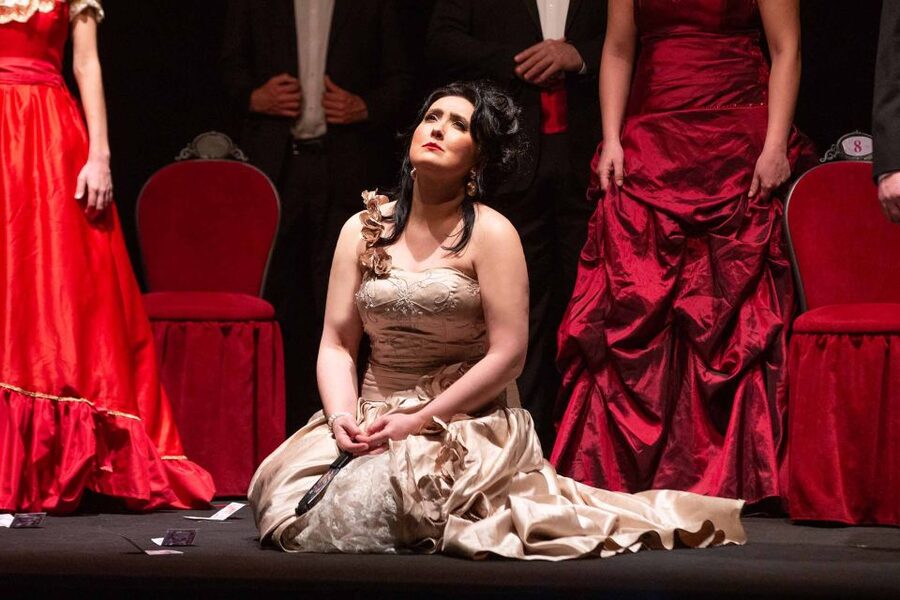
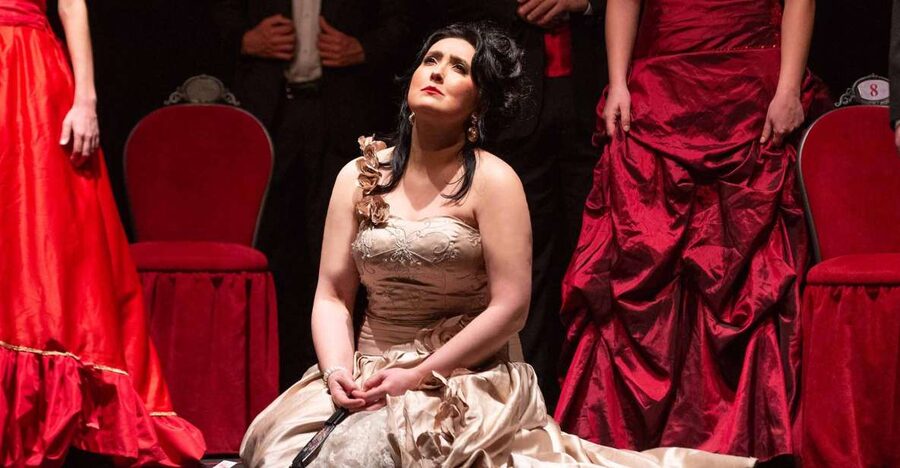
This night is powered by more than just a lead singer. You’ll hear an orchestra and choir alongside the soloists, with a full list of character roles for the choir that helps fill out the dramatic world around Violetta and Flora.
Here’s who’s listed for the performance:
- Violetta Valéry (Soprano): Aleksandra Buczek
- Alfredo Germont (Tenor): Emil Alekperov
- Giorgio Germont (Baritone): Cristian Alderete
- Flora Bervoix and Annina (Mezzo-soprano): Anastasiia Demchenko
- Gastone, Viscount of Letorières (Tenor): Andrea Pecci
- Barone Douphol (Baritone): Andrea Scorsolini
- Marquese d’Obigny (Bass): Matteo Nardinocchi
- Commission Agent (Bass): Giuseppe Trovato
The conductor is Elvin Dhimitri, and the artistic director is Giusi Cuccaro. The production notes also list Bolero Sartoria for scenes and costumes.
Why does this matter to you? Because the best parts of this experience are the “whole package,” not just a single aria. Multiple audience comments highlight vocal range and dynamics, and they describe the singers as flawless or exceptional. When the soloists are strong and the orchestra keeps momentum, the story lands even if you’re listening in an Italian-language performance.
Your 8:30 pm plan: timing, arrival, and what to do in Rome first
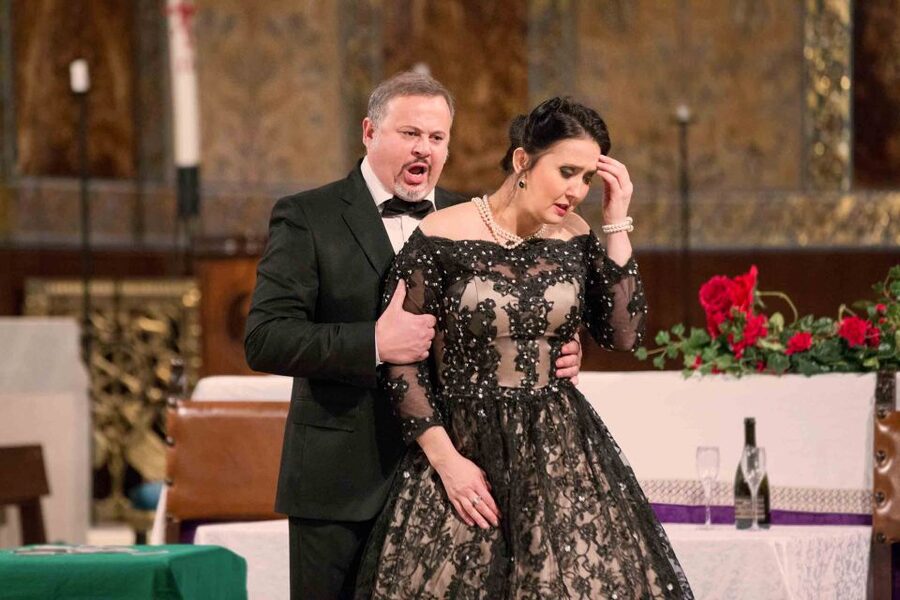
Start time is 8:30 pm, and the performance ends around 10:30 pm. That means you do not need a huge pre-show time block, but you also should not stroll in at the last second.
I recommend arriving early for two reasons: seating and sound. People specifically mention that acoustics and sound quality can depend on where you are in the church. If you land a seat with a better sightline and a clearer sound path, the whole evening gets easier to enjoy.
Before you go, keep your meal simple. Tickets include admission only, and food and drinks are not included. That’s not a dealbreaker, just plan it like a normal concert night: eat beforehand, then come light and comfortable.
Also, expect this to be a night where you sit for the full 2 hours. Several notes mention hard benches, and one mentions bringing extra cushion comfort if you can. It’s an easy fix, and it makes a surprising difference in how relaxed you feel once the music starts.
What the church setting does to the music (good, but not perfect everywhere)
The biggest praised aspect is the atmosphere. The church is beautiful, and it gives the performance a “live in history” feeling. That matters because opera is emotion plus scale, and this venue gives you emotion plus closeness.
Acoustics get repeated in the notes in a very positive way. People describe amazing sound, strong acoustics, and the magic feeling of hearing voices and orchestra in a stone interior. When you sit in the right spot, it can sound clean and powerful.
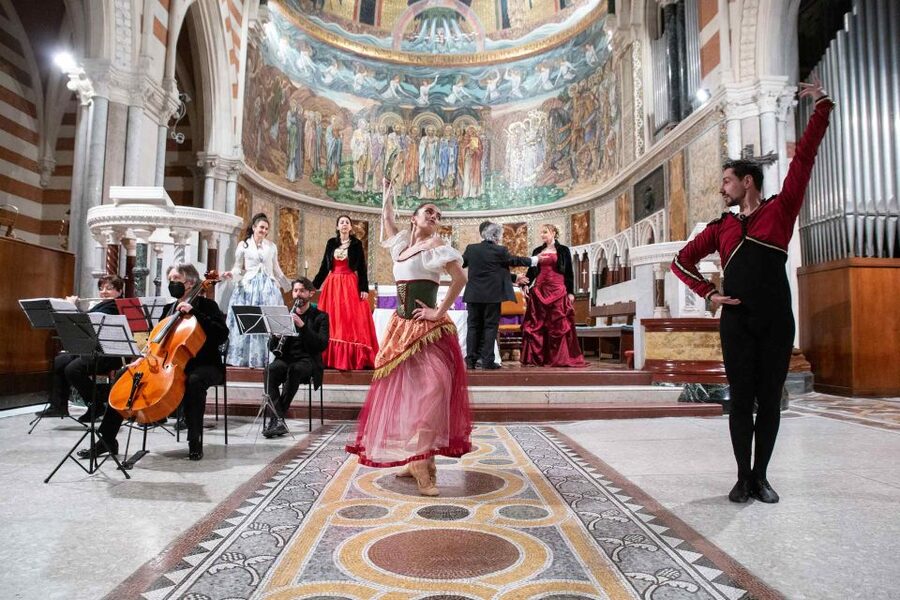
The drawback is simple: in a church, sound and view are not engineered like a modern opera house. A few comments point out that sound can be distorted depending on where you sit, and the view of the stage or dancers can be limited from some seats. There is also mention that the height of the church can change how sound travels.
If you want the best chance of a smooth experience, prioritize earlier arrival and aim for closer seats. Multiple notes suggest that front and closer positions improve both viewing and enjoyment. Since the stage work can be at floor level, distance matters.
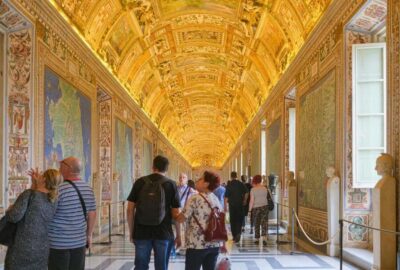
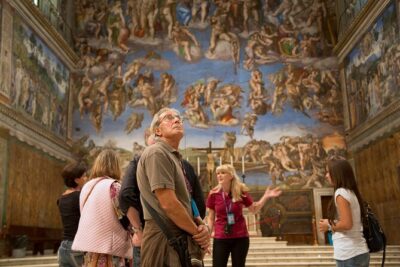
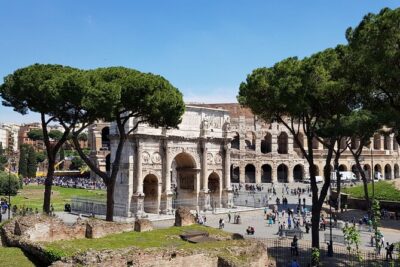
Another shape for the same afternoon in Rome:
Seating reality check: pews, sightlines, and being okay with less visual spectacle
This is one of the most practical things you should plan for. Church seating means fixed pews and limited flexibility. Even when the singing is great, your enjoyment can drop if you cannot see what’s happening on the lower part of the stage area.
A few comments mention:
- harder-to-see stage action from the pews
- poorer views for dancers from some angles
- warmer indoor conditions in certain seasons
- some people needing to sit on plastic chairs near the front rows
So here’s my practical advice: treat this as a listening experience first, and a visual experience second. If you go in expecting that the focus is the orchestra and vocal performance, you’ll have a much better time. Several people say that even if visuals were harder to catch, the voices and music made up for it.
If you’re short, bring the same mindset. One review notes issues with viewing, so if that’s you, aim closer and arrive early. A small seat upgrade can be the difference between “great evening” and “good but frustrating.”
Language: what you can do if you don’t read Italian
The performance is not in English language. That matters more than people expect.
Some audience comments mention that people left after the first act because they couldn’t follow what was happening. I don’t think you need to panic, but I do think you should prepare just a little. If you know the main theme, you’ll connect faster.
Here’s what you can do before you go:
- read a plot summary once, not repeatedly
- learn the basic roles and relationship setup
- focus on key emotional moments rather than word-for-word comprehension
Opera is still opera even without perfect understanding. Rhythm, phrasing, and how the singers shape long lines carry meaning. But a small bit of prep helps you stay with the story instead of feeling lost.
If you truly need English narration or translation to follow closely, this might not be your best match. Based on the information available, it’s safer to assume an Italian-language performance.
Does it feel like a full opera house production?
For many people, yes, in spirit if not in setting. The production includes soloists, choir, and orchestra, and the cast is made up of professionals associated with major Italian theaters and music academies.
However, at least one audience note mentions it may be a shortened version compared with the original. That does not automatically make it worse. Condensed staging can actually make the story move faster and keep the emotional drive strong.
Also, people mention balletic interludes as an added treat. That tells me this staging isn’t just singers standing and singing. There is movement and staged character work, even if you might not see every detail depending on your seat.
So I’d frame it like this: expect a serious, performed opera with professional voices and orchestra, in a church. Just don’t expect the exact same look as a large opera house with big screens and perfect sightlines.
Value in numbers: why $41 can make sense for this night
At about $41 per person for a two-hour live opera with choir and orchestra, the value is straightforward. You’re paying for professional singers, a conductor, and a full production, and you’re getting it in one of Rome’s most memorable church spaces.
Even if you’ve never been to opera, this is a relatively low-cost entry point compared with what many major venues charge for similar names. The fact that tickets are included and the experience is only one block of time also helps.
That said, value is not just price. If you end up far from the action or uncomfortable on hard pews, you might feel like the experience is more about endurance than enjoyment. This is why seat choice, arrival time, and a bit of cushion or patience can turn this into a great deal.
Who should book this, and who should skip it
This is a strong fit if you:
- want a first opera experience in a friendly, intimate setting
- love classical singing and want to hear La Traviata live
- appreciate atmosphere and want a church venue, not a theater hall
- can handle an Italian-language performance and are willing to prepare the story theme
It may not be ideal if you:
- need perfect viewing of choreography from every seat
- cannot sit on hard pews for 2 hours
- get very uncomfortable in warm indoor spaces (some notes mention heat)
- require English throughout to follow every beat
If you fall into the middle, you can still make it work by arriving early, choosing better seats, and going in focused on the music.
Should you book La Traviata in this Rome church?
Yes, if you want an affordable, high-impact way to hear a major Verdi opera performed by a full cast and orchestra in a genuinely beautiful space. The repeated strengths here are clear: the voices, the orchestral sound, and the church atmosphere.
Book it with realistic expectations about seating and language. Arrive early, plan your meal since food and drinks aren’t included, and be ready to enjoy this mostly as a listening experience. If you do that, you can end your Roman trip with an evening that feels memorable for reasons that go beyond the music.
FAQ
Where is the performance held?
It takes place at St. Paul’s within the Walls Church, Via Nazionale 16/A, Rome.
What time does the performance start and end?
The start time is 8:30 pm, and it ends at 10:30 pm.
How long is the performance?
The duration is 2 hours.
How much are tickets?
The price listed is $41 per person.
What is included with the ticket?
The ticket includes admission to the performance.
Are food and drinks included?
No, food and drinks are not included.
Is it wheelchair accessible?
Yes, the venue is wheelchair accessible.
Is the performance in English?
No. The performance is not in English language.
Are pets allowed?
Pets are not allowed.
Latest additions from Rome
- Guided Tour Vatican Museums & Sistine Chapel★ 4.1 · 30 reviews
- Exclusive Rome by Night Vespa Tour★ 5.0 · 30 reviews
- Transfer Rome to Airports★ 4.5 · 30 reviews
- Vatican: St.Peter’s Basilica & Dome – Reserved Entry & Tour★ 4.1 · 30 reviews
- Rome street art tour: off the beaten path with a local guide★ 5.0 · 30 reviews
- Tivoli, Hadrians Villa and Villa d’Este, a charming day trip from Rome★ 4.5 · 30 reviews
- Rome Food Tasting with Wine Pairing Italian Authentic Flavors★ 5.0 · 31 reviews
- Inspirational Cooking on the Roman Chef’s Panoramic Terrace★ 5.0 · 30 reviews
Opera and Concert Tickets in Rome, compared.
Opera Concert at Palazzo Poli – Fontana di Trevi
Read our review →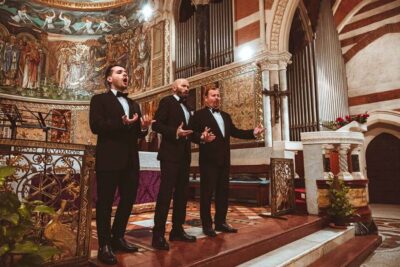
The Three Tenors at St. Paul’s Church Concert Ticket
Read our review →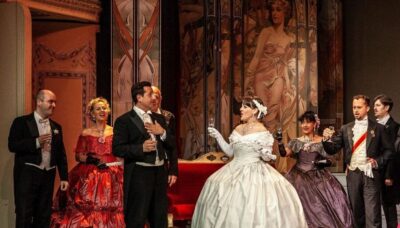
The Great Opera Arias Concert at Palazzo Poli – Trevi Fountain
Read our review →
Browse the lists this tour appears in