
Reviewed · PIZZA AND GELATO MAKING CLASSES
Rome: Pizza & Gelato Making Class with Wine & Limoncello
Pizza class, but make it Roman. This hands-on gelato-and-pizza workshop near Piazza Navona teaches you the real steps, then feeds you what you make with a glass of wine and a limoncello finish.
I especially love how practical it is. You do the kneading, shaping, and mixing, not just stand by and watch, and instructors like Lori, Paris, and Andrea are known for clear explanations that keep the whole group moving.
One thing to consider: at $81 per person, it is not cheap versus a normal dinner. If you want mostly scenery and only a little cooking, you may feel the price more than the payoff.
In This Review
- Key takeaways before you go
- Pizza and gelato in Rome, without the tourist fog
- Meeting at Gusto Restaurant and what happens in the first minutes
- Gelato workshop: learn the texture, not just the flavor
- Pizza dough practice: the part you’ll want to repeat at home
- Baking to the finish: what you’ll eat with wine and limoncello
- What you really learn from the chef, and why the small group helps
- Price and value: is $81 worth it?
- Who should book this pizza and gelato class?
- Should you book this pizza and gelato making class near Piazza Navona?
- FAQ
- Where is the class meeting point?
- How long is the Rome pizza and gelato class?
- What is included in the price?
- Is the instruction offered in English?
- Do you include wine and limoncello?
- What are the cancellation terms?
Key takeaways before you go
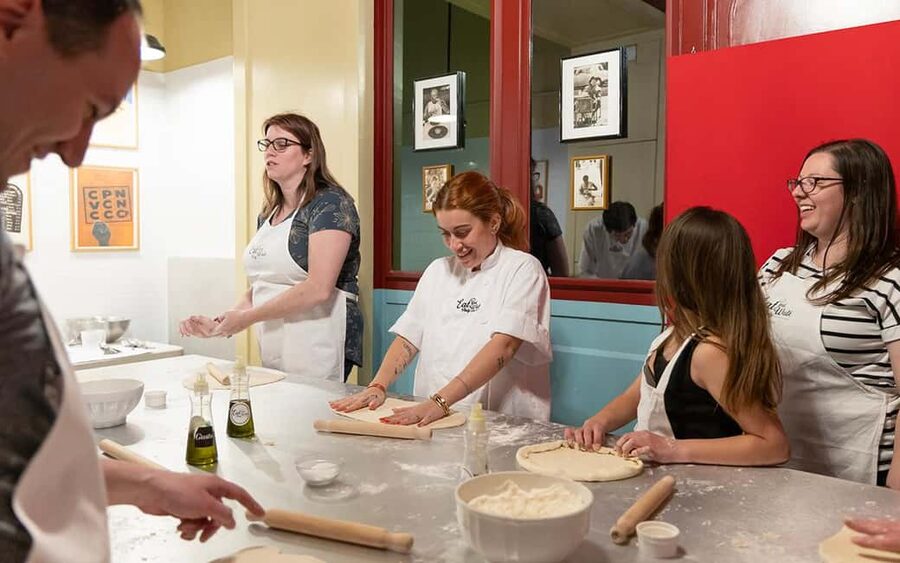
- Gelato first, then pizza: You learn two core Italian techniques in one 2.5-hour session.
- Chef-led, English instructions: Many classes are taught in English, with guides like Lori and Paris highlighted in feedback.
- You eat what you make: Your freshly prepared pizza and your own gelato are part of the meal.
- Wine and limoncello are part of the ritual: A glass of wine (or soft drink), plus limoncello or coffee at the end.
- Small-group feel: Reviews mention classes around 8 to 10 people, which makes it easier to ask questions.
- Good for mixed ages: Families often say the chefs keep kids and adults engaged.
Pizza and gelato in Rome, without the tourist fog
Rome has no shortage of food experiences. The difference here is that you get your hands in the process. You start with gelato basics, then move to pizza dough, and by the time the ovens are working, you’re not just eating a meal, you’re tasting the results of the choices you made.
This is also a smart way to visit a central area while still doing something useful. The class takes place near Piazza Navona, with the meeting point at Gusto Restaurant, so you can pair it with an afternoon of walking, then come back for dinner that is built from scratch.
And while it includes drinks, it doesn’t feel like a party class. The vibe stays focused on technique, timing, and getting everyone involved. In reviews, chefs are repeatedly praised for humor and patience, like Marti and Mathia being described as funny and natural, and instructors such as Tommy and Hassan being called out for engaging teaching.
The one possible catch is mindset. This isn’t designed for the “I’ll just taste a little” crowd. If you truly want to cook and learn, the price makes sense. If you only want a light snack with a view, this may feel like overkill.
Other classes for dough and gelato:
- Super Fun Pasta & Gelato Class by Vatican with Wine + Oil Tasting
★ 5.0 · 726 reviews - Rome: Pizza Making Class Small Group Experience
★ 5.0 · 487 reviews - Pizza and Gelato Making Class in the Heart of Rome
★ 5.0 · 323 reviews - Rome: Hands-On Pasta and Gelato Class in the City Center
★ 4.9 · 239 reviews
Meeting at Gusto Restaurant and what happens in the first minutes
Your experience starts at Gusto Restaurant. From there, you’ll move into a chef-led routine where everyone gets step-by-step guidance. The fact that the class is taught in English matters here, because dough and gelato are picky. When instructions are clear, you waste less time and your results improve faster.
In the opening portion, expect an introduction to traditional gelato making. You’ll learn how fresh ingredients and flavor balance create that creamy texture people associate with Italian gelato, and you’ll also get the simple explanation of what gelato is versus ice cream.
A good chef will also set expectations about pace. Reviews often mention classes being well organized and properly paced, with instructors like Lori and Josefina praised for keeping directions detailed and easy to follow. That matters because you only have about 2.5 hours total, so the schedule needs to move.
Practical tip: go in ready to work. If you’re used to cooking at home, you’ll probably find the techniques intuitive. If you’re not, that’s fine too, but plan to be hands-on and a little messy. This is part of the fun, and it’s how you actually learn.
Gelato workshop: learn the texture, not just the flavor
The gelato portion is more than “mix and freeze.” You’ll start by combining ingredients, then pay attention to flavor balance and consistency. The goal is a creamy texture, not just something sweet.
What I like about this part for you is that gelato is a great gateway skill. You can understand what you did, because it’s ingredient-driven. When you taste at the end, you can connect your earlier steps to what lands on your spoon.
You should also come away with a useful takeaway: you’re learning why Italian gelato works the way it does. Even without a science degree, you can understand the role of ingredients and how gelato differs from ice cream. In reviews, chefs are complimented for explaining the science behind the food, which suggests you’re not stuck with vague directions.
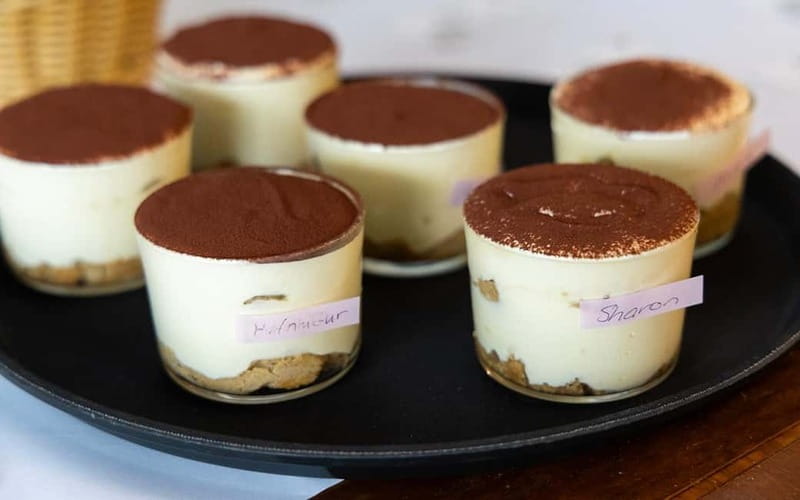
One note: the class name says gelato, but some experiences have been described as including other desserts such as tiramisu in certain versions or schedules. If gelato is your top priority, that’s worth keeping in mind when you book, since menus can sometimes vary.
Pizza dough practice: the part you’ll want to repeat at home
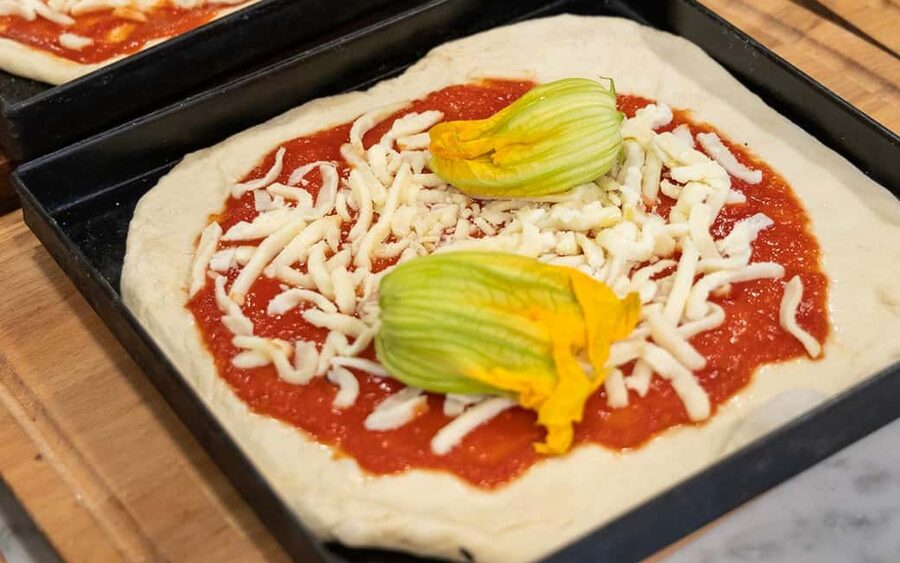
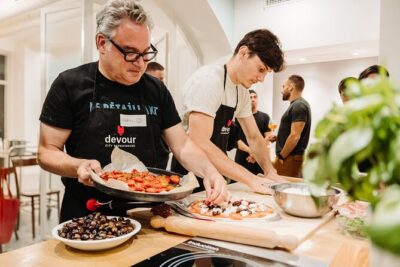
After gelato, you switch gears to pizza dough. This is where the workshop becomes practical cooking class territory: you’ll mix, knead, and shape your dough with guidance from the chef.
The key lesson is learning how to create an ideal Italian-style base. That includes understanding what the dough should feel like during kneading and how shaping affects the final result. Reviews highlight pizza-making skill a lot, including people praising instructors for teaching how to roll dough properly, and for involving everyone in the process.
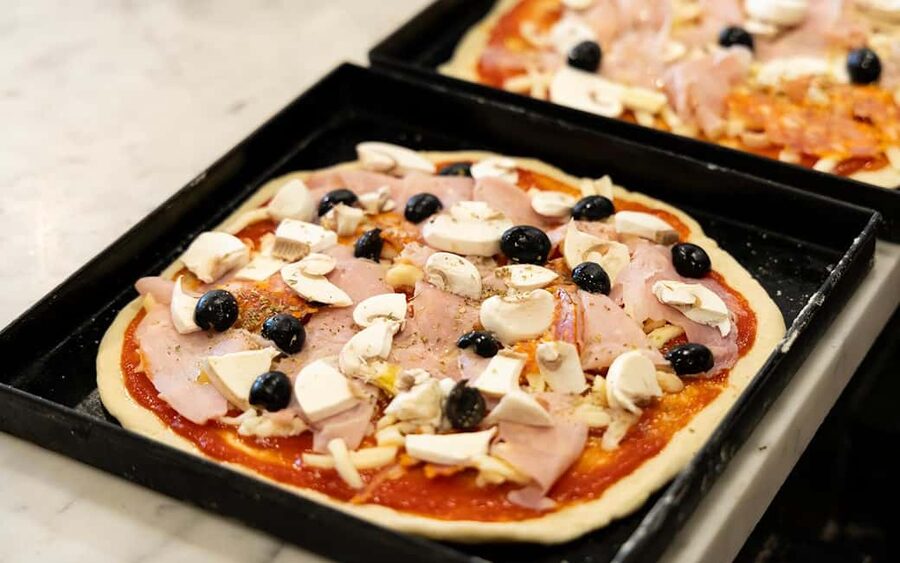
Then you get to pick toppings. That freedom is more than a fun add-on. It helps you connect technique to taste, because you’ll see how dough, sauce, and toppings interact once baked.
If you have kids or teens in the group, this is the best part. Reviews mention chefs staying fun and patient and managing mixed ages well. Dough is tactile, toppings are interactive, and eating together right after helps keep energy up.
Practical tip: eat something light beforehand. One review explicitly recommended not arriving totally empty. If you’re ravenous, you might want to rush, and if you’re stuffed, you’ll feel pressure to “power through” the meal at the end. Aim for comfortably hungry.
Baking to the finish: what you’ll eat with wine and limoncello
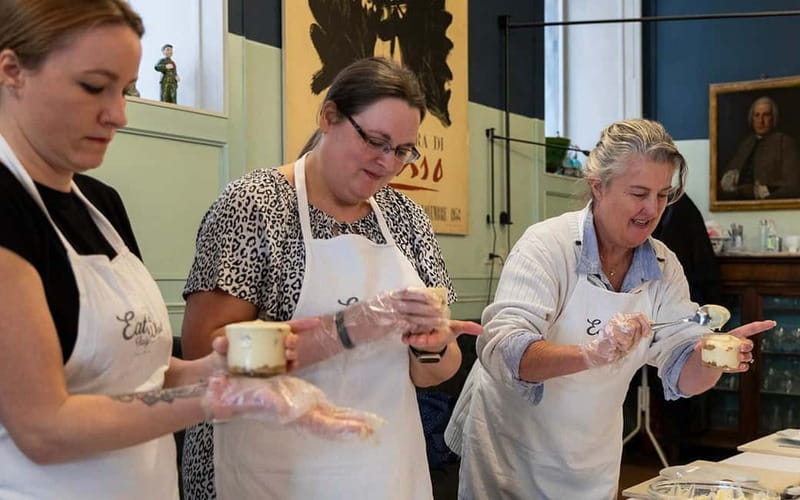
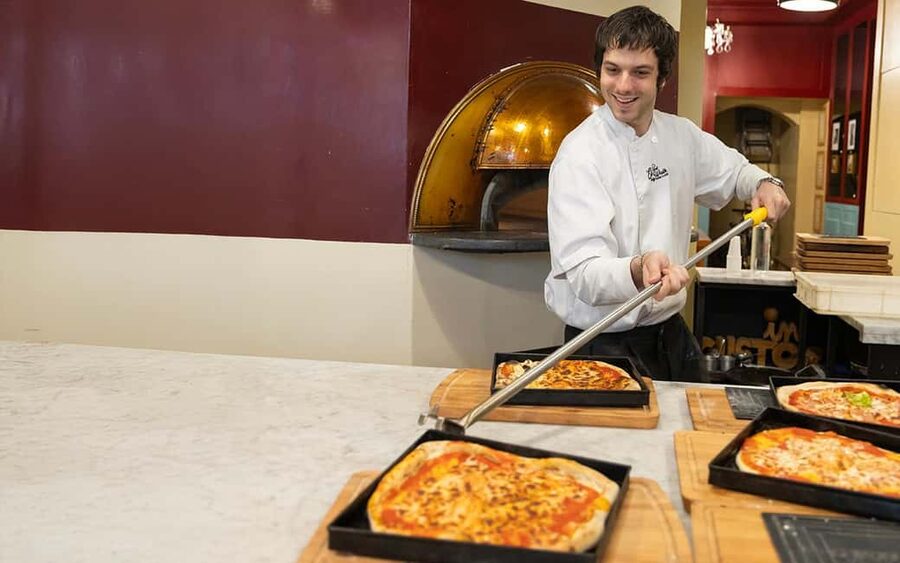
Once your pizza is made, you’ll sit down and enjoy the meal. The sequence is simple and satisfying: you eat your freshly baked pizza, then you enjoy the gelato you prepared during the class.
Included drinks are part of the experience, and they’re clearly spelled out. You’ll get still water, a glass of wine or a non-alcoholic beverage, and a final tasting of limoncello or coffee.
This is a great structure for Rome, because you don’t have to plan dinner after. You also don’t have to choose between “cook class” or “Roman drinks.” It’s both, and the timing is built into the class flow.
A small detail that matters: extra food and drinks are not included. That keeps the meal contained, but it also means you should expect to pay for anything beyond what the class provides.
If you’re sensitive to wine, don’t stress. The class includes a non-alcoholic option, and plenty of families and mixed-age groups have made it work comfortably. Just plan for how you’ll move afterward. If you do take the wine, keep it in the “one glass with your meal” category and let the rest of your evening be a slow walk and not a late sprint across Rome’s hills.
More Lazio bottles opened near Rome:

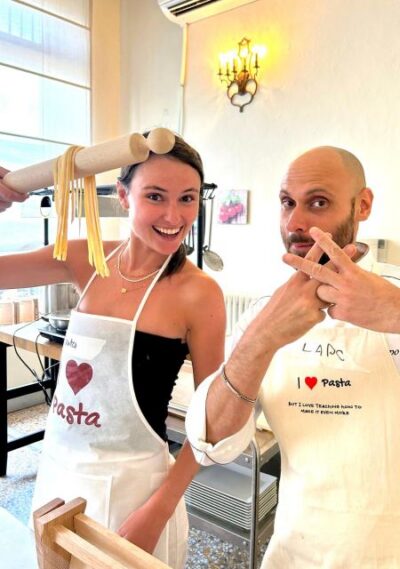
What you really learn from the chef, and why the small group helps
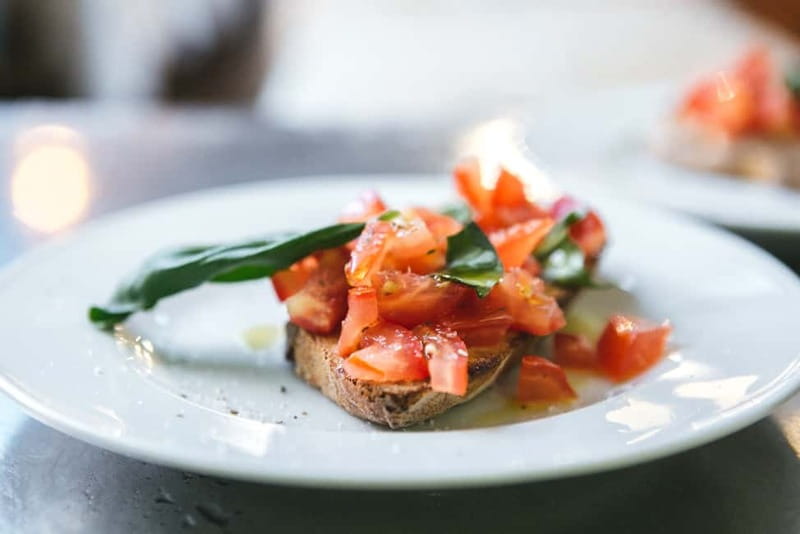
The chef instructor is a big deal here, and the reviews give consistent signals. People call out instructors for humor, patience, and clear explanations, with names like Lori, Paris, Leonardo, Maria, Tommy, Andrea, Claudio, and Hassan showing up repeatedly.
That matters because pizza and gelato have a couple of “hidden” steps. If your instructions are vague, dough can turn out tough or sticky, and gelato can taste off if flavor balance is thrown. When the chef communicates well, you get results you can actually be proud of.
The other advantage is group size. Some feedback mentions classes typically running around 10 people, but smaller groups can happen. Even if you’re not in a tiny group, the format should still feel interactive. You can ask questions while you knead, and you’re not trapped waiting your turn for every step.
For value, this is where the class earns its keep. You’re paying for ingredient prep plus professional technique plus guidance plus a meal. If you simply wanted ingredients and a recipe, you could do it yourself. If you want someone standing next to you saying, check the dough here, then tasting it with you at the end, that’s what you’re really buying.
Price and value: is $81 worth it?
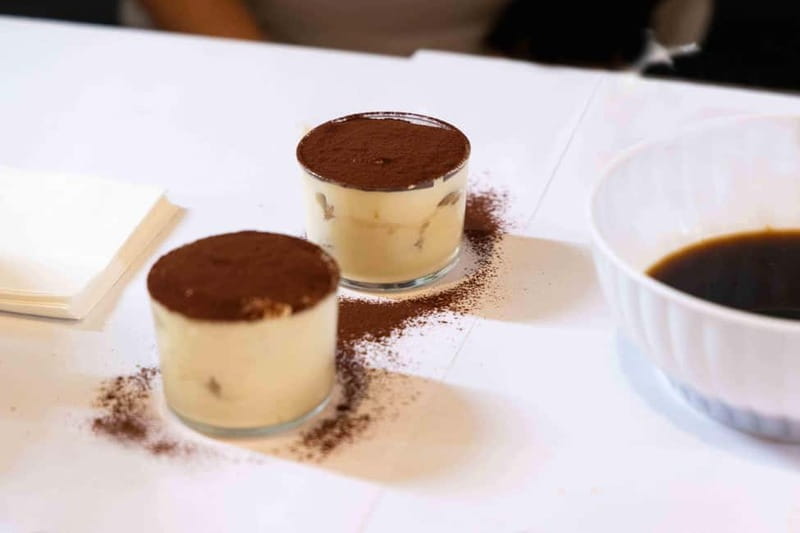
At $81 per person, you’re paying more than a typical sit-down pizza-and-gelato dinner. But the class bundles several costs together: chef time, hands-on instruction, ingredients, and the meal itself, including wine or a soft drink, plus limoncello or coffee, along with water.
So the question for you is not “is it expensive,” it’s “what are you trying to get from Rome.” If you want an activity that teaches you something you can repeat, then it’s a strong value. If you only want to eat, you can spend less.
I also think the timing helps. At 2.5 hours, you’re not surrendering an entire evening. You’re also getting dinner without a restaurant wait and without the uncertainty of whether the place will be touristy.
My practical take: book this if you’re the kind of traveler who likes to bring home a skill, not just photos. And if you’re traveling with kids, it’s often described as fun for all ages, which can reduce the “will this entertain them?” stress.
Who should book this pizza and gelato class?
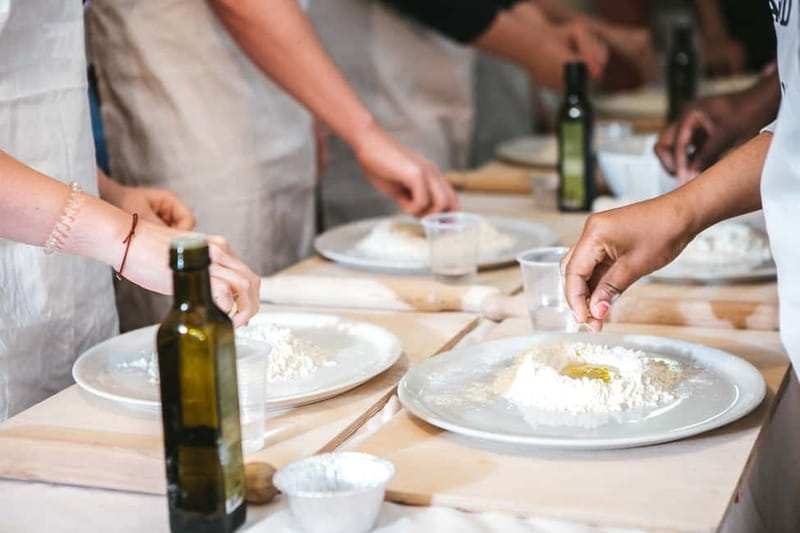
This works well for:
- Couples who want a shared activity that ends in a meal you made together
- Families since chefs tend to include kids and keep things hands-on
- Friends who want a low-pressure, social evening in central Rome
- Beginners because you get step-by-step guidance, not just a recipe card
It may not be the best fit if:
- You hate hands-on cooking and just want to observe
- You are only interested in dessert and not in pizza dough practice
- You expect total customization, because the format is structured around what the chef teaches within the time limit
Should you book this pizza and gelato making class near Piazza Navona?
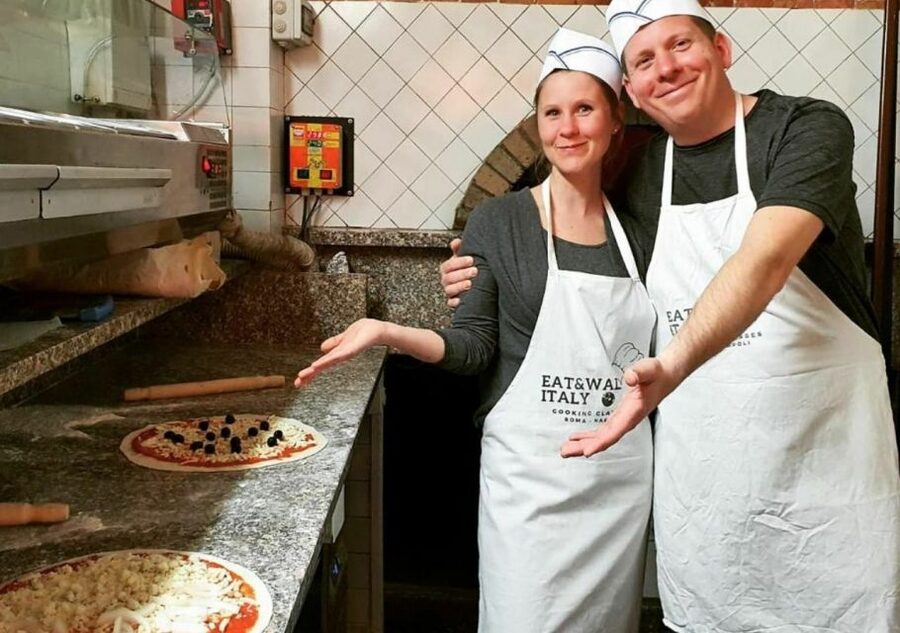
If you want a Roman evening that feels local, not scripted, I’d book it. You’re getting chef instruction in English, you’re making two Italian favorites, and you’re eating the results with wine or a soft drink and a limoncello finish. That combo is rare in one package.
Book with confidence if you’re excited to knead dough, build flavor in gelato, and sit down to a meal that feels personal. Consider it carefully if you’re only looking for casual tasting at the lowest cost. This class is built for people who want to cook, learn a few techniques, and leave with the satisfaction of making dinner yourself.
FAQ
Where is the class meeting point?
The meeting point is Gusto Restaurant.
How long is the Rome pizza and gelato class?
The experience lasts 2.5 hours.
What is included in the price?
You get a hands-on pizza and gelato making class with a professional chef instructor, your own gelato, water, a glass of wine or a non-alcoholic beverage, and a final tasting of limoncello or coffee.
Is the instruction offered in English?
Yes. The instructor provides English instruction.
Do you include wine and limoncello?
Yes. A glass of wine or a soft drink is included, and you also receive limoncello or coffee at the end.
What are the cancellation terms?
You can cancel up to 24 hours in advance for a full refund.
A Roman Bench for the Morning
- 3 in 1 Cooking Class near Navona: Fettuccine, Ravioli & Tiramisu
★ 5.0 · 7,376 reviews - Rome Cooking Class: Make Pasta and 3 Spritz Cocktails
★ 5.0 · 2,937 reviews - Rome: 3-in-1 Fettuccine, Ravioli, and Tiramisu Cooking Class
★ 4.9 · 2,704 reviews - Rome: Fettuccine Pasta Cooking Class in Rome’s City Center
★ 4.8 · 2,414 reviews
Latest additions from Rome
- Guided Tour Vatican Museums & Sistine Chapel★ 4.1 · 30 reviews
- Exclusive Rome by Night Vespa Tour★ 5.0 · 30 reviews
- Transfer Rome to Airports★ 4.5 · 30 reviews
- Vatican: St.Peter’s Basilica & Dome – Reserved Entry & Tour★ 4.1 · 30 reviews
- Tivoli, Hadrians Villa and Villa d’Este, a charming day trip from Rome★ 4.5 · 30 reviews
- Rome street art tour: off the beaten path with a local guide★ 5.0 · 30 reviews
- Rome Food Tasting with Wine Pairing Italian Authentic Flavors★ 5.0 · 31 reviews
- Inspirational Cooking on the Roman Chef’s Panoramic Terrace★ 5.0 · 30 reviews
Pizza and Gelato Making Classes, compared.
Super Fun Pasta & Gelato Class by Vatican with Wine + Oil Tasting
Read our review →
Pizza and Gelato Making Class in the Heart of Rome
Read our review →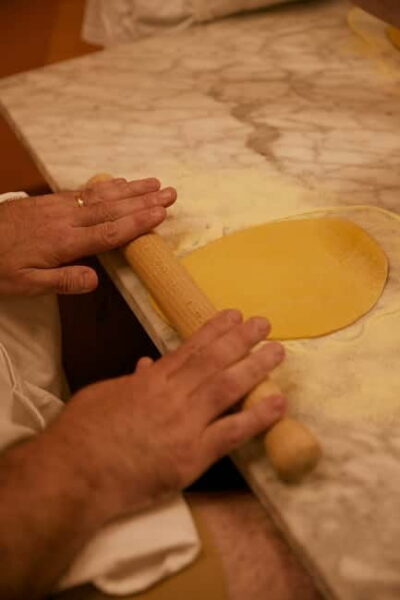
Hands-On Pasta and Gelato Class in the City Center
Read our review →
Holy Pizza! Fun Pizza & Gelato Making by Vatican + Delish Wine
Read our review →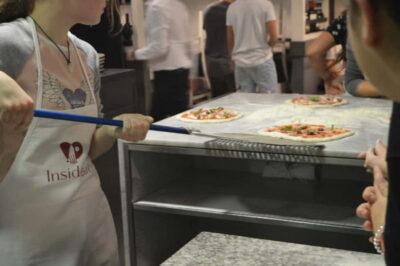
Hands-On Pizza Making Class near the Vatican with Wine
Read our review →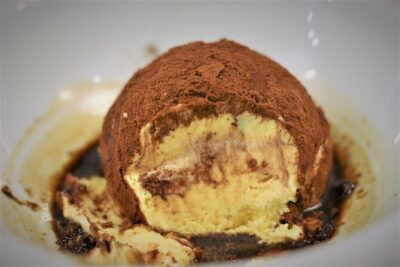
Devour Rome Wine & Pizza Making Class in Trastevere Neighborhood
Read our review →Browse the lists this tour appears in