
Reviewed · WORKSHOPS
Rome Photo Masterclass: Private Tour & Workshop
Golden hour in Rome is a teacher. This private photo masterclass in Rome pairs hands-on coaching with an award-winning local photographer so you learn how to frame streets, portraits, and big monuments the right way. You’ll work before and during sunset, with enough time at each stop to actually practice, not just pose.
What I really like is the one-on-one feel, even though you’re covering Rome’s top sights. You get personal attention and on-the-spot help with composition and camera settings, whether you shoot a DSLR, mirrorless, or a phone.
One thing to consider: the day is built for photography practice, so the time at each landmark is short. If you want long museum-style exploring, you’ll need extra time on your own.
In This Review
- Key highlights you can plan around
- First steps at Piazza di Spagna with Marco Bulgarelli
- How the workshop teaching actually helps your photos
- Stop 1: Spanish Steps, your first practice frames
- Stop 2: Trevi Fountain, learning angles beyond the postcard
- Stop 3: Pantheon, quick but high-impact shooting
- Stop 4: Piazza del Campidoglio, city photos from the right vantage
- Stop 5: Vittorio Emanuele II, classic and unusual takes
- Stop 6: Mercati di Traiano and the Fori Imperiali area
- Stop 7: Colosseum for 45 minutes of real practice
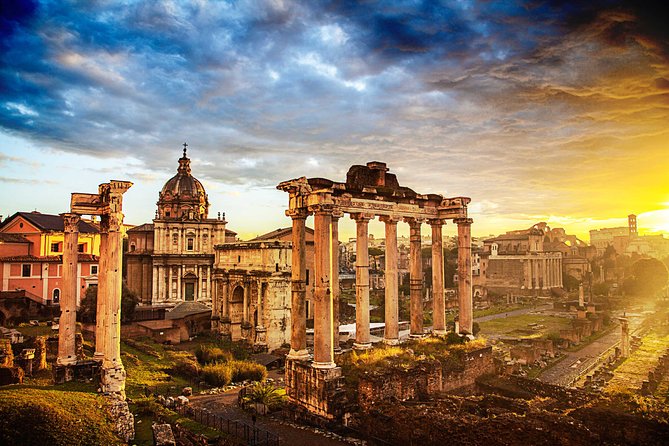
- Stop 8: Roman Forum, turning ruins into a photo sequence
- Golden hour timing, and why rainy days can help
- Phone cameras, real cameras, and your level of experience
- Comfort, breaks, and how to keep the day enjoyable
- Value and pricing, what $240.05 buys you in Rome
- Who this photo masterclass is perfect for
- Should you book it
- FAQ
- How long is the Rome Photo Masterclass?
- How much does it cost?
- Who leads the tour and is it in English?
- Is this tour private?
- Can my partner or friend join if they are not taking photos?
- Do I need a camera, or can I use a smartphone?
- Where do we meet and where does the tour end?
- Are tickets needed for the stops?
- What if it rains?
- Can I change my date or cancel?
Key highlights you can plan around
- Golden hour timing for softer light and easier composition
- Marco Bulgarelli’s teaching style, with guidance suited to your level
- Multiple shooting angles at each monument, including unusual viewpoints
- Street and portrait focus so your photos look like Rome, not postcards
- Partner-friendly setup, since a non-photographer can come free
- Phone or camera welcome, with practical tips you can use immediately
First steps at Piazza di Spagna with Marco Bulgarelli
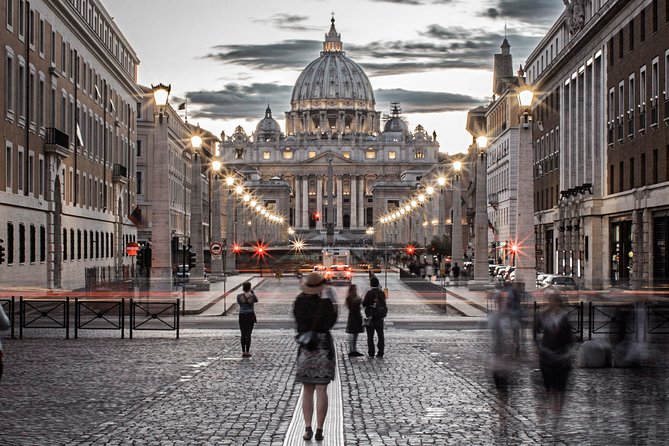
The tour starts near Piazza di Spagna, at Piazza di Spagna, 85. You meet in an area that’s easy to reach by public transport, and it puts you right where the city starts to feel photogenic, even before you move.
Marco Bulgarelli leads the whole session. He’s an award-winning local photographer and a National Geographic contributing photographer, speaking English. He doesn’t just point at views, he helps you build a shooting plan so you know what you’re trying to capture as you walk.
Before you even get to the Spanish Steps frames, you’ll get a short introduction to urban scenes, travel photos, street shots, and portraits. The goal is simple: you stop taking random pictures and start making images with intention.
More Private Tours in Rome
- Rome by Golf Cart Private Tour: Beyond the Landmarks
★ 5.0 · 4,361 reviews - Early Morning Vatican, Sistine, St. Peter’s Semi or Private Tour
★ 5.0 · 3,779 reviews - Rome on a Golf Cart Semi-Private Tour Max 6 with Private Option
★ 5.0 · 2,502 reviews - Rome Private Arrival Transfer: Fiumicino Airport to Hotel in Rome
★ 4.5 · 2,492 reviews
How the workshop teaching actually helps your photos
This is not a passive photo walk. It’s a workshop built around technique you can repeat later.
You’ll get guidelines for building a basic photography project, which is a fancy way of saying you’ll learn to choose a focus and keep it consistent while you move through Rome. That matters, because your photos look better when they share a theme, mood, or visual logic.
You also get hands-on support suited to beginners, amateurs, and advanced photographers. If you’re using a smartphone, you’re still part of the process, and you can expect coaching on composition and how to set up your shots. If you’re using a real camera, you’ll likely work with how you’re thinking about focus, clarity, and framing as you shoot.
One of the biggest strengths is that Marco can adapt to what you want to learn. If your goal is street photography, you’ll get lessons on how to spot moments, position yourself, and direct your attention so you’re not just photographing crowds.
Stop 1: Spanish Steps, your first practice frames
At the Spanish Steps, the session starts with structure. You get that early intro and a prompt to think like a photographer, not a tourist with a camera.
Then you’ll shoot the Spanish Steps using an alternative route. That’s useful because it forces you to look from angles you might skip if you only stand in the usual spots. With about 30 minutes here, you have time to try a few different ideas, not just one attempt and done.
Even if you’re new, this stop is a smart training ground. The steps give you strong lines for composition, and the surrounding streets give you instant practice for street and travel images.
Stop 2: Trevi Fountain, learning angles beyond the postcard
Trevi Fountain is the kind of place where it’s easy to take the same photo as everyone else. This stop pushes you to change that.
You’ll spend about 30 minutes shooting Trevi from various angles around the area. Instead of only capturing the fountain front-on, you practice thinking about viewpoint, spacing, and how to include background elements without losing the main subject.
If you care about street photography, Trevi can work surprisingly well because you’ll be watching people move through the scene while you keep your framing choices intentional. If you care about portraits, you can focus on how faces interact with the architecture and the light.
Stop 3: Pantheon, quick but high-impact shooting
Pantheon time is shorter, about 15 minutes. That forces you to move fast and decide what matters in your frame.
This stop is ideal for learning rapid composition choices. You can test how wide vs. tight framing changes the feel, and you can focus on contrast between the historic structure and the people around it.
Because the time window is brief, you’ll get the idea of working in short bursts. That’s a real skill in Rome, where you can’t always control crowds or lighting. You’ll leave with at least a couple of strong attempts to practice further back home.
Other Roman benches to work at for a morning:
Stop 4: Piazza del Campidoglio, city photos from the right vantage
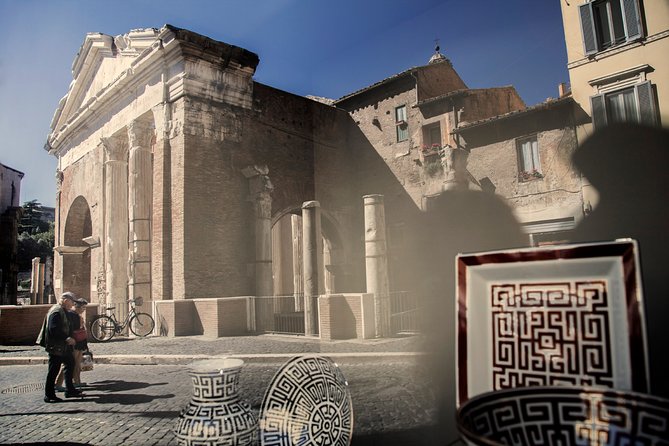
Next up is Piazza del Campidoglio, with about 30 minutes to shoot Capitoline Hill and its surroundings. This is where the workshop shifts from famous monument shots to more layered “how do I compose this whole scene” thinking.
You’ll be looking for glimpses and background relationships. That’s a great way to level up your city photos, because your image becomes more than a single subject. You start building photos that feel like walking around Rome, not just standing near it.
The practical benefit here is pacing. By the time you reach this stop, you’ve already warmed up with Spanish Steps and Trevi, so you can spend this section focusing on how to control what’s in your frame.
Stop 5: Vittorio Emanuele II, classic and unusual takes
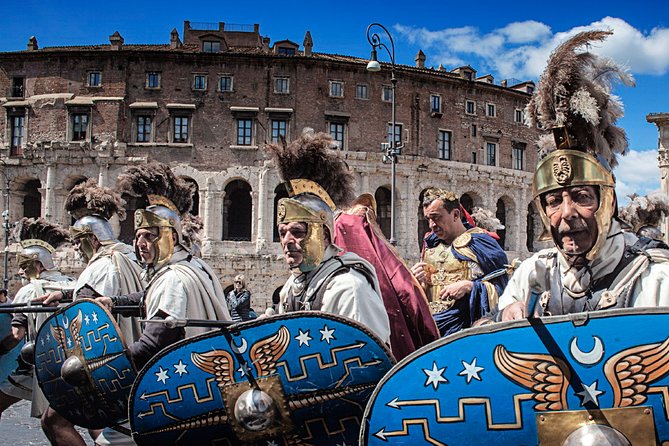
This stop is Monumento a Vittorio Emanuele II, and you get about 30 minutes. The key detail is that you won’t only take the most obvious angles.
Marco guides you to shoot it from many viewpoints, with some classic angles and some unusual ones. That’s where your photos start looking more personal. When you choose an angle other people skip, the monument becomes your story instead of their background.
This is also a strong session for travel photography. Big monuments can flatten your images, unless you’re careful. By working angles, you keep scale and depth feeling real.
Stop 6: Mercati di Traiano and the Fori Imperiali area
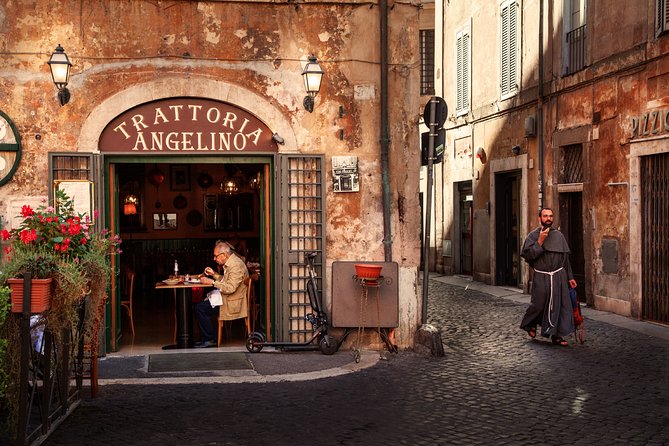
Now the tour shifts from the postcard zones toward a more scene-rich historic area. You’ll shoot the Trajan’s Market (Mercati di Traiano, Museo dei Fori Imperiali) from different angles for about 30 minutes.
What I like about this stop is that ruins and ancient structures make it easier to practice visual problem-solving. Lines, texture, and repetition can help you build photos with clear structure, even when the subject isn’t one single icon.
It’s also a good moment to slow down your approach. If you’ve been busy chasing famous spots, this section helps you practice seeing details and building a series of images that connect.
Stop 7: Colosseum for 45 minutes of real practice
The Colosseum gets about 45 minutes, which is a big deal in a half-day style tour. More time here means more chances to refine your framing choices.
You’ll shoot the Colosseum from many unique angles. That’s the right approach, because one viewpoint rarely tells the full story of the structure. When you test different angles, you start learning what works for you, and you stop relying on what you assume looks good.
Also, 45 minutes means you can wait a little. In Rome, small changes in crowds and light can make a big difference. With proper guidance, you use that time well instead of feeling stuck.
Stop 8: Roman Forum, turning ruins into a photo sequence
The tour finishes at the Roman Forum, with about 30 minutes. You’ll capture the forums through an alternative route, which helps you avoid only photographing the most direct and common views.
This final stop is where your workshop focus comes together. You’re not just trying to nail one perfect shot. You’re practicing how to photograph a site as a sequence of images, with framing choices that guide a viewer through the scene.
It’s an excellent final chapter for travel and street photography, too. Even in ancient ruins, you can focus on how people move, how the space frames them, and how your composition tells a story.
The tour ends at Colosseum, Piazza del Colosseo, 1.
Golden hour timing, and why rainy days can help
This tour is designed around before and during golden hour, so the light is softer and shadows are more forgiving. That matters for photography because you get more flattering contrast and less harsh glare.
Start times can change for the afternoon session depending on sunset. So don’t panic if your start feels like it shifts. It’s part of the design, and it usually improves your chances of better light.
And yes, rain can be helpful. If it rains, the mood becomes more poetic and the photos can look more expressive. Wet stone and atmospheric light can give Rome a different personality, and your job is to learn how to frame it when conditions change.
Phone cameras, real cameras, and your level of experience
A huge plus here is that the tour works for beginners, amateurs, and advanced photographers, with a camera or smartphone. That means you do not need to wait until you upgrade your gear to improve.
If you’re starting out, the workshop structure helps you focus on a few key choices: framing, where you stand, what you include, and what you ignore. If you’re more experienced, you can use the time to refine your process and get honest feedback on what’s working.
Marco’s teaching is known for being patient and direct. You’ll get practical help while shooting, not just a lecture at the beginning. That’s why you leave with new habits to practice later.
Comfort, breaks, and how to keep the day enjoyable
Wear comfortable shoes. You’ll be walking between major stops, and you’ll also reposition for different angles, which adds extra steps.
Bring a small bottle of water, especially if your session lands on a warm afternoon. Even with breaks, this is still a compact, active tour.
You can stop for gelato, pizza, or coffee any time. That’s not just for fun. It also helps you reset so you don’t chase photos while you’re tired or rushed. If you want a local lunch recommendation, Marco may point you toward a nearby eatery like Gigetto, known in his orbit for fried artichokes.
Value and pricing, what $240.05 buys you in Rome
At $240.05 per person for roughly 4 hours, this is not the cheapest way to see central Rome. The value comes from what most self-guided walks cannot replicate: personal coaching and immediate feedback while you shoot.
A private format matters because you’re not competing for attention in a big crowd. Marco can adjust his guidance to your level and your goal, which helps your photos improve faster than passive sightseeing.
A smart perk is that your partner or friend can accompany you for free as a non-photographer. So if you’re traveling with someone who wants the sights but not the technical lesson, you can both enjoy the day.
Also, the stops listed are marked as admission ticket free, which keeps the session focused on photography instead of turning into an entry-fee scavenger hunt. And because you’ll have a mobile ticket, you won’t be scrambling for paper.
Who this photo masterclass is perfect for
I’d point you to this tour if you want more than sightseeing photos. This is ideal if you care about street photography, portraits, and travel-style images, and you want to learn how to frame Rome so it looks like a real moment.
It also works well if you’re a couple or small group and you want shared time, with a free pass for a non-photographer. And if you’re the type who likes practicing right away, the golden hour schedule gives you a built-in reason to keep shooting instead of stopping when you get tired.
If you mainly want museum time, long indoor visits, or a deep architectural tour, this might feel a bit too photo-focused. But for anyone who wants stronger images and a clearer method, it’s a strong fit.
Should you book it
Book it if you want a Rome experience that turns into usable skills. In a few hours, you’ll learn how to plan a shot, change your angles on purpose, and build a photo sequence instead of grabbing random frames.
Skip it only if your dream day is slow, unstructured sightseeing with lots of time inside buildings. This tour is designed for photography practice with short, efficient windows at each landmark.
FAQ
How long is the Rome Photo Masterclass?
It lasts about 4 hours.
How much does it cost?
The price is $240.05 per person.
Who leads the tour and is it in English?
The tour is led by Marco Bulgarelli, an award-winning local photographer, and it is offered in English.
Is this tour private?
Yes. It is a private tour/activity, so only your group participates.
Can my partner or friend join if they are not taking photos?
Yes. A partner or friend can accompany you for free if they are not photographing.
Do I need a camera, or can I use a smartphone?
You can participate with either a camera or a smartphone.
Where do we meet and where does the tour end?
You start at Piazza di Spagna, 85, 00187 Roma RM, Italy, and you end at the Colosseum area, Piazza del Colosseo, 1, 00184 Roma RM, Italy.
Are tickets needed for the stops?
The stops listed are marked as admission ticket free.
What if it rains?
If it rains, that is considered even better for mood, and photos can look more poetic.
Can I change my date or cancel?
You can change the date of the tour without additional costs. There is free cancellation up to 24 hours in advance for a full refund.
Latest additions from Rome
- Rome: Testaccio Market Food Tour with Street Food & Wine★ 5.0 · 8 reviews
- Exclusive Pasta & Tiramisu Class with Wine near by Colosseum★ 5.0 · 8 reviews
- Private Professional Photoshoot in Rome★ 5.0 · 8 reviews
- Loreto “Shrine of the Holy House of the Virgin Mary” Private Tour from Rome★ 5.0 · 8 reviews
- Rome Day to discover Florence and Pisa Hotel Pickup★ 4.5 · 8 reviews
- Rome: Christmas Nativities and Angels Tour★ 3.1 · 8 reviews
- Guided Tour of Vatican Museums and Sistine Chapel★ 5.0 · 8 reviews
- Rome: Cooking Class of fresh Pasta and Tiramisu Cake★ 5.0 · 8 reviews
Workshops, compared.

3 in 1 Cooking Class near Navona: Fettuccine, Ravioli & Tiramisu
Read our review →
Pasta & Tiramisu Class with Fine Wine by the Vatican
Read our review →
Pasta Making Class with Wine, Limoncello, and Dessert
Read our review →
Rome Cooking Class: Make Pasta and 3 Spritz Cocktails
Read our review →
3-in-1 Fettuccine, Ravioli, and Tiramisu Cooking Class
Read our review →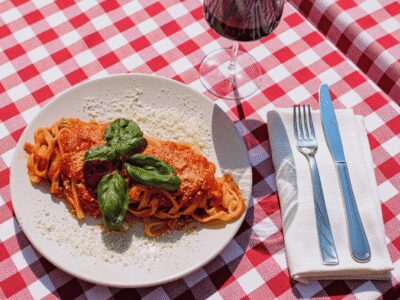
Fettuccine Pasta Cooking Class in Rome’s City Center
Read our review →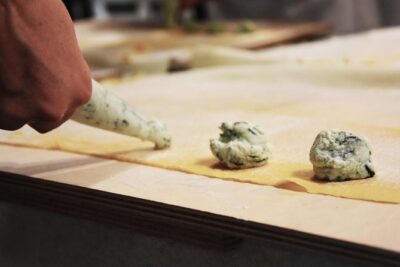
Become a Masterchef in Rome: Pasta, Ravioli and Tiramisù Class
Read our review →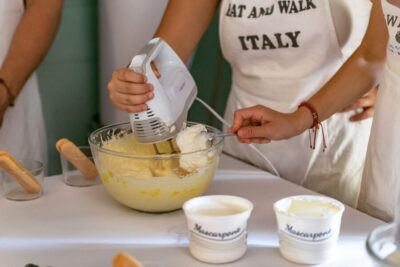
Fettuccine & Tiramisù: Cooking Class with Wine & Limoncello
Read our review →Browse the lists this tour appears in