
Reviewed · PASTA AND TIRAMISU COOKING CLASSES
Rome: Pasta-Making Class with Italian Spritzes
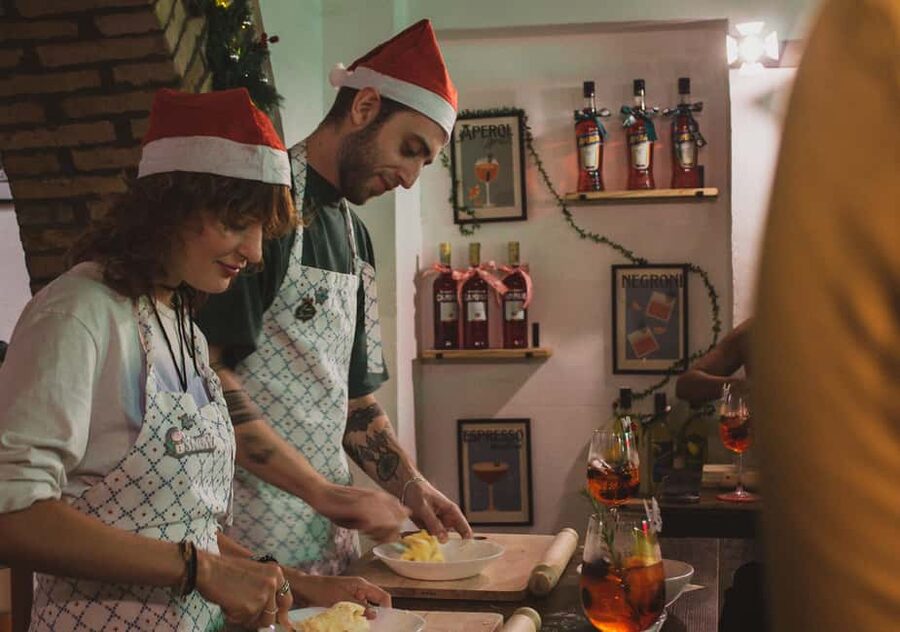
Spritz and pasta make Rome feel personal. You get a hands-on pasta class in a central kitchen about a 10-minute walk from the Colosseum, plus an expert-led mixology start. I loved learning how to make Roman pasta and sauces like cacio e pepe and carbonara, hands-on, not just watching. I also loved that you make and taste three spritz cocktails (Aperol, Hugo, and Limoncello). The main consideration is the menu includes gluten and dairy, so gluten-free, lactose intolerance needs, and vegan diets are not supported.
This is also the kind of class that feels social without getting chaotic. The atmosphere tends to be relaxed and fun, and the instructors you might meet include English-speaking chefs and hosts like Jem, Sunny, Gio, Angela, and Joanna, based on past class lineups. Expect step-by-step guidance, plenty of participation, and a vibe that keeps the evening moving.
You finish with your own pasta in the same place you cooked it, then you cap the experience with another cocktail. Vegetarian options are available, and you leave with an e-book of recipes so you can recreate the big flavors after your trip.
In This Review
- Key highlights worth booking for
- Why this Rome pasta and spritz class feels different
- The 3-hour rhythm near the Colosseum, and what you should watch for
- Mixology demo: making Aperol Spritz like you mean it
- Hugo Spritz and the second cocktail you’ll actually make
- Making fettuccine from scratch in a Rome kitchen
- Cacio e pepe and carbonara: learning the sauce, not just the steps
- Eating your pasta near the end, with Limoncello Spritz to finish
- Value check: how $69 stacks up in central Rome
- Who this class suits best, and who should skip it
- Practical tips to get the most from your pasta and spritz night
- Should you book this Rome pasta and spritz class?
- FAQ
- What cocktails are included in the class?
- What pasta and sauces will I make?
- Are there vegetarian options?
- Can the class accommodate gluten-free or lactose-free needs?
- How long is the experience?
- How do I get the recipes after the class?
Key highlights worth booking for

- Aperol Spritz to start, then a second spritz, plus a final cocktail with your meal
- Roman pasta from scratch, with classic sauces like cacio e pepe and carbonara
- Three spritz styles in one night: Aperol, Hugo, and Limoncello
- Recipes as an e-book so you can cook again at home
- Central location near the Colosseum, with a meeting point that may shift slightly within walking distance
- Great for vegetarians, but not for gluten-free, lactose intolerance, or vegan diets
Why this Rome pasta and spritz class feels different

Most cooking classes in Rome teach you a recipe. This one teaches the rhythm behind the recipe. You start with drinks and technique, then you move into dough, sauce, and timing, all in the same 3-hour flow.
The spritz part is not a gimmick. It sets the tone, and it gives you a concrete skill you can use right away. Aperol Spritz and Hugo Spritz are the kind of drinks people think they can wing, but making them properly teaches you how balance and method matter.
Then you get Roman pasta fundamentals, not just pasta shapes for Instagram. You’re making fettuccine from scratch, and you learn how to handle Roman classics like cacio e pepe and carbonara so the sauce comes out the way it should.
Other kitchens rolling pasta and folding tiramisu:
- 3 in 1 Cooking Class near Navona: Fettuccine, Ravioli & Tiramisu
★ 5.0 · 7,376 reviews - Rome: Pasta & Tiramisu Class with Fine Wine by the Vatican
★ 4.9 · 4,852 reviews - Rome: Pasta Making Class with Wine, Limoncello, and Dessert
★ 4.9 · 3,177 reviews - Rome Cooking Class: Make Pasta and 3 Spritz Cocktails
★ 5.0 · 2,937 reviews
The 3-hour rhythm near the Colosseum, and what you should watch for
The class runs for about 3 hours. You’ll meet at a centrally located kitchen that’s within a short walk of the Colosseum, and the meeting point can vary slightly depending on the option booked, but it stays within about a 5-minute walk.
In practice, that short walk matters. You’re not spending the whole evening commuting across town. It also makes it easier to pair this with a pre-dinner wander through the area before you check in.
What you can expect during the 3 hours is a steady build. Mixology first, then pasta-making, then sit-down eating with a final drink. The pace is designed so everyone gets hands-on time, not just one person rolling pasta while the rest watch.
One more thing to consider: you’re cooking and drinking, so plan to be hungry and relaxed. This isn’t a quiet, museum-style class. It’s active, social, and meant to be fun.
Mixology demo: making Aperol Spritz like you mean it
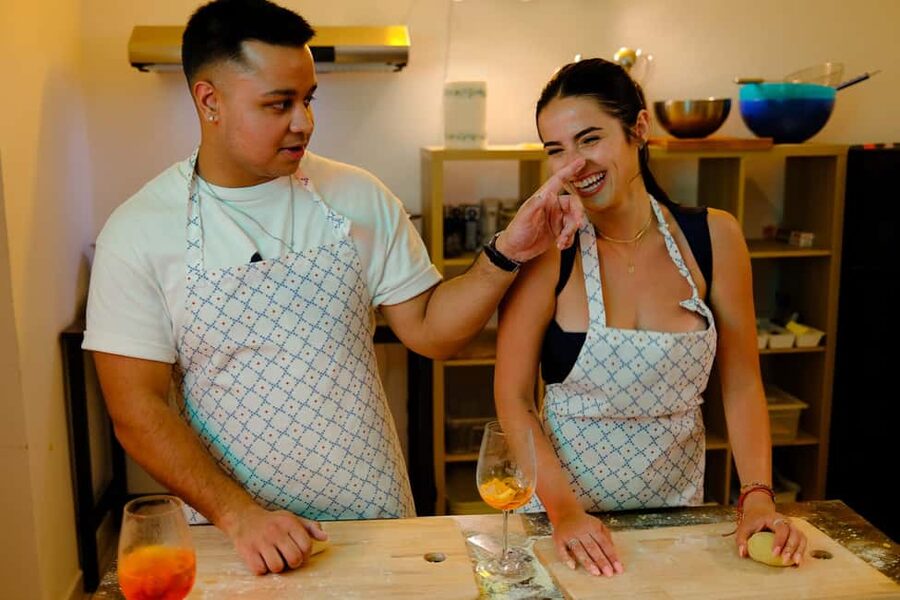
You kick off with a mixology demo focused on Aperol Spritz. The goal is simple, make it the way Italians actually enjoy it, not the way it gets served in tourist bars.
You get shown how to balance the ingredients and build the drink properly. Then you taste and learn what good looks and tastes like. That matters because a spritz can be too sweet, too bitter, or flat if the proportions and method are off.
This part is also where you get your first real “oh, this class gets it” moment. You’re learning from an expert mixologist, and the tone tends to be upbeat. If you like cocktail culture, this gives you skills that translate even after you’re home.
Hugo Spritz and the second cocktail you’ll actually make
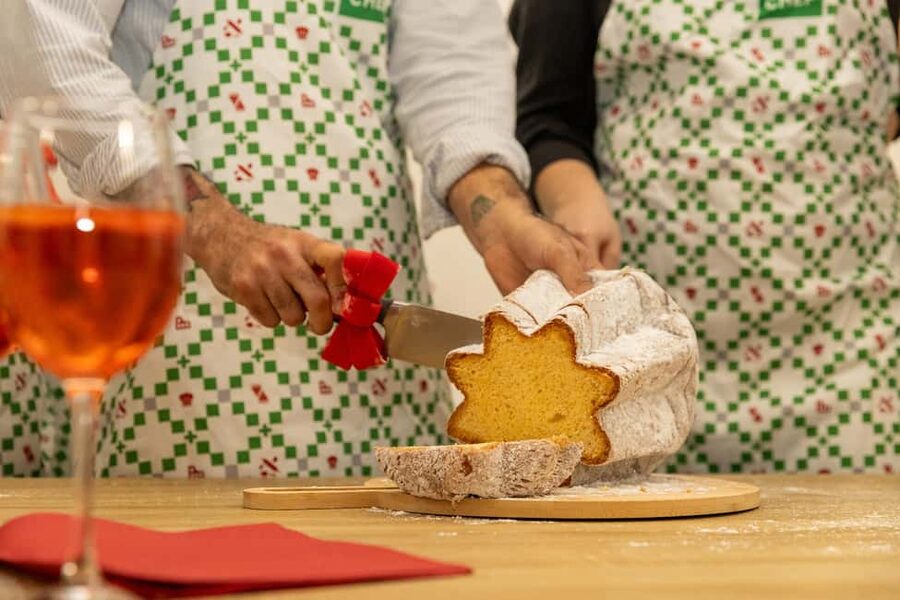
After the pasta prep starts to kick in, you take on a second spritz, Hugo Spritz. The class structure puts drinks and cooking together so you’re not stuck waiting through long lectures.
Hugo is a slightly different flavor profile than Aperol Spritz, so it’s a good way to taste how Italian spritz style changes with the ingredients. You get practice with method and balance, and then you get a moment to drink and reset before the cooking really ramps up.
If you’re someone who enjoys small challenges, this is a good setup. You end up with three distinct spritz experiences across the night, instead of one drink repeated three times.
Making fettuccine from scratch in a Rome kitchen
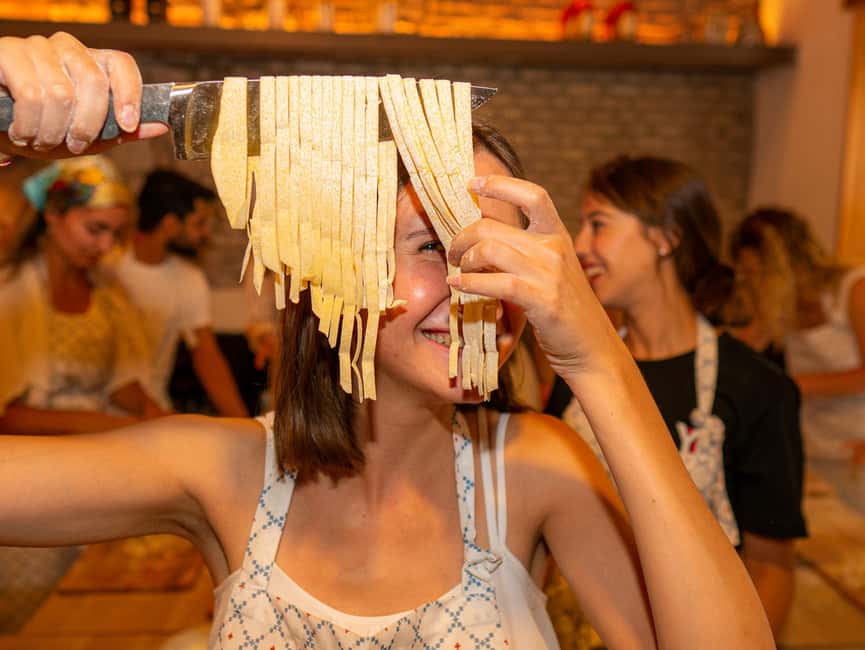
This is the part you came for: pasta you make yourself. You’ll learn to make fettuccine from scratch, using fresh ingredients and a local approach.
Roman pasta is not about fancy shortcuts. It’s about getting the dough right, then shaping it so it cooks evenly and holds onto sauce. When the class does it well, you walk away understanding what changes when the dough is too dry, too soft, or handled too long.
Expect to be involved. You’ll do the work alongside your instructor, not just taste at the end. That hands-on nature is one reason this class scores so highly for people who want more than a cooking show.
Vegetarian diners are supported here too. The class is designed to keep the experience full, so you’re not stuck watching everyone else cook while you wait.
Other Roman benches to work at for a morning:
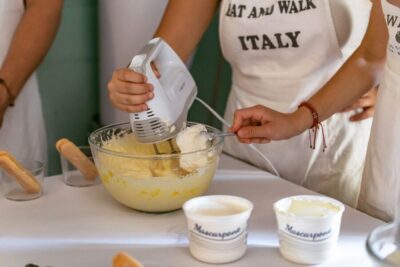
Cacio e pepe and carbonara: learning the sauce, not just the steps
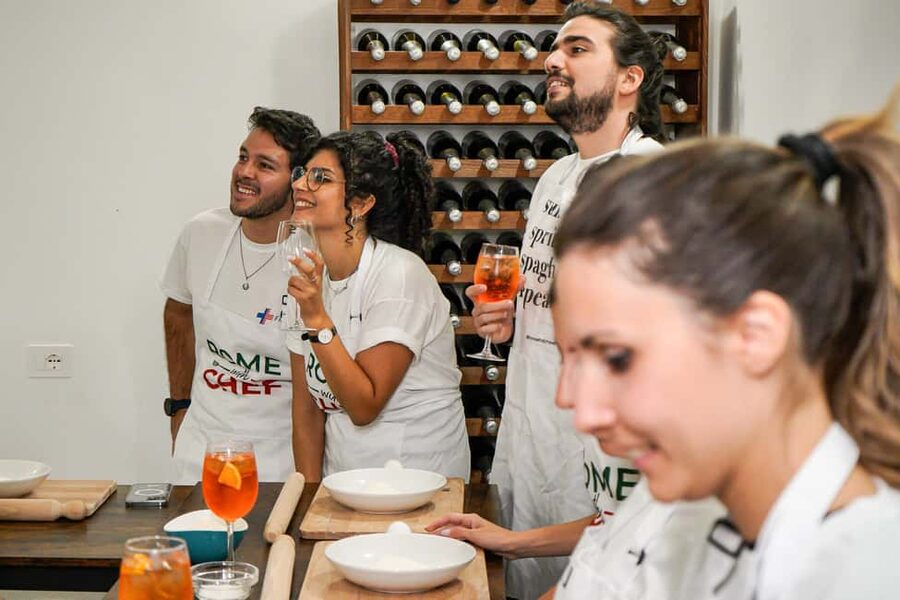
The big Roman sauces are the emotional center of the class. You learn the secrets behind cacio e pepe and carbonara, and the emphasis is on making them authentic and properly creamy or cheesy.
You’re not just copying a list of instructions. You learn what the sauce needs to do while it meets the pasta. The timing and technique are what prevent common home mistakes, like sauce that breaks, turns dry, or tastes flat.
Here’s what you can carry home. Once you understand how these sauces come together, you can adapt to your kitchen without losing the core character. Cacio e pepe is about keeping the cheese and seasoning working together, and carbonara is about getting the creamy texture without turning it into scrambled egg.
When you see it done in a Rome kitchen, it makes more sense. At home, that same sauce technique feels less mysterious, because you’ve already done it once with guidance.
Eating your pasta near the end, with Limoncello Spritz to finish
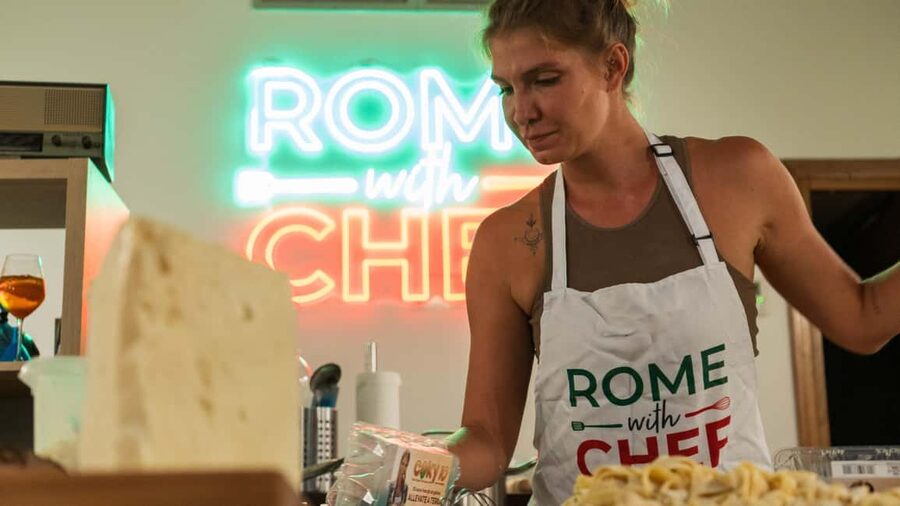
After cooking, you sit down to enjoy what you made. This matters more than people think. Eating in the same place you worked keeps the evening grounded, and it helps you taste your own results while everything is fresh.
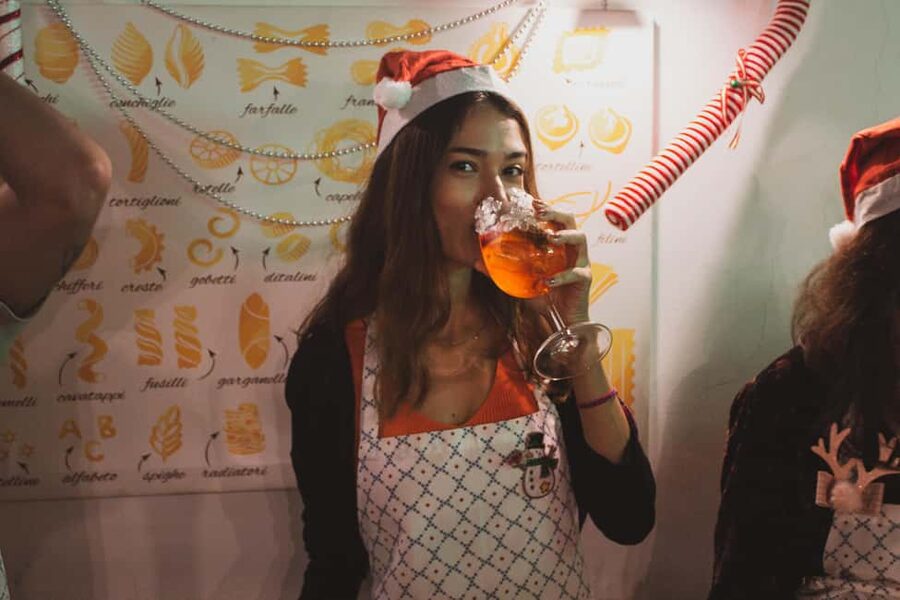
The meal is paired with cocktails, capped by a final spritz experience. Along with Aperol and Hugo, the included set lists Limoncello Spritz as the third cocktail. That final drink is a nice way to transition from cooking energy to relaxed talk and photos.
This is also when the social side becomes most enjoyable. You end up comparing notes with the other people in your group, swapping what you learned, and trading plans for the rest of the night around central Rome.
Value check: how $69 stacks up in central Rome
At $69 per person for a 3-hour experience, you’re paying for three things: instruction, ingredients, and drinks. In a city like Rome, that mix is often where cooking classes quietly beat a simple dinner.
You’re not paying only for pasta. You’re getting expert teaching, multiple cocktails (Aperol, Hugo, and Limoncello Spritz), and the ingredients used to make classic Roman dishes. You also leave with an e-book of recipes, which is useful if you want to keep the learning momentum after you return home.
So is it worth it? If you enjoy interactive food experiences and want to bring skills back, the price feels fair. If your main goal is a quiet meal with no learning and no cooking, you might prefer a standard restaurant dinner.
Who this class suits best, and who should skip it
This is a great match if you:
- Want a hands-on Roman cooking skill, especially fettuccine and classic sauces
- Like spritz cocktails and want to learn method, not just order
- Prefer small, social activities you can do near major sights like the Colosseum
- Enjoy meeting new people while you cook and eat
It’s not a fit if you:
- Need gluten-free meals or have gluten intolerance (the class cannot accommodate this, and the menu includes gluten)
- Need lactose-free options (lactose intolerance is not accommodated)
- Follow a vegan diet (vegan meals are not supported)
Also note the class isn’t suitable for infants. If a very young child joins, they would need to stay on an adult’s lap since there’s no separate seat or workspace.
Practical tips to get the most from your pasta and spritz night
A few things will make your experience smoother.
First, go in hungry and ready to work. You’ll be rolling and shaping pasta, and you’ll want to enjoy your meal at the end.
Second, ask about dietary needs before you arrive. Vegetarian options are available, but only certain dietary needs are supported, and the menu includes gluten and dairy.
Third, treat the cocktails like part of the lesson. If you pay attention to how the drinks are built, you’ll enjoy them more, and you’ll be able to recreate the vibe at home.
Finally, take a moment at the end to compare your pasta with the instructor’s guidance. The e-book helps, but the real value is understanding what makes Roman sauces behave the way they do.
Should you book this Rome pasta and spritz class?
Book it if you want a Rome evening that feels practical and memorable at the same time. You get hands-on Roman pasta, multiple spritz cocktails, and recipes you can use later. The location near the Colosseum helps too, because it’s easy to fit into an itinerary without turning your night into a logistics puzzle.
Skip it if you need strict dietary accommodations like gluten-free, lactose-free, or vegan. In that case, the menu limitations will block the experience.
If you fall in the right group for food needs, this is the kind of class that makes your trip feel personal. You leave with skills, a full stomach, and a drink in hand, which is exactly how Rome should work for most people.
FAQ
What cocktails are included in the class?
You’ll have three included spritz cocktails: Aperol Spritz, Hugo Spritz, and Limoncello Spritz.
What pasta and sauces will I make?
You’ll make homemade Roman pasta, including fettuccine from scratch, with classic Roman sauces such as cacio e pepe and carbonara.
Are there vegetarian options?
Yes. Vegetarian options are included, and the class supports vegetarian diets.
Can the class accommodate gluten-free or lactose-free needs?
No. The class can’t accommodate coeliac disease, gluten intolerance, lactose intolerance, or vegan diets, since the menu includes gluten and dairy.
How long is the experience?
The class lasts 3 hours.
How do I get the recipes after the class?
You receive the recipes via an e-book, which you can take home.
Latest additions from Rome
- Guided Tour Vatican Museums & Sistine Chapel★ 4.1 · 30 reviews
- Exclusive Rome by Night Vespa Tour★ 5.0 · 30 reviews
- Transfer Rome to Airports★ 4.5 · 30 reviews
- Vatican: St.Peter’s Basilica & Dome – Reserved Entry & Tour★ 4.1 · 30 reviews
- Rome street art tour: off the beaten path with a local guide★ 5.0 · 30 reviews
- Tivoli, Hadrians Villa and Villa d’Este, a charming day trip from Rome★ 4.5 · 30 reviews
- Rome Food Tasting with Wine Pairing Italian Authentic Flavors★ 5.0 · 31 reviews
- Inspirational Cooking on the Roman Chef’s Panoramic Terrace★ 5.0 · 30 reviews
Pasta and Tiramisu Cooking Classes, compared.
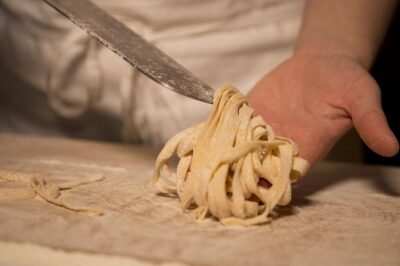
3 in 1 Cooking Class near Navona: Fettuccine, Ravioli & Tiramisu
Read our review →
Pasta & Tiramisu Class with Fine Wine by the Vatican
Read our review →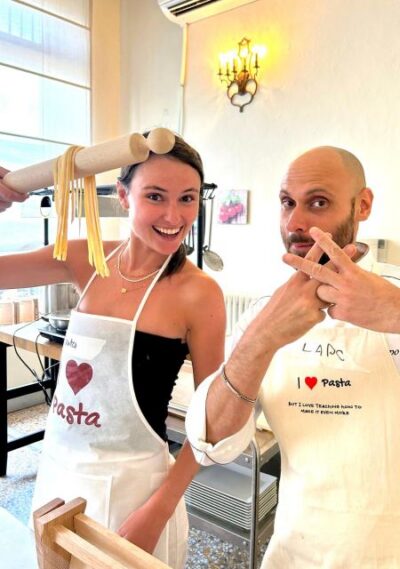
Pasta Making Class with Wine, Limoncello, and Dessert
Read our review →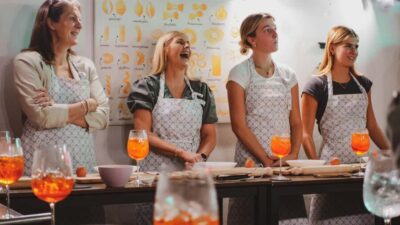
Rome Cooking Class: Make Pasta and 3 Spritz Cocktails
Read our review →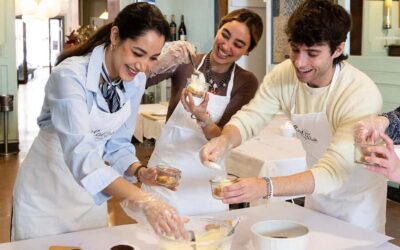
3-in-1 Fettuccine, Ravioli, and Tiramisu Cooking Class
Read our review →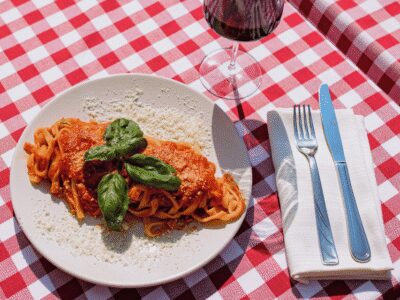
Fettuccine Pasta Cooking Class in Rome’s City Center
Read our review →
Learn to Make Pasta & Tiramisu with Wine and Limoncello Included
Read our review →
Become a Masterchef in Rome: Pasta, Ravioli and Tiramisù Class
Read our review →Browse the lists this tour appears in