
Reviewed · ROME GHOST AND MYSTERY TOURS
Rome Night Mysteries Guided Walking Tour
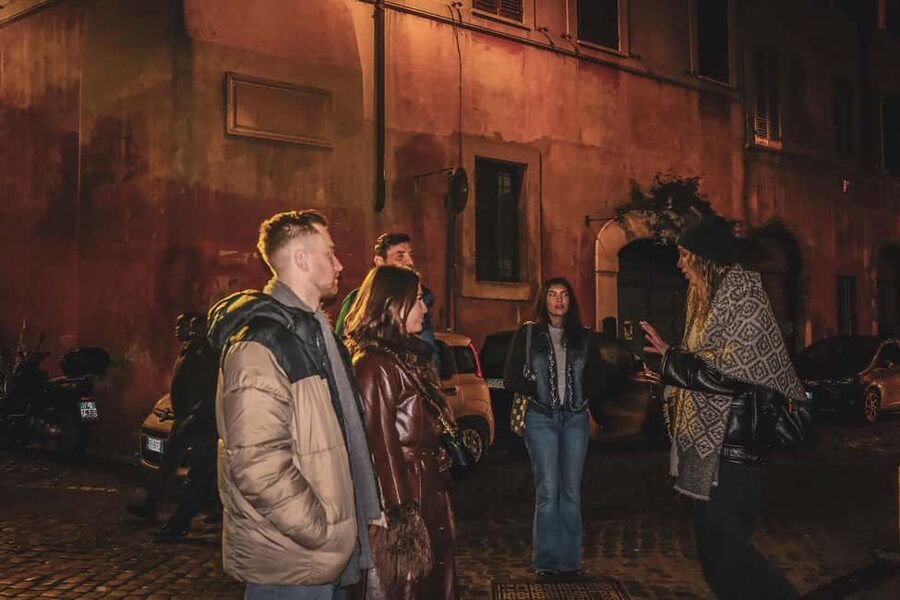
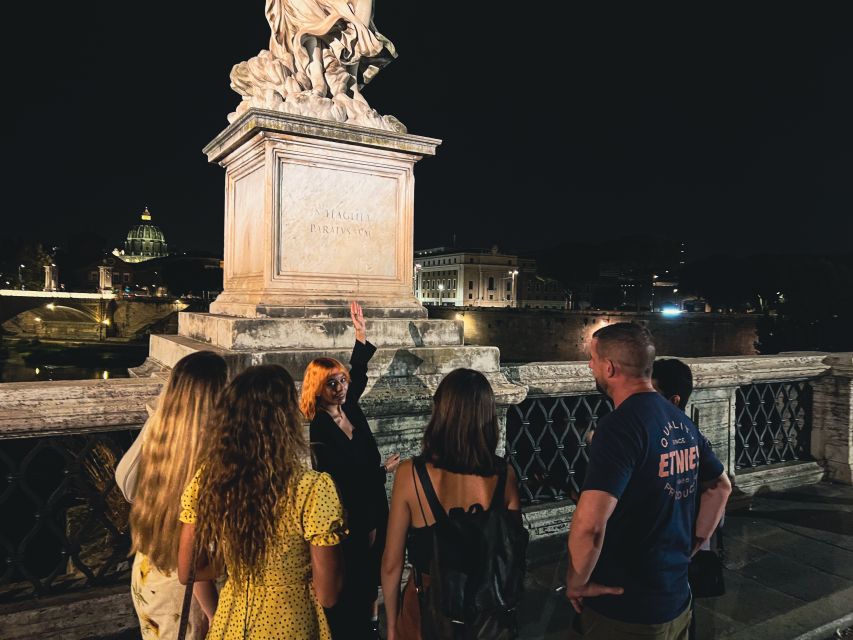
Rome gets spooky after dark, fast. This 2-hour night walking tour turns well-known central streets into a trail of crime, executions, and ghostly lore you can follow on foot without the daytime heat. I love how it mixes big-name sights with smaller, darker corners of the city, and I love the small group size cap of 20 for a guide who can keep everyone close to the story. One thing to keep in mind, though, is that it is meant to be scary, so if you hate true-crime style storytelling, you may find it too intense.
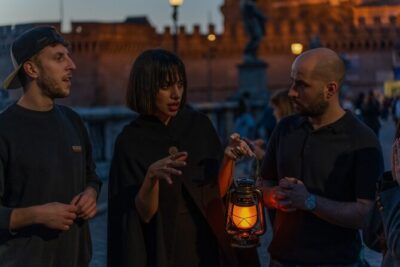
The route is built for an after-hours Rome feel: lantern-light streets, quieter sidewalks, and guided stops that connect famous places like Campo de’ Fiori and Via Giulia to the city’s harsher past. Expect stops for quick context (around 10 minutes each) and a finish at Castel Sant’Angelo, where the mood usually clicks into place. Wear comfortable shoes, and go in ready to listen closely, especially in busier street segments.
In This Review
- Key highlights worth your attention
- Why this night walk works (and what you’ll actually take away)
- Campo de’ Fiori start: where the tour sets the tone
- Piazza Farnese: quick stop, big-story energy
- Via del Mascherone and Vicolo dei Venti: narrow streets, sharper details
- Ponte Sisto and the river route: where punishment stories linger
- The Fountain of the Mask: a visual pause in the middle of the chills
- Chiesa di Santa Maria dell’Orazione e morte: the bone chapel stop
- Via di Monserrato to Santa Maria in Monserrato degli Spagnoli: religion, power, and place
- Via Giulia and Via dell’Arco dei Banchi: seeing the city’s structure
- Ending at Castel Sant’Angelo: letting the mood settle
- Price and group setup: is $23 really good value?
- Who should book this Rome night mystery walk
- Should you book this tour?
- FAQ
- FAQ
- How long is the Rome Night Mysteries Guided Walking Tour?
- Where do I meet the guide?
- What language is the tour in?
- Does the tour run in bad weather?
- What should I bring?
- What is the maximum group size?
Key highlights worth your attention
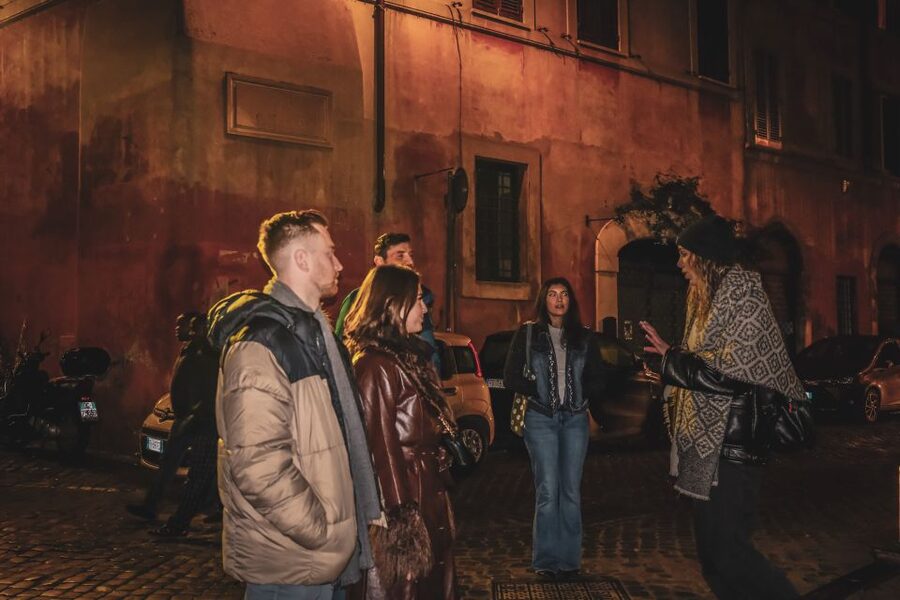
- Moonlight Rome, less crowd stress: See central sights at night when the city feels calmer.
- A tight historic route: Stops link Campo de’ Fiori to Ponte territory and finally Castel Sant’Angelo.
- Scary-specific landmarks: Stories connect to places like the bone-decorated chapel and the river crossings.
- Small group limit of 20: Easier questions and better pacing with a live guide.
- English live guide with strong showmanship: Reviews frequently praise guides like Antonio, Ana, Csenge, Sarah, Domenica, and Kat.
Why this night walk works (and what you’ll actually take away)
Rome by day can feel like a checklist. This tour changes the tempo. Instead of treating landmarks like photos, you treat them like plot points, with each stop tied to a darker chapter that shaped the city’s names, streets, and reputations.
I like that the structure keeps things moving. Each location gets a short guided moment, so you learn a lot without spending the whole night standing in one spot. And because it’s timed for after dark, you avoid the daytime crush while still seeing famous areas that you’ll recognize the moment you step outside.
The best part is the storytelling focus. The tour is built around themes like beheadings, murder, and eerie local legends, plus a few genuinely memorable stops. A number of guides earn praise for pacing and engagement, with names like Antonio and Ana showing up again and again in the feedback. You’ll often feel like the guide is directing traffic through the city’s more uncomfortable side, which is exactly what makes it different from a standard “art and architecture” stroll.
More Walking Tours in Rome
- Rome: Guided Food Walking Tour with Wine in Trastevere
★ 4.9 · 3,105 reviews - Rome: Trastevere & Campo de Fiori Street Food Walking Tour
★ 4.9 · 2,768 reviews - Rome: Paranormal Night Walking Tour & Secret Backstreets
★ 4.9 · 1,921 reviews - Rome: Trastevere Street Food Walking Tour with Local Expert
★ 4.8 · 1,784 reviews
Campo de’ Fiori start: where the tour sets the tone
You meet at Piazza Campo de’ Fiori, under the statue of Giordano Bruno, and the guide holds a yellow Carpe Diem Tours flag. It’s a smart starting point because it is central, easy to orient yourself, and lively enough that you don’t feel lost even before the story begins.
Why it matters: starting here gives you an immediate contrast between the “square energy” you see at night and the grim tales you’re about to hear. Campo de’ Fiori is the kind of place where you can stand for five minutes and feel how Roman history layers over itself. Then the guide starts connecting that layering to the people and events that locals would rather not dwell on.
A small practical tip: arrive about 10 minutes early. That buffer helps the guide start on time, and it keeps you from rushing when your brain is already adjusting to the mood.
Piazza Farnese: quick stop, big-story energy
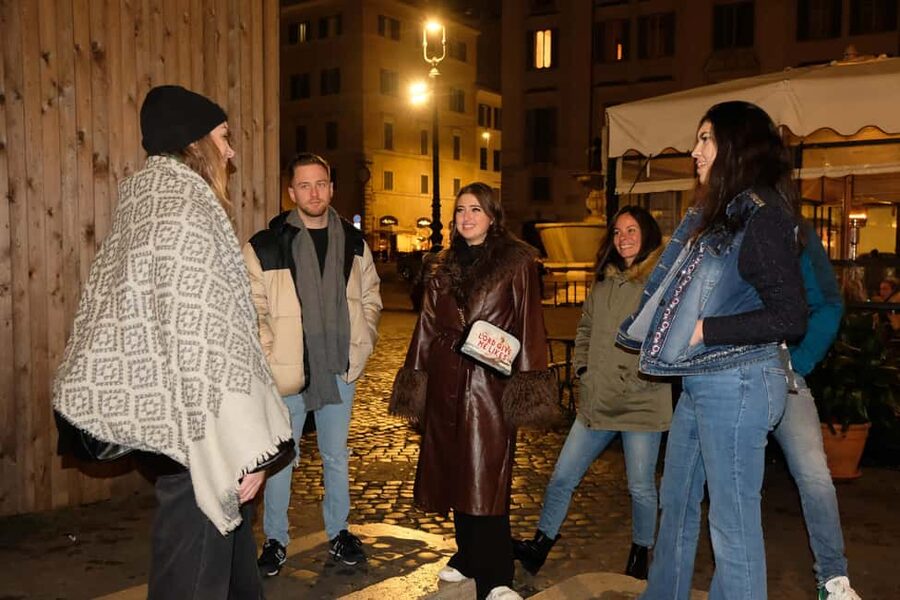
Next comes Piazza Farnese for a short guided segment. This is the kind of square that can feel “official” in photos. At night, it shifts. The lighting and the calmer streets change how the space reads, and that helps the guide’s tone land.
What you’ll get here is less about a long history lecture and more about setting context: who held power nearby, how influence moved through the center of the city, and why certain streets and sites gained notoriety. This is also where a good guide can make the rest of the walk feel coherent, like a single narrative instead of separate stops.
The drawback to note: because this is only a brief stop, you’ll want to keep your attention sharp. If you drift off for a moment, you can miss the thread the guide ties to later locations.
Via del Mascherone and Vicolo dei Venti: narrow streets, sharper details
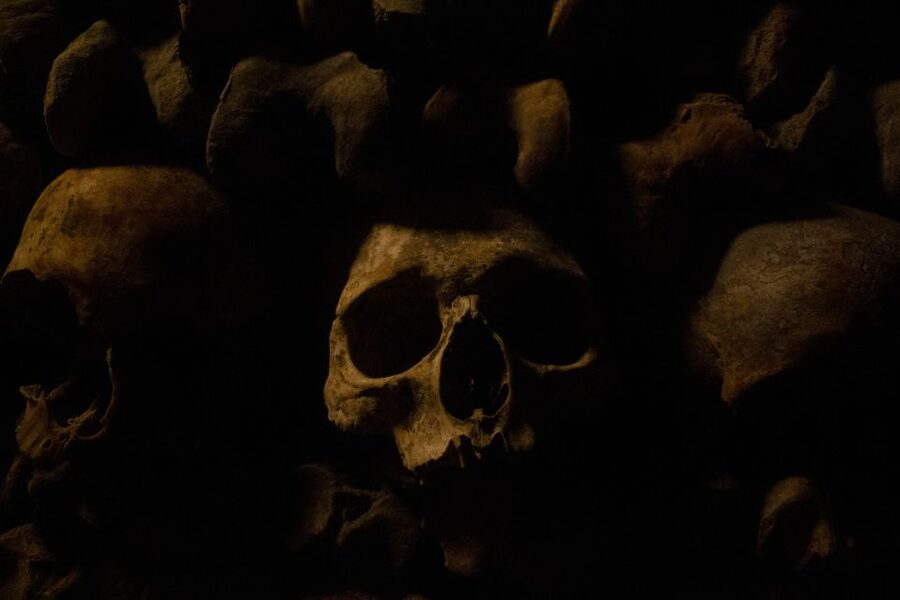
Then you move into Via del Mascherone and Vicolo dei Venti, where the city compresses. Narrow lanes are perfect for ghost stories because sound and sightlines feel tighter. You’re also walking slower by default, which makes it easier to actually register what the guide is pointing out.
This is where the tour leans into “dark corners of Rome.” The guide will typically tie local legends and grim episodes to specific features you might otherwise ignore. A recurring theme in strong feedback is how guides point out things you would not notice on your own, including the “why” behind certain place identities.
One practical consideration: these lanes can feel uneven and a bit slick if it’s wet. Comfortable shoes are non-negotiable.
Ponte Sisto and the river route: where punishment stories linger
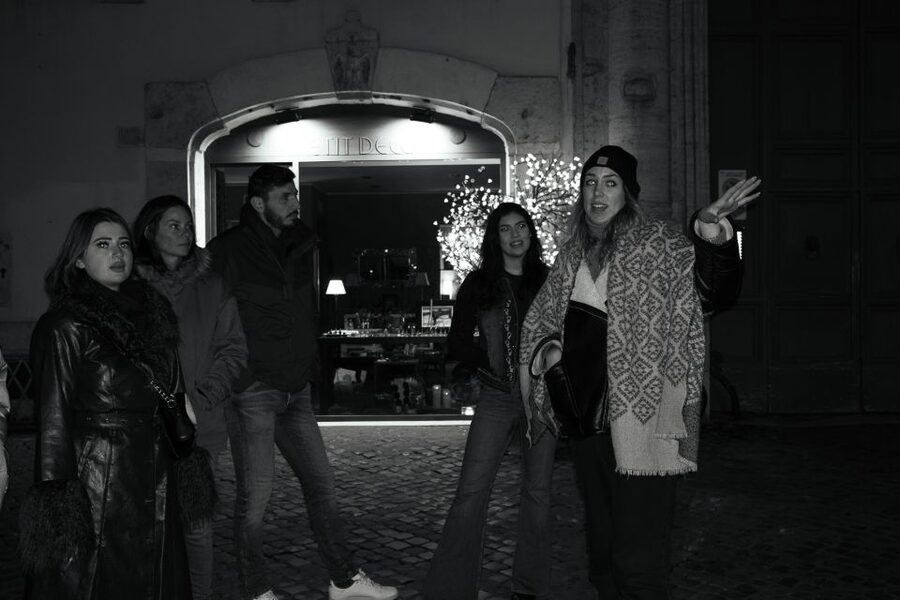
The itinerary includes Ponte Sisto. Even if you’re not thinking about history on a bridge, bridges are natural story stages. They’re transit routes, but they’re also choke points where the city’s past “shows” itself.
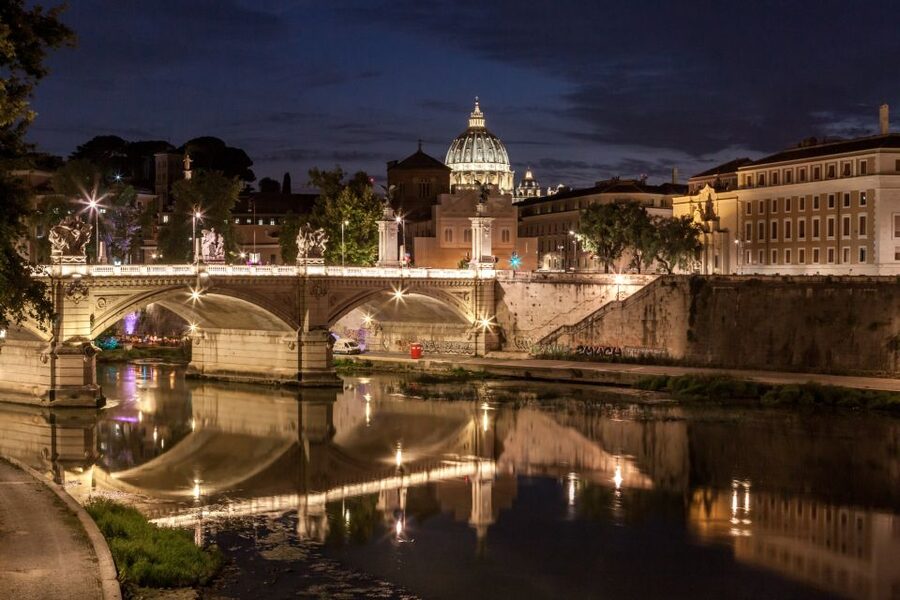
You’ll hear about the river area and how it connects to older forms of public punishment. The tour highlights Ponte Sant’Angelo as part of the experience, and finishing near Castel Sant’Angelo helps keep those themes in your head. If you’ve ever wondered why certain bridges and riverfront areas feel heavy with old stories, this is where the tour starts answering that.
Why this section is valuable: it breaks the walk out of purely street-level vibes and gives you a city-wide scale. Suddenly, the stories aren’t just about one building or one legend. They’re about public spectacle and how Rome used space to send messages.
Other walks through Rome after dark:
The Fountain of the Mask: a visual pause in the middle of the chills
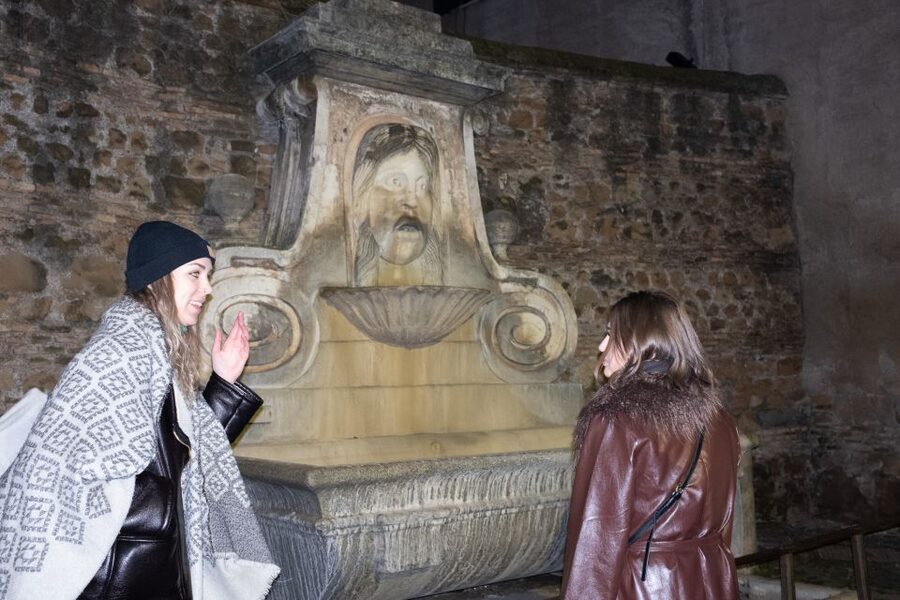
You’ll also stop at the Fountain of the Mask. It sounds like a quick photo moment, but on this tour it’s a psychological reset. After the darker lanes and the bridge mood, a recognizable landmark gives your brain somewhere to land.
This is the kind of stop that helps the tour avoid feeling one-note. The stories stay dark, but the guide keeps the pacing varied with visual landmarks. If you’re the type who needs a breather between heavy topics, this mid-walk anchor helps.
Chiesa di Santa Maria dell’Orazione e morte: the bone chapel stop
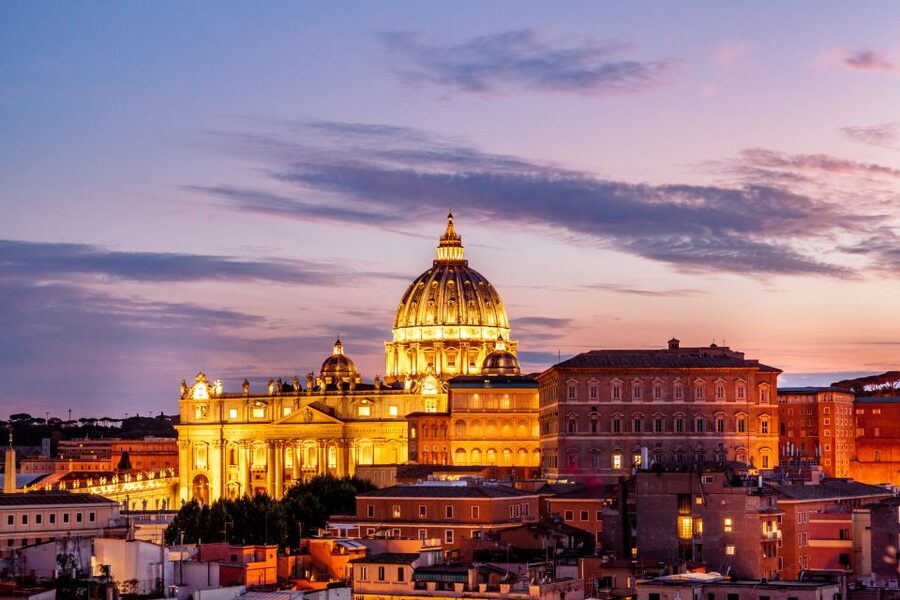
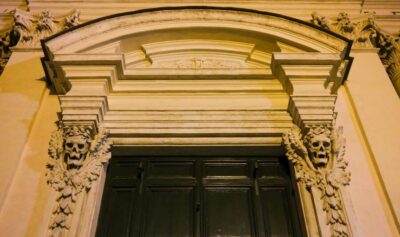
One of the most talked-about themes on this tour is the stop at a chapel decorated with human bones. The itinerary names Chiesa di Santa Maria dell’Orazione e morte, which is the exact kind of place where the tour’s concept turns from spooky storytelling into a physical experience.
Here’s why it’s so memorable, even if you don’t love horror-style travel: it forces you to think about death and ritual in a way that feels specific, not generic. You are looking at the tangible aftermath of how people once treated mortality as part of everyday life.
Possible drawback: if you’re sensitive around bodily remains or you hate macabre themes, this is the most intense stop. You do not have to be fearless to enjoy the rest of the night, but you should know this is the moment with the strongest “whoa” factor.
Via di Monserrato to Santa Maria in Monserrato degli Spagnoli: religion, power, and place
After the chapel, the walk moves through Via di Monserrato and then to Santa Maria in Monserrato degli Spagnoli. This section often works well for people who want more than jump-scare ghost lore. Church stops tend to bring in a different type of story, tied to institutions, patronage, and how communities left long shadows in the city.
What you’ll likely notice is the contrast in tone. The walk still stays within murder-and-mystery territory, but the guide can connect why certain religious sites mattered, and how politics and faith intertwined in central Rome.
If you’re traveling with friends who want equal parts “scary” and “smart,” this is a good compromise section. It keeps the night moving while still giving you real context.
Via Giulia and Via dell’Arco dei Banchi: seeing the city’s structure
Next up is Via Giulia, followed by Via dell’Arco dei Banchi. These streets are where the walk becomes about “reading Rome.” The guide can show you how street patterns and landmark spacing shaped movement and visibility.
This is valuable because it teaches you something useful for the rest of your trip. After this, you tend to notice how Rome is planned, not just how it looks. You may start linking place names and building locations to stories you can later connect to what you see in museums, churches, and public squares.
A small caution: since the tour keeps each segment fairly short, you’ll get the most out of this part if you keep your phone away and focus on what’s around you. You’re walking through details, not just passing them.
Ending at Castel Sant’Angelo: letting the mood settle
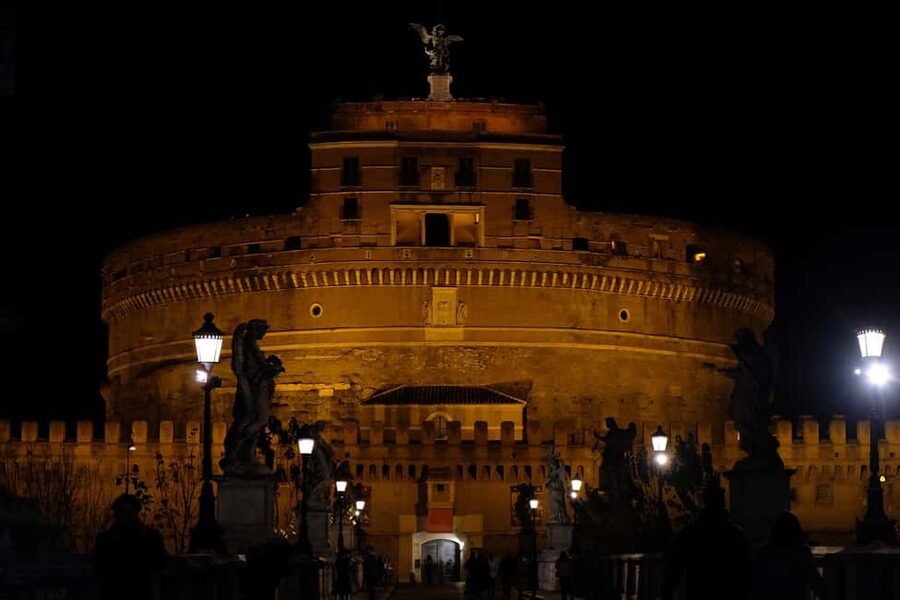
The tour finishes at Castel Sant’Angelo. Ending at this fortress matters because it’s a natural “closing chapter” for the night’s theme. It’s one of those places where the skyline and the sense of old defenses make the stories feel believable.
Practically, it’s a good ending point because you’re still in central Rome. After the tour, it is easier to continue your evening with dinner or a gelato stop without having to navigate out to the edges of the city.
If you want a simple way to judge the value of the experience, use this final feeling as your metric. If the last stop makes you rethink the city, then the guide did the job.
Price and group setup: is $23 really good value?
At $23 per person for a 2-hour guided walking tour, the value is strong, especially if you want something different from the big-ticket “must do” items. You get a live guide, a focused route through central sights, and a story-driven format that turns familiar streets into something new.
The group size max of 20 is a big deal. In a city this busy, smaller groups mean fewer people blocking your view and a better rhythm for questions. Multiple guides earn praise for keeping the pacing right and making it feel easy to follow, with guide names like Antonio, Ana, Domenica, and Kat showing up in feedback for being engaging and confident storytellers.
One extra practical note from feedback: some people found audio transmitters or Bluetooth-style radios helpful in noisy areas. If you’re at the back of the group, this is worth considering, because you don’t want to miss key details when the narration is the main event.
Who should book this Rome night mystery walk
I think this tour is best for you if:
- You want to see central Rome at night and avoid the daytime heat and crowds.
- You like crime-style storytelling, historical “why does this place have that reputation” explanations, and eerie local lore.
- You enjoy walking tours that point out small things with context, not just landmark photos.
It may not be for you if:
- You dislike scary themes like executions and bone-decorated settings.
- You prefer purely architectural or museum-focused Rome experiences.
- You want something quiet and reflective rather than story-forward.
Also, it’s in English, and the tour is run with a live guide. Reviews consistently mention how guide personality matters, with several guides highlighted for humor and engagement.
Should you book this tour?
Yes, if you’re the kind of person who can’t resist a city with an offbeat side. For $23, you’re buying a short, efficient route, a small-group vibe, and storytelling that actually gives you a new way to look at Rome’s center.
Book it if your schedule can handle a rain or shine evening and you’re ready for a darker theme. Skip it if macabre content turns you off, or if you want a light, easygoing stroll with zero grit.
FAQ
FAQ
How long is the Rome Night Mysteries Guided Walking Tour?
The tour lasts 2 hours.
Where do I meet the guide?
Meet at Piazza Campo de’ Fiori, beneath the statue of Giordano Bruno. The guide will be holding a yellow Carpe Diem Tours flag or sign.
What language is the tour in?
The tour is in English.
Does the tour run in bad weather?
Yes, the tour takes place rain or shine.
What should I bring?
Bring comfortable shoes and comfortable clothes.
What is the maximum group size?
The group is limited to 20 people max.
Once the Piazzas Fill
- Rome: City Highlights Open-Top Bus Night Tour
★ 4.1 · 2,038 reviews - Rome by Night: E-bike Small Group Tour -Food & Wine (Option)
★ 4.9 · 1,233 reviews - Colosseum Sunset Tour with Entry
★ 4.5 · 1,230 reviews - Rome: Small-Group Guided Day or Night Walking Tour
★ 4.8 · 1,009 reviews
Latest additions from Rome
- Guided Tour Vatican Museums & Sistine Chapel★ 4.1 · 30 reviews
- Exclusive Rome by Night Vespa Tour★ 5.0 · 30 reviews
- Vatican: St.Peter’s Basilica & Dome – Reserved Entry & Tour★ 4.1 · 30 reviews
- Transfer Rome to Airports★ 4.5 · 30 reviews
- Rome street art tour: off the beaten path with a local guide★ 5.0 · 30 reviews
- Tivoli, Hadrians Villa and Villa d’Este, a charming day trip from Rome★ 4.5 · 30 reviews
- Rome Food Tasting with Wine Pairing Italian Authentic Flavors★ 5.0 · 31 reviews
- Inspirational Cooking on the Roman Chef’s Panoramic Terrace★ 5.0 · 30 reviews
Rome Ghost and Mystery Tours, compared.
Small Group Rome’s Dark Side – Ghosts & Legends Tour
Read our review →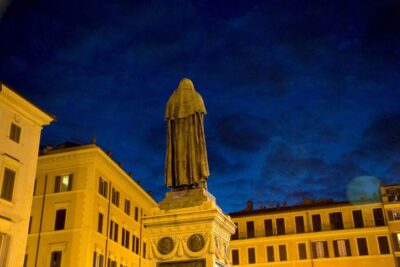
Dark Heart of Rome – Facts, Legend & Mystery Walking Tour
Read our review →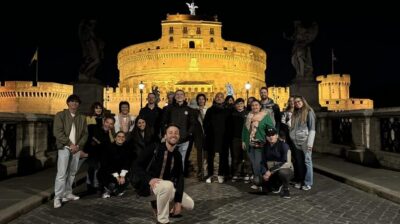
Ghosts, Legends & Mysteries of Rome Tip-Based Walking Tour
Read our review →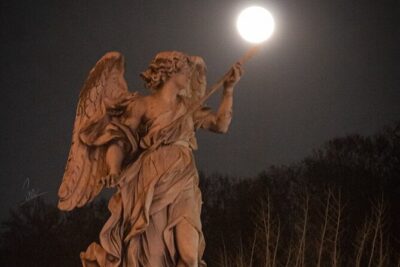
Ghosts Legends and Mysteries of Rome Walking Tour
Read our review →Browse the lists this tour appears in