
Reviewed · ROME GHOST AND MYSTERY TOURS
Ghosts Legends and Mysteries of Rome Walking Tour
Rome gets spooky after dark. This 90-minute Rome ghost tour turns famous landmarks into legend-rich stops along the Tiber and beyond, with an official guide and a story-first pace that works well when your schedule is tight. I love the short, walkable format and how the guide connects what you see, Castel Sant’Angelo, the bridge, the churches, to darker tales you will not hear on a standard sightseeing route.
One thing to know up front: this is not a Hollywood haunted house. It is storytelling about mysteries and grim history, and it is tip-based, plus the content includes CSA topics and other graphic information, so it is not recommended for kids under 12.
In This Review
- Key Points You’ll Care About
- A 90-Minute Night Walk That Skips the Long Lines
- Meeting at Lungotevere Castello, Then Finishing at Campo de’ Fiori
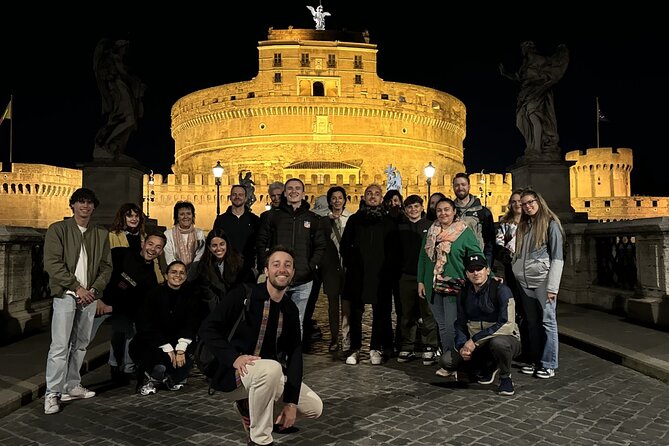
- Castel Sant’Angelo: From Mausoleum to Fortress, With the Archangel on Top
- Ponte Sant’Angelo: Ten Angels, One Dark Passage Over the Tiber
- Via Paola and Arco dei Banchi: Executioners, Exorcists, and Public Fear
- Largo Ottavio Tassoni 319: Benvenuto Cellini and the Dark Side of Genius
- Vicolo della Moretta and Via di Monserrato: Witchcraft and a Prison Built for Execution
- Via Giulia: Renaissance Design With Ivy-Faced Quiet and Hidden Courtyards
- Santa Maria dell’Orazione e Morte: Baroque Death and the Story Behind the Confraternity
- Fontana del Mascherone and the Getty Kidnapping Crime Scene
- Campo de’ Fiori: Markets by Day, Executions by Night
- Price and Tips: The Best Bargain in Rome, With One Big Catch
- What Guides Add, Especially at Night
- Weather, Timing, and How to Dress for an Evening Ghost Walk
- Is This the Right Rome Ghost Tour for You?
- FAQ
- What is the duration of the Ghosts Legends and Mysteries of Rome Walking Tour?
- What time does the tour start, and where does it meet?
- When and where does the tour end?
- What does the price include, and is there an entry fee?
- Is the tour offered in English?
- Is this tour suitable for children?
Key Points You’ll Care About
- A tight 1 hour 30 minutes that still covers a lot of iconic ground at night
- Mostly free stops are listed with admission ticket free, so your biggest extra cost is tipping
- Licensed guides run the show, and guides like Ivan and Simone have strong storytelling reputations
- Not a paranormal hunt, more legends, history, and creepy context than jump scares
- 10 pm? Not needed, it ends in a very connected spot near Campo de’ Fiori
- Group size capped at 24, so you are not stuck in a huge crowd
A 90-Minute Night Walk That Skips the Long Lines
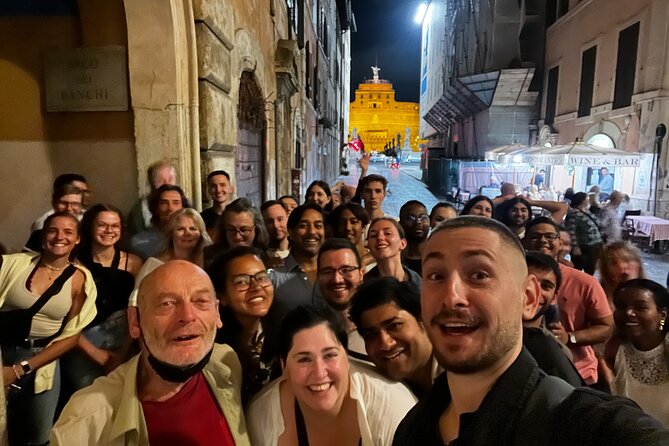
The big appeal here is speed without feeling rushed. You start at 8:00 pm, then you move stop to stop at a comfortable walking pace, with short explanations that add up to a full evening of dark lore. If your Rome days are already packed with Colosseum and Vatican plans, this is the kind of add-on that fits without turning into a whole second vacation.
I also like that the route is built around Rome’s atmosphere. You are walking where you can actually feel the city at night: stone facades, river shadows, and street corners that look normal in daylight but feel different after sunset. One review notes how fast the time passes because the guide keeps the story flowing, and that matches the way this tour is designed.
If you are hoping for pure scares, set expectations early. More than once, the tour is described as a fun, light-hearted storytelling walk that brings out the darker side of Roman tradition, not a paranormal investigation.
More Walking Tours in Rome
- Rome: Guided Food Walking Tour with Wine in Trastevere
★ 4.9 · 3,105 reviews - Rome: Trastevere & Campo de Fiori Street Food Walking Tour
★ 4.9 · 2,768 reviews - Rome: Paranormal Night Walking Tour & Secret Backstreets
★ 4.9 · 1,921 reviews - Rome: Trastevere Street Food Walking Tour with Local Expert
★ 4.8 · 1,784 reviews
Meeting at Lungotevere Castello, Then Finishing at Campo de’ Fiori
You meet at Lungotevere Castello, 50 (00193 Roma RM), and you end at P.za Campo de’ Fiori (00186 Roma RM). That matters more than it sounds. The start puts you near the riverfront area connected to major sights, and the finish drops you in a central square where you can easily grab a bus, taxi, or continue exploring on foot.
The tour also uses a mobile ticket, and you are sent confirmation at booking time. Add that to the fact it is offered in English, and it is easy to slot into your evening plans without complicated logistics.
One practical note from real feedback: finding the meeting point can be slightly confusing at first. So I’d show up early, and I’d take a moment to locate the group clearly before you wander off for a selfie.
Castel Sant’Angelo: From Mausoleum to Fortress, With the Archangel on Top
Your first stop is Castel Sant’Angelo, about 15 minutes. This is not just a pretty cylinder along the Tiber. You get the origin story as Emperor Hadrian’s mausoleum, then how it later became a fortress, papal residence, and prison. It is one of those places where Rome’s layers feel physical, the same stone serving totally different roles over centuries.
The rooftop statue of the Archangel Michael is an especially good anchor for the tour’s theme. Whether or not you call it myth or memory, it helps you understand why this area is so good for legends. You are standing in the exact setting where “this happened here” and “people said this would happen here” both fit.
The only drawback is that it is a big landmark with foot traffic. So if your hearing is sensitive, you will want to stand where you get the guide’s voice clearly, not behind other people filming or drifting.
Ponte Sant’Angelo: Ten Angels, One Dark Passage Over the Tiber
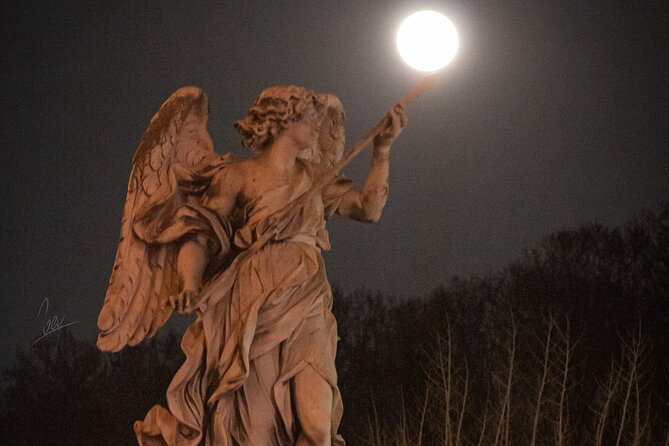
Next you cross into legend mode with Ponte Sant’Angelo, usually a short walk-and-stop segment. This bridge is lined with ten angelic statues carved by Bernini and his students, and each angel holds symbols connected to Christ’s suffering. At night, that symbolism takes on a different mood, because shadows can hide faces and stretch expressions into something more solemn.
What I like here is the way the guide frames the bridge as a threshold. Even without any special effects, the concept of crossing becomes emotional. You start to think about what people once feared, prayed for, or tried to escape after dark.
This is also a good moment for photos and quick reorienting. You get a clear view of the river corridor and the fortress above, which makes the rest of the walk feel connected instead of random.
Via Paola and Arco dei Banchi: Executioners, Exorcists, and Public Fear
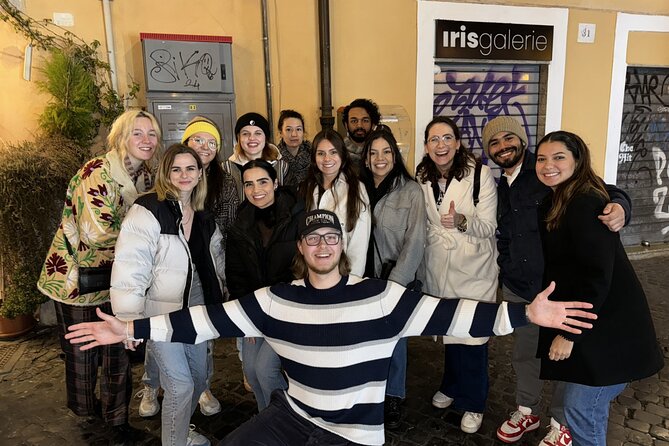
The tour then moves into smaller streets with big stories, and that shift is part of the fun. In Via Paola, you stop for about 10 minutes, where the story centers on the house of the kindest executioner in Rome. That is a fascinating contrast: a city known for grandeur also built myths around human roles in violence.
Then comes Arco dei Banchi, around 5 minutes. The focus here is a haunted arch and the connection to prayer for a particularly controversial exorcist. It is exactly the kind of detail that makes Rome feel alive after dark, because it shows how belief systems and fear shaped everyday locations.
Try not to judge the tour by these shorter stops. They can feel like quick name-and-story moments, but they are bridges between the bigger, more dramatic sites. When you stitch the whole path together, you understand the through-line: punishment, spiritual power, and the way people explained danger before modern science.
Other walks through Rome after dark:
Largo Ottavio Tassoni 319: Benvenuto Cellini and the Dark Side of Genius
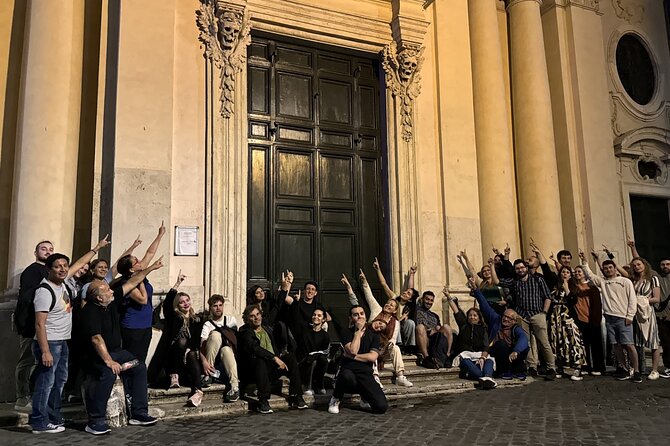
Another short stop, about 5 minutes, brings you to Largo Ottavio Tassoni, 319, the home associated with Benvenuto Cellini. The tour frames him as a 16th-century artistic genius, but it also does not soften the uglier reality tied to his name, including accounts of serious crimes.
This is where the tour earns its title in a different way. It does not just lean on ghosts. It also leans on moral mythology, the kind that follows people and turns neighborhoods into cautionary tales.
If you are sensitive to darker content, be aware the tour includes graphic information. You can still enjoy the storytelling, but you might want to mentally brace yourself so it does not feel like a surprise.
Vicolo della Moretta and Via di Monserrato: Witchcraft and a Prison Built for Execution
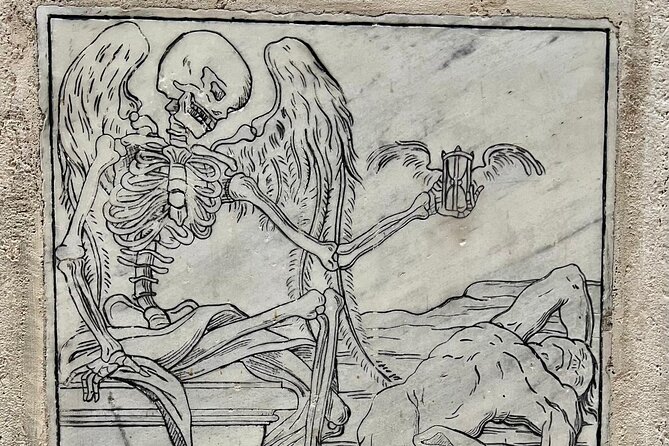
Two of the more intense stops are where the tour really leans into Rome’s fear stories.
In Vicolo della Moretta, for about 10 minutes, you hear about the haunted house associated with the witch Giulia Tofana. The story also touches on the holy inquisition, which helps explain why rumor and religion collided so sharply in early modern Rome.
Then you head to Via di Monserrato, about 5 minutes, for Corte Savella, described as the only prison in Rome authorized to execute convicts inside its walls. This is the stop tied to Beatrice Cenci, including the account that she was tortured before her execution.
I appreciate that the tour does not treat these stops like horror attractions. The guide builds context: why these locations mattered, why stories stuck, and why they returned in the form of legends. Still, this is not a light walk. If you want an evening with minimal grimness, you might consider skipping this tour or taking breaks to reset.
Via Giulia: Renaissance Design With Ivy-Faced Quiet and Hidden Courtyards
After the heavy stops, the tour shifts again to visuals. Via Giulia gets about 5 minutes, and it is one of Rome’s most soothing stretches on paper: designed by Bramante in the early 16th century for Pope Julius II, lined with Renaissance palaces and the kind of facades that make you want to look twice.
The guide also points out the idea that this street was once a central artery of aristocratic life. That matters, because it explains why the next stops feel so dramatic. You are walking in a place that once served power, while the tour shows how power and fear lived close together.
I found this portion valuable even if you are not a detail person. It gives your brain a breather after the prison and witchcraft stories, and it helps you understand Rome as a living city rather than a list of ruins.
Santa Maria dell’Orazione e Morte: Baroque Death and the Story Behind the Confraternity
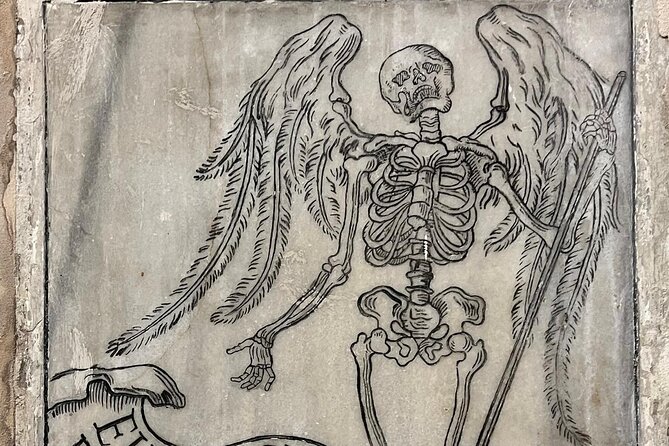
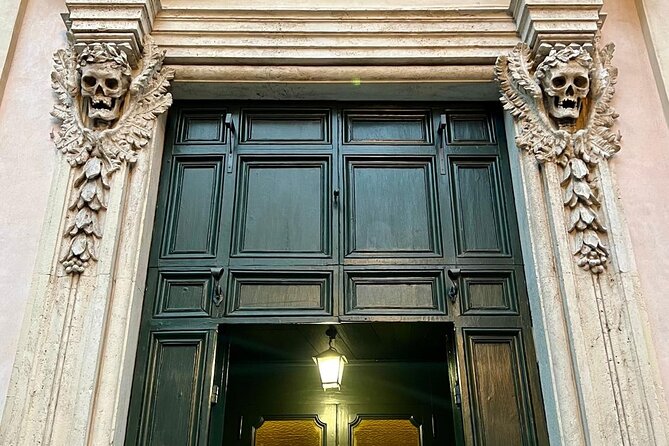
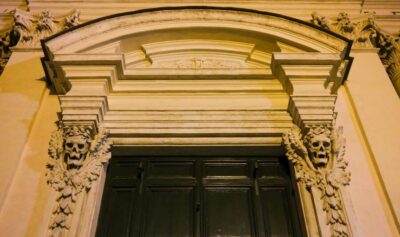
Next is Chiesa di Santa Maria dell’Orazione e Morte, about 10 minutes. This is a Baroque church tied to a secretive confraternity dedicated to retrieving and burying abandoned corpses. The tour’s description emphasizes symbols of death and the idea that the boundary between living and dead feels thin here.
This stop is one of the reasons the tour appeals to people who like their sightseeing slightly offbeat. It gives you a cultural reason for the creepy vibe, not just an excuse to scare you. If your Rome bucket list includes churches beyond the big-name ones, this is the kind of side stop you remember.
One possible drawback: if you are expecting a spooky atmosphere without discussion, this may feel more historical and less theatrical. That mismatch showed up in some lower-star feedback, where the tone was described as more anecdotal than ghostly. The good news is that the guide still explains why these symbols matter, which makes it more than a jump-scare fantasy.
Fontana del Mascherone and the Getty Kidnapping Crime Scene
You then hit Fontana del Mascherone, about 5 minutes. It is a Baroque fountain with a massive stone mask that spouts water from its grimacing mouth. The tour’s connection here is not just art. It points to the fountain as a crime scene tied to the kidnapping of John Paul Getty III.
I like this stop because it proves a point about Rome at night. Some legends are supernatural, and some are street-level real. When your guide mixes the symbolic with a modern criminal story, you start to see how fear repeats itself in new forms.
Even if you do not follow the Getty details closely, the fountain is visually strong enough to anchor the story. That helps keep the walking tour from turning into a lecture.
Campo de’ Fiori: Markets by Day, Executions by Night
The tour ends back at Campo de’ Fiori, about 10 minutes. Daytime, it is famous for its morning market with produce, flowers, and local goods. At night, it shifts into a social hub with bars and restaurants, making it a practical landing spot after an evening walk.
The ghost-story angle lands with the statue tied to Giordano Bruno, a reminder of the darker past when the square was a site of executions during the Inquisition. That is a satisfying final note, because it links the lively present with the brutal history underneath.
If you want an easy next step after the tour, this end location is convenient. It is well connected, with bus stops and taxi stands nearby, so you can keep moving without needing to backtrack across the river.
Price and Tips: The Best Bargain in Rome, With One Big Catch
The listed price is $3.63 per person, which is shockingly low for a licensed guide and an organized evening route. Here is the tradeoff: it is tip-based, and the guides work for tips alone. So you should treat this as low-cost access to a guided storytelling walk, not a full-pay, no-thought sightseeing package.
From a value standpoint, this works if you do two things:
- you show up ready to listen and walk
- you plan a tip budget in your head before the tour starts
The tour is also described as having admission ticket free for the listed stops, which helps keep total out-of-pocket costs predictable. That makes the evening feel like a bargain even if you add a fair tip.
If you truly need a fixed-cost experience with no tipping component, this may feel less appealing. But if you are comfortable tipping and you want a guide-led story walk, the value is hard to beat.
What Guides Add, Especially at Night
The difference between a forgettable tour and a great one is usually delivery. In this case, the guide quality is a major theme in the feedback.
Ivan is specifically praised for being enthusiastic, clear at pointing out story locations, and strong at storytelling. Simone is also praised for being well prepared, professional, and funny, with humor that keeps heavier subjects from becoming too heavy. Even when people mention a guide was not as scary as they expected, they still often describe the walk as fun and engaging.
Still, one caution. A lower-star review described difficulty hearing due to accent and fast speech, and also mentioned some confusion about the meeting point. I cannot predict how any single guide will sound on your night, but I can suggest a simple fix: stand where you can hear without craning, and do not assume the guide will stop talking for your photo.
Weather, Timing, and How to Dress for an Evening Ghost Walk
This tour happens at night, so weather matters. One review mentions the tour going through heavy rain, with umbrellas and rain covers, and that the group still managed fine. Rome evenings can change quickly, so bring something that keeps you dry and warm enough to focus on stories instead of shivering.
Also remember the time. Starting at 8:00 pm means you are walking while streets fill and lighting changes. It is part of the effect, but it also means you should plan to dress for comfort and visibility.
Is This the Right Rome Ghost Tour for You?
Book it if you want:
- a short evening tour that hits multiple iconic spots without long queues
- legend and mystery storytelling tied to real locations, not just spooky vibes
- a guide-led route that helps you connect the city’s layers
Consider skipping or adjusting expectations if you want:
- a fully paranormal experience, jump scares, or a ghost hunt style event
- a kid-friendly tour, because the content includes CSA topics and other graphic information, and it is not recommended for children under 12
- a strictly history lecture, since the point is also to keep the atmosphere creepy and entertaining
If you are the kind of traveler who likes your Rome with one foot in art and another in darker folklore, this is a great fit. It is affordable upfront, guided all the way, and it ends in a place where your evening does not have to stop.
FAQ
What is the duration of the Ghosts Legends and Mysteries of Rome Walking Tour?
It is listed at about 1 hour 30 minutes.
What time does the tour start, and where does it meet?
The tour starts at 8:00 pm and meets at Lungotevere Castello, 50, 00193 Roma RM, Italy.
When and where does the tour end?
The tour ends at Campo de’ Fiori, specifically P.za Campo de’ Fiori, 00186 Roma RM, Italy.
What does the price include, and is there an entry fee?
The tour includes a licensed tour guide and a walking tour featuring haunted places, urban legends, and ghost stories. The listed stops show admission ticket free, so you typically are not paying entry fees for the stops. Tips are not included, and it is tip-based.
Is the tour offered in English?
Yes, it is offered in English.
Is this tour suitable for children?
The tour includes CSA topics and graphic information, and it is not recommended for children under 12 years old.
Latest additions from Rome
- Guided Tour Vatican Museums & Sistine Chapel★ 4.1 · 30 reviews
- Exclusive Rome by Night Vespa Tour★ 5.0 · 30 reviews
- Transfer Rome to Airports★ 4.5 · 30 reviews
- Vatican: St.Peter’s Basilica & Dome – Reserved Entry & Tour★ 4.1 · 30 reviews
- Rome street art tour: off the beaten path with a local guide★ 5.0 · 30 reviews
- Tivoli, Hadrians Villa and Villa d’Este, a charming day trip from Rome★ 4.5 · 30 reviews
- Rome Food Tasting with Wine Pairing Italian Authentic Flavors★ 5.0 · 31 reviews
- Inspirational Cooking on the Roman Chef’s Panoramic Terrace★ 5.0 · 30 reviews
Rome Ghost and Mystery Tours, compared.
Small Group Rome’s Dark Side – Ghosts & Legends Tour
Read our review →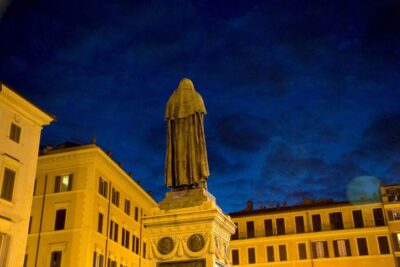
Dark Heart of Rome – Facts, Legend & Mystery Walking Tour
Read our review →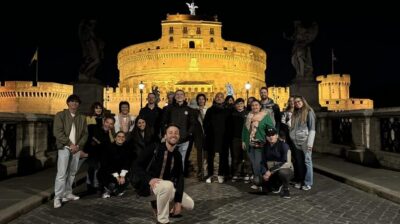
Ghosts, Legends & Mysteries of Rome Tip-Based Walking Tour
Read our review →
Capuchin Crypts & Ghostly Legends Small-Group Tour
Read our review →Browse the lists this tour appears in