Reviewed · TICKETS
Rome: National Roman Museum Entry Ticket
A ticket like this turns Rome’s museum time into a choose-your-own-day adventure. You get access to the National Roman Museum across three historic buildings, with art and everyday life from antiquity through later eras.
What I like most is the way the ticket keeps you flexible. You can start at Palazzo Massimo alle Terme for major sculpture and frescoes, then pace yourself across the other two sites without rushing a guided group schedule.
One consideration: there is no guided tour, so you will want to bring at least a light game plan for what you care about most, and you should know each museum is only visit-once on the same ticket.
In This Review
- Key things to know before you go
- Your 7 Days Across Three Roman Museum Buildings
- Palazzo Massimo alle Terme: Sculpture, Mosaics, and Livia’s Villa Frescoes
- Palazzo Altemps: Refined Classical Sculpture and Collector-Taste
- Baths of Diocletian: The Roman Thermal Complex and Epigraphy
- How to Plan Your 7 Days Without Feeling Rushed
- Price and Value: What $35 Buys for Three Big Stops
- What You Will See Across the Collection
- Rules Inside the Museums (ID Needed, Food Not Allowed)
- Who Will Enjoy This Rome Museum Ticket Most
- Should You Book This Rome National Roman Museum Ticket?
- FAQ
- How many museum sites are included in this ticket?
- How long is the ticket valid?
- Can I visit each museum more than once with the same ticket?
- Is a guided tour included?
- Is there a meeting point for this ticket?
- How do I receive the ticket?
- Is Crypta Balbi included with the ticket?
- What do I need to bring?
- Is this ticket suitable for wheelchair users?
Key things to know before you go
- Three museum sites with one ticket, each in a different historic building around central Rome
- 7 days of validity from your first scan, so you can spread it out instead of cramming
- Palazzo Massimo is your art highlight, especially with mosaics and Livia’s Villa frescoes
- Palazzo Altemps adds a different mood, with refined classical sculpture tied to noble and collector traditions
- Baths of Diocletian connects art to architecture, with impressive halls plus epigraphic material and remains
- Crypta Balbi is not included, so if it matters to you, plan extra time and tickets
Your 7 Days Across Three Roman Museum Buildings
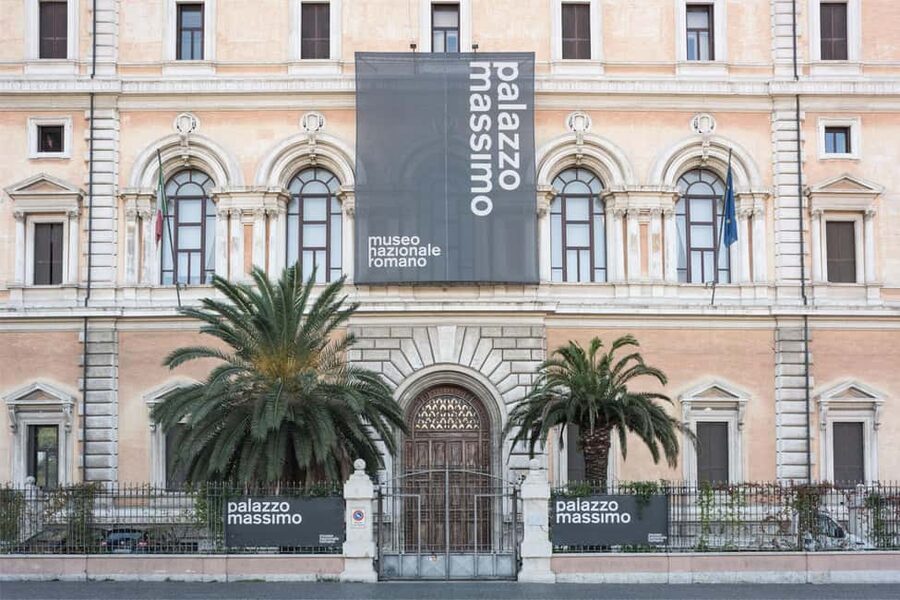
This is a self-guided museum ticket that covers the National Roman Museum at three locations: Palazzo Massimo alle Terme, Palazzo Altemps, and the Baths of Diocletian. Instead of a one-night, one-building experience, you can design your own Roman rhythm, with up to a full week to visit each site.
The big practical win is time. Your ticket is valid for 7 days from the first scan, so if you arrive tired, start late, or want to build in a day trip, the museum time still works. There’s also a skip-the-ticket-line feature, which is a big deal in Rome where lines can steal the best part of your day.
You also get clarity on how the pass behaves. With this ticket, each museum can be visited once. That means you should think like a strategist: pick your priorities, then assign one focused visit per building. If you try to wing it, you might end up rushing the place you cared about most.
One more piece I appreciate: it’s delivered straight to you. There is no meeting point, and your tickets come via email and WhatsApp, so you can keep everything in one place and go straight to the museum entrances when you’re ready.
Other Roman collections with a shorter wait:
- Vatican Museums, Sistine Chapel & St. Peter’s Basilica Tour
★ 4.3 · 73,970 reviews - Vatican Museums, Sistine Chapel & St Peter’s Basilica Guided Tour
★ 4.5 · 39,149 reviews - Rome: Vatican Museums, Sistine Chapel and Basilica Tour
★ 4.3 · 16,039 reviews - Vatican Museums & Sistine Chapel Skip-the-Line Entry Ticket
★ 4.4 · 13,838 reviews
Palazzo Massimo alle Terme: Sculpture, Mosaics, and Livia’s Villa Frescoes
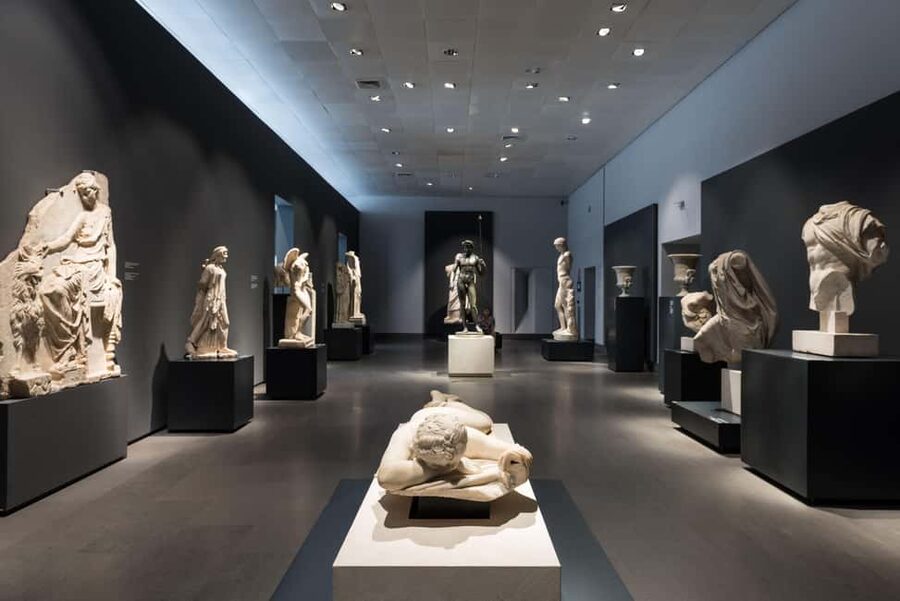
Palazzo Massimo alle Terme is where the ticket starts feeling special fast. This site is built around an extraordinary collection of classical sculpture, mosaics, and frescoes. If you like Roman art the way it was meant to be experienced, you’ll enjoy walking through rooms where style, material, and subject all work together.
The standout detail here is the mention of Livia’s Villa frescoes. Even if you do not know a single art-term in advance, frescoes tend to grab people because they feel like stories frozen on plaster. I like that this site does not treat frescoes like a side dish. It puts them into the core experience, along with mosaics and sculpture, so your eyes get a full range of Roman visual language.
Mosaics also change the way you look. They can be visually loud and demanding, but in a museum setting they reward slow looking. I recommend you pick a few mosaic panels to study instead of trying to see everything. Spend real time at whatever draws you in, then move on. That approach makes the whole visit feel more satisfying.
What to watch for during your time here is variety. The ticket description highlights not just one category of art, but a mix that includes sculpture and fresco work, plus a broader collection of Roman items. You might find coins and everyday objects alongside the more famous visual pieces. That kind of pairing helps you connect art to actual Roman life, not just big names and big myths.
Potential drawback: Palazzo Massimo is the kind of place where it is easy to lose track of time. If you plan to visit all three sites in one day, you will probably feel it by the time you get to Diocletian’s Baths. If you can, give Palazzo Massimo the longest block you can spare.
Palazzo Altemps: Refined Classical Sculpture and Collector-Taste
Palazzo Altemps feels different right away. Instead of a broad sweep across many media, this location is described around a refined collection of ancient sculptures. The focus here is more concentrated, and that can be a relief if you want your museum time to feel calmer and more deliberate.
The site is also tied to a sense of ownership and collecting. The sculptures are described as once belonging to noble Roman families and Renaissance collectors. That matters because it changes how you read the objects. You are not just looking at Roman pieces in isolation. You are also seeing how later generations valued them, cared for them, and turned them into a kind of taste and status.
If you enjoy sculpture, this stop is the one that can feel most rewarding when you slow down. Try to focus on scale and composition. Even without technical knowledge, you can usually tell how a statue is meant to be viewed, and how that viewing changes depending on where you stand.
A practical tip for your own pacing: because each museum is one visit, decide up front whether you want a quick highlight pass or a slower sculpture-focused session. For many people, Palazzo Altemps is where a slower pass pays off, because you can focus your attention without switching between completely different kinds of rooms.
Possible drawback: if you are coming mainly for frescoes and mosaics, Palazzo Altemps may feel less dramatic than Palazzo Massimo. It still has major value for anyone who likes classical sculpture, but it is not the same visual mix.
Baths of Diocletian: The Roman Thermal Complex and Epigraphy
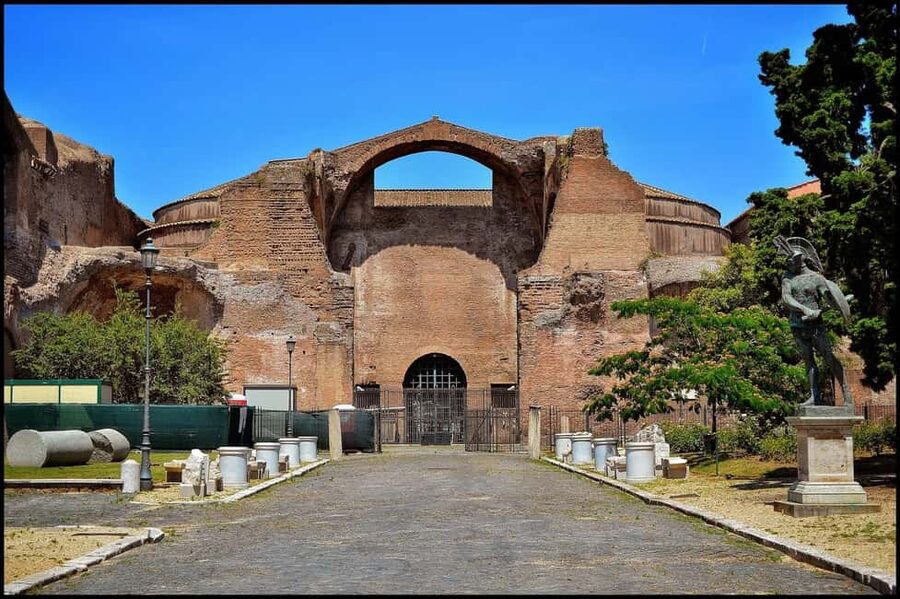
If you want the museum experience to connect to the scale of ancient Rome, the Baths of Diocletian are a strong choice. This stop is described as the largest thermal complex of the Roman Empire, and that big idea shows up in the way the site is presented.
Here, you are not only looking at collections. You’re also moving through a setting shaped by architecture. The ticket notes impressive halls, architectural remains, and collections tied to inscriptions, called epigraphic collections.
Epigraphy is not everyone’s first love. But if you like how words can anchor history, it can be a fascinating contrast to sculpture and painting. Even when you cannot translate everything instantly, you still get the feeling that Rome preserved itself through text, labels, and public messages.
This location can also help you connect art to daily habits. Roman baths were social places, and the idea of thermal spaces makes the whole Roman world feel more immediate. You might find that the museum objects around you start to make more sense once you are standing in a space associated with Roman public life.
Practical note: this is a good place to slow down if you want fewer art categories and more atmosphere and space. It can also be a good final stop because it wraps the story of Rome into a sense of built environment.
Potential drawback: because the Baths setting includes architectural remains and large interior halls, it can be easy to drift from one room to another quickly. If you want the full value, give yourself enough time for collections plus the main architectural experience.
How to Plan Your 7 Days Without Feeling Rushed
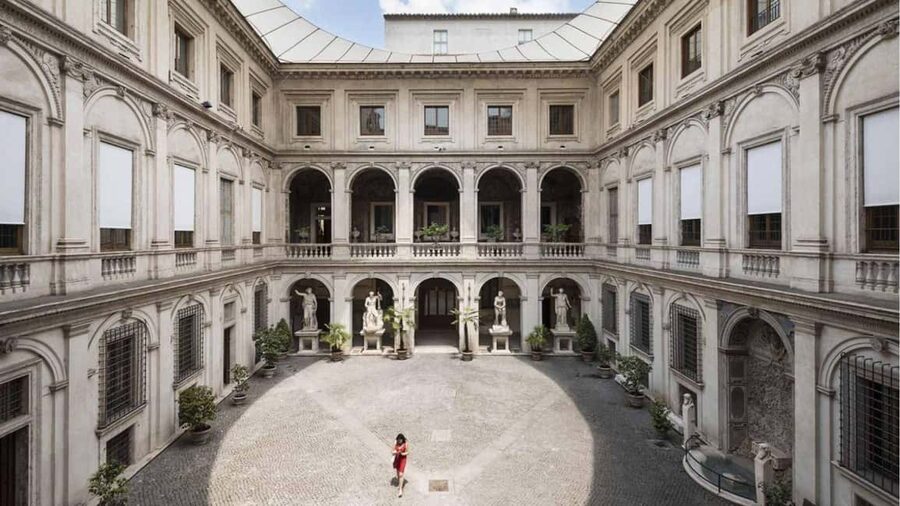
This ticket does not force a route. You can start at any of the three included museums, and you can move between them on any day within the 7-day window. That flexibility is exactly why this pass can be good value for your schedule.
I suggest this kind of approach:
- Start with the place you care about most. If you’re drawn to painting-like surfaces, start at Palazzo Massimo for frescoes and mosaics.
- Pair your second day with the strongest contrast. If you want a sculpture-driven mood, go to Palazzo Altemps next.
- Finish with the largest physical setting. Then hit Baths of Diocletian, because it gives you that Roman architecture feeling.
Do not try to turn this into a sprint. Even though the ticket works across multiple days, each site is still a real museum with collections you will want to actually see. If you visit all three in a single day, you will likely see a lot but remember less. If you can, think in blocks: one main site per day, with time for breaks.
Also plan around the fact that Crypta Balbi is not included. The ticket highlights it as part of the broader museum heritage story, but the admission ticket for Crypta Balbi is listed as not included. So if you want that stop, build an extra budget and extra time, and do not assume it will be covered by your $35 pass.
One more thing that helps: bring ID. A passport or ID card is required, and even a copy is accepted. Pack it the night before and you will avoid any last-minute stress.
Finally, if your plans are fluid, this booking format includes flexibility. It offers free cancellation up to 24 hours in advance and a reserve-now, pay-later option. That is useful if your Rome days are still being adjusted.
A few more Rome options worth a look
Price and Value: What $35 Buys for Three Big Stops
At $35 per person, you are paying for a focused museum experience across three sites, not a single building. The value here comes from the math of access plus time.
First, you get entry to all three locations included in the pass. That matters in Rome because museum pricing often climbs quickly once you add multiple sites. Here, the ticket gives you a multi-location package under one price point.
Second, you get flexibility from the 7-day validity. A ticket that only covers one day can pressure you into rushing. This one lets you spread your visits out, which usually leads to a better museum experience because you can return on a day when your energy is higher.
Third, skip the ticket line. That might sound small, but museum queues can be long enough to disrupt your plan. Even when you do not mind lines, shaving time off your day usually means you can spend more time actually looking at objects.
The only real value question is whether you want the self-guided style. Since there is no guided tour included, you are responsible for your own pacing and what you choose to focus on. If you love museums enough to guide yourself through, this ticket makes sense. If you feel lost without a guide, you might prefer a guided option for deeper interpretation.
What You Will See Across the Collection
The ticket description gives you a clear promise about the types of things you will encounter. Expect art and objects tied to Roman life, not just a few famous pieces.
Across the three sites, you can find:
- Classical sculptures and major stone artworks
- Mosaics and frescoes, including those connected to Livia’s Villa
- Material that connects to daily life, including coins and everyday objects
- Inscriptions-related material at the Baths of Diocletian stop
- A sense of how Rome changed over time, with the museum heritage story also pointing toward later eras at Crypta Balbi (not included)
When you put those together, you get a more complete picture than “look at statues.” Roman culture shows up as art, decoration, public life, and language. That mix is part of why this ticket works for different interests, even if you are not sure what you like yet.
One small practical mindset shift: treat this as three visits with different goals. Palazzo Massimo is visual and narrative through painting-like frescoes and rich mosaic surfaces. Palazzo Altemps is sculptural and refined. Diocletian’s Baths adds architecture and textual material. If you keep that in mind, each day feels coherent.
Rules Inside the Museums (ID Needed, Food Not Allowed)
Small rules make a big difference with museum tickets, so here are the ones that matter based on what’s provided.
You should bring a passport or ID card. A copy is accepted, so you do not have to stress about the exact format as long as you have something to show.
Food and drinks are not allowed. That means plan for a break outside the galleries rather than expecting to snack inside. If you are doing more than one site in a day, build in time for a quick stop nearby.
Pets are not allowed. Assistance dogs are allowed, so if that applies to you, plan around it.
Also, this ticket is not suitable for wheelchair users. If accessibility is a concern, check alternative options before you commit.
Who Will Enjoy This Rome Museum Ticket Most
This ticket is best for people who want freedom. If you like setting your own pace and choosing your own order, you will probably enjoy it.
It is also a great fit if you like multiple angles on the Roman world. The ticket gives you sculpture, mosaics, frescoes, coins, everyday objects, and even an epigraphy-focused stop at Diocletian’s Baths. That variety makes it easier to keep interest high.
If you are traveling with a partner or friend who likes museums but not the same kind of details, this ticket can work because each location has its own personality. One person can go hard on frescoes while another leans into sculpture and inscriptions, and both can still feel satisfied.
On the flip side, if you want a lecture-style experience with a guide explaining context at every turn, you will not get that here. This is a do-it-yourself ticket with skip-the-line entry, so plan to use your phone for general reading or bring a little background knowledge.
Should You Book This Rome National Roman Museum Ticket?
Book it if you want multi-site access for one price, with the freedom to stretch visits across a 7-day window. It is especially worth it if you are keen on Palazzo Massimo’s mix of sculpture, mosaics, and frescoes, and you also want Diocletian’s Baths for architecture and epigraphic collections.
Skip it or consider a different option if you strongly prefer guided explanations and you feel uncomfortable navigating museum collections on your own. Also, if mobility needs are a factor, note that it is not suitable for wheelchair users.
My practical decision rule is simple: if you can see yourself spending at least a couple of focused museum hours per stop and you enjoy choosing your own pacing, this ticket looks like strong value for Rome.
FAQ
How many museum sites are included in this ticket?
The ticket includes access to three National Roman Museum sites: Palazzo Massimo alle Terme, Palazzo Altemps, and the Baths of Diocletian.
How long is the ticket valid?
The ticket is valid for 7 days starting from the first scan.
Can I visit each museum more than once with the same ticket?
No. Each of the included museums can be visited once with the same ticket.
Is a guided tour included?
No. This experience does not include a guided tour.
Is there a meeting point for this ticket?
There is no meeting point. Your tickets are sent directly to you via email and WhatsApp.
How do I receive the ticket?
Your ticket is delivered to you by email and WhatsApp, so you can go to the museums without meeting staff first.
Is Crypta Balbi included with the ticket?
Crypta Balbi is not included. The admission ticket for Crypta Balbi is listed as not included.
What do I need to bring?
You should bring a passport or ID card. A copy is accepted.
Is this ticket suitable for wheelchair users?
No. It is not suitable for wheelchair users.
Latest additions from Rome
- Rome: Testaccio Market Food Tour with Street Food & Wine★ 5.0 · 8 reviews
- Exclusive Pasta & Tiramisu Class with Wine near by Colosseum★ 5.0 · 8 reviews
- Private Professional Photoshoot in Rome★ 5.0 · 8 reviews
- Loreto “Shrine of the Holy House of the Virgin Mary” Private Tour from Rome★ 5.0 · 8 reviews
- Rome Day to discover Florence and Pisa Hotel Pickup★ 4.5 · 8 reviews
- Rome: Christmas Nativities and Angels Tour★ 3.1 · 8 reviews
- Guided Tour of Vatican Museums and Sistine Chapel★ 5.0 · 8 reviews
- Rome: Cooking Class of fresh Pasta and Tiramisu Cake★ 5.0 · 8 reviews
Tickets, compared.
Hop-On Hop-Off Panoramic Bus Ticket – Access 3 Routes
Read our review →
Vatican Museums & Sistine Chapel Skip-the-Line Entry Ticket
Read our review →
Vatican Museums & Sistine Chapel Skip-The-Line Ticket
Read our review →Vatican Museums & Sistine Chapel Skip-the-Line Ticket
Read our review →
Vatican & Sistine Chapel Ticket with Optional Audio Guide
Read our review →
Castel Sant’Angelo Entry Ticket & Digital Audioguide
Read our review →