Reviewed · SELF-GUIDED TOURS
Rome: National Etruscan Museum Ticket & App Audioguide
A museum in a Renaissance palace feels right in Rome. The National Etruscan Museum of Villa Giulia gives you Etruscan art with smart organization, plus the stunning architecture of Villa Giulia to frame it all. You’ll get a ticket built for a focused visit, around 2 hours.
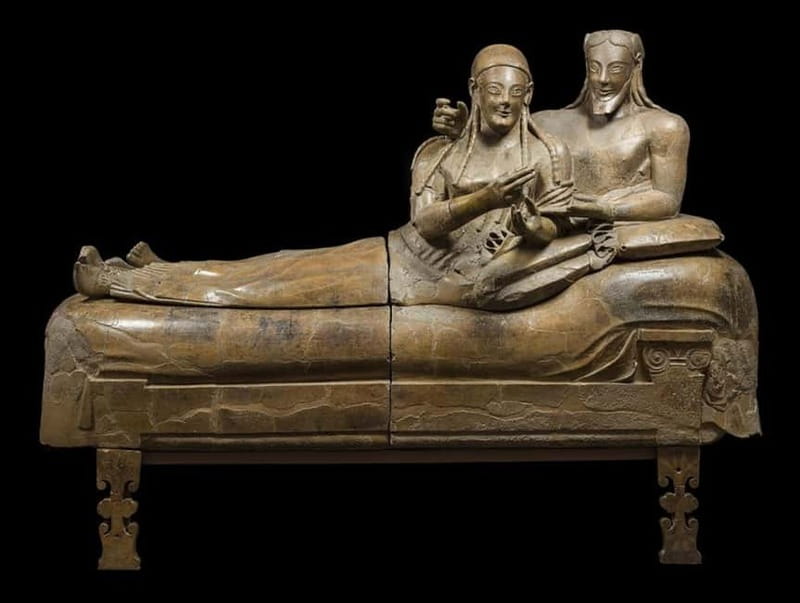
I especially liked two things: first, the way the collection is presented by topography and object type, so the artifacts make more sense as you move room to room. Second, the museum’s flagship pieces are truly memorable, including the Sarcophagus of the Spouses from Cerveteri. That combination keeps the visit from feeling like random display cases.
One real consideration: the included app audioguide can be limited and frustrating. It’s available in Italian or English, and you should plan to use your own headphones, since earphones are not provided and the audio can be poor quality.
In This Review
- Key highlights worth planning for
- Villa Giulia turns the Etruscan story into something you can feel
- The simple 2-hour flow that actually works
- Vulci and Veio: where the artifacts start to make sense
- Cerveteri’s Sarcophagus of the Spouses: the piece you’ll remember
- Pyrgi Tablets and Castellani jewelry: where language meets luxury
- Underground areas with the nymphaeum and Virgin aqueduct options
- The gardens and the Temple of Alatri reproduction: a calm, clever ending
- The included app audioguide: useful, but plan for its limits
- Price and value: $20 for two hours in a standout Rome museum setting
- Who should book this ticket, and who should skip
- Should you book the Rome National Etruscan Museum ticket with app audioguide?
- FAQ
- How long is the visit for the National Etruscan Museum of Villa Giulia ticket?
- What does the ticket include?
- Where do I exchange my voucher for an official entry ticket?
- Are headphones or earphones included with the app audioguide?
- What languages is the app audioguide available in?
- Is flash photography allowed inside the museum?
- Can I take photos without flash?
- Is this experience wheelchair accessible?
- Is a personal guide included?
Key highlights worth planning for
- Renaissance architecture (Villa Giulia), built under Pope Julius III (1550 to 1555), makes the museum feel like part of the show
- Topographical and typological organization, so Etruscan culture connects across exhibits
- Major set-piece artifacts, especially the Sarcophagus of the Spouses and the Pyrgi Tablets
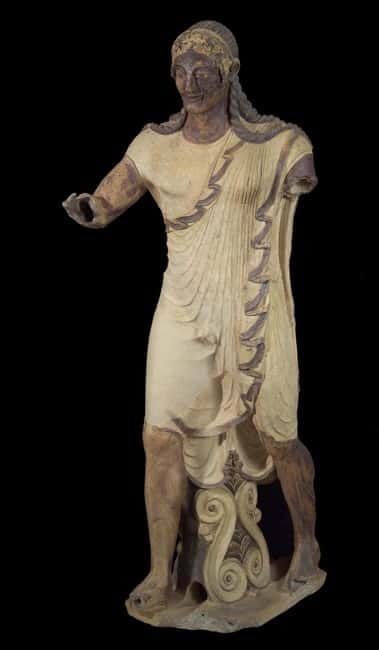
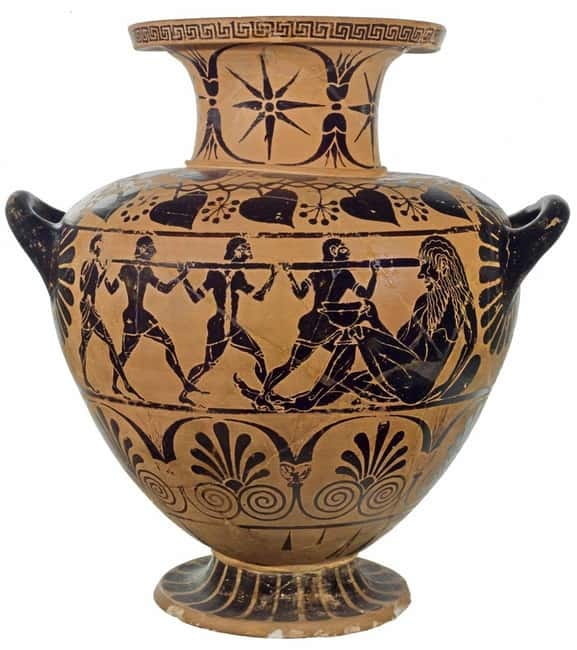
- Etruscan bronzes and terracottas tied to places like Vulci and Veio
- Garden ending with the Temple of Alatri reproduction, a calm finish after gallery time
- Optional themed underground areas that include the nymphaeum and the Virgin aqueduct
Villa Giulia turns the Etruscan story into something you can feel
If you’ve ever visited a museum where the building disappears and the displays take over, Villa Giulia is the opposite. This is Renaissance architecture designed by Pope Julius III’s project, built between 1550 and 1555, with courtyards and a nymphaeum that give you rhythm as you walk. Even before you get fully into the Etruscan artifacts, the setting tells you this place was meant to impress.
There are also frescoes tied to the Seven Hills of Rome, which helps you understand the museum’s role in Rome’s larger long timeline. The museum itself dates to 1889, so you’re not only looking at ancient objects, you’re also seeing how later Italy wanted to preserve and interpret them.
Practical takeaway: this kind of museum rewards walking at a comfortable pace. You’ll do best if you treat it less like a checklist and more like a story in chapters, starting with where Etruscan culture came from and ending with how it’s remembered.
Other Roman collections with a shorter wait:
- Vatican Museums, Sistine Chapel & St. Peter’s Basilica Tour
★ 4.3 · 73,970 reviews - Vatican Museums, Sistine Chapel & St Peter’s Basilica Guided Tour
★ 4.5 · 39,149 reviews - Rome: Vatican Museums, Sistine Chapel and Basilica Tour
★ 4.3 · 16,039 reviews - Vatican Museums & Sistine Chapel Skip-the-Line Entry Ticket
★ 4.4 · 13,838 reviews
The simple 2-hour flow that actually works
Your visit is timed for about 2 hours, and that’s enough if you move with a plan. The museum’s exhibits are arranged so you can follow an app audioguide route organized by topography and typology, meaning the guide groups things by where they were found and what kind of object they are.
Here’s the approach I recommend inside that 2-hour window:
1) Start with a core room and listen for context while you look.
2) Pick one or two big set pieces to see slowly.
3) Use the final section in the gardens as your decompression moment.
Because the museum content is organized, you can avoid the common mistake of bouncing between rooms. Instead, let the structure guide you, and you’ll leave feeling like you learned something specific rather than simply saw a lot.
Also note the practical rules: flash photography isn’t allowed. That’s normal museum behavior, but it does matter for timing if you’re trying to photograph in dim areas. If you like photos, you’ll get the best results by using available light and keeping your camera steady.
Vulci and Veio: where the artifacts start to make sense
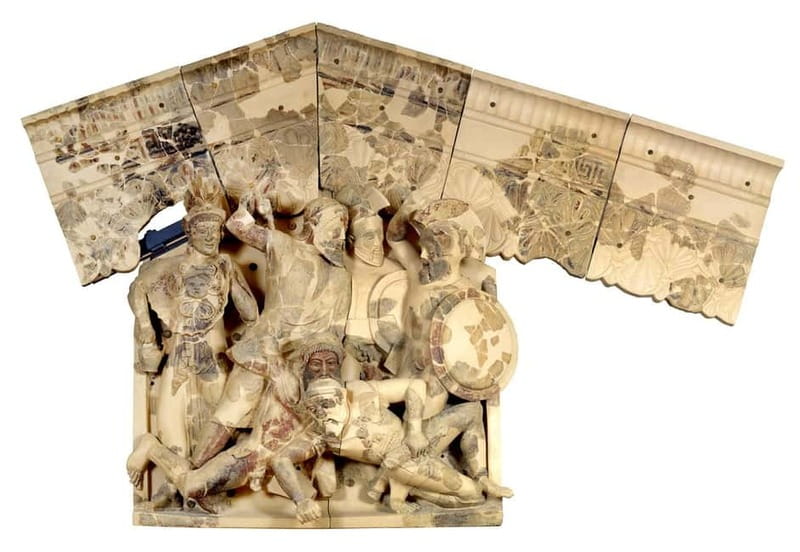
One of the museum’s strengths is how it connects Etruscan objects to specific places in southern Etruria. You’ll see impressive bronzes from Vulci and terracotta decorations from Veio, which is more than decoration trivia. When objects are tied to their origin, you can start spotting patterns in style, materials, and local craftsmanship.
What I like about this setup is how quickly it turns history into observation. You’re not just looking at what’s shiny, you’re seeing how the culture expressed itself through different materials depending on the region.
A good tip for your own visit: don’t rush past the labels that explain origin. Those short notes are what make the app audioguide useful. If you skip them, the audio might feel like it’s talking about disconnected items. If you use them, the guide turns into a map for your eyes.
Cerveteri’s Sarcophagus of the Spouses: the piece you’ll remember
The Sarcophagus of the Spouses from Cerveteri is the kind of artwork that changes your pace instantly. Even if you don’t know Etruscan funerary art, a sarcophagus is already a statement about how people imagined death, identity, and relationships.
Why this exhibit matters: it’s not only about the object’s fame. It’s about what the museum is doing by placing it among other artifacts linked to place and type. When you see it in context, it becomes a window into how Etruscans used art to represent life beyond life.
Take your time here. Make this the slow stop of your visit, the one where you listen to a full audio segment before moving on. If you’re trying to see everything in 2 hours, this is the part that’s most worth the extra minutes.
Pyrgi Tablets and Castellani jewelry: where language meets luxury
Two highlights pull you in different directions: the Pyrgi Tablets and the Castellani collection jewelry.
The Pyrgi Tablets are special because they include inscriptions in Etruscan and Phoenician. That bilingual element is a shortcut to the bigger story of contact and influence around the Mediterranean. It also changes how you look at writing in an ancient museum. Instead of treating inscriptions like decoration, you can sense how messages moved between cultures.
Then there’s the Castellani jewelry. The museum offers these pieces as an example of craft and status, which is an important balance after the weightier theme of funerary art. Jewelry is intimate, and it can make the distant past feel more human, even when the designs are very different from what we wear today.
If you’re the type who hates long readings, this is a good section to pair with your audio. Let the app give you the meaning, then use your eyes for details like materials and craftsmanship.
More of Rome walked on your own clock:
Underground areas with the nymphaeum and Virgin aqueduct options
This museum does something a lot of Rome museums don’t. It offers unique itineraries that include underground spaces connected to the site, including the nymphaeum and the Virgin aqueduct.
Even without a lot of extra description ahead of time, underground stops tend to work well because they shift your senses. You go from bright gallery light to a cooler, quieter environment. That contrast helps your brain reset, which makes the rest of the visit feel more coherent.
Practical note: since this is described as itineraries, don’t assume every underground area is exactly the same for every entry. The best move is to follow what your audio guide offers and what’s available during your time slot.
The gardens and the Temple of Alatri reproduction: a calm, clever ending
After the artifacts, Villa Giulia’s gardens are a welcome change of pace. This is where the experience feels less like museum sprinting and more like enjoying a Roman setting.
A key stop here is the life-size reproduction of the Temple of Alatri. Reproductions can sometimes feel like filler, but in this case it works because it closes the loop. After seeing Etruscan art and objects, you’re given a full-scale architectural reference point to connect style and belief with built space.
If you have time, don’t treat the gardens as a hallway. Sit for a minute. Let your eyes reset after indoor displays, and you’ll often notice details you would miss while rushing.
The included app audioguide: useful, but plan for its limits
The ticket includes an app audioguide, and you’re supposed to receive instructions in your booking confirmation. When it works, it’s a smart way to understand how the museum organizes exhibits.
But here are the limitations you should take seriously before you rely on it:
- The audio guide is available in Italian or English.
- You may not have earphones provided, and the listening quality can be disappointing without your own setup.
My practical advice: bring your own headphones. Even basic wired or Bluetooth earbuds can make a huge difference. If you show up planning to listen on a phone speaker, you’ll likely end up annoyed at the sound instead of focused on the content.
Also, treat the audio like a steering wheel, not a replacement for looking. The museum’s organization by topography and typology only really clicks when you match what you hear to what you see.
Price and value: $20 for two hours in a standout Rome museum setting
At about $20 per person for an entrance ticket plus a digital audio app, the value depends on what kind of museum visitor you are.
You’ll feel good about the price if:
- You want a structured visit to a major collection of Etruscan art
- You care about origin stories, like artifacts tied to Vulci, Veio, and Cerveteri
- You like museum experiences that extend beyond galleries, with gardens and the Temple of Alatri reproduction
You might reconsider if:
- You need a strong audio experience in a language other than Italian or English
- You expect earphones to be provided and top-notch audio quality without bringing your own headphones
Still, for most independent travelers who enjoy self-guided history, this ticket makes sense. The museum building, the curated organization, and the standout objects are enough to justify the cost even if you use the audio selectively.
Who should book this ticket, and who should skip
I’d recommend booking this if you:
- Like Etruscan culture and want a museum visit that explains how the pieces connect
- Want an easy 2-hour plan without needing a staff guide
- Enjoy Renaissance settings as part of the experience, not just as a backdrop
I’d be less enthusiastic if you:
- Are sensitive to audio issues and don’t plan to bring headphones
- Prefer museum visits with live interpretation in your language
If you fit the first group, Villa Giulia is one of those Roman stops that gives you both art and atmosphere in a manageable time window.
Should you book the Rome National Etruscan Museum ticket with app audioguide?
Book it if you want a high-impact Etruscan museum visit with a built-in explanation tool and a beautiful end in the gardens. It’s especially worth it for the Sarcophagus of the Spouses, the Pyrgi Tablets, and the way the collection ties objects back to places in southern Etruria.
Skip or adjust your expectations if audio quality and language access are dealbreakers. The museum is genuinely strong, so plan to make the most of that, then use your own headphones to keep the audioguide from becoming the weak link.
FAQ
How long is the visit for the National Etruscan Museum of Villa Giulia ticket?
The experience is listed as about 2 hours.
What does the ticket include?
The ticket includes entrance to the National Etruscan Museum of Villa Giulia and a digital audio guide app.
Where do I exchange my voucher for an official entry ticket?
You exchange the voucher at the ticket office at Piazzale di Villa Giulia 9, 00196 Roma RM, Italy.
Are headphones or earphones included with the app audioguide?
The audio guide is described as being provided without earphones, so it’s smart to bring your own.
What languages is the app audioguide available in?
The app audioguide is available in Italian and English.
Is flash photography allowed inside the museum?
No, flash photography is not allowed.
Can I take photos without flash?
Photography is allowed, as long as you do not use flash.
Is this experience wheelchair accessible?
Yes, the museum is listed as wheelchair accessible, and accessible services and facilities are available.
Is a personal guide included?
No, a personal tour guide is not included with this ticket.
Latest additions from Rome
- Rome: Testaccio Market Food Tour with Street Food & Wine★ 5.0 · 8 reviews
- Exclusive Pasta & Tiramisu Class with Wine near by Colosseum★ 5.0 · 8 reviews
- Private Professional Photoshoot in Rome★ 5.0 · 8 reviews
- Loreto “Shrine of the Holy House of the Virgin Mary” Private Tour from Rome★ 5.0 · 8 reviews
- Rome Day to discover Florence and Pisa Hotel Pickup★ 4.5 · 8 reviews
- Rome: Christmas Nativities and Angels Tour★ 3.1 · 8 reviews
- Guided Tour of Vatican Museums and Sistine Chapel★ 5.0 · 8 reviews
- Rome: Cooking Class of fresh Pasta and Tiramisu Cake★ 5.0 · 8 reviews
Self-Guided Tours, compared.
Colosseum & Forum with Audio Guide App -Optional Arena
Read our review →
Colosseum, Roman Forum & Palatine Hill with Audioguide App
Read our review →
Vatican & Sistine Chapel Ticket with Optional Audio Guide
Read our review →
Pantheon Priority Entry Ticket & Interactive App
Read our review →
Colosseum, Forum, & Palatine Hill with Audio Guide
Read our review →
Pantheon Priority Entry Tickets with Interactive App
Read our review →