
Reviewed · PASTA AND TIRAMISU COOKING CLASSES
Rome: Hands-On Pasta & Tiramisu Class
Fresh dough is a hands-on kind of fun. In Rome, this class has you making fresh pasta and tiramisù from scratch in an old-school bistro setting, guided by chef Marco. I especially like that you are doing the work, not just watching, and that you also get the dish history that makes Italian comfort food feel more meaningful.
The other big win for me is the social angle, you share a glass of wine while you cook and you end up talking with people you would never have met otherwise. One thing to consider is that there is no hotel pickup, so you will need to make your own way to the meeting point at Jambo Bistrot.
In This Review
- Key things I’d bet you’ll care about
- Entering the class in an old bistro by San Paolo Basilica
- What you actually learn: fresh pasta basics you can repeat
- The cooking flow: shaping, then finishing in one pot
- The tiramisù part: dessert with a real sense of method
- Chef Marco and Fabrizio: why this class works as a teaching experience
- Wine with your work: the Rome evening factor
- Duration and what you give up (and what you gain)
- Price check: is $65 good value in Rome?
- Where it fits in your Rome plan
- Who should book, and who should think twice
- Should you book this pasta and tiramisù class?
- FAQ
- Where is the meeting point for the class?
- How long is the Rome pasta and tiramisù class?
- How much does it cost?
- What language is the instruction?
- Is the class wheelchair accessible?
- What’s included in the price?
- What should I bring?
- Are hotel pickup and drop-off included?
- What is the policy if I need to cancel?
Key things I’d bet you’ll care about
- Chef Marco’s step-by-step style keeps you moving, even if you have never made pasta before
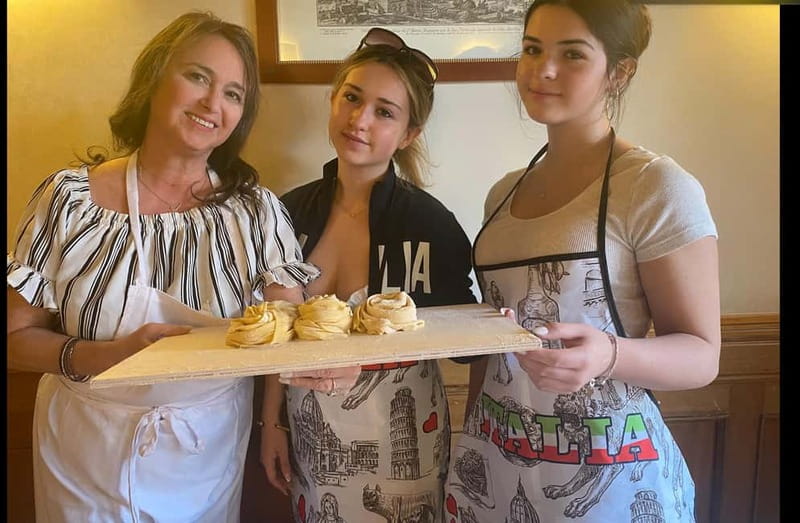
- Hands-on pasta dough taught with your hands, then shaped and cooked in the same pot
- Wine included so the class feels like a proper Roman evening, not just a workshop
- You eat what you cook, so you get immediate payoff instead of taking home a science project
- English instruction makes it easy to follow the techniques and the why behind them
Entering the class in an old bistro by San Paolo Basilica
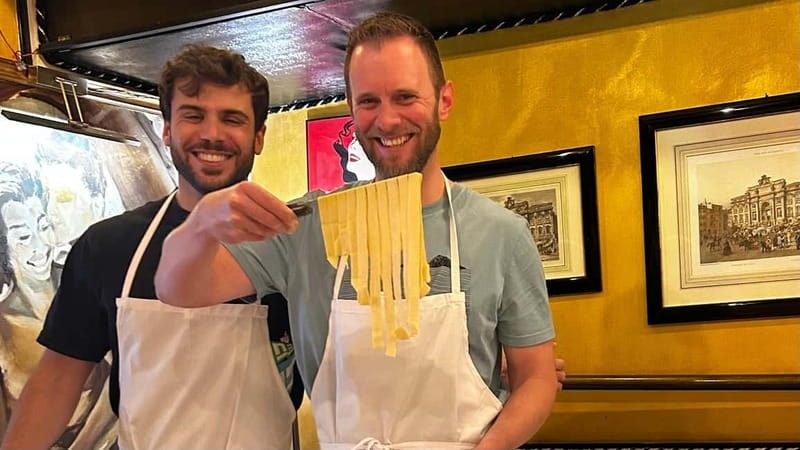
This is the kind of cooking class that feels placed on purpose. You meet at Jambo Bistrot, in an ancient restaurant setting beside San Paolo Basilica, so you are not stuck in a sterile kitchen room. The area also puts you close to major Rome sights, which is handy if you want a real activity with your sightseeing day instead of a dead time slot.
I like that the space is air-conditioned, which matters in Rome when the weather is doing its thing. You also get a clear structure to the experience: you show up, meet your chef and assistant, get oriented, then start cooking right away.
If you are the type who hates walking into things late, give yourself a little buffer. There is no mention of hotel pickup, so you should plan on arriving under your own steam and comfortable time.
Other kitchens rolling pasta and folding tiramisu:
- 3 in 1 Cooking Class near Navona: Fettuccine, Ravioli & Tiramisu
★ 5.0 · 7,376 reviews - Rome: Pasta & Tiramisu Class with Fine Wine by the Vatican
★ 4.9 · 4,852 reviews - Rome: Pasta Making Class with Wine, Limoncello, and Dessert
★ 4.9 · 3,177 reviews - Rome Cooking Class: Make Pasta and 3 Spritz Cocktails
★ 5.0 · 2,937 reviews
What you actually learn: fresh pasta basics you can repeat
The promise here is simple: fresh pasta and tiramisù from scratch, taught in a way you can redo at home. The pasta is made using fresh ingredients and hands-on technique, and the class focuses on the oldest, simplest methods rather than fancy tricks. That matters, because “authentic” is only useful if it is repeatable in your own kitchen.
Pasta dough is physical. You learn how to work the dough with your hands, how to keep it in the right feel, and how to shape it so it turns out well. Even if you do not nail every step the first time, the chef’s guidance is designed to get you comfortable with the process.
From what you’ll see and do, you are not just copying a shape. You are learning why the dough works, and what changes in technique can help if your dough feels too dry or too sticky. That is the real value, because it transfers to whatever pasta format you want to make later.
The cooking flow: shaping, then finishing in one pot
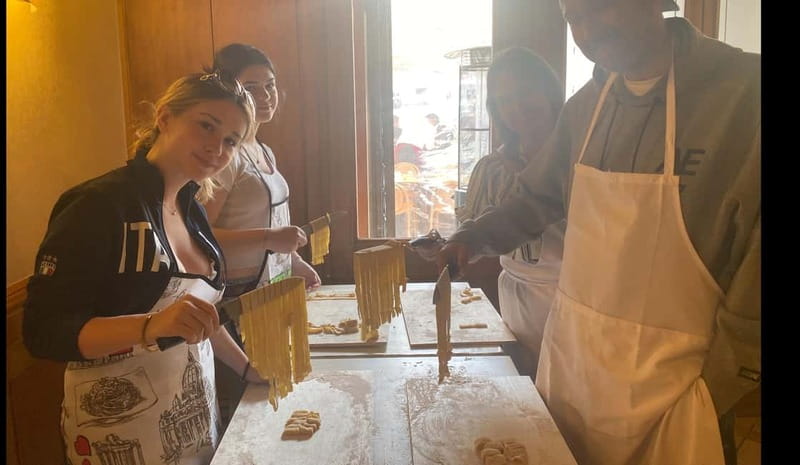
Once everyone makes their pasta individually, it all gets cooked together in the same pot. That detail is more important than it sounds. It means your group is coordinated, and the chef can watch timing without needing each person’s pot or separate kitchen resources.
You should expect a rhythm: form pasta, pause for cooking instructions, then return to the table to continue with the next steps. It is a good setup for a 2-hour class, because it keeps everyone from spinning their wheels.
Also, the instruction is in English. That helps a lot with technique-based cooking, because small wording differences can make a big difference when you are learning how dough should feel. Chef Marco and his team are known for keeping explanations clear and for offering practical tips you can use later.
The tiramisù part: dessert with a real sense of method
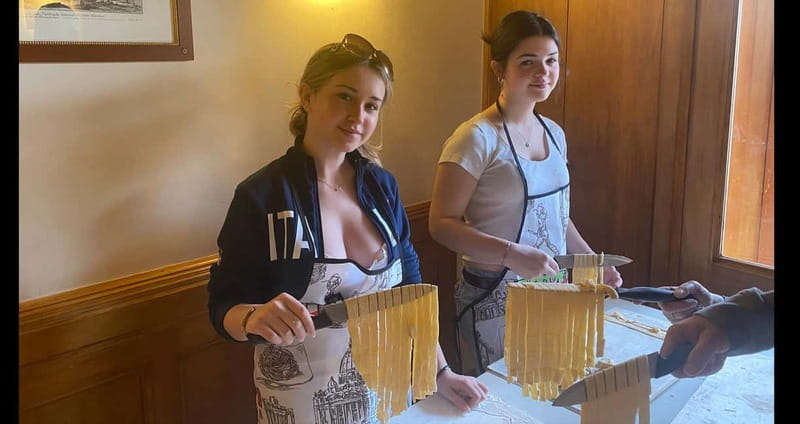
Tiramisu is one of those dishes people think they already know, then discover there is a technique behind the calm surface. In this class, you make tiramisù from scratch with the chef guiding you step-by-step. That “step-by-step” part is key, because dessert can fall apart fast if you guess and rush.
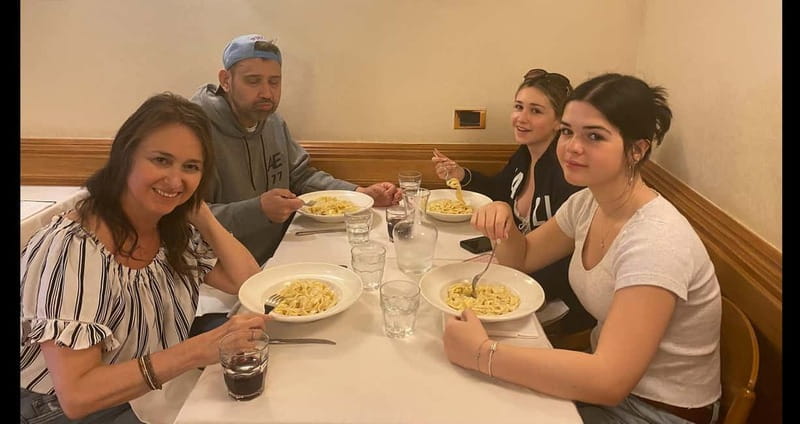
You’ll build the dessert during the workshop, then you get to enjoy the final result in the restaurant once the pasta and dessert are ready. That is a strong part of the experience, because you learn the process and also get the taste test immediately.
I like this approach for two reasons. First, it turns the class into a full meal moment, not just a cooking exercise. Second, it makes it easier to remember the order of steps later, since you can connect each technique to what it produced on the plate.
One practical note: if you have food allergies, you need to notify in advance. The class provides the ingredients, but allergy handling is always about advance planning, and the workshop is clear that participants should flag allergies ahead of time.
Chef Marco and Fabrizio: why this class works as a teaching experience
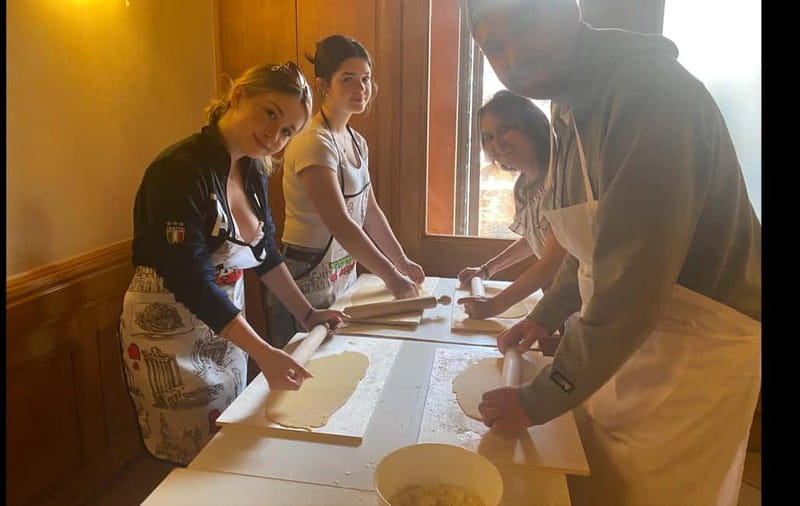
A cooking class lives or dies by the teacher. Here, chef Marco leads the instruction, and the experience often includes Fabrizio as an assistant. The common thread in the feedback is that Marco is patient and keeps things fun while staying clear about the process.
What I like about this setup is that it is not just “watch the chef.” You are asked to do the work, and the chef adjusts to the room. If your dough needs help, you get guidance. If you are unsure about timing, you get strategies. That style makes the class feel welcoming even for absolute beginners.
Marco’s teaching also goes beyond technique. You get the story and cultural significance behind famous Italian dishes, which is a smart add-on. It turns what could be a purely mechanical class into something you will actually want to talk about later.
And yes, the social energy matters. You meet other people in the class, and with a glass of wine included, the conversation comes naturally while you work.
Other Roman benches to work at for a morning:
Wine with your work: the Rome evening factor
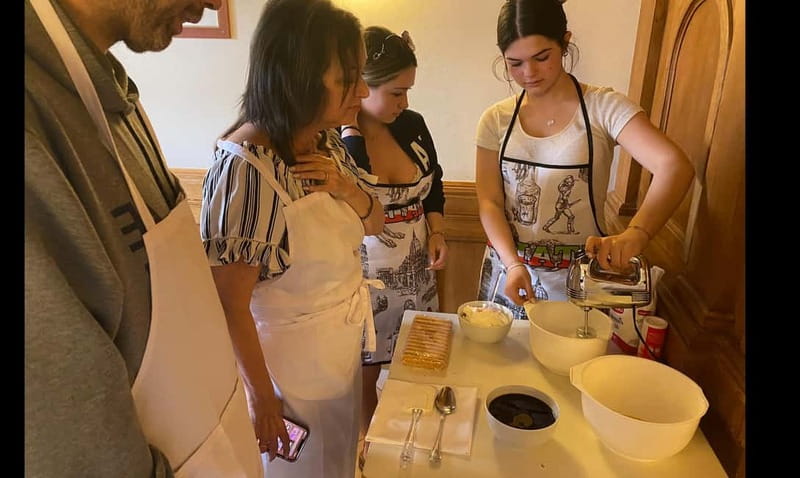
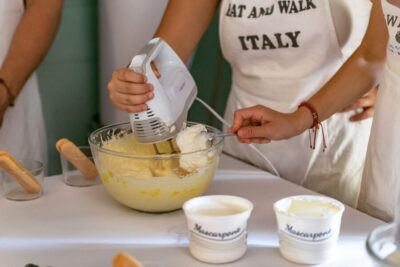
You cook, you learn, and you also get a glass of wine included in the experience. That might sound like a small detail, but it changes the vibe. It is not just a stopwatch class where everyone is silently focusing on accuracy.
When wine is included, you tend to relax, and that helps with technique learning. If your shoulders are tense, dough work feels harder. When the room is friendly and upbeat, the instructions land better.
Plus, it’s a good way to meet people without forcing conversation at every moment. You can talk while you mix, while you wait for a step, or just while you eat the meal you made.
Duration and what you give up (and what you gain)
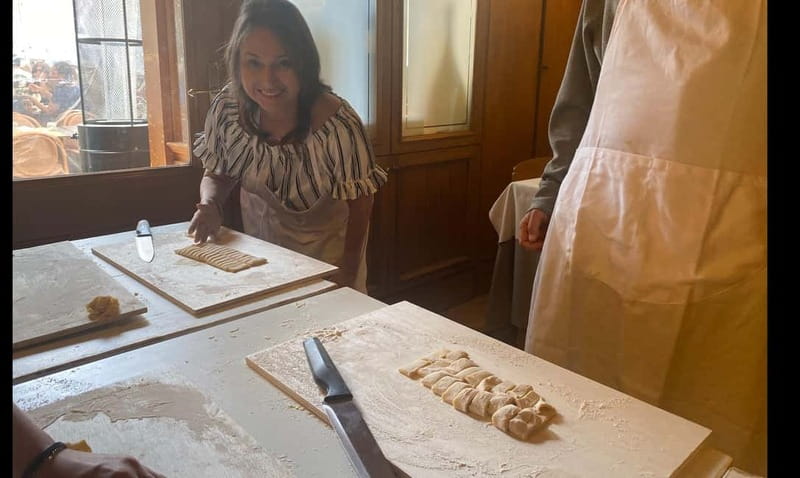
This class runs for 2 hours. That is long enough to learn real technique and finish both pasta and tiramisù, but short enough that it should still fit into a sightseeing day.
What you give up is time for a second sit-down activity nearby right after. Since you will be cooking and then eating what you make, plan not to cram a third heavy event immediately before or after. If you have a tight schedule, it helps to treat this as the anchor experience.
What you gain is hands-on skill plus a meal payoff. You are leaving with practical memories, plus a set of steps you can repeat at home. And because the chef explains history and cultural significance, it feels less like a tourist activity and more like learning part of Italian food culture.
Price check: is $65 good value in Rome?
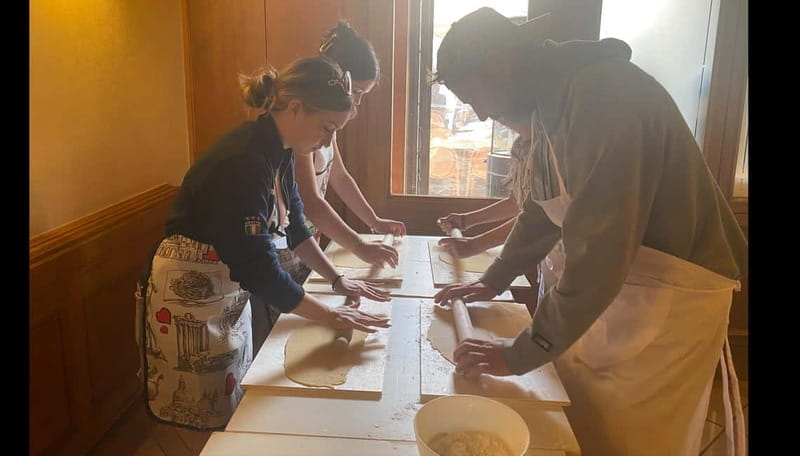
At $65 per person for a 2-hour hands-on class, the value is strongest if you want more than a snack. The price includes the air-conditioned cooking space, an experienced chef instructor, all ingredients, and a glass of wine. For many food experiences in Rome, you pay extra for either guidance or included food and drinks. Here, you get both cooking instruction and the edible results.
It also makes sense because you are not just paying for time. You are paying for technique coaching in English, plus the chance to cook and then eat your own pasta and tiramisù on the spot. That is usually where cooking classes feel worth it.
Is it expensive if your only goal is a quick taste of Italian cuisine? Maybe. But if you want to learn a skill you can actually repeat, and you want a friendly group setting with a real Roman atmosphere, this price is easier to justify.
Where it fits in your Rome plan
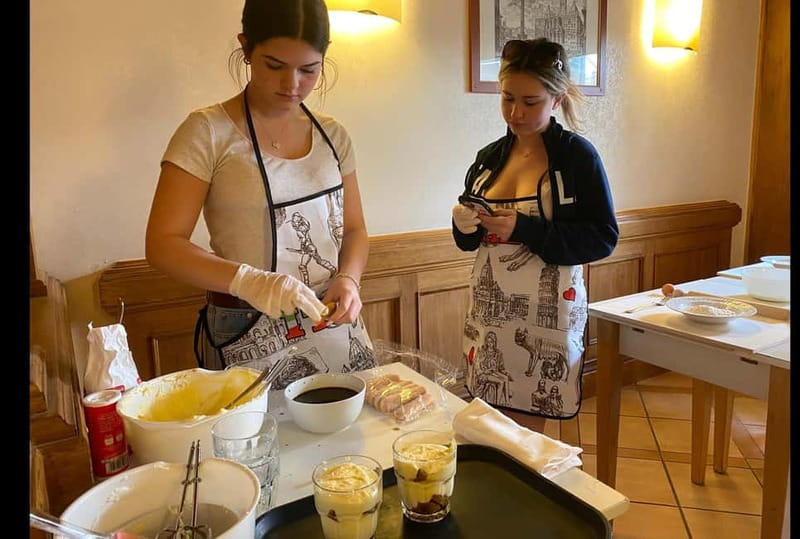
This class works well if you like activities that add flavor to your day, not just sights. If you are already planning to be in the San Paolo area, it is a smart use of time because the setting is part of the experience.
It can also be a good option if your group has mixed interests. One person might love cooking, another might mainly want something different from museums. This kind of class gives everyone a role.
For families, it can be especially memorable. The experience has worked well as a birthday surprise, and younger teens can find it fun if they enjoy hands-on tasks. That said, you should still expect an activity focused on cooking steps, so it is not the right fit if someone wants a purely passive option.
Who should book, and who should think twice
You should book if:
- You want hands-on pasta technique plus a dessert you made yourself
- You like structured lessons with a chef who keeps things clear
- You enjoy meeting people in a relaxed setting with wine
- You want a 2-hour activity that ends with you eating what you cook
You might think twice if:
- You need hotel pickup, because you will be handling your own travel to Jambo Bistrot
- You are hoping for a minimal-mess activity, since pasta work is hands-on by nature
- You have allergies and have not planned ahead to notify the operator
Also, wear comfortable shoes and comfortable clothes. The class is designed for cooking, so treat it like a hands-on workshop, not a formal dining event.
Should you book this pasta and tiramisù class?
If your goal is a real skill lesson plus a tasty finish, I think it’s a strong yes. Chef Marco’s teaching style, the patient guidance, and the fact that you cook and eat within the 2-hour session are the big reasons this works.
The only real “no” is logistical. Since there is no hotel pickup, make sure you can get to Jambo Bistrot easily and on time. If you can do that, you’ll likely leave with two things that matter: a better understanding of Italian dishes and a set of techniques you can use again at home.
FAQ
Where is the meeting point for the class?
The meeting point is Jambo Bistrot.
How long is the Rome pasta and tiramisù class?
The experience lasts 2 hours.
How much does it cost?
The price is $65 per person.
What language is the instruction?
The instructor speaks English.
Is the class wheelchair accessible?
Yes, the activity is wheelchair accessible.
What’s included in the price?
It includes the air-conditioned cooking location, an experienced chef instructor, all cooking ingredients, and a glass of wine.
What should I bring?
You should wear comfortable shoes and comfortable clothes.
Are hotel pickup and drop-off included?
No, hotel pickup and drop-off are not included.
What is the policy if I need to cancel?
Free cancellation is available up to 24 hours in advance for a full refund.
Latest additions from Rome
- Rome: Testaccio Market Food Tour with Street Food & Wine★ 5.0 · 8 reviews
- Exclusive Pasta & Tiramisu Class with Wine near by Colosseum★ 5.0 · 8 reviews
- Private Professional Photoshoot in Rome★ 5.0 · 8 reviews
- Loreto “Shrine of the Holy House of the Virgin Mary” Private Tour from Rome★ 5.0 · 8 reviews
- Rome Day to discover Florence and Pisa Hotel Pickup★ 4.5 · 8 reviews
- Guided Tour of Vatican Museums and Sistine Chapel★ 5.0 · 8 reviews
- Rome: Christmas Nativities and Angels Tour★ 3.1 · 8 reviews
- Rome: Cooking Class of fresh Pasta and Tiramisu Cake★ 5.0 · 8 reviews
Pasta and Tiramisu Cooking Classes, compared.
3 in 1 Cooking Class near Navona: Fettuccine, Ravioli & Tiramisu
Read our review →
Pasta & Tiramisu Class with Fine Wine by the Vatican
Read our review →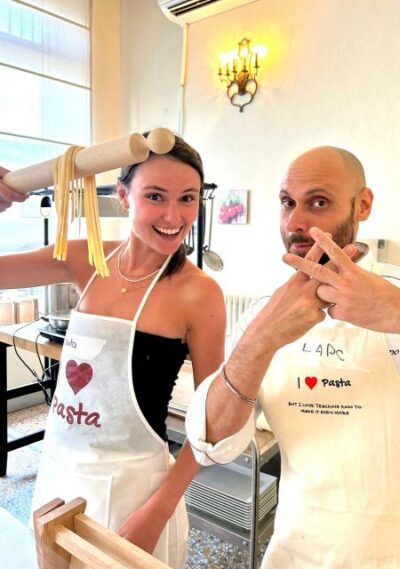
Pasta Making Class with Wine, Limoncello, and Dessert
Read our review →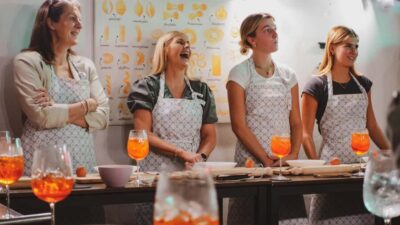
Rome Cooking Class: Make Pasta and 3 Spritz Cocktails
Read our review →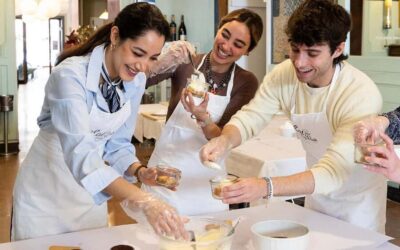
3-in-1 Fettuccine, Ravioli, and Tiramisu Cooking Class
Read our review →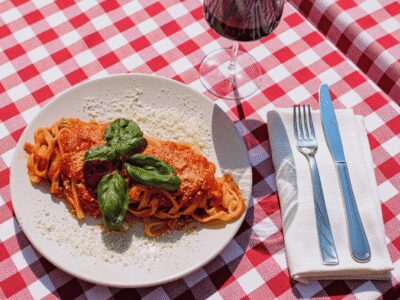
Fettuccine Pasta Cooking Class in Rome’s City Center
Read our review →
Learn to Make Pasta & Tiramisu with Wine and Limoncello Included
Read our review →
Become a Masterchef in Rome: Pasta, Ravioli and Tiramisù Class
Read our review →Browse the lists this tour appears in