
Reviewed · WINE TASTING IN ROME
Rome: Guided Italian Wine Tasting Experience
Six wines can change how you taste Rome. This guided Italian wine tasting in Monti is built around 2 hours, six low-intervention styles, and a sommelier who teaches you how to talk about what you smell and like. It also uses a private cellar setting in the heart of Ancient Rome to make the whole thing feel like a real local ritual, not a rushed bar stop.
What I love most is the focus on skill, not just sampling. You learn how to describe wines in a useful way, and you get a guided tour of Italy’s flavor map through the appellation system and a virtual journey across the country. The second big win is the variety, with selections from small, often family-run producers, so you taste different profiles instead of one safe “crowd pleaser.”
One possible drawback to consider: food is kept light on purpose. You only get fresh bread and water before your pours, so if you’re very hungry you may want to plan dinner right after, or arrive with a snack earlier, so the wine flavors do not get steamrolled by a heavy meal.
In This Review
- Key things to know before you go
- Six low-intervention wines in Monti, the real purpose
- Finding Selci 84/G: the simple logistics that matter
- The 2-hour flow: what happens once you sit down
- What low-intervention means, and why it changes your glass
- The Italian appellation system, translated into shopping confidence
- How you learn to describe wine without sounding fake
- Private cellar vibes, but the point is the social pace
- Food, water, and why timing affects taste
- Price and value: how $94 holds up for what you get
- Who this wine tasting is best for in Rome
- Should you book VinoRoma’s Rome wine tasting?
- FAQ
- How many wines are tasted in this experience?
- How long does the wine tasting last?
- Is the tasting offered in English?
- What is included to eat and drink during the tasting?
- Where is the meeting point in Rome?
- Can I cancel for a full refund?
- Do they offer reserve now and pay later?
- Is the activity wheelchair accessible?
Key things to know before you go
- 6 wines, different styles: Expect range, not repetition, with each pour aiming at a new flavor lesson
- A low-intervention focus: You’ll learn what natural and low-intervention means, and why it changes the wine
- Appellations explained in real terms: The Italian naming system becomes something you can actually use when shopping
- Small group pace: Limited to 10 participants for a more personal back-and-forth
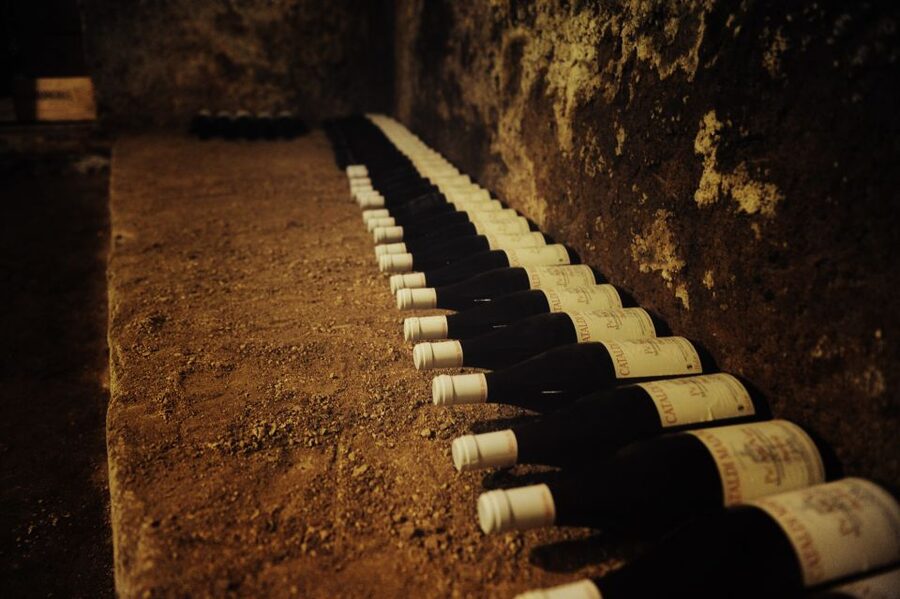
- Private tasting room in Monti: Ancient Rome energy, calm setting, easy conversation
- English instruction with wine talk you can practice: You’ll get tools for describing aromas, flavors, and your preferences
Six low-intervention wines in Monti, the real purpose
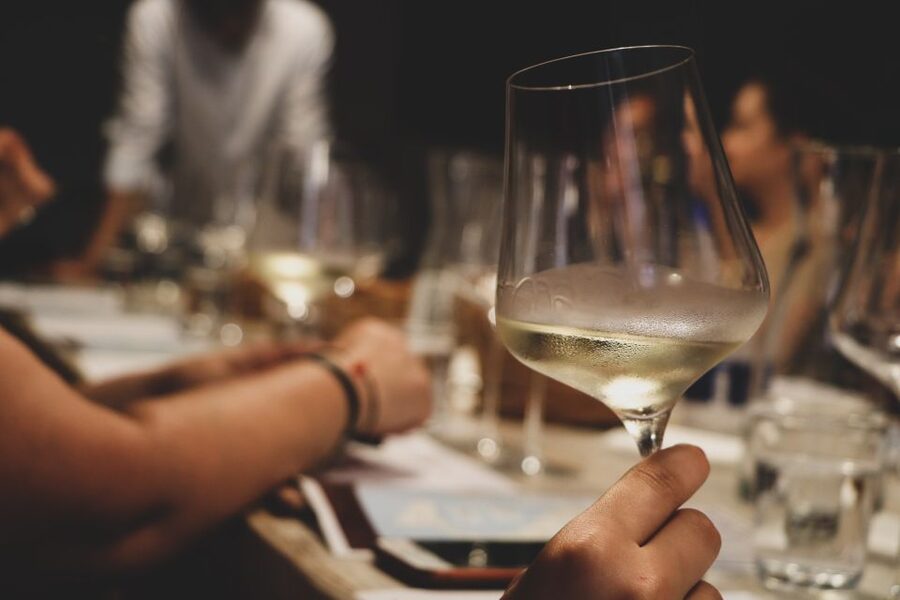
This is not a wine lecture you survive. It’s a guided tasting where you learn how to taste with intention. The “six wines” part matters because it gives you multiple reference points in a short time, so you stop thinking in vague terms like good or bad and start using clearer language like acidity, fruit character, texture, and finish.
The “low-intervention” angle is the heart of the experience. These are wines selected for how they’re made and how that shows up in the glass. Even if you’re new to wine, you’ll get a framework for noticing what’s different when producers keep intervention minimal, and when the goal is to express place rather than force a predictable style.
And the setting helps. You’re in a private tasting room in Monti, in a part of Rome where you can look around and feel the layers of the city. That calm, enclosed room makes it easier to focus on the aromas instead of competing with street noise.
If you want a takeaway you can use the next day, this is the kind of class that sticks. The goal is not just tasting. It’s becoming the person who can walk into a wine shop and make sense of the label.
More Wine Tasting in Rome
- Rome: Tuscany & Montepulciano Day Trip with Lunch & Wine Tasting
★ 4.5 · 5,232 reviews - Rome: Pasta Making with Wine Tasting and Dinner in Frascati
★ 4.9 · 979 reviews - Rome: Food Tour and Wine Tasting in a Traditional Trattoria
★ 4.7 · 962 reviews - Rome: Wine Tasting in Trastevere with Food and Gelato
★ 5.0 · 288 reviews
Finding Selci 84/G: the simple logistics that matter
The meeting point is in Monti at Selci #84/G. The key detail is that the “G” is not on the main door with #84. It’s several doors down, toward the lower end of the street. Look for the red door with the VinoRoma logo.
Arrive about 10 minutes early. That buffer matters in Rome because streets can look similar and you might be checking your location app. Getting there early also lets you settle in before the first pour starts.
One practical note: the tasting is listed as wheelchair accessible. If mobility is part of your planning, this is a good sign, since it’s explicitly stated.
The 2-hour flow: what happens once you sit down

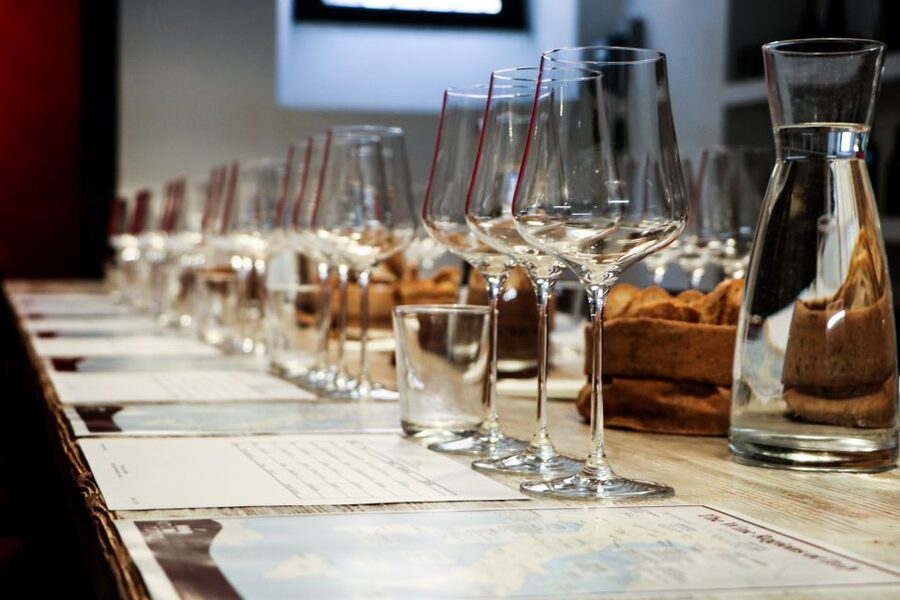
The pacing is designed for learning, not just sampling. You’re greeted by your sommelier and then you sit with a small group of curious wine fans. The atmosphere is meant to feel social but still instructional, so you’re not stuck listening while the room stays quiet.
Here’s the rhythm you can expect:
- You taste six wines, one by one.
- For each wine, your guide helps you pick out aroma and flavor traits.
- You practice describing what you like, and what you don’t.
- You learn how the Italian appellation system connects to expectations about a wine.
Because it’s only 2 hours, you should come prepared to pay attention. This isn’t the long, wandering kind of wine experience. Plan to take short notes if that helps you later, and try not to multitask during pours.
Also, you’re not asked to know anything in advance. The guide helps you build the vocabulary as you go. That’s a big deal for first-timers. Wine can feel intimidating when everyone around you is using specialist terms, but a good sommelier can turn those terms into easy observations.
What low-intervention means, and why it changes your glass
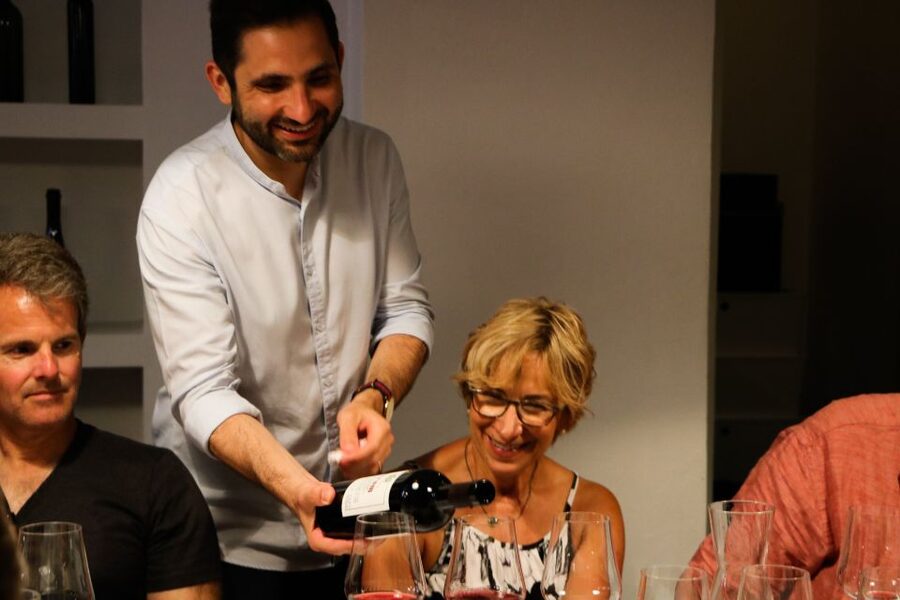
The tasting is built to explain low-intervention and natural wine in a way you can use. The point is simple: the choices a winemaker makes in the cellar affect the wine you taste in the glass.
In practical terms, low-intervention often comes with a different relationship to fruit expression, texture, and the final balance of the wine. You may notice that some wines feel more alive and expressive, while others might taste more rustic or quirky in a good way, depending on the producer and the style.
The value for you is that you stop judging based on your own expectations and start tasting based on the winemaking approach. Instead of asking, Is it good?, you start asking, What is it trying to express, and what does it taste like when it’s expressed with minimal interference?
One of the strongest themes from past participants is how the sommelier chose wines with different profiles, so you can actually compare. That comparison is where learning happens. If all six wines chased the same flavor lane, you would not grow as fast.
The Italian appellation system, translated into shopping confidence
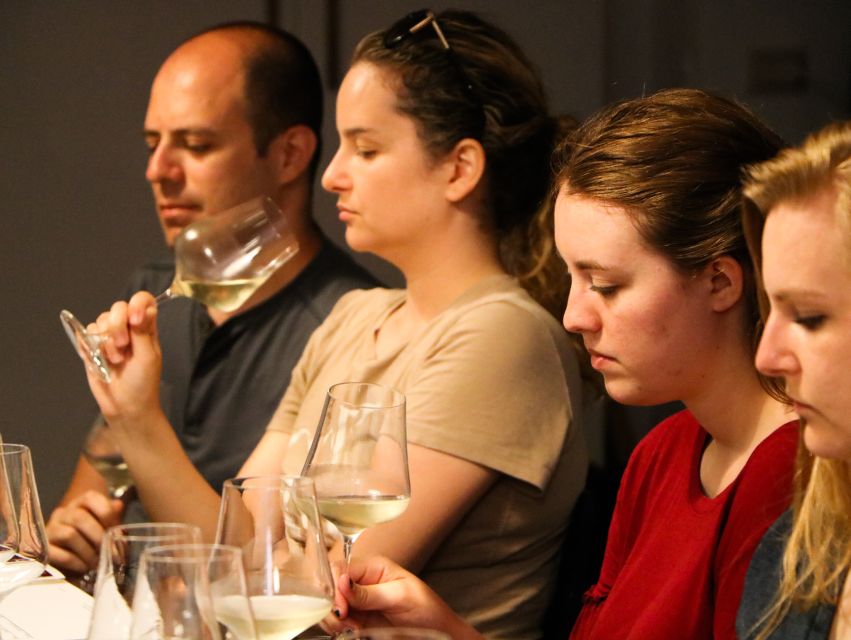
Italy’s labeling can feel like code when you first look at it. This experience helps you crack it.
You’ll learn the Italian appellation system, and how it connects to what’s in the bottle. Once you understand the logic behind names and categories, wine shopping gets easier. You’re not just hunting for something you recognize. You’re choosing wines based on how the system signals style and quality intent.
Then your guide ties it back to taste. You’ll learn what to look for when buying a bottle, and how to match wine to the meal you actually want to eat in Rome.
That connection is what makes the class useful beyond the tasting room. Wine knowledge that only works in class is fragile. Knowledge that helps you order dinner with confidence, or pick bottles without panic, is more valuable.
If you like food and you like learning how things connect, this is one of the most satisfying parts of the session. It turns wine from a mysterious product into a language you can read.
More Lazio bottles opened near Rome:


How you learn to describe wine without sounding fake
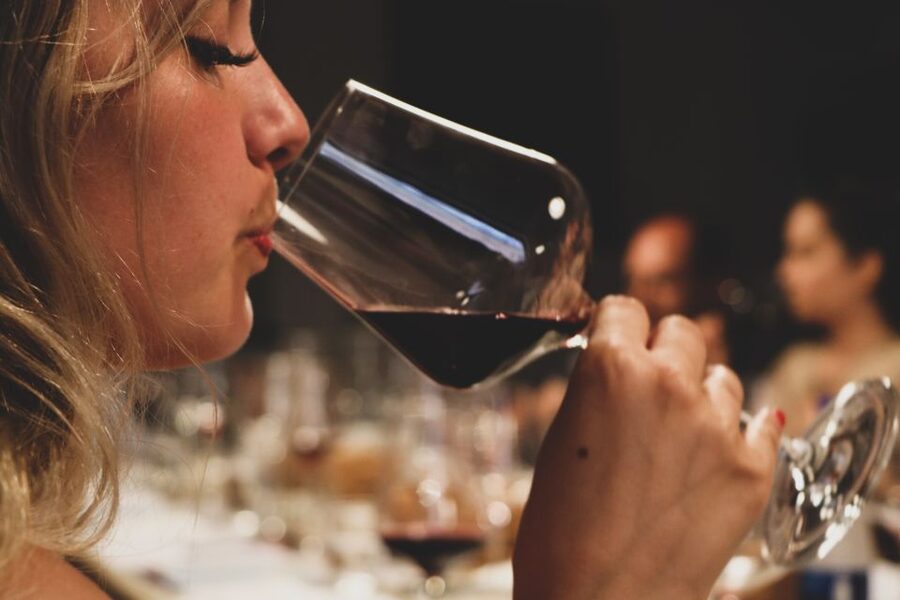
This is where the experience earns its keep. You’re not just tasting. You’re learning how to describe what you smell and taste, then how to translate that into likes and dislikes that actually make sense to you.
During the tasting, your sommelier helps you build descriptions that are practical, not performative. You practice noticing aroma, flavor, and how the wine feels on the palate. Then you learn how to say what you like in plain terms, so you can repeat the pattern when you buy another bottle.
A useful skill here is learning to anchor your opinions. You’re not relying on taste memories only. You’re learning to explain why something works for you. That makes wine more fun long-term, because it stops being luck.
Past sessions highlight that the guide’s passion and teaching style goes beyond average. People leave with that first-time relief where you realize you can talk about wine without feeling clueless. One name that comes up in participant feedback is Frank, and that matters because it’s clear the experience leans on the guide’s personality and delivery, not a one-size-fits-all script.
Private cellar vibes, but the point is the social pace
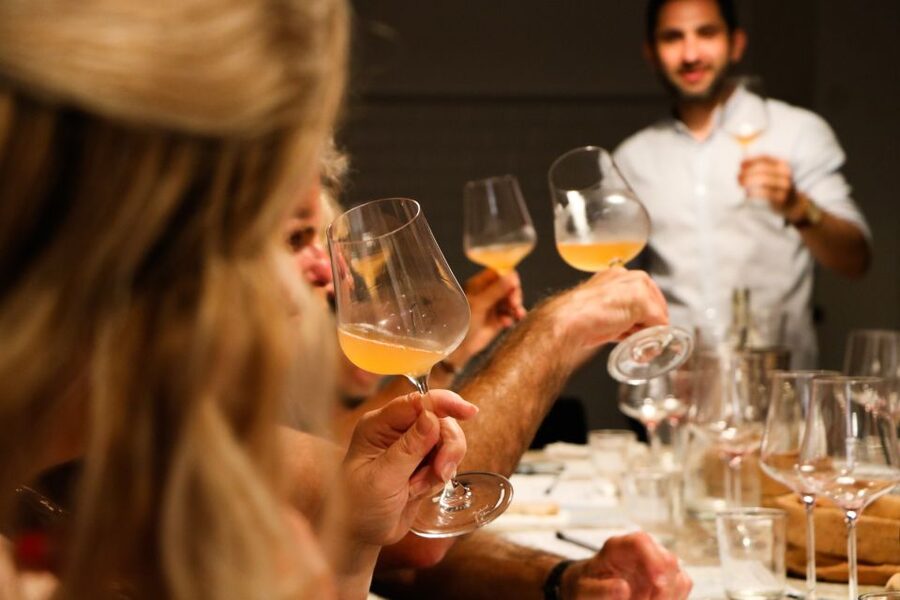
You’re tasting in a private room, not a noisy public space. That matters. You can hear the guide, and you can ask questions without shouting.
It’s also a small group, limited to 10 participants. In a group that small, the discussion stays personal. You can ask, Why did this one taste different? and get an answer that connects to the way you actually experienced it.
There’s one caution to consider based on past feedback: one booking noted a larger group size. The listing says limited to 10, so if you’re extremely sensitive to crowding, it’s worth keeping that in mind when you pick your time slot. Even then, the whole format is built for conversation, so you should still be able to participate.
You’ll also meet like-minded people from around the world who are curious about Italian wine. That social aspect is not fluff. It adds energy to the discussion, and it can help you catch aroma and flavor hints you might miss alone.
And because you get wine advice, you’re not leaving only with opinions. You leave with next steps.
Food, water, and why timing affects taste
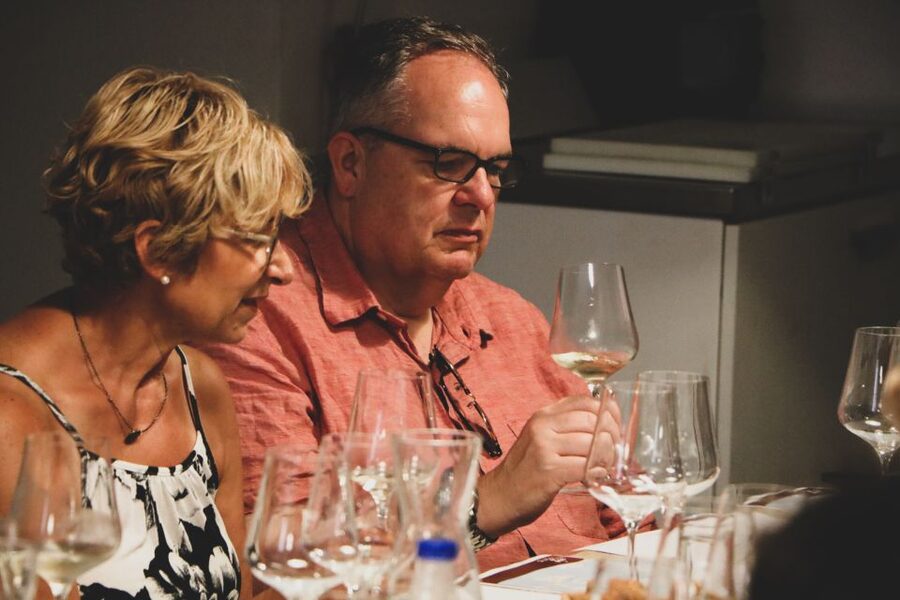
Only fresh bread and water are provided. That is intentional. Food can interfere with wine flavors, so keeping the pre-tasting snack minimal helps you taste each wine more clearly.
What this means for you:
- If you arrive starving, your palate might feel sluggish or your hunger might distract you.
- If you arrive overfull, the bread and water may not be enough to reset your taste buds.
The sweet spot is arriving not too hungry, not too stuffed. If your schedule allows, eat lightly before you go, then plan for a proper Roman meal after the tasting.
Your sommelier can also recommend restaurants in the area or elsewhere in Rome after the class. That’s a practical perk because you’re already in food mode. Pairing your dinner with what you just learned feels natural, and it turns the class into a real evening plan, not just a ticketed activity.
Price and value: how $94 holds up for what you get
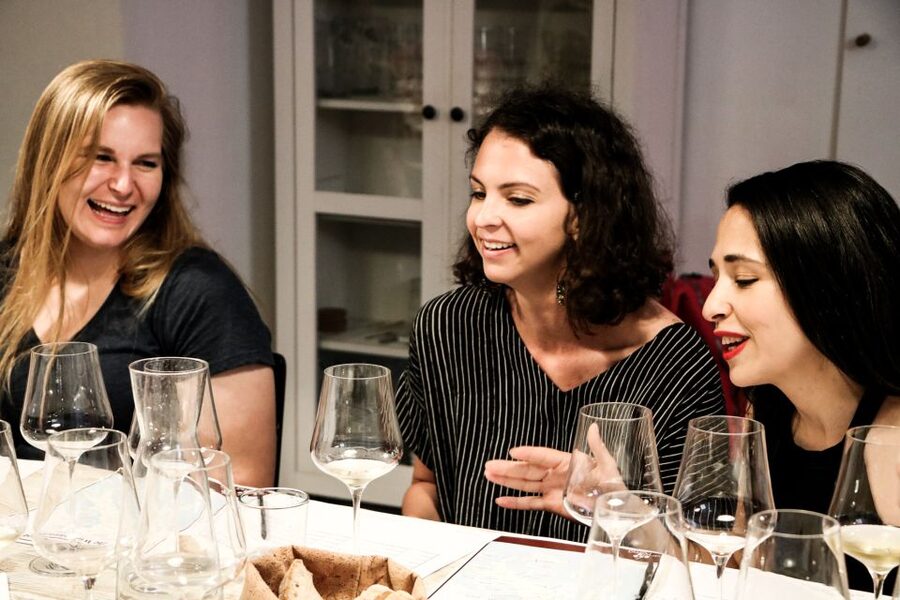
At $94 per person for 2 hours, the pricing is not cheap. But it’s also not just about paying for alcohol. You’re paying for instruction plus curated variety.
Here’s the value math in plain terms:
- You taste six wines, not one or two.
- You get water, fresh bread, and informative brochures.
- You get guided help learning to describe aromas and flavors, plus appellation context.
- You get restaurant guidance after, which can save you time deciding where to eat.
So you’re not paying only for drinks. You’re buying a skill session that makes your future wine purchases and dinner orders more confident. For many people, that confidence is the real product.
If you normally spend time researching wine labels, this can be a faster route. If you’re a total beginner, it can save you from feeling lost. Either way, the value comes from the structure and the teaching, not from the price tag alone.
Who this wine tasting is best for in Rome
This experience fits best if you want more than sipping. It’s ideal for:
- First-timers who want a guided way to taste and describe wine
- Food lovers who want pairing guidance and want wine to make sense on the plate
- Travelers who like small group activities and conversation
- Anyone curious about Italy’s wine regions and how labels connect to what you taste
It might be less ideal if you’re looking for a huge panoramic adventure or a long, multi-stop day. This is focused and seated. You’re going to leave smarter about wine, not with photos of 10 places.
Should you book VinoRoma’s Rome wine tasting?
If you want a fun, structured introduction to Italian wine that gives you real language for what you taste, I think you should book it. The strongest reasons are simple: six varied low-intervention wines, a guide who helps you learn how to describe aromas and flavors, and a calmer Monti setting that makes it easy to pay attention for the full 2 hours.
I’d only hesitate if you’re the type who prefers to taste without instruction, or if you’re worried about keeping your stomach empty enough for the flavors to stay clean. Otherwise, this is a great value for people who want their time in Rome to include more than sightseeing.
FAQ
How many wines are tasted in this experience?
You’ll taste 6 different styles of Italian wine during the 2-hour session.
How long does the wine tasting last?
The experience lasts 2 hours.
Is the tasting offered in English?
Yes, the instructor guides the tasting in English.
What is included to eat and drink during the tasting?
You’ll have water and fresh bread included during the tasting, along with informative brochures.
Where is the meeting point in Rome?
The tasting takes place in a private room in Monti at Selci #84/G. Look for the red door with the VinoRoma logo, and note that the “G” door is several doors down from #84.
Can I cancel for a full refund?
Yes. You can cancel up to 24 hours in advance for a full refund.
Do they offer reserve now and pay later?
Yes. You can reserve now & pay later, keeping travel plans flexible.
Is the activity wheelchair accessible?
The experience is listed as wheelchair accessible.
Trattorie, Enoteche and Counters
- Winner 2025 Rome Twilight Trastevere Food Tour by Eating Europe
★ 5.0 · 5,157 reviews - Rome: Street Food Tour with Local Guide
★ 4.8 · 4,077 reviews - Rome Food Tour: Campo de’ Fiori, Ghetto, Trastevere Winner 2024
★ 5.0 · 3,205 reviews - Rome: Trastevere Food tour with Free-Flowing Fine Wine
★ 5.0 · 2,853 reviews
Latest additions from Rome
- Rome: Testaccio Market Food Tour with Street Food & Wine★ 5.0 · 8 reviews
- Exclusive Pasta & Tiramisu Class with Wine near by Colosseum★ 5.0 · 8 reviews
- Private Professional Photoshoot in Rome★ 5.0 · 8 reviews
- Loreto “Shrine of the Holy House of the Virgin Mary” Private Tour from Rome★ 5.0 · 8 reviews
- Rome Day to discover Florence and Pisa Hotel Pickup★ 4.5 · 8 reviews
- Rome: Christmas Nativities and Angels Tour★ 3.1 · 8 reviews
- Guided Tour of Vatican Museums and Sistine Chapel★ 5.0 · 8 reviews
- Rome: Cooking Class of fresh Pasta and Tiramisu Cake★ 5.0 · 8 reviews
Wine Tasting in Rome, compared.
Pasta Making with Wine Tasting and Dinner in Frascati
Read our review →
Food Tour and Wine Tasting in a Traditional Trattoria
Read our review →
Wine Tasting in Trastevere with Food and Gelato
Read our review →
Trastevere Wine Tasting with Food Pairing and Gelato
Read our review →
Frascati Day Tour: Road from Rome with Wine Tasting & Lunch
Read our review →
Bagnoregio & Orvieto Day Trip from Rome with Wine Tasting & Lunch
Read our review →
Half-Day Small Group Food and Wine Tasting Tour in Rome
Read our review →
Siena and San Gimignano from Rome: Wine Tasting Tour in Tuscany
Read our review →Browse the lists this tour appears in