
Reviewed · PASTA AND TIRAMISU COOKING CLASSES
Rome: Fresh Pasta-Making Class with Wine and Gelato
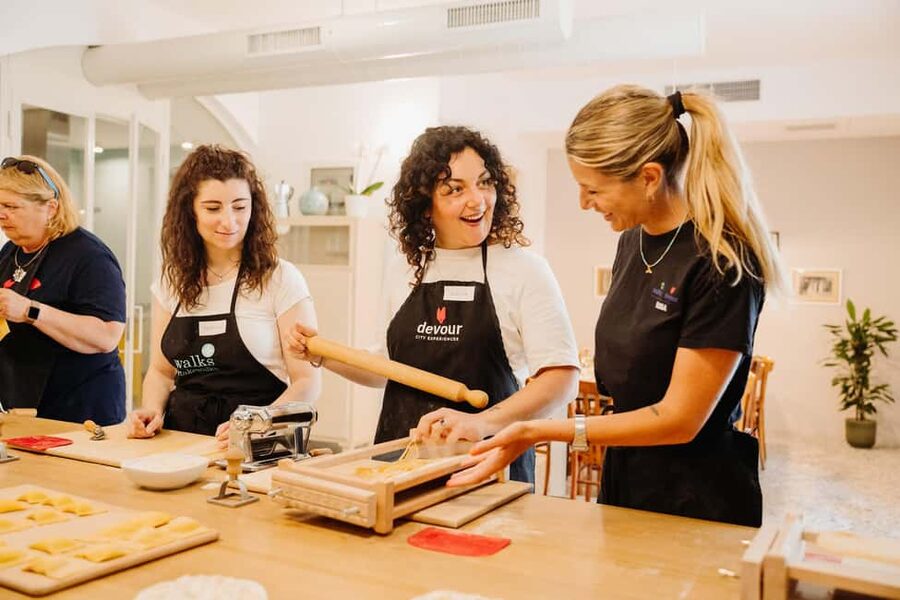
Fresh pasta in Rome, plus wine and gelato. That is exactly the kind of evening that turns into a food story you tell for years, inside a home kitchen in Trastevere. I love the hands-on feel of making two pastas from scratch with a professional Italian chef, and I also like that the class doesn’t stop at dough. You finish by eating what you made, with unlimited wine and a homemade gelato sweet stop. One drawback to consider: it is not set up for wheelchairs, and strollers are also not a good fit because the experience involves walking and time in a home kitchen.
What makes this one work is the pacing and the teaching. You start with dough basics, then shape and cut, then shift into Roman sauce thinking while your pasta rests. In the final meal, you eat together in a relaxed way, which is half cooking class and half Roman night out.
The price tag of $69 for a 3-hour experience can feel high until you look at what you actually get: chef-led prep, appetizers, ingredients, wine, gelato, plus printed recipe cards to take home.
In This Review
- Key highlights that matter in real life
- Trastevere home kitchen starts with a clear meeting plan
- Aperitivo and prosecco set the tone for the 3-hour evening
- Dough basics: how to get fresh pasta right the first time
- Fettuccine rolling and cutting: the skill you’ll actually use again
- Ravioli with real filling work, plus smart rest-and-cook timing
- Roman sauces: learning why the ingredients taste like Rome
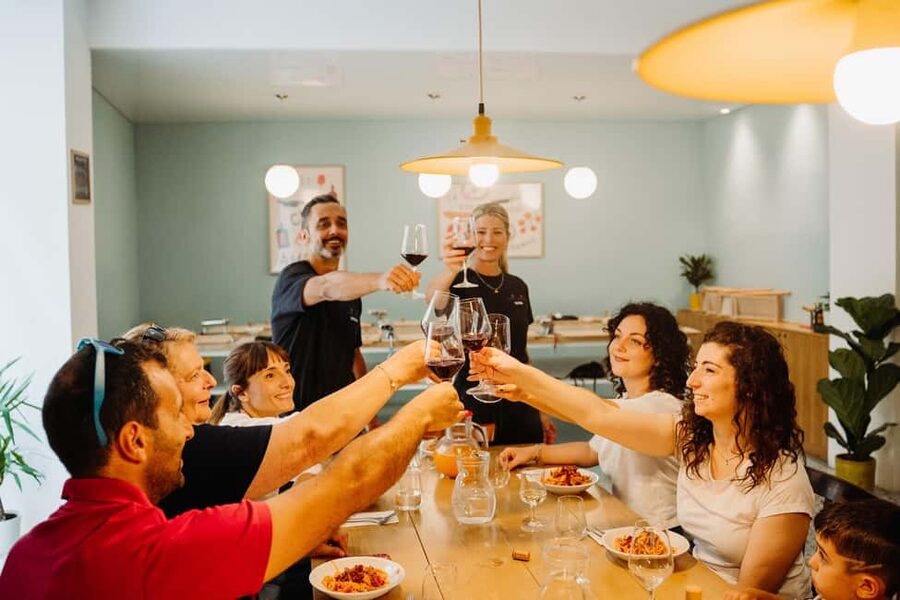
- The meal: wine, laughter, and eating what you made
- Homemade gelato: the sweet finish that makes it feel complete
- Price and value: what $69 really buys in Rome
- Who should book this pasta and wine class
- My booking advice: when to choose this class
- FAQ
- What time does the class start, and how long is it?
- What do I make during the class?
- Is the class taught in English?
- Are beverages included?
- Is it suitable for wheelchair users or people with mobility impairments?
- What dietary needs can be accommodated?
- Should you book this Rome pasta and gelato class?
Key highlights that matter in real life
- Two pasta types: fresh fettuccine and ravioli, made by your hands, not just watched
- Unlimited wine and prosecco with a table meal, plus a traditional aperitivo start
- Roman sauce technique using seasonal ingredients you learn how to think about
- Small-group energy shows up in feedback, with some sessions as intimate as four people
- English instruction with hands-on help, so beginners are not left behind
- Recipe cards included, so you can repeat the menu back home
Trastevere home kitchen starts with a clear meeting plan
The class meets at Piazza di San Giovanni della Malva, in the square in front of the San Giovanni della Malva church. Plan to arrive 15 minutes early, because the meeting point is easy to miss if you are looking for a regular restaurant storefront.
A practical tip from people who got a little turned around: don’t assume you meet inside a business. The group convenes in a courtyard area, so once you see the guide holding a red bag or a Devour Tours sign, get close and wait with the group.
Why this matters: with cooking classes, late arrivals can snowball. You want the start time to go smoothly so you can enjoy the full sequence, from dough to the final gelato.
Other kitchens rolling pasta and folding tiramisu:
- 3 in 1 Cooking Class near Navona: Fettuccine, Ravioli & Tiramisu
★ 5.0 · 7,376 reviews - Rome: Pasta & Tiramisu Class with Fine Wine by the Vatican
★ 4.9 · 4,852 reviews - Rome: Pasta Making Class with Wine, Limoncello, and Dessert
★ 4.9 · 3,177 reviews - Rome Cooking Class: Make Pasta and 3 Spritz Cocktails
★ 5.0 · 2,937 reviews
Aperitivo and prosecco set the tone for the 3-hour evening
Right away, you get the social rhythm of an Italian meal. The experience starts with a traditional aperitivo before the pasta work begins, then moves into prosecco as the chef introduces dough basics.
This helps more than you might think. When you are learning a physical skill like rolling and folding dough, you do better when the room is calm and you feel like you can ask questions. The vibe is friendly, and the instruction has a real “do it with us” energy.
Also, the class is 3 hours. That is enough time to learn technique and still sit down and eat without feeling rushed. For Rome, it is a solid evening slot, not an all-night event.
Dough basics: how to get fresh pasta right the first time
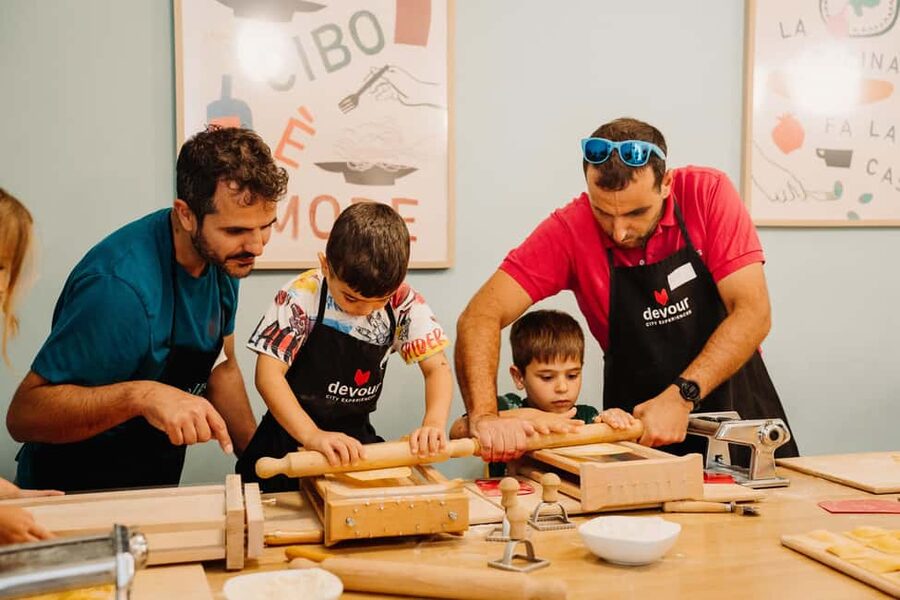
This is where the class earns its keep. You learn how to balance flour, eggs, and olive oil, then you practice shaping the dough until it has the right feel and consistency.
You will likely notice a theme in the teaching: texture is the real lesson. Flour measurements are a starting point, but pasta dough is about feel. When you learn that, you can reproduce it later without relying on guesswork.
Many participants praised instructors for clarity and a playful, encouraging style. In a few examples, people specifically named teachers like Elisa and Luca, Stefano and Cara, and Asia and Gullia. The names matter because it signals something real: different chefs lead, but the instruction quality stays high.
What you are taking home here is confidence. If you have ever tried making pasta at home and ended up with dough that was too dry or too sticky, this class teaches you what to correct on the spot.
Fettuccine rolling and cutting: the skill you’ll actually use again
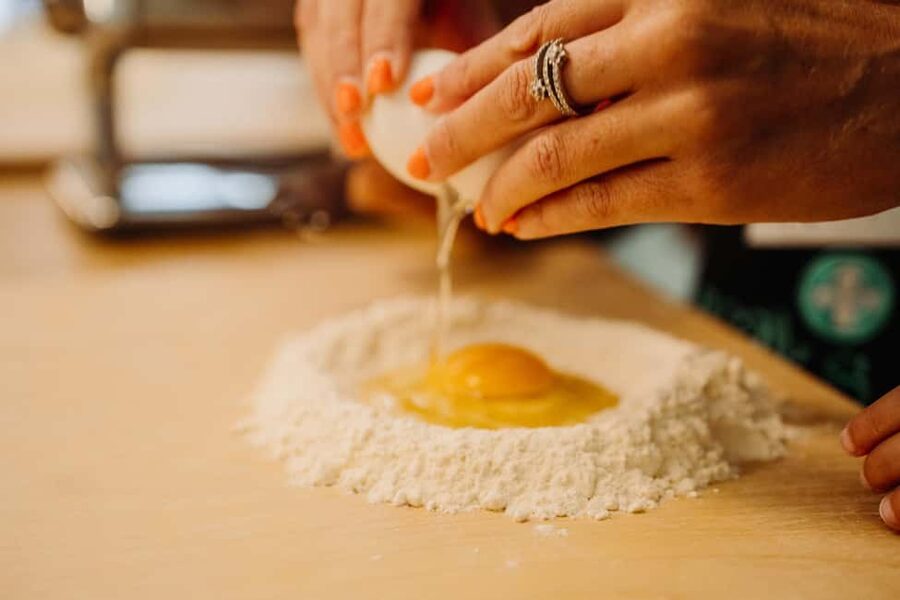
Once the dough is ready, you roll, cut, and shape your fettuccine. Fresh fettuccine is an ideal first target because it teaches the core mechanics: rolling thickness, cutting precision, and how to keep strands manageable.
Why it is valuable: fettuccine is the pasta you can use most often at home. Even if you never make ravioli again, you can turn this into quick dinners that taste like effort.
You also get a sense of timing. There is a moment when pasta is formed but not cooked yet, and the class shows you how to move through that gap without losing momentum.
Ravioli with real filling work, plus smart rest-and-cook timing
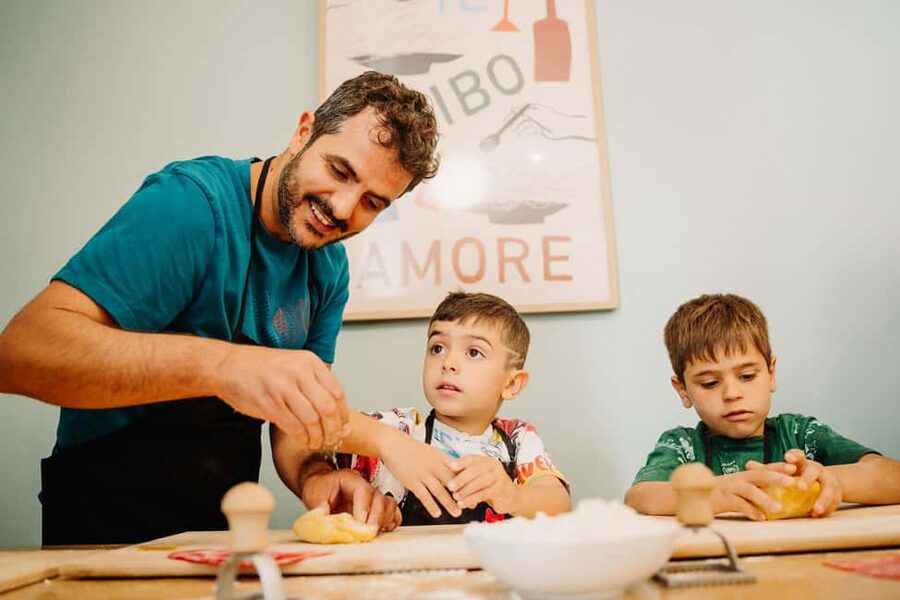
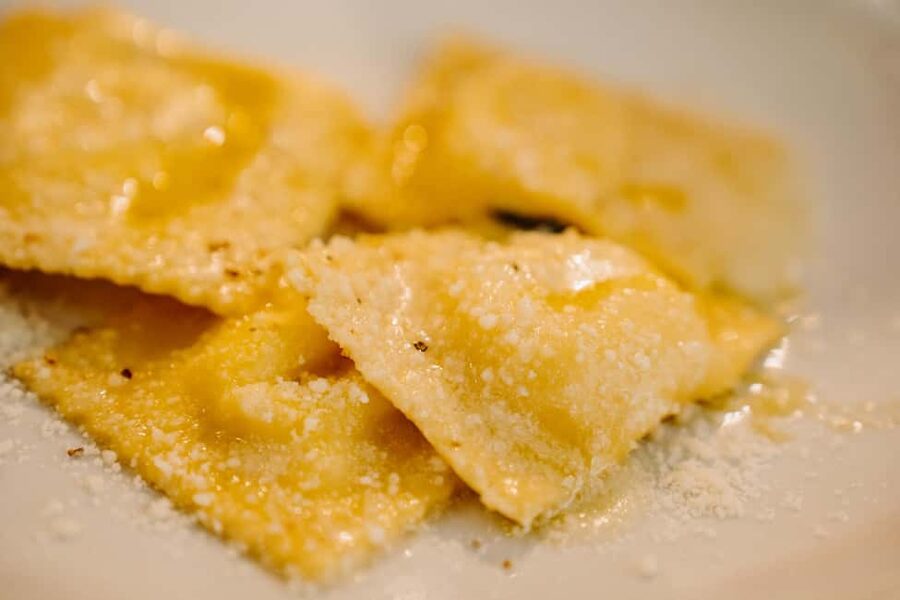
Then you shift into ravioli, which is more delicate and more about shaping. You prepare fillings and learn an authentic recipe approach you can recreate later. Ravioli also forces you to slow down in the right way, which is good if you tend to rush in the kitchen.
Roman ravioli is about balance: not just taste, but structure. If your dough is too thin, ravioli can tear. If it is too thick, the filling flavor gets muted. The chef guidance helps you land in the middle.
A key detail that shows up in feedback: instructors keep the pace workable even for kids. People reported good results with children as young as five or eight, and that is a sign the teaching is step-by-step rather than chaotic.
More Lazio bottles opened near Rome:

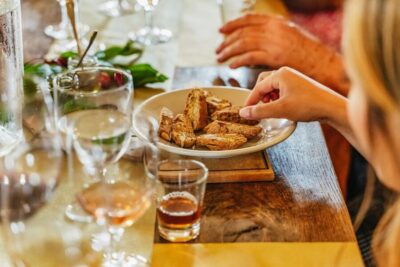
Roman sauces: learning why the ingredients taste like Rome
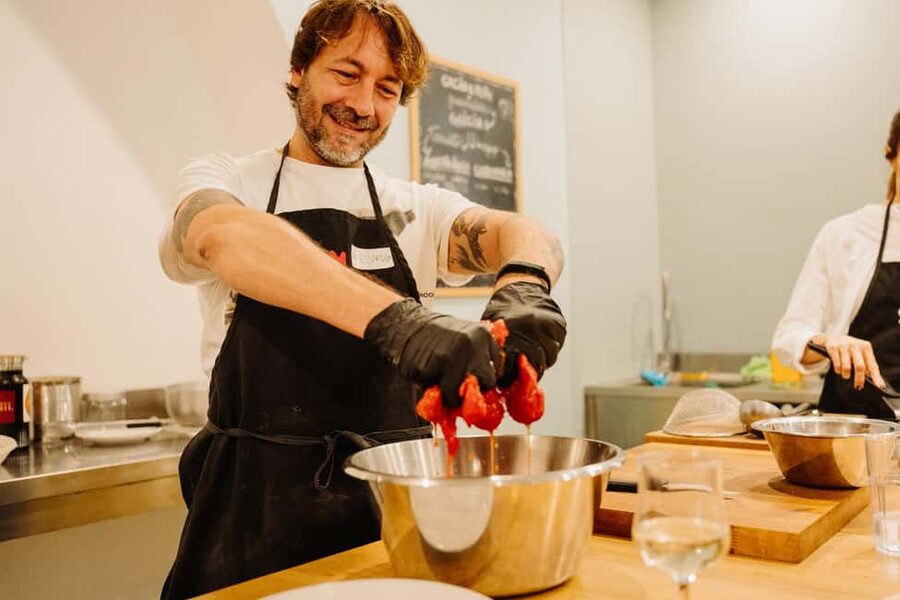
While the pasta rests, you learn how to make Roman sauces using fresh, seasonal ingredients from local markets. This part is not just “add sauce.” You learn the Roman logic behind it: how the ingredients work together and how to treat the sauce like the star, not a sidekick.
Some sessions include sauce styles like amatriciana or puttanesca, which came up in class stories people shared. The bigger takeaway is technique. You learn how to build flavor in the pan so your pasta tastes like a proper Roman plate, not just boiled dough with some sauce poured on top.
If you care about food culture, this section is the bridge between cooking and understanding. Roman cooking often celebrates bold, simple combinations. When you learn the method, you start recognizing it on menus around the city.
The meal: wine, laughter, and eating what you made
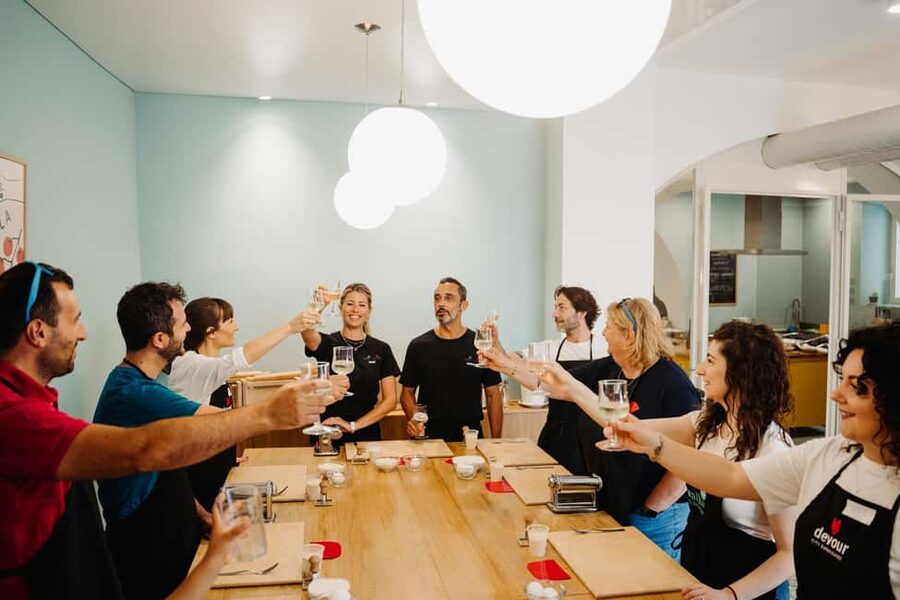
After cooking, you gather at the table and eat your homemade pasta paired with selected Italian wines. People repeatedly highlight how fun and social it feels, and you should expect a relaxed, friendly atmosphere where you share stories with your fellow cooks.
And yes, the wine is part of the experience. Prosecco is included at the start, and wine is unlimited during the class. That is great for the vibe, but it is also something to plan around. If you want a clear head for later sightseeing, pace yourself early.
One more practical advantage: you are not spending your evening cleaning up a kitchen mess and eating later. Everything ends with you sitting down and enjoying the meal you made.
Homemade gelato: the sweet finish that makes it feel complete
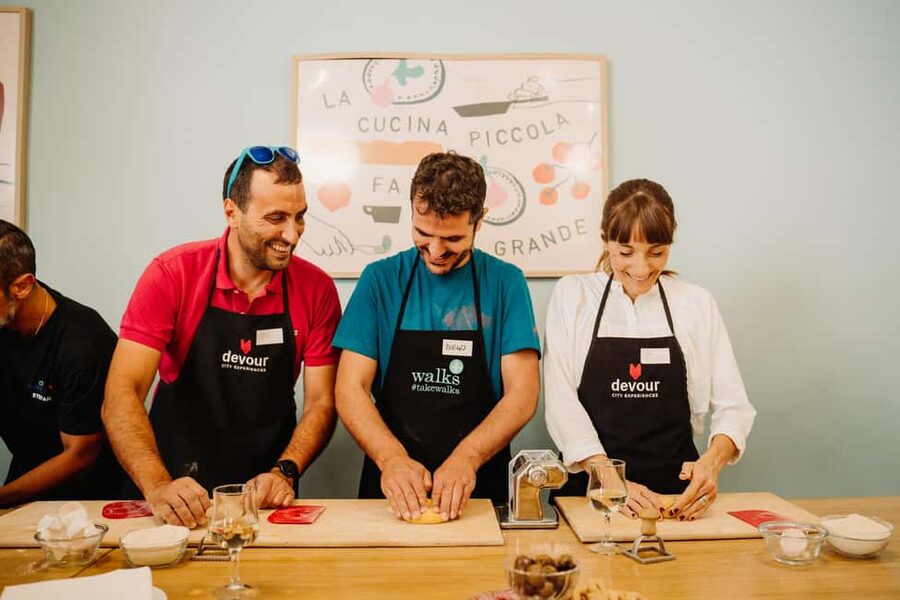
No Italian night feels finished without something cold and sweet. You end with creamy, homemade gelato, made as part of the class flow.
This matters because it turns the evening into a complete menu experience, not just a single dish workshop. Pasta is satisfying, but gelato is what makes people remember the whole thing as a full Roman dinner arc.
Price and value: what $69 really buys in Rome
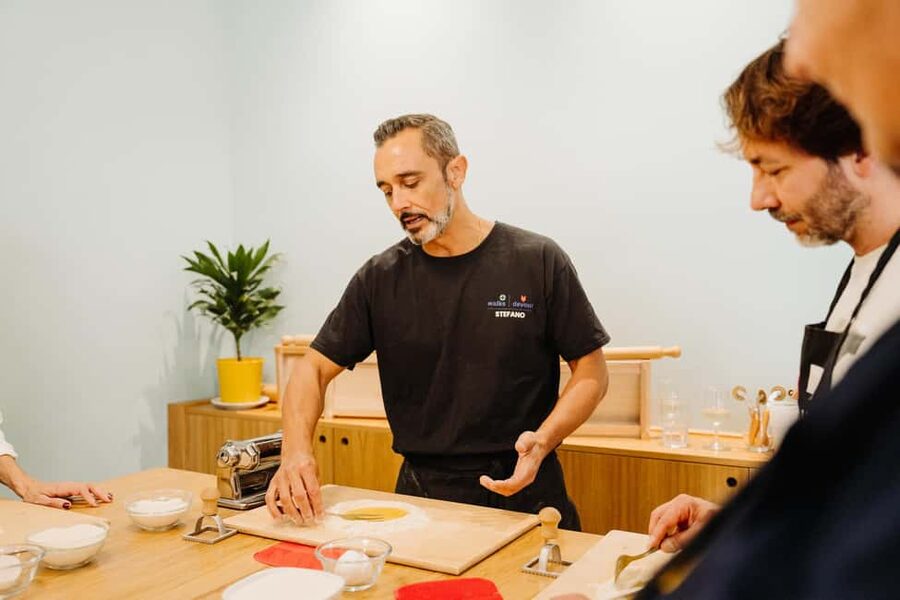
At $69 per person for 3 hours, the value is not just the pasta. You are getting a full package:
- Local expert chef instruction in English
- Appetizers plus a traditional aperitivo start
- All ingredients for the meal
- Two homemade pastas and sauces
- Gelato at the end
- Prosecco and unlimited wine
Also, the class includes printed recipe cards, which is a big deal if you want to repeat the results. Lots of cooking experiences teach skills, but then you leave with vague memories. Printed recipes help you cook again without guessing.
Is it expensive? Compared to a basic meal, yes. Compared to buying dinner plus wine plus a hands-on lesson from a professional chef, it is easier to justify. And if it is one of your only paid food experiences in Rome, this has a lot of “menu per dollar” value.
Who should book this pasta and wine class
Book it if you want:
- A hands-on Rome cooking class in Trastevere, not a quick tasting
- A friendly small-group setting where you can learn by doing
- The combination of pasta skills and a real sit-down meal
- A fun date-night or family-friendly activity that still teaches technique
Family notes: multiple people said it worked well with kids, and that the chefs paid attention to how children participated. That said, this is still a home-kitchen setup, so it is not stroller-friendly and it is not designed for wheelchairs.
Language: it is English-instructor and described as adaptable for many dietary needs except celiacs. If you have dietary restrictions, you should contact the operator before joining so they can arrange the food.
My booking advice: when to choose this class
If this is your first cooking class, do it early in the trip. The technique sticks better when your Roman food memories are fresh. One person even said they wished they had booked it as an early activity, because it would have improved their restaurant choices afterward.
Timing-wise, a 3-hour evening slot is ideal when you want an indoor break from Rome’s heat or when you want to slow down and get hands-on.
Also, look at the class length and what is included, not just the ticket price. With wine, gelato, appetizers, and chef time, you are paying for a complete experience, not only ingredients.
One more practical point: because the meeting is in a courtyard near Piazza di San Giovanni della Malva, save yourself stress by arriving early and keeping an eye out for the red bag or sign.
FAQ
What time does the class start, and how long is it?
The class runs for about 3 hours. You should check available start times when you book.
What do I make during the class?
You make two types of fresh pasta from scratch: fettuccine and ravioli. You also prepare Roman sauces, plus a gelato finish.
Is the class taught in English?
Yes, the instructor teaches in English.
Are beverages included?
Yes. You get prosecco at the start and unlimited wine during the class.
Is it suitable for wheelchair users or people with mobility impairments?
No. It is not suitable for guests with mobility impairments, wheelchairs, or strollers due to the nature of the tour.
What dietary needs can be accommodated?
The experience is adaptable to all dietary needs except celiacs. If you have restrictions, you need to contact the operator in advance so they can arrange your food.
Should you book this Rome pasta and gelato class?
Yes, if you want a hands-on night in Trastevere with a professional chef, real Roman sauce skills, and a full meal ending in homemade gelato. The strongest reason to book is the combination: you learn two pasta types, you eat what you make, and you get recipe cards to repeat it later.
Skip it only if mobility constraints or stroller needs are part of your plan, since the class is not set up for wheelchairs. If you can attend and you enjoy cooking, this is one of those Rome experiences that feels personal, tasty, and worth the money.
A Roman Bench for the Morning
- Rome: 3-in-1 Fettuccine, Ravioli, and Tiramisu Cooking Class
★ 4.9 · 2,704 reviews - Rome: Fettuccine Pasta Cooking Class in Rome’s City Center
★ 4.8 · 2,414 reviews - Become a Masterchef in Rome: Pasta, Ravioli and Tiramisù Class
★ 5.0 · 2,156 reviews - Fettuccine & Tiramisù: Cooking Class with Wine & Limoncello
★ 4.9 · 2,103 reviews
Latest additions from Rome
- Guided Tour Vatican Museums & Sistine Chapel★ 4.1 · 30 reviews
- Exclusive Rome by Night Vespa Tour★ 5.0 · 30 reviews
- Transfer Rome to Airports★ 4.5 · 30 reviews
- Vatican: St.Peter’s Basilica & Dome – Reserved Entry & Tour★ 4.1 · 30 reviews
- Rome street art tour: off the beaten path with a local guide★ 5.0 · 30 reviews
- Tivoli, Hadrians Villa and Villa d’Este, a charming day trip from Rome★ 4.5 · 30 reviews
- Rome Food Tasting with Wine Pairing Italian Authentic Flavors★ 5.0 · 31 reviews
- Inspirational Cooking on the Roman Chef’s Panoramic Terrace★ 5.0 · 30 reviews
Pasta and Tiramisu Cooking Classes, compared.
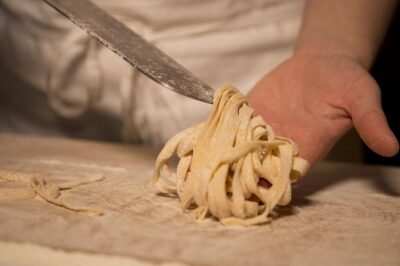
3 in 1 Cooking Class near Navona: Fettuccine, Ravioli & Tiramisu
Read our review →
Pasta & Tiramisu Class with Fine Wine by the Vatican
Read our review →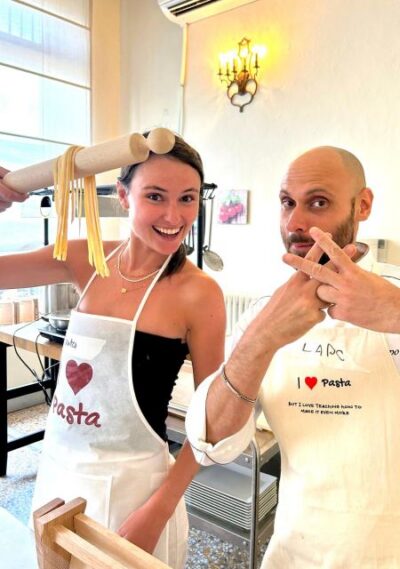
Pasta Making Class with Wine, Limoncello, and Dessert
Read our review →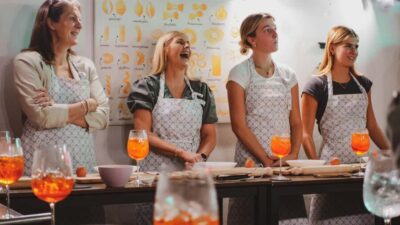
Rome Cooking Class: Make Pasta and 3 Spritz Cocktails
Read our review →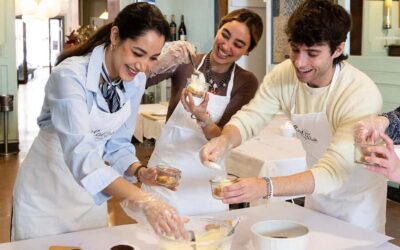
3-in-1 Fettuccine, Ravioli, and Tiramisu Cooking Class
Read our review →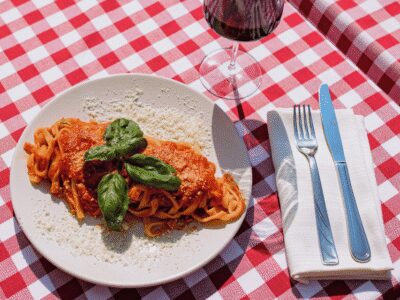
Fettuccine Pasta Cooking Class in Rome’s City Center
Read our review →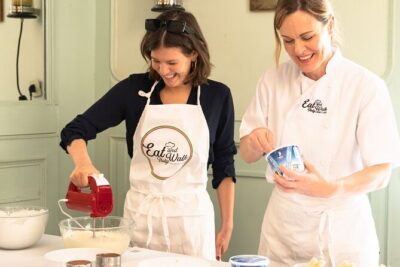
Learn to Make Pasta & Tiramisu with Wine and Limoncello Included
Read our review →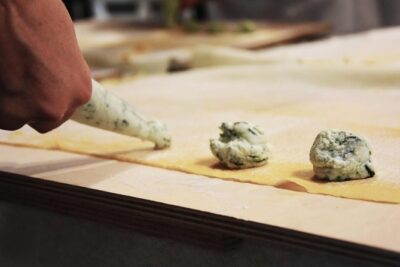
Become a Masterchef in Rome: Pasta, Ravioli and Tiramisù Class
Read our review →Browse the lists this tour appears in